High-intensity industrial UV lamps play a critical role in modern manufacturing, enabling rapid curing, efficient surface treatment, advanced printing, and precision material processing. From automotive coatings and electronics manufacturing to packaging, woodworking, and industrial printing, ultraviolet technology helps manufacturers improve production efficiency, achieve consistent product quality, and reduce processing times.
However, the powerful ultraviolet radiation generated by industrial UV lamps introduces significant occupational safety considerations. Improper operation can expose workers to harmful UV radiation, excessive heat, electrical hazards, ozone, and potentially hazardous materials. Without appropriate protective measures, these risks can result in eye injuries, skin damage, burns, respiratory irritation, equipment failures, and costly production interruptions.
As industrial UV systems become more powerful and manufacturing processes become increasingly automated, establishing comprehensive safety standards is essential for protecting employees and maintaining reliable production.
Whether your facility uses high-pressure mercury UV lamps, metal halide lamps, UV LED curing systems, or specialized high-intensity ultraviolet equipment, understanding proper operating procedures is fundamental to maintaining a safe industrial environment.
This comprehensive guide explores industrial UV lamp safety standards, potential workplace hazards, personal protective equipment, installation requirements, operating procedures, maintenance practices, and effective strategies for minimizing risks while maximizing production performance.
1. Understanding High-Intensity Industrial UV Lamps
High-intensity industrial UV lamps are specialized light sources designed to deliver concentrated ultraviolet radiation for industrial applications.
Unlike ordinary lighting systems, these lamps generate substantial ultraviolet energy at wavelengths selected to initiate photochemical reactions, cure materials, disinfect surfaces, or modify material properties.
The operating characteristics and safety requirements of industrial UV lamps vary depending on the lamp technology, emitted wavelengths, radiation intensity, and intended application.
Common Types of Industrial UV Lamps

High-Pressure Mercury UV Lamps
These lamps use an electrical discharge through mercury vapor to generate intense ultraviolet radiation. They are widely used in industrial printing, coating, adhesive curing, and surface treatment. Their high operating temperatures and broad emission spectra require effective shielding, cooling, and electrical protection.

Metal Halide UV Lamps
Metal halide UV lamps incorporate additional metal compounds to modify their spectral output. They are commonly used when specialized curing formulations require particular ultraviolet wavelengths. Their safety considerations include radiation exposure, elevated temperatures, electrical hazards, and proper handling of lamp materials.

Industrial UV LED Lamps
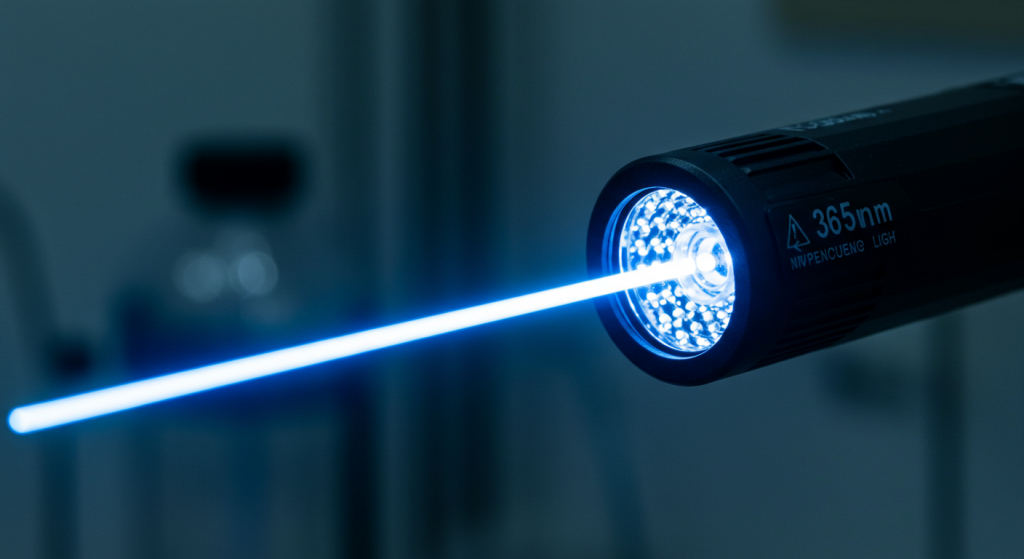
UV LED systems use semiconductor technology to produce ultraviolet radiation within relatively narrow wavelength ranges. They generally offer rapid switching, lower heat generation at the irradiated surface, and reduced energy consumption compared with many conventional mercury-based systems. Nevertheless, high-power UV LED arrays can still cause serious eye and skin injuries without proper protection.

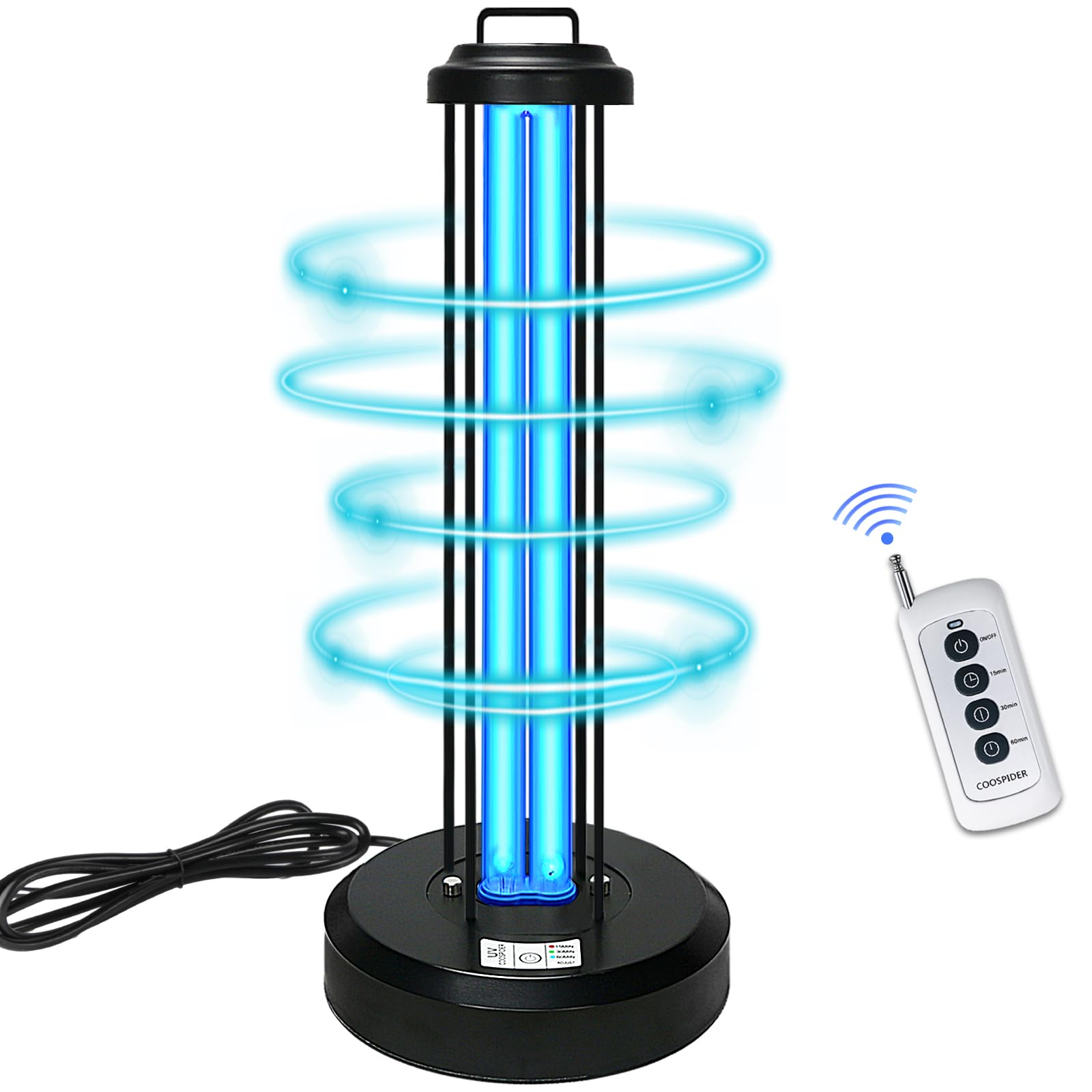
Germicidal UV Lamps
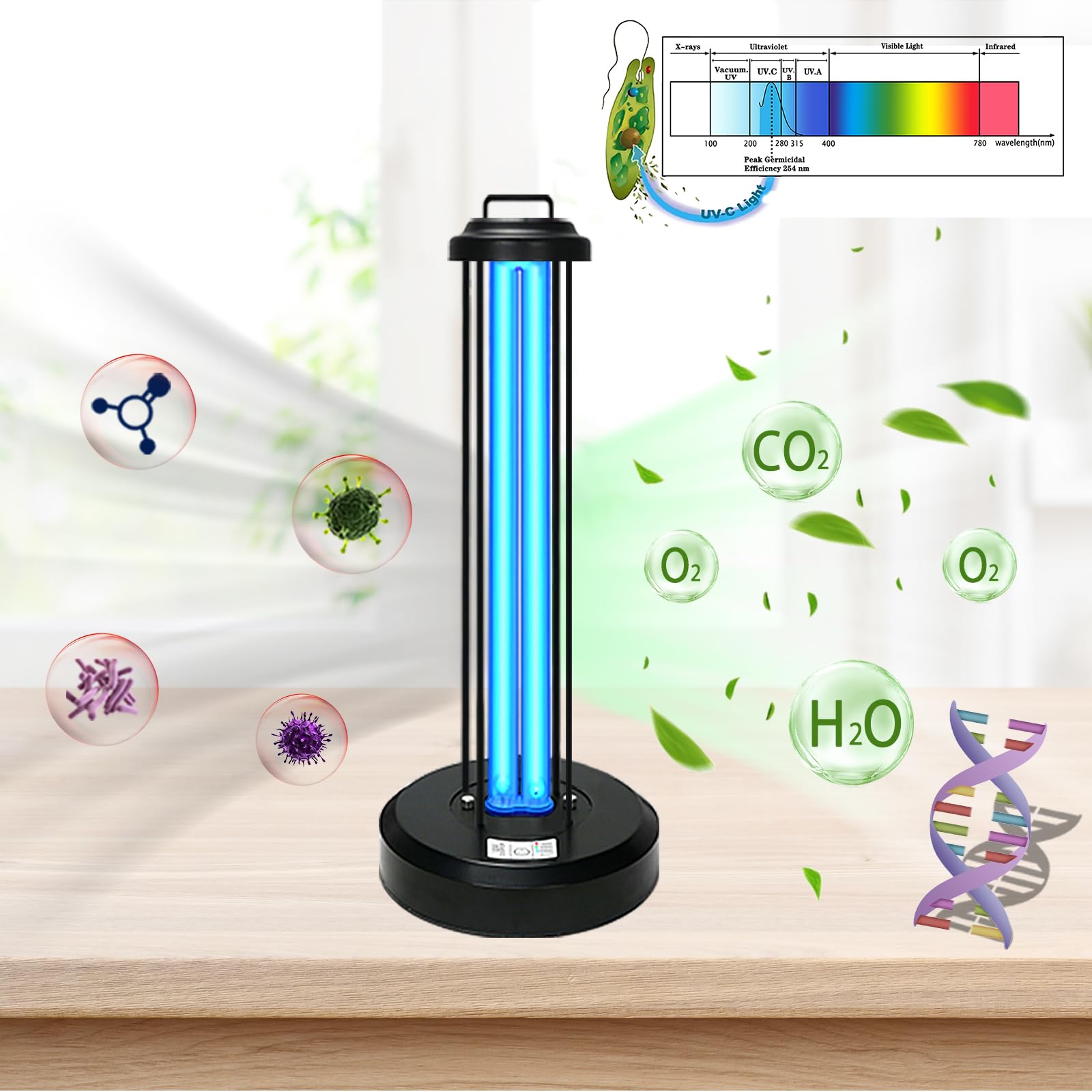
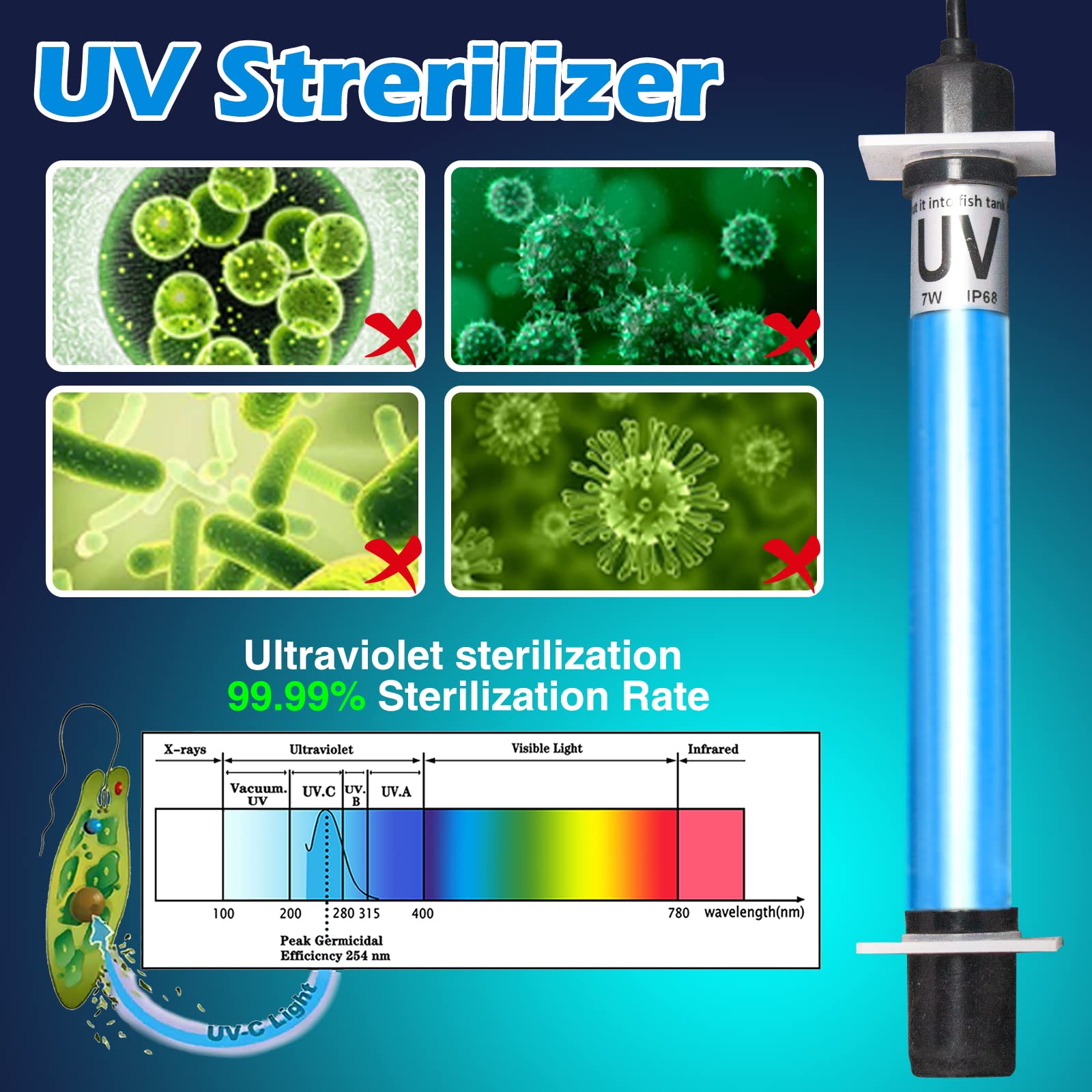
Germicidal ultraviolet lamps, particularly those emitting UV-C radiation, are used for air, water, and surface disinfection. These systems require carefully designed exposure controls because direct or reflected UV-C radiation can injure the eyes and skin.
Understanding UV Wavelengths
Ultraviolet radiation is generally divided into three primary wavelength categories.
|
UV category
|
Wavelength range
|
Principal safety considerations
|
| --- | --- | --- |
|
UV-A
|
315–400 nm
|
Eye and skin exposure; potential retinal hazards at certain wavelengths and intensities
|
|
UV-B
|
280–315 nm
|
Skin erythema, photokeratitis, and long-term skin damage
|
|
UV-C
|
100–280 nm
|
Acute eye and skin injury; ozone generation at certain shorter wavelengths
|
Industrial UV curing systems frequently operate in the UV-A region, although some conventional mercury-based lamps produce radiation across multiple ultraviolet bands.
UV LED curing systems commonly use wavelengths such as 365, 385, 395, and 405 nm. Radiation at 405 nm is technically within the visible violet spectrum rather than the ultraviolet spectrum, but high-intensity emissions at this wavelength can still present optical hazards.
Understanding the spectral output of your specific equipment is essential because different wavelengths create different exposure risks and require different protective measures.
2. Major Hazards Associated With High-Intensity Industrial UV Lamps
Effective industrial UV lamp safety begins with identifying the hazards associated with the equipment and its operating environment.
The most significant risks generally involve ultraviolet radiation, high temperatures, electrical energy, airborne contaminants, and mechanical equipment.
2.1 Ultraviolet Radiation Exposure
Direct exposure to high-intensity ultraviolet radiation can damage human tissue.
The severity of injury depends on several factors, including radiation wavelength, irradiance, exposure duration, distance from the source, and the presence of reflective surfaces.
Eye injuries
Unprotected exposure to ultraviolet radiation can cause photokeratitis, an acute injury affecting the cornea.
Symptoms may include eye pain, redness, tearing, light sensitivity, and the sensation of having sand in the eyes.
Symptoms can develop several hours after exposure, meaning an employee may initially feel comfortable despite having received a harmful dose.
Certain ultraviolet wavelengths can also contribute to lens damage and cataract formation. High-intensity near-UV and visible emissions may present additional retinal hazards, depending on the source spectrum and exposure conditions.
Skin injuries
Excessive ultraviolet exposure can cause skin redness, inflammation, and burns.
Repeated exposure may contribute to premature skin aging and an increased risk of certain skin cancers.
Industrial workers may experience particularly high exposure when operating equipment with inadequate shielding, performing maintenance near energized lamps, or inspecting curing processes through unprotected openings.
Reflected radiation
UV radiation does not need to travel directly from a lamp to cause injury.
Polished metal, reflective machine components, glass surfaces, and certain coating materials can redirect radiation toward operators.
For this reason, workplace exposure assessments must consider both direct and reflected ultraviolet radiation.
2.2 High Operating Temperatures
Many conventional industrial UV lamps operate at extremely high temperatures.
High-pressure mercury lamps and metal halide lamps can generate substantial radiant heat, while their quartz envelopes and surrounding reflectors may remain dangerously hot after shutdown.
Potential consequences include contact burns, ignition of nearby combustible materials, thermal damage to machine components, and overheating of sensitive substrates.
UV LED systems generally reduce some thermal hazards associated with conventional discharge lamps. However, their LED modules, heat sinks, power supplies, and cooling systems may still reach temperatures capable of causing injury.
Operators should never assume that a UV LED system is safe to touch simply because it operates at a lower temperature than a conventional UV lamp.
2.3 Electrical Hazards
Industrial UV equipment often uses high-voltage power supplies, electronic ballasts, ignition circuits, and high-current electrical connections.
Improper electrical installation or maintenance can cause electric shock, arc flash, equipment damage, or fire.
Some power supplies contain capacitors that retain hazardous electrical energy after the system has been disconnected.
Electrical work should therefore be performed only by appropriately qualified personnel following established electrical safety and energy-isolation procedures.
2.4 Ozone Generation and Airborne Contaminants
Certain UV lamps emit radiation at wavelengths capable of generating ozone from oxygen in the surrounding air.
Ozone can irritate the eyes and respiratory system and may contribute to coughing, chest discomfort, and breathing difficulties.
The amount generated depends on the lamp spectrum, lamp envelope material, operating conditions, and ventilation.
Not all industrial UV lamps produce significant ozone. Many UV LED curing systems and ozone-free mercury lamps are designed to minimize or avoid emissions at ozone-generating wavelengths.
Nevertheless, facilities should verify actual lamp specifications rather than assuming that all ultraviolet equipment has the same ozone characteristics.
UV curing processes may also release volatile organic compounds, decomposition products, or other airborne contaminants from inks, coatings, adhesives, and substrates.
These emissions should be evaluated separately from ozone.
2.5 Lamp Breakage and Hazardous Materials
Conventional mercury-based UV lamps contain mercury and may include other substances requiring controlled handling and disposal.
If a lamp breaks, employees may be exposed to broken quartz or glass and potentially hazardous lamp contents.
High-pressure lamps can also fail violently under certain conditions.
Protective housings, manufacturer-approved operating procedures, appropriate cooling, and careful lamp handling help reduce these risks.
A broken mercury-containing lamp should never be treated as ordinary broken glass.
3. Essential Industrial UV Lamp Safety Standards and Regulations
Industrial UV lamp operations should follow applicable occupational safety regulations, recognized technical standards, manufacturer instructions, and facility-specific risk assessments.
The exact requirements depend on the country, equipment design, industrial application, and workplace conditions.
For facilities operating in the United States, several important regulatory and technical frameworks deserve consideration.
OSHA Workplace Safety Requirements
The Occupational Safety and Health Administration (OSHA) establishes workplace safety requirements applicable to many hazards associated with industrial UV equipment.
Relevant regulations may include:
-
29 CFR 1910.132: General requirements for personal protective equipment.
-
29 CFR 1910.133: Eye and face protection.
-
29 CFR 1910.147: Control of hazardous energy, commonly known as lockout/tagout.
-
29 CFR 1910.303 and 1910.333: Electrical equipment and electrical safety-related work practices.
-
29 CFR 1910.1200: Hazard communication.
-
29 CFR 1910.94: Ventilation requirements for specified industrial operations, where applicable.
These provisions address different aspects of workplace safety and should not be interpreted as a single comprehensive UV exposure standard.
Employers should identify which requirements apply to their specific equipment and operations.
ACGIH Ultraviolet Radiation Exposure Guidance
The American Conference of Governmental Industrial Hygienists (ACGIH) publishes Threshold Limit Values (TLVs) for occupational exposure to ultraviolet radiation and other physical agents.
These guidelines provide a framework for evaluating UV exposure based on wavelength, intensity, and duration.
Because the biological effects of ultraviolet radiation vary with wavelength, exposure assessments may require spectral measurements and appropriate weighting calculations.
A single irradiance reading without wavelength information may not adequately characterize the risk.
ACGIH guidance is widely used by occupational health professionals, but its TLVs are advisory guidelines rather than automatically enforceable OSHA regulations.
Facilities should consult the current applicable guidance and obtain qualified industrial hygiene support when determining acceptable exposure conditions.
IEC 62471: Photobiological Safety of Lamps and Lamp Systems
IEC 62471 provides a framework for evaluating photobiological hazards associated with lamps and lamp systems.
It addresses several optical radiation hazards and establishes risk-group classifications based on defined measurement conditions and exposure criteria.
The standard can be relevant when evaluating industrial UV lamps, UV LED arrays, and other high-intensity optical sources.
However, a risk-group classification does not replace a workplace exposure assessment.
Actual exposure depends on how the equipment is installed, operated, shielded, maintained, and accessed by employees.
ISO 15858: Safety Information for UV-C Devices
ISO 15858 addresses safety information associated with UV-C devices and provides guidance relevant to human exposure.
It is particularly relevant for applications involving germicidal UV-C equipment.
Facilities should verify the applicable edition, device scope, and relationship to other relevant product and workplace standards.
ANSI/IES RP-27 Guidance
The ANSI/IES RP-27 series addresses recommended practices for photobiological safety involving lamps and lamp systems.
These documents can support optical radiation hazard evaluations and the selection of appropriate protective measures.
For industrial UV equipment, manufacturers and safety professionals should determine which standards apply to the specific technology and intended use.
Important distinction: Product compliance, occupational exposure limits, and safe workplace operating procedures are related but separate considerations. Equipment that meets an applicable product standard may still create hazardous exposure if shielding is removed or operating procedures are not followed.
4. Conducting a Comprehensive UV Lamp Risk Assessment
Before installing or operating high-intensity industrial UV lamps, facilities should conduct a documented risk assessment.
This assessment should identify potential hazards, evaluate employee exposure, determine necessary safeguards, and establish procedures for maintaining acceptable operating conditions.
Identify All Potential Exposure Scenarios
A thorough assessment should consider normal production, equipment setup, inspection, cleaning, maintenance, troubleshooting, and foreseeable equipment malfunctions.
Exposure risks may increase when operators open access panels, inspect curing chambers, adjust reflectors, or work near multiple UV sources.
Maintenance personnel may encounter hazards that are not present during normal production.
Evaluate Radiation Intensity and Wavelength
Determine the spectral output, irradiance, beam geometry, and accessible radiation levels of the installed system.
Where necessary, use calibrated measurement equipment appropriate for the emitted wavelengths and expected intensity.
Measurements should account for direct and reflected radiation at locations where employees may reasonably be present.
Qualified personnel should evaluate the results using applicable exposure criteria.
Assess Thermal and Electrical Risks
Identify accessible hot surfaces, cooling requirements, electrical energy sources, stored energy, and potential ignition hazards.
Determine whether protective guards, temperature sensors, emergency shutdown systems, and energy-isolation procedures are adequate.
Evaluate Ventilation and Chemical Exposure
Review the lamp manufacturer's specifications and the safety data sheets for materials used in the process.
Determine whether ozone, coating emissions, cleaning solvents, or thermal decomposition products require engineering controls or workplace air monitoring.
Document and Review the Findings
A useful risk assessment should record the identified hazards, potentially exposed personnel, existing safeguards, required improvements, responsible personnel, and verification procedures.
The assessment should be reviewed whenever equipment, lamp type, operating intensity, production materials, or work procedures change.
5. Personal Protective Equipment for Industrial UV Lamp Operators
Personal protective equipment is an important component of industrial UV safety, particularly during tasks where exposure cannot be fully eliminated through engineering controls.
However, PPE should not be used as a substitute for properly designed shielding, enclosed equipment, and effective interlocks.
UV-Protective Safety Glasses and Face Shields
Operators who may be exposed to ultraviolet radiation should use eye protection specifically selected for the wavelengths and intensities involved.
Ordinary prescription glasses, sunglasses, and general-purpose safety glasses should not automatically be considered adequate UV protection.
Appropriate eye protection should be evaluated for its spectral transmission characteristics, optical density where relevant, impact protection, and suitability for the specific work activity.
For certain tasks, a UV-protective face shield may be necessary in addition to protective eyewear.
Face shields should not be assumed to provide adequate primary eye protection against flying particles or other impact hazards.
UV-Resistant Protective Clothing
Workers should wear protective clothing that covers exposed skin when UV exposure is possible.
Depending on the task, suitable protection may include long-sleeved workwear, UV-resistant gloves, protective aprons, and face or neck coverings.
The selected materials should provide appropriate protection against the actual emitted wavelengths.
Clothing that is thin, loosely woven, damaged, or transparent to ultraviolet radiation may offer inadequate protection.
Heat-Resistant Gloves
When handling lamp assemblies or nearby components after shutdown, workers may require heat-resistant gloves.
The gloves must be suitable for the expected surface temperature and handling conditions.
Before maintenance begins, employees should allow equipment to cool according to the manufacturer's instructions.
Respiratory Protection
Where airborne contaminants cannot be adequately controlled through ventilation or other engineering measures, respiratory protection may be required.
Respirators should be selected according to the identified contaminant, measured exposure, and applicable respiratory protection requirements.
For example, ordinary particulate filters do not provide protection against ozone gas.
Any required workplace respirator use must follow an appropriate respiratory protection program, including applicable medical evaluations, fit testing, and employee training.
6. Safe Installation of High-Intensity Industrial UV Lamps
Proper installation establishes the foundation for reliable and safe UV lamp operation.
Industrial UV equipment should be installed according to the manufacturer's specifications, applicable electrical codes, equipment standards, and facility safety requirements.
Select an Appropriate Installation Location
UV lamp systems should be positioned to minimize unnecessary employee exposure and prevent unauthorized access.
Consider the proximity of operators, maintenance personnel, walkways, combustible materials, and sensitive equipment.
The installation should provide adequate space for ventilation, inspection, maintenance, and emergency access.
Install Effective UV Shielding
Protective housings and barriers should prevent hazardous radiation from escaping into occupied areas.
Shielding materials must be selected for their effectiveness against the wavelengths emitted by the lamp.
Some materials that appear opaque or transparent under visible light behave differently under ultraviolet radiation.
Viewing windows should therefore be designed and verified for the specific UV spectrum and expected exposure conditions.
Use Interlocked Access Panels
Where opening a guard or access panel could expose personnel to hazardous radiation, an appropriately designed safety interlock should prevent dangerous exposure.
Interlock systems may shut down the UV source, block radiation, or otherwise bring the equipment into a safe state.
The design should account for lamp shutdown characteristics, stored electrical energy, and any radiation that may remain accessible during the shutdown sequence.
Interlocks should not be bypassed for routine production or troubleshooting.
Provide Adequate Cooling
High-intensity UV lamps require cooling arrangements appropriate to their design.
Conventional systems may use forced-air cooling, while some industrial UV LED modules use air or liquid cooling.
Cooling equipment should be installed and maintained according to manufacturer specifications.
Where overheating could create a hazard, temperature monitoring and protective shutdown functions should be incorporated into the system.
Verify Electrical Installation
Electrical installation should be performed by qualified personnel.
The system should include appropriate grounding, circuit protection, cable routing, disconnecting means, and safeguards against accidental contact with energized components.
Power supplies, ballasts, and ignition equipment must be compatible with the selected lamp.
Using incompatible electrical components can create dangerous operating conditions and shorten equipment life.
7. Pre-Operation Safety Inspection Checklist
A pre-operation inspection helps identify unsafe conditions before employees activate high-intensity UV equipment.
The inspection should be appropriate to the specific machine and documented where required by the facility's safety program.
Industrial UV Lamp Pre-Start Checklist
Use this interactive checklist as a general reference. Follow your equipment manufacturer's approved inspection procedure.
0 of 8 completed
In progress
Protective housings, guards, and viewing windows are intact and secured.
Safety interlocks and emergency stop functions have been checked according to the approved procedure.
Cooling fans, liquid cooling, and temperature monitoring systems are operational.
Ventilation and any required exhaust systems are functioning.
Lamp assemblies, electrical connections, and cables show no visible damage.
Combustible materials and unauthorized personnel are clear of hazardous areas.
Required UV-protective PPE is available and in suitable condition.
Operators are trained and the work area is ready for safe startup.
Reset checklist
If the inspection identifies a defective safety interlock, damaged shielding, malfunctioning cooling equipment, or another condition that could create an immediate hazard, the system should not be operated until the issue has been corrected and safe operation has been verified.
8. Best Practices During Industrial UV Lamp Operation
Safe daily operation requires consistent adherence to established procedures.
Even well-designed equipment can become hazardous when operators bypass safeguards, exceed operating limits, or perform unauthorized adjustments.
Follow the Manufacturer's Startup Procedure
Before activating the UV lamp, confirm that the machine is ready for operation and that all required protective systems are functioning.
Follow the prescribed startup sequence for the lamp, power supply, cooling equipment, and associated production machinery.
Some conventional UV lamps require specific warm-up procedures to reach stable operating conditions.
Operators should not attempt to accelerate startup by bypassing protective controls or exceeding the manufacturer's electrical specifications.
Keep Protective Enclosures Closed
During normal operation, all required UV shields, guards, and access panels should remain properly secured.
Employees should never open a protective enclosure to observe an energized lamp unless the equipment has a specifically designed and validated safe observation procedure.
Directly viewing a high-intensity UV source without suitable protection can cause eye injury.
Maintain Safe Exposure Conditions
Workers should remain outside identified hazardous radiation zones.
Where UV exposure is possible, use appropriate shielding and verified protective equipment.
Increasing the distance from a UV source can reduce exposure in many configurations, but distance alone should not be relied upon as a protective measure.
Actual exposure depends on lamp geometry, reflectors, beam direction, and surrounding surfaces.
Monitor Operating Parameters
Industrial UV equipment should be operated within its specified limits.
Important parameters may include lamp power, current, voltage, operating temperature, cooling airflow, coolant flow, and process speed.
Abnormal operating conditions should be investigated promptly.
Repeated overheating, unstable lamp output, unusual electrical behavior, or unexpected shutdowns may indicate equipment defects requiring maintenance.
Never Defeat Safety Interlocks
Safety interlocks are designed to prevent access to hazardous conditions.
Bypassing an interlock can expose employees to ultraviolet radiation, high voltage, hot surfaces, or moving machinery.
Where specialized testing requires operation under conditions not permitted during normal production, the task should be performed only by authorized personnel using an approved risk-assessed procedure and appropriate temporary safeguards.
9. Safe Shutdown and Emergency Procedures
High-intensity UV systems require controlled shutdown procedures because some hazards remain after the lamp is switched off.
Normal Shutdown
Operators should follow the manufacturer's recommended shutdown sequence.
Depending on the equipment, this may involve stopping the production process, switching off UV emission, maintaining cooling for a specified period, and disconnecting power when required.
Cooling fans or pumps should not be shut down prematurely if the manufacturer requires continued operation to prevent overheating.
Emergency Shutdown
An emergency shutdown procedure should address situations such as damaged shielding, unexpected radiation exposure, electrical faults, overheating, fire, or lamp failure.
Employees should know how to activate emergency controls and evacuate hazardous areas when necessary.
Emergency shutdown devices should be clearly identified, accessible, and periodically tested under an approved procedure.
Response to Suspected UV Exposure
If an employee experiences suspected hazardous UV exposure, further exposure should be stopped immediately.
The employee should move away from the source and report the incident according to the facility's procedures.
Eye pain, redness, tearing, or sensitivity to light after UV exposure warrants prompt medical evaluation.
Employees should not assume that an exposure was harmless simply because symptoms were not immediately apparent.
Response to Lamp Breakage
If a mercury-containing lamp breaks, isolate the affected area and follow the facility's mercury spill response procedure.
Do not handle broken lamp fragments with bare hands.
Do not use an ordinary vacuum cleaner or sweep the material in a way that may spread mercury contamination.
Cleanup should be performed by appropriately trained personnel using procedures suitable for the lamp contents and contamination conditions.
If a release is beyond the facility's response capability, obtain assistance from qualified hazardous-materials personnel.
10. Preventive Maintenance and Lamp Replacement
Preventive maintenance is essential for maintaining both safety and consistent UV system performance.
As industrial UV equipment ages, lamp output, cooling efficiency, electrical connections, and protective components may deteriorate.
A structured maintenance program helps identify these issues before they result in unsafe operating conditions.
Establish a Maintenance Schedule
Maintenance intervals should follow manufacturer recommendations and account for equipment operating hours, production conditions, and observed performance.
Typical maintenance activities include inspecting lamp assemblies, cleaning approved optical components, checking cooling systems, examining electrical connections, and verifying protective devices.
Facilities should maintain records of inspections, repairs, lamp replacements, and safety-related failures.
Apply Lockout/Tagout Procedures
Before servicing equipment where unexpected energization, startup, or release of stored energy could cause injury, authorized employees should implement the applicable hazardous-energy control procedure.
This may include disconnecting electrical power, isolating additional energy sources, releasing or controlling stored energy, and verifying effective isolation.
Simply pressing a stop button or switching off the UV lamp does not necessarily establish a safe maintenance condition.
Stored electrical energy in capacitors and residual thermal energy may remain hazardous.
Allow Adequate Cooling
Conventional UV lamps and surrounding components can remain extremely hot after shutdown.
Maintenance personnel should follow the manufacturer's specified cooling period and verify that components can be handled safely.
A lamp should never be removed while it remains at a temperature or pressure that creates a hazardous handling condition.
Use Compatible Replacement Lamps
Replacement lamps should match the equipment manufacturer's specifications.
Important compatibility factors include electrical characteristics, physical dimensions, spectral output, power rating, cooling requirements, and approved operating orientation.
Installing an incompatible lamp can cause overheating, premature failure, incorrect curing performance, or hazardous radiation leakage.
Handle Quartz Lamps Carefully
Quartz lamp envelopes should be handled according to the manufacturer's instructions.
Where specified, clean gloves should be used to prevent contamination of the lamp surface.
Oils, fingerprints, and other contaminants can create localized heating or affect lamp performance under certain operating conditions.
Use only approved cleaning methods and avoid applying excessive force to the lamp envelope.
Verify Safety After Maintenance
Before returning the equipment to production, confirm that protective guards, shielding, interlocks, cooling systems, and electrical connections have been restored.
Any temporary maintenance safeguards or test configurations must be removed or returned to their approved operating condition.
The equipment should be tested according to the manufacturer's commissioning or maintenance procedures.
11. Ventilation and Ozone Control in Industrial UV Applications
Ventilation plays an important role in facilities using UV lamps that generate ozone or processes that release airborne contaminants.
An effective ventilation strategy should be based on the actual emissions produced by the equipment and the materials being processed.
Determine Whether the Lamp Produces Ozone
Review the lamp manufacturer's technical documentation to determine whether its spectral output includes ozone-generating wavelengths.
Some conventional mercury lamps are designed with envelope materials that suppress these emissions.
Most common industrial UV LED curing systems emit at wavelengths that do not directly generate ozone from atmospheric oxygen.
However, facilities should evaluate all process-related emissions rather than relying solely on the lamp technology.
Install Appropriate Exhaust Systems
Where necessary, local exhaust ventilation should capture contaminants near their source and prevent them from entering occupied work areas.
Exhaust systems should be designed for the expected airflow, contaminant characteristics, equipment configuration, and production conditions.
Discharge locations and any air-treatment equipment should comply with applicable environmental and occupational requirements.
Monitor Workplace Air Quality
When the risk assessment identifies a potential for hazardous ozone or chemical exposure, workplace air monitoring may be appropriate.
Measurements should be performed using suitable instruments and sampling methods.
The results should be evaluated against applicable occupational exposure limits and other relevant requirements.
Maintain Ventilation Equipment
Exhaust fans, ducts, filters, and air-treatment components should be inspected and maintained regularly.
Blocked ducts, damaged fans, or improperly installed filters can reduce ventilation effectiveness.
Where loss of ventilation could create a significant hazard, the equipment should incorporate appropriate monitoring, alarms, or protective shutdown functions.
12. Fire Prevention and Thermal Safety
Industrial UV curing systems often operate near inks, coatings, adhesives, polymer films, paper, and other materials that may be combustible or sensitive to heat.
High lamp temperatures and concentrated radiant energy can create fire hazards if equipment is improperly installed or operated.
Control Combustible Materials
Keep unnecessary combustible materials away from hot lamp assemblies and other potential ignition sources.
Maintain the clearances specified by the equipment manufacturer.
Cleaning materials, solvents, and production chemicals should be stored and handled according to their safety data sheets and applicable fire safety requirements.
Monitor Substrate Temperatures
Heat-sensitive materials can deform, discolor, degrade, or ignite when exposed to excessive thermal energy.
Production settings should account for substrate properties, lamp output, exposure duration, cooling performance, and line speed.
Temperature sensors and automatic shutdown systems may be appropriate where overheating could create a significant hazard.
Maintain Cooling and Exhaust Systems
Insufficient cooling can increase the temperature of lamp housings, reflectors, wiring, and nearby materials.
Cooling failures should be addressed immediately.
Operators should not continue production with disabled temperature alarms or malfunctioning cooling equipment.
Establish Fire Emergency Procedures
Facilities should provide appropriate fire detection, emergency response procedures, and firefighting equipment based on the identified hazards.
Employees should receive training appropriate to their assigned emergency responsibilities.
Fire extinguishers should be selected for the expected fire hazards, and employees should not attempt to fight a fire unless they are trained and conditions permit safe intervention.
13. Employee Training and Safety Awareness
A comprehensive industrial UV lamp safety program depends on employees understanding the hazards associated with their equipment.
Training should address both normal production activities and tasks involving increased exposure risks.
Core Training Topics
Operators and maintenance personnel should understand:
-
The types of UV radiation emitted by their equipment and the associated eye and skin hazards.
-
The purpose and correct use of protective shielding, interlocks, and personal protective equipment.
-
Approved startup, operation, shutdown, and emergency procedures.
-
Electrical, thermal, mechanical, and chemical hazards associated with the system.
-
Procedures for reporting suspected exposure, equipment defects, and unsafe conditions.
-
The requirements for authorized maintenance, energy isolation, and lamp replacement.
Training should be tailored to each employee's responsibilities.
An operator responsible for loading materials may require different instruction from an electrician servicing a UV power supply.
Use Clear Warning Signs
Appropriate warning signs should identify areas where hazardous ultraviolet radiation may be present.
Signs should be placed at relevant access points and near equipment where employees could encounter exposure.
Warnings should clearly communicate the hazard and required protective measures.
Where applicable, additional warnings should identify high voltage, hot surfaces, restricted access, and hazardous materials.
Verify Employee Understanding
Training should include practical demonstrations where appropriate.
Employees should be able to identify unsafe conditions, explain the purpose of protective controls, and demonstrate the procedures required for their assigned tasks.
Refresher training should be provided when equipment changes, procedures are revised, incidents reveal knowledge gaps, or employees are assigned new responsibilities.
14. Special Safety Considerations for Industrial UV LED Systems
Industrial UV LED technology has introduced important improvements in curing efficiency, equipment control, and energy management.
However, its advantages should not create a false sense of safety.
High-power UV LED arrays can produce intense optical radiation capable of causing eye and skin injuries.
High Irradiance at Close Distances
Industrial UV LED curing heads are often positioned close to the material being processed.
This configuration can produce high irradiance within a relatively small working area.
Employees should never look directly into an energized UV LED array or place exposed skin within the irradiation zone.
Instantaneous Switching
Unlike some conventional discharge lamps, UV LEDs can reach their operating output almost immediately after activation.
This rapid response supports efficient production but also means that hazardous radiation may become accessible without a noticeable warm-up period.
Interlocks, warning indicators, and operating procedures should account for this characteristic.
Visible Light Does Not Indicate UV Safety
Some UV LED systems emit visible violet light, while others produce radiation that is difficult to perceive.
The apparent brightness of the source is not a reliable indicator of ultraviolet exposure risk.
Workers should never use visual appearance to determine whether a UV lamp is safe to approach or inspect.
Cooling System Maintenance
Although UV LED systems generally transfer less radiant heat to the substrate than many conventional mercury-based systems, their semiconductor modules still generate heat.
Inadequate cooling can damage LEDs, reduce output stability, and create electrical or thermal hazards.
Cooling systems should be maintained according to manufacturer specifications.
Verify Protective Equipment Compatibility
Protective eyewear and shielding should be selected for the actual LED emission spectrum.
Protection suitable for one UV wavelength may not provide adequate protection against another.
The safety assessment should also consider any intense visible emissions that could present additional optical hazards.
15. Safety Best Practices for Continuous UV Curing Production Lines
Continuous industrial UV curing lines introduce additional challenges because lamps may operate for extended periods while materials move through the irradiation zone.
These systems are common in roll-to-roll coating, flexible packaging, industrial printing, and automated surface finishing.


6
Integrate UV Safety With Machine Safety
Continuous production systems should coordinate UV lamp controls with conveyor movement, web handling, cooling, ventilation, and emergency shutdown functions.
The safety system should account for hazards created when production stops while the lamp remains energized.
For example, a stationary heat-sensitive substrate may overheat if exposed to continued radiation from a high-power conventional UV lamp.
Depending on the equipment design, protective responses may include reducing lamp power, closing an optical shutter, moving the lamp assembly, or shutting down UV emission.
These functions should be implemented through an appropriately designed control system rather than relying solely on operator reaction.
Protect Web Entry and Exit Openings
Roll-to-roll systems require openings through which the substrate enters and exits the curing chamber.
These openings can become potential radiation leakage paths.
Their design should prevent hazardous employee exposure while allowing normal material movement.
Protective tunnels, baffles, shielding, and other engineered solutions may be appropriate depending on the equipment configuration.
Address Web Breaks and Material Jams
A broken web or material jam can create unusual exposure and thermal conditions.
The equipment should have procedures and protective functions for safely responding to these events.
Operators should not reach into an energized UV chamber to remove jammed material.
Before accessing hazardous areas, employees should follow the applicable shutdown and energy-control procedures.
Maintain Consistent Process Parameters
Stable lamp output, production speed, cooling, and ventilation contribute to both product quality and safe operation.
Unexpected changes in these parameters should be investigated before production continues.
A process monitoring system can help identify abnormal conditions, but it should not replace independent safety functions where those functions are necessary to protect employees.
16. Environmental Responsibility and UV Lamp Disposal
Safe industrial UV lamp operation also involves responsible management of used lamps, broken components, and process-related waste.
Mercury-Containing Lamp Disposal
Used mercury-containing UV lamps should be handled according to applicable waste management requirements.
In the United States, qualifying hazardous waste lamps may be managed under federal universal waste regulations in 40 CFR Part 273, subject to applicable conditions and state requirements.
Facilities should determine the appropriate waste classification and management procedure for their lamps.
Used lamps should be stored in suitable containers that prevent breakage and release of hazardous contents.
Avoid Improper Disposal
Mercury-containing lamps should not be discarded in ordinary trash unless an applicable determination and local requirements permit that disposal method.
Facilities should use authorized recycling or waste management services appropriate for the lamp type.
Manage UV LED Equipment Responsibly
UV LED modules do not rely on mercury in the same way as conventional mercury discharge lamps.
However, they may contain electronic components, circuit boards, metals, and other materials requiring appropriate waste management.
End-of-life UV LED equipment should be evaluated for applicable electronic waste and hazardous waste requirements.
Reduce Waste Through Preventive Maintenance
Proper lamp operation, effective cooling, compatible power supplies, and scheduled maintenance can extend equipment service life and reduce premature component failure.
Replacing components according to condition and manufacturer guidance helps balance operational reliability, safety, and waste reduction.
17. Common Industrial UV Lamp Safety Mistakes to Avoid
Many industrial UV incidents result from preventable failures in equipment maintenance, operating procedures, or employee awareness.
Understanding common mistakes can help facilities strengthen their safety programs.
|
Common mistake
|
Safer practice
|
| --- | --- |
|
Looking directly at an energized UV lamp
|
Use approved shielded viewing arrangements and suitable eye protection.
|
|
Operating with damaged shielding
|
Remove the equipment from service until protection is restored.
|
|
Bypassing safety interlocks
|
Follow approved maintenance and troubleshooting procedures.
|
|
Using ordinary glasses as UV protection
|
Select eyewear based on the actual emission spectrum and exposure assessment.
|
|
Touching lamp assemblies immediately after shutdown
|
Follow the manufacturer's cooling and safe-handling instructions.
|
|
Replacing lamps with incompatible models
|
Use manufacturer-approved replacement components.
|
|
Ignoring ventilation failures
|
Restore required ventilation before operating equipment that depends on it for safe use.
|
|
Servicing equipment without energy isolation
|
Apply the applicable hazardous-energy control procedure.
|
|
Disposing of mercury lamps as ordinary waste
|
Follow applicable waste classification, storage, and disposal requirements.
|
|
Assuming UV LED equipment is harmless
|
Evaluate UV LED radiation, thermal, electrical, and mechanical hazards.
|
Facilities should investigate recurring unsafe practices and near misses to identify underlying problems with equipment design, training, maintenance, or operating procedures.
Corrective actions should address the causes of unsafe conditions rather than relying exclusively on reminders to employees.
18. Building a Long-Term Industrial UV Safety Management Program
Individual safety precautions are most effective when integrated into a structured workplace safety management program.
A long-term program should establish clear responsibilities, maintain reliable protective systems, and support continuous improvement.
Assign Safety Responsibilities
Define who is responsible for equipment inspections, employee training, maintenance, exposure assessments, incident investigations, and corrective actions.
Employees should understand which tasks they are authorized to perform and when specialized assistance is required.
Maintain Accurate Documentation
Important records may include equipment manuals, risk assessments, exposure measurement results, inspection reports, maintenance logs, training records, and incident investigations.
Documentation should be accessible to personnel who need it to perform their work safely.
Conduct Periodic Safety Audits
Safety audits should verify that protective equipment remains functional and that actual workplace practices match approved procedures.
Audits should consider changes in production conditions, equipment modifications, new materials, and employee responsibilities.
Investigate Incidents and Near Misses
Unexpected UV exposure, interlock failures, overheating events, lamp breakage, and other safety-related incidents should be documented and investigated.
The objective is to identify contributing factors and implement effective corrective measures.
Where an incident reveals a potentially widespread equipment or procedural issue, similar systems should also be evaluated.
Review Safety Controls After Equipment Changes
Replacing a conventional mercury lamp with a UV LED module, increasing lamp power, changing reflector geometry, or modifying a curing chamber may alter exposure conditions.
Such changes should trigger an appropriate review of shielding, cooling, electrical compatibility, ventilation, and operating procedures.
Equipment modifications should not be considered safe solely because the original system passed an earlier assessment.
19. Frequently Asked Questions About Industrial UV Lamp Safety
Are high-intensity industrial UV lamps dangerous?
High-intensity industrial UV lamps can create significant eye, skin, thermal, electrical, and other hazards when improperly installed or operated.
The actual risk depends on the lamp spectrum, radiation intensity, exposure conditions, equipment design, and protective measures.
Proper shielding, interlocks, exposure controls, maintenance, and employee training can substantially reduce workplace risks.
Can industrial UV lamps damage your eyes?
Yes. Excessive ultraviolet exposure can cause photokeratitis and other eye injuries.
Some high-intensity optical sources may also present retinal hazards, depending on their emission spectrum and exposure conditions.
Workers should avoid direct viewing and use protective eyewear selected for the specific source.
What safety glasses should be used for industrial UV curing?
Protective eyewear should be selected based on the lamp's emitted wavelengths, accessible radiation levels, and the employee's expected exposure.
The eyewear should provide appropriate spectral attenuation and meet applicable workplace eye protection requirements.
Facilities should consult the equipment manufacturer and a qualified safety professional when selecting protection for high-intensity UV applications.
Do industrial UV LED lamps require eye protection?
Yes, when the exposure assessment identifies a potential optical radiation hazard.
High-power UV LED systems can generate hazardous radiation even though they may operate at lower temperatures and consume less energy than conventional mercury-based lamps.
How long should a UV lamp cool before maintenance?
Cooling time depends on the lamp type, operating temperature, equipment configuration, and manufacturer specifications.
There is no universal cooling period suitable for every industrial UV lamp.
Maintenance personnel should follow the manufacturer's instructions and verify that equipment is safe to handle before beginning work.
Do all industrial UV lamps produce ozone?
No. Ozone generation depends on the emitted wavelengths and lamp design.
Certain conventional UV lamps can generate ozone, while many ozone-free mercury lamps and common industrial UV LED curing systems are designed to avoid significant ozone production.
The manufacturer's technical specifications should be reviewed to determine the characteristics of a particular lamp.
How often should industrial UV lamps be inspected?
Inspection frequency should be established according to manufacturer recommendations, equipment usage, operating conditions, and the facility's risk assessment.
Routine pre-operation checks should be supplemented by scheduled preventive maintenance and periodic verification of safety-critical components.
What should employees do after accidental UV exposure?
Employees should immediately stop further exposure, move to a safe area, and report the incident.
Anyone experiencing eye pain, redness, light sensitivity, skin burns, or other concerning symptoms should obtain prompt medical evaluation.
Because some UV-related injuries develop after a delay, employees should not rely on the absence of immediate symptoms to determine whether an exposure was harmless.
Can industrial UV lamps operate continuously?
Many industrial UV systems are designed for extended or continuous operation.
However, continuous operation is safe only when the equipment is used within its specified electrical, thermal, cooling, and environmental limits.
Manufacturers' operating instructions should determine the permitted duty cycle and maintenance requirements.
What is the most effective way to prevent industrial UV exposure?
The most effective approach is to prevent hazardous radiation from reaching employees through properly designed enclosures, shielding, access controls, and safety interlocks.
Administrative procedures and personal protective equipment provide additional layers of protection when required by the risk assessment.
20. Conclusion: Creating a Safer and More Efficient Industrial UV Operation
High-intensity industrial UV lamps provide valuable capabilities for modern manufacturing, supporting rapid curing, precision processing, improved production efficiency, and consistent product quality.
However, their successful implementation requires more than selecting the correct lamp and optimizing production parameters.
A comprehensive industrial UV lamp safety strategy must address ultraviolet radiation exposure, eye and skin protection, electrical hazards, high operating temperatures, ventilation, equipment maintenance, and emergency preparedness.
Manufacturers should prioritize properly engineered shielding, reliable safety interlocks, suitable cooling systems, documented risk assessments, and equipment-specific operating procedures.
Employees should receive appropriate training, understand the hazards associated with their equipment, and have access to the protective equipment necessary for their assigned tasks.
Preventive maintenance and regular safety reviews are equally important. As production requirements change and UV technology evolves, facilities should reassess their protective measures to ensure that equipment continues to operate within safe conditions.
By integrating safety considerations into equipment selection, installation, daily operation, maintenance, and long-term production planning, manufacturers can reduce occupational risks while maintaining dependable industrial UV curing performance.
A safe industrial UV operation is built on effective engineering controls, informed employees, consistent maintenance, and a workplace culture that treats safety as an essential part of production quality.
For more information about high-intensity industrial UV lamps, customized UV curing solutions, or equipment specifications for your manufacturing applications, please leave us a message to discuss your requirements and request a quotation.