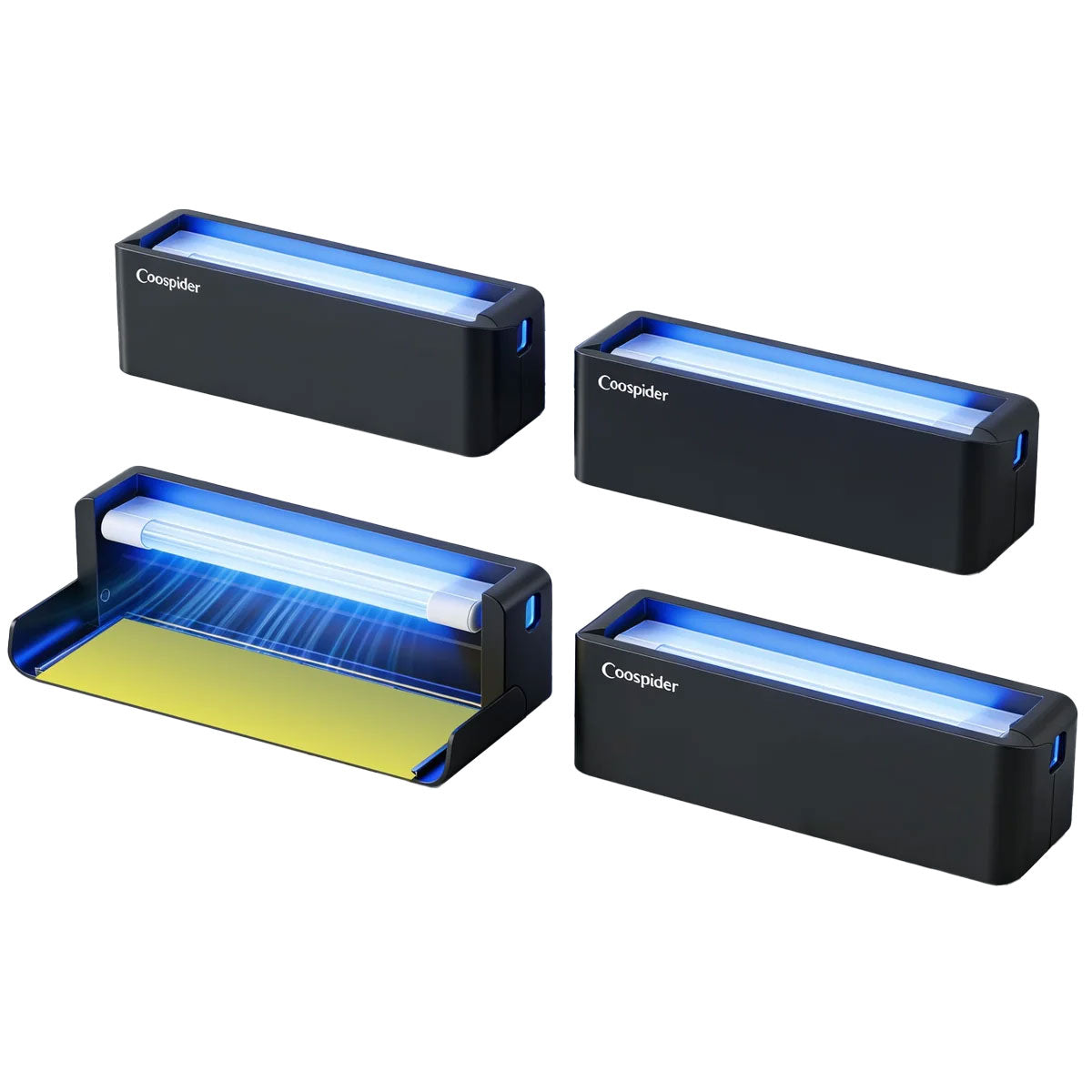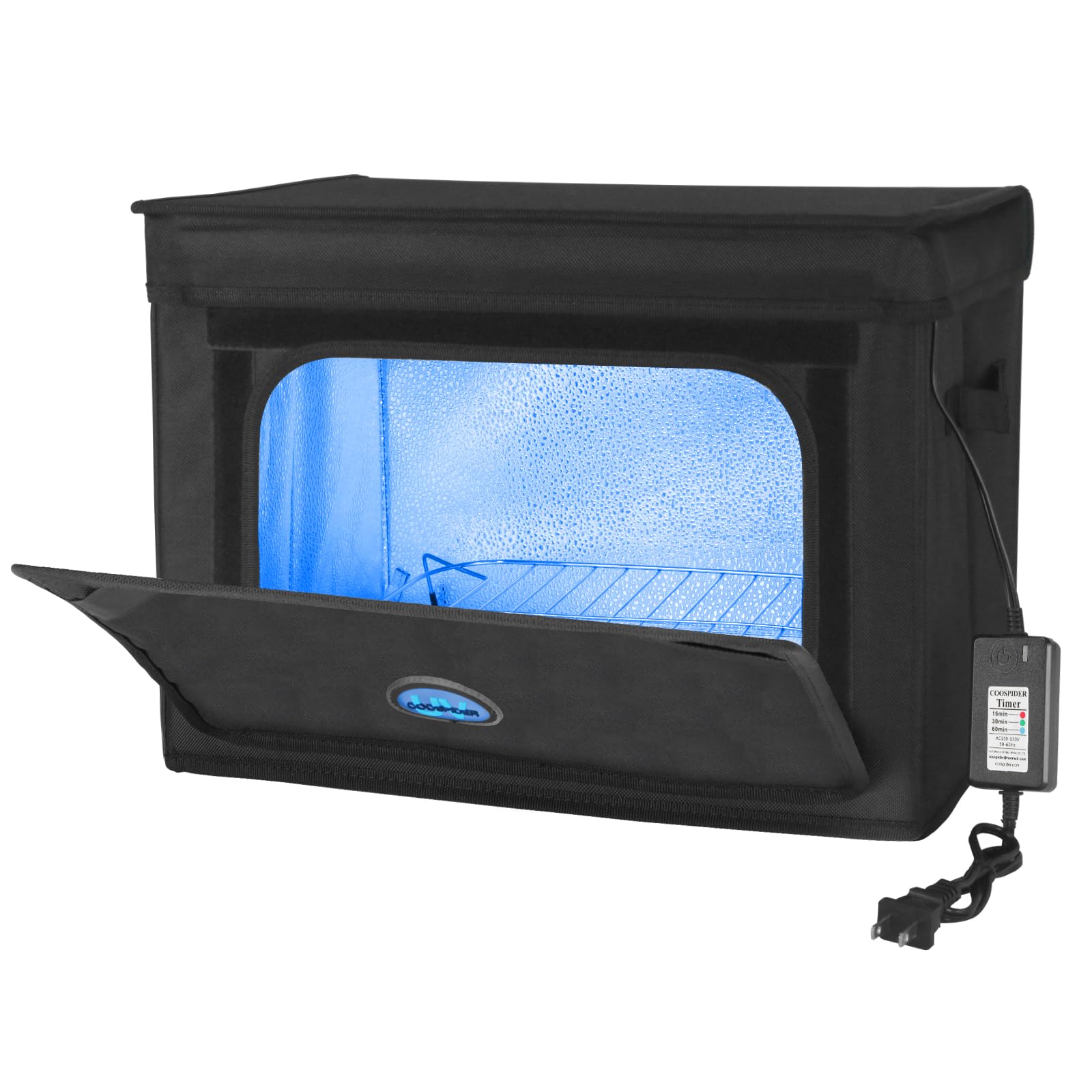
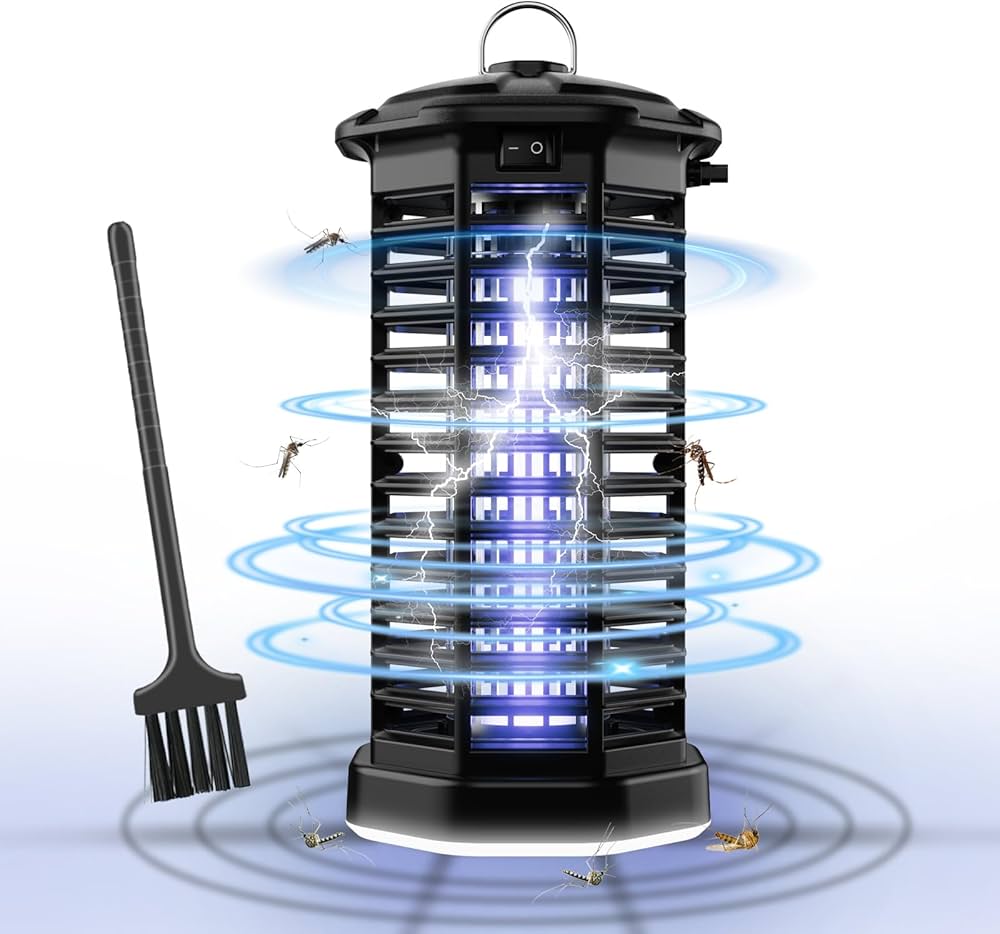
Mosquito traps are often marketed as effortless, set-it-and-forget-it solutions. Plug them in, let the light do its work, and enjoy a bite-free environment—simple, right? In reality, consistent performance depends heavily on something most users overlook: maintenance. More specifically, the condition of the electric grid inside the trap plays a critical role in how effectively it captures insects.
If you’ve noticed your mosquito lamp isn’t catching as many bugs as it used to, the issue may not be the bulb or placement—it could be a clogged or dirty electric grid. This blog explores the science behind how buildup affects capture rates, why it happens, and how to maintain your device so it performs like new.
Understanding How Mosquito Traps Work
Before diving into the effects of a clogged grid, it’s important to understand the basic mechanism of a mosquito trap.
Most electric mosquito traps operate using three core components:
- Attraction system – Typically UV light, sometimes combined with heat, CO₂, or scent.
- Airflow system – A fan that pulls insects inward.
- Electric grid or capture chamber – Where insects are either electrocuted or trapped.
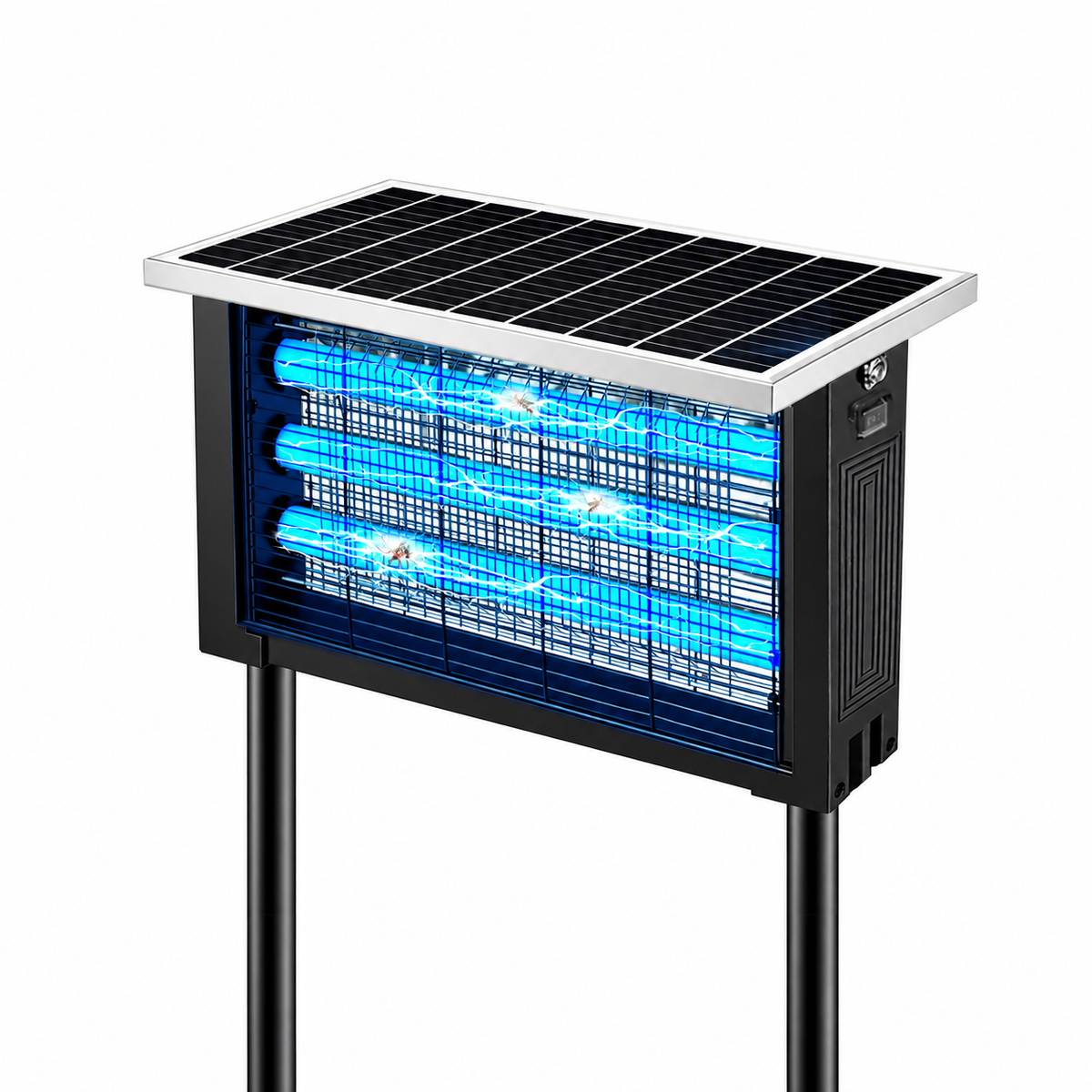
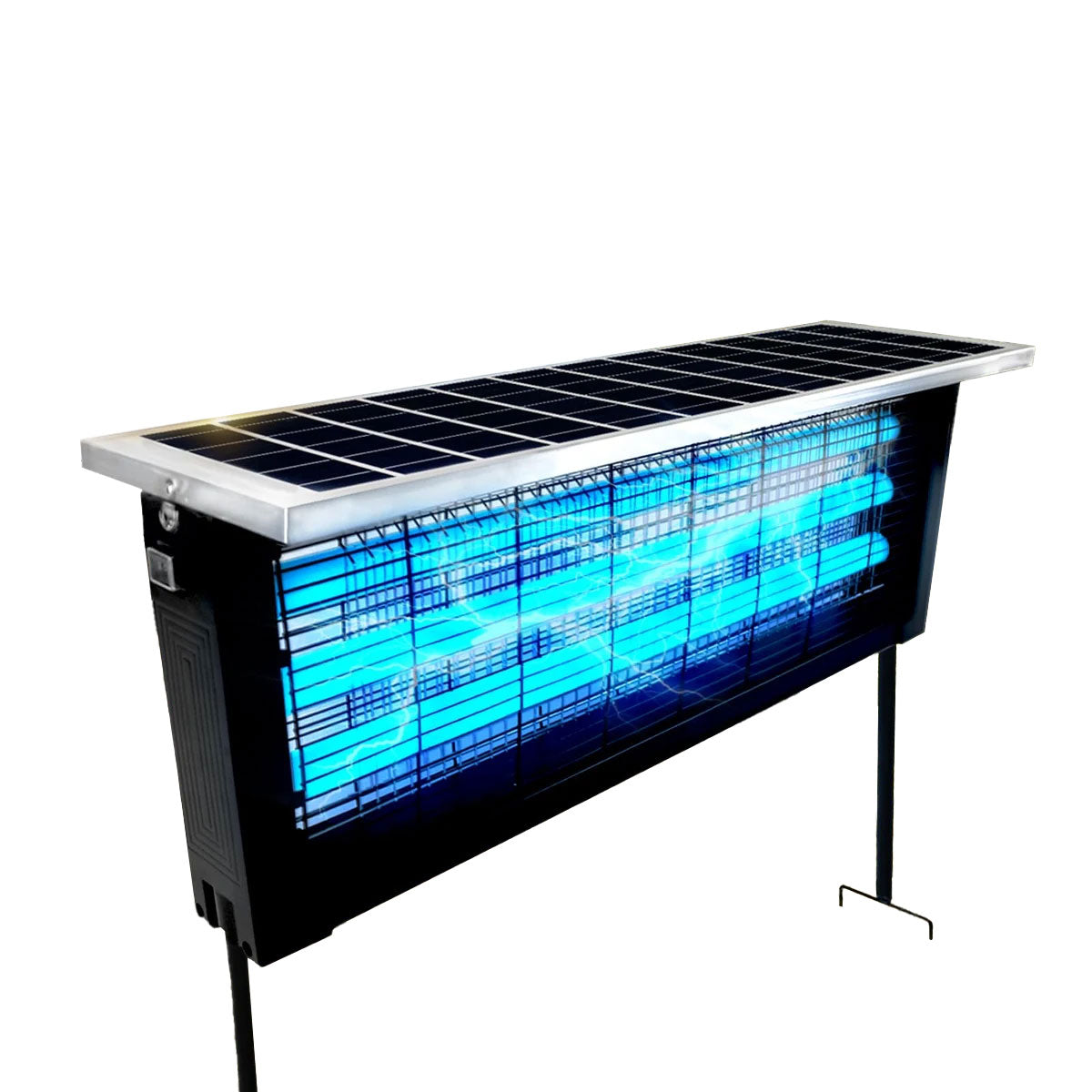
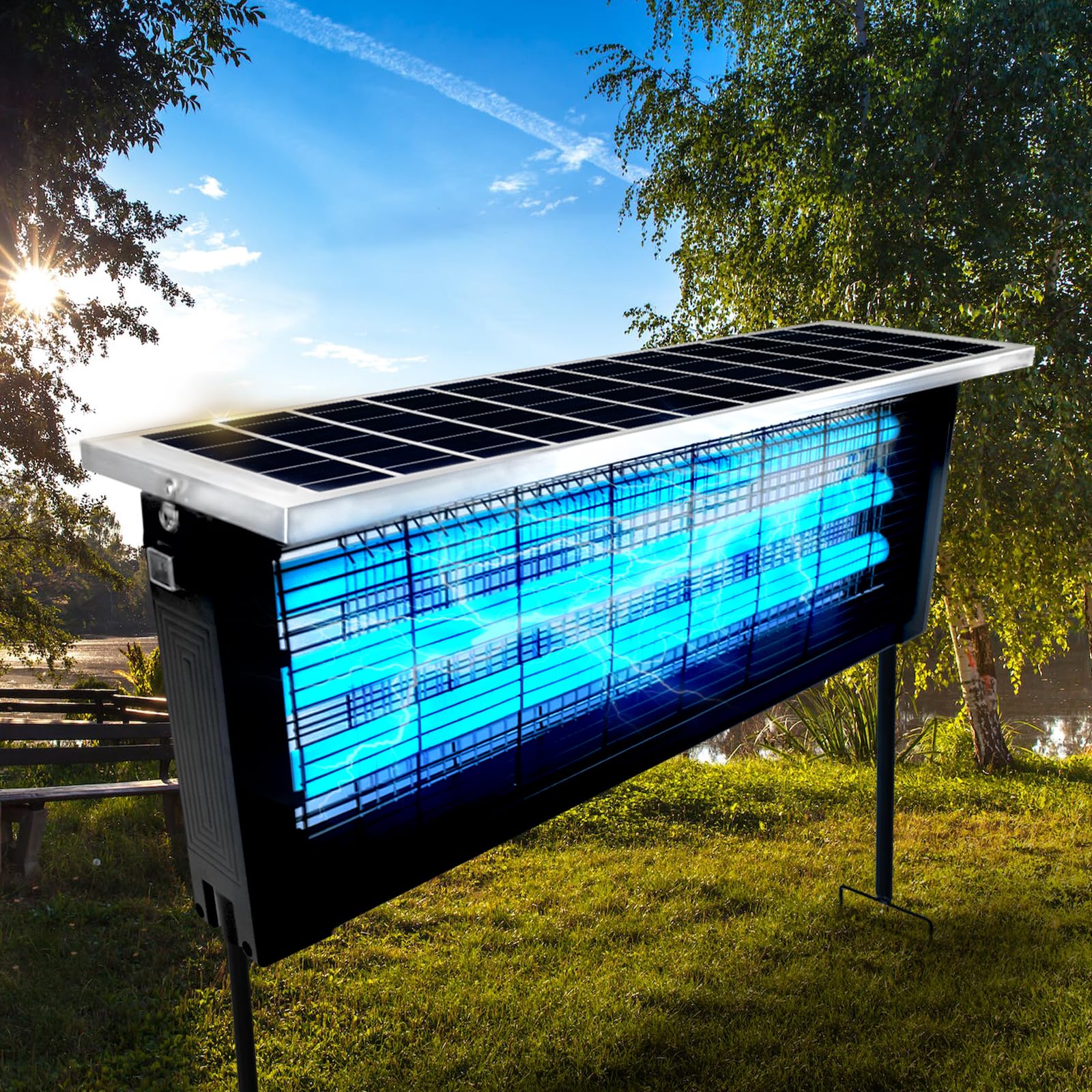
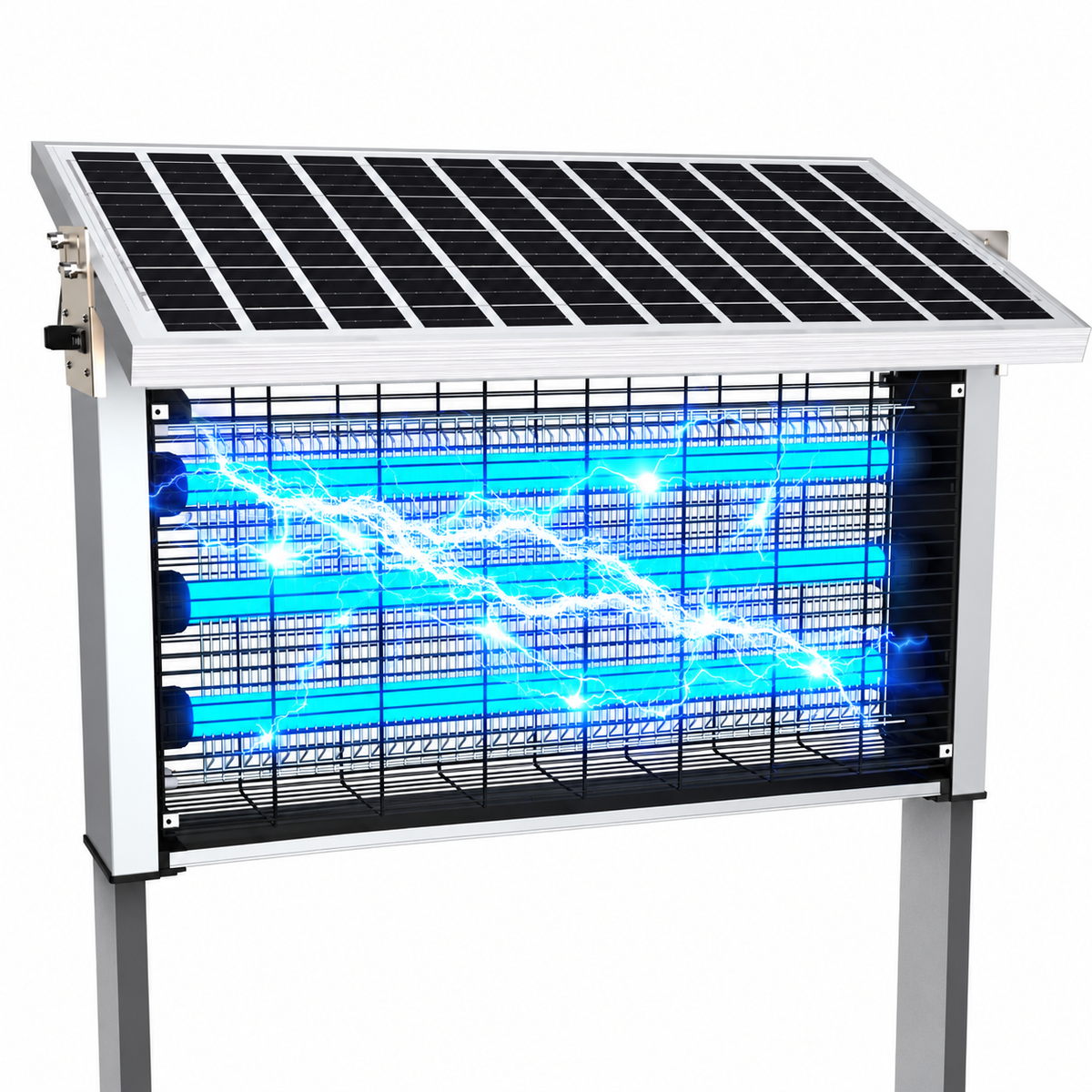
In electric grid-based traps, insects are drawn toward the UV light. As they approach, they come into contact with a high-voltage grid that instantly eliminates them. Over time, the remains accumulate on the grid surface.
That buildup is where problems begin.
What Happens When the Electric Grid Gets Clogged?
At first glance, a bit of debris on the grid may seem harmless. But from an engineering and physics standpoint, even a thin layer of residue can significantly affect performance.
1. Reduced Electrical Conductivity
The electric grid relies on exposed conductive surfaces to deliver a lethal shock. When insect remains, dust, and environmental particles accumulate, they form a semi-insulating layer.
This layer disrupts the flow of electricity in two key ways:
- Increases resistance, reducing the effective voltage across the grid.
- Prevents direct contact between insects and conductive metal surfaces.
The result? Insects may touch the grid and survive, eventually escaping.
2. Altered Electric Field Distribution
The grid doesn’t just deliver a shock—it creates an electric field between its wires. This field is essential for effective insect elimination.
When debris builds up:
- The spacing between conductive points effectively changes.
- The field becomes uneven or weakened in certain areas.
This leads to “dead zones” where insects can pass through without being electrocuted.
3. Airflow Obstruction
In many mosquito traps, airflow works alongside the grid. A fan pulls insects inward, increasing the likelihood of contact.
A clogged grid restricts airflow by:
- Blocking air passages
- Increasing turbulence
- Reducing suction efficiency
Lower airflow means fewer insects reach the grid in the first place.
4. Light Output Interference
While the grid itself doesn’t produce light, debris accumulation can indirectly affect the UV output:
- Dust and residue scatter or absorb light.
- Dead insects can physically block the light source.
Reduced UV intensity means fewer insects are attracted to the trap.
5. Heat Retention and Component Stress
A dirty grid can trap heat inside the device, leading to:
- Reduced efficiency of electrical components
- Shortened lifespan of the bulb or circuitry
- Increased risk of malfunction
Heat buildup also affects the behavior of insects, potentially making the trap less attractive.
The Science Behind Capture Rate Decline
Capture rate isn’t just about how many insects are present—it’s a measurable outcome influenced by several interacting factors:
- Attraction efficiency
- Contact probability
- Elimination success rate
A clogged grid negatively impacts all three.
Contact Probability Drops
With reduced airflow and altered electric fields, fewer insects actually make contact with the grid.
Elimination Success Rate Falls
Even when insects touch the grid, insufficient voltage or insulation from debris may prevent effective elimination.
Behavioral Avoidance
Some insects can detect subtle changes in light or airflow. A poorly maintained trap may become less appealing over time.
Common Causes of Grid Clogging
Understanding what causes buildup can help you prevent it.
1. Insect Accumulation
The primary cause is simply the remains of captured insects. Over time, these pile up and harden.
2. Dust and Airborne Particles
Indoor environments contain:
- Dust
- Pet dander
- Fabric fibers
Outdoor environments add:
- Pollen
- Soil particles
- Pollution residues
All of these contribute to grid blockage.
3. Humidity and Moisture
Moisture can cause debris to stick more firmly to the grid, forming a stubborn layer that’s harder to clean.
4. Oil and Residue
In kitchens or outdoor cooking areas, airborne oils can coat the grid, trapping dust and insects more effectively.
Signs Your Electric Grid Needs Cleaning
You don’t need specialized tools to recognize when maintenance is overdue. Look for these indicators:
- Noticeably fewer insects being captured
- Visible buildup on the grid wires
- Reduced buzzing or zapping sounds
- Dimmer or obstructed light output
- Increased insect activity around the trap
If you see any of these signs, it’s time for a cleaning session.
The Ideal Maintenance Routine
Keeping your mosquito trap in peak condition doesn’t require much time. A simple routine can dramatically improve performance.
Weekly Quick Check (5–10 minutes)
- Turn off and unplug the device
- Inspect the grid visually
- Remove loose debris using a soft brush
Biweekly Cleaning (10–15 minutes)
- Use a small brush or compressed air to clean the grid
- Wipe surrounding surfaces with a dry cloth
- Check for airflow obstructions
Monthly Deep Cleaning (15–20 minutes)
- Disassemble according to manufacturer instructions
- Clean the grid more thoroughly
- Remove hardened residue carefully
- Inspect electrical components for wear
Best Tools for Cleaning the Electric Grid
Using the right tools ensures effective cleaning without damaging the device.
- Soft-bristle brush – Ideal for removing loose debris
- Compressed air – Great for hard-to-reach areas
- Dry microfiber cloth – For surface cleaning
- Wooden or plastic pick – For stubborn buildup (never use metal)
Avoid water unless explicitly allowed by the manufacturer.
Safety Precautions
Electric mosquito traps operate at high voltage, so safety is essential.
- Always unplug before cleaning
- Wait for the grid to discharge fully
- Never use wet hands or tools
- Avoid damaging the grid wires
Placement Matters Too
Even a perfectly clean grid won’t perform well if the trap is poorly placed.
Ideal Placement Tips
- Keep it away from competing light sources
- Place it in shaded or darker areas
- Position it 3–6 feet above ground
- Avoid windy locations that disrupt airflow
Proper placement complements maintenance for maximum effectiveness.
The Role of Regular Maintenance in Longevity
A clean electric grid doesn’t just improve capture rates—it extends the life of your device.
Benefits include:
- Consistent performance over time
- Reduced strain on electrical components
- Lower risk of overheating
- Better energy efficiency
Neglecting maintenance can lead to premature failure, even in high-quality devices.
Indoor vs. Outdoor Maintenance Differences
Indoor Units
- Less exposure to large debris
- More dust and fibers
- Cleaning every 2–3 weeks is usually sufficient
Outdoor Units
- Higher insect volume
- Exposure to weather and pollen
- Weekly cleaning is recommended during peak seasons
Environmental Factors That Accelerate Clogging
Certain conditions can make buildup happen faster:
- High humidity
- Dusty environments
- Heavy insect activity
- Proximity to vegetation
If you live in such conditions, increase your cleaning frequency.
Myths About Mosquito Trap Maintenance
Myth 1: “It still zaps, so it’s working fine”
Even partial functionality can hide reduced efficiency. A trap can still produce sound while capturing far fewer insects.
Myth 2: “Cleaning too often damages the grid”
When done correctly with proper tools, regular cleaning actually protects the grid.
Myth 3: “UV bulbs are the only thing that matters”
While important, the bulb is just one part of the system. A dirty grid can negate even a brand-new bulb’s effectiveness.
Practical Example: Performance Before and After Cleaning
Imagine a mosquito trap operating for four weeks without maintenance:
- Week 1: High capture rate
- Week 2: Slight decline
- Week 3: Noticeable drop
- Week 4: Minimal effectiveness
After a thorough cleaning:
- Immediate restoration of airflow
- Improved electrical contact
- Increased capture rate within hours
This dramatic difference highlights how critical grid cleanliness is.
How Clean is “Clean Enough”?
You don’t need a perfectly spotless grid, but aim for:
- No visible clumps of debris
- Clear spacing between wires
- Unobstructed airflow
- Minimal dust coating
Consistency matters more than perfection.
Building a Habit: Making Maintenance Effortless
The key to long-term performance is consistency. Here are some tips:
- Set a weekly reminder
- Clean during routine household tasks
- Keep cleaning tools nearby
- Pair maintenance with another habit (like emptying trash)
Final Thoughts: Small Effort, Big Impact
A mosquito trap is only as effective as its maintenance routine. The electric grid, often overlooked, is the heart of the device’s performance. When it becomes clogged, capture rates drop—not because the technology failed, but because the system can no longer function as designed.
By understanding the science behind airflow, electrical conductivity, and insect behavior, it becomes clear why regular cleaning is essential. Just 10–15 minutes of maintenance can restore your trap to peak efficiency, keeping your environment more comfortable and pest-free.
Keeping your mosquito lamp “like new” isn’t about replacing it—it’s about taking care of what you already have.