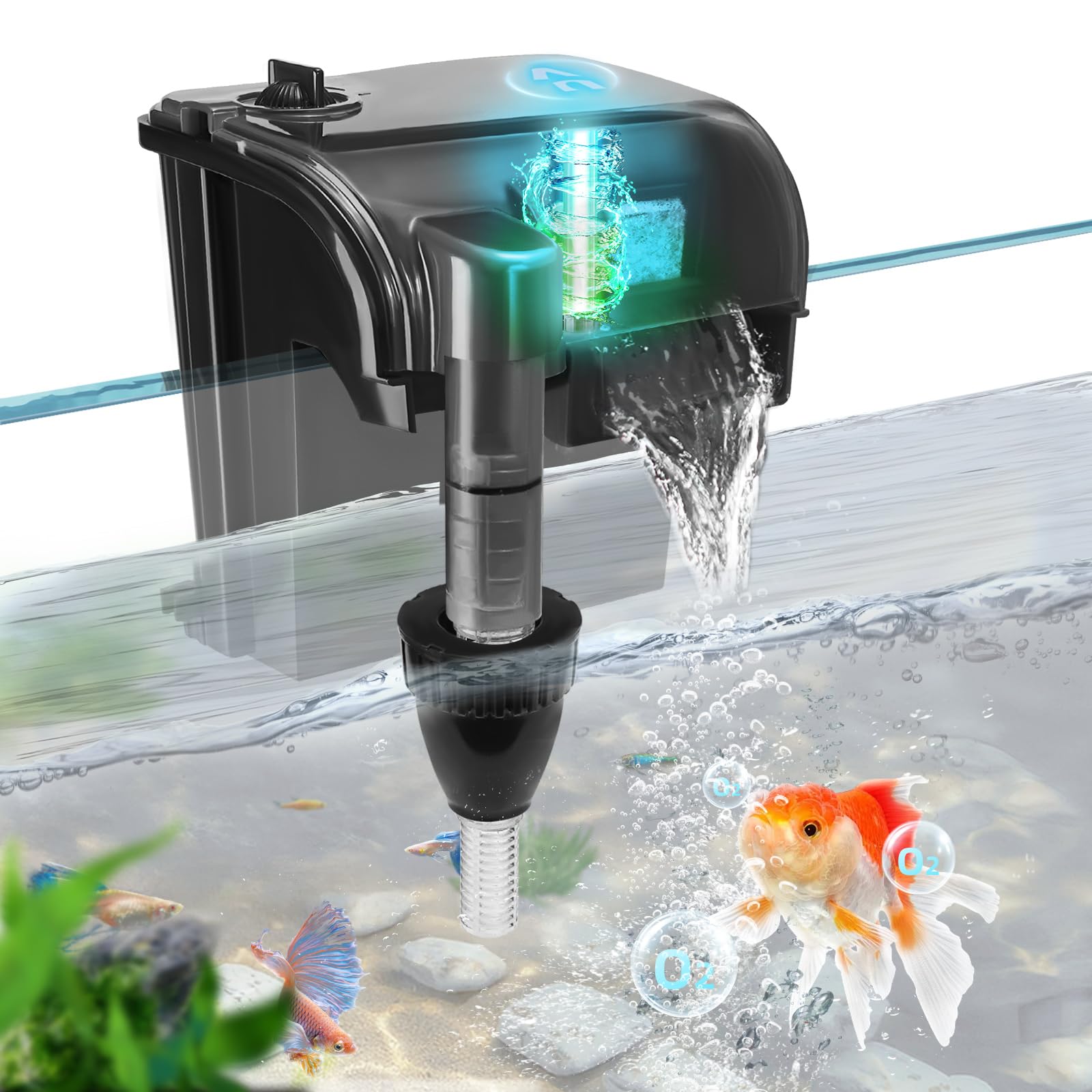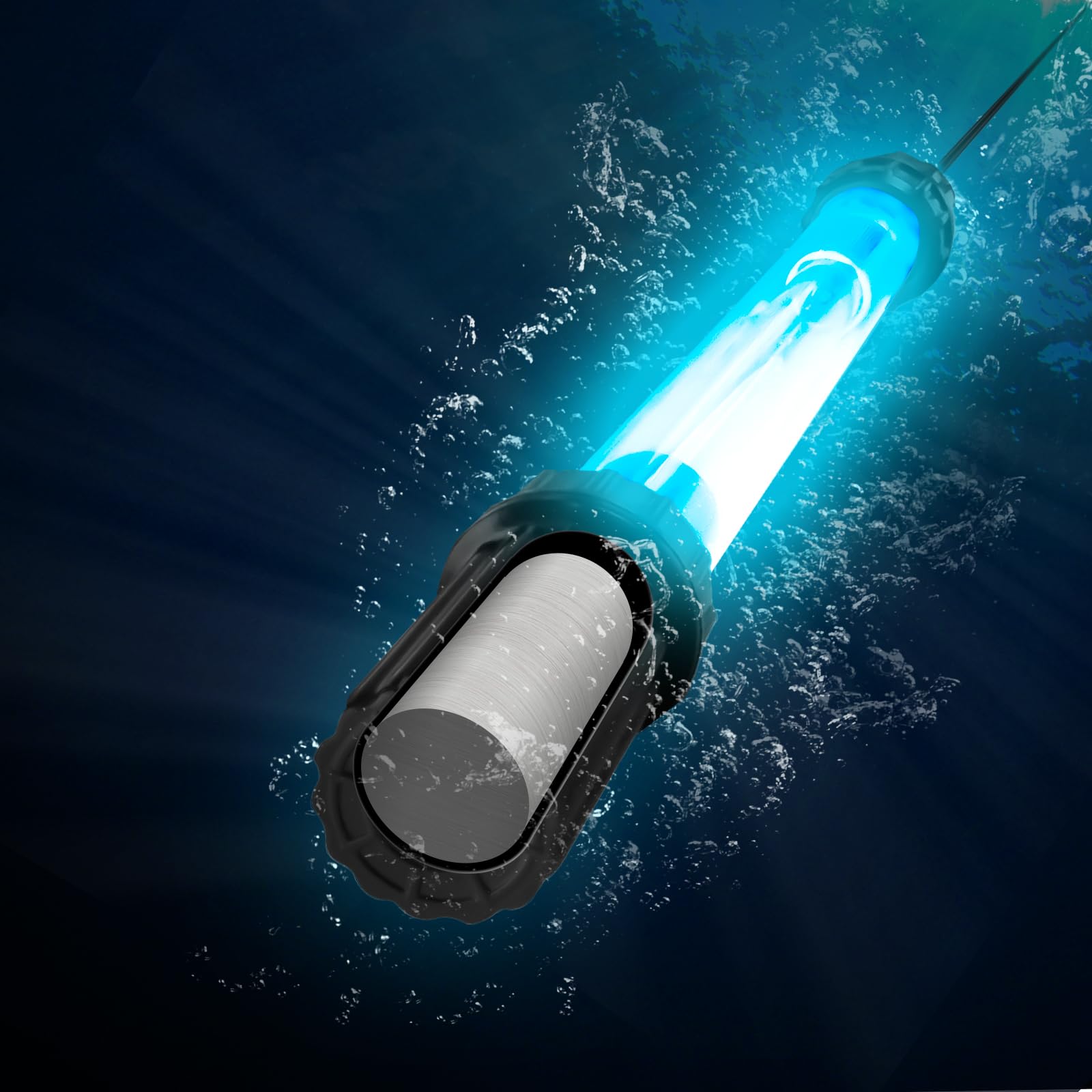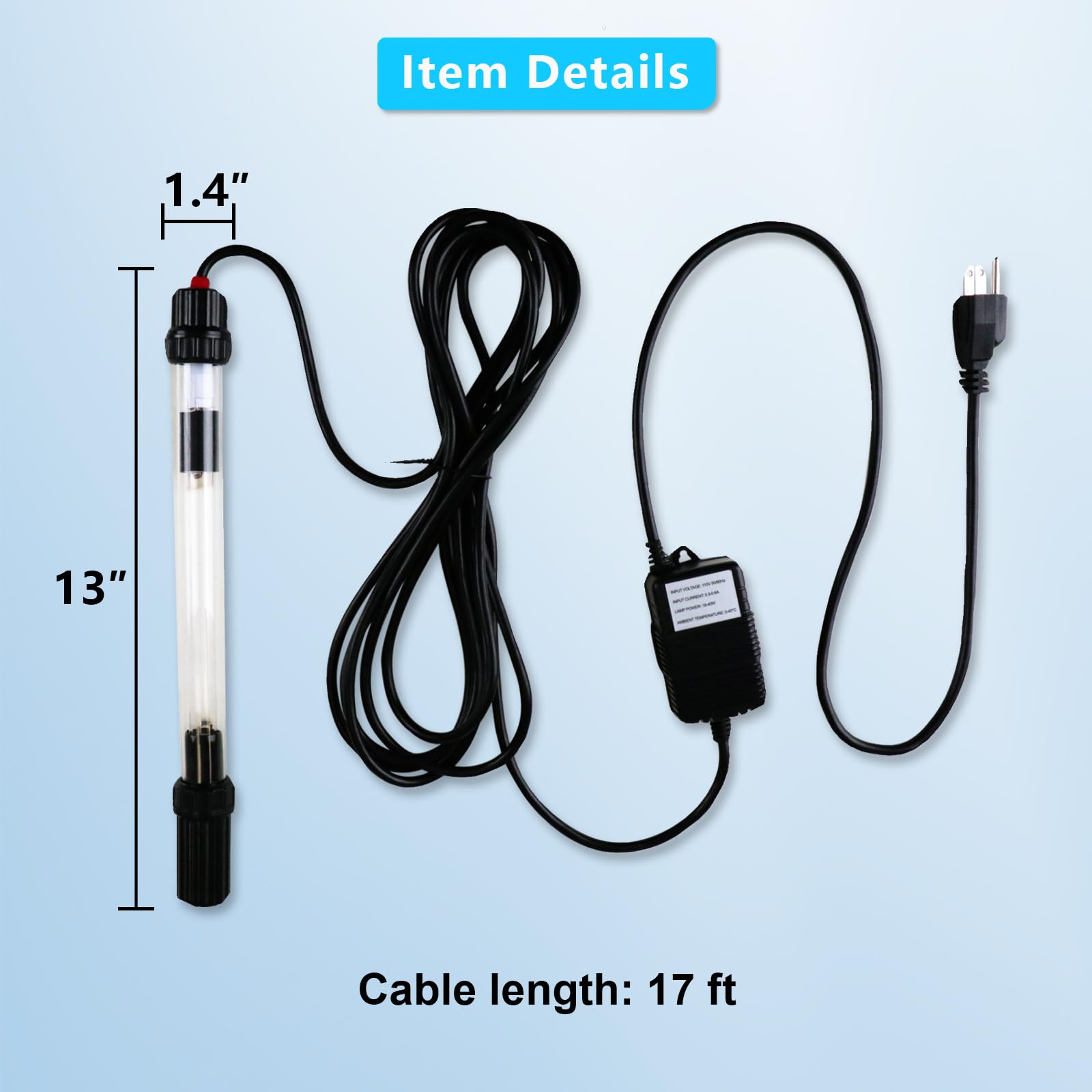
Maintaining a clean, clear, and healthy aquarium requires more than simply filling a tank with water and adding fish. Whether you own a freshwater aquarium, a saltwater reef tank, or a large aquatic display, water quality plays a critical role in the health and well-being of aquatic life.
Even with regular water changes and a reliable filtration system, aquarium owners may encounter challenges such as green water, cloudy water, bacterial blooms, and unwanted microorganisms. These problems can affect the appearance of an aquarium and sometimes indicate underlying water quality concerns.
One technology that can help address certain waterborne microorganisms is the aquarium UV sterilizer.
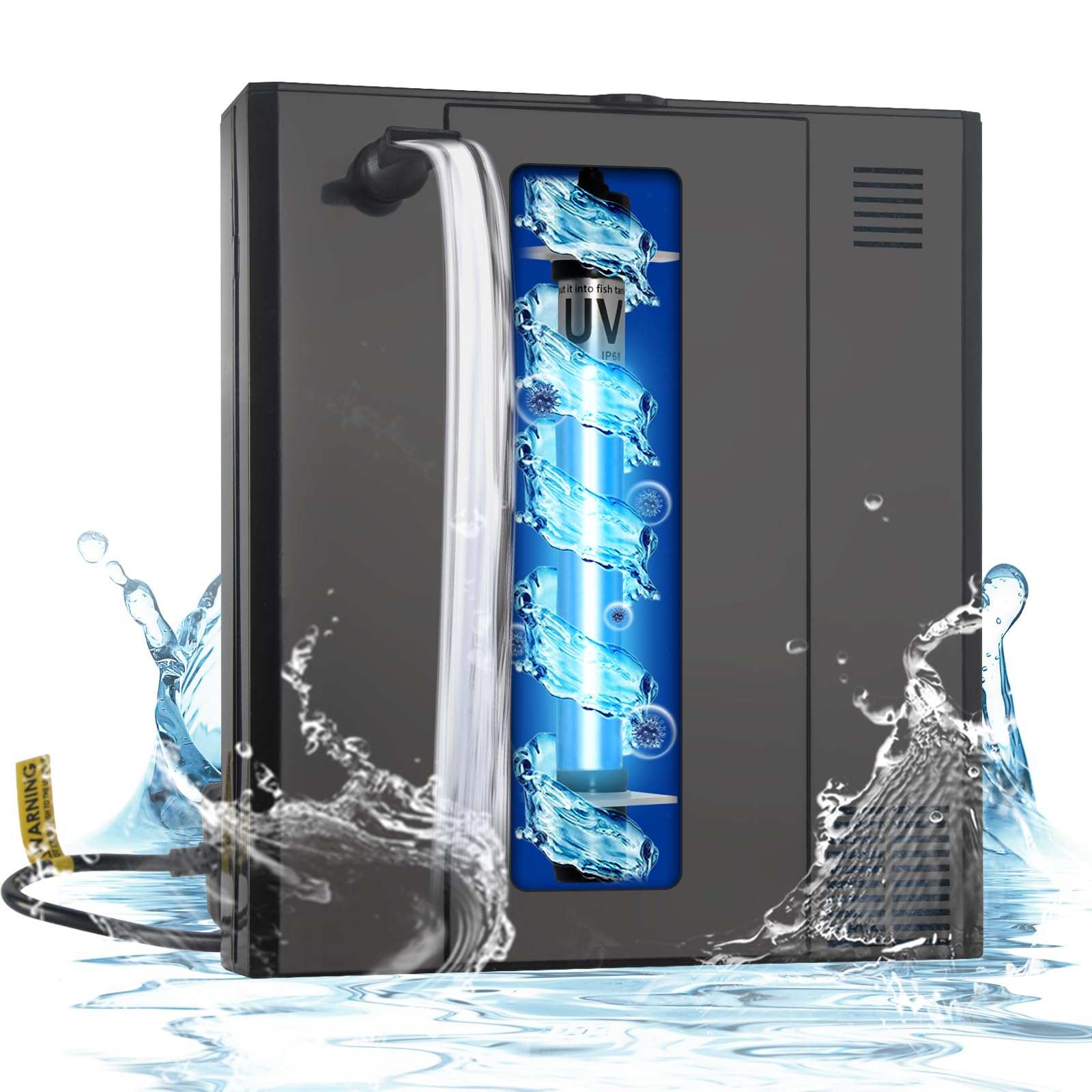
Aquarium UV sterilizers use ultraviolet light to inactivate susceptible microorganisms as water circulates through a specialized treatment chamber. Unlike conventional mechanical filters, which physically trap particles, ultraviolet filtration works by exposing microorganisms to germicidal radiation.
But how exactly does an aquarium UV sterilizer work? What happens when water passes through the UV chamber? Can ultraviolet light eliminate algae and bacteria? Does it harm beneficial microorganisms? And how can aquarium owners choose the right UV sterilizer for their tanks?
Understanding the science behind ultraviolet filtration technology can help you make better decisions about aquarium equipment and maintenance.
In this comprehensive guide, we will explore the working principles of aquarium UV sterilizers, explain the role of UV-C radiation, examine the different components of a UV filtration system, and discuss how ultraviolet treatment supports cleaner aquarium water.
We will also cover the benefits, limitations, installation methods, maintenance requirements, and common misconceptions associated with aquarium UV sterilization.
Whether you are a beginner or an experienced aquarist, this guide will help you understand how UV sterilization technology fits into a balanced aquarium filtration system.
1. What Is an Aquarium UV Sterilizer?
An aquarium UV sterilizer is a water treatment device that uses ultraviolet radiation to reduce the viability of certain microorganisms suspended in aquarium water.
The technology is commonly used in freshwater aquariums, saltwater fish tanks, reef systems, ornamental ponds, and larger aquatic installations.
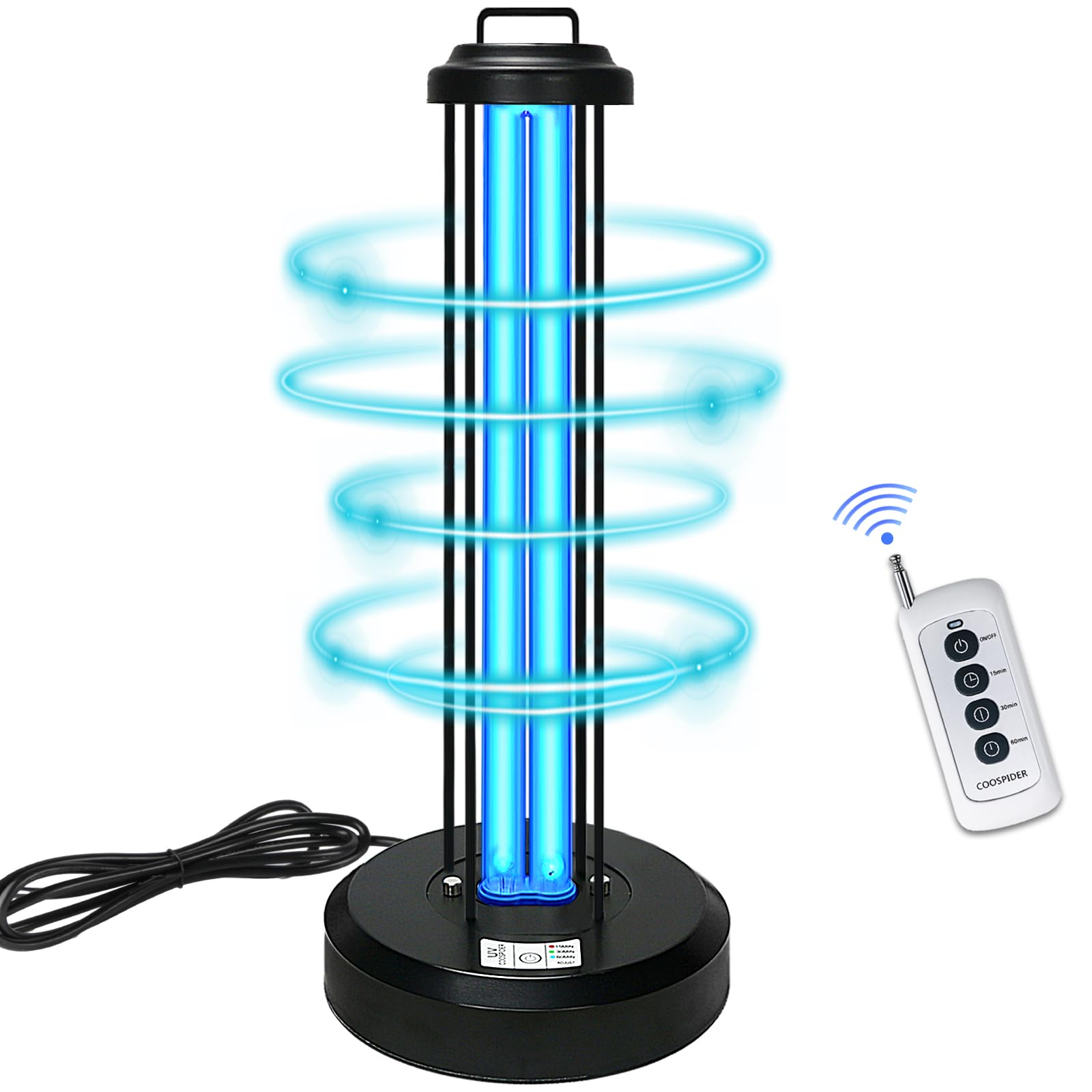
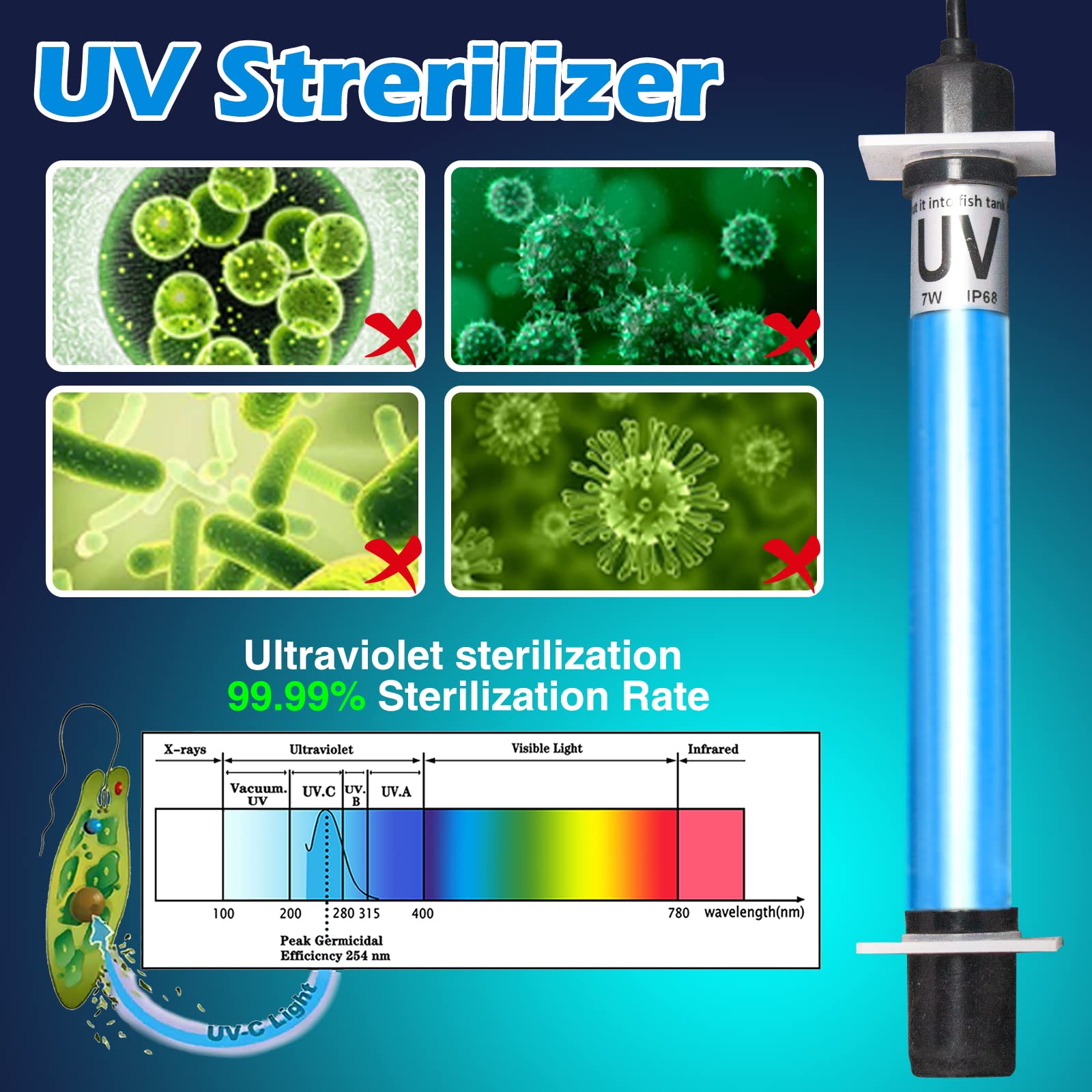
Most conventional aquarium UV sterilizers use ultraviolet-C radiation, commonly referred to as UV-C.
UV-C radiation has germicidal properties because it can damage the genetic material of microorganisms, interfering with their ability to reproduce or remain viable.
The Basic Purpose of UV Sterilization
The primary purpose of an aquarium UV sterilizer is to expose circulating water to a controlled dose of ultraviolet radiation.
This process can help reduce certain waterborne microorganisms, including susceptible:
-
Free-floating algae.
-
Bacteria.
-
Fungal spores.
-
Protozoan stages.
-
Other microscopic organisms suspended in water.
However, not all microorganisms are equally sensitive to ultraviolet radiation.
The effectiveness of UV treatment depends on the delivered UV dose and the characteristics of the target organism.
Is UV Sterilization the Same as UV Filtration?
The terms UV sterilization and UV filtration are often used interchangeably in aquarium discussions.
Technically, ultraviolet treatment does not function like a conventional physical filter.
Mechanical filters capture suspended particles, while UV sterilizers expose microorganisms to ultraviolet radiation.
A UV sterilizer generally does not physically remove dead microorganisms, fish waste, or dissolved contaminants.
Those materials must still be managed through appropriate filtration and aquarium maintenance.
Furthermore, the word sterilizer does not guarantee that every microorganism is eliminated. Actual performance depends on the system's operating conditions.
2. The Science Behind Ultraviolet Light
To understand how aquarium UV sterilizers work, it is helpful to examine the basic science of ultraviolet radiation.
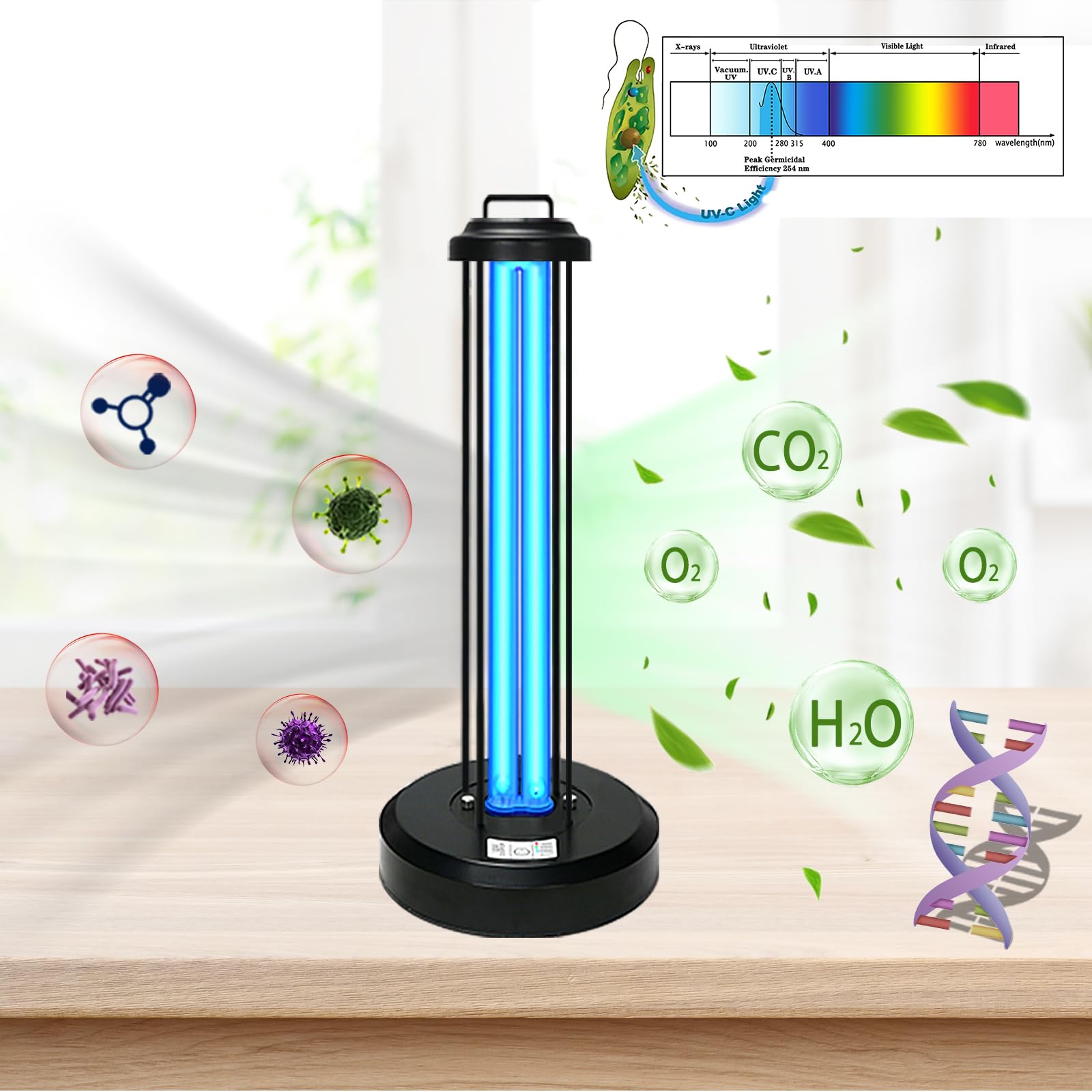
Ultraviolet light is a form of electromagnetic radiation with wavelengths shorter than visible violet light.
The ultraviolet spectrum is commonly divided into three main categories.
UV-A: Long-Wavelength Ultraviolet Radiation
UV-A radiation generally has wavelengths between 315 and 400 nanometers.
It is associated with applications such as fluorescence, certain industrial processes, and tanning.
UV-A is not the primary wavelength used in conventional germicidal aquarium UV sterilizers.
UV-B: Medium-Wavelength Ultraviolet Radiation
UV-B radiation generally covers wavelengths between 280 and 315 nanometers.
It plays an important role in certain biological processes, including vitamin D synthesis in some animals.
However, UV-B is not commonly used as the primary treatment wavelength in aquarium UV sterilizers.
UV-C: Germicidal Ultraviolet Radiation
UV-C radiation generally covers wavelengths between 100 and 280 nanometers.
Certain wavelengths within this range are particularly effective at damaging microbial genetic material.
Traditional low-pressure mercury UV lamps commonly emit radiation near 254 nanometers.
This wavelength is widely used in germicidal applications because it can damage microbial DNA and RNA.
Why UV-C Is Effective Against Microorganisms
When microorganisms absorb sufficient UV-C radiation, their genetic material may undergo chemical changes.
These changes can interfere with replication and other essential cellular functions.
As a result, exposed microorganisms may lose their ability to reproduce or remain viable.
However, ultraviolet treatment does not guarantee that every organism receives the same dose.
Different microorganisms have different levels of UV resistance, and some can repair certain forms of radiation-induced damage.
This is why proper equipment sizing and operating conditions are essential.
3. How Does an Aquarium UV Sterilizer Work Step by Step?
Although aquarium UV sterilizers vary in size and design, most conventional systems follow the same basic treatment process.
Step 1: Aquarium Water Enters the UV Sterilizer
A water pump moves aquarium water into the UV sterilizer through an inlet connection.
The pump may be integrated into the sterilizer or connected through an external filtration system.
The amount of water entering the chamber depends on the pump's actual flow rate and the resistance created by the plumbing.
Step 2: Water Flows Through the UV Treatment Chamber
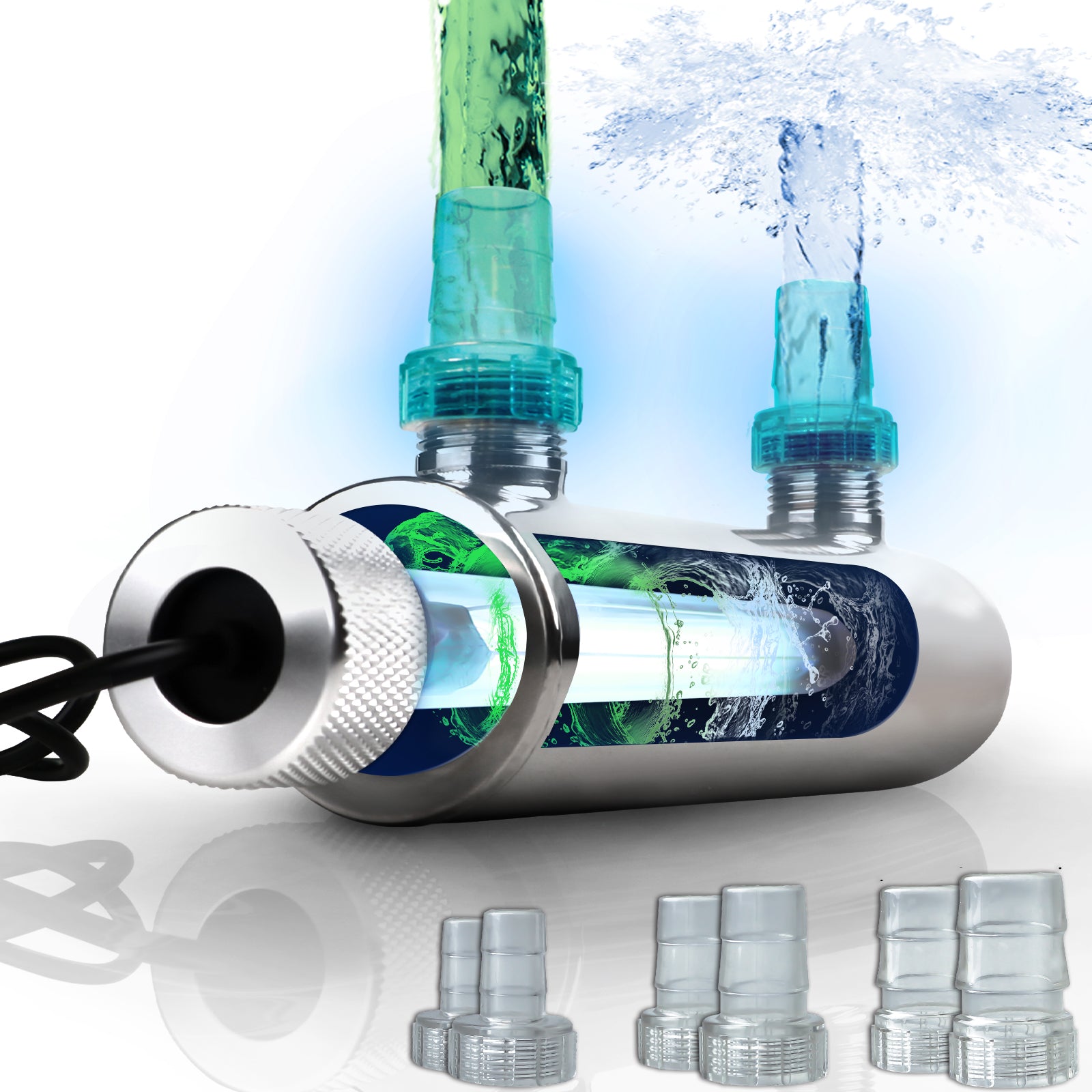
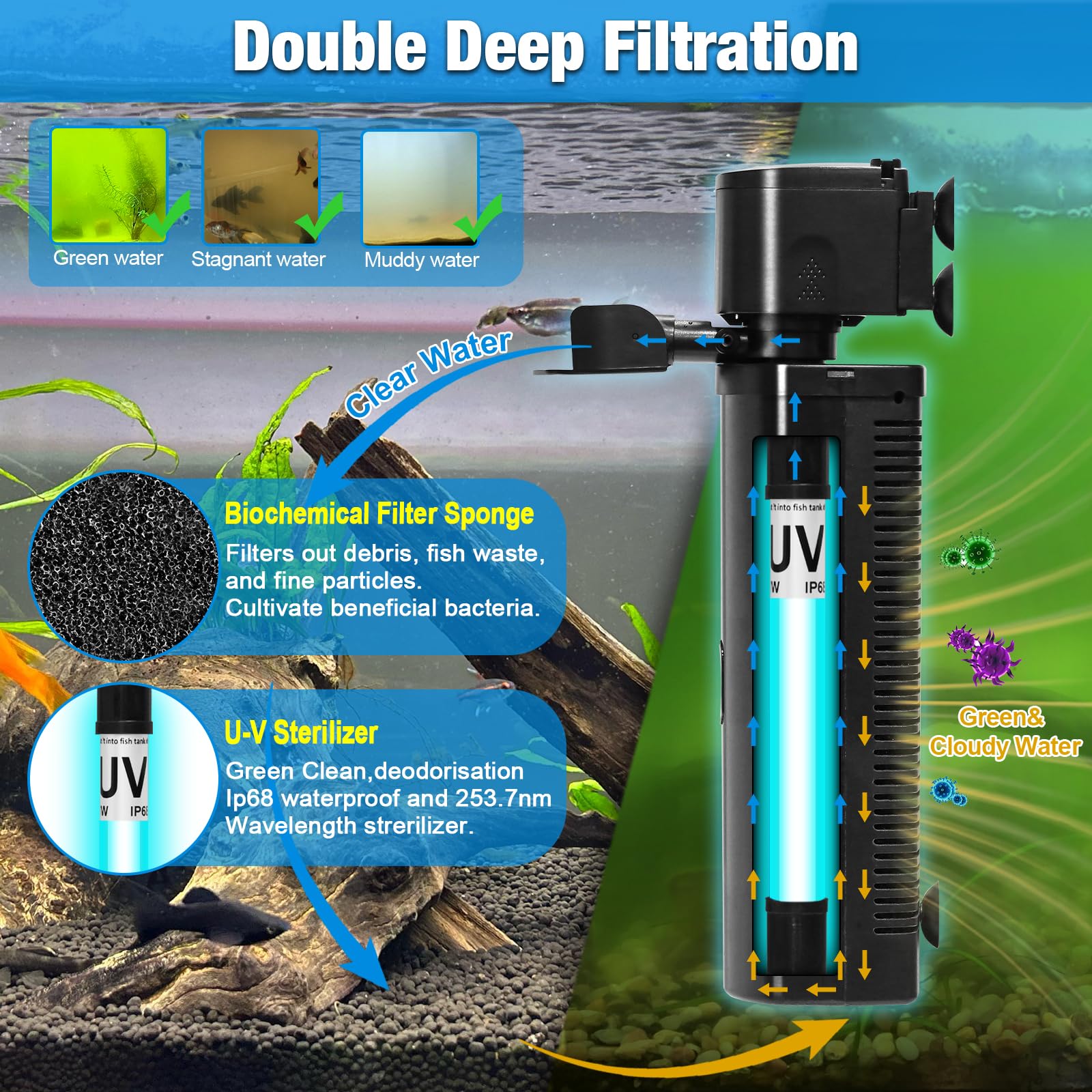
Inside the sterilizer, water moves through a chamber designed to expose it to ultraviolet radiation.
Many traditional systems contain a UV lamp protected by a quartz sleeve.
The quartz sleeve separates the electrical lamp from the surrounding water while allowing UV-C radiation to pass through.
Step 3: Microorganisms Are Exposed to UV-C Radiation
As water flows through the chamber, suspended microorganisms receive ultraviolet exposure.
The amount of exposure depends on lamp output, water clarity, chamber design, and residence time.
Microorganisms that receive a sufficient UV dose may be inactivated.
Step 4: Treated Water Leaves the Chamber
After passing through the treatment chamber, water exits through the outlet connection.
It then returns to the aquarium or continues through the filtration system.
Step 5: Water Circulates Repeatedly
Aquarium UV sterilizers generally operate as recirculating systems.
Over time, portions of aquarium water pass through the UV chamber repeatedly.
This repeated circulation can help reduce concentrations of susceptible suspended microorganisms.
However, not every organism in the aquarium necessarily passes through the chamber, and complete elimination should not be assumed.
4. Understanding the Main Components of an Aquarium UV Sterilizer
An aquarium UV sterilizer contains several important components that work together to deliver ultraviolet treatment.
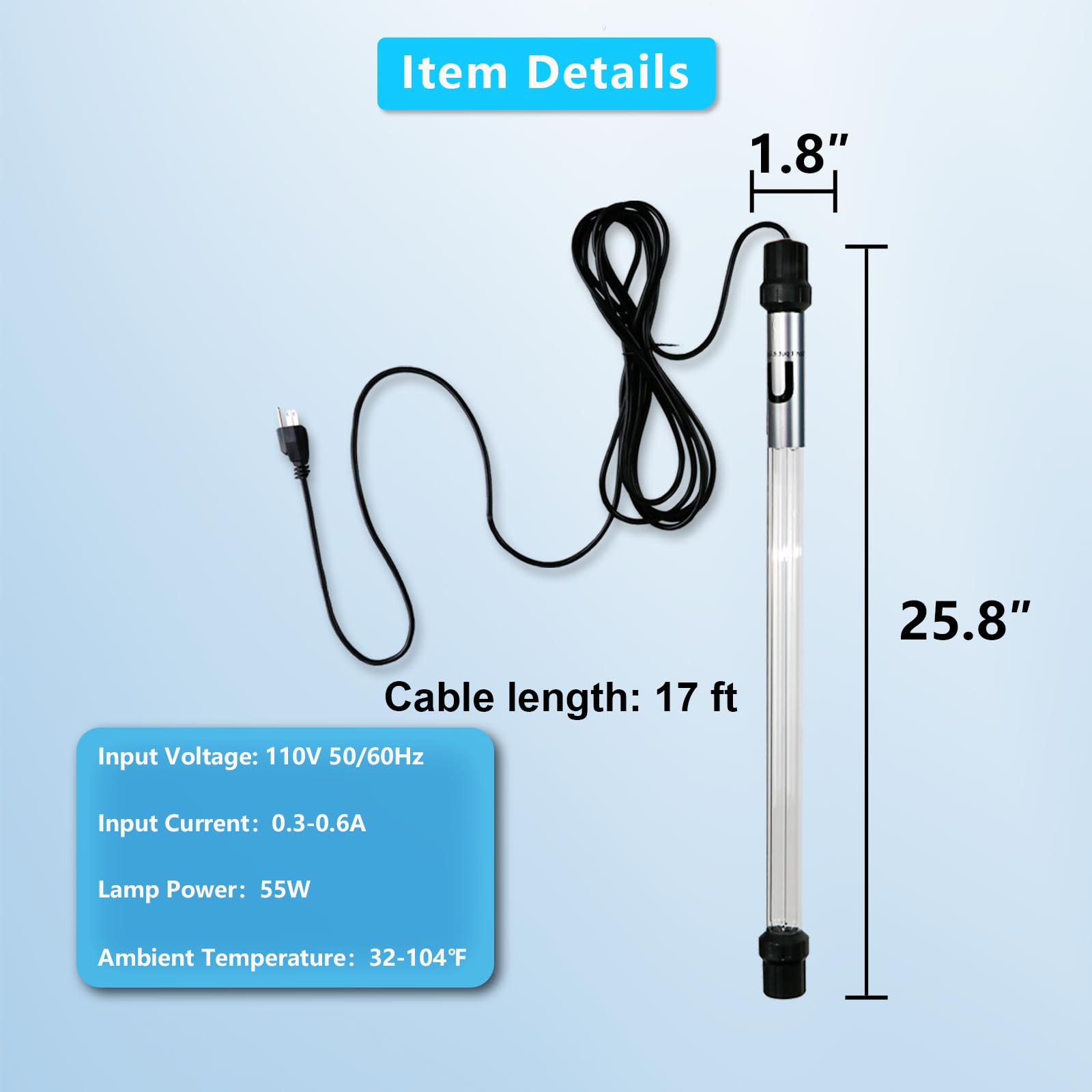
UV-C Lamp
The UV lamp is the source of germicidal radiation.
Many conventional aquarium sterilizers use low-pressure mercury lamps.
These lamps produce ultraviolet radiation near 254 nanometers.
Other designs may use UV-C LEDs or alternative lamp technologies.
The lamp's actual germicidal output is more important than its electrical wattage alone.
Quartz Sleeve
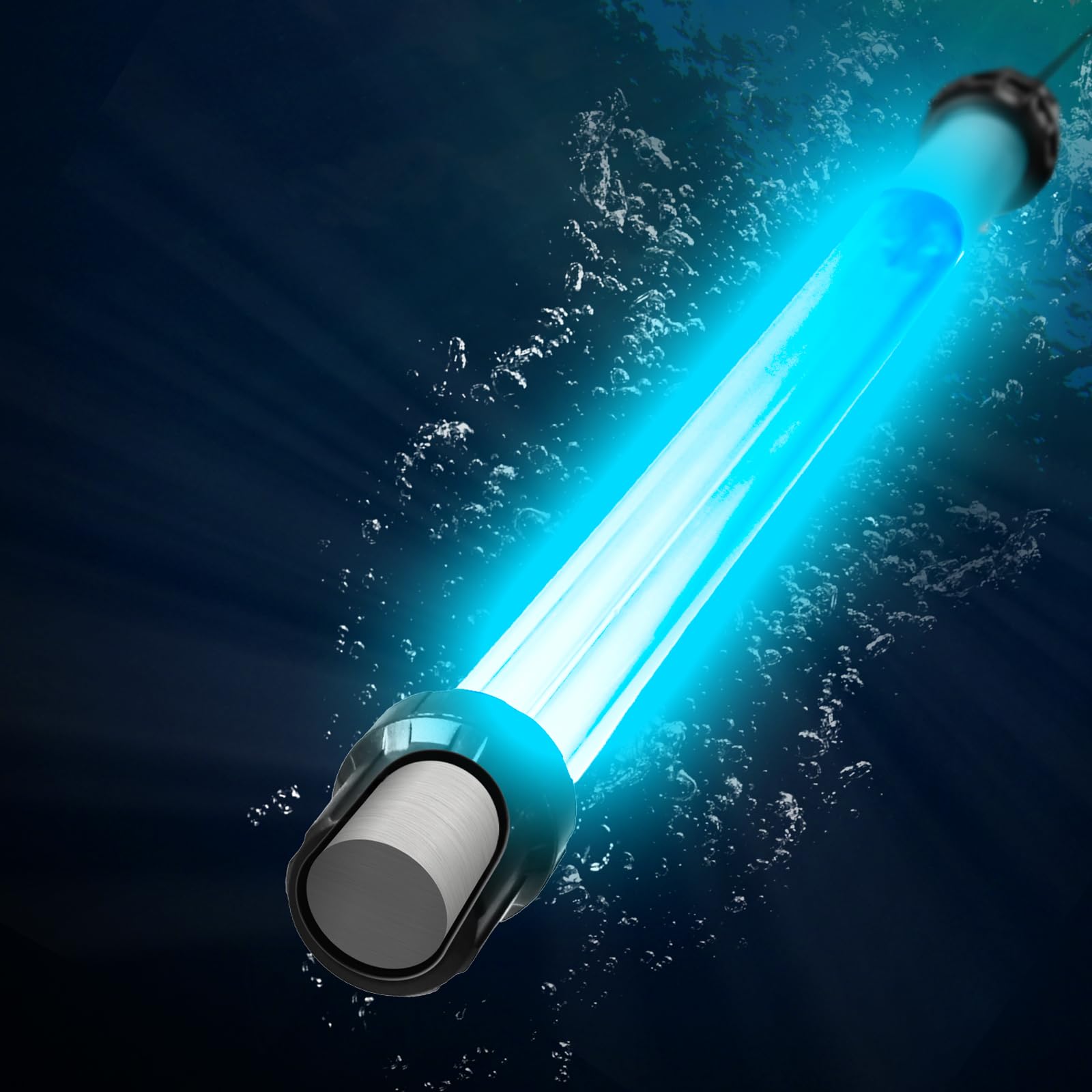
The quartz sleeve is a transparent protective tube surrounding the UV lamp in many conventional sterilizers.
It prevents water from contacting the lamp while allowing ultraviolet radiation to reach the treatment chamber.
Quartz is used because suitable grades transmit germicidal UV wavelengths more effectively than ordinary glass.
A dirty quartz sleeve can significantly reduce UV transmission.
Treatment Chamber
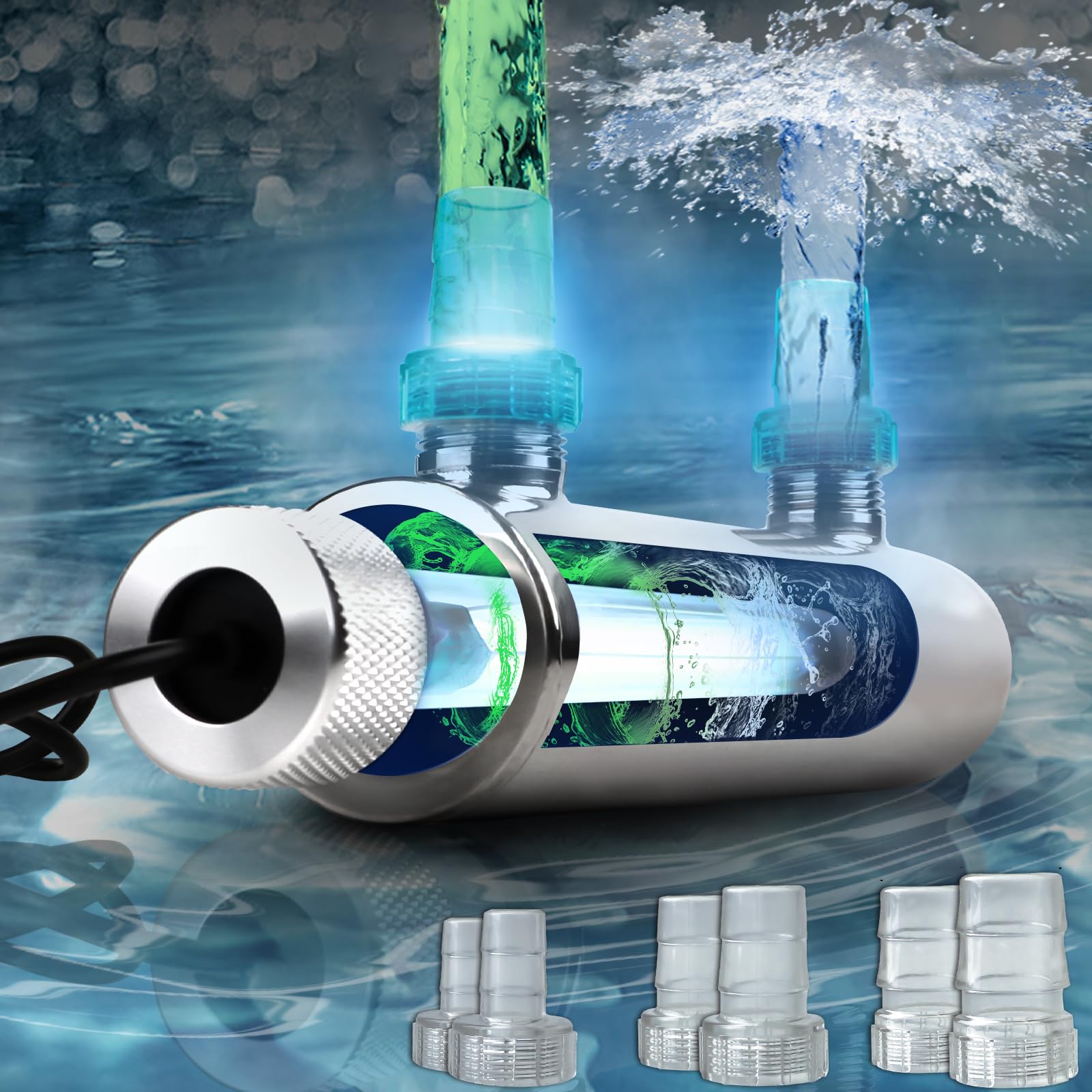
The treatment chamber directs water around the ultraviolet light source.
Its design affects how evenly water receives UV exposure.
Some chambers use internal flow paths or specialized geometry to improve exposure consistency.
Water Inlet and Outlet
The inlet and outlet connections allow water to enter and leave the sterilizer.
Their size and configuration affect installation compatibility and hydraulic resistance.
Pump or Circulation System
The pump moves water through the sterilizer.
It may be a dedicated pump, an integrated pump, or part of an existing filtration system.
Ballast or Power Supply
Traditional UV lamps require appropriate electrical control equipment.
The ballast regulates lamp operation.
UV-C LED systems use different electronic drivers.
O-Rings and Seals
Seals help prevent water leakage.
Damaged O-rings can allow water to escape or enter areas containing electrical components.
Regular inspection is essential.
5. What Happens to Bacteria When Exposed to UV-C Light?
Bacteria contain genetic material that controls their biological functions.
When susceptible bacteria receive sufficient UV-C radiation, their DNA or RNA may be damaged.
This can prevent normal replication.
DNA Damage and Microbial Inactivation
UV-C radiation can cause molecular changes such as pyrimidine dimers in DNA.
These changes interfere with normal genetic processes.
If the damage is extensive enough, the microorganism may lose its ability to reproduce.
Does UV-C Instantly Destroy Bacteria?
Not necessarily.
UV treatment primarily works through radiation-induced damage rather than mechanically destroying cells.
Some exposed microorganisms may remain physically present in the water after treatment.
The aquarium's filtration system must still manage suspended particles and organic material.
Why Some Bacteria Survive UV Treatment
Microorganisms vary in their resistance to ultraviolet radiation.
Survival can depend on:
-
UV dose.
-
Species and strain.
-
Cell structure.
-
Water clarity.
-
Particle shielding.
-
Environmental conditions.
-
DNA repair mechanisms.
A UV sterilizer must deliver an appropriate dose for the intended treatment objective.
6. How UV Sterilizers Control Green Water Algae
Green water is one of the most common reasons aquarium owners purchase UV sterilizers.
It occurs when microscopic algae multiply in the water column.
Unlike algae attached to aquarium glass or decorations, green water algae remain suspended.
Why Green Water Develops
Green water can develop when conditions favor rapid algal growth.
Contributing factors may include excessive lighting, nutrient availability, and imbalances in aquarium management.
How UV Treatment Helps
As suspended algae pass through the UV sterilizer, they may receive enough radiation to lose their ability to reproduce.
Over time, this can reduce the population of viable free-floating algae.
Water clarity may gradually improve as the aquarium's filtration and circulation systems continue operating.
Does UV Sterilization Remove All Algae?
No.
UV sterilizers primarily affect susceptible organisms passing through the treatment chamber.
They do not directly eliminate algae attached to aquarium glass, rocks, plants, or decorations.
Why Green Water Can Return
UV treatment does not necessarily correct the environmental conditions that caused the algae bloom.
If excessive nutrients or inappropriate lighting remain, algae problems may return when UV treatment stops.
Long-term control requires appropriate aquarium maintenance.
7. Can Aquarium UV Sterilizers Reduce Harmful Bacteria?
Aquarium water naturally contains diverse bacterial populations.
Some are beneficial, some are neutral, and some may contribute to disease under certain conditions.
UV sterilization can reduce susceptible bacteria suspended in circulating water.
Waterborne Bacteria
Bacteria passing through the UV chamber may receive germicidal exposure.
The degree of inactivation depends on the delivered UV dose.
Bacteria Attached to Surfaces
Bacteria living in biofilms on rocks, substrate, aquarium glass, and filter media are generally outside the treatment chamber.
They are not directly exposed to the enclosed UV lamp.
Can UV Sterilization Prevent Bacterial Disease?
UV treatment may reduce exposure to some waterborne microorganisms.
However, it cannot guarantee disease prevention.
Fish health also depends on stocking density, water quality, nutrition, quarantine practices, and stress management.
UV sterilization should not replace appropriate disease diagnosis or treatment.
8. Does UV Sterilization Kill Aquarium Parasites?
Some aquarium parasites have life stages that move through the water column.
UV sterilization may affect susceptible free-swimming stages if they pass through the treatment chamber and receive a sufficient dose.
Marine Ich
Marine ich is caused by the parasite Cryptocaryon irritans.
Certain free-swimming stages may be susceptible to ultraviolet treatment.
However, UV sterilization cannot reliably eliminate parasites already attached to fish or protected within other life stages.
Freshwater Ich
Freshwater ich is associated with Ichthyophthirius multifiliis.
UV treatment may affect susceptible free-swimming stages under suitable conditions.
It does not directly treat parasites embedded in fish tissues.
Why UV Is Not a Complete Parasite Treatment
Several limitations affect parasite control:
-
Not all parasite stages are waterborne.
-
Some organisms may never pass through the chamber.
-
Different parasites require different UV doses.
-
Water flow may be too fast for sufficient exposure.
-
Reinfection may occur from untreated stages.
UV sterilization is best understood as a supplemental management tool rather than a guaranteed cure.
9. UV Sterilization and Beneficial Aquarium Bacteria
One concern among aquarium owners is whether UV sterilizers harm beneficial nitrifying bacteria.
These microorganisms are essential for biological filtration.
Understanding the Nitrogen Cycle
Fish and decomposing organic matter introduce ammonia into aquarium water.
Beneficial microorganisms convert ammonia into nitrite and then nitrate.
This process helps prevent toxic ammonia and nitrite accumulation.
Where Beneficial Bacteria Live
Most established nitrifying communities live attached to surfaces, including biological filter media, substrate, and rocks.
Does UV Harm These Colonies?
A properly enclosed inline UV sterilizer generally does not expose established biological filter media to ultraviolet radiation.
Therefore, it usually has limited direct effects on mature nitrifying colonies.
However, susceptible bacteria suspended in water may be inactivated when passing through the UV chamber.
UV Sterilization During Aquarium Cycling
New aquariums require time to establish biological filtration.
When adding bottled nitrifying bacteria, some manufacturers recommend temporarily disabling UV treatment.
Follow the bacterial supplement's instructions.
10. UV Sterilization vs. Mechanical, Biological, and Chemical Filtration
Aquarium filtration technologies serve different purposes.
|
Filtration method |
Main function |
|---|---|
|
Mechanical filtration |
Captures suspended physical debris |
|
Biological filtration |
Supports microorganisms that process ammonia and nitrite |
|
Chemical filtration |
Removes selected dissolved substances |
|
UV sterilization |
Inactivates susceptible microorganisms exposed to ultraviolet radiation |
Why UV Sterilization Cannot Replace Mechanical Filtration
UV treatment does not physically trap fish waste, food particles, or suspended sediment.
Mechanical filtration remains necessary for debris removal.
Why UV Sterilization Cannot Replace Biological Filtration
UV sterilizers do not convert ammonia into nitrite or nitrate.
A mature biological filtration system remains essential.
Why UV Sterilization Cannot Replace Water Changes
UV treatment does not remove nitrate or replenish depleted minerals.
Water changes and other appropriate nutrient-management methods remain important.
The Benefits of Combining Filtration Technologies
When properly integrated, different filtration methods can complement one another.
Mechanical filtration improves water clarity, biological filtration supports nitrogen processing, and UV treatment helps manage certain suspended microorganisms.
11. Understanding UV Dose: The Key to Effective Sterilization
One of the most important concepts in ultraviolet treatment is UV dose.
UV dose describes the amount of ultraviolet energy delivered to a surface or microorganism.
It is commonly expressed in millijoules per square centimeter (mJ/cm²).
How UV Dose Is Calculated
In a simplified model:
UV Dose = UV Irradiance × Exposure Time
For example, if a microorganism receives an average UV irradiance of 2 milliwatts per square centimeter for 10 seconds:
2 × 10 = 20 mJ/cm²
This is an illustrative calculation.
Real aquarium sterilizers have complex flow patterns and uneven radiation fields, so actual delivered dose requires more detailed evaluation.
Why UV Dose Matters
Different microorganisms require different doses for meaningful inactivation.
A dose suitable for controlling certain algae may be insufficient for more UV-resistant organisms.
What Determines UV Dose?
Important factors include lamp output, chamber design, water flow, water transmittance, and sleeve cleanliness.
Why Wattage Alone Is Not Enough
Two UV sterilizers with the same electrical wattage may deliver different UV doses.
Their lamp efficiency, geometry, and hydraulic characteristics may differ.
When comparing equipment, consider documented treatment performance rather than wattage alone.
12. How Water Flow Rate Affects UV Sterilizer Performance
Water flow rate determines how quickly water moves through the UV treatment chamber.
High Flow Rate
Higher flow generally reduces exposure time.
This may reduce the UV dose received during a single pass.
Low Flow Rate
Lower flow generally increases exposure time.
This may improve treatment of certain microorganisms.
However, slower flow does not automatically guarantee better overall aquarium treatment.
Finding the Right Balance
A UV sterilizer must process an appropriate amount of water while delivering sufficient exposure.
The ideal flow rate depends on the treatment objective and equipment design.
Why Manufacturer Specifications Matter
Manufacturers may provide different recommended flow rates for algae control and microorganism reduction.
Use the flow range appropriate for your intended application.
13. How Water Clarity Influences UV Treatment
Water clarity plays a major role in ultraviolet sterilization performance.
Suspended Particles
Particles can absorb or scatter ultraviolet radiation.
They may also shield microorganisms from direct exposure.
Dissolved Organic Compounds
Some dissolved substances absorb UV radiation and reduce ultraviolet transmission.
Quartz Sleeve Fouling
Mineral deposits and organic films on the quartz sleeve can reduce the amount of UV-C radiation entering the water.
Improving UV Treatment Conditions
Mechanical filtration before UV treatment can help remove suspended particles.
Regular quartz sleeve cleaning also supports consistent UV transmission.
14. Aquarium UV Sterilizer Types and Their Working Principles
Different sterilizer configurations use the same general ultraviolet treatment concept but vary in installation and circulation design.
Inline UV Sterilizers
Inline systems connect to external aquarium plumbing.
Water flows through the sterilizer before returning to the aquarium.
These units are common in larger freshwater and marine systems.
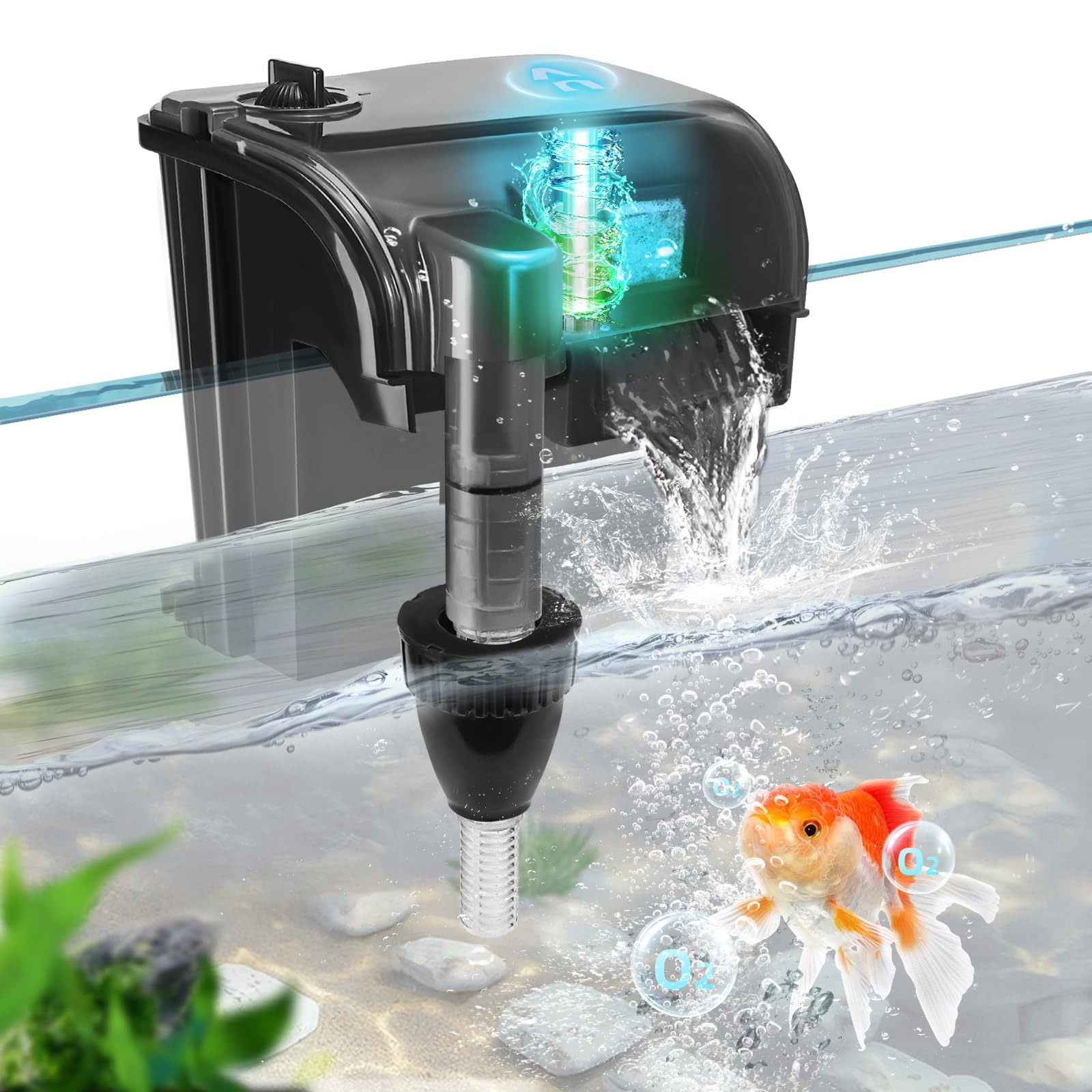
Hang-On UV Sterilizers
Hang-on units attach to the aquarium or operate alongside compact filtration equipment.
They may be convenient for smaller aquariums.
Submersible UV Sterilizers
Submersible units are designed for underwater installation.
They must have appropriately sealed electrical components and protective housings.
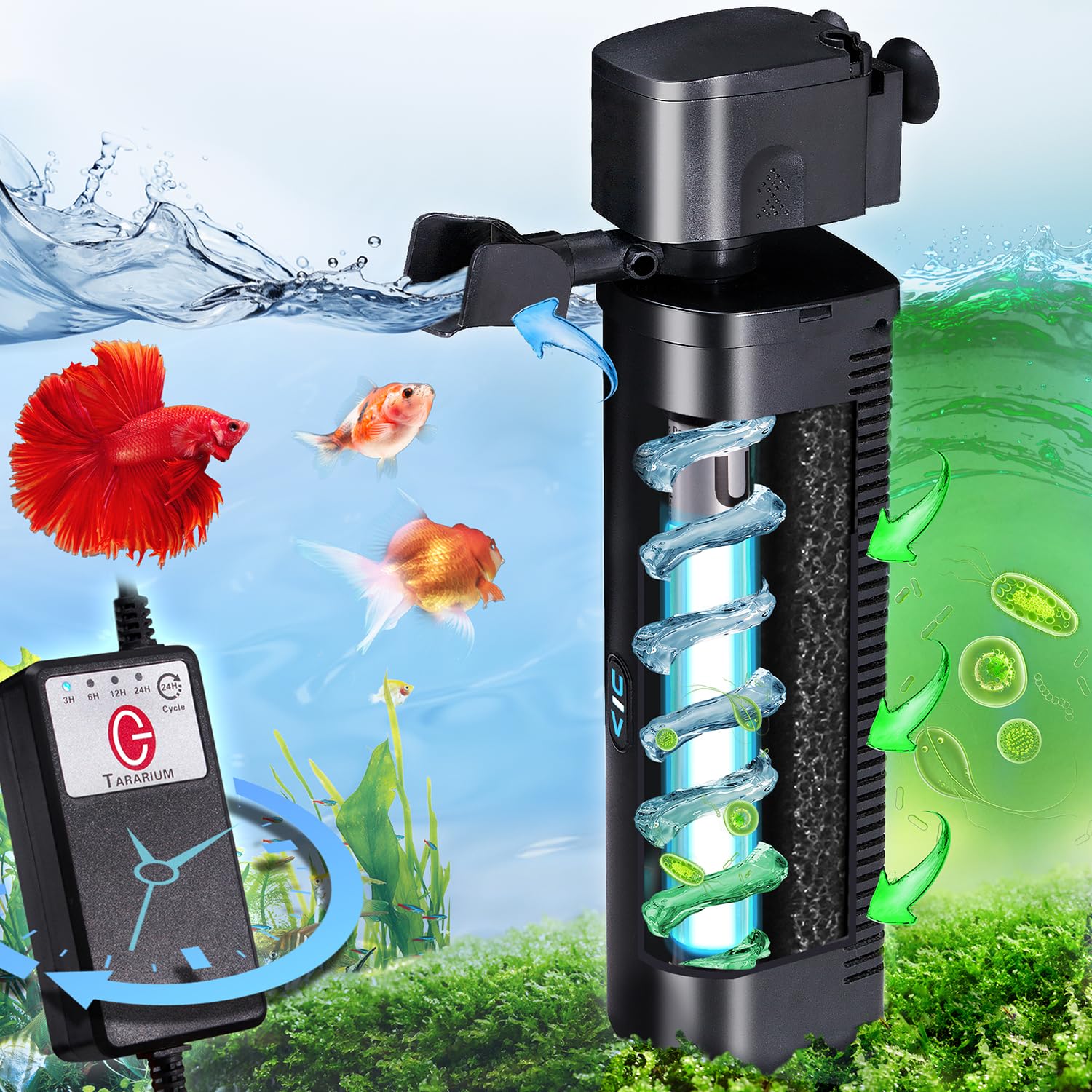
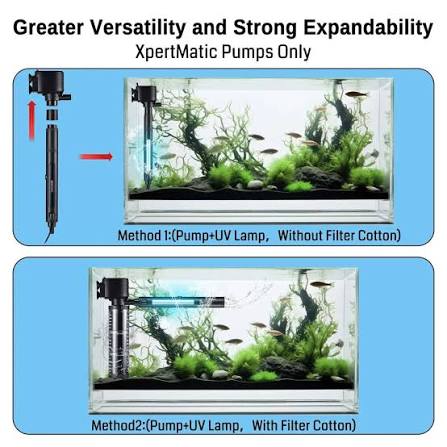
Integrated UV Filters
Some aquarium filters include built-in UV treatment chambers.
These designs combine multiple filtration functions in one assembly.
15. How to Choose the Right Aquarium UV Sterilizer
Selecting a UV sterilizer requires more than matching a product to aquarium volume.
Aquarium Size
Larger aquariums generally require equipment capable of processing greater water volumes.
However, tank size alone does not determine the correct sterilizer.
Treatment Objective
Decide whether your primary goal is green water control or reduction of particular waterborne microorganisms.
Different goals may require different UV doses.
Water Flow Rate
Confirm the actual flow rate through the sterilizer.
Pump performance can change when plumbing resistance is added.
UV Lamp Output
Consider the manufacturer's performance specifications.
Higher electrical wattage does not automatically mean higher treatment effectiveness.
Maintenance Accessibility
Choose equipment that allows convenient lamp and quartz sleeve replacement.
Freshwater or Saltwater Compatibility
Marine aquariums require materials suitable for saltwater exposure.
Replacement Parts
Confirm that replacement lamps, sleeves, seals, and other components are available.
16. How to Install an Aquarium UV Sterilizer Correctly
Proper installation helps ensure safe and consistent operation.
Step 1: Select a Suitable Location
Choose a location with adequate space for maintenance.
Keep external electrical components away from splashes.
Step 2: Check Plumbing Compatibility
Confirm that tubing, fittings, and pumps match the sterilizer's specifications.
Step 3: Connect the Water Inlet and Outlet
Follow the manufacturer's instructions for water flow direction.
Step 4: Mount the Sterilizer
Use the required mounting orientation.
Some units must be installed vertically or horizontally to prevent trapped air.
Step 5: Start Water Circulation
Fill and prime the chamber according to the manufacturer's instructions.
Check for leaks.
Step 6: Activate the UV Lamp
Only connect UV power after confirming that the system is ready for operation.
Step 7: Monitor Performance
Check water flow, leaks, unusual sounds, and warning indicators.
Disconnect power if any unsafe condition appears.
17. Where Should a UV Sterilizer Be Placed in an Aquarium Filtration System?
UV sterilizers are often installed after mechanical filtration.
This arrangement can improve ultraviolet transmission by reducing suspended particles.
Canister Filter Systems
An inline UV sterilizer may be installed on a compatible canister filter return line.
However, the added hydraulic resistance may reduce flow.
Sump Filtration Systems
Larger aquariums may use a dedicated UV circulation loop connected to the sump.
This can allow independent flow control.
Integrated Filtration Systems
Some filters include built-in UV chambers.
Follow the manufacturer's maintenance and operating instructions.
Dedicated UV Pumps
A separate pump may be useful when the sterilizer requires a flow rate different from the main aquarium circulation system.
18. How Long Should an Aquarium UV Sterilizer Run?
Operating schedules depend on the aquarium's needs and the sterilizer's design.
Continuous Operation
Many aquarium UV sterilizers are designed for continuous use.
Continuous operation provides ongoing treatment of water passing through the chamber.
Intermittent Operation
Some aquarium owners use UV treatment only when addressing specific water clarity concerns.
Follow manufacturer guidance because frequent switching may affect the service life of certain lamps.
During Green Water Blooms
UV treatment may help reduce free-floating algae populations.
The time required for visible improvement varies with operating conditions.
During Bacterial Supplement Dosing
Some beneficial bacterial products recommend temporarily disabling UV treatment.
Follow the supplement manufacturer's instructions.
19. UV Sterilizers in Freshwater Aquariums
Freshwater aquariums commonly use UV treatment for green water control and supplemental microorganism reduction.
Community Aquariums
UV sterilizers may help improve water clarity when suspended microorganisms contribute to cloudiness.
Planted Aquariums
UV treatment can help control free-floating algae.
It does not directly remove algae attached to plants or decorations.
Goldfish Aquariums
Goldfish produce substantial waste.
UV sterilization can supplement filtration but cannot replace adequate mechanical and biological filtration.
Freshwater Breeding Systems
Breeding tanks require stable water chemistry and careful livestock management.
UV treatment may be considered as part of a broader water management strategy.
20. UV Sterilizers in Saltwater and Reef Aquariums
Saltwater aquariums often use UV sterilizers as supplemental water treatment equipment.
Marine Fish Aquariums
UV treatment may help reduce certain susceptible microorganisms circulating through the water.
Reef Aquariums
Reef systems contain complex microbial communities and planktonic organisms.
UV treatment may affect susceptible suspended organisms, so operating decisions should reflect the aquarium's goals.
Saltwater Corrosion
Marine environments can accelerate corrosion of unsuitable metal components.
Use equipment rated for saltwater applications.
Calcium Carbonate Scaling
Reef aquariums may develop mineral deposits on quartz sleeves.
These deposits can reduce UV transmission.
Regular inspection is essential.
21. Aquarium UV Sterilizer Maintenance: Keeping the System Effective
Routine maintenance helps maintain treatment performance.
Quartz Sleeve Cleaning
The quartz sleeve may accumulate mineral scale, biofilm, and other deposits.
Clean it using manufacturer-approved methods.
UV Lamp Replacement
UV lamps gradually lose germicidal output.
Replace them according to their rated operating life.
A lamp may still produce visible light after its useful UV-C output has declined.
Pump Maintenance
Clean pump impellers and intake screens as needed.
Restricted flow can affect treatment performance.
Seal Inspection
Check O-rings and fittings for damage.
Replace worn components.
Electrical Safety
Inspect cords, connectors, and housings.
Never operate damaged electrical equipment near aquarium water.
22. Recommended Aquarium UV Sterilizer Maintenance Schedule
|
Maintenance task |
Suggested starting interval |
|---|---|
|
Check operation |
Weekly |
|
Inspect for leaks |
Weekly |
|
Check water flow |
Monthly |
|
Inspect quartz sleeve |
Every 1–3 months |
|
Clean quartz sleeve |
As deposits develop |
|
Inspect pump and tubing |
Every 1–3 months |
|
Inspect O-rings |
During disassembly |
|
Check electrical connections |
Monthly |
|
Replace UV lamp |
Manufacturer-rated interval |
|
Perform full inspection |
Every 6–12 months |
These are general guidelines rather than universal requirements.
Maintenance frequency depends on water chemistry, equipment design, and operating conditions.
23. Common Misconceptions About Aquarium UV Sterilizers
Myth 1: UV Sterilizers Remove All Aquarium Bacteria
UV treatment affects susceptible microorganisms passing through the chamber.
It does not directly expose established bacterial colonies throughout the aquarium.
Myth 2: UV Sterilizers Replace Biological Filtration
UV treatment does not process ammonia or nitrite.
Biological filtration remains essential.
Myth 3: Higher Wattage Always Means Better Performance
Treatment effectiveness depends on delivered UV dose, not wattage alone.
Myth 4: UV Sterilizers Cure Every Fish Disease
UV treatment cannot reliably eliminate every parasite or pathogen in an aquarium.
Myth 5: UV Sterilizers Remove Nitrate
Conventional aquarium UV sterilizers do not remove nitrate.
Myth 6: Clear Water Means the Aquarium Is Healthy
Water clarity does not guarantee safe ammonia, nitrite, or other water chemistry conditions.
Myth 7: UV Lamps Never Need Replacement
UV lamps gradually lose germicidal output.
Regular replacement is necessary according to manufacturer specifications.
24. Troubleshooting Common Aquarium UV Sterilizer Problems
Green Water Does Not Improve
Check lamp age, quartz sleeve cleanliness, water flow, and equipment sizing.
Also investigate lighting and nutrient conditions.
Reduced Water Flow
Inspect tubing, pump impellers, and intake screens for restrictions.
UV Lamp Does Not Turn On
Possible causes include lamp failure, ballast problems, or electrical faults.
Disconnect power before troubleshooting.
Water Leaks
Inspect fittings, O-rings, and sealing surfaces.
Do not operate the sterilizer until leaks are corrected.
Cloudy Water Remains
Determine whether cloudiness is caused by suspended microorganisms or physical debris.
Mechanical filtration may be more appropriate for particulate matter.
25. Are Aquarium UV Sterilizers Energy Efficient?
Electricity consumption depends on the equipment's power rating and operating schedule.
A simple calculation can estimate energy use.
Energy Consumption (kWh) = Power (Watts) × Operating Hours ÷ 1,000
For example, a 15-watt UV sterilizer operating for 24 hours consumes:
15 × 24 ÷ 1,000 = 0.36 kWh per day.
Over 30 days:
0.36 × 30 = 10.8 kWh.
At an illustrative electricity rate of $0.15 per kWh, this equals approximately $1.62 per month.
Actual consumption may be higher if the system includes a separate pump or additional electrical components.
26. Frequently Asked Questions About Aquarium UV Sterilizers
How does an aquarium UV sterilizer work?
An aquarium UV sterilizer circulates water through a chamber containing a germicidal ultraviolet light source.
Susceptible microorganisms passing through the chamber may be inactivated when they receive sufficient UV exposure.
What does UV light kill in aquarium water?
UV-C radiation can inactivate certain bacteria, algae, and other microorganisms suspended in water.
Effectiveness depends on UV dose and organism sensitivity.
Does UV sterilization make aquarium water clear?
It can help improve clarity when cloudiness is caused by susceptible free-floating algae or microorganisms.
It does not remove every cause of cloudy water.
Is UV sterilization safe for fish?
Properly enclosed UV sterilizers are generally safe for fish during normal operation.
Direct exposure to UV-C radiation is dangerous and must be prevented.
Do UV sterilizers kill beneficial bacteria?
They can inactivate susceptible bacteria suspended in water.
Established nitrifying bacteria attached to biological filter media are generally outside the UV treatment chamber.
Can UV sterilizers eliminate aquarium parasites?
UV treatment may affect certain free-swimming parasite stages, but it cannot reliably eliminate every stage or cure infected fish.
Can UV sterilizers replace aquarium filters?
No. UV treatment does not replace mechanical or biological filtration.
How often should I replace the UV lamp?
Follow the manufacturer's rated replacement interval.
Should I run my UV sterilizer continuously?
Many systems support continuous operation, but the appropriate schedule depends on treatment goals and equipment specifications.
What size UV sterilizer do I need?
Choose equipment based on aquarium volume, actual flow rate, intended treatment objective, and manufacturer performance data.
Can I use UV sterilization in a reef aquarium?
Yes, if the equipment is suitable for marine use.
Consider the potential effects on susceptible suspended plankton and microorganisms.
Does UV sterilization remove ammonia?
No. UV sterilization does not replace biological nitrogen processing.
Does UV sterilization remove algae from glass?
No. Attached algae are not directly exposed to the UV treatment chamber.
Why is my UV sterilizer not clearing green water?
Possible causes include insufficient UV dose, excessive flow, lamp aging, quartz sleeve fouling, or unsuitable equipment sizing.
Can I use UV sterilization during aquarium cycling?
It may be used when necessary, but temporarily leaving it off during initial bacterial establishment can be a reasonable precaution.
27. Final Thoughts: Understanding Aquarium UV Sterilization Technology
Aquarium UV sterilizers are valuable tools for managing certain waterborne microorganisms and improving water clarity.
Their operating principle is straightforward: aquarium water passes through a treatment chamber where susceptible microorganisms receive germicidal ultraviolet exposure.
However, effective UV sterilization involves more than simply installing a lamp.
The delivered UV dose depends on lamp performance, water flow, chamber design, water clarity, and maintenance conditions.
Understanding these factors helps aquarium owners select suitable equipment and avoid common operating mistakes.
UV sterilizers can be especially useful for controlling free-floating green water algae and reducing certain susceptible waterborne microorganisms.
At the same time, they cannot replace biological filtration, mechanical filtration, regular water changes, or responsible aquarium husbandry.
A healthy aquarium still depends on stable water chemistry, appropriate stocking, adequate oxygenation, proper feeding, and consistent maintenance.
For beginners, the best approach is to establish a reliable filtration system first and then consider UV sterilization as an additional water treatment technology when appropriate.
By selecting a properly designed sterilizer, maintaining the quartz sleeve, replacing UV lamps on schedule, and operating the system at the recommended flow rate, aquarium owners can achieve more consistent ultraviolet treatment performance.
Whether you maintain a freshwater community tank, a planted aquarium, a saltwater fish system, or a reef aquarium, understanding how UV sterilizers work will help you make informed decisions about water quality management.
When integrated thoughtfully into a complete aquarium care routine, ultraviolet filtration technology can contribute to clearer water and a more stable aquatic environment.
Looking for a reliable aquarium UV sterilizer or need help choosing the right ultraviolet filtration system for your fish tank? Feel free to leave us a message for product inquiries, personalized recommendations, and a competitive quote!