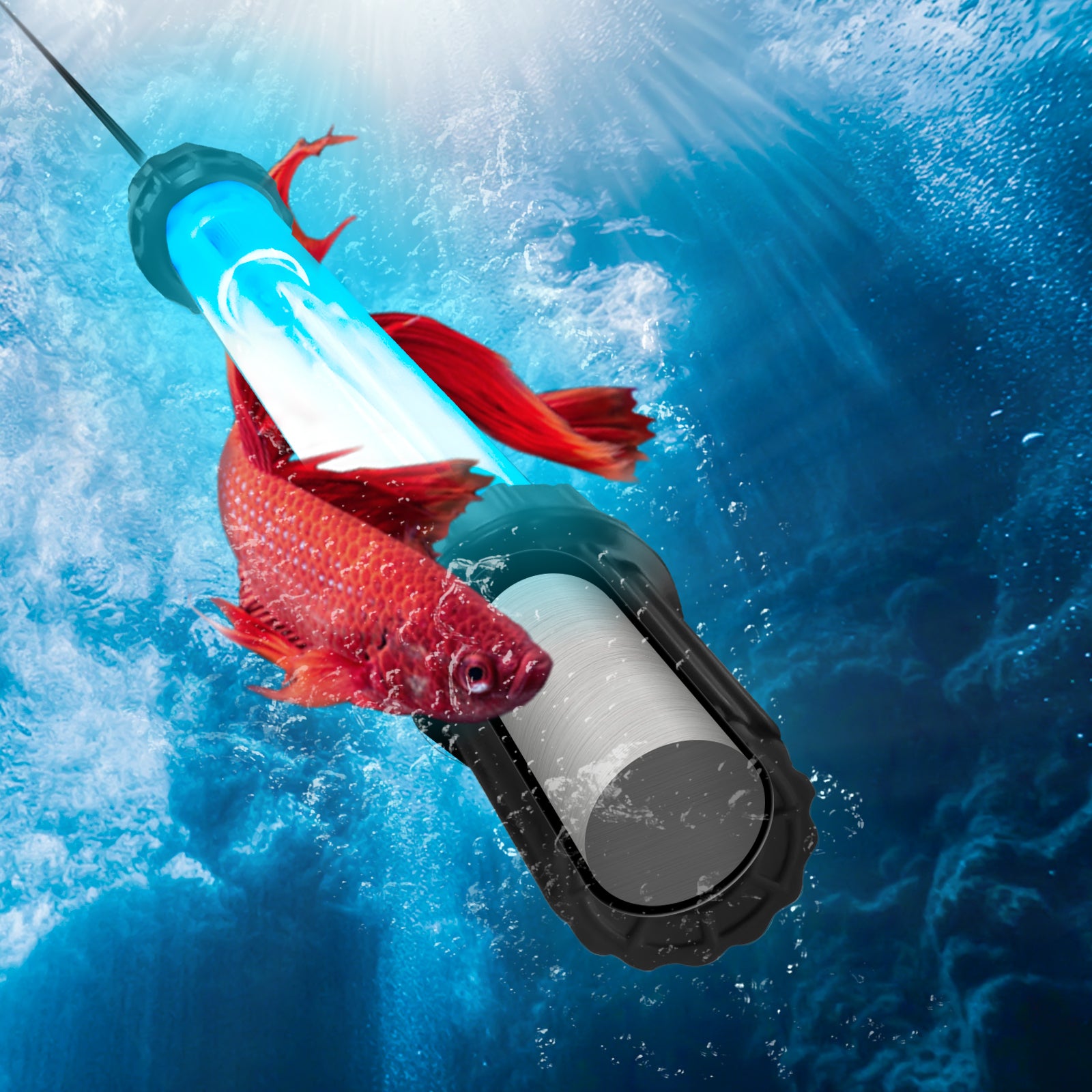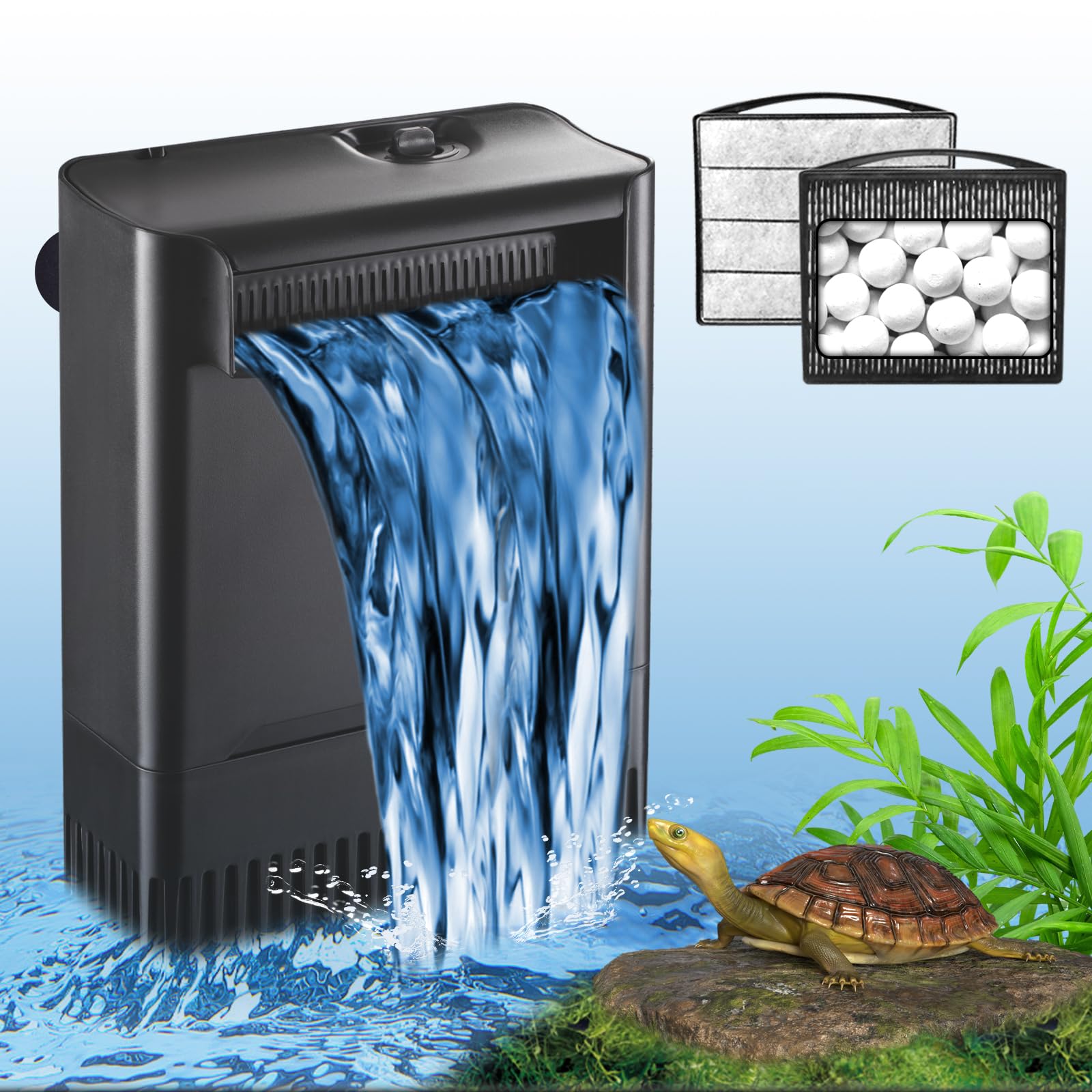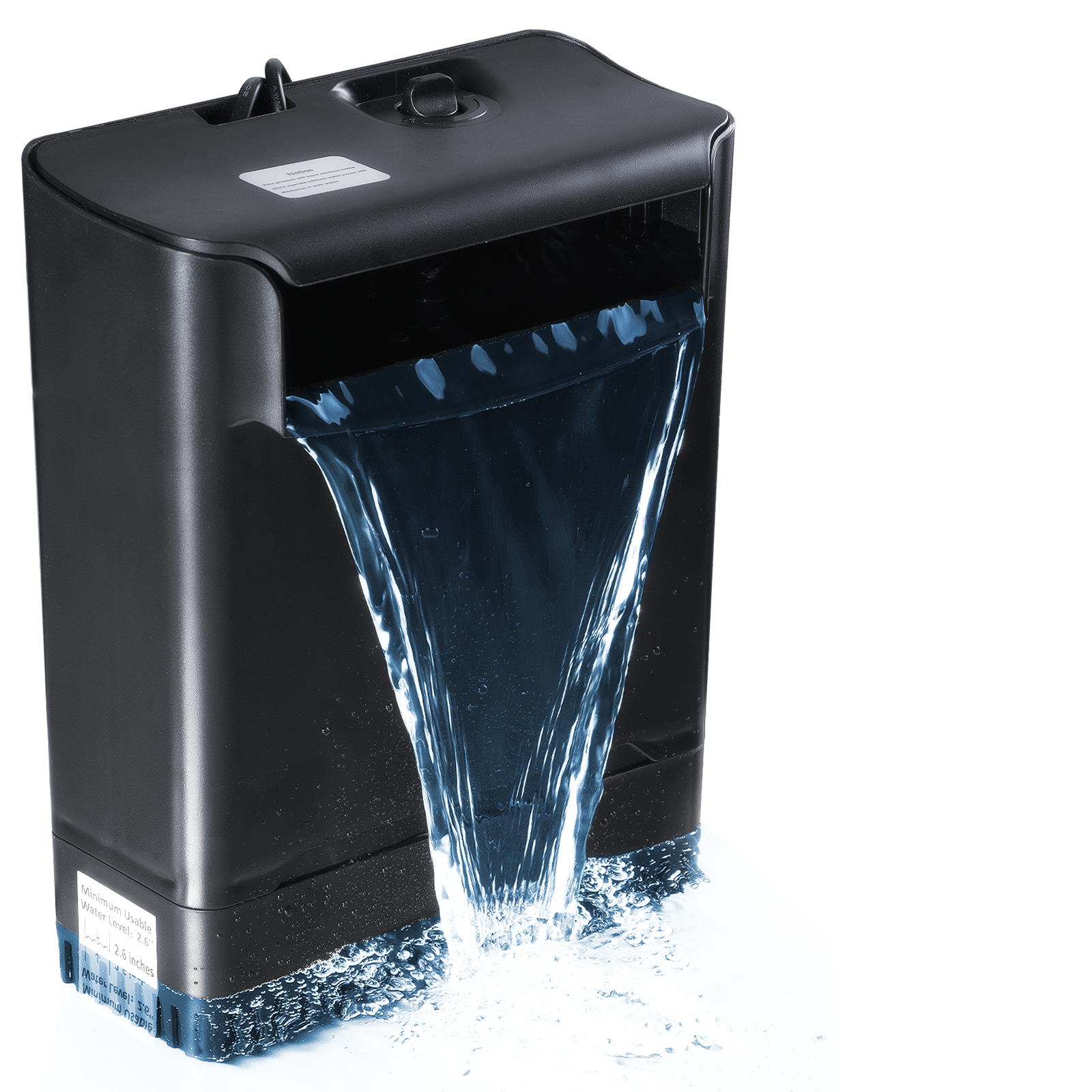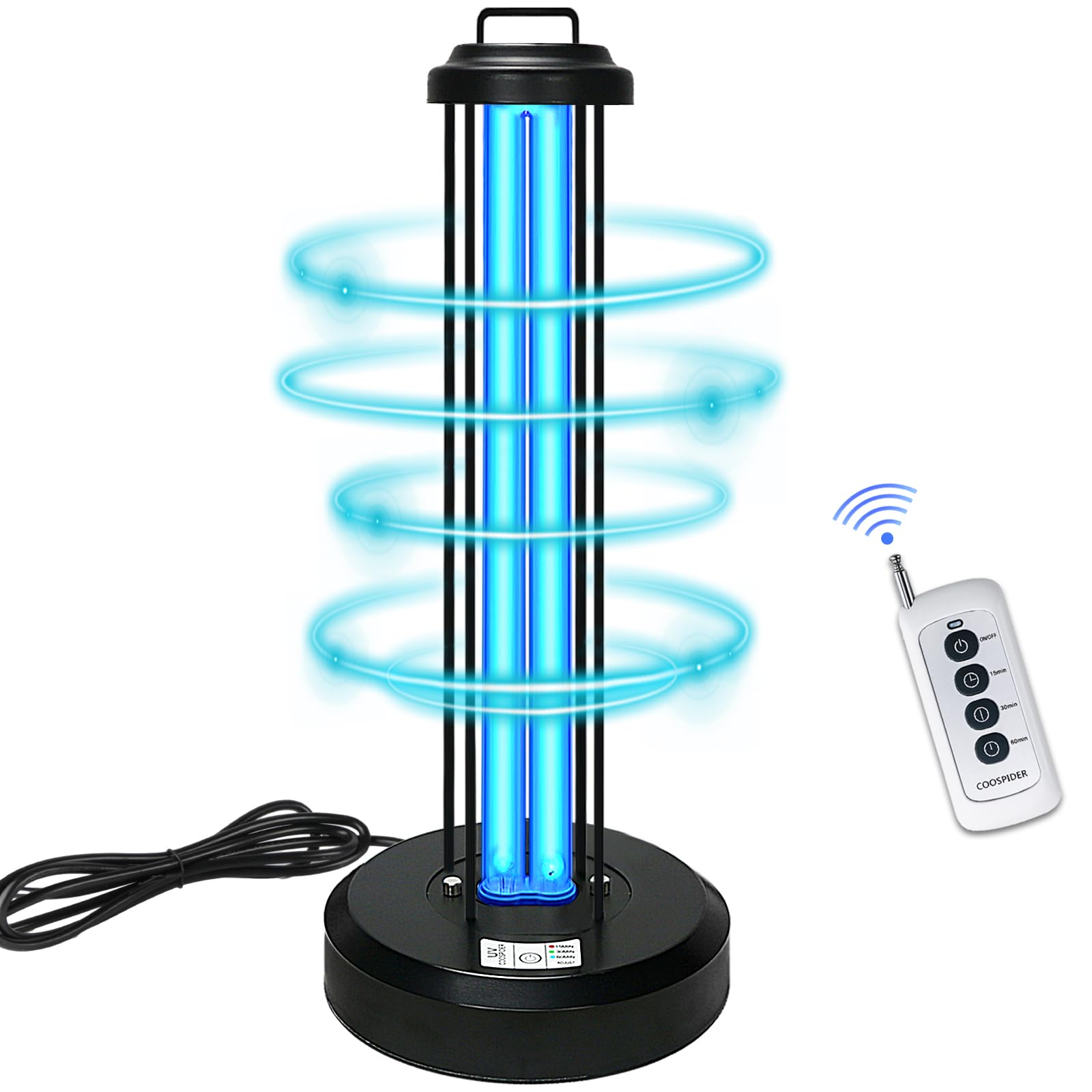
Maintaining a clean, healthy aquarium is one of the most rewarding aspects of fishkeeping. Whether you are setting up your first freshwater aquarium or exploring the fascinating world of saltwater fish, creating a stable aquatic environment is essential for the health and well-being of your fish.
However, even with regular water changes, proper filtration, and careful feeding, aquarium owners may encounter common challenges such as cloudy water, green water algae blooms, and unwanted microorganisms. These problems can make an aquarium less attractive and, in some cases, contribute to an unhealthy aquatic environment.
This is where an aquarium UV sterilizer can become a valuable addition to your filtration system.
Aquarium UV sterilizers use ultraviolet light to help control free-floating algae and reduce certain waterborne microorganisms. When properly selected, installed, and maintained, these devices can improve water clarity and support a cleaner aquarium environment.
For beginners, however, UV sterilization technology can seem complicated. Questions often arise about how UV sterilizers work, whether they are safe for fish, how to choose the right size, and whether they affect beneficial bacteria.
The good news is that aquarium UV sterilizers are relatively straightforward once you understand their basic operating principles.
In this comprehensive beginner's guide, we will explain everything you need to know about aquarium UV sterilizers, including their benefits, different types, installation methods, maintenance requirements, common mistakes, and practical tips for achieving better aquarium water quality.
Whether you own a small freshwater fish tank, a planted aquarium, or a large saltwater reef system, this guide will help you understand how UV sterilization fits into a responsible aquarium maintenance routine.
1. What Is an Aquarium UV Sterilizer?
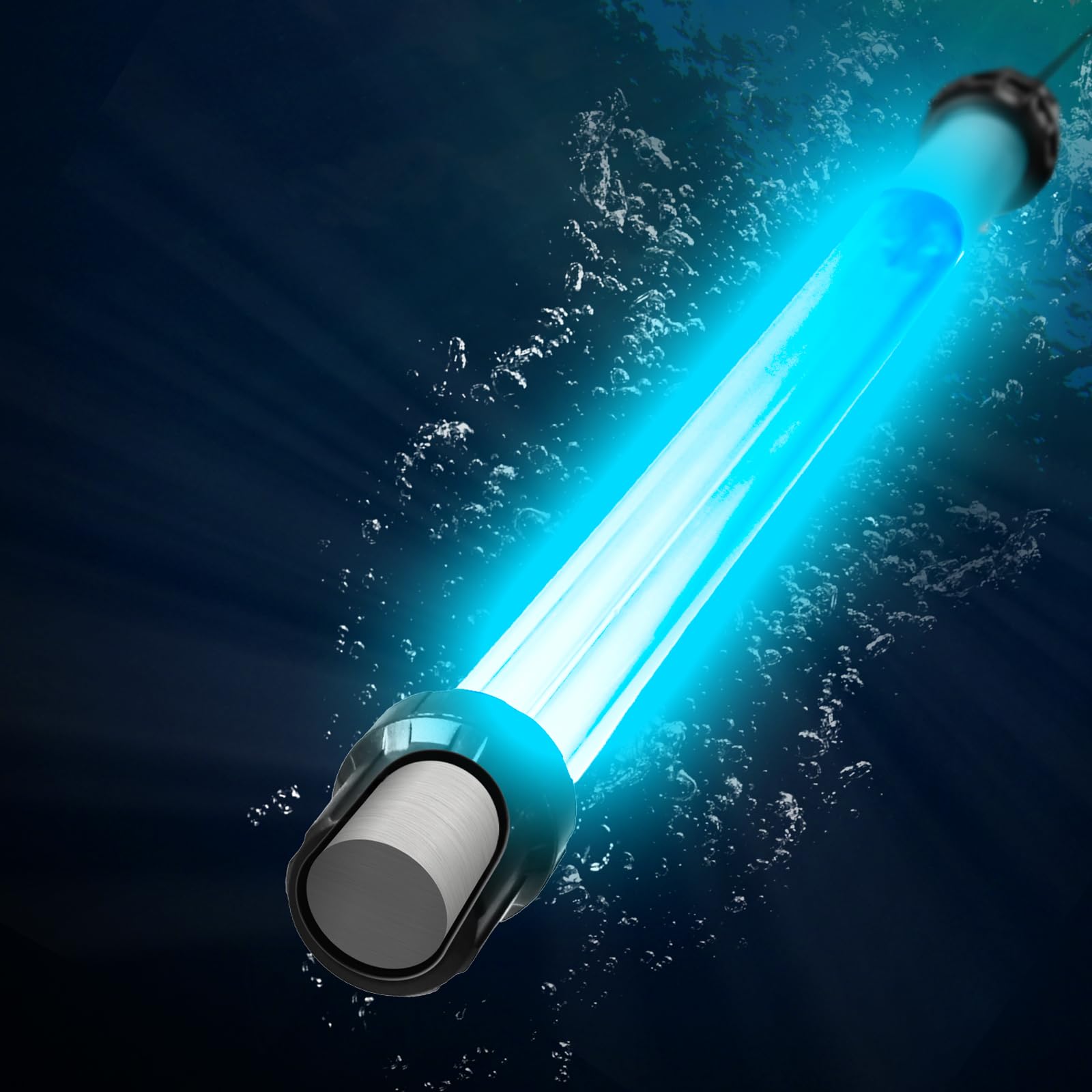
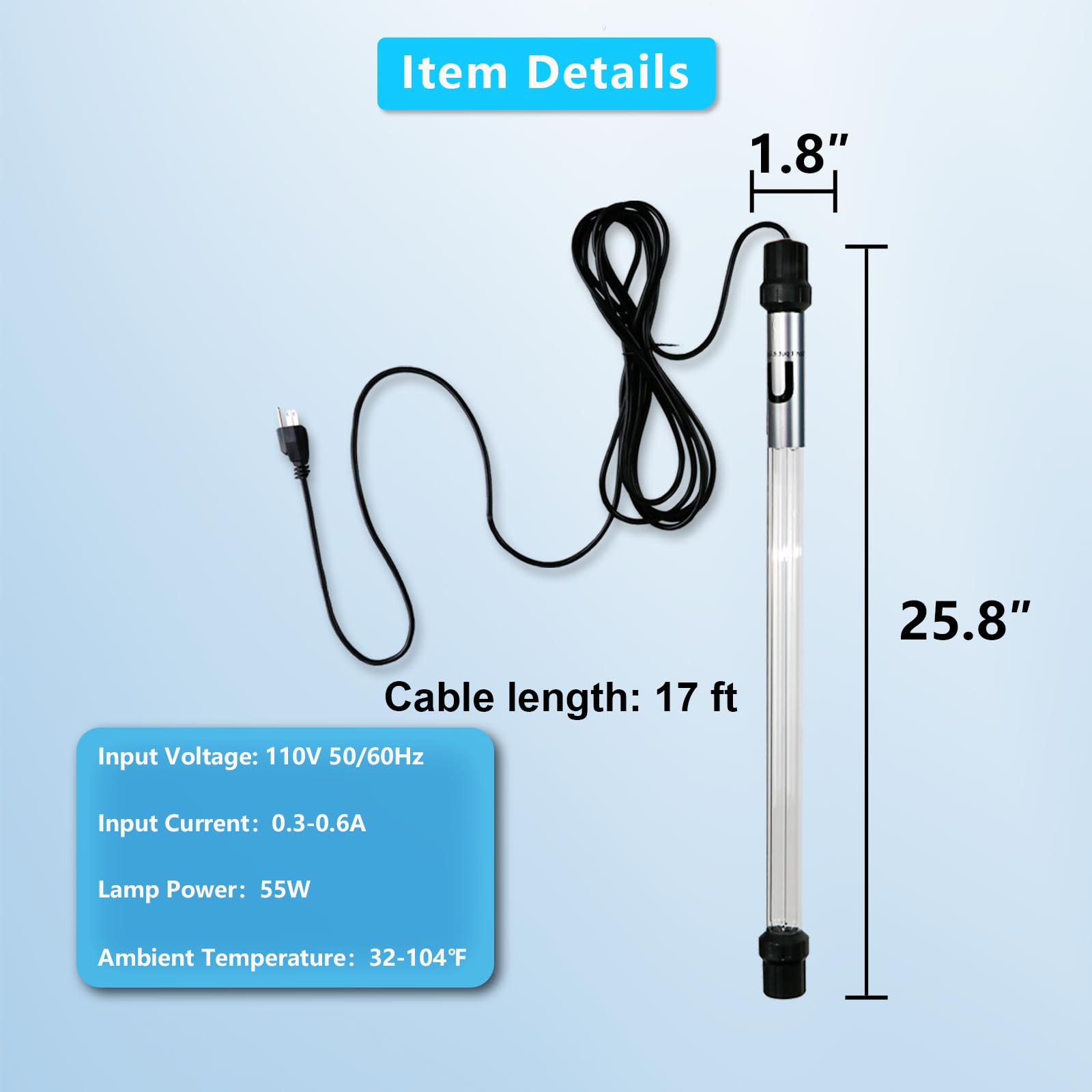
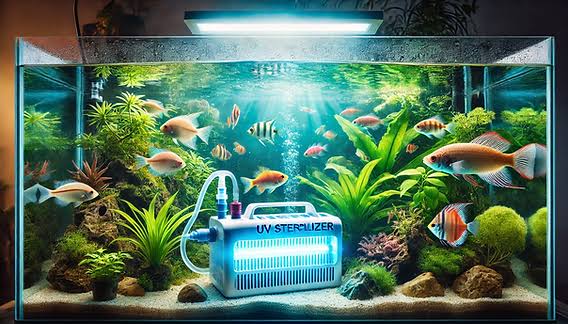
An aquarium UV sterilizer is a water treatment device that uses ultraviolet radiation to inactivate certain microorganisms suspended in aquarium water.
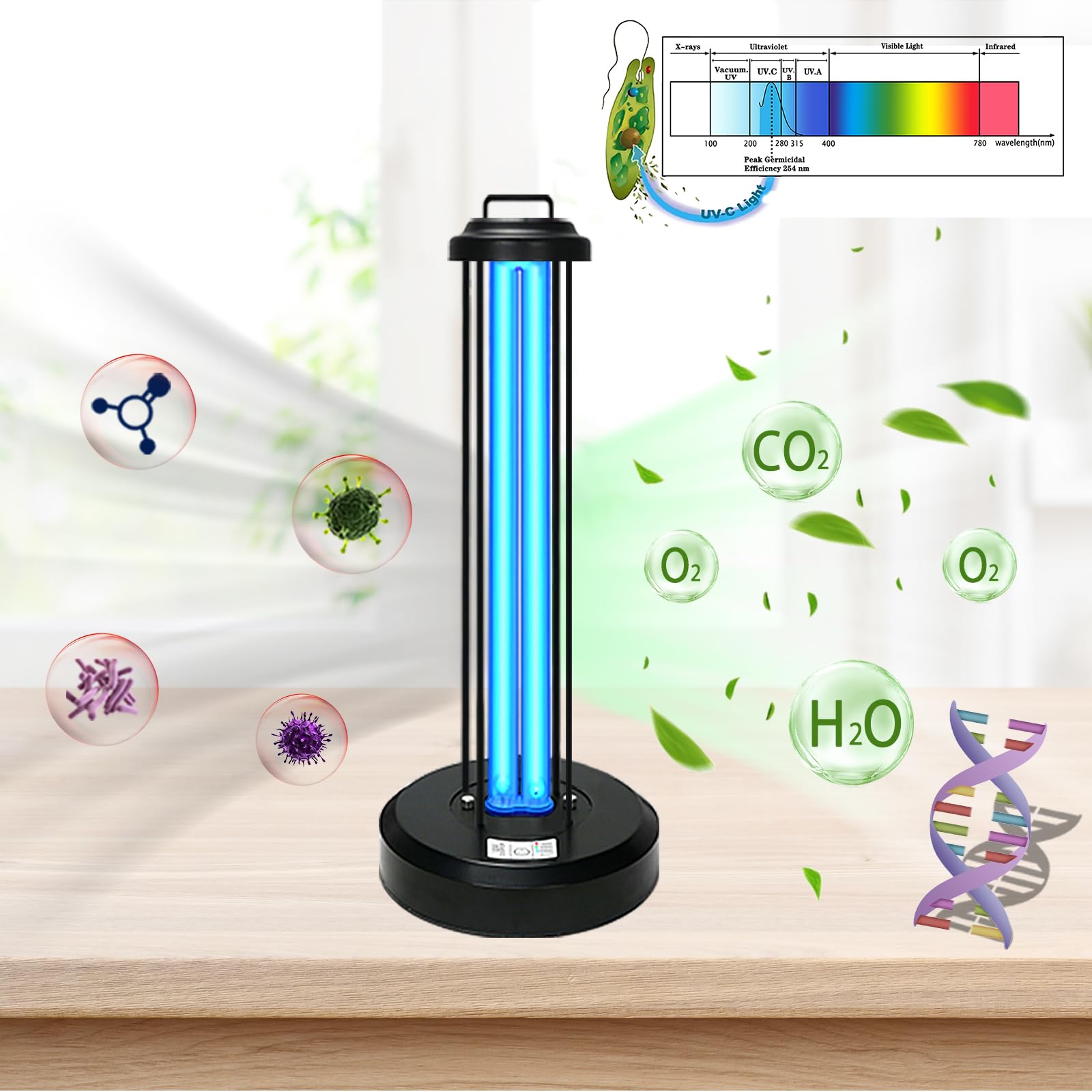
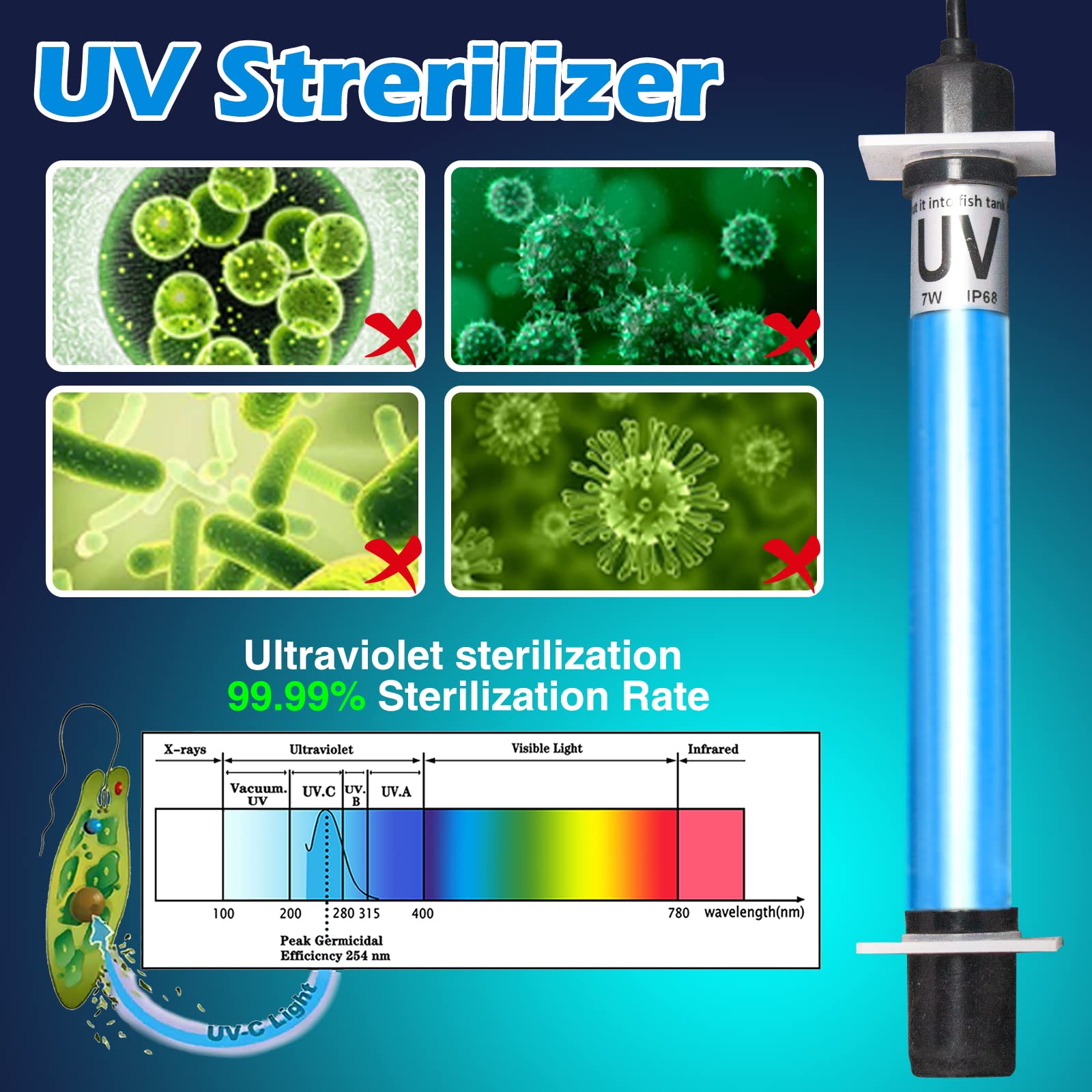
Most traditional aquarium UV sterilizers use ultraviolet-C (UV-C) light, commonly produced by low-pressure mercury lamps emitting radiation near 254 nanometers.
UV-C radiation has germicidal properties because it can damage the genetic material of microorganisms.
When susceptible bacteria, algae, or other microscopic organisms receive a sufficient UV dose, their ability to reproduce or remain viable may be reduced.
How Does an Aquarium UV Sterilizer Work?
The basic process is relatively simple.
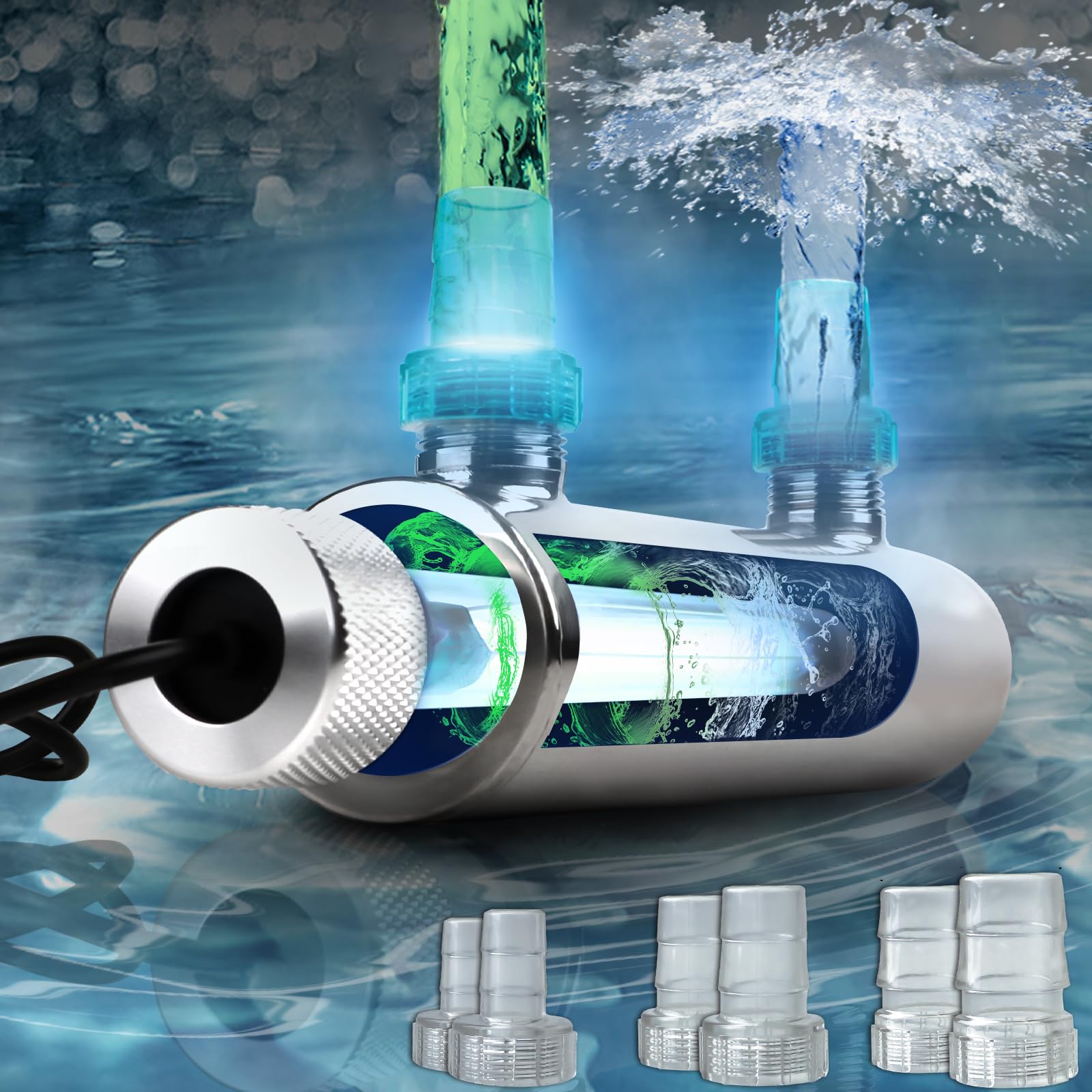
First, aquarium water is pumped into a specialized treatment chamber.
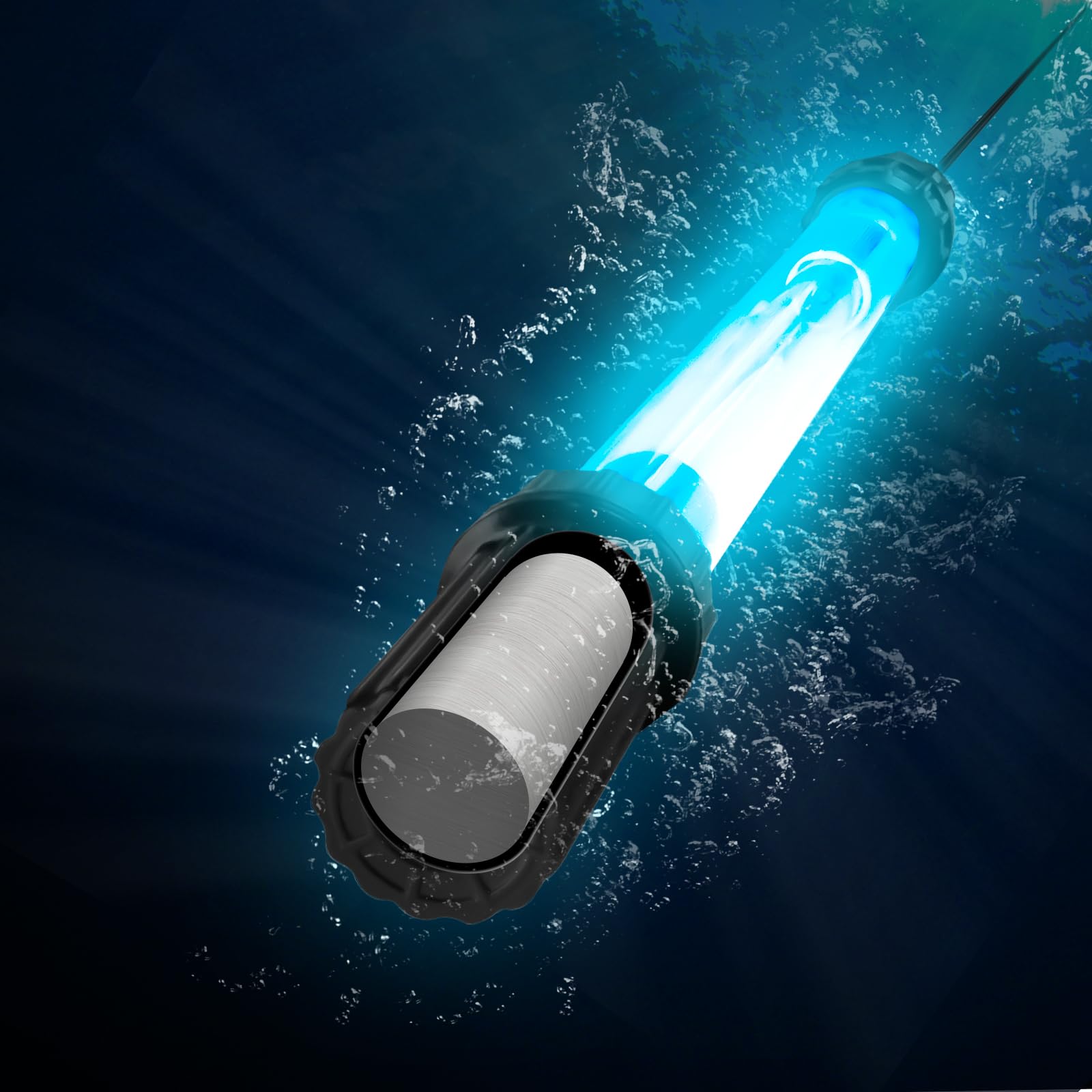
Inside the chamber, water flows around a protected ultraviolet light source. Many conventional sterilizers use a quartz sleeve to separate the UV lamp from direct contact with water.
As water passes through the chamber, suspended microorganisms are exposed to ultraviolet radiation.
The treated water then returns to the aquarium.
The effectiveness of the process depends on several factors:
-
UV lamp output and efficiency.
-
Water flow rate.
-
Exposure time.
-
Treatment chamber design.
-
Water clarity.
-
Quartz sleeve cleanliness.
-
UV transmittance.
-
Sensitivity of the target microorganism.
It is important to understand that UV sterilizers do not physically remove most contaminants from the water.
Instead, they provide ultraviolet exposure to susceptible organisms passing through the device.
What Does a UV Sterilizer Actually Do?
An appropriately operated aquarium UV sterilizer may help:
-
Control free-floating green water algae.
-
Reduce certain waterborne bacterial populations.
-
Lower concentrations of some susceptible microorganisms.
-
Improve water clarity when cloudiness is caused by UV-sensitive organisms.
-
Supplement existing aquarium filtration systems.
However, UV sterilizers cannot remove dissolved ammonia, nitrite, nitrate, fish waste, or uneaten food.
They also cannot guarantee complete protection against fish diseases.
For these reasons, UV sterilization should be considered an additional water treatment method rather than a replacement for conventional aquarium filtration.
2. Why Do Aquarium Owners Use UV Sterilizers?
Aquarium enthusiasts use UV sterilizers for several reasons, but improved water clarity is one of the most common.
Controlling Green Water Algae
Green water occurs when large populations of microscopic algae become suspended in aquarium water.
Unlike algae growing on glass, rocks, or decorations, these algae float freely throughout the aquarium.
When conditions favor rapid growth, the water can develop a noticeable green appearance.
A properly sized UV sterilizer can help reduce susceptible free-floating algae as water passes through the treatment chamber.
Over time, this may improve water clarity.
However, UV sterilization does not address the underlying conditions that encourage algae growth, such as excessive nutrients or inappropriate lighting.
Reducing Certain Waterborne Microorganisms
Aquarium water naturally contains a wide variety of microorganisms.
Many are harmless or beneficial, while others may contribute to disease under certain conditions.
UV sterilization can reduce some susceptible microorganisms suspended in the water column.
The actual reduction depends on UV dose, water quality, and organism sensitivity.
Supporting Aquarium Water Clarity
Cloudy aquarium water can have several causes.
These include bacterial blooms, suspended debris, disturbed substrate, and microscopic algae.
UV sterilizers may help when cloudiness is associated with susceptible suspended microorganisms.
However, they are generally ineffective against cloudiness caused by nonliving particles.
Mechanical filtration is more appropriate for removing physical debris.
Improving Aquarium Management
A UV sterilizer can become a useful part of a broader aquarium maintenance strategy.
When combined with proper filtration, water testing, and responsible fishkeeping practices, UV treatment may help maintain more consistent water clarity.
Nevertheless, it should never be used to compensate for poor aquarium maintenance.
3. Understanding UV-C Light and Its Role in Aquarium Sterilization
Ultraviolet radiation is part of the electromagnetic spectrum.
It has shorter wavelengths than visible light and is generally divided into three categories.
UV-A Radiation
UV-A has wavelengths of approximately 315–400 nanometers.
It is commonly associated with tanning, certain lighting applications, and fluorescence.
UV-A is not the primary technology used in conventional germicidal aquarium sterilizers.
UV-B Radiation
UV-B has wavelengths of approximately 280–315 nanometers.
It is important in certain biological processes and specialized reptile lighting applications.
However, it is not typically the primary wavelength used in conventional aquarium UV sterilization.
UV-C Radiation
UV-C generally covers wavelengths of approximately 100–280 nanometers.
Certain UV-C wavelengths are particularly effective at damaging microbial genetic material.
Traditional aquarium UV sterilizers commonly use lamps emitting near 254 nanometers.
Why UV-C Is Effective
UV-C radiation can create molecular damage in microbial DNA or RNA.
This damage may prevent microorganisms from reproducing successfully or carrying out normal biological functions.
However, different organisms require different UV doses for effective inactivation.
Therefore, UV lamp wattage alone does not determine treatment effectiveness.
Water flow, exposure time, lamp performance, and chamber design are equally important.
4. Different Types of Aquarium UV Sterilizers
Aquarium UV sterilizers are available in several configurations.
Choosing the right design depends on aquarium size, filtration equipment, available space, and maintenance preferences.
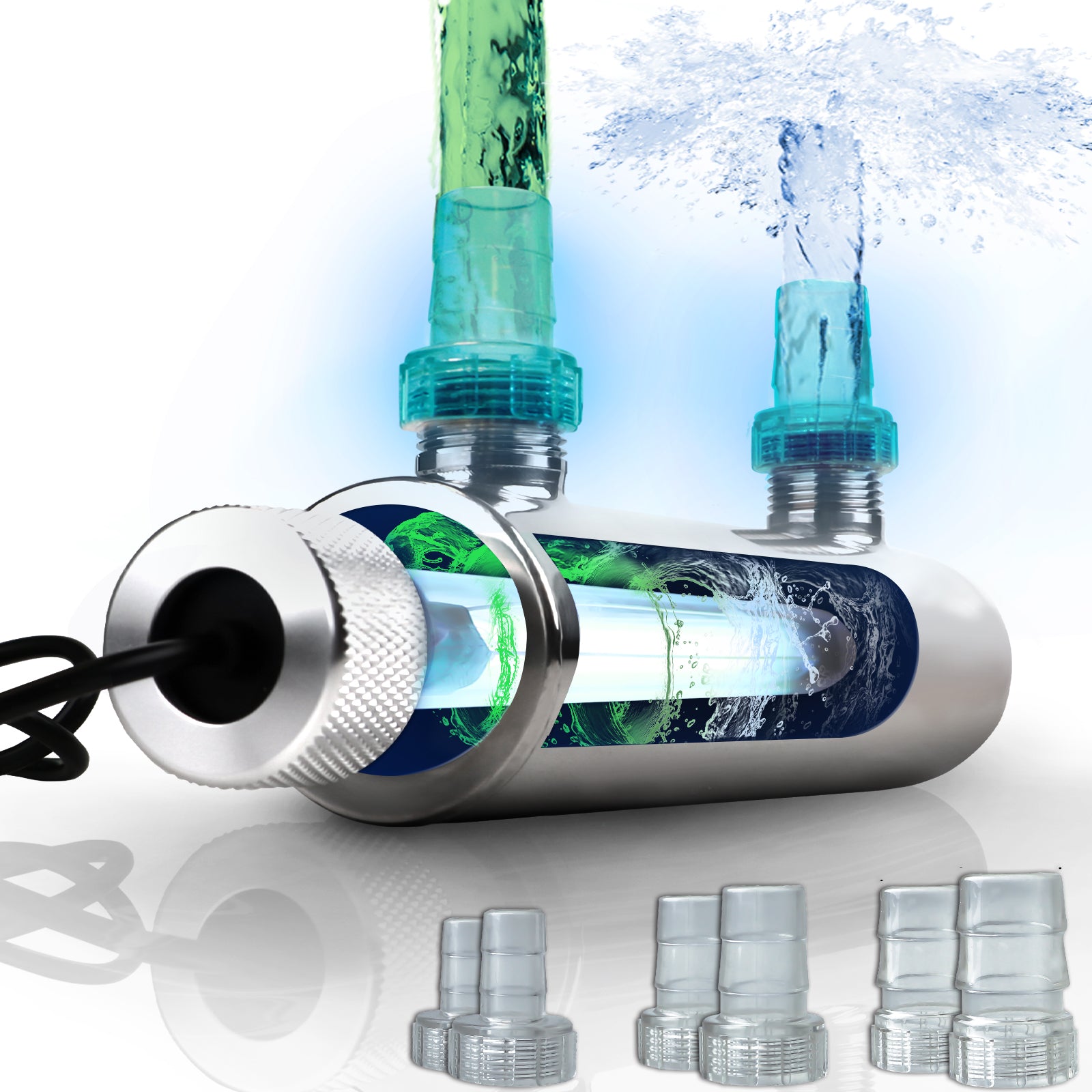
Inline UV Sterilizers
Inline UV sterilizers are installed within an external water circulation system.
Water passes through the sterilizer before returning to the aquarium.
These units are commonly used with external canister filters, sump systems, and dedicated pumps.
Advantages:
-
Suitable for many medium and large aquariums.
-
Can be integrated into existing plumbing.
-
Often provide flexible flow-rate options.
-
Keep equipment outside the display aquarium.
Disadvantages:
-
May require additional plumbing.
-
Installation can be more complicated.
-
Improper connections may cause leaks.
Inline UV sterilizers are often a practical choice for aquarists who already use external filtration systems.
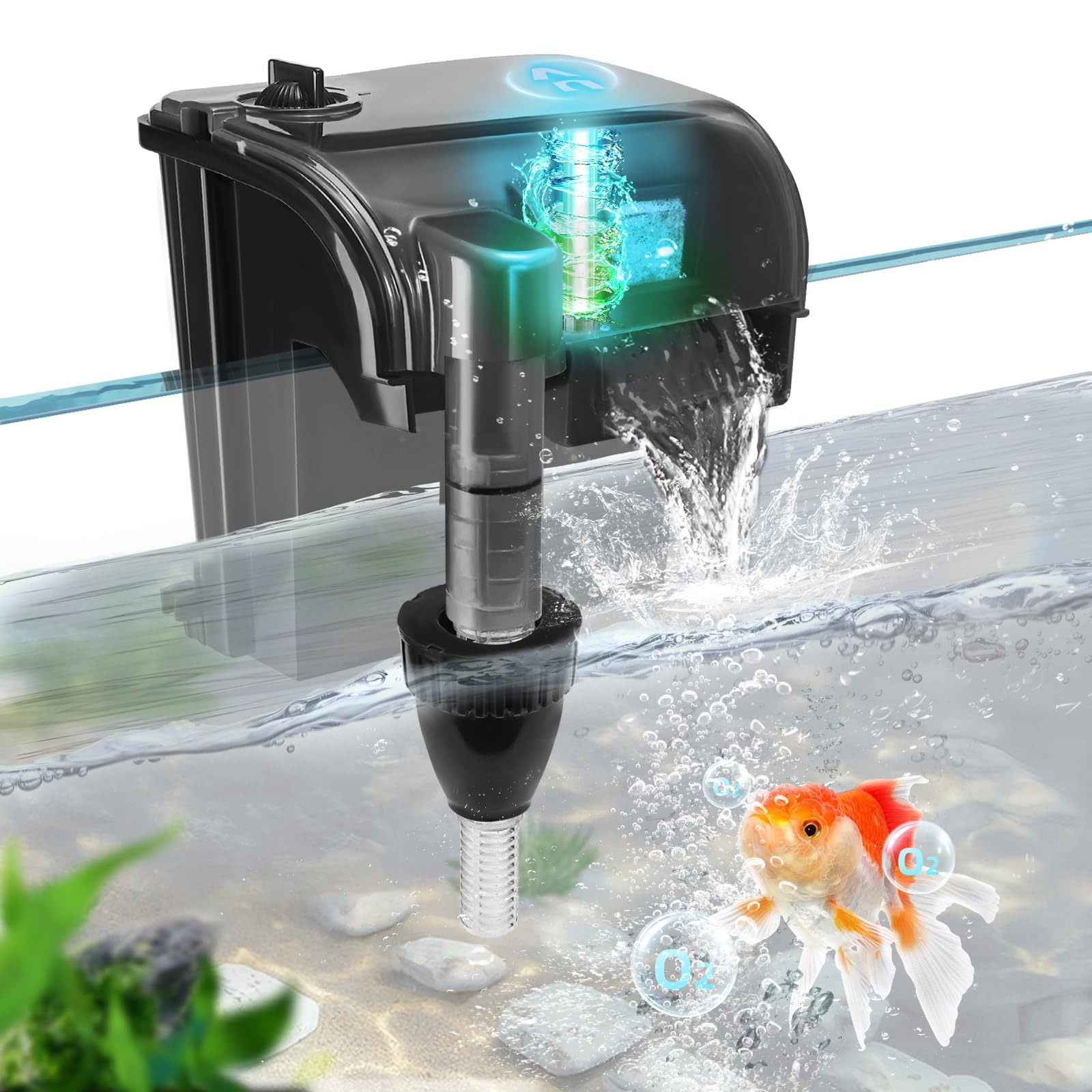
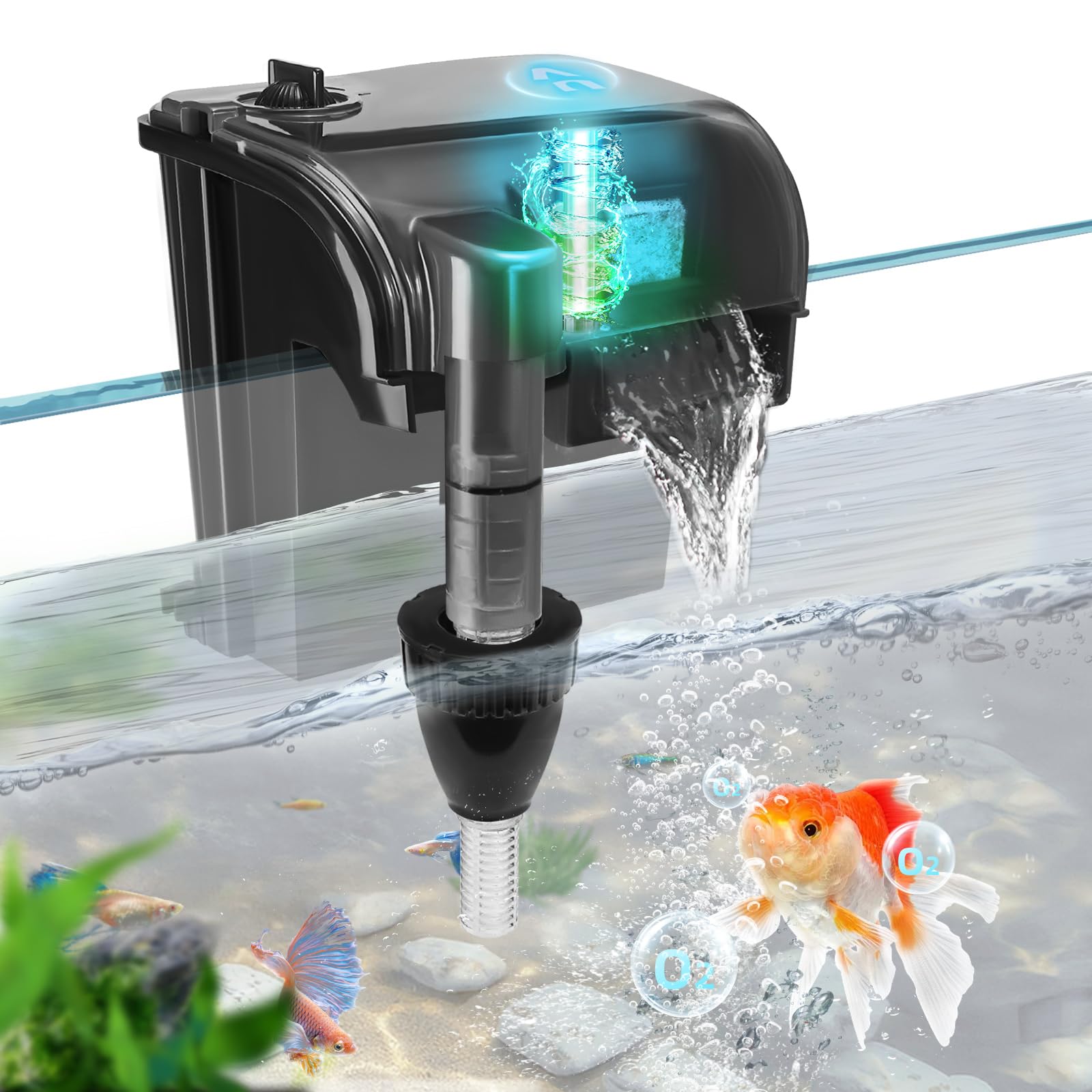
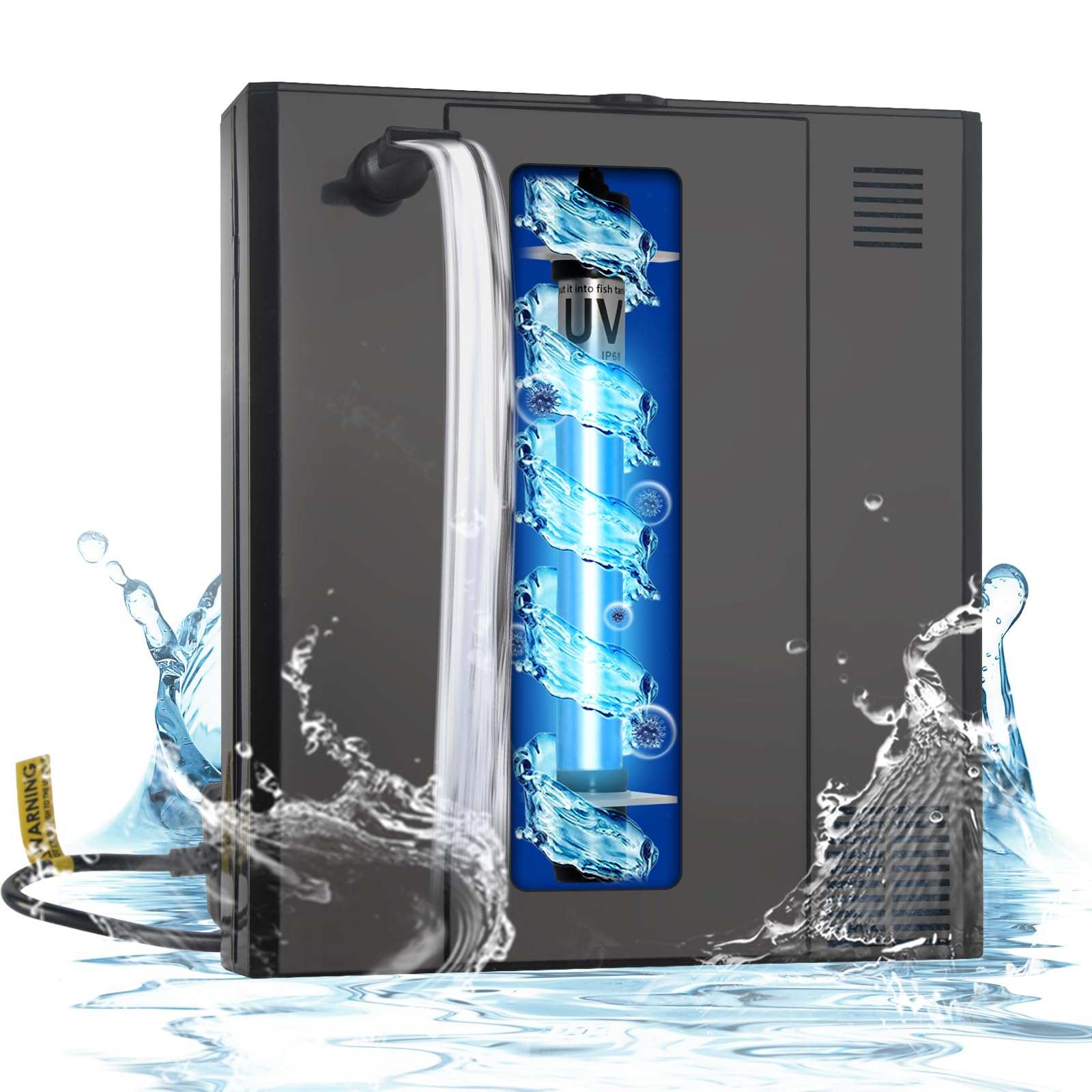
Hang-On-Back UV Sterilizers
Hang-on-back models attach to the aquarium rim or operate as part of a compact external filtration assembly.
These designs may be convenient for smaller aquariums.
Advantages:
-
Relatively simple installation.
-
Compact design.
-
Limited additional plumbing.
-
Convenient access for maintenance.
Disadvantages:
-
May have limited treatment capacity.
-
Can occupy space around the aquarium.
-
Compatibility depends on tank design.
Submersible UV Sterilizers
Some UV sterilizers are designed for underwater installation.
These units typically include sealed housings and integrated circulation components.
Advantages:
-
Compact installation.
-
Suitable for certain smaller systems.
-
May eliminate the need for external plumbing.
Disadvantages:
-
Require careful attention to electrical safety.
-
May occupy display space.
-
Maintenance access can be less convenient.
Only use equipment specifically rated for submersible operation.
Never place a conventional external UV sterilizer underwater.
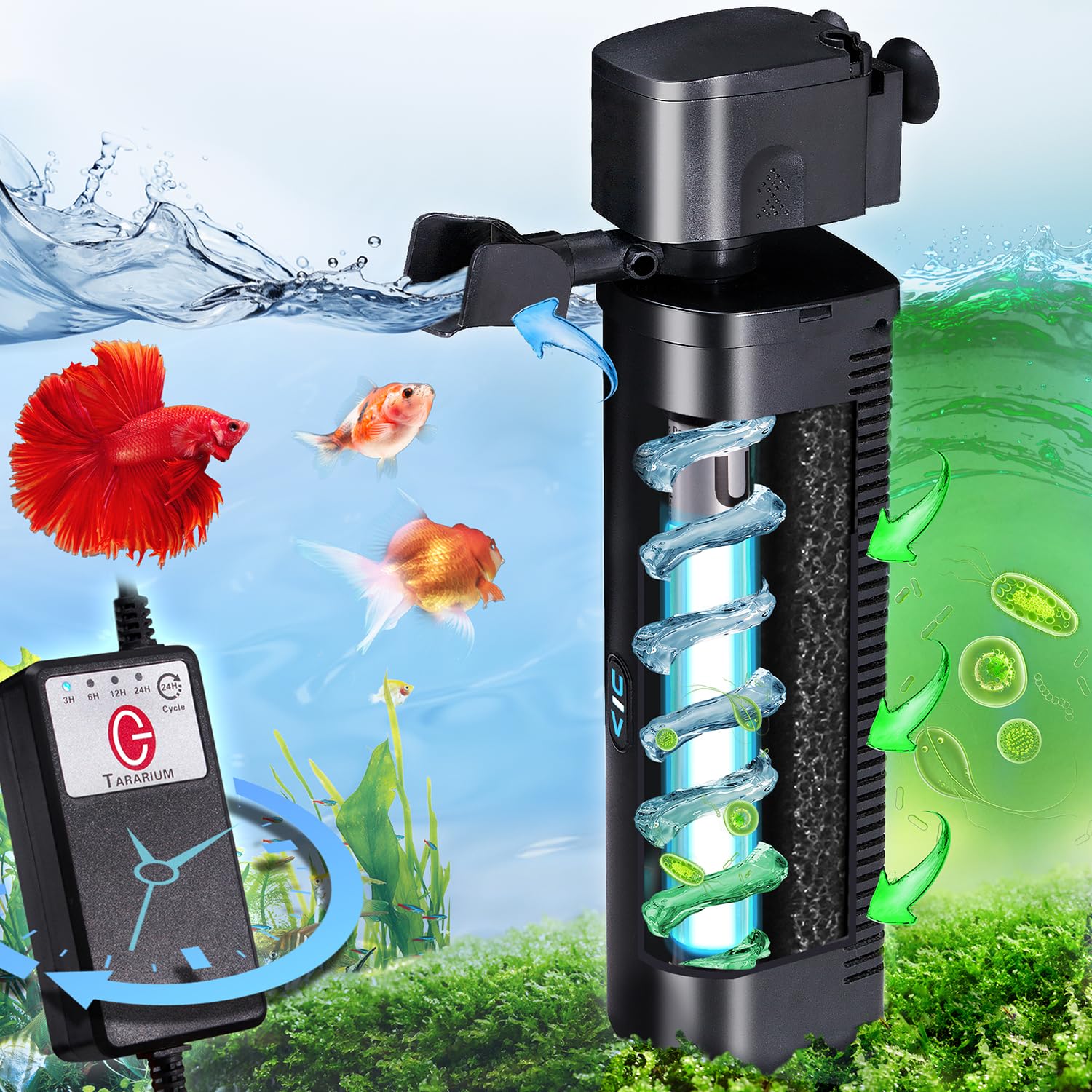
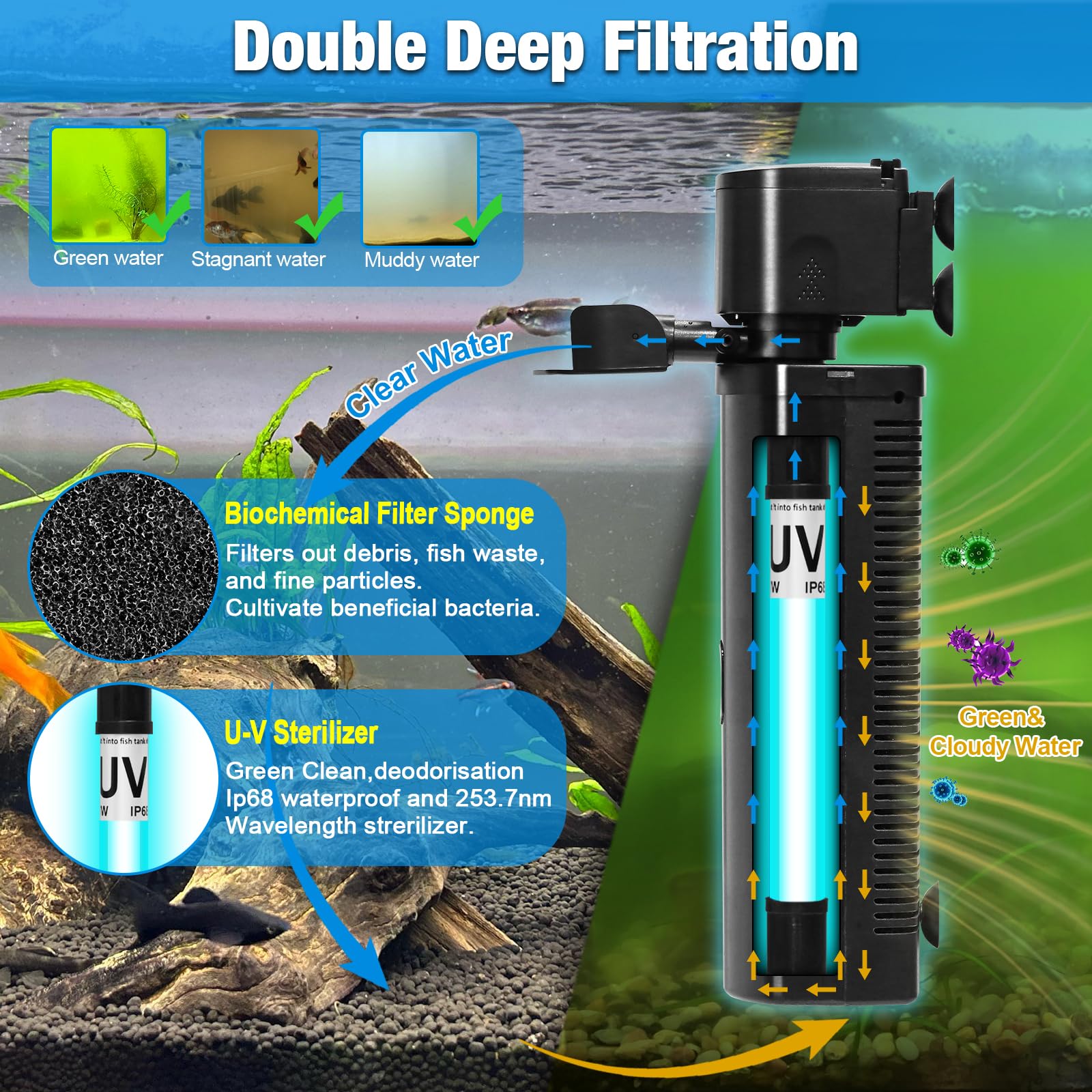
UV Sterilizers Integrated Into Filters
Some aquarium filters include built-in UV treatment chambers.
These systems combine mechanical or biological filtration with ultraviolet treatment.
Integrated designs may simplify equipment installation, although maintenance requirements vary.
Before purchasing, check whether the UV lamp and quartz sleeve can be accessed and replaced easily.
5. Aquarium UV Sterilizer vs. Regular Aquarium Filter
One of the most common beginner mistakes is assuming that a UV sterilizer performs the same function as a conventional aquarium filter.
In reality, these technologies serve different purposes.
|
Feature |
UV sterilizer |
Aquarium filter |
|---|---|---|
|
Controls free-floating algae |
Can help |
Limited, depending on filtration method |
|
Removes physical debris |
No |
Yes, with mechanical media |
|
Processes ammonia |
No |
Yes, with established biological filtration |
|
Processes nitrite |
No |
Yes, with established biological filtration |
|
Reduces certain waterborne microorganisms |
Yes, with sufficient UV dose |
Not its primary function |
|
Removes dissolved nitrate |
No |
Usually not with standard filtration |
|
Requires maintenance |
Yes |
Yes |
|
Replaces water changes |
No |
No |
Mechanical Filtration
Mechanical filtration captures suspended particles such as fish waste, uneaten food, and plant debris.
Common mechanical filter media include sponges, filter floss, and fine filter pads.
Biological Filtration
Biological filtration supports beneficial microorganisms that convert ammonia into nitrite and then nitrate.
This process is essential for maintaining a stable nitrogen cycle.
Chemical Filtration
Chemical filtration uses materials such as activated carbon or specialized resins to remove selected dissolved substances.
UV Sterilization
UV sterilization exposes suspended microorganisms to ultraviolet radiation.
It does not replace the other filtration processes.
For many aquariums, combining appropriate filtration with UV treatment provides a more complete approach to water management.
6. Are Aquarium UV Sterilizers Safe for Fish?
Properly designed and installed aquarium UV sterilizers are generally safe for fish during normal operation.
The ultraviolet radiation remains enclosed inside the treatment chamber.
Fish swimming in the aquarium are not directly exposed to the UV-C light.
Does UV Light Harm Fish?
UV-C radiation can damage living tissue if direct exposure occurs.
However, enclosed aquarium UV sterilizers are designed to prevent this exposure.
Never operate a UV-C lamp outside its protective housing.
Are UV Sterilizers Safe for Shrimp and Snails?
Properly enclosed UV sterilizers can be used in aquariums containing shrimp and snails.
These animals are not directly exposed to UV-C radiation while remaining in the aquarium.
However, cleaning chemical residues, electrical problems, or improper installation can create hazards.
Are UV Sterilizers Safe for Coral?
UV sterilizers are commonly used in marine aquarium systems, including some reef aquariums.
Corals are not directly exposed to UV-C light from a properly enclosed external sterilizer.
However, UV treatment may affect some planktonic organisms and microorganisms circulating through the water.
Aquarists maintaining specialized reef ecosystems should consider these potential effects.
Important Safety Precautions
Always follow the manufacturer's instructions.
Disconnect power before servicing the unit, keep electrical components dry, and never look directly at an energized UV-C lamp.
7. Do UV Sterilizers Kill Beneficial Bacteria?
This is one of the most frequently asked questions among beginner aquarium owners.
The answer depends on where the beneficial bacteria are located.
Understanding Beneficial Nitrifying Bacteria
Beneficial nitrifying microorganisms help process toxic nitrogen compounds.
They are essential for maintaining the aquarium nitrogen cycle.
Most established nitrifying communities live attached to surfaces such as:
-
Biological filter media.
-
Aquarium gravel.
-
Sand.
-
Rocks.
-
Decorations.
-
Internal filter surfaces.
What Happens When Bacteria Pass Through UV?
Susceptible bacteria suspended in water may be inactivated if they receive a sufficient UV dose.
UV treatment does not distinguish between beneficial and harmful microorganisms.
However, established nitrifying colonies attached to filter media usually remain outside the UV treatment chamber.
Will UV Sterilization Destroy Biological Filtration?
A properly operated UV sterilizer is unlikely to destroy an established biological filtration system simply by treating circulating water.
Nevertheless, special precautions may be appropriate when establishing a new aquarium or adding bottled bacterial supplements.
Should Beginners Turn Off UV During Aquarium Cycling?
If UV treatment is not needed for a specific purpose, leaving it off during initial biological filter establishment can be a reasonable precaution.
Some bottled bacterial products also recommend temporarily disabling UV treatment after dosing.
Always follow the bacterial supplement manufacturer's instructions.
8. Choosing the Right UV Sterilizer Size for Your Aquarium
Selecting an appropriately sized UV sterilizer is essential for effective treatment.
An undersized unit may provide insufficient exposure for the intended purpose.
An oversized unit may increase equipment costs and energy consumption without providing a necessary benefit.
Aquarium Volume
Start by identifying the approximate volume of your aquarium.
Common aquarium sizes include:
-
10-gallon nano aquariums.
-
20-gallon freshwater tanks.
-
40-gallon breeder aquariums.
-
55-gallon community aquariums.
-
75-gallon planted aquariums.
-
100-gallon and larger systems.
However, aquarium volume is only one factor.
UV Lamp Wattage
Aquarium UV sterilizers are available in many wattage ratings.
Smaller systems may use relatively low-power lamps, while larger systems may require higher-output equipment.
The correct wattage depends on the sterilizer design and intended treatment goal.
A higher wattage rating does not automatically mean better sterilization.
Water Flow Rate
Water flow rate determines how quickly water passes through the treatment chamber.
Slower flow generally increases exposure time, while faster flow reduces it.
However, actual UV dose depends on more than exposure time alone.
Treatment Goals
A sterilizer intended primarily for green water control may have different performance requirements from a system intended to reduce certain waterborne pathogens.
Choose equipment based on the manufacturer's documented treatment capabilities.
A Beginner-Friendly Selection Checklist
Before purchasing, confirm:
-
Aquarium volume compatibility.
-
Recommended operating flow range.
-
Intended treatment application.
-
UV lamp replacement availability.
-
Quartz sleeve accessibility.
-
Installation requirements.
-
Freshwater or saltwater compatibility.
-
Electrical safety features.
-
Maintenance instructions.
-
Warranty and replacement-part support.
9. How to Install an Aquarium UV Sterilizer
Correct installation is essential for both treatment performance and safety.
Although individual models differ, the general process follows several steps.
Step 1: Choose an Installation Location
Select a location that provides adequate space for maintenance.
Keep the sterilizer away from unnecessary splashing and excessive heat.
For external units, ensure that the installation surface can support the equipment.
Step 2: Check Equipment Compatibility
Confirm that the pump, tubing, fittings, and sterilizer are compatible.
Pay particular attention to the manufacturer's flow and pressure requirements.
Step 3: Connect the Water Lines
Install the inlet and outlet connections according to the manufacturer's instructions.
Use compatible tubing and fittings.
Avoid sharp bends that may restrict water flow.
Step 4: Position the Sterilizer Correctly
Some sterilizers require a specific horizontal or vertical orientation.
Incorrect positioning may trap air or interfere with proper operation.
Follow the manufacturer's mounting instructions.
Step 5: Establish Water Circulation
Start the connected pump and allow the treatment chamber to fill.
Prime the system if required.
Check for leaks and trapped air.
Step 6: Connect UV Power
Only energize the UV lamp after confirming that the chamber is properly filled and operating according to the manufacturer's requirements.
Some systems require a specific startup sequence.
Step 7: Monitor Initial Operation
Observe the system for unusual noises, leaks, reduced flow, or warning indicators.
If a problem occurs, disconnect power and troubleshoot according to the manual.
10. Where Should a UV Sterilizer Be Installed in the Filtration System?
The best installation location depends on the aquarium's equipment configuration.
After Mechanical Filtration
Installing UV treatment after suitable mechanical filtration is often beneficial.
Mechanical filtration removes suspended particles that could interfere with UV transmission.
Cleaner water generally allows more consistent ultraviolet exposure.
With Canister Filters
Some UV sterilizers can be installed on the return line of an external canister filter.
However, the added restriction may reduce actual water flow.
Confirm that the resulting flow remains within the sterilizer's recommended operating range.
With Sump Systems
Larger aquariums may use sump filtration systems.
A UV sterilizer can be installed on an appropriate dedicated circulation loop or compatible return line.
Ensure that the installation does not interfere with critical filtration functions.
With Dedicated Pumps
A dedicated pump allows independent control of UV sterilizer flow.
This configuration may be useful when the desired UV flow differs from the aquarium's main filtration flow.
11. How Long Should an Aquarium UV Sterilizer Run Each Day?
There is no universal operating schedule suitable for every aquarium.
Some systems use UV sterilization continuously, while others operate it for specific treatment purposes.
Continuous Operation
Many aquarium UV sterilizers are designed for continuous operation.
This approach maintains ongoing treatment of water passing through the chamber.
However, continuous use also accumulates lamp operating hours and consumes electricity.
Intermittent Operation
Some aquarists operate UV sterilizers only when addressing particular water clarity concerns.
Intermittent use may be appropriate for certain systems, but frequent switching can affect the service life of some lamp designs.
Follow the manufacturer's operating recommendations.
During Green Water Problems
UV treatment may be useful when dealing with free-floating algae blooms.
However, the time required for visible improvement varies.
It depends on UV dose, circulation, algae concentration, water clarity, and other aquarium conditions.
During Fish Disease Concerns
UV sterilization may reduce some susceptible waterborne pathogen stages.
However, it cannot reliably cure infected fish or eliminate parasites already attached to hosts.
Disease management requires appropriate diagnosis and treatment.
12. Aquarium UV Sterilizers for Freshwater Tanks
Freshwater aquariums are among the most common applications for UV sterilizers.
Community Fish Tanks
Community aquariums often contain multiple fish species and relatively high biological activity.
UV sterilization may help manage certain suspended microorganisms.
However, proper stocking, feeding, and filtration remain essential.
Planted Aquariums
Planted tanks can experience green water algae blooms under certain conditions.
UV sterilizers may help reduce suspended algae.
They do not remove algae attached to leaves, rocks, or aquarium glass.
Goldfish Aquariums
Goldfish produce substantial waste relative to their size.
UV sterilization can supplement filtration, but it cannot replace the strong mechanical and biological filtration needed for appropriate goldfish care.
Freshwater Breeding Tanks
Breeding systems require stable water conditions.
UV sterilization may be considered as supplemental water treatment, but it should not replace careful water quality monitoring.
13. Aquarium UV Sterilizers for Saltwater Tanks
Saltwater aquariums introduce additional considerations because of marine water chemistry and equipment corrosion risks.
Marine Fish Aquariums
UV sterilizers are commonly used in some saltwater fish systems to help reduce certain suspended microorganisms.
Treatment effectiveness depends on the organism and delivered UV dose.
Reef Aquariums
Reef aquariums contain corals, invertebrates, and complex microbial communities.
UV sterilization can be used in these systems, but aquarists should consider potential effects on suspended plankton and microorganisms.
Saltwater Equipment Compatibility
Choose UV sterilizers specifically rated for marine use.
Saltwater can accelerate corrosion of unsuitable metal components.
Calcium Carbonate Deposits
Reef aquariums may develop calcium carbonate scaling on equipment surfaces.
These deposits can accumulate on quartz sleeves and reduce ultraviolet transmission.
Regular inspection is important.
Salt Creep
Saltwater evaporation can leave crystalline deposits around fittings and equipment surfaces.
Clean external salt deposits carefully and inspect for leaks.
14. How to Maintain an Aquarium UV Sterilizer
Routine maintenance helps preserve UV treatment performance and equipment reliability.
Cleaning the Quartz Sleeve
The quartz sleeve protects the UV lamp while allowing ultraviolet radiation to pass into the water.
Mineral deposits and organic films can reduce UV transmission.
Inspect the sleeve according to the manufacturer's maintenance schedule.
Use only approved cleaning methods.
Replacing the UV Lamp
UV lamps gradually lose germicidal output.
A lamp may continue producing visible light after its UV-C output has declined.
Replace the lamp according to its rated service life.
Many conventional aquarium UV lamps have service lives measured in several thousand operating hours, but exact intervals vary.
Inspecting O-Rings
O-rings help prevent leaks.
Inspect them during maintenance for cracking, flattening, hardening, and other damage.
Replace worn seals using compatible parts.
Cleaning Pumps and Tubing
Debris, biofilm, and mineral deposits can reduce water flow.
Inspect pumps and tubing regularly.
Electrical Inspection
Check cords, connectors, and housings for damage.
Never operate a UV sterilizer with exposed wiring or suspected water intrusion.
15. A Simple UV Sterilizer Maintenance Schedule for Beginners
|
Maintenance task |
Suggested starting frequency |
|---|---|
|
Check operation |
Weekly |
|
Inspect for leaks |
Weekly |
|
Check water flow |
Monthly |
|
Inspect quartz sleeve |
Every 1–3 months |
|
Clean quartz sleeve |
When fouling is observed |
|
Inspect pump and tubing |
Every 1–3 months |
|
Inspect O-rings |
During disassembly |
|
Check electrical connections |
Monthly |
|
Replace UV lamp |
According to manufacturer specifications |
|
Complete system inspection |
Every 6–12 months |
These intervals are general guidelines.
Actual maintenance requirements depend on water chemistry, equipment design, and operating conditions.
Saltwater systems with substantial calcium carbonate buildup may require more frequent quartz sleeve cleaning.
Hard-water freshwater systems can experience similar scaling problems.
16. Common Aquarium UV Sterilizer Problems and Solutions
Beginners may encounter several issues when using UV sterilizers.
Problem 1: Green Water Is Not Improving
Possible causes include insufficient UV dose, excessive flow, poor water clarity, or a dirty quartz sleeve.
Check equipment specifications and operating conditions.
Also address the underlying causes of algae growth.
Problem 2: Water Flow Is Too Low
Possible causes include clogged tubing, dirty pump impellers, or excessive plumbing restrictions.
Inspect the circulation system.
Problem 3: The UV Lamp Does Not Turn On
Possible causes include lamp failure, electrical problems, or a damaged ballast.
Disconnect power before troubleshooting.
Never bypass protective safety mechanisms.
Problem 4: The Sterilizer Leaks
Inspect fittings, O-rings, and sealing surfaces.
Replace damaged components.
Do not operate equipment with an unresolved leak.
Problem 5: Water Remains Cloudy
Cloudiness may be caused by suspended debris rather than microorganisms.
UV sterilization is not a substitute for mechanical filtration.
Identify the cause before changing equipment settings.
17. Common Mistakes Beginners Make With Aquarium UV Sterilizers
Avoiding common mistakes can improve both safety and treatment performance.
Mistake 1: Buying Based Only on Wattage
Lamp wattage alone does not determine delivered UV dose.
Consider flow rate, chamber design, and intended treatment purpose.
Mistake 2: Using Excessive Flow
Water moving too quickly may receive insufficient UV exposure.
Follow the manufacturer's recommended flow range.
Mistake 3: Ignoring Quartz Sleeve Cleaning
Deposits can reduce UV transmission.
Regular inspection is essential.
Mistake 4: Expecting UV to Remove All Algae
UV sterilizers primarily affect susceptible organisms passing through the chamber.
They do not directly remove algae attached to surfaces.
Mistake 5: Replacing Biological Filtration With UV
UV sterilization does not process ammonia or nitrite.
Maintain an established biological filtration system.
Mistake 6: Looking Directly at UV-C Lamps
Direct UV-C exposure can injure eyes and skin.
Never operate an exposed germicidal lamp.
Mistake 7: Ignoring Lamp Replacement
Visible illumination does not guarantee adequate germicidal output.
Track operating hours and replace lamps as recommended.
Mistake 8: Using UV as a Substitute for Quarantine
UV treatment cannot guarantee disease prevention.
Quarantine and appropriate health management remain important.
18. How to Keep Aquarium Water Clean Without Relying Only on UV
A healthy aquarium requires more than ultraviolet treatment.
Perform Regular Water Changes
Water changes help manage dissolved waste and replenish appropriate water chemistry.
The ideal frequency depends on stocking, feeding, filtration, and aquarium type.
Avoid Overfeeding
Excess food contributes to organic waste and nutrient accumulation.
Feed appropriate amounts and remove uneaten food when necessary.
Maintain Biological Filtration
Protect established beneficial microbial communities.
Avoid replacing all mature biological media simultaneously.
Monitor Water Parameters
Regularly test ammonia, nitrite, nitrate, pH, and temperature.
Saltwater aquariums may require additional testing for salinity, alkalinity, calcium, and magnesium.
Control Lighting
Excessive or inappropriate lighting can encourage algae growth.
Use a lighting schedule suitable for the aquarium's inhabitants and plants.
Maintain Proper Stocking Levels
Overcrowding increases waste production and can create additional stress.
Choose fish and invertebrates appropriate for the aquarium's size and filtration capacity.
19. Do Aquarium UV Sterilizers Use a Lot of Electricity?
Electricity consumption depends on equipment wattage and operating time.
A simple calculation can estimate energy use.
Daily energy consumption (kWh) = Power (watts) × Operating hours ÷ 1,000
For example, consider a 15-watt UV sterilizer operating continuously.
Daily consumption:
15 × 24 ÷ 1,000 = 0.36 kWh
Monthly consumption over 30 days:
0.36 × 30 = 10.8 kWh
At an illustrative electricity rate of $0.15 per kWh:
10.8 × $0.15 = $1.62 per month
This estimate covers the UV lamp's rated power only. Actual system consumption may differ because of ballast losses, integrated pumps, and other equipment.
Energy costs also vary by location and electricity rate.
Choosing an appropriately sized sterilizer helps avoid unnecessary power consumption.
20. How to Choose a High-Quality Aquarium UV Sterilizer
A reliable UV sterilizer should provide consistent treatment performance and convenient maintenance.
Durable Housing
Choose equipment constructed from materials suitable for aquarium use.
Marine systems require particular attention to corrosion resistance.
Reliable UV Lamp
Look for clear lamp specifications and readily available replacement bulbs.
Accessible Quartz Sleeve
A removable quartz sleeve makes inspection and cleaning easier.
Proper Sealing System
Quality O-rings and well-designed fittings help prevent leaks.
Clear Flow Specifications
The manufacturer should provide recommended operating flow ranges.
Electrical Safety Features
Choose equipment designed to protect users from water intrusion and direct UV exposure.
Replacement Part Availability
Confirm that replacement lamps, quartz sleeves, and seals are available.
Appropriate Warranty
A clear warranty and maintenance documentation can provide additional confidence.
21. Is an Aquarium UV Sterilizer Worth It for Beginners?
Whether a UV sterilizer is worthwhile depends on the aquarium's needs.
When a UV Sterilizer May Be Helpful
A UV sterilizer may be worth considering if:
-
Your aquarium experiences recurring green water.
-
You want supplemental control of certain waterborne microorganisms.
-
You maintain a larger aquarium with an established filtration system.
-
You need additional water clarity management.
-
Your existing equipment can support proper UV installation.
When a UV Sterilizer May Not Be Necessary
A UV sterilizer may be unnecessary if:
-
Your aquarium already maintains clear, stable water.
-
You have not yet established biological filtration.
-
Your main problem is ammonia or nitrite.
-
Cloudiness is caused by physical debris.
-
You need to correct overfeeding or poor maintenance practices.
Beginners should prioritize reliable filtration, appropriate stocking, water testing, and stable aquarium cycling before investing in optional equipment.
22. Frequently Asked Questions About Aquarium UV Sterilizers
What does an aquarium UV sterilizer do?
An aquarium UV sterilizer exposes circulating water to germicidal ultraviolet radiation, helping reduce certain suspended microorganisms and free-floating algae.
Do I need a UV sterilizer for my fish tank?
Not every aquarium needs one.
UV sterilizers are supplemental equipment that may be useful for specific water clarity or microorganism-control goals.
Will a UV sterilizer make aquarium water crystal clear?
It may improve clarity when cloudiness is caused by susceptible suspended algae or microorganisms.
It will not remove all physical particles or dissolved contaminants.
Can UV sterilizers kill beneficial bacteria?
They can inactivate susceptible bacteria suspended in water.
However, most established nitrifying colonies live attached to filter media and other surfaces outside the UV chamber.
Can I use a UV sterilizer in a planted aquarium?
Yes, provided the equipment is properly installed and operated.
UV treatment primarily affects organisms passing through the chamber rather than plants growing inside the aquarium.
Are UV sterilizers safe for shrimp?
Properly enclosed UV sterilizers are generally compatible with shrimp aquariums.
Follow electrical safety and equipment maintenance instructions.
How many hours should I run my UV sterilizer?
Operating schedules depend on the equipment and treatment objective.
Some systems operate continuously, while others use intermittent treatment.
How often should I replace the UV bulb?
Follow the manufacturer's specified replacement interval.
Lamp life varies by design and operating conditions.
Can a UV sterilizer cure fish diseases?
No. UV sterilization may reduce certain susceptible waterborne organisms but cannot reliably cure infected fish.
Proper diagnosis and treatment remain necessary.
Does a UV sterilizer remove ammonia?
No. UV sterilizers do not replace biological filtration or ammonia management.
Can I use a UV sterilizer in saltwater aquariums?
Yes, if the equipment is rated for marine use.
Saltwater systems may require additional corrosion prevention and mineral scale maintenance.
What size UV sterilizer do I need?
The correct size depends on aquarium volume, flow rate, water quality, and treatment goals.
Use the manufacturer's performance specifications.
Can I install a UV sterilizer after my aquarium filter?
Many inline sterilizers can be installed after suitable filtration.
Confirm plumbing compatibility and actual flow requirements.
Do UV sterilizers remove algae from aquarium glass?
No. UV sterilizers primarily affect susceptible organisms suspended in water.
Attached algae require other management methods.
Are aquarium UV sterilizers expensive to operate?
Operating costs depend on electrical consumption, lamp replacement, and maintenance.
Many small aquarium units consume relatively modest amounts of electricity, but actual costs vary.
23. Final Thoughts: Building a Cleaner, Healthier Aquarium With UV Sterilization
An aquarium UV sterilizer can be a valuable addition to a freshwater or saltwater aquarium when used correctly.
By exposing circulating water to ultraviolet radiation, UV sterilizers can help control free-floating algae, reduce certain waterborne microorganisms, and improve water clarity.
However, understanding their limitations is just as important as recognizing their benefits.
UV sterilizers do not replace biological filtration, mechanical filtration, regular water changes, or responsible aquarium husbandry. They cannot remove ammonia, nitrite, nitrate, or physical waste, and they should never be treated as a guaranteed solution for fish diseases.
For beginners, the most important steps are choosing an appropriately sized unit, maintaining the correct water flow, installing the equipment safely, and following a consistent maintenance schedule.
A clean quartz sleeve, properly functioning UV lamp, reliable water circulation, and well-maintained seals all contribute to effective operation.
Equally important is maintaining the aquarium's biological balance through stable water chemistry, beneficial bacterial communities, appropriate feeding, and regular water testing.
When these practices work together, UV sterilization can provide an additional layer of water treatment without replacing the natural biological processes that support aquatic life.
Whether you are caring for colorful tropical fish, a peaceful planted aquarium, or an impressive saltwater reef, understanding how aquarium UV sterilizers work will help you make informed decisions and maintain a more attractive aquatic environment.
With the right equipment, proper installation, and consistent maintenance, you can enjoy clearer aquarium water while supporting the long-term health and stability of your fish tank.
Looking for a reliable aquarium UV sterilizer to help maintain cleaner, clearer water? Feel free to leave us a message for product inquiries, personalized recommendations, and a competitive quote!