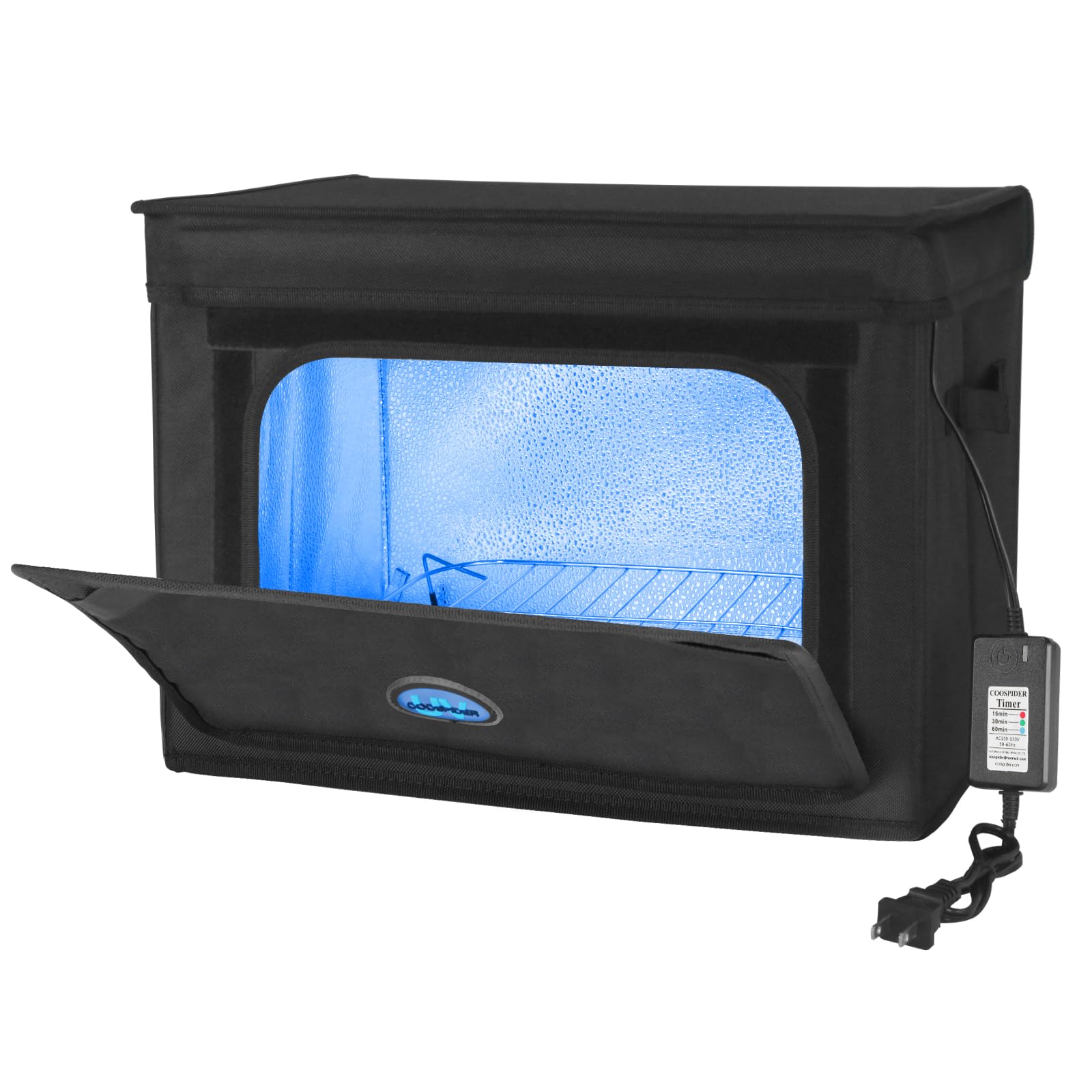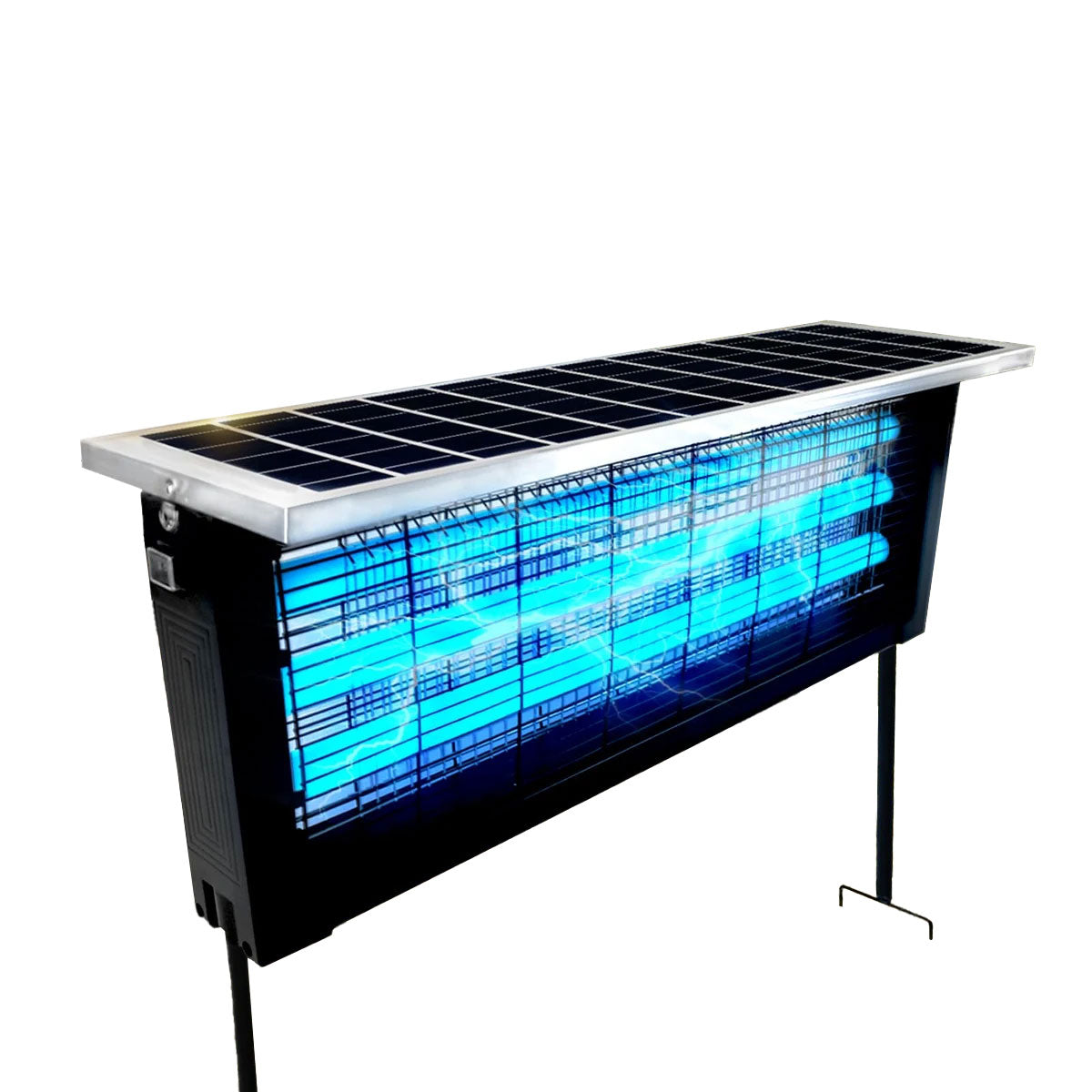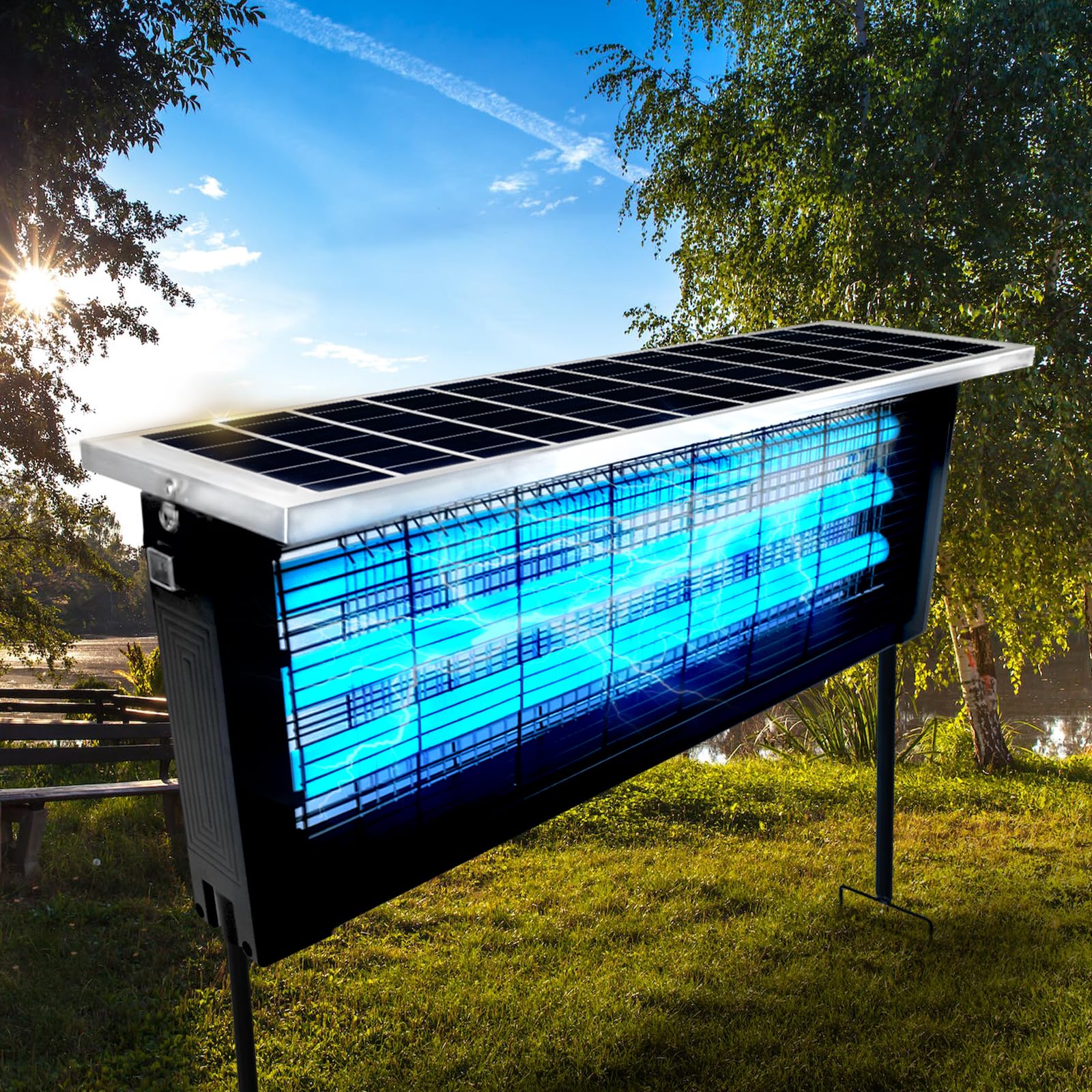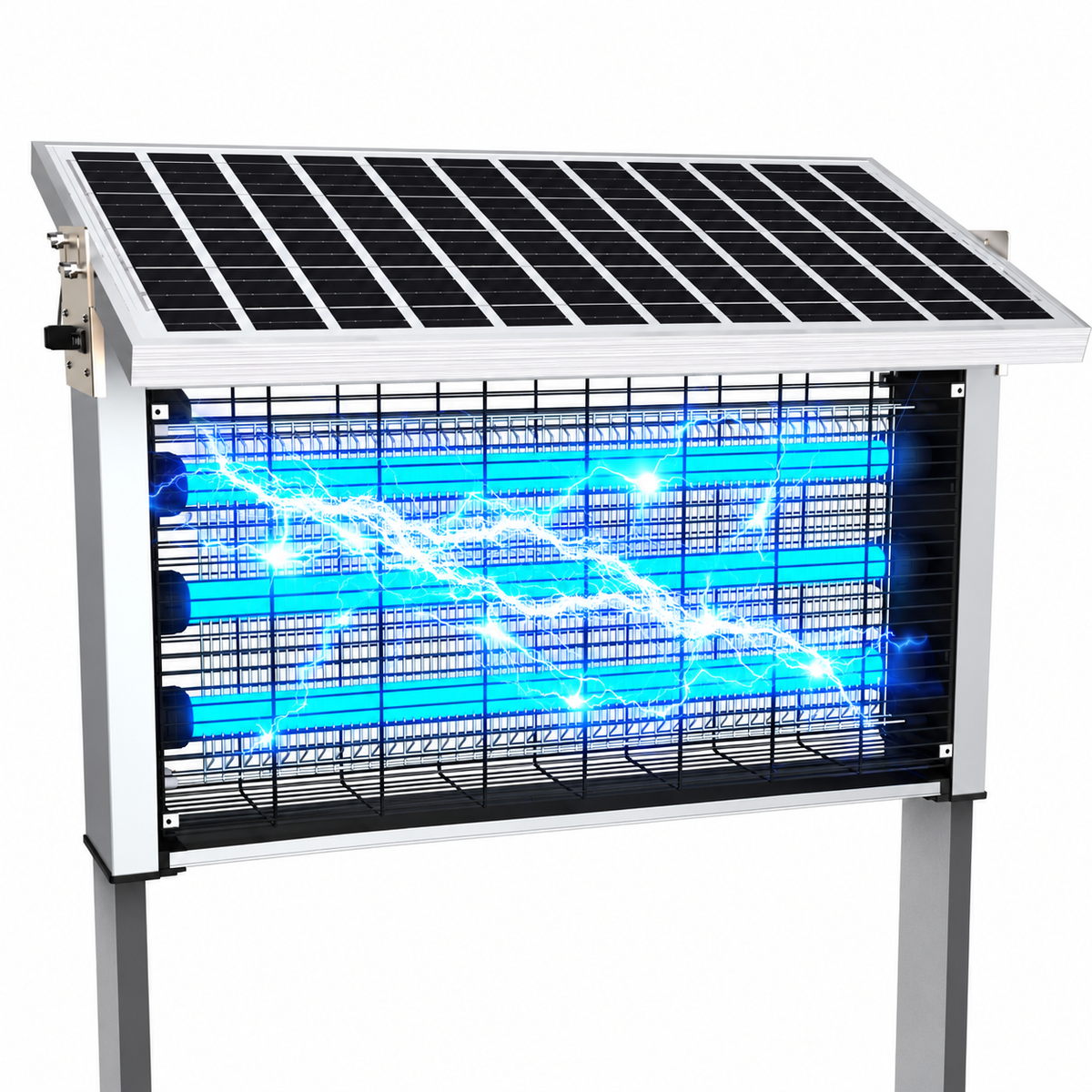

Ultraviolet mosquito traps have become one of the most widely used tools for controlling mosquitoes in homes, patios, gardens, and commercial spaces. Unlike chemical sprays or coils, these devices rely on light attraction and mechanical trapping to reduce mosquito populations without introducing strong odors or airborne chemicals.
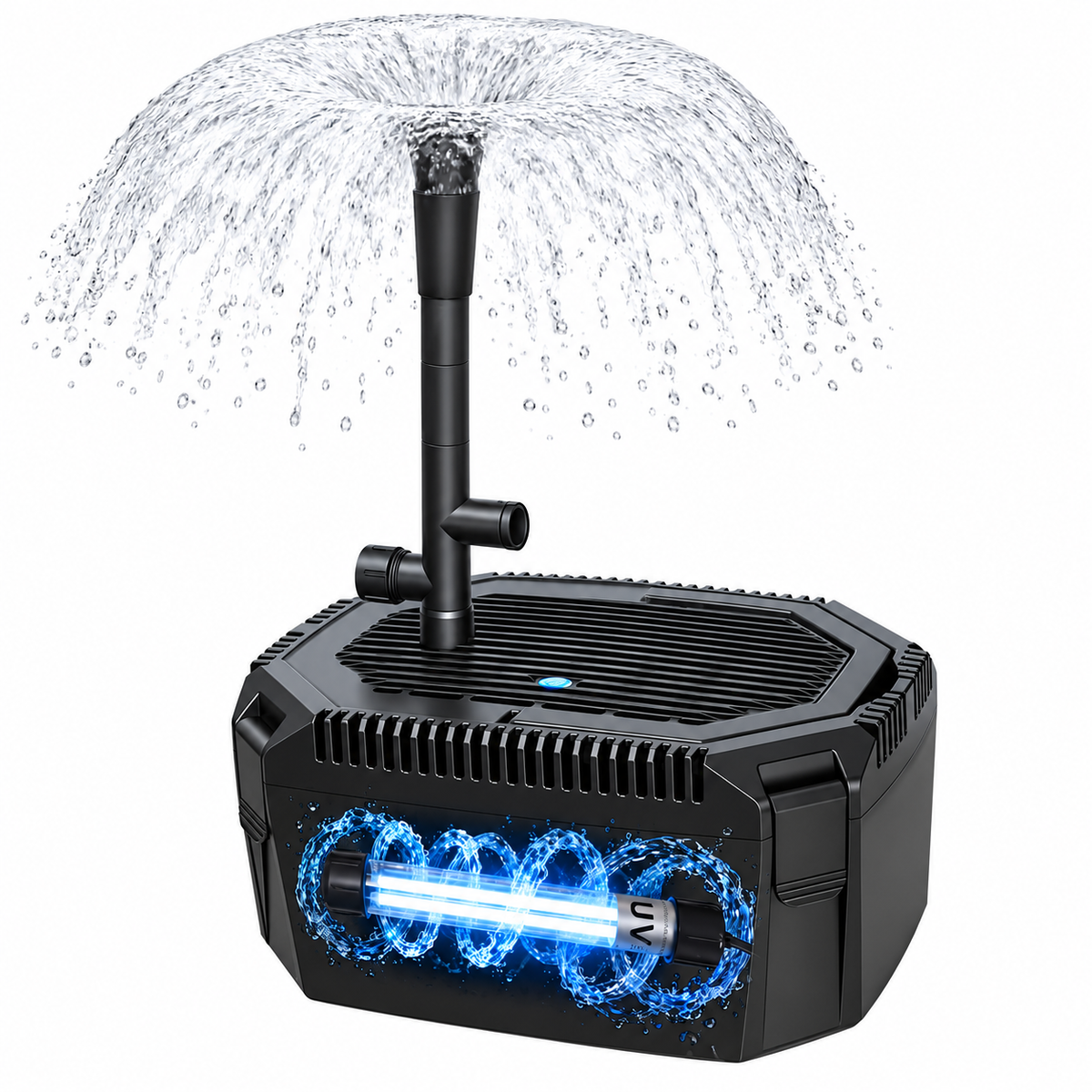
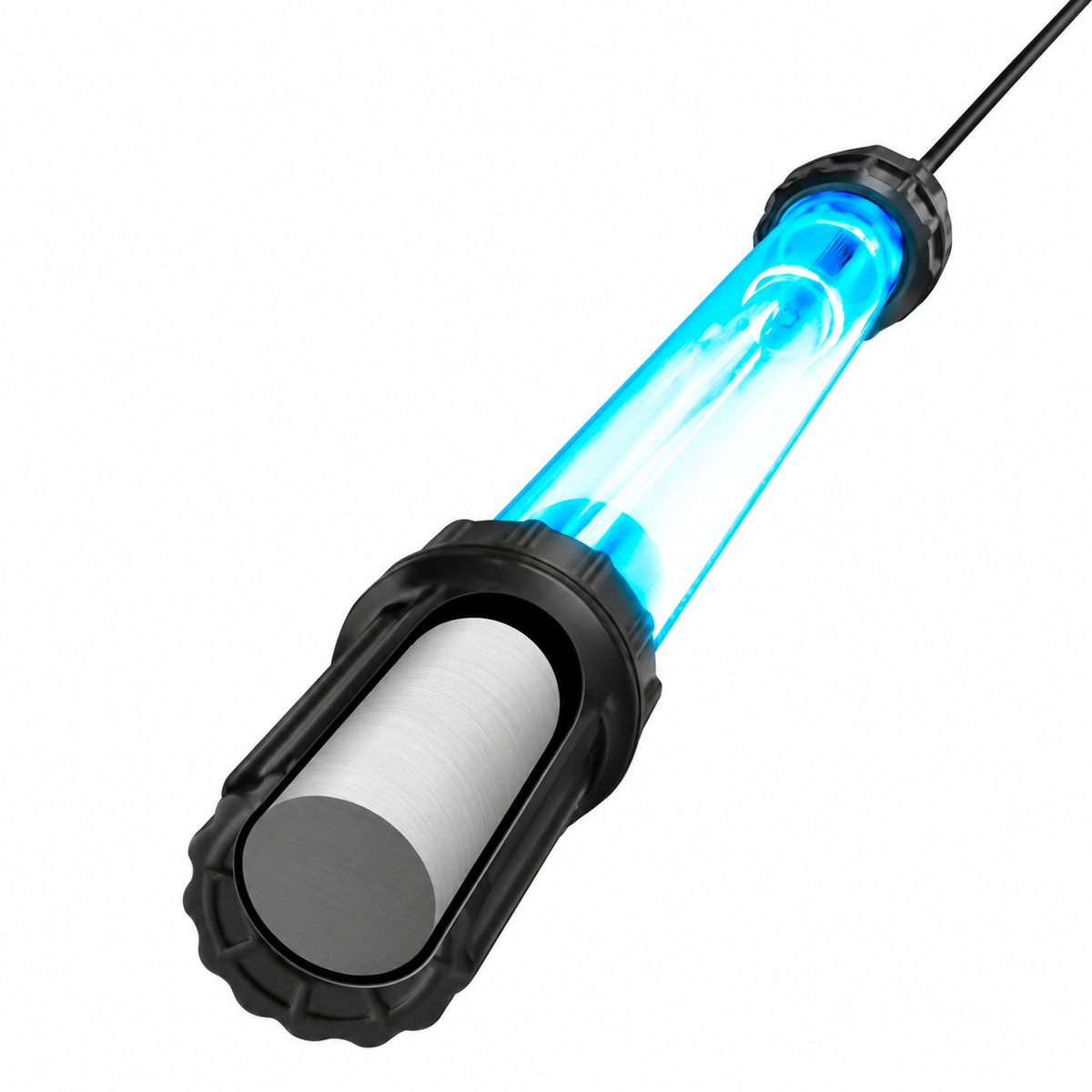
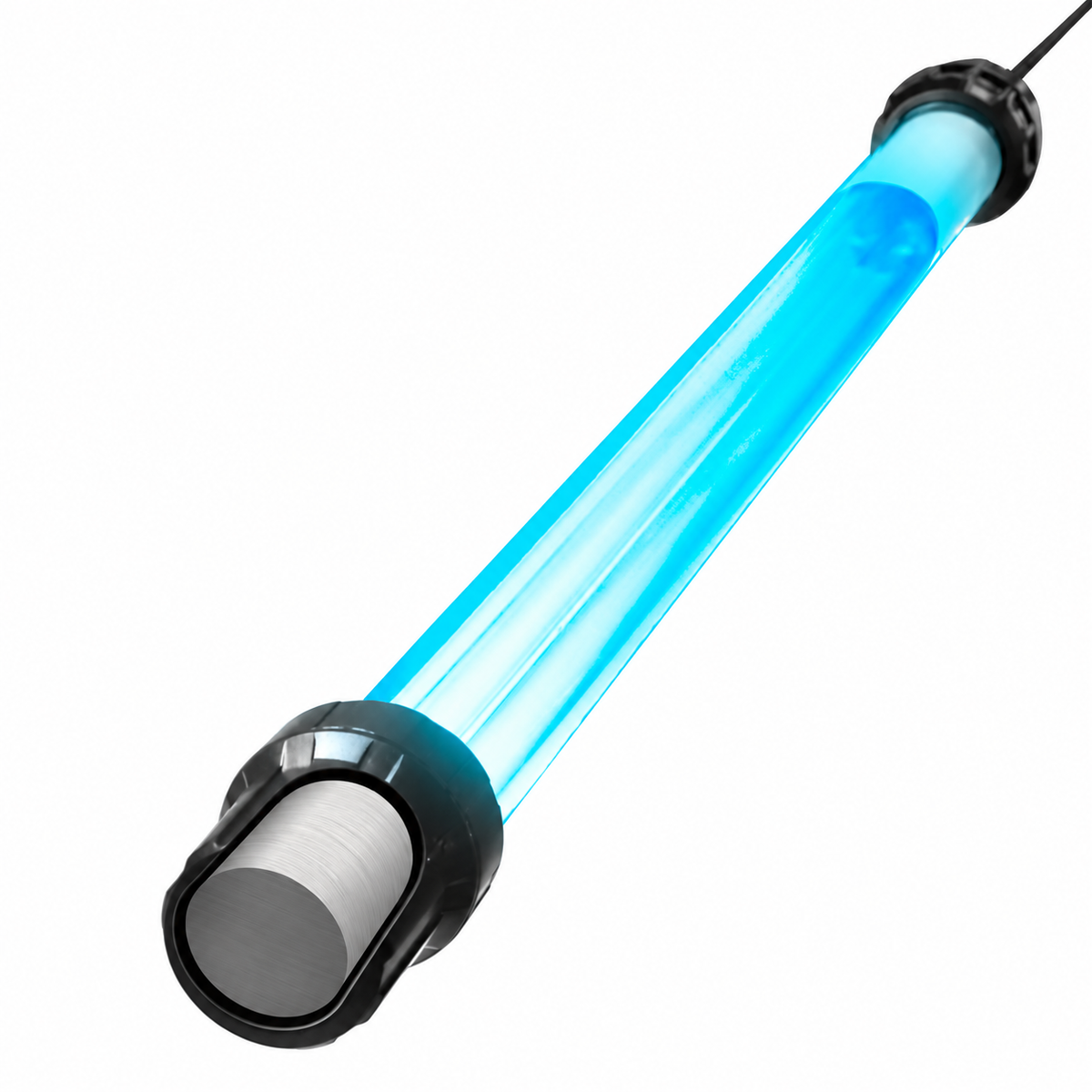
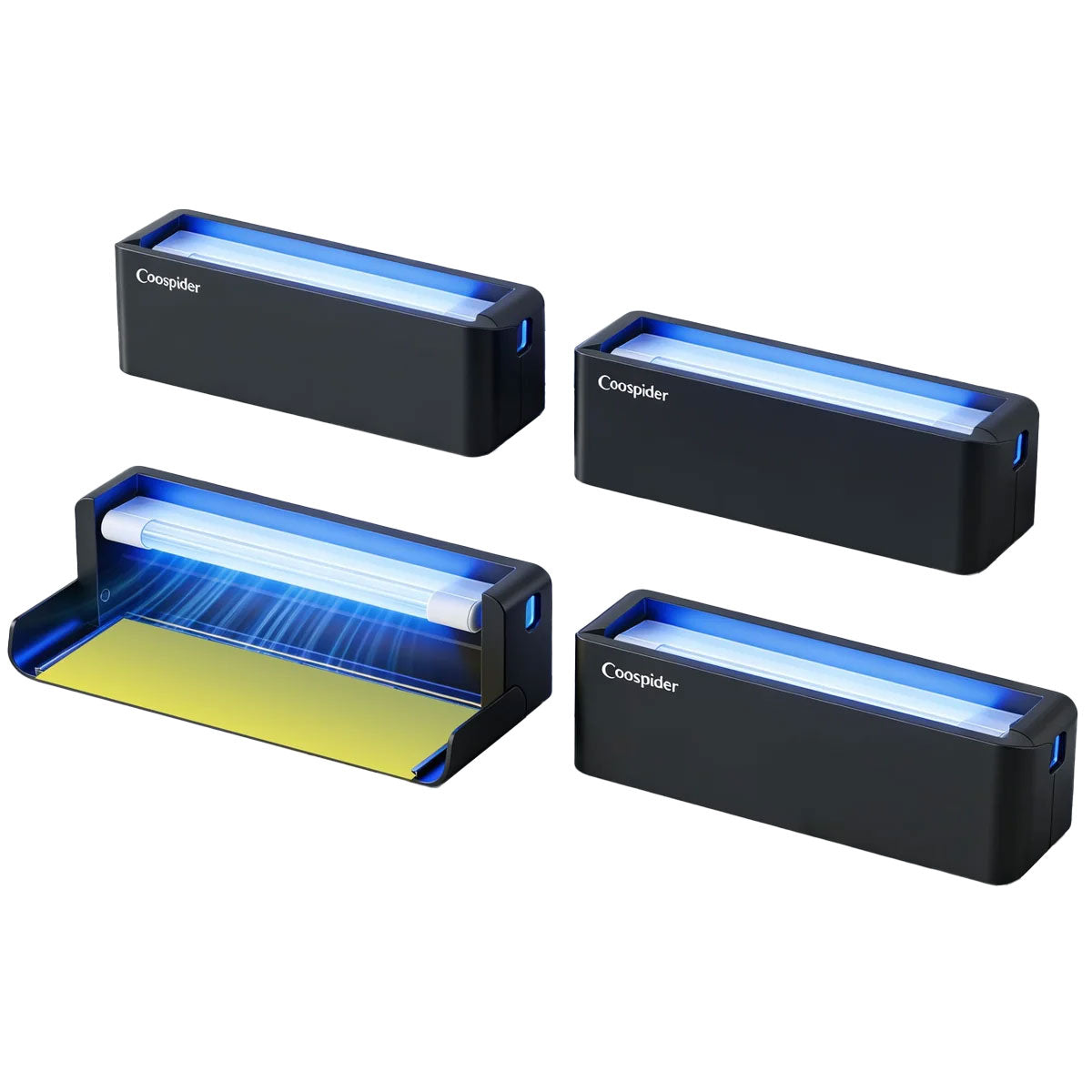
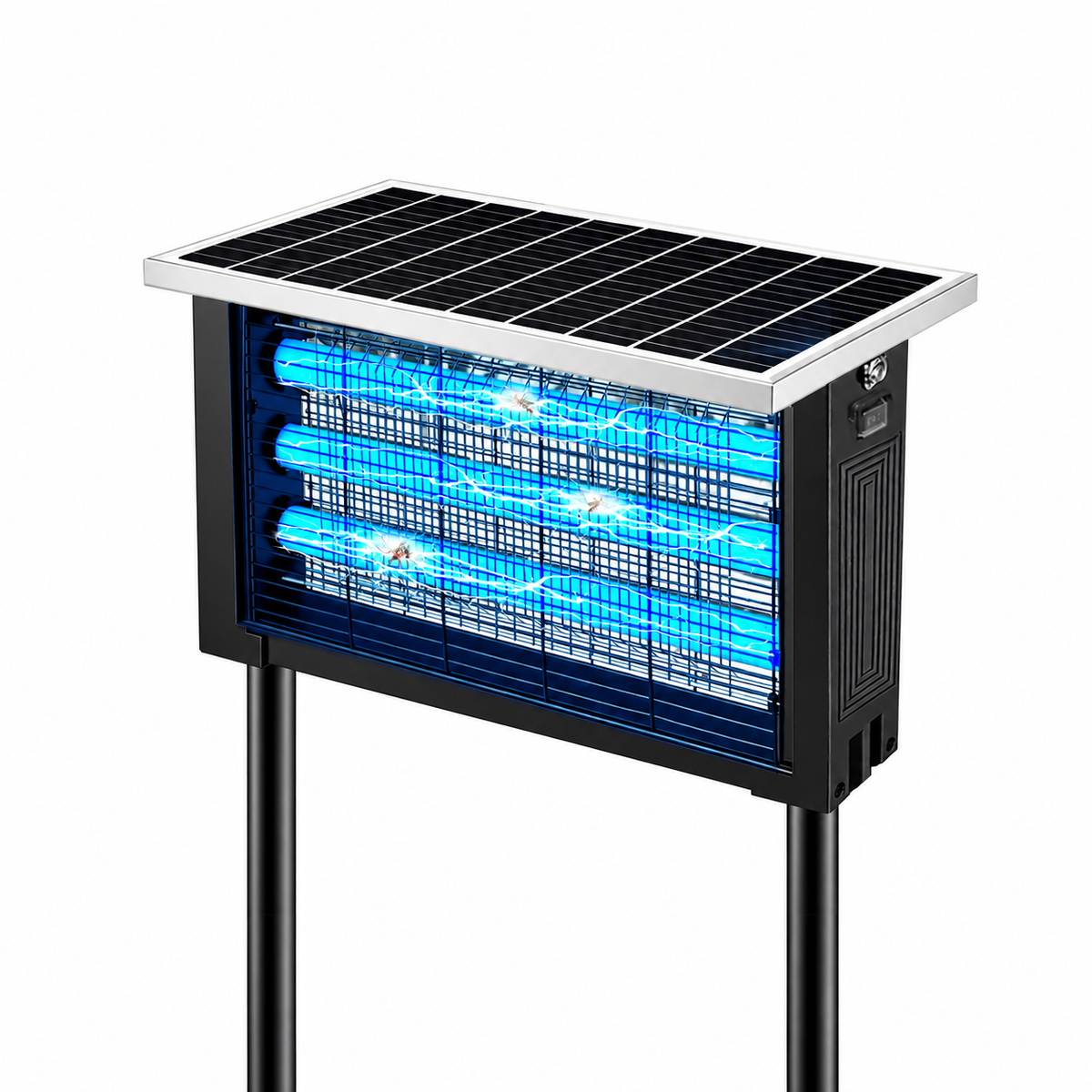
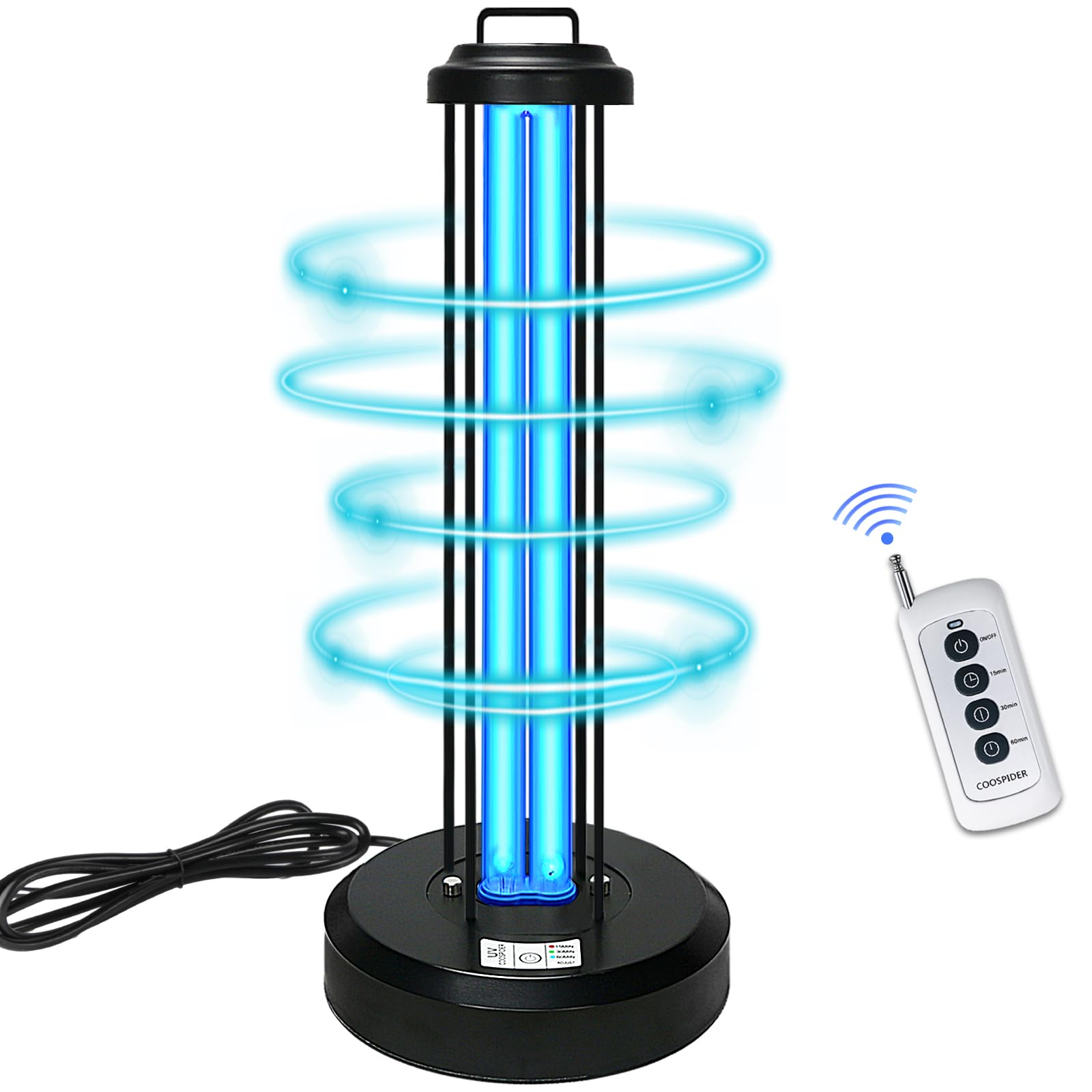
At the center of many mosquito traps is a UV lamp tube. This component emits a wavelength of ultraviolet light that attracts mosquitoes and other flying insects. Once insects approach the light source, they are either captured by a fan system or eliminated by an electric grid.
While many people purchase mosquito traps expecting them to work continuously for years, few realize that UV lamp tubes are consumable components. Like any light source, they gradually lose efficiency over time. Even when the lamp still glows, its ability to attract insects may be significantly reduced.
Understanding how often to replace UV lamp tubes—and how to maintain other consumable parts—can dramatically improve the performance and lifespan of a mosquito trap.
This article explores the maintenance logic behind UV mosquito traps, how UV lamp tubes degrade over time, and how proper replacement schedules help keep these devices working effectively.
How UV Mosquito Traps Work
To understand why UV lamp tubes require periodic replacement, it helps to first understand the basic operation of a mosquito trap.
Most UV mosquito traps rely on three core elements:
-
Ultraviolet light source
-
Airflow or electric grid system
-
Collection chamber
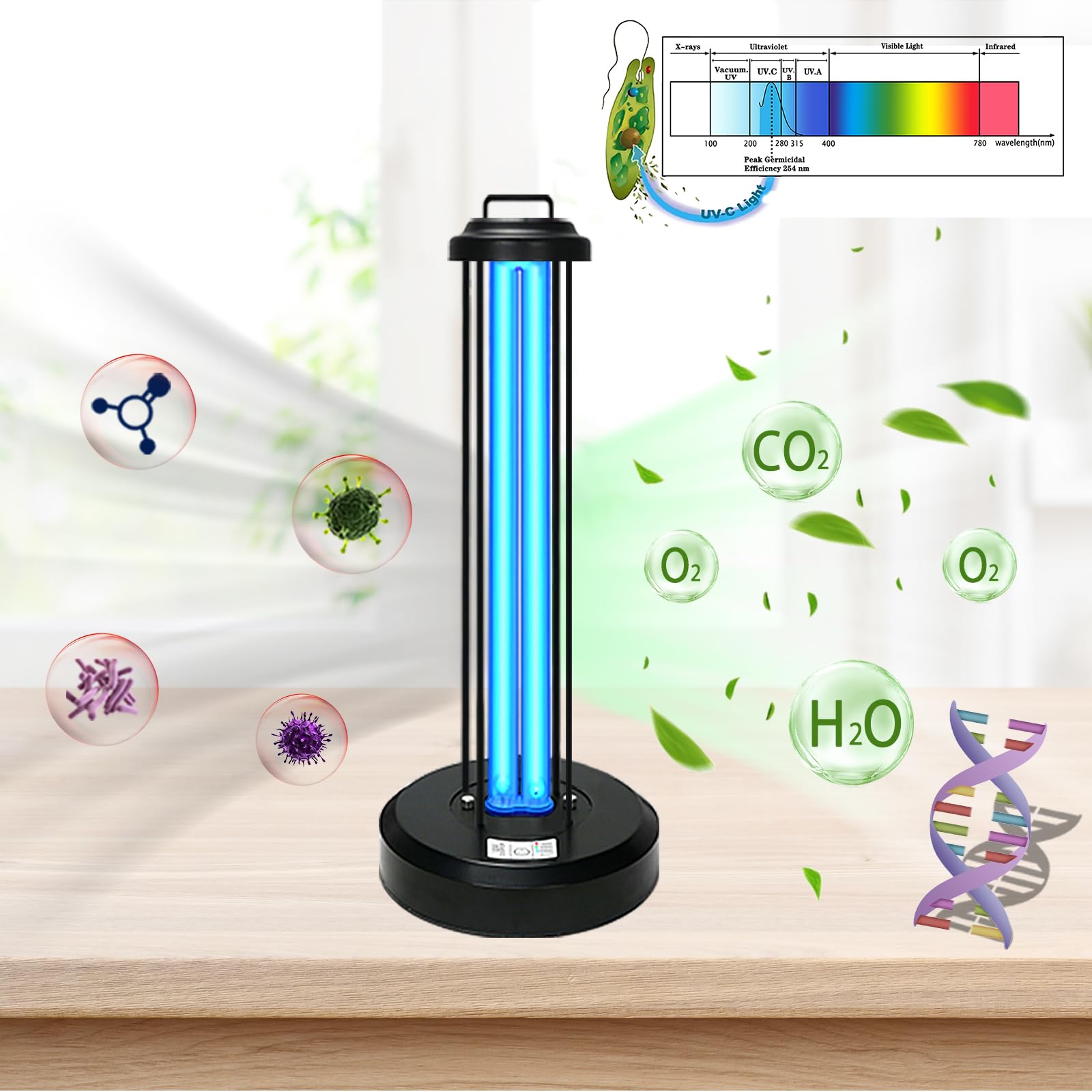
The UV light emits wavelengths that are attractive to certain insects. Many mosquito traps use light in the UV-A spectrum, typically between 365 and 395 nanometers. This range is known to attract a variety of flying insects, including mosquitoes, moths, and gnats.
Once insects are drawn toward the light source, the trap mechanism captures or eliminates them.
There are two common designs:
Electric grid traps:
Insects fly toward the light and touch a high-voltage grid, which quickly neutralizes them.
Fan suction traps:
A quiet fan pulls insects into a container where they become trapped and eventually dehydrate.
In both systems, the UV lamp is the primary attractant. If the light becomes weaker or shifts in wavelength, the trap becomes less effective.
Why UV Lamp Tubes Lose Effectiveness
Many users assume that a UV lamp should only be replaced when it stops lighting up. However, this assumption can lead to poor mosquito control.
The truth is that UV lamp tubes gradually lose their insect-attracting power long before they burn out.
Several factors contribute to this decline.
Phosphor Degradation
Inside most UV fluorescent tubes is a phosphor coating. This coating converts electrical energy into ultraviolet light.
Over time, the phosphor layer degrades. As a result, the lamp produces less UV radiation even though it still appears bright to human eyes.
Gas Pressure Changes
UV fluorescent lamps contain small amounts of gas that help generate light. After thousands of hours of operation, gas pressure can change slightly, affecting the lamp’s output.
UV Spectrum Shift
As the lamp ages, the wavelength distribution may shift slightly away from the optimal range that attracts insects.
This shift can reduce the trap’s ability to lure mosquitoes effectively.
The Key Misconception: Visible Light vs. UV Output
One of the biggest misunderstandings about UV mosquito traps involves visible brightness.
Humans see light within a specific spectrum. The UV range used by mosquito traps is mostly invisible to us.
This means a UV lamp can look perfectly normal while producing far less ultraviolet output than when it was new.
As a result, users often continue using old lamps that no longer attract insects efficiently.
Replacing the lamp before it completely fails ensures that the trap maintains strong attraction power.
Typical Replacement Intervals for UV Lamp Tubes
Although exact replacement schedules depend on the type of lamp and usage conditions, many manufacturers recommend replacing UV tubes every 3,000 to 8,000 hours of operation.
This usually translates to:
-
6 to 12 months of regular use
For seasonal outdoor traps, many people replace the lamp at the beginning of mosquito season each year.
For indoor traps that run continuously, replacement may be necessary every six months to maintain peak effectiveness.
Regular replacement helps ensure that the trap continues to attract insects as efficiently as possible.
Signs That Your UV Lamp Needs Replacement
Even without tracking operating hours, certain signs indicate that a UV lamp may need replacement.
These include:
-
Noticeably fewer insects captured than usual
-
A dim or flickering lamp
-
Discoloration or dark spots at the ends of the tube
-
Reduced attraction despite active mosquito presence
When these signs appear, replacing the UV tube often restores the trap’s performance.
The Broader Maintenance Logic of Mosquito Traps
The UV lamp is only one part of a mosquito trap’s consumable system.
To maintain optimal performance, users should also consider several other maintenance elements.
Cleaning the Collection Chamber
Dead insects accumulate in the trap’s collection container.
If not cleaned regularly, the buildup can block airflow or create unpleasant odors.
Most traps should be emptied once every few days or once a week, depending on insect activity.
Maintaining the Electric Grid
In electric grid traps, insect debris can accumulate on the grid wires.
This buildup reduces electrical conductivity and may prevent proper operation.
Cleaning the grid with a small brush while the device is unplugged helps maintain efficiency.
Checking the Fan System
Fan-based mosquito traps rely on consistent airflow.
Dust or insect fragments can clog the fan or air vents over time. Periodic cleaning ensures smooth airflow and proper suction.
Inspecting the Housing
Outdoor traps may accumulate dirt, pollen, or moisture on the outer housing.
Keeping the device clean helps maintain proper light output and airflow.
Environmental Factors That Affect UV Lamp Lifespan
Not all UV lamps degrade at the same rate. Environmental conditions play an important role.
Temperature
Extreme heat can accelerate phosphor degradation, shortening the lamp’s effective lifespan.
Humidity
High humidity environments may contribute to corrosion or electrical issues inside the lamp assembly.
Dust and Airborne Particles
Dust accumulation on the lamp surface can block UV emission.
Regular cleaning of the lamp cover helps prevent this issue.
Choosing High-Quality Replacement UV Lamps
Not all UV lamps are created equal.
High-quality replacement tubes typically offer:
-
Stable UV wavelength output
-
Longer phosphor lifespan
-
Consistent brightness
-
Reliable electrical performance
When replacing a UV lamp, it is important to select the correct size, wattage, and base type for the trap.
Using incompatible lamps may reduce effectiveness or damage the device.
Energy Efficiency Considerations
UV mosquito traps often run for long hours, especially during peak mosquito seasons.
Replacing aging lamps can actually improve energy efficiency.
Older lamps sometimes require more energy to maintain brightness while producing less useful UV output. A fresh lamp restores optimal performance and helps the trap operate more effectively.
Indoor vs. Outdoor Trap Maintenance
Maintenance schedules may vary depending on where the mosquito trap is used.
Indoor Traps
Indoor traps usually operate in cleaner environments with less dust and moisture.
Maintenance typically focuses on:
-
Replacing the UV lamp on schedule
-
Emptying the collection container
-
Cleaning airflow components
Outdoor Traps
Outdoor traps face harsher conditions, including rain, pollen, insects, and temperature fluctuations.
These traps require more frequent cleaning and inspection.
Protective placement—such as under a covered patio—can help extend component lifespan.
The Role of UV Light in Mosquito Attraction
Although UV light is a key attractant, it is not the only factor that influences mosquito behavior.
Mosquitoes are also attracted to:
-
Carbon dioxide
-
Body heat
-
Human scent compounds
Some advanced mosquito traps combine UV light with additional attractants to improve effectiveness.
However, even in these systems, the UV lamp remains a crucial component for guiding insects toward the trap.
The Importance of Routine Maintenance
Many mosquito trap performance issues are not caused by faulty devices but by neglected maintenance.
Simple routine tasks—such as replacing UV lamps and cleaning internal components—can significantly improve results.
A well-maintained mosquito trap operates more efficiently, captures more insects, and lasts longer.
Seasonal Maintenance Strategy
A simple seasonal maintenance routine can keep mosquito traps functioning effectively.
Early Spring
-
Replace UV lamp tubes
-
Clean the trap housing
-
Inspect electrical components
Peak Summer
-
Empty collection containers regularly
-
Clean airflow paths
-
Monitor insect capture levels
Late Fall
-
Perform a final cleaning
-
Remove or store the trap if not used during winter
Following this cycle ensures that the trap is always ready for the next mosquito season.
Final Thoughts
UV mosquito traps offer a convenient and chemical-free way to reduce mosquito activity around homes and outdoor spaces. However, their effectiveness depends heavily on proper maintenance.
The UV lamp tube—one of the most important components—gradually loses its insect-attracting power over time. Even if the lamp still glows, its ultraviolet output may be significantly reduced.
Replacing UV lamps on a regular schedule, along with cleaning other consumable components, ensures that mosquito traps continue operating at peak performance.
Understanding the maintenance logic behind these devices allows users to extend their lifespan, improve insect capture rates, and maintain a more comfortable living environment.
In the end, successful mosquito control is not just about choosing the right device—it’s also about maintaining it properly.