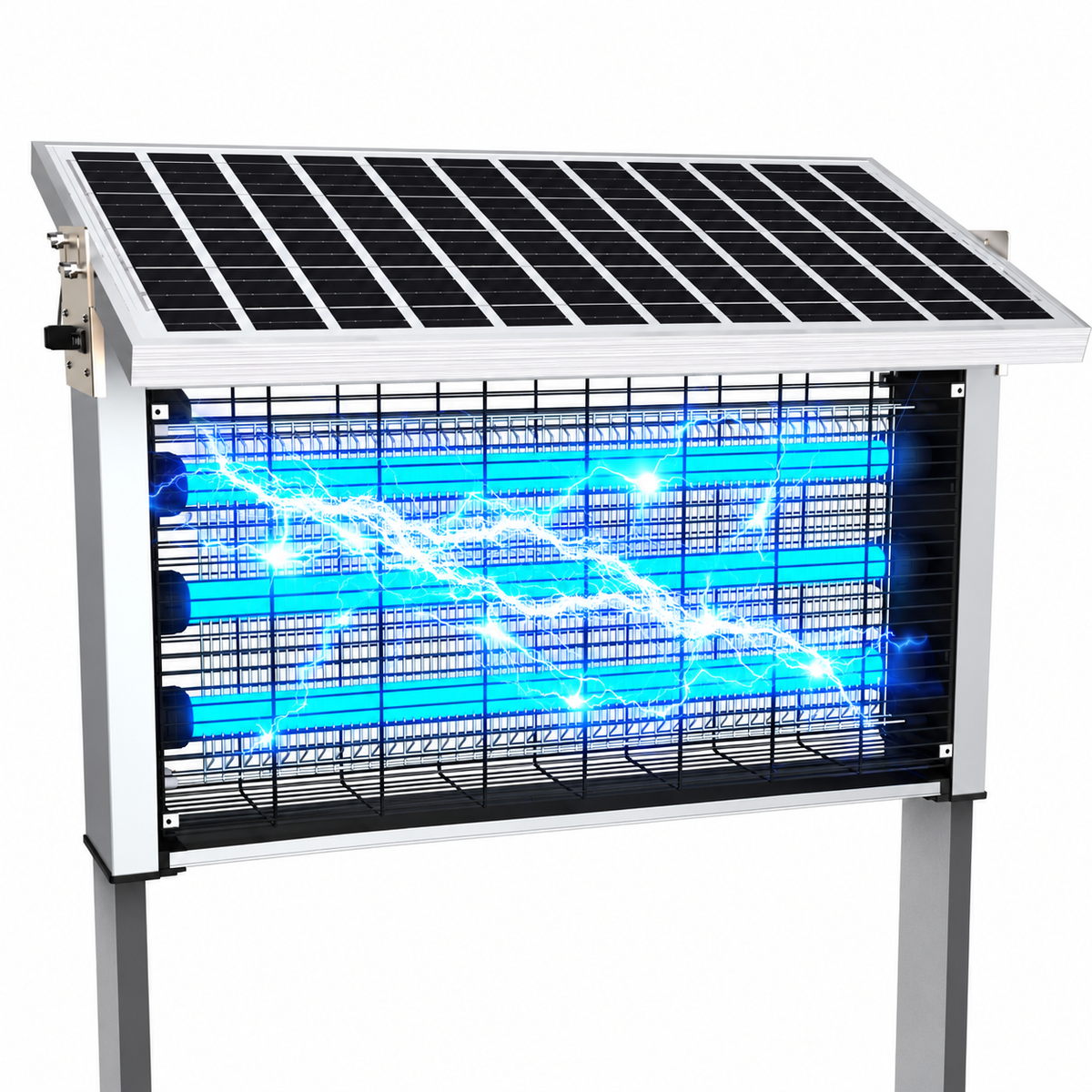
Large mosquito misting systems have become a powerful solution for controlling mosquitoes in outdoor environments. From residential backyards to restaurants, resorts, farms, and commercial properties, these automated systems provide wide-area mosquito protection with minimal daily effort.
Unlike handheld repellents or small mosquito traps, a misting system distributes fine insect-control mist through a network of tubing and nozzles installed around the perimeter of a property. When functioning correctly, the system releases a precise dose of repellent at scheduled intervals, helping reduce mosquito populations across large spaces.
However, like any mechanical system that handles liquid and pressure, mosquito misting systems require maintenance. One of the most common issues owners encounter is clogging. Over time, nozzles, tubing, and pump components can become partially blocked by mineral deposits, residue buildup, or environmental debris.
When this happens, the misting pattern weakens, coverage becomes uneven, and the system may stop working entirely.
Understanding how to safely unclog a mosquito misting system—from the nozzle all the way back to the pump—can restore performance and extend the life of the equipment.
This guide explains the most effective maintenance techniques used by professionals to diagnose and clear blockages in large mosquito misting systems.
How Large Mosquito Misting Systems Work
Before diving into unclogging techniques, it helps to understand how these systems operate.
A typical mosquito misting system includes several key components:
-
Chemical reservoir or tank
-
High-pressure pump
-
Distribution tubing
-
Anti-drip misting nozzles
-
Electronic control timer
The pump draws mosquito control solution from the tank and pushes it through the tubing network. At specific intervals, the system releases the liquid through fine nozzles that atomize it into tiny droplets.
These droplets disperse into the surrounding air and vegetation where mosquitoes rest.
For the system to work efficiently, every component must remain clean and unobstructed.
Even a small clog can disrupt the entire misting process.
Why Mosquito Misting Systems Become Clogged
Clogs rarely appear suddenly. Instead, they develop gradually as small particles accumulate inside the system.
Several factors contribute to this process.
Mineral Deposits
If the system uses water-based insecticide solutions, minerals in the water may slowly accumulate inside the tubing and nozzles.
Hard water is particularly likely to leave behind calcium or magnesium deposits.
Chemical Residue
Some insecticides leave microscopic residues after repeated use. Over time, these residues can thicken and restrict flow.
Dust and Pollen
Outdoor environments contain airborne particles such as dust, pollen, and plant debris.
If these materials enter the system during tank refilling, they may travel through the tubing and settle inside nozzles.
Algae Growth
In warm climates, stagnant liquid inside tubing can encourage algae or microbial growth.
Although uncommon in properly maintained systems, it can happen if the tank sits unused for long periods.
Pump Wear
A worn pump may produce inconsistent pressure. When pressure drops, particles that would normally be flushed out may settle and accumulate.
Early Warning Signs of a Clogged Misting System
Recognizing the early symptoms of clogging can prevent major repairs.
Common warning signs include:
-
Weak or uneven mist output
-
Some nozzles spraying while others remain dry
-
Dripping instead of fine mist
-
Pump running longer than usual
-
Increased mosquito activity despite system operation
If any of these symptoms appear, it is time to inspect the system.
Step One: Inspecting the Nozzles
Nozzles are the most common location for clogs.
These tiny components contain extremely small openings designed to produce fine droplets. Because of this precision, even microscopic debris can block them.
Removing the Nozzle
Most nozzles can be unscrewed by hand or with a small wrench. Before removal, make sure the system is turned off and pressure is released.
Carefully detach the nozzle from the tubing fitting.
Checking the Filter
Many misting nozzles include a small internal filter.
Inspect this filter for debris or mineral buildup. If clogged, rinse it under clean water or soak it in a mild cleaning solution.
Clearing the Orifice
If the nozzle opening is blocked, use a soft cleaning tool such as a fine nylon brush or specialized nozzle cleaning pin.
Avoid using hard metal objects that may enlarge the opening and alter the spray pattern.
After cleaning, reinstall the nozzle and test the system.
Step Two: Flushing the Distribution Tubing
If cleaning the nozzles does not solve the problem, the tubing network may contain debris.
Professional technicians often perform a system flush to clear accumulated particles.
How Flushing Works
Flushing involves temporarily removing the nozzles and allowing clean liquid to flow freely through the tubing.
This process pushes out sediment that may be trapped inside.
Basic Flushing Procedure
-
Turn off the system and remove all nozzles.
-
Place small containers under open fittings to catch liquid.
-
Activate the pump briefly to push fluid through the tubing.
-
Allow the system to run for a short period to clear debris.
-
Turn off the pump and reinstall the nozzles.
This simple process often restores normal operation.
Step Three: Cleaning the Tank and Intake Filter
The tank is another common source of contamination.
Particles that enter the reservoir eventually travel through the entire system.
Empty the Reservoir
Drain the tank completely and inspect the interior for sediment or residue.
Clean the Tank
Rinse the tank with clean water. If residue is visible, use a mild cleaning solution recommended by the system manufacturer.
Avoid harsh chemicals that could react with insecticide solutions later.
Inspect the Intake Filter
Many systems include a small filter where liquid enters the pump.
Remove and rinse this filter to ensure proper flow.
Step Four: Checking the Pump
The pump is the heart of the misting system.
If the pump fails to generate adequate pressure, misting performance will suffer even if the rest of the system is clean.
Signs of Pump Issues
-
Unusual noise during operation
-
Inconsistent mist output
-
Reduced pressure at nozzles
-
Pump running continuously without producing mist
Basic Pump Maintenance
Inspect the pump housing for leaks and ensure electrical connections are secure.
Some pumps include replaceable seals or internal filters that may require periodic service.
If pressure problems persist, professional servicing may be necessary.
Preventing Future Clogs
Regular maintenance dramatically reduces the risk of clogging.
Professional technicians recommend several preventive measures.
Use Clean Water
If your system requires mixing with water, use filtered or distilled water when possible.
This reduces mineral deposits inside tubing and nozzles.
Filter All Liquids
A fine mesh filter placed at the tank inlet can prevent debris from entering the system.
Flush the System Periodically
Seasonal flushing removes small particles before they accumulate.
Many property owners perform a flush at the beginning and end of mosquito season.
Protect the Tank
Always keep the tank lid tightly closed to prevent dust and insects from entering.
Seasonal Maintenance for Large Systems
Outdoor misting systems often run heavily during warmer months.
Following a seasonal maintenance schedule can extend the system’s lifespan.
Early Season Preparation
Before peak mosquito season begins:
-
Clean the tank
-
Flush the tubing
-
Inspect nozzles
-
Test pump pressure
Mid-Season Checks
During the busiest months:
-
Monitor spray patterns
-
Clean filters
-
Replace damaged nozzles
End-of-Season Shutdown
When mosquito activity declines:
-
Drain the system
-
Flush the tubing
-
Store insecticide safely
-
Inspect equipment for wear
This routine helps prevent long-term buildup.
When to Replace Nozzles Instead of Cleaning Them
Although nozzles can often be cleaned, they do not last forever.
Signs that replacement may be necessary include:
-
Irregular spray pattern
-
Visible corrosion
-
Cracked housing
-
Persistent clogging
Because nozzles are relatively inexpensive, replacing them periodically can restore optimal misting performance.
Safety Considerations During Maintenance
Mosquito misting systems handle chemical solutions designed to control insects.
During maintenance, it is important to follow basic safety precautions.
Always wear protective gloves and avoid direct contact with insecticide solutions. Work in a well-ventilated area and store chemicals according to manufacturer instructions.
Disconnect electrical power before performing any pump or wiring inspection.
These precautions protect both the user and the equipment.
Professional Service vs. DIY Maintenance
Many unclogging tasks can be performed by property owners with basic tools.
However, large commercial systems or complex installations may benefit from professional inspection.
Technicians have specialized tools for pressure testing, nozzle calibration, and chemical system cleaning.
For systems covering large properties, professional servicing once per year can help ensure reliable operation.
Final Thoughts
Large mosquito misting systems offer powerful protection against mosquitoes across wide outdoor areas. When functioning properly, they provide consistent and automated mosquito control with minimal daily effort.
However, like any system that relies on liquid flow and pressure, they require regular maintenance.
Clogs can develop anywhere in the system—from the tiny nozzle openings to the pump intake. Understanding how to inspect, flush, and clean each component allows property owners to quickly restore performance when problems appear.
By combining routine cleaning, proper filtration, and seasonal maintenance, mosquito misting systems can operate efficiently for many years.
With the right care, these systems remain one of the most effective tools for creating comfortable outdoor spaces free from persistent mosquito activity.