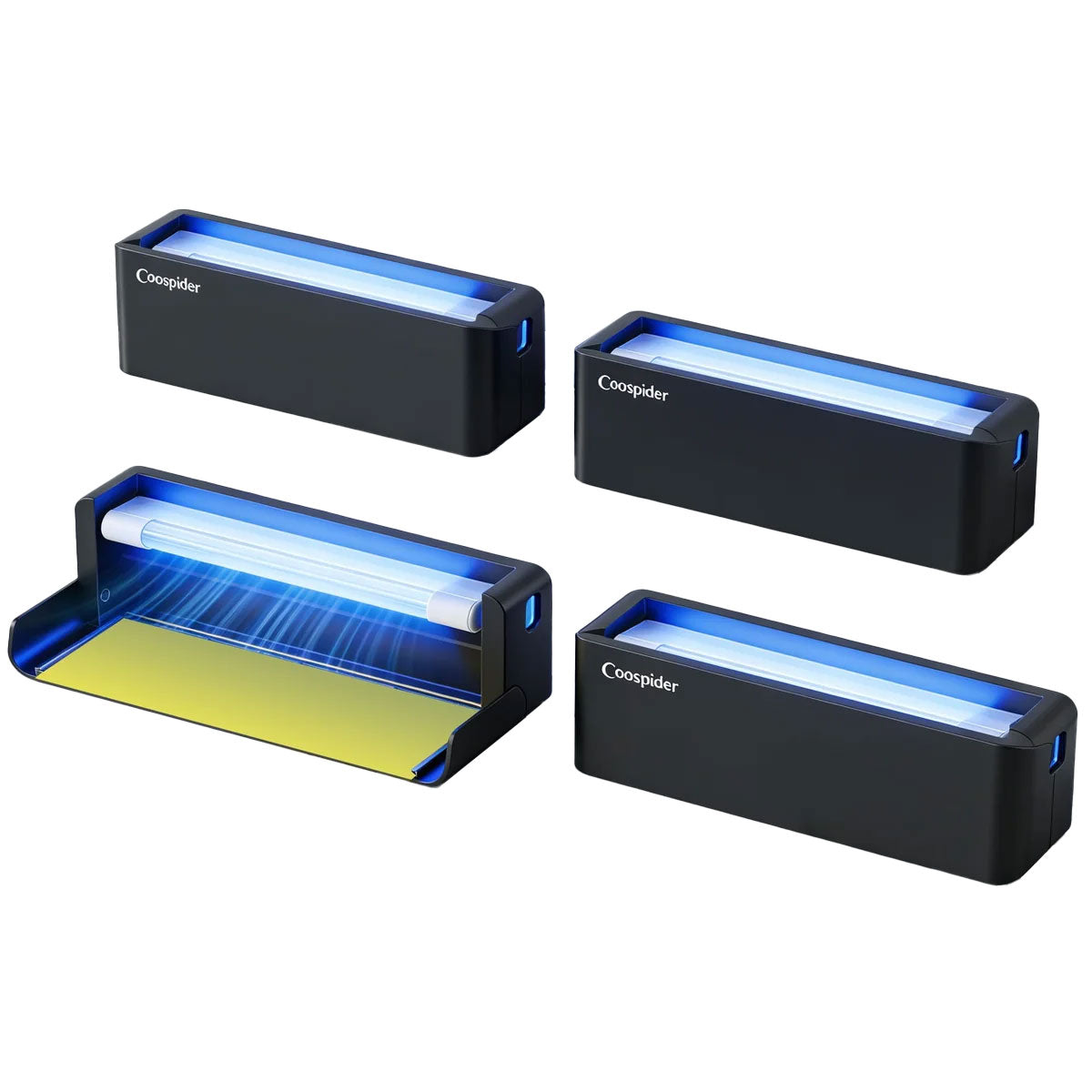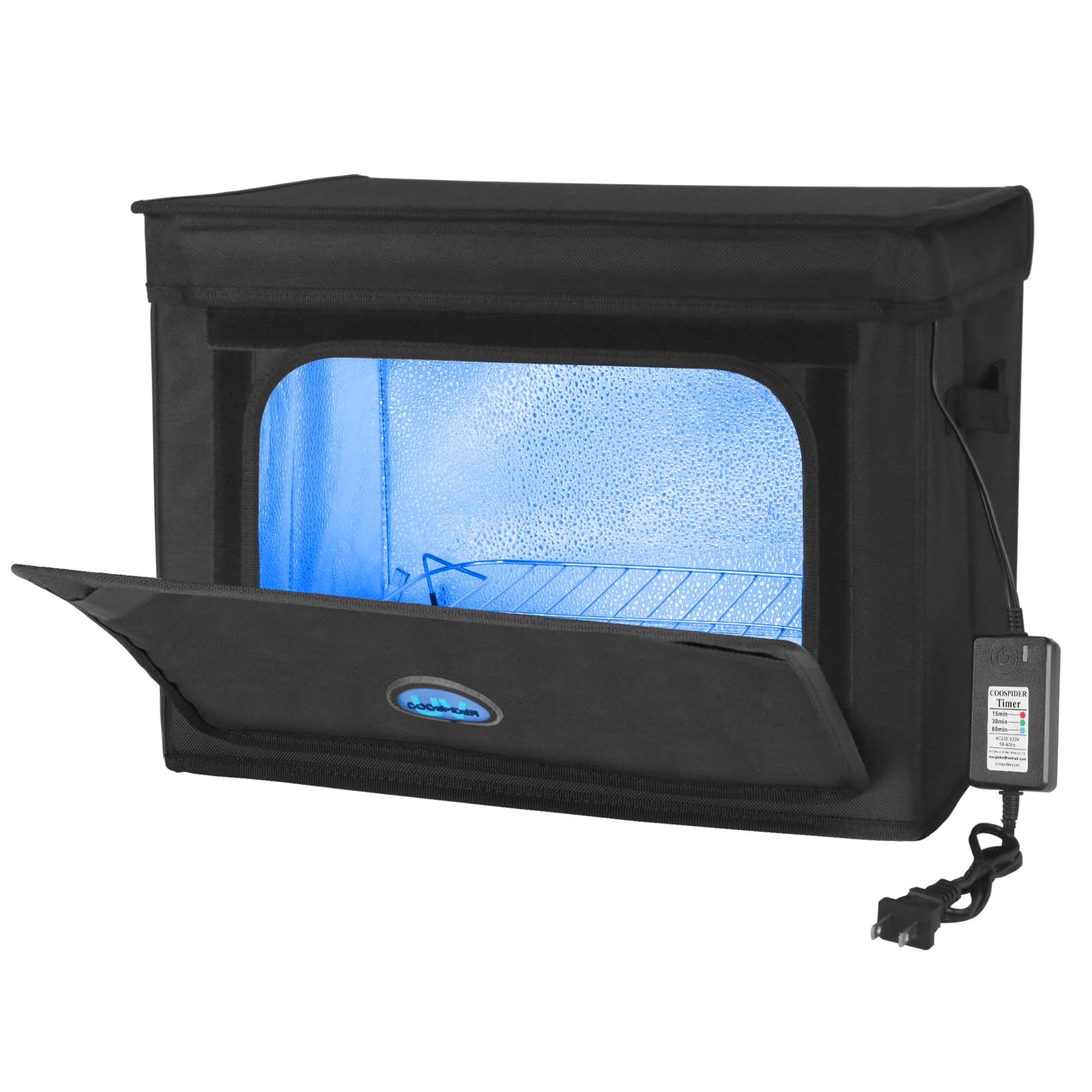
Winter outerwear is designed to protect you from cold weather, wind, snow, and everyday wear. A high-quality down jacket or wool coat can last for many seasons, but keeping it clean throughout the winter requires more than simply hanging it in the closet after each use.
Unlike T-shirts, underwear, and other clothing worn directly against the skin, winter coats are not usually washed after every few wears. In fact, frequent washing can cause unnecessary wear, affect insulation, damage delicate fibers, and shorten the life of expensive outerwear. Down jackets may lose some of their loft if washed or dried incorrectly, while wool coats can shrink, stretch, or lose their shape when exposed to unsuitable cleaning methods.
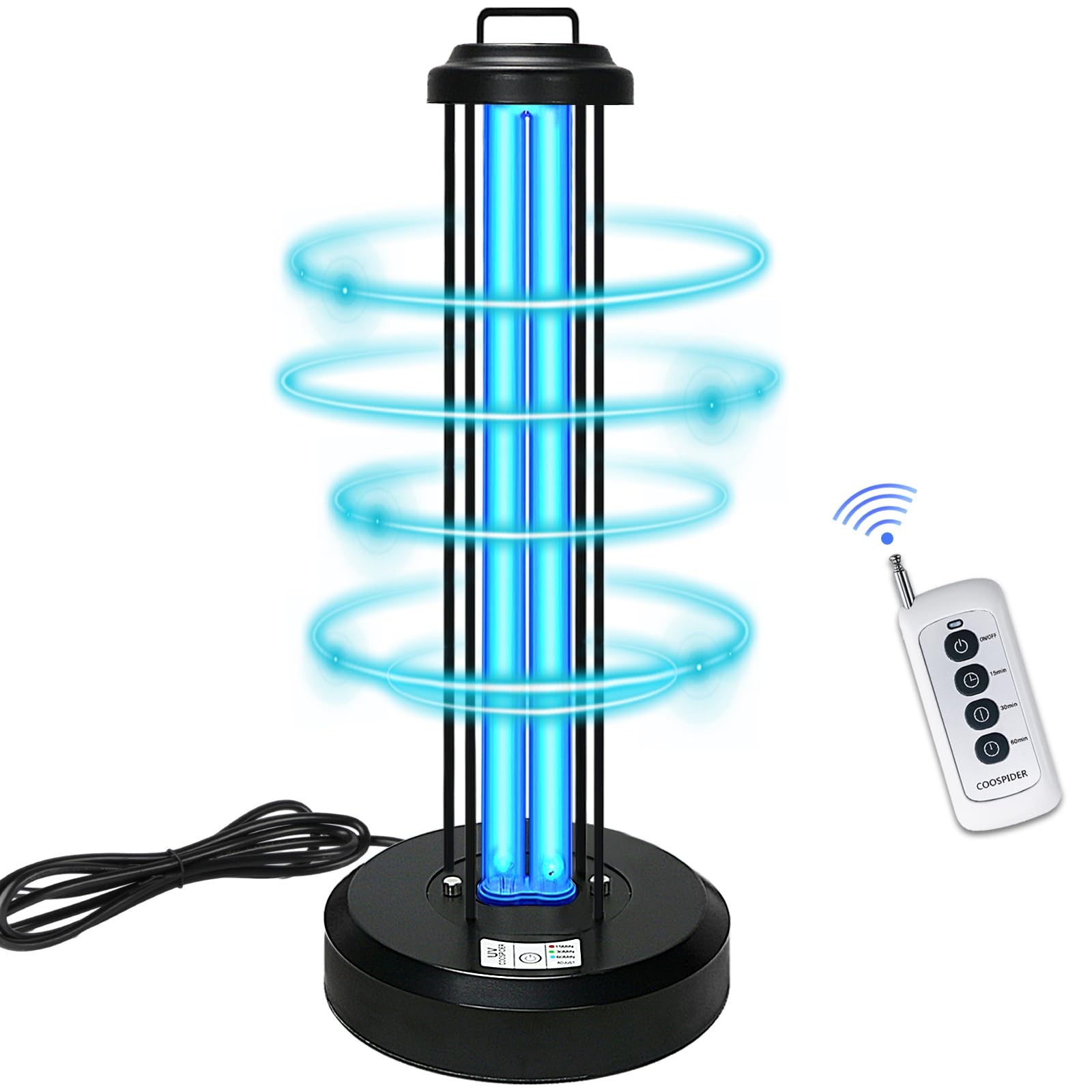
This creates a common winter question: If you wear a down jacket or wool coat throughout the season without washing it, how can you keep it fresh, hygienic, and free from unpleasant odors? Can a UV germicidal lamp help disinfect winter clothing without water or detergent?
UV light is often promoted as a convenient way to reduce microorganisms on surfaces. However, its effectiveness depends on the type of ultraviolet light, exposure time, distance, fabric structure, and the microorganisms involved. It also comes with important safety considerations, especially when using germicidal UV-C equipment.
The good news is that you do not need to wash your winter coat constantly to keep it in good condition. A combination of daily airing, spot cleaning, proper storage, odor control, and occasional professional cleaning can help maintain your outerwear. UV technology may have a limited supporting role, but it should never replace ordinary garment care.
This guide explains how to care for down jackets and wool coats throughout winter, how to remove odors and stains, how often different garments should be cleaned, and whether UV germicidal lamps are genuinely useful for winter clothing.
1. Why You Should Not Wash Winter Coats Too Frequently
Winter coats are exposed to outdoor pollutants, sweat, body oils, food splashes, rain, snow, and dust. It is tempting to wash them frequently to maintain cleanliness, but excessive cleaning can create problems.
The best cleaning schedule depends on the material, construction, frequency of use, and care instructions on the garment label.
1.1 Down Jackets Need Their Loft to Stay Warm
Down jackets are insulated with natural down clusters or a combination of down and feathers. Their warmth comes largely from the air trapped between these clusters.
When down clusters maintain their loft, they create insulating spaces that help retain body heat. When they become compressed, oily, wet, or clumped together, the jacket may lose some of its ability to trap warm air.
Frequent washing can put unnecessary stress on the filling, fabric, stitching, zippers, and water-resistant finishes. Incorrect washing and drying are particularly damaging.
Common problems include:
-
Down clusters clumping together.
-
Reduced loft and uneven insulation.
-
Outer fabric losing its water-repellent performance.
-
Damage to seams, baffles, or delicate coatings.
-
Detergent residue remaining inside the filling.
-
Longer drying times that increase the risk of musty odors.
This does not mean down jackets should never be washed. Dirt, body oils, and accumulated sweat can eventually affect the filling and fabric. Proper washing is sometimes necessary, but it should be done according to the manufacturer's instructions.
The goal is to avoid unnecessary washing while still cleaning the garment when it actually needs it.
1.2 Wool Coats Can Lose Their Shape
Wool is a natural fiber with excellent insulation and moisture-management properties. Many wool coats are structured with linings, shoulder pads, interfacing, and carefully shaped seams.
These construction details help the coat maintain a polished silhouette.
Unfortunately, excessive water exposure, agitation, heat, and improper drying can damage wool garments.
Potential problems include:
-
Shrinking or felting.
-
Distortion around the shoulders and sleeves.
-
Loss of the original drape.
-
Wrinkling that becomes difficult to remove.
-
Damage to the lining or internal structure.
-
Changes in surface texture.
Some wool garments are washable, but many tailored wool coats require professional dry cleaning or specialist care.
Always check the care label before attempting to wash a wool coat at home. A garment described as wool does not automatically mean it can be safely washed with water.
1.3 Washing Is Not the Only Way to Keep Clothing Clean
A coat does not necessarily need a full wash simply because it has been worn several times.
Different types of contamination require different treatments.
For example:
-
Loose dust can often be removed with brushing.
-
Surface odors may improve with airing.
-
Small fresh stains may be treated with appropriate spot cleaning.
-
Wrinkles may be reduced with careful steaming.
-
Deep dirt and accumulated body oils may require professional cleaning.
Understanding these differences helps prevent unnecessary washing and protects expensive winter clothing.
2. Daily Care: What to Do After Wearing a Down Jacket or Wool Coat
The simplest way to keep winter outerwear fresh is to establish a short routine after each wear.
A few minutes of care can prevent moisture, odors, and dirt from accumulating over time.
2.1 Hang the Coat Immediately After Returning Home
Avoid leaving a winter coat crumpled on a sofa, chair, or bed.
When you return home, hang it on a suitable hanger so that air can circulate around the garment.
For down jackets, choose a sturdy hanger that supports the shoulders without stretching the fabric.
For wool coats, use a broad, shaped hanger that supports the shoulder structure. Thin wire hangers can create unwanted dents and distortions.
Make sure the coat is not pressed tightly against other garments. Crowded storage restricts airflow and can trap moisture.
2.2 Allow Moisture to Evaporate Naturally
Winter clothing often collects moisture even when it does not feel wet.
Sources include:
-
Snow and rain.
-
Sweat from walking or commuting.
-
Condensation from moving between cold outdoor air and warm indoor spaces.
-
Moisture from scarves, hats, and other accessories.
If a coat is damp, allow it to dry naturally before putting it away.
Place it in a well-ventilated indoor area away from direct sunlight, radiators, fireplaces, and other intense heat sources.
Never put a wet down jacket directly into a tightly closed wardrobe. Trapped moisture can encourage unpleasant odors and may contribute to mold growth under unfavorable conditions.
Wool coats should also be allowed to dry fully before storage. Excessive heat can affect the fibers and garment structure.
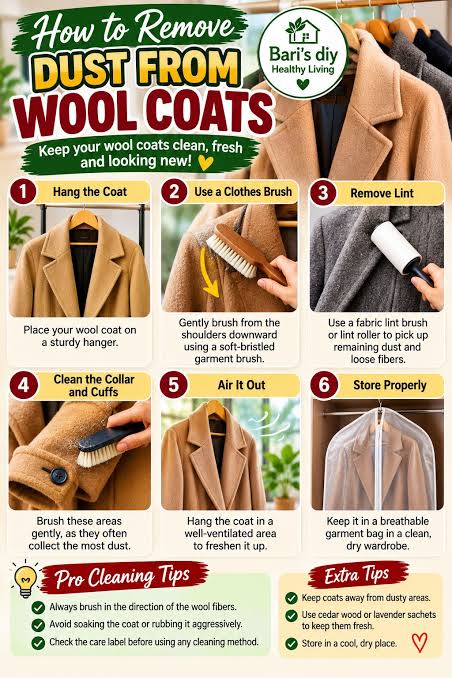
2.3 Brush Away Dust and Surface Dirt
A soft clothing brush is one of the most useful tools for maintaining wool coats.
Use gentle strokes in the direction of the fabric surface. Pay particular attention to areas that collect dust and lint, such as:
-
Shoulders.
-
Sleeves.
-
Lapels.
-
Pocket openings.
-
Lower hems.
Brushing can remove loose particles before they become embedded in the fabric.
For down jackets, use a soft, clean cloth or a garment brush approved for the outer fabric. Avoid aggressive brushing, which may damage delicate shells or coatings.
Do not use a hard brush on thin nylon, polyester, or coated technical fabrics.
2.4 Empty the Pockets
Pockets often collect more dirt than people realize.
Receipts, tissues, crumbs, cosmetics, pens, and small objects can create stains or damage the lining.
At the end of the day, empty the pockets and check for anything that could leak or leave marks.
This simple habit also prevents the garment from becoming misshapen under the weight of stored items.
2.5 Avoid Wearing the Same Coat Every Single Day
If possible, rotate between two or more winter coats.
Giving garments time to air out between wears reduces continuous exposure to moisture and body oils.
Rotation also reduces friction and wear around the cuffs, collar, elbows, and pockets.
For people who commute daily, having one primary down jacket and one alternative coat can make winter maintenance much easier.
3. How to Keep a Down Jacket Fresh Without Washing It
Down jackets are often worn for months during winter, especially in regions with long periods of cold weather. Fortunately, many everyday maintenance tasks can be completed without washing the entire garment.
3.1 Clean the Collar and Cuffs Regularly
The collar and cuffs are among the dirtiest areas of a down jacket.
They come into frequent contact with skin, hair, scarves, gloves, makeup, and hand oils.
Over time, these areas may develop:
-
Dark discoloration.
-
Greasy patches.
-
Makeup marks.
-
Unpleasant odors.
-
Visible dirt buildup.
Instead of washing the entire jacket, inspect these areas regularly.
For minor surface dirt, use a clean, soft cloth lightly dampened with water, provided the care label allows it. If necessary, use a small amount of a suitable cleaner recommended by the manufacturer.
Always test a cleaning product on an inconspicuous area first.
Avoid soaking the filling or rubbing the fabric aggressively.
After spot cleaning, remove any remaining product according to its instructions and allow the area to dry completely.
3.2 Deal With Small Stains Immediately
Fresh stains are usually easier to manage than old, dried stains.
If food or liquid spills on a down jacket, gently blot the area with a clean, absorbent cloth.
Do not rub the stain vigorously. Rubbing can spread the substance and push it deeper into the fabric.
For oily stains, use only a cleaner that is suitable for the garment's material and finish. Some household detergents and solvents can damage water-repellent coatings or discolor fabric.
If the stain is large, persistent, or located near a seam or delicate trim, professional cleaning is safer.
3.3 Restore the Jacket's Freshness Through Airing
If a down jacket smells slightly stale after repeated use, airing it out may help.
Hang it in a clean, dry, shaded, well-ventilated space.
Avoid placing it in direct sunlight for extended periods. Ultraviolet radiation and excessive heat may affect some dyes, coatings, and synthetic components.
Do not use perfume or fabric fragrance sprays to cover unpleasant odors. These products may leave residues and can create a stronger mixture of fragrance and existing odor.
Airing is most effective for mild, temporary odors. It cannot remove deeply embedded grease, heavy perspiration, or contamination inside the filling.
3.4 Protect the Water-Repellent Finish
Many down jackets have an outer fabric treated with a durable water-repellent finish.
This finish helps water form droplets on the surface instead of immediately soaking into the material.
Over time, dirt, oils, abrasion, and cleaning can reduce this performance.
To maintain the finish:
-
Follow the manufacturer's cleaning recommendations.
-
Avoid ordinary household cleaners unless approved.
-
Do not use fabric softener unless specifically permitted.
-
Keep the jacket away from unnecessary friction.
-
Reapply a suitable water-repellent treatment only when needed and according to the product instructions.
A jacket that absorbs water more readily may need cleaning or restoration of its surface treatment. It does not necessarily mean the down filling has been damaged.
3.5 Do Not Pull Out Loose Feathers
Occasionally, a small feather may appear through the outer fabric.
Pulling it out can enlarge the opening and make further leakage more likely.
Instead, gently pull the feather back into the jacket from the inside if possible, or carefully guide it inward from the outside without widening the fabric opening.
If the fabric is torn or the filling continues to escape, have the jacket repaired.
4. How to Maintain a Wool Coat Without Frequent Dry Cleaning
Wool coats often have a more structured design than down jackets. Their maintenance focuses on preserving the fabric surface, shape, and overall appearance.
4.1 Use a Wool Clothing Brush
A quality clothing brush is particularly useful for wool.
After wearing the coat, allow it to hang freely and then brush away surface dust.
Use gentle, consistent strokes rather than pressing hard.
Brushing helps remove:
-
Dust.
-
Loose fibers.
-
Surface lint.
-
Small particles.
-
Some superficial debris.
It also helps the fabric look smoother and more presentable.
For cashmere, brushed wool, and other delicate surfaces, choose an appropriate soft brush and follow the garment manufacturer's recommendations.
4.2 Remove Pilling Carefully
Pilling occurs when loose fibers become tangled into small balls on the surface of the fabric.
It is common in areas exposed to friction, including:
-
Underarms.
-
Sides of the body.
-
Sleeve edges.
-
Pocket areas.
-
Areas that rub against bags or seat belts.
Pilling does not automatically mean a wool coat is poor quality. Fiber characteristics, fabric construction, and friction all influence how much pilling occurs.
Use a fabric comb or a garment tool designed for the specific material.
Work slowly and gently. Aggressive shaving can damage the fabric or remove too much fiber.
Avoid using ordinary razors on delicate wool or cashmere garments.
4.3 Steam Carefully to Reduce Wrinkles
A handheld garment steamer can help refresh the appearance of some wool coats and reduce light wrinkles.
However, steaming is not a universal solution for every wool garment.
Before using steam:
-
Check the garment care label.
-
Test on an inconspicuous area.
-
Keep the steamer at the recommended distance.
-
Avoid soaking the fabric.
-
Allow the coat to dry fully before storing it.
Do not press a hot steamer directly against the fabric unless the manufacturer's instructions specifically allow it.
Steaming can help relax some wrinkles and reduce certain surface odors, but it does not replace cleaning.
It should not be treated as a method for removing deep stains, grease, or all microorganisms.
4.4 Preserve the Coat's Shape
A wool coat can lose its shape if it is repeatedly folded, compressed, or hung incorrectly.
To protect its structure:
-
Use a broad, supportive hanger.
-
Avoid overloading the pockets.
-
Do not hang heavy bags from the coat.
-
Keep it away from tightly packed wardrobes.
-
Allow enough space around the shoulders.
-
Avoid long-term storage while the coat is damp.
If the coat becomes heavily creased or loses its shape, consult a professional cleaner or garment-care specialist.
4.5 Pay Attention to the Lining
The outer wool surface may look clean while the lining accumulates perspiration, body oils, and deodorant residue.
This is especially common around the underarms, neck, and upper back.
If the lining develops noticeable odor or discoloration, surface brushing will not solve the problem.
A professional cleaner can assess whether the garment needs specialized cleaning.
Do not assume that a coat can be safely cleaned by treating only its visible outer fabric.
5. Does UV Germicidal Light Work on Winter Clothing?
UV germicidal technology has attracted attention because it can inactivate certain microorganisms without using water or traditional chemical disinfectants.
It is used in some controlled applications involving air, water, and exposed surfaces.
But can it disinfect a down jacket or wool coat?
The answer is: UV light can inactivate susceptible microorganisms on directly exposed surfaces under suitable conditions, but it is not a reliable substitute for cleaning winter clothing.
Understanding the technology is essential before using it.
5.1 What Is UV Germicidal Light?
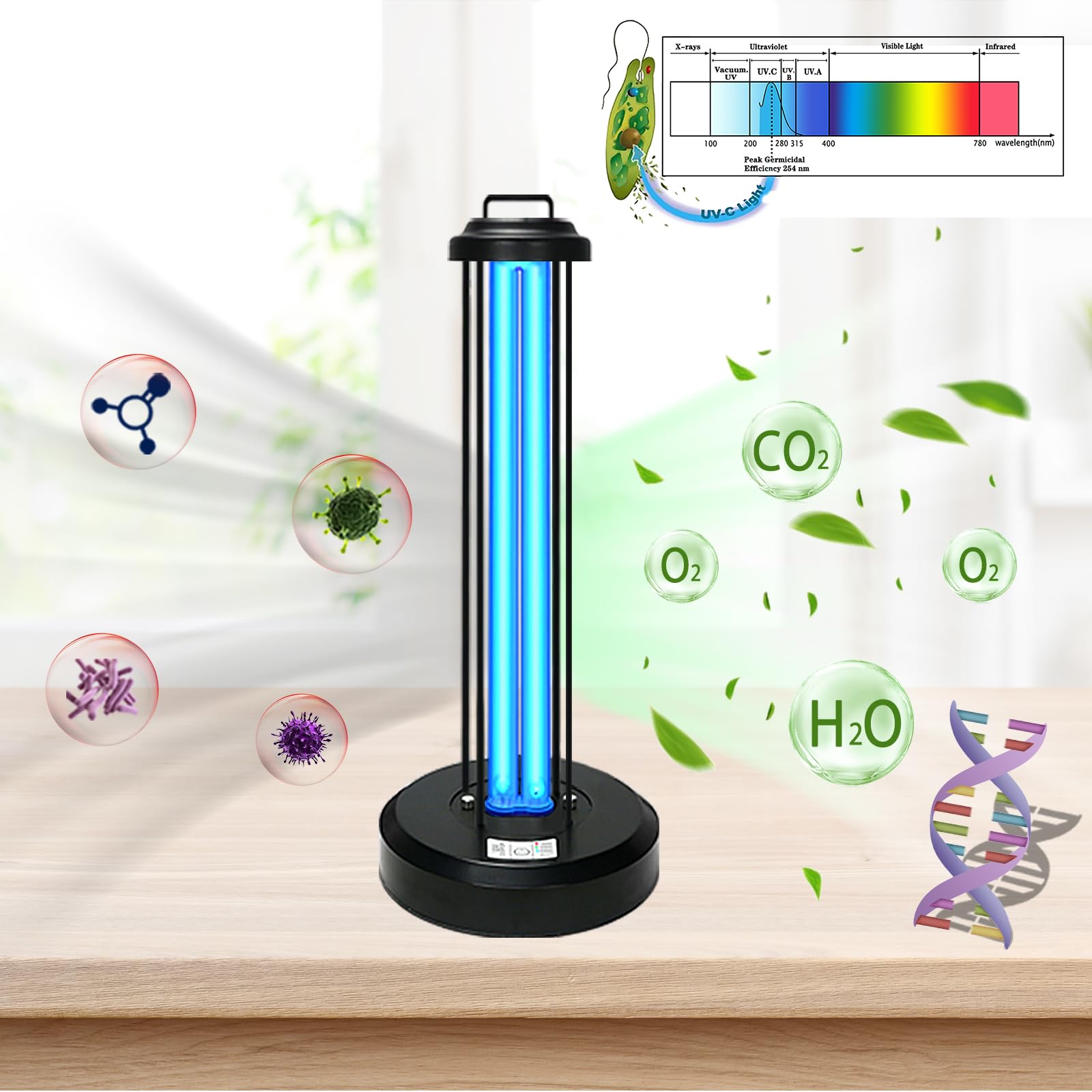
Ultraviolet radiation is divided into several wavelength ranges.
The most commonly discussed categories are:
-
UV-A: Approximately 315–400 nanometers.
-
UV-B: Approximately 280–315 nanometers.
-
UV-C: Approximately 100–280 nanometers.
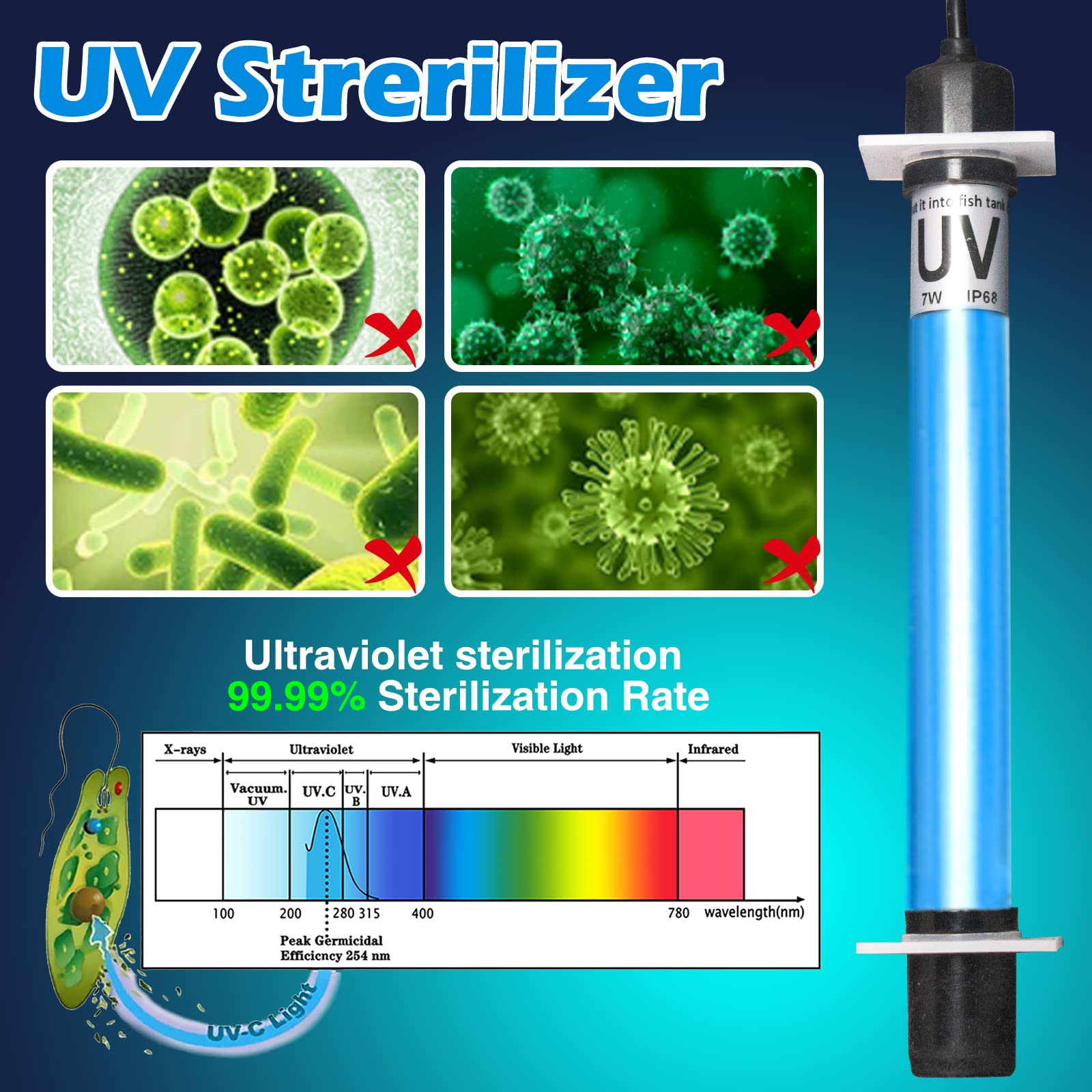
Germicidal UV systems commonly use UV-C because certain wavelengths can damage the genetic material of microorganisms, preventing them from reproducing.
Many conventional germicidal systems use radiation near 254 nanometers.
Some newer technologies use far-UVC wavelengths, often around 222 nanometers, but these systems require careful assessment and appropriate safety controls.
UV-C is not the same as ordinary sunlight entering through a window. Most conventional window glass blocks much of the UV-B and UV-C radiation that reaches the Earth's surface.
5.2 How Does UV-C Affect Microorganisms?
When susceptible bacteria, viruses, or other microorganisms receive sufficient UV-C exposure, the radiation can damage their genetic material.
This can prevent them from replicating and may render them inactive.
The effectiveness depends on several factors:
-
Wavelength.
-
Radiation intensity.
-
Exposure duration.
-
Distance from the lamp.
-
Angle of exposure.
-
Surface characteristics.
-
Type of microorganism.
-
Amount of material blocking the light.
A critical point is that UV-C works only where enough radiation reaches the target.
It does not automatically disinfect an entire garment simply because a UV lamp is switched on nearby.
5.3 Why Fabric Makes UV Disinfection Difficult
Clothing is not a smooth, flat surface.
A down jacket contains layers of fabric, stitching, baffles, folds, seams, pockets, and filling. A wool coat may include thick fibers, lining, internal structure, buttons, and overlapping layers.
These features create shadows.
UV-C generally has limited ability to penetrate opaque materials. It cannot reliably reach microorganisms hidden:
-
Inside fabric fibers.
-
Beneath overlapping layers.
-
Between the outer shell and lining.
-
Inside pockets.
-
Under collars and cuffs.
-
Within down filling.
-
Beneath dirt or other surface deposits.
Even if the outside of a coat receives UV-C exposure, the inner surfaces may receive little or none.
A UV lamp therefore cannot be assumed to disinfect the entire garment.
5.4 Can UV Light Remove Odors From a Coat?
UV-C may inactivate some microorganisms that contribute to certain odors, but it does not remove the substances that cause many clothing odors.
Common odor sources include:
-
Sweat residues.
-
Skin oils.
-
Food particles.
-
Smoke.
-
Environmental pollution.
-
Detergent or fragrance residues.
-
Moisture-related microbial growth.
UV radiation does not physically wash away these materials.
If a coat smells because of accumulated body oils or food residue, UV exposure alone is unlikely to solve the problem.
Airing may reduce mild stale odors. Spot cleaning or professional cleaning may be needed when the odor is caused by accumulated contamination.
5.5 UV Light Does Not Replace Washing or Dry Cleaning
This distinction is important.
Cleaning and disinfection are not the same process.
Cleaning removes dirt, oils, residues, and other physical contaminants. Disinfection aims to reduce or inactivate certain microorganisms.
A garment may look clean but still contain microorganisms. Conversely, a garment may have fewer viable microorganisms while retaining dirt and unpleasant odors.
UV-C cannot remove visible stains, grease, dust, or detergent residue.
It also cannot restore the loft of compressed down or the shape of a wool coat.
For these reasons, UV light should be viewed as a specialized supplementary technology rather than a complete garment-care solution.
6. Can You Use a Household UV Lamp to Disinfect a Down Jacket or Wool Coat?
Some consumers purchase portable UV-C lamps or enclosed UV disinfection devices for household use.
Although these products may appear convenient, using them on winter clothing requires caution.
6.1 Never Use an Exposed UV-C Lamp Around People or Pets
Conventional germicidal UV-C can harm the eyes and skin.
Direct or reflected exposure may cause painful eye inflammation, sometimes described as photokeratitis, and skin irritation or burns.
The effects may not be immediately noticeable.
Do not look directly at an operating UV-C lamp. Do not expose your face, hands, or other uncovered skin to its radiation.
Children and pets should also be kept away from areas where exposed UV-C equipment is operating.
Never assume a lamp is safe simply because it is small, inexpensive, or marketed for household use.
6.2 Check Whether the Device Is Actually Germicidal UV-C
Not every product advertised as a UV sterilizer produces the same wavelengths or performance.
Some devices emit UV-A rather than germicidal UV-C. Others may have unclear specifications or insufficient safety information.
Before purchasing a device, examine:
-
The stated wavelength.
-
The manufacturer's technical documentation.
-
Whether the product is designed for surface disinfection.
-
Whether it has shielding or an enclosed operating chamber.
-
Whether it includes a reliable safety interlock.
-
Whether exposure limits and operating instructions are provided.
Avoid products that make exaggerated claims such as sterilizing every surface instantly or eliminating all pathogens from thick clothing.
6.3 Enclosed UV Devices Are Safer Than Exposed Lamps
An enclosed UV device keeps the UV source inside a protected chamber.
Some models are designed for small objects, while others are intended for specific household applications.
However, a small enclosed box may not accommodate a full-size down jacket or wool coat.
Do not compress a coat into an enclosure that is not designed for it. Doing so can create uneven exposure and may damage the garment.
Only use a device for clothing if the manufacturer explicitly states that it is suitable for that purpose and provides appropriate instructions.
6.4 Do Not Estimate Exposure Time From the Lamp's Appearance
A common mistake is to assume that a longer exposure always produces better results.
In reality, UV dose depends on both radiation intensity and exposure time.
The intensity reaching the garment also changes with distance, angle, obstruction, and lamp design.
A powerful lamp positioned farther away may deliver a different dose from a weaker lamp placed closer.
Without verified performance information, it is impossible to determine a reliable exposure time simply by looking at the lamp.
Do not invent a treatment schedule or assume that leaving a UV-C lamp on for an hour guarantees effective disinfection.
6.5 Be Careful With Ozone-Producing UV Lamps
Some UV devices may produce ozone, depending on their design and wavelength.
Ozone can irritate the respiratory system and is not something to deliberately introduce into living spaces for routine clothing care.
Check the product specifications and safety documentation.
Avoid using ozone-generating devices in occupied rooms, and do not treat ozone as a harmless way to remove coat odors.
For ordinary winter clothing maintenance, there is no need to expose your home or family to unnecessary ozone.
7. A Better Way to Keep Winter Coats Fresh: A Practical Care Routine
For most households, a simple garment-care routine is more useful than purchasing a UV lamp specifically for winter coats.
The following approach helps keep down jackets and wool coats clean without excessive washing.
7.1 After Every Wear
Spend a few minutes on basic maintenance.
For down jackets:
-
Hang the jacket on a suitable hanger.
-
Empty the pockets.
-
Check the collar and cuffs.
-
Wipe away small fresh marks when appropriate.
-
Allow moisture to evaporate.
-
Keep the jacket away from direct heat.
For wool coats:
-
Hang the coat on a broad hanger.
-
Empty the pockets.
-
Brush away visible dust.
-
Check the collar, lapels, and sleeves.
-
Allow the garment to air before storing it.
These steps reduce the buildup of dirt and help the garment maintain its appearance.
7.2 Once a Week
Set aside a little time for a more detailed inspection.
Check for:
-
Stains.
-
Loose threads.
-
Damaged buttons.
-
Broken zippers.
-
Pilling.
-
Feather leakage.
-
Persistent odors.
-
Areas of fabric wear.
Clean minor stains using an appropriate method and repair small problems before they become more serious.
For wool coats, a gentle brushing session can make a noticeable difference.
For down jackets, check whether the filling remains evenly distributed and whether any sections appear unusually compressed.
7.3 Once a Month
A monthly review can help identify problems that are not obvious during everyday use.
Inspect the inside of the garment, especially the lining, underarms, collar, and pockets.
If a coat has been exposed to heavy snow, rain, smoke, cooking odors, or substantial perspiration, it may need more attention than a garment worn only occasionally.
Do not follow a rigid cleaning calendar without considering actual use.
A coat worn every day on public transportation may need cleaning sooner than one worn occasionally for short outdoor walks.
7.4 At the End of Winter
Before putting winter clothing away for several months, clean it appropriately.
This is one of the most important steps in long-term garment care.
Storing a dirty coat can allow body oils, food residues, and other contaminants to remain in the fabric for months.
These residues may contribute to persistent odors and can attract pests.
For down jackets, follow the manufacturer's washing instructions or use a qualified professional cleaner.
For wool coats, check whether the label recommends dry cleaning or another specialist process.
Do not put away damp clothing.
Once clean and fully dry, store garments in a cool, dry, well-ventilated place.
Use breathable garment covers when appropriate, particularly for wool coats.
Avoid long-term compression of down jackets because prolonged compression can affect loft.
8. How Often Should You Clean a Down Jacket or Wool Coat?
There is no universal cleaning schedule for every winter garment.
The correct frequency depends on how often the coat is worn, how dirty it becomes, the environment, and the manufacturer's care instructions.
The following table offers general guidance rather than fixed rules.
| Garment or condition | Recommended care |
|---|---|
| Down jacket worn occasionally | Air and spot clean as needed; wash when visibly dirty or noticeably soiled |
| Down jacket worn daily | Inspect collar and cuffs frequently; clean when accumulated dirt or odor warrants it |
| Wool coat worn occasionally | Brush and air regularly; arrange professional cleaning when necessary |
| Wool coat worn frequently | Inspect high-contact areas regularly and clean according to the label and actual condition |
| Coat exposed to heavy smoke or food spills | Address the contamination promptly; professional cleaning may be necessary |
| Coat affected by moisture or musty odor | Dry thoroughly and investigate the cause before storage |
Some manufacturers recommend cleaning outerwear at specific intervals, while others emphasize cleaning only when necessary.
Always prioritize the care label over a generic schedule.
8.1 Signs Your Down Jacket Needs Cleaning
A down jacket may need more than routine airing if you notice:
-
Persistent odor that does not improve with ventilation.
-
Visible grease around the collar or cuffs.
-
Widespread dirt.
-
Food or drink stains.
-
Noticeable contamination on the lining.
-
Down filling that has become dirty or oily.
If the jacket has lost loft, cleaning may help in some cases, but compression, aging, and filling damage can also be responsible.
8.2 Signs Your Wool Coat Needs Professional Cleaning
Consider professional cleaning if you notice:
-
Deep stains.
-
Strong persistent odors.
-
Greasy areas.
-
Extensive discoloration.
-
Heavy contamination around the lining.
-
A change in the fabric's texture.
-
Significant loss of shape.
A professional cleaner can assess the fabric, construction, lining, and finishing details before selecting a suitable method.
9. Common Mistakes When Caring for Winter Coats
Even well-intentioned cleaning habits can damage winter clothing.
Avoid these common mistakes.
Mistake 1: Spraying Perfume Directly Onto the Coat
Perfume can temporarily mask unpleasant odors, but it does not remove the source.
Fragrance ingredients may leave marks, react with certain dyes, or create buildup.
Spraying perfume repeatedly onto a coat may make the odor problem worse.
Instead, identify the source of the smell and use airing, spot cleaning, or professional cleaning as appropriate.
Mistake 2: Using a Hair Dryer to Dry a Wet Coat
A hair dryer may seem like a quick solution after snow or rain, but concentrated heat can damage some outer fabrics, coatings, and trims.
It may also dry the outer surface while leaving moisture trapped inside the filling.
Allow the garment to dry naturally in a suitable environment.
Follow the manufacturer's instructions if machine drying is permitted.
Mistake 3: Putting a Damp Coat Directly Into the Closet
A damp coat stored in a closed wardrobe may develop a musty smell.
The problem is not limited to visible water. Moisture trapped in thick fabric, lining, or down filling can take time to evaporate.
Always make sure the garment is fully dry before long-term storage.
Mistake 4: Using Too Much Detergent
More detergent does not necessarily mean better cleaning.
Excessive detergent can leave residue in fabric and filling, potentially affecting texture and performance.
When washing is appropriate, use a suitable product and follow the garment's care instructions.
Mistake 5: Exposing Clothing to Direct UV-C Without Protection
A UV-C lamp is not a harmless household light.
Direct exposure can damage eyes and skin, and an exposed lamp does not reliably reach microorganisms hidden inside clothing.
Do not operate exposed UV-C equipment in an occupied room or use it as an improvised coat-disinfection method.
Mistake 6: Ignoring the Care Label
Two coats that look similar may require completely different cleaning methods.
A wool-blend coat may contain synthetic fibers, delicate linings, glued components, or special finishes.
A down jacket may use a waterproof membrane or delicate outer shell.
The care label provides essential information about what the garment can tolerate.
10. Can Steam, Sunlight, or Other Household Methods Replace UV Light?
UV germicidal lamps are not the only products people consider when trying to refresh winter clothing.
Several familiar household methods can help with specific maintenance tasks, but each has limitations.
10.1 Natural Ventilation
For routine maintenance, ventilation is often the simplest and safest first step.
Hanging a coat in a dry, shaded, well-ventilated area allows moisture and some volatile odor compounds to disperse.
It is useful for mild stale odors and everyday moisture.
However, ventilation does not remove deep stains, accumulated grease, or all microorganisms.
10.2 Sunlight
Sunlight can help dry clothing and may provide some antimicrobial effects under certain conditions.
However, sunlight is not a controlled disinfection method.
Its intensity varies with season, weather, time of day, and location. Winter sunlight may be weak, and many microorganisms can be protected by fabric folds and internal layers.
Long periods of direct sunlight can also fade dyes and damage some textile materials.
For expensive down jackets and wool coats, shaded ventilation is generally a more conservative routine-care choice.
10.3 Steam
Steam can help reduce wrinkles and refresh some garments.
Its effect on microorganisms depends on temperature, contact time, moisture, and the actual conditions at the fabric surface.
A handheld garment steamer is not automatically a validated disinfection device.
Use steam primarily for garment care, not as a guaranteed method of sterilization.
10.4 Fabric Refreshing Sprays
Some textile sprays are designed to reduce odors or refresh fabric surfaces.
They may be useful for certain garments, but they are not all disinfectants.
Check whether the product is suitable for down, wool, cashmere, or technical fabrics.
Avoid spraying large amounts into thick insulation or delicate materials.
Always follow the label and test on a hidden area when necessary.
11. Choosing a UV Device: What Should You Look For?
If you are considering UV technology for a household application, it is important to choose a product based on verified performance and safety rather than advertising claims.
For winter clothing, the first question should be whether the device is specifically designed and tested for garments.
11.1 Check the Wavelength
A product that only emits UV-A should not be assumed to provide the same germicidal performance as a properly designed UV-C system.
Look for clear technical specifications and independent performance information where available.
11.2 Look for Enclosed Operation
For household use, an enclosed system with suitable shielding and safety interlocks is generally preferable to an exposed UV-C lamp.
The device should prevent normal users from receiving direct exposure during operation.
11.3 Look for Verified Disinfection Claims
A product should explain what surfaces or applications it has been tested for.
A device tested on a smooth, exposed surface cannot automatically be assumed effective on thick clothing.
Ask whether testing includes the kinds of materials and configurations you intend to treat.
11.4 Consider Material Compatibility
Even if a UV device can inactivate microorganisms on a surface, repeated UV exposure may affect some materials.
Potential concerns include:
-
Color fading.
-
Changes in certain polymers.
-
Deterioration of some coatings.
-
Damage to elastic components.
-
Effects on delicate trims.
The degree of risk depends on the material and exposure conditions.
Do not repeatedly expose expensive outerwear to UV-C unless the manufacturer confirms that the treatment is suitable.
11.5 Avoid Unsupported Sterilization Claims
Be cautious when a product promises complete sterilization of thick clothing in a few minutes.
Such claims should be supported by meaningful test data.
The presence of a UV-C bulb does not prove that a device delivers an effective dose to every part of a garment.
12. Special Winter Care for Different Clothing Materials
Down jackets and wool coats are not the only garments that require careful winter maintenance.
Different fabrics respond differently to moisture, heat, cleaning products, and ultraviolet exposure.
12.1 Cashmere Coats
Cashmere is soft and delicate.
Avoid aggressive brushing, frequent washing, and rough handling.
Use a suitable cashmere comb or soft garment brush when necessary.
Store cashmere in a clean, dry environment and protect it from moths using appropriate storage practices.
Follow the care label, and use professional cleaning when required.
12.2 Wool-Blend Coats
Wool-blend fabrics may contain polyester, nylon, acrylic, or other fibers.
The blend can affect durability, texture, and cleaning requirements.
Do not assume a wool blend is machine washable simply because it contains synthetic fibers.
Follow the label and pay attention to lining and construction.
12.3 Synthetic Insulated Jackets
Synthetic insulation often dries faster than natural down, but it still requires appropriate care.
Excessive heat, unsuitable detergents, and rough washing can damage the fabric or insulation.
Spot clean small marks when appropriate and wash according to the manufacturer's instructions.
12.4 Waterproof and Technical Outerwear
Technical jackets may use membranes, seam sealing, or specialized water-repellent treatments.
Ordinary fabric softeners and household cleaners may interfere with performance.
Use products designed for technical clothing and follow the manufacturer's maintenance guidance.
13. A Simple Winter Coat Maintenance Checklist
A practical checklist can make winter garment care easier and more consistent.
After wearing:
-
Hang the coat properly.
-
Empty all pockets.
-
Allow moisture to evaporate.
-
Check the collar and cuffs.
-
Brush away loose dust when appropriate.
Every week:
-
Inspect stains and high-contact areas.
-
Remove small marks using suitable methods.
-
Check buttons, zippers, and seams.
-
Remove pilling carefully when necessary.
-
Look for persistent odors.
Every month:
-
Inspect the lining and interior.
-
Check the garment's overall condition.
-
Assess whether spot cleaning or professional care is needed.
-
Review storage conditions.
At the end of winter:
-
Clean the garment according to its care label.
-
Make sure it is completely dry.
-
Repair damage before storage.
-
Use suitable breathable storage.
-
Avoid excessive compression.
-
Protect wool garments from pests.
Following these steps can reduce the need for unnecessary washing and help expensive winter clothing last longer.
14. Frequently Asked Questions
Q1: Can I wear a down jacket all winter without washing it?
Yes, provided it remains reasonably clean and you maintain it properly.
Air it after wearing, spot clean small stains, and pay attention to the collar, cuffs, and lining.
However, if it develops persistent odors, visible dirt, or significant oil buildup, it may need washing or professional cleaning.
Q2: Can UV-C light disinfect a down jacket?
UV-C can inactivate susceptible microorganisms on directly exposed surfaces if the correct wavelength and sufficient dose reach them.
However, down jackets have multiple layers, folds, seams, and filling that block UV radiation.
A UV lamp cannot reliably disinfect the entire garment.
Q3: Can I put a wool coat under a UV lamp to remove bacteria?
Directly exposed wool surfaces may receive UV-C radiation, but hidden areas and internal layers may not receive an effective dose.
There is also a risk of exposing people or pets to hazardous radiation when using an open lamp.
For ordinary wool-coat maintenance, brushing, ventilation, appropriate spot cleaning, and professional cleaning are more practical choices.
Q4: Does UV light remove the smell of sweat from winter clothing?
Not reliably.
UV-C may affect some odor-producing microorganisms, but it does not remove sweat residues, body oils, or other substances that contribute to odor.
Airing may help with mild odors, while persistent odors may require appropriate cleaning.
Q5: Can I use a UV-C lamp every day on my winter coat?
Routine daily UV-C exposure is not recommended unless the device is specifically designed and tested for the garment and its materials.
Repeated exposure may affect certain fabrics, dyes, coatings, or components.
The potential benefits for thick clothing are also limited by shadows and poor penetration.
Q6: Is sunlight enough to disinfect winter clothing?
Sunlight can help dry clothing and may reduce some microorganisms under certain conditions, but it is not a reliable substitute for validated disinfection.
Long exposure can fade fabrics.
Use shaded ventilation for routine care and follow the garment's cleaning instructions when necessary.
Q7: How can I remove a musty smell from a down jacket?
First, check whether the jacket is damp.
Allow it to dry completely in a well-ventilated area. If the odor remains, inspect the lining and filling for signs of contamination.
Persistent musty odors may indicate that moisture or dirt has accumulated inside the garment. Follow the manufacturer's cleaning instructions or consult a professional cleaner.
Q8: Does a wool coat need dry cleaning every month?
Not necessarily.
Cleaning frequency depends on how often the coat is worn and how dirty it becomes.
Regular brushing and airing can help maintain its appearance between professional cleanings.
Follow the care label and arrange cleaning when the garment needs it.
Q9: Can I use baking soda to remove odors from a down jacket?
Be cautious.
Although baking soda is sometimes used as a household odor absorber, applying powder directly to a down jacket may leave residue in seams and fabric.
It may also be difficult to remove completely.
Airing and appropriate garment-care products are generally safer starting points.
Q10: What is the safest way to keep winter coats hygienic?
The safest routine combines proper ventilation, moisture control, regular inspection, gentle surface cleaning, and occasional washing or professional cleaning when necessary.
UV technology should only be used when a device is specifically suitable for the application and can operate safely.
Conclusion: Good Winter Coat Care Matters More Than UV Exposure
Down jackets and wool coats do not need to be washed after every few wears. In fact, unnecessary washing can shorten their lifespan, affect insulation, and damage delicate materials.
The most effective winter maintenance routine is usually straightforward: hang garments properly, allow moisture to evaporate, brush away surface dust, clean small stains promptly, and pay attention to collars, cuffs, linings, and other high-contact areas.
UV germicidal light has genuine applications in controlled air, water, and surface-treatment systems. It can inactivate certain microorganisms when the right wavelength and sufficient dose reach an exposed surface. However, thick winter clothing presents a major challenge. Fabric layers, folds, seams, pockets, and insulation block UV radiation, making complete garment disinfection difficult to achieve.
UV-C also presents real eye and skin hazards when used incorrectly. An exposed germicidal lamp should never be operated around people or pets, and a household UV device should not be assumed suitable for clothing simply because it is advertised as a sterilizer.
For most people, there is no need to rely on UV lamps to keep winter outerwear fresh. Proper airing, moisture management, gentle spot cleaning, careful storage, and occasional professional cleaning are more reliable ways to protect both garment hygiene and material quality.
A well-maintained down jacket or wool coat can remain comfortable, attractive, and functional throughout the winter—and continue serving you for many seasons to come.