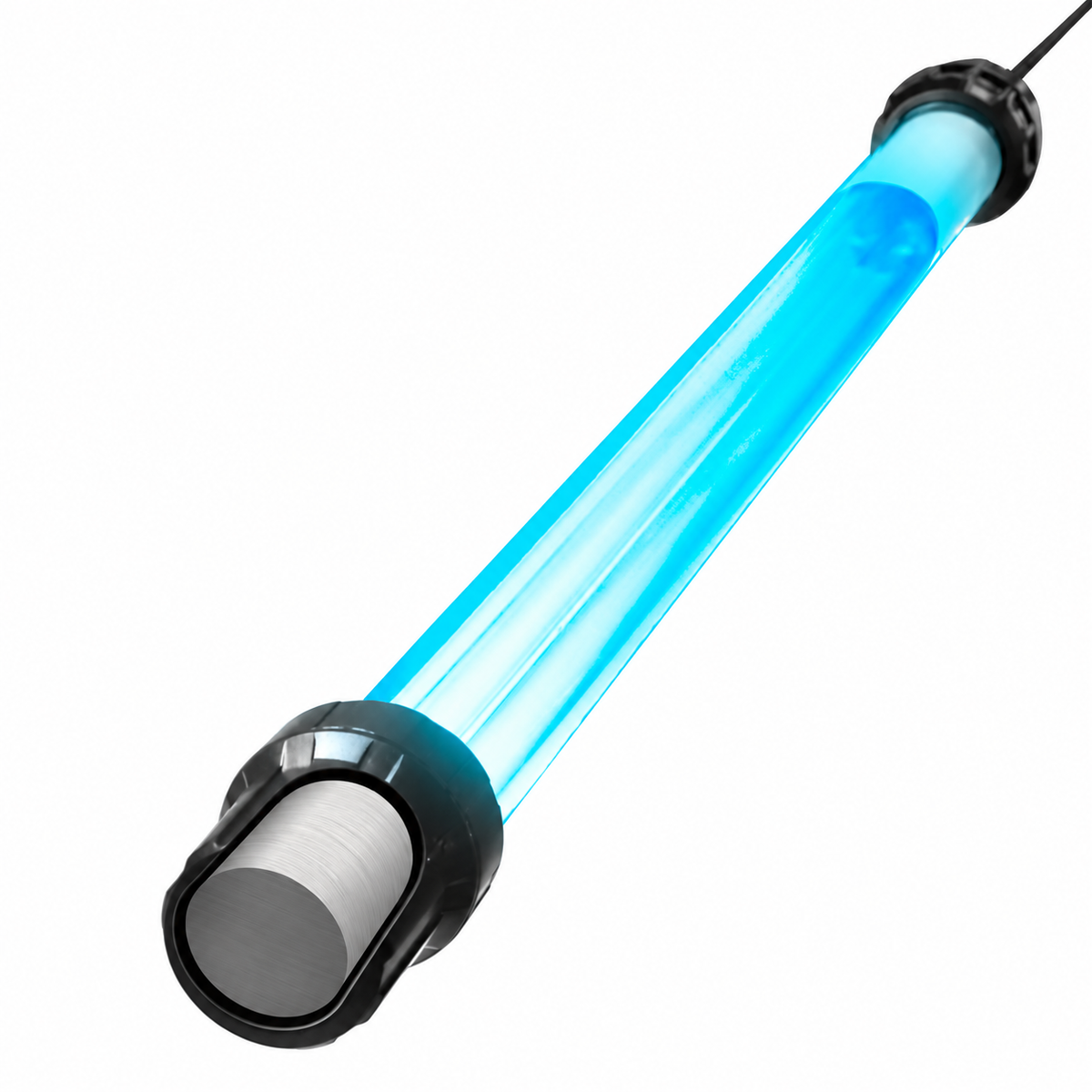
If you keep reptiles, you already know that lighting isn’t decoration—it’s life support. For species like tortoises and geckos, the right UV lamp acts as a “little sun,” powering vitamin D3 synthesis, calcium metabolism, immune function, and natural behavior. The wrong spectrum, distance, or intensity can quietly cause long-term health issues, from metabolic bone disease to eye irritation and chronic stress.
In this in-depth guide, we’ll break down how to choose the right UV spectrum for tortoises and geckos, explain the science behind UVA and UVB, compare desert vs. forest species, and give you practical setup advice for safe, effective reptile lighting.
Why UV Lighting Matters for Reptiles
In the wild, reptiles rely on sunlight for critical biological processes. Sunlight includes:
-
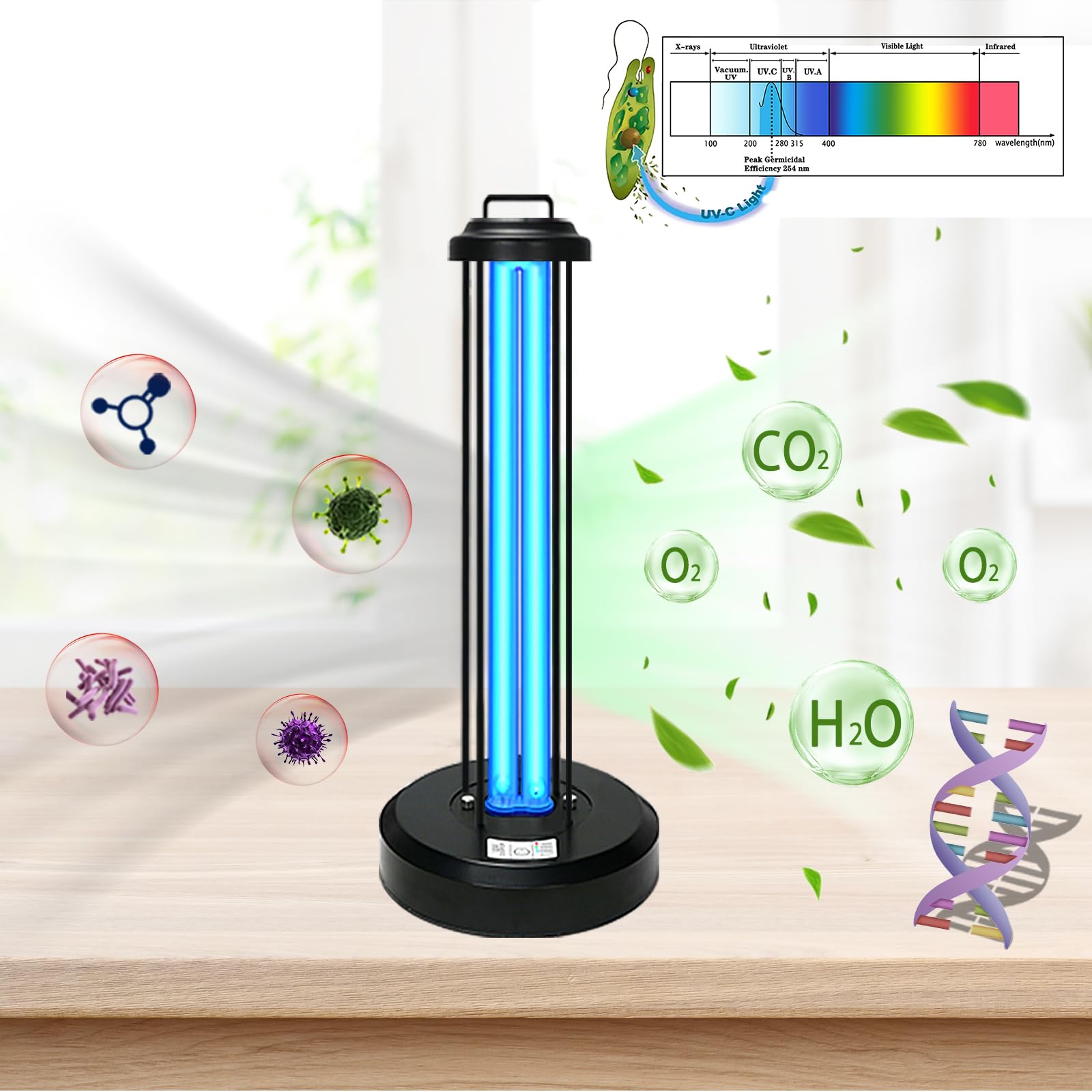
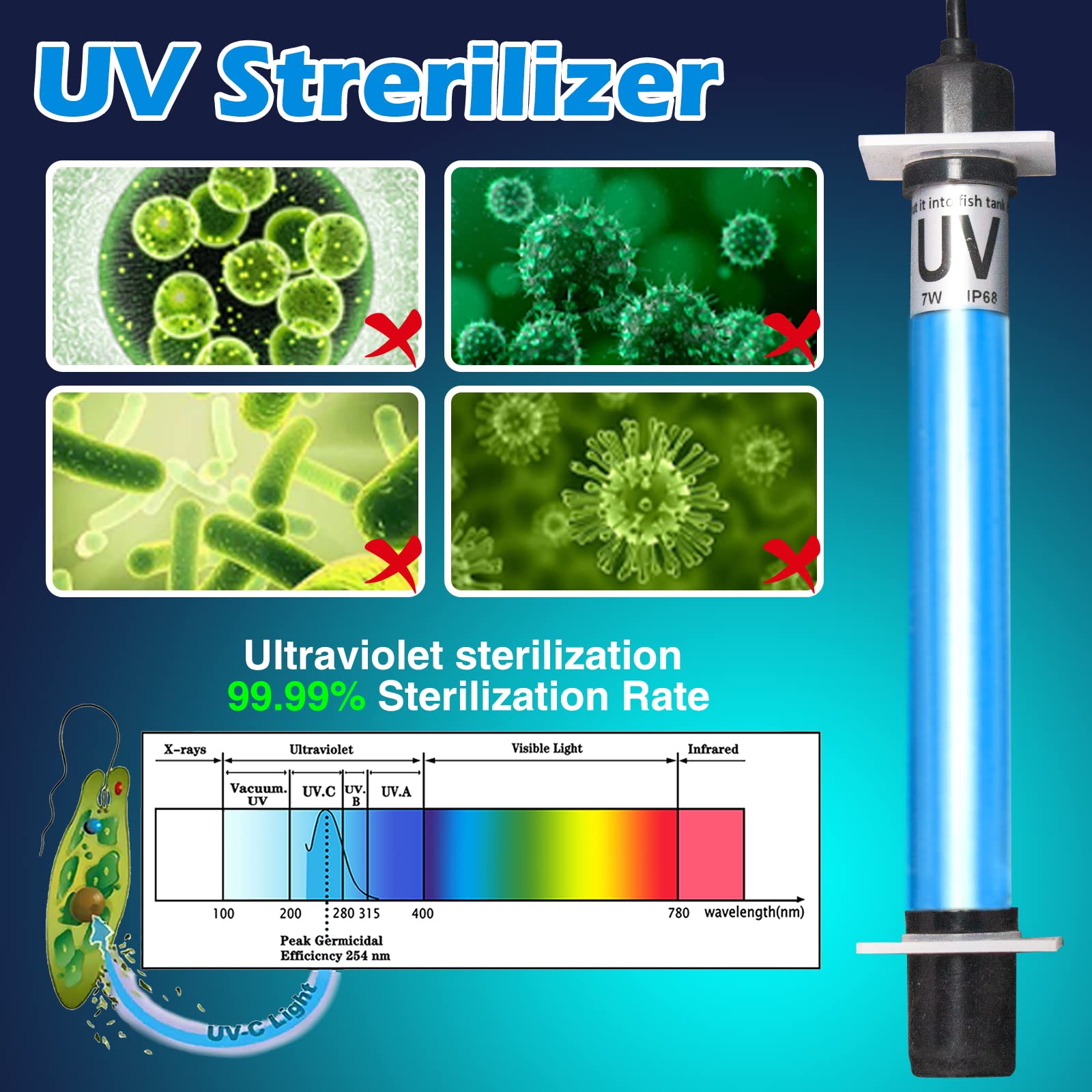
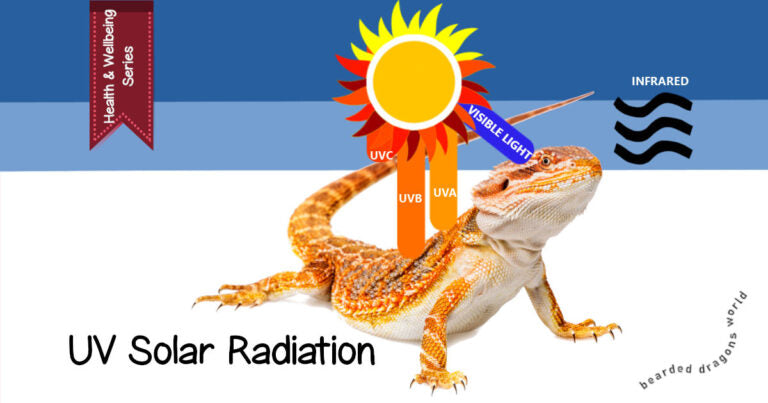
UVA (320–400 nm) – Influences behavior, appetite, mating, and color perception.
-
UVB (280–320 nm) – Enables the skin to synthesize vitamin D3.
-
UVC (100–280 nm) – Dangerous and filtered out by Earth’s atmosphere (never use artificial UVC for reptiles).
Without proper UVB exposure, reptiles can’t properly metabolize calcium—even if you dust their food with supplements. Over time, this leads to Metabolic Bone Disease (MBD), soft shells in tortoises, deformities, lethargy, and even death.
But here’s the key: not all reptiles need the same UV levels.
Understanding Tortoises: High-Sun, High-UV Species
Tortoises are generally diurnal baskers. In nature, many species spend hours under intense sunlight in open habitats.
Popular pet tortoise species include:
-
Russian Tortoise
-
Sulcata Tortoise
-
Greek Tortoise
-
Leopard Tortoise
These species originate from arid or semi-arid regions with strong, consistent UV exposure.
UV Requirements for Tortoises
Tortoises typically fall into high UVB requirement categories (often categorized as Ferguson Zone 3–4 in reptile lighting science).
Recommended UVB Output:
-
10%–14% UVB T5 HO fluorescent tubes
-
Or strong mercury vapor lamps for large enclosures
Ideal UVI (UV Index) at Basking Spot:
-
UVI 3.0–6.0
Why So High?
Tortoises:
-
Have thick shells that demand substantial calcium
-
Spend extended periods basking
-
Evolved under intense desert or grassland sunlight
A weak 5% UVB bulb is usually insufficient for most tortoise species unless mounted extremely close—which can introduce safety issues.
Understanding Geckos: Shade-Loving vs. Basking Types
Geckos are much more diverse. Some are nocturnal and cryptic. Others are semi-diurnal baskers.
Common pet geckos include:
-
Leopard Gecko
-
Crested Gecko
-
Day Gecko
These species have very different lighting needs.
Leopard Geckos: Low but Not Zero UV
Leopard geckos are crepuscular/nocturnal but still benefit from low-level UVB.
Recommended UVB:
-
2%–7% UVB
-
Low-output T5 or compact UVB bulb
Ideal UVI at Basking Area:
-
UVI 0.5–1.5
For years, leopard geckos were kept without UVB and supplemented with oral D3. Modern research shows they self-regulate exposure when provided low, safe UV gradients.
Too much UVB can:
-
Cause eye irritation
-
Trigger avoidance behavior
-
Increase stress
Crested Geckos: Forest Canopy Species
Crested geckos originate from shaded rainforest environments.
Recommended UVB:
-
2%–5% UVB
-
Light filtered through plants or mesh
Target UVI:
-
0.5–1.0
They should have:
-
Heavy foliage
-
Shaded retreat areas
-
Indirect UV access
Strong desert-level UV will overwhelm them.
Day Geckos: High-Exposure Tropical Basking
Day geckos are active daytime reptiles that bask openly.
Recommended UVB:
-
5%–10% UVB
-
T5 HO preferred
Ideal UVI:
-
2.0–3.5
They need more UV than leopard or crested geckos—but still less than tortoises.
Spectrum Breakdown: What to Look for on the Box
When shopping for reptile UV lamps, you’ll typically see labels like:
-
2% UVB
-
5% UVB
-
10% UVB
-
12% UVB
-
14% UVB
This percentage reflects the proportion of UVB emitted relative to total output.
General Guide:
| UVB % | Best For |
|---|---|
| 2–5% | Crested geckos, low-light species |
| 5–7% | Leopard geckos, moderate exposure |
| 10–12% | Most tortoises, bearded dragons |
| 12–14% | Large desert tortoises, outdoor-like setups |
T5 vs. T8 vs. Mercury Vapor
T5 HO Fluorescent Tubes
-
High output
-
More efficient
-
Better UV penetration
-
Ideal for tortoises and day geckos
T8 Fluorescent Tubes
-
Lower output
-
Must be closer to animal
-
Suitable for low-UV species
Mercury Vapor Bulbs (MVB)
-
Provide heat + UVB
-
Strong output
-
Best for large enclosures
-
Not ideal for small gecko tanks
For tortoises, T5 HO or MVB is usually preferred.
For geckos, T5 HO at lower percentages is safest.
Distance Matters More Than You Think
UV intensity decreases rapidly with distance.
Example:
A 10% UVB bulb:
-
At 6 inches: High exposure
-
At 12 inches: Moderate
-
At 18 inches: Low
Always follow manufacturer distance charts.
For tortoises:
-
Basking distance often 12–18 inches (depending on bulb strength)
For geckos:
-
Usually 8–14 inches with lower UV bulbs
Using a Solarmeter 6.5 can help measure actual UVI.
Mesh Screens Reduce UV
Standard terrarium mesh can block 30–50% of UVB.
If your lamp sits on top of a screen:
-
You may need stronger output
-
Or mount inside enclosure (with protective guard)
Tortoise tables often allow open mounting above basking zones.
Gecko tanks typically require careful filtering through mesh and plants.
Creating a Proper UV Gradient
Reptiles must be able to self-regulate.
Every enclosure should provide:
-
High UV basking zone
-
Moderate mid-zone
-
Zero-UV shaded area
Never light the entire enclosure evenly with strong UV.
For tortoises:
-
One strong basking side
-
One cooler, lower UV retreat
For geckos:
-
Heavily planted shaded zones
-
Limited exposed UV patches
Photoperiod: How Long Should UV Be On?
Standard Recommendation:
-
10–12 hours daily
Match seasonal cycles if breeding.
Do not leave UV lights on 24/7.
Use timers for consistency.
Replacing UV Bulbs
Even if a bulb still emits visible light, UVB output degrades over time.
Typical replacement schedule:
-
T5 HO: every 10–12 months
-
T8: every 6–9 months
-
Mercury vapor: every 6–12 months
Testing with a UV meter is ideal.
Signs of Incorrect UV Exposure
Too Little UV:
-
Soft shell (tortoises)
-
Tremors
-
Weak limbs
-
Poor appetite
-
MBD symptoms
Too Much UV:
-
Hiding constantly
-
Closed eyes
-
Skin darkening (stress response)
-
Refusal to bask
Balance is everything.
Outdoor Sun vs. Artificial UV
Nothing matches natural sunlight.
Outdoor supervised exposure is ideal when:
-
Temperature is appropriate
-
Predator risk is controlled
-
Escape-proof enclosure used
However:
-
Glass blocks UVB completely
-
Window sunlight is not sufficient
Indoor UV lamps remain essential.
Quick Reference: Tortoise vs. Gecko UV Comparison
| Feature | Tortoise | Leopard Gecko | Crested Gecko | Day Gecko |
|---|---|---|---|---|
| Activity | Diurnal | Nocturnal | Nocturnal | Diurnal |
| UV Need | High | Low-Moderate | Low | Moderate |
| UVB % | 10–14% | 5–7% | 2–5% | 5–10% |
| UVI | 3–6 | 0.5–1.5 | 0.5–1 | 2–3.5 |
Final Thoughts: One “Little Sun” Does Not Fit All
Choosing the right UV lamp spectrum for your reptile isn’t about buying the strongest bulb—it’s about replicating their natural habitat.
Tortoises thrive under intense, desert-like UV exposure.
Leopard and crested geckos require subtle, filtered UV.
Day geckos need moderate tropical basking light.
When in doubt:
-
Research your species’ native habitat
-
Provide gradients
-
Measure if possible
-
Avoid extremes
The right UV setup supports bone health, natural behavior, appetite, and longevity. With proper lighting, your reptile’s “little sun” becomes the foundation of a thriving, healthy life.
If you’d like, I can also create a version optimized for product pages, Amazon listings, or educational reptile brand content.