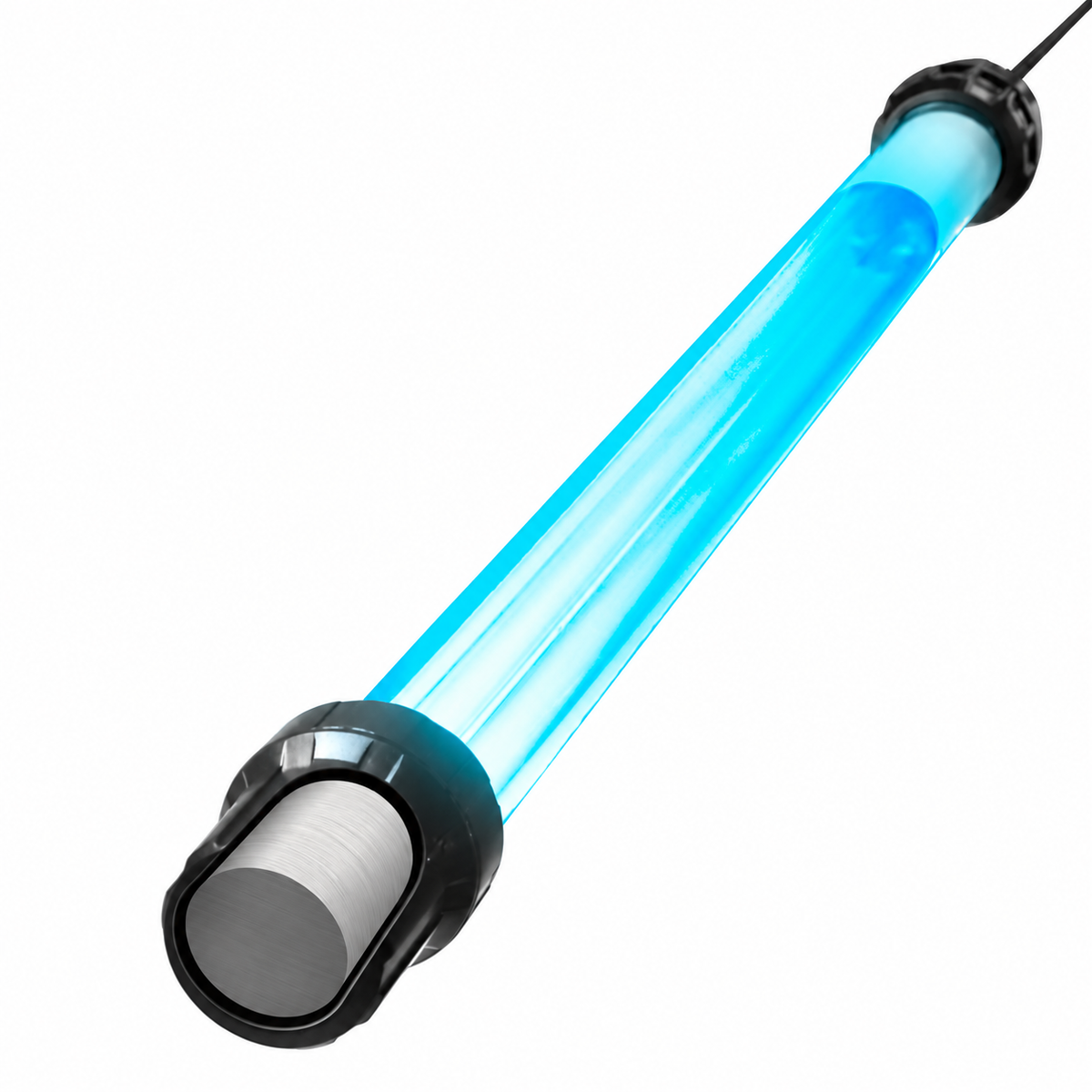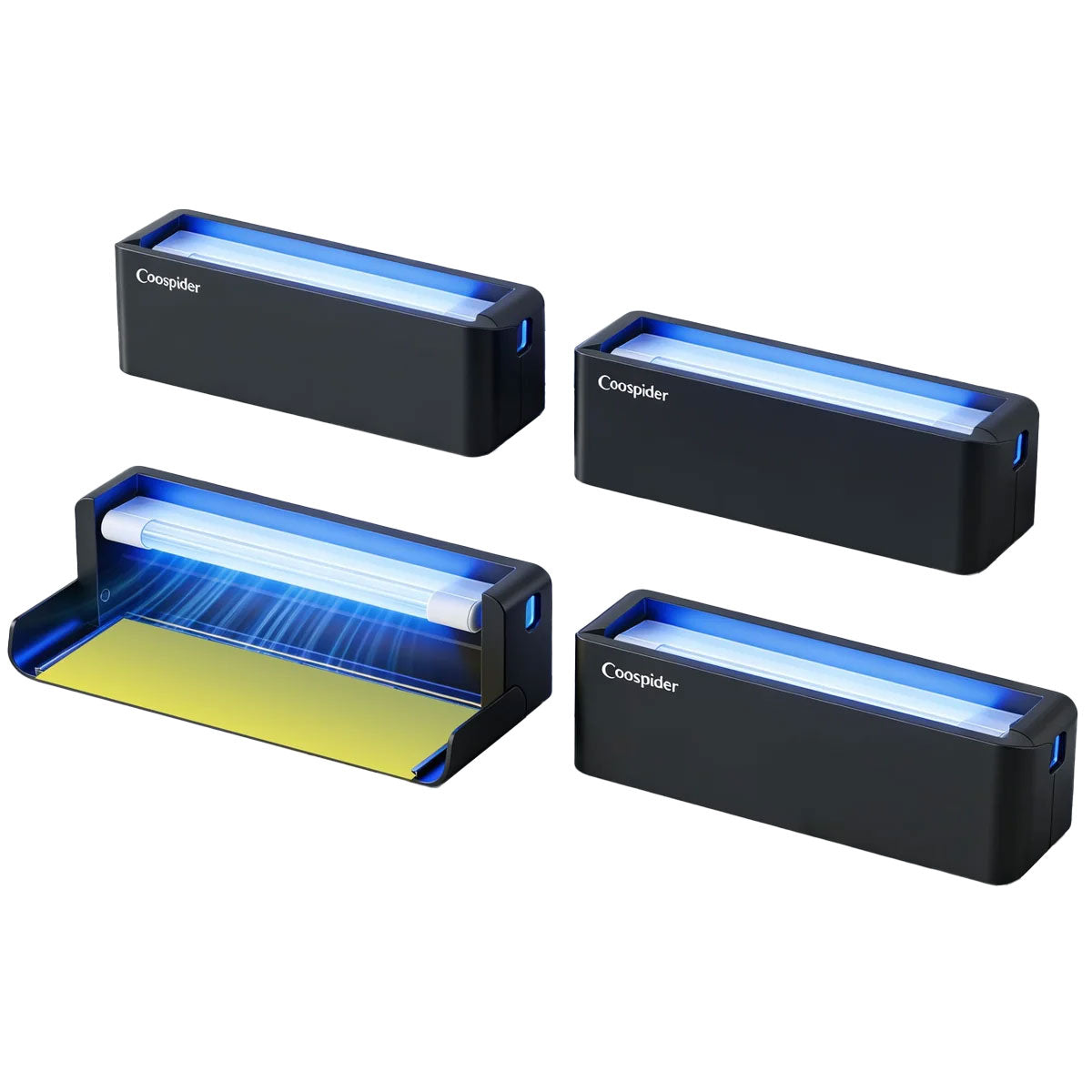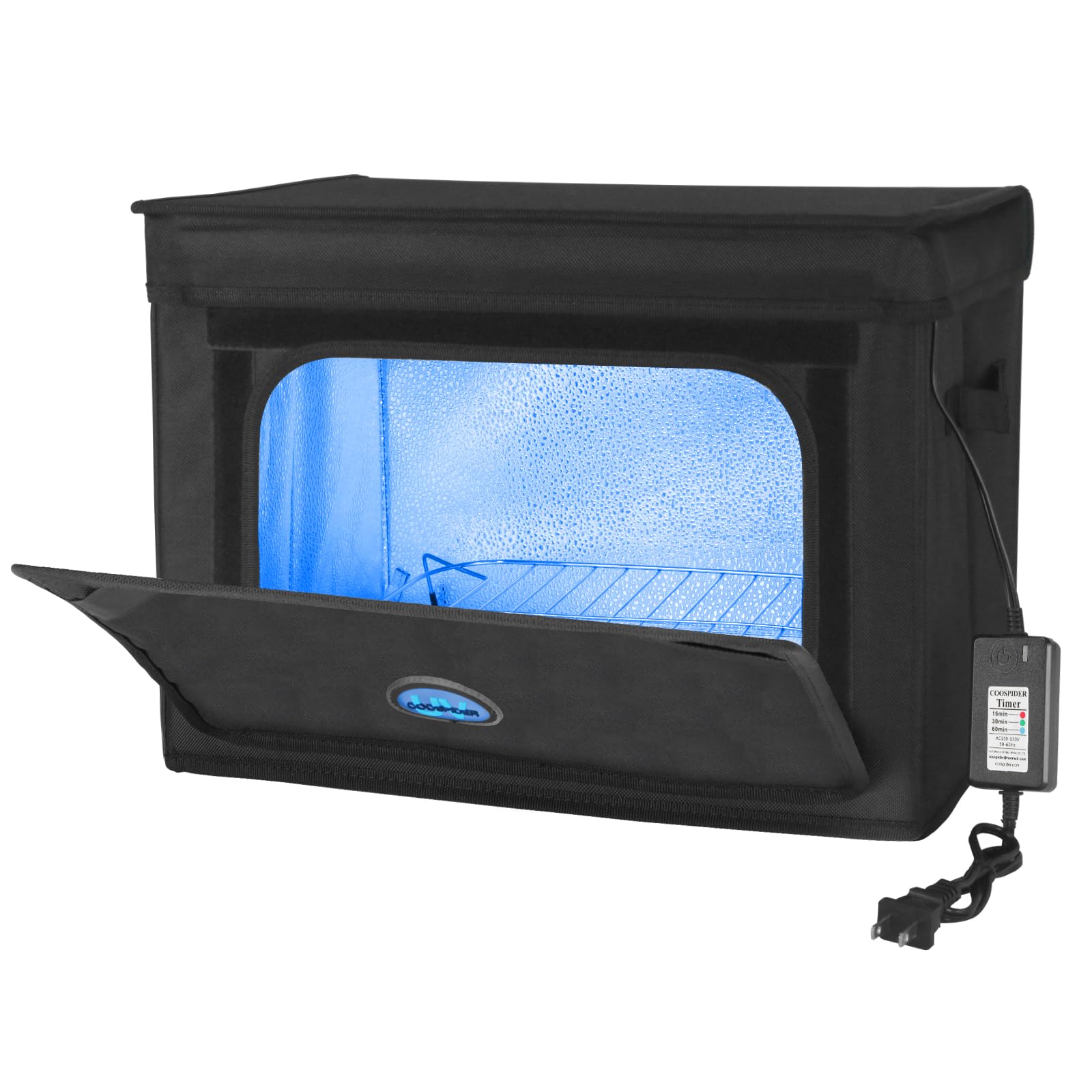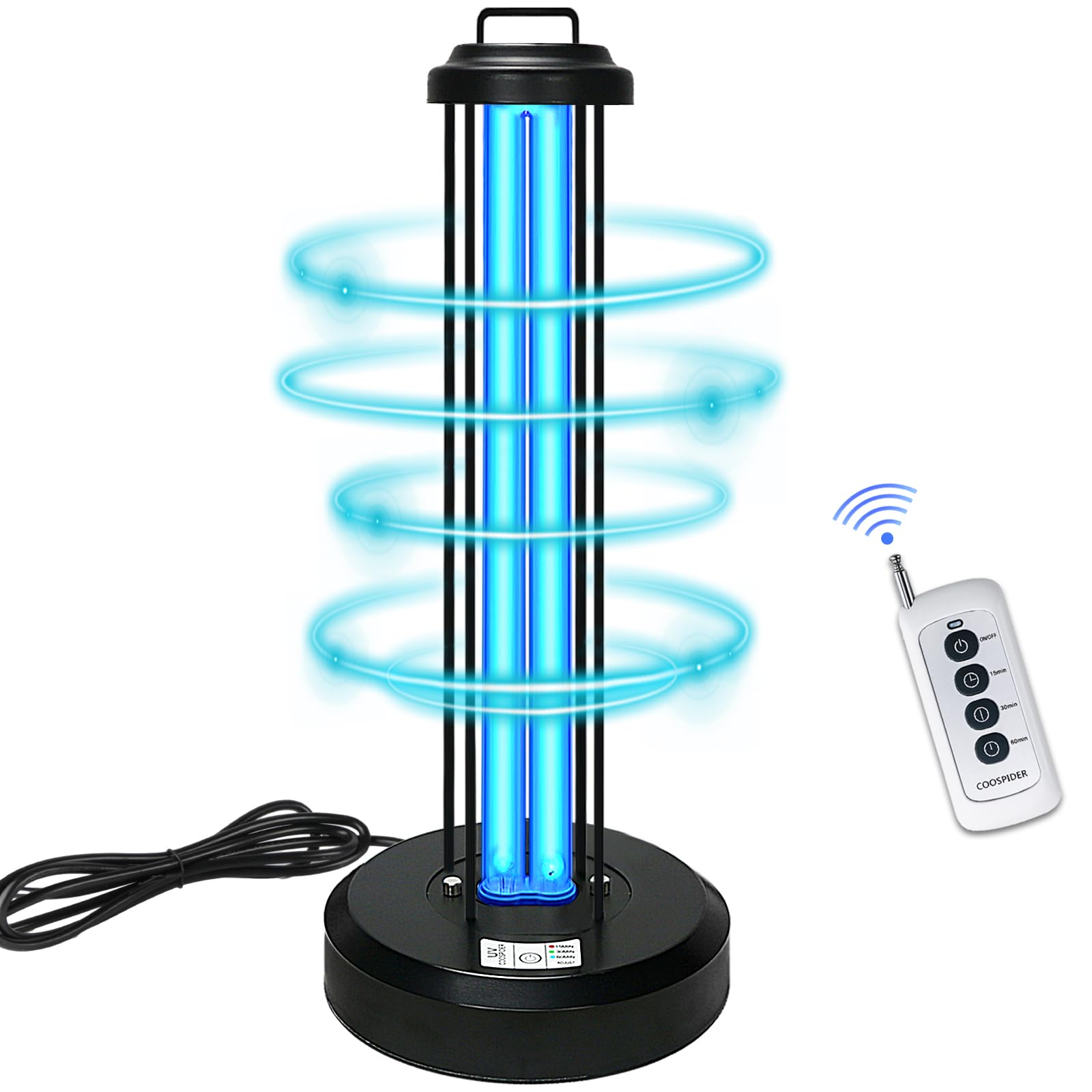
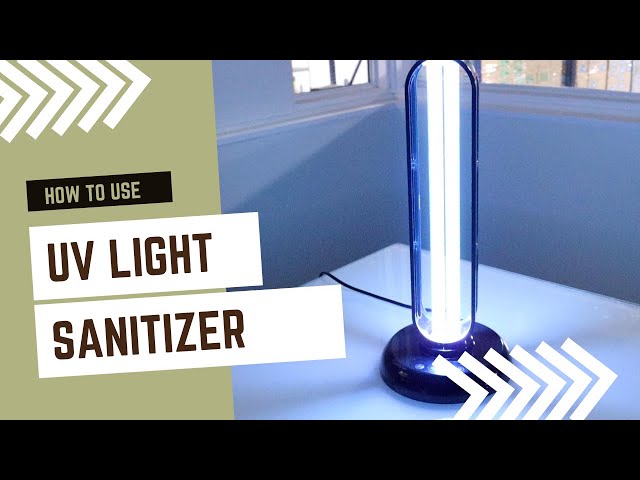
Ultraviolet (UV) disinfection lamps have become increasingly popular in homes, especially in the wake of heightened awareness around hygiene, indoor air quality, and surface sanitation. From kitchens and bathrooms to baby rooms and pet areas, many households are turning to UV light devices to help reduce bacteria, viruses, mold, and odors.
But here’s the uncomfortable truth: a large percentage of home users are using UV lamps incorrectly.
They overexpose surfaces.
They underexpose surfaces.
They buy the wrong wavelength.
They ignore safety guidelines.
They leave lamps on far longer than necessary.
The result? Wasted electricity, ineffective disinfection, shortened lamp lifespan, and potential safety risks.
If you want your home UV sterilization lamp to actually work—and work efficiently—this comprehensive guide will walk you through everything you need to know.
Understanding UV Light: Not All UV Is the Same
Before discussing proper use, you need to understand what kind of UV light you’re dealing with.
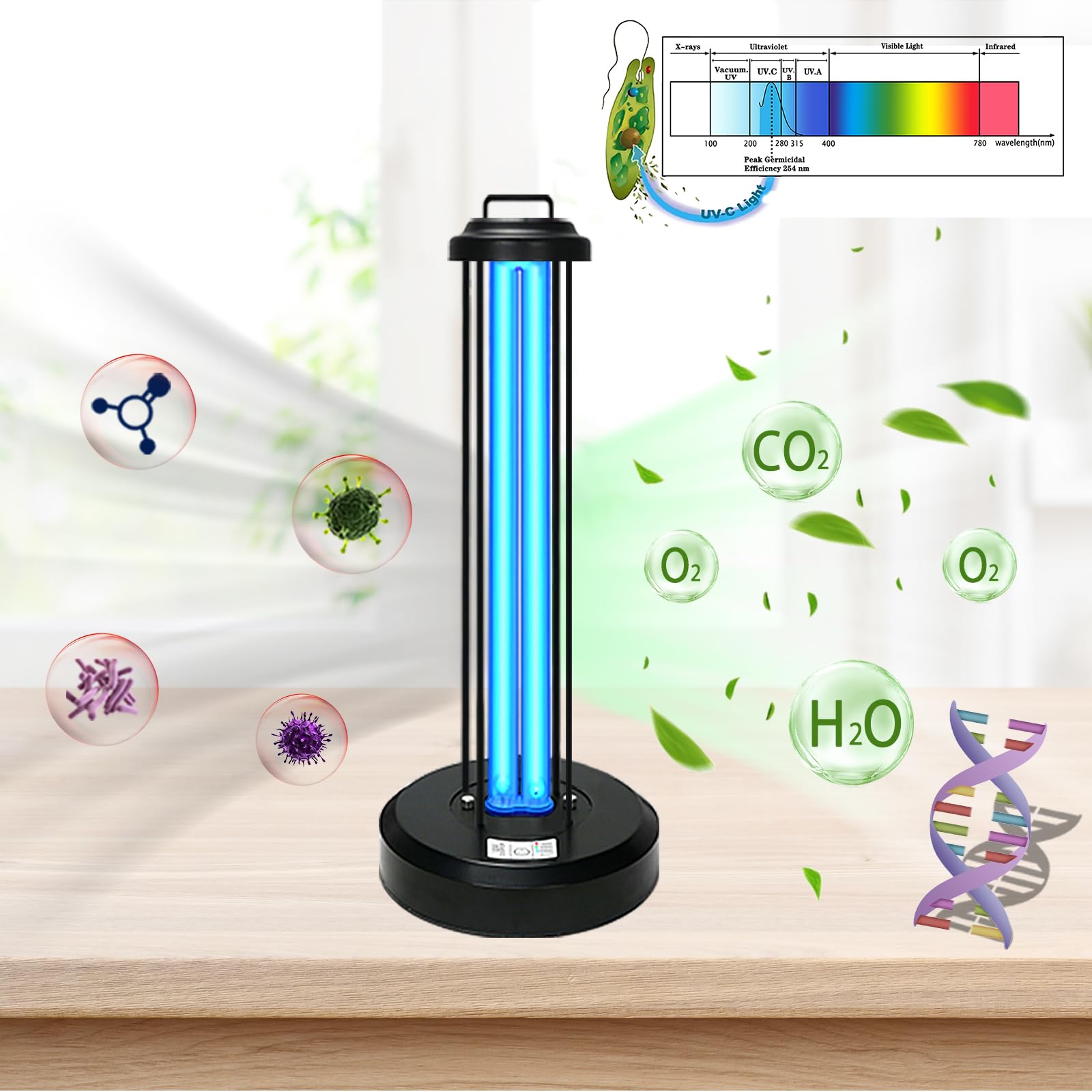
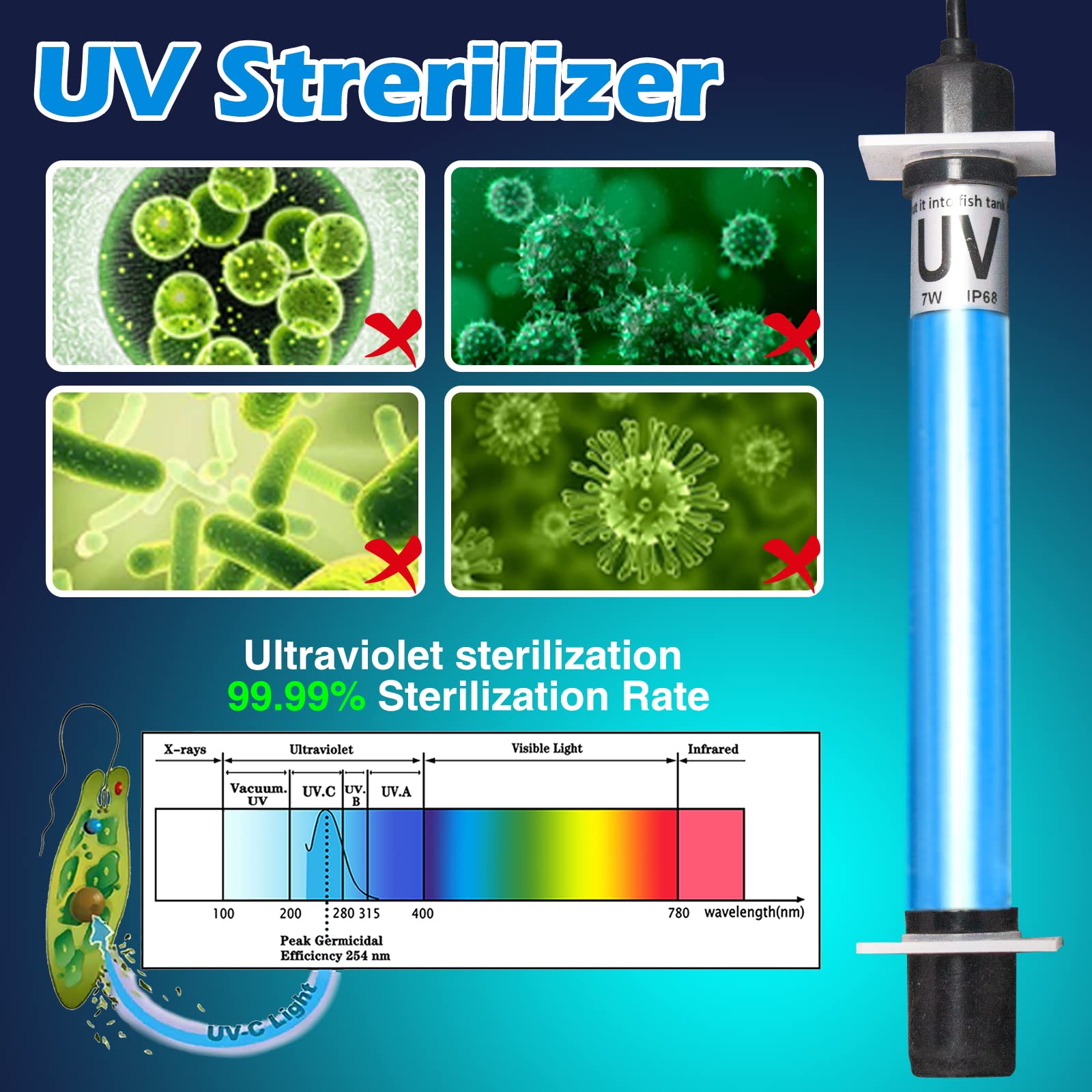
Ultraviolet light falls into three main categories:
-
UVA (315–400 nm) – Common in tanning and black lights
-
UVB (280–315 nm) – Responsible for sunburn
-
UVC (100–280 nm) – Germicidal wavelength
For disinfection purposes, UVC light, particularly around 254 nm, is what inactivates microorganisms by damaging their DNA or RNA.
If your lamp isn’t emitting germicidal UVC wavelengths, it won’t disinfect effectively—no matter how long you run it.
Mistake #1: Buying the Wrong Type of UV Lamp
Many people purchase UV lamps online without verifying:
-
Actual wavelength output
-
Certified germicidal performance
-
Real power rating
-
Ozone generation levels
What to Look For in a Home UV Disinfection Lamp
-
Clearly labeled 254 nm (traditional germicidal UVC)
-
Quartz glass tube (for proper UVC transmission)
-
Rated wattage appropriate for room size
-
Safety shut-off or timer
-
Manufacturer testing or certification
If you’re using decorative UV lighting or “purple glow” bulbs designed for aesthetic purposes, they are not disinfecting your space.
Mistake #2: Running the Lamp for Too Long
One of the biggest myths is:
“The longer I leave it on, the better the disinfection.”
This is false—and expensive.
UVC disinfection is based on dose, which equals:
Intensity × Time
If the lamp provides adequate intensity at the proper distance, most household surface disinfection can be achieved in 15 to 60 minutes, depending on room size and power.
Running a UV lamp for 3–4 hours daily:
-
Wastes electricity
-
Shortens bulb lifespan
-
Increases ozone exposure risk
-
Does not significantly improve sterilization beyond the required dose
Most residential rooms do not require multi-hour exposure.
Mistake #3: Ignoring Distance and Coverage
UVC intensity drops dramatically with distance due to the inverse square law.
That means:
If you double the distance from the lamp, the intensity drops to one-quarter.
What This Means for You
If your lamp is:
-
Placed in the corner of a large room
-
Positioned too high above surfaces
-
Blocked by furniture
You may not be disinfecting key areas at all.
Best Practices for Proper Placement
-
Position the lamp centrally in the room
-
Elevate it to allow light dispersion
-
Ensure direct line-of-sight exposure
-
Avoid shadowed surfaces
Remember: UV light does not bend around objects. Anything in shadow is not disinfected.
Mistake #4: Using UV on Dirty Surfaces
UV light is not magic.
It cannot penetrate:
-
Dust layers
-
Food residue
-
Grease
-
Thick biofilms
If surfaces are visibly dirty, UV disinfection will be significantly less effective.
Correct Process
-
Clean surfaces first with appropriate detergent
-
Allow surfaces to dry
-
Then apply UV sterilization
Pre-cleaning dramatically improves microbial reduction.
Mistake #5: Not Understanding Ozone vs Ozone-Free Lamps
Some UV lamps produce ozone (typically those emitting around 185 nm). Ozone can:
-
Help reduce odors
-
Penetrate crevices
-
Improve air disinfection
However, ozone can also:
-
Irritate lungs
-
Damage rubber materials
-
Require ventilation before reentry
When to Choose Ozone-Free
-
Bedrooms
-
Nurseries
-
Pet rooms
-
Small enclosed apartments
When Ozone May Be Useful
-
Unoccupied storage areas
-
Trash rooms
-
Basements with mold odors
Always ventilate after ozone-generating UV use.
Mistake #6: Staying in the Room During Operation
Direct UVC exposure can damage:
-
Eyes (photokeratitis)
-
Skin (burn-like symptoms)
Never remain in a room with an active conventional UVC lamp unless it is specifically designed as an enclosed system.
Safe Usage Checklist
-
Leave the room before turning on the lamp
-
Use remote control or timer
-
Place warning signage if necessary
-
Keep pets out of the area
-
Ventilate afterward if ozone is produced
Safety should never be compromised for convenience.
Mistake #7: Ignoring Lamp Aging
UVC bulbs degrade over time—even if they still light up.
After 6,000–9,000 hours of use (depending on model), UVC output may drop significantly.
The lamp might still glow blue—but its germicidal power is reduced.
How to Avoid Ineffective Aging
-
Track total usage hours
-
Replace bulbs according to manufacturer recommendations
-
Avoid frequent on/off cycling (which shortens lifespan)
An aging bulb wastes electricity while delivering weak disinfection.
Mistake #8: Overusing UV for Everyday Cleaning
UV disinfection is powerful—but it’s not a substitute for regular hygiene.
You do not need to:
-
Sterilize your living room daily
-
Run UV lamps every night in all rooms
-
Disinfect already-clean areas repeatedly
Overuse:
-
Increases electricity bills
-
Degrades materials over time
-
Provides diminishing returns
Use UV strategically:
-
During illness in the household
-
After gatherings
-
For high-risk environments
-
For periodic deep disinfection
Mistake #9: Using UV on UV-Sensitive Materials
Prolonged UVC exposure can degrade:
-
Plastics
-
Rubber
-
Fabrics
-
Artwork
-
Wood finishes
If you run high-powered UV lamps frequently in furnished rooms, you may accelerate material aging.
Smart Strategy
-
Remove delicate items
-
Use lower wattage in furnished spaces
-
Limit exposure duration
Balance sanitation with material preservation.
Room-by-Room Proper UV Usage Guide
Bedroom
-
Duration: 20–30 minutes
-
Frequency: Weekly or after illness
-
Ozone-free recommended
-
Remove pets and houseplants
Kitchen
-
Clean surfaces first
-
15–30 minutes for countertops and air
-
Avoid direct exposure to food
Bathroom
-
20–40 minutes depending on size
-
Effective for mold prevention
-
Ensure ventilation
Baby Room
-
Only ozone-free lamps
-
Strict no-entry during operation
-
Moderate exposure time
Pet Areas
-
Remove animals before use
-
Ozone-free preferred
-
Focus on bedding areas
Energy Efficiency: How to Avoid Wasting Electricity
Use Timers
A built-in timer prevents overexposure and unnecessary runtime.
Choose Correct Wattage
Too powerful = wasteful
Too weak = ineffective
Match wattage to room volume.
Calculate Room Size
Example:
-
Small room (100 sq ft): 15–30W
-
Medium room (200–300 sq ft): 30–60W
-
Large room: higher wattage or multiple units
Avoid Daily Use
Strategic weekly use is typically sufficient for most homes.
When UV Disinfection Makes the Most Sense
UV lamps are especially useful for:
-
Flu season
-
Mold-prone environments
-
High-humidity climates
-
Homes with immunocompromised individuals
-
Pet-heavy households
They are less necessary for low-traffic, well-ventilated spaces.
UV Lamps vs Other Disinfection Methods
UV Advantages
-
Chemical-free
-
No residue
-
Quick cycle times
-
Broad-spectrum microbial inactivation
UV Limitations
-
Line-of-sight requirement
-
Cannot remove dirt
-
Requires empty room
-
Bulb degradation over time
The most effective sanitation strategy combines:
-
Regular cleaning
-
Ventilation
-
UV disinfection as supplemental control
Smart Features Worth Investing In
Modern UV disinfection lamps may include:
-
Motion sensors
-
Remote control activation
-
Smart scheduling
-
Auto shut-off
-
Ozone control modes
These features improve safety and reduce misuse.
Signs You’re Using Your UV Lamp Correctly
-
You clean before disinfecting
-
You run it for recommended time only
-
You leave the room during operation
-
You ventilate if ozone is present
-
You replace bulbs on schedule
-
You don’t overuse it unnecessarily
If all of the above apply, you’re maximizing effectiveness without wasting electricity.
Final Thoughts: Disinfect Smarter, Not Harder
UV disinfection lamps can be powerful tools for improving home hygiene—but only when used correctly.
Misuse leads to:
-
Higher electricity bills
-
False sense of security
-
Reduced lamp lifespan
-
Safety risks
Proper UV lamp usage requires understanding:
-
Wavelength
-
Intensity
-
Exposure time
-
Distance
-
Safety precautions
-
Maintenance cycles
When used strategically, UV sterilization provides efficient, chemical-free disinfection that enhances your home environment without excess cost or unnecessary exposure.
The goal is not to sterilize your home constantly—it’s to apply UV light thoughtfully, effectively, and safely.
Stop overusing it.
Stop underusing it.
Stop wasting power.
Start disinfecting the right way.