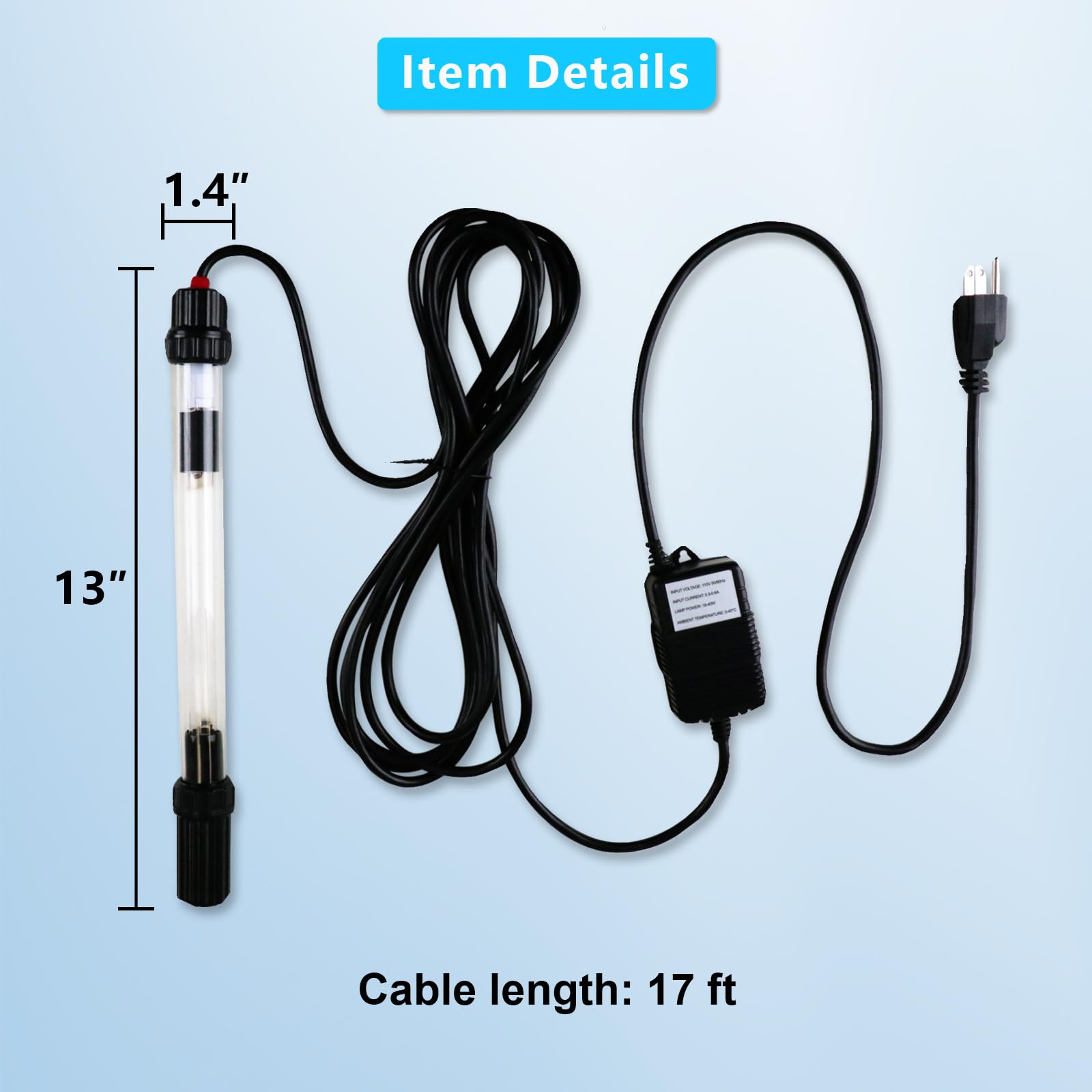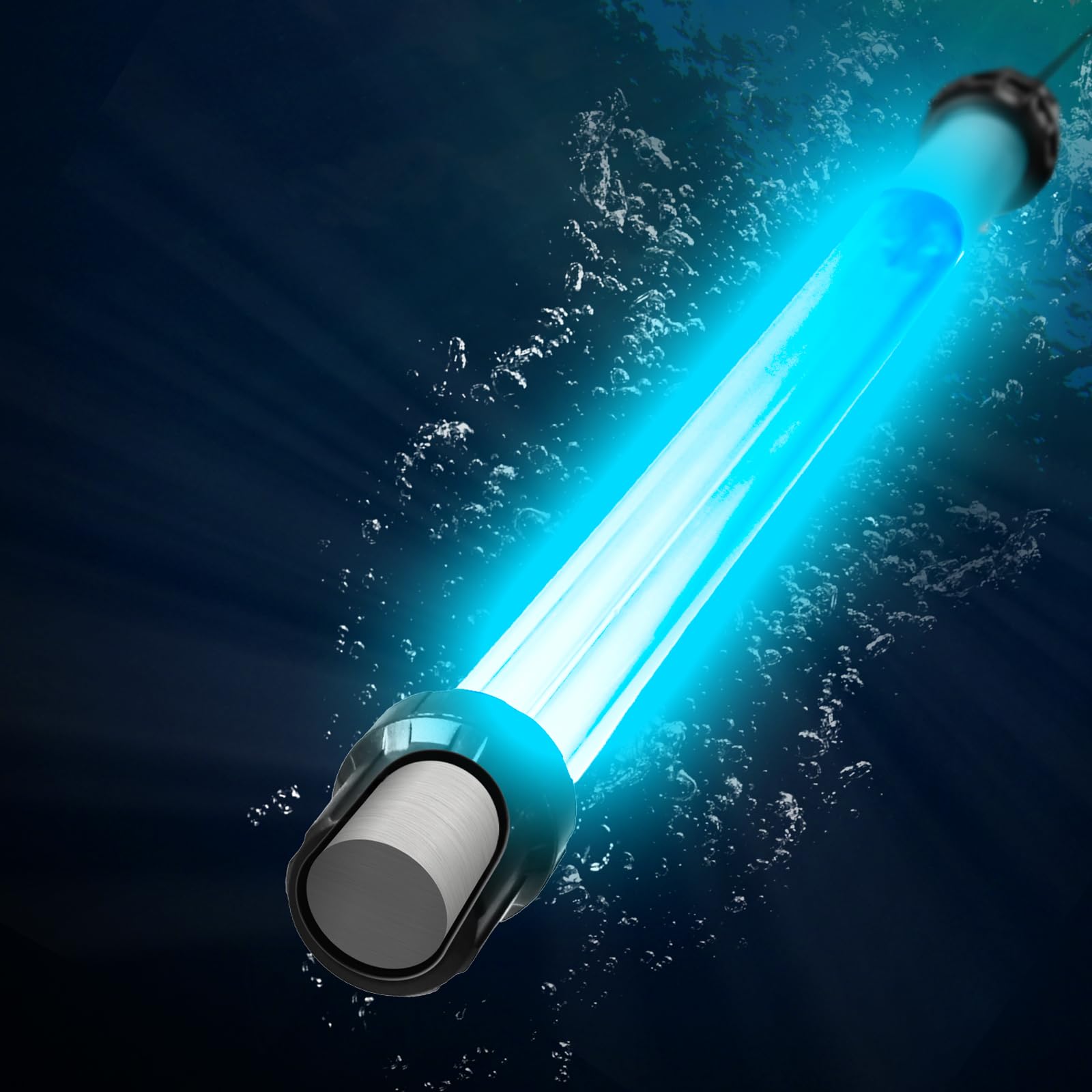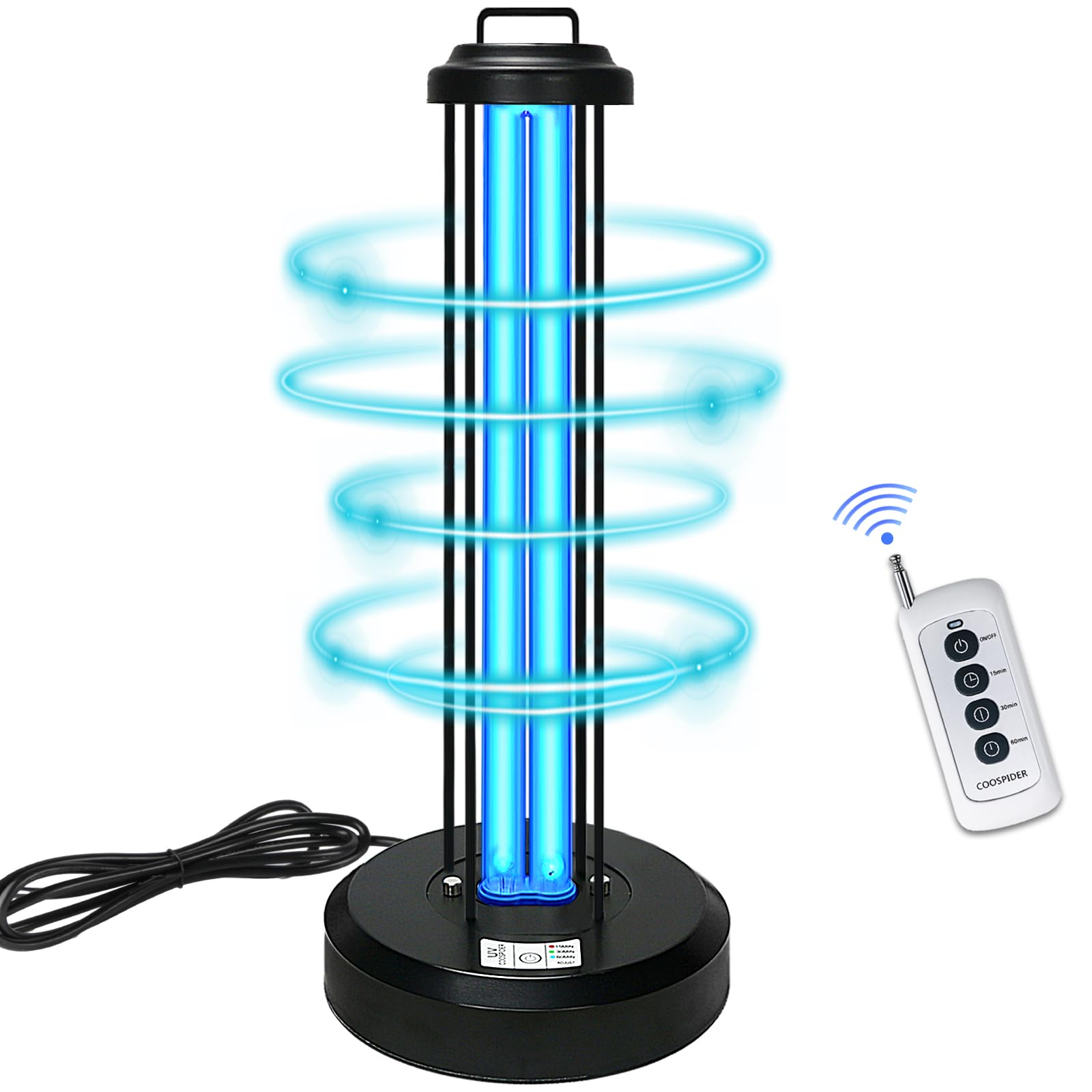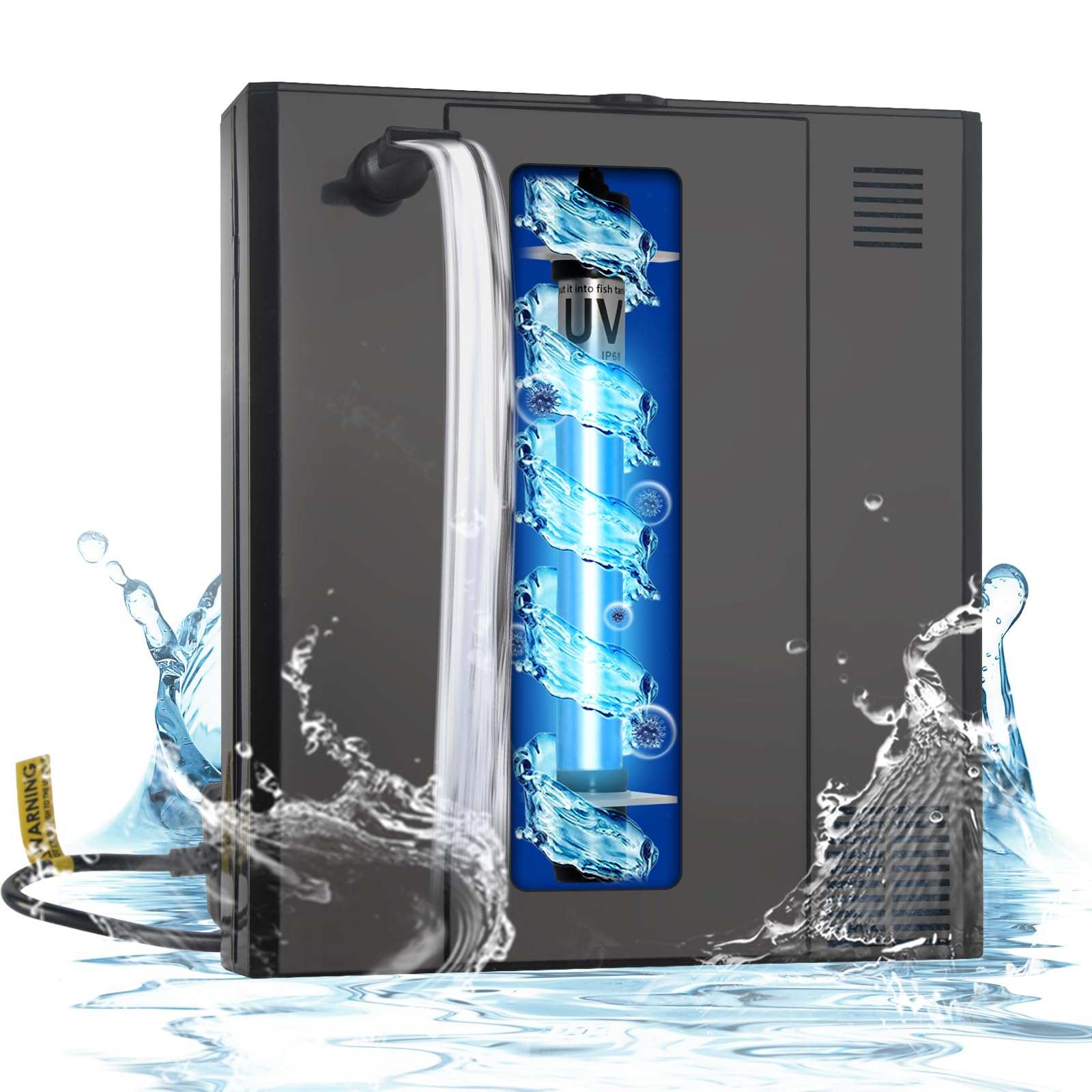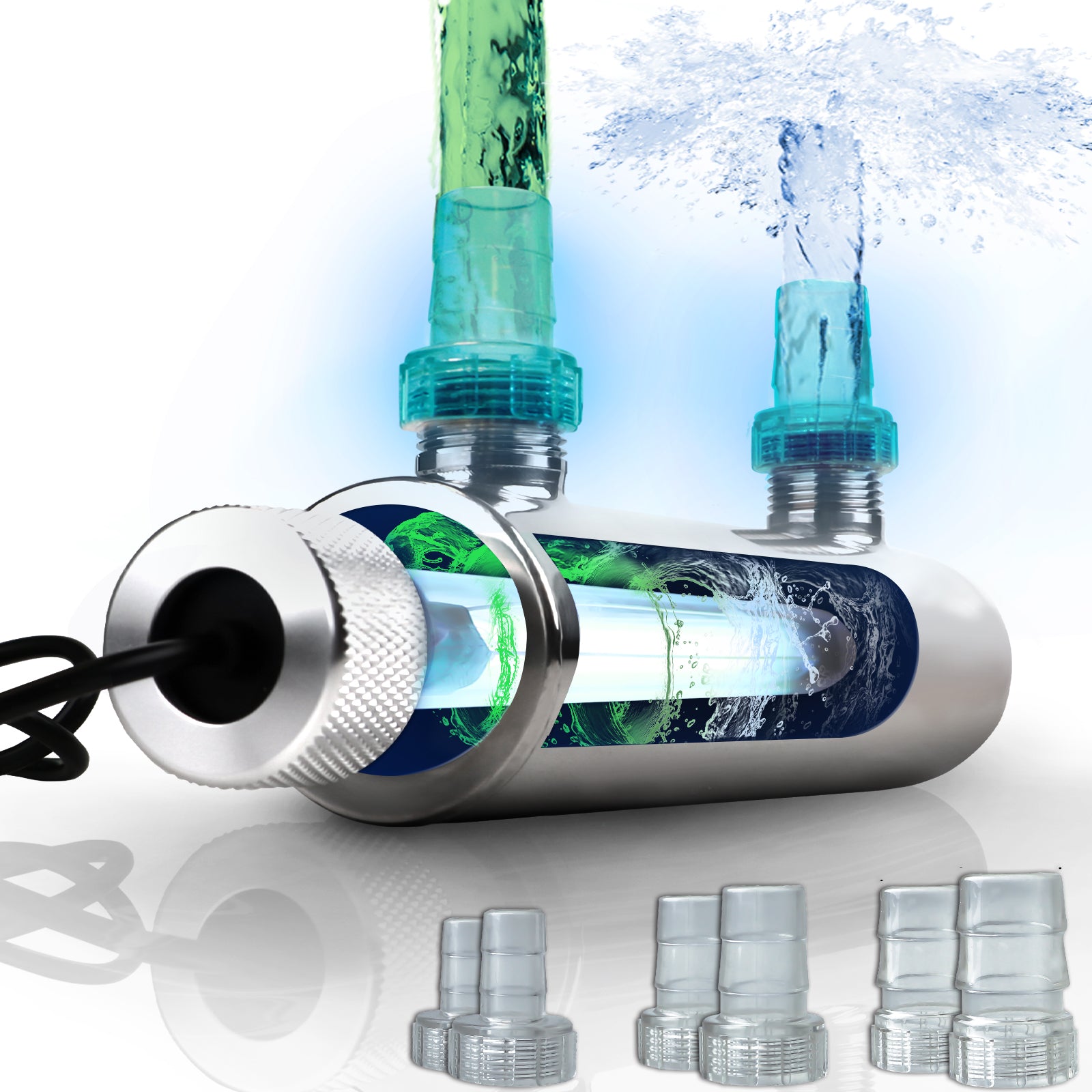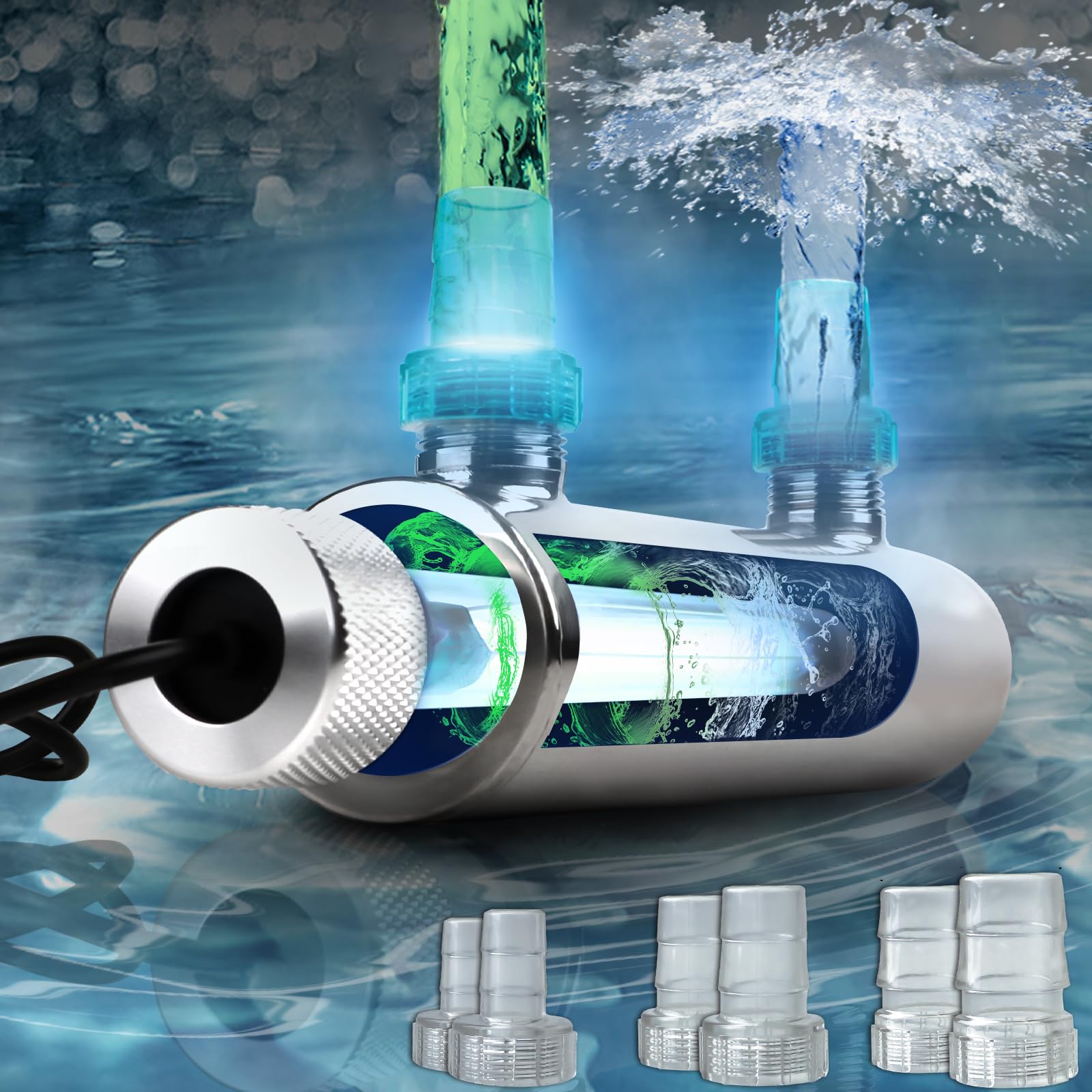
As concerns about hygiene, indoor air quality, and environmental safety continue to grow, UV sterilization lamps have become increasingly popular in homes, healthcare facilities, schools, offices, laboratories, factories, and commercial buildings. These powerful disinfection devices offer a chemical-free way to reduce harmful microorganisms, helping create cleaner and healthier environments.
However, not all UV sterilization lamps are created equal. The market is filled with products that vary dramatically in technology, safety, efficiency, durability, and performance. Choosing the wrong UV lamp can lead to poor sterilization results, unnecessary expenses, or even serious safety risks.
If you're considering purchasing a UV sterilization lamp, understanding what truly matters before making your decision is essential.
This guide explains everything you need to know about selecting the right UV sterilization lamp while avoiding the most common buying mistakes.
Understanding How UV Sterilization Works
Before comparing products, it's helpful to understand the science behind UV disinfection.
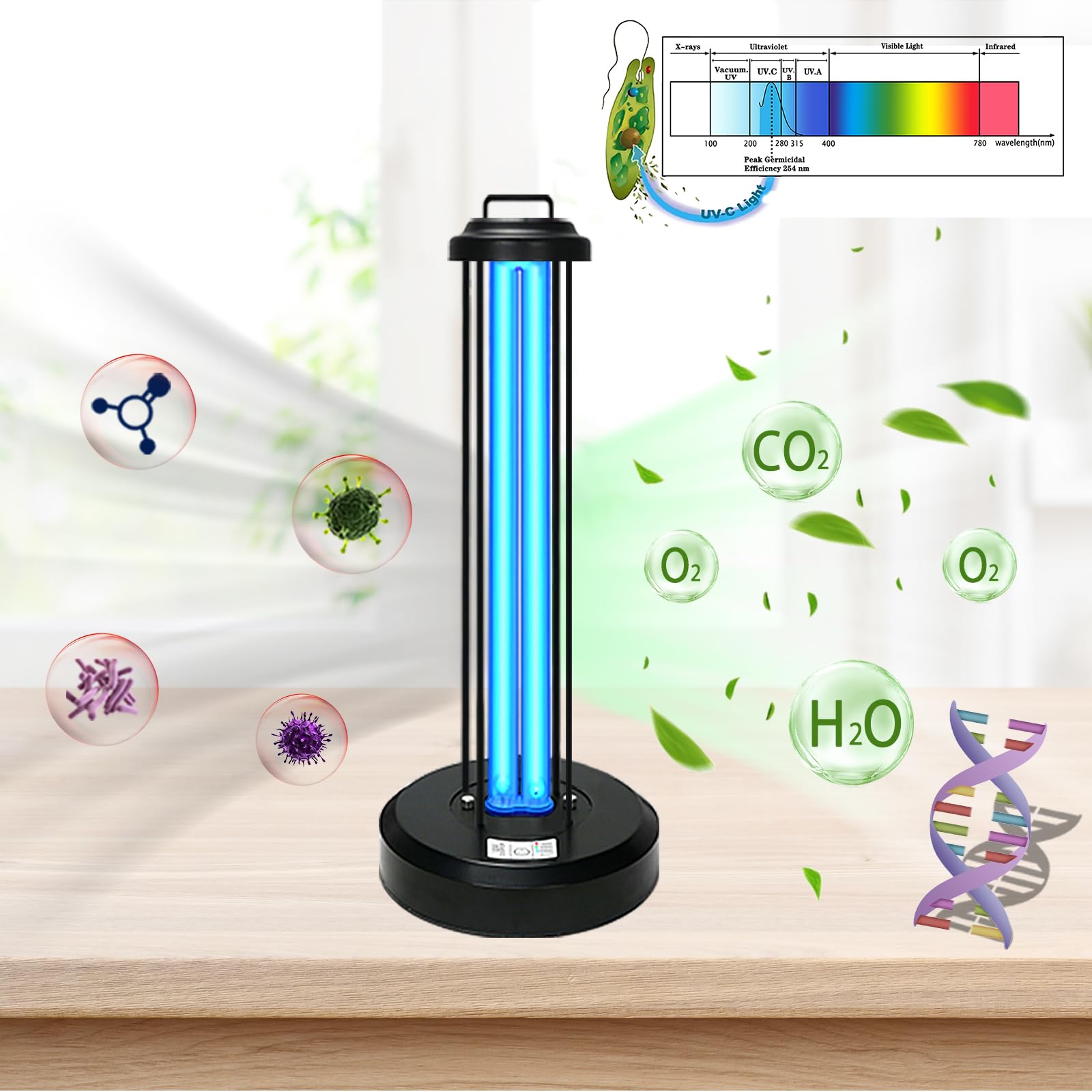
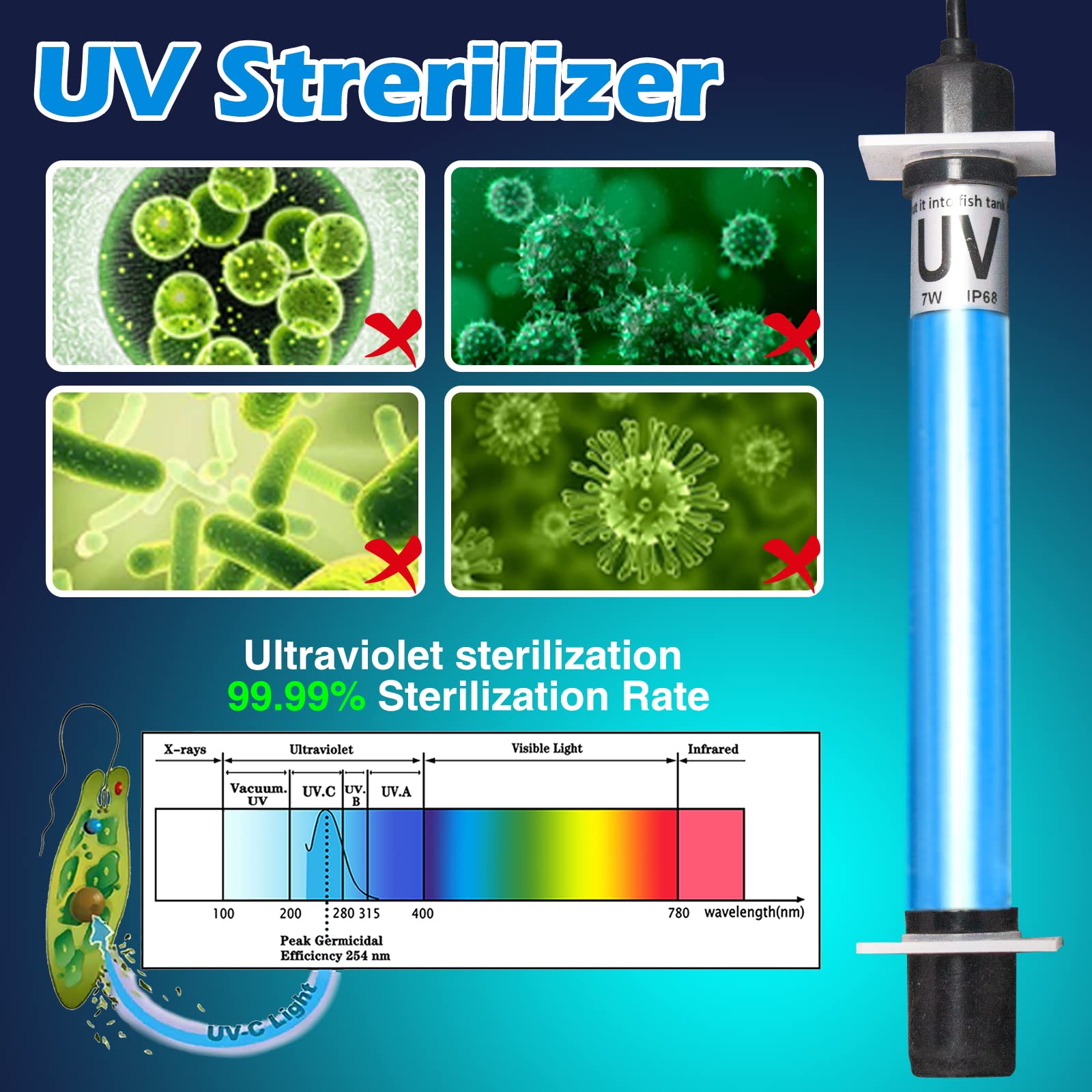
Ultraviolet light is part of the electromagnetic spectrum, positioned between visible light and X-rays. Different UV wavelengths serve different purposes.
The three primary categories include:
-
UVA (315–400 nm)
-
UVB (280–315 nm)
-
UVC (200–280 nm)
Among them, UVC is the most effective for destroying microorganisms.
UVC light damages the DNA and RNA of bacteria, viruses, mold spores, fungi, and other pathogens, preventing them from reproducing. Once microorganisms lose their ability to replicate, they become inactive and no longer pose the same contamination risk.
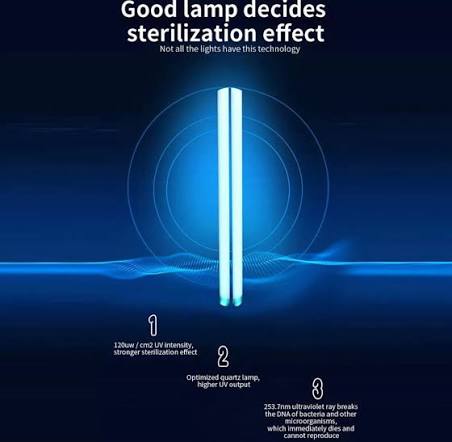
Many modern sterilization lamps operate around 254 nm, which has long been recognized as highly effective for microbial inactivation. Newer technologies may also utilize far-UVC wavelengths under carefully controlled applications.
Why UV Sterilization Lamps Are Becoming More Popular
The demand for UV sterilization technology has expanded rapidly across many industries.
Common applications include:
-
Home air purification
-
HVAC systems
-
Hospitals
-
Dental clinics
-
Laboratories
-
Food processing plants
-
Pharmaceutical manufacturing
-
Schools
-
Hotels
-
Public transportation
-
Warehouses
-
Water treatment systems
Unlike chemical disinfectants, UV light leaves no residue, requires no drying time, and does not introduce additional chemicals into the environment.
When properly installed and operated, UV sterilization offers an efficient, environmentally friendly disinfection solution.
Common Buying Mistake #1: Assuming Higher Wattage Means Better Sterilization
One of the biggest misconceptions is believing that higher wattage automatically means stronger sterilization.
In reality, wattage only measures power consumption.
Actual disinfection performance depends on several factors, including:
-
UVC output
-
Irradiance
-
Exposure time
-
Distance from the target
-
Lamp design
-
Reflector efficiency
-
Airflow speed (for air sterilizers)
A well-engineered lower-wattage lamp can outperform a poorly designed higher-wattage model.
Always look beyond wattage specifications.
Common Buying Mistake #2: Ignoring the UV Wavelength
Not every UV lamp produces germicidal wavelengths.
Some inexpensive products primarily emit UVA, which is commonly used for:
-
Decorative lighting
-
Black lights
-
Nail curing
-
Insect attraction
These lamps provide little sterilization capability.
For effective microbial control, verify that the lamp emits germicidal UVC wavelengths appropriate for disinfection.
Reputable manufacturers clearly specify wavelength information in product documentation.
Common Buying Mistake #3: Buying Based Only on Price
Everyone appreciates saving money, but choosing the cheapest UV sterilization lamp often leads to disappointment.
Low-cost products may suffer from:
-
Weak UV intensity
-
Poor manufacturing quality
-
Short operating lifespan
-
Inferior ballasts
-
Inaccurate specifications
-
Low-quality quartz glass
-
Inconsistent performance
A higher-quality UV sterilization lamp generally delivers:
-
Better reliability
-
Longer service life
-
Stable UV output
-
Improved safety
-
Lower long-term operating costs
Rather than focusing solely on upfront cost, evaluate total value over the lamp's lifetime.
Common Buying Mistake #4: Overlooking Safety Features
Because UVC light can damage skin and eyes, safety should always be a priority.
Look for products equipped with features such as:
-
Motion sensors
-
Automatic shutoff
-
Remote control operation
-
Delayed start timers
-
Safety interlocks
-
Protective housing
-
Warning indicators
These features help minimize accidental exposure and improve user confidence.
Never operate an exposed UVC lamp in occupied spaces unless it is specifically designed and certified for safe use.
Common Buying Mistake #5: Choosing the Wrong Lamp Type
UV sterilization lamps come in several configurations.
Each serves different applications.
Common options include:
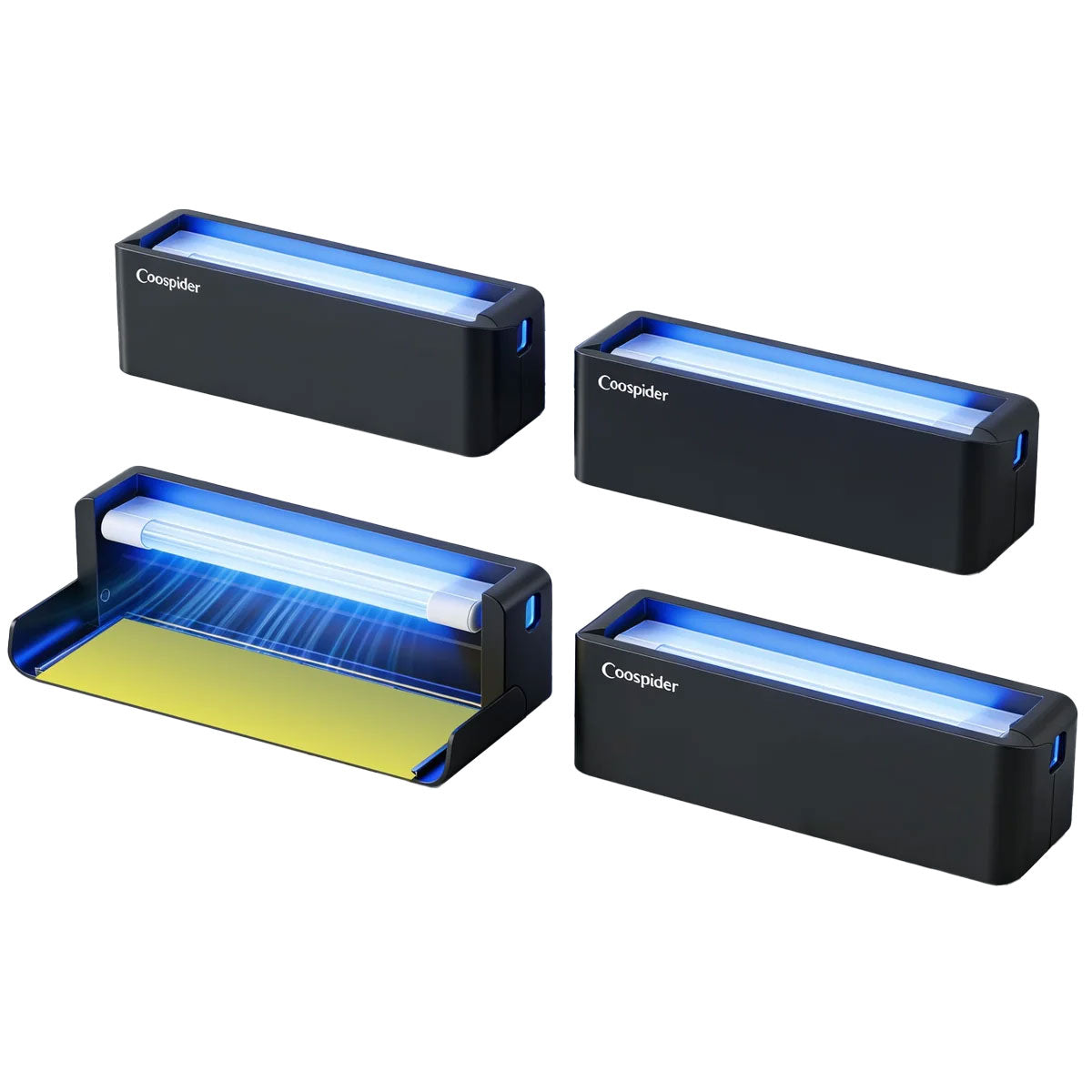
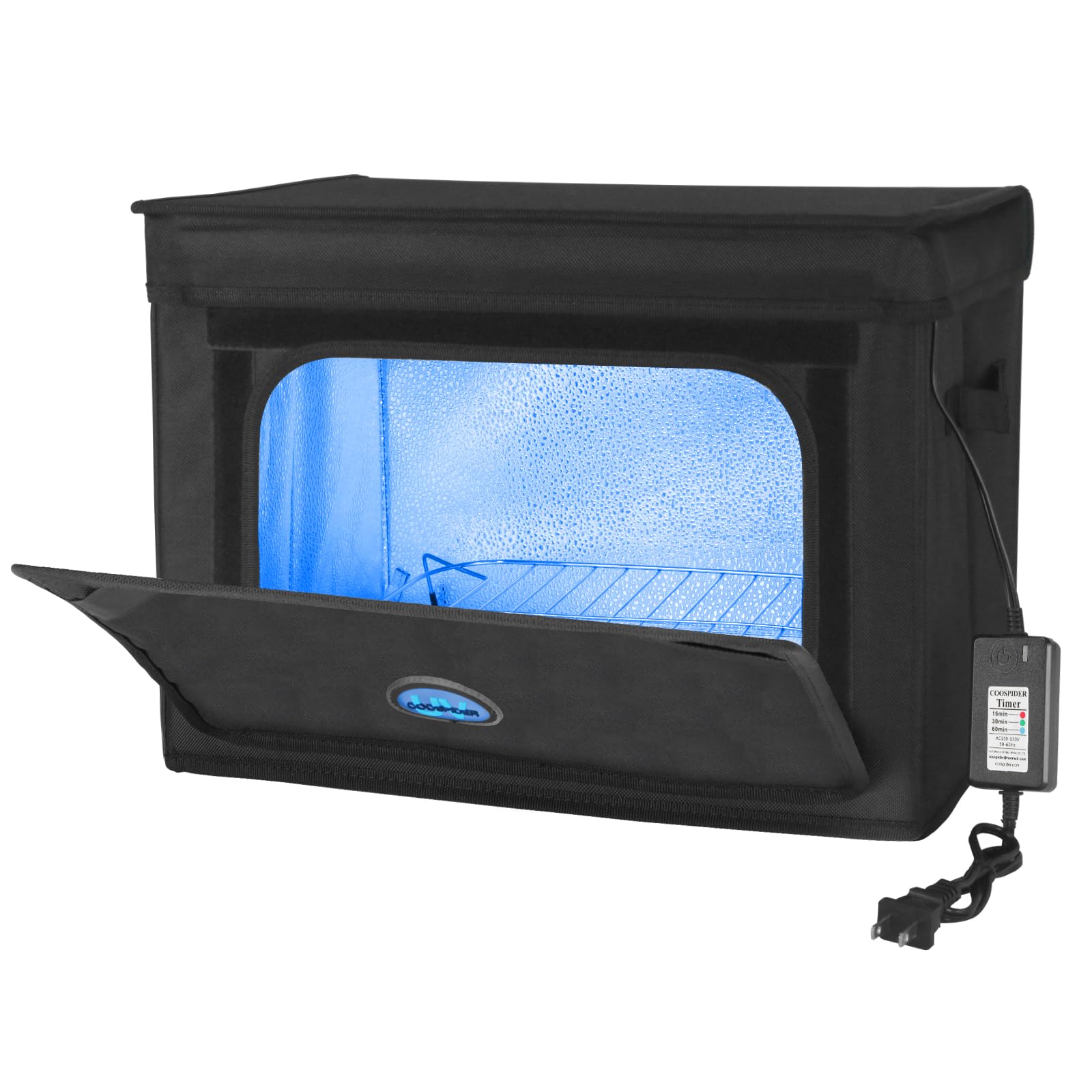
Portable UV Lamps
Ideal for:
-
Small rooms
-
Household items
-
Personal use
Advantages:
-
Easy to move
-
Convenient
-
Affordable
Fixed Installation Lamps
Suitable for:
-
HVAC systems
-
Commercial buildings
-
Industrial facilities
Advantages:
-
Continuous operation
-
Large coverage
-
Minimal user intervention
Air Duct UV Lamps
Installed inside ventilation systems to reduce microbial growth.
Benefits include:
-
Cleaner airflow
-
Reduced mold accumulation
-
Improved HVAC efficiency
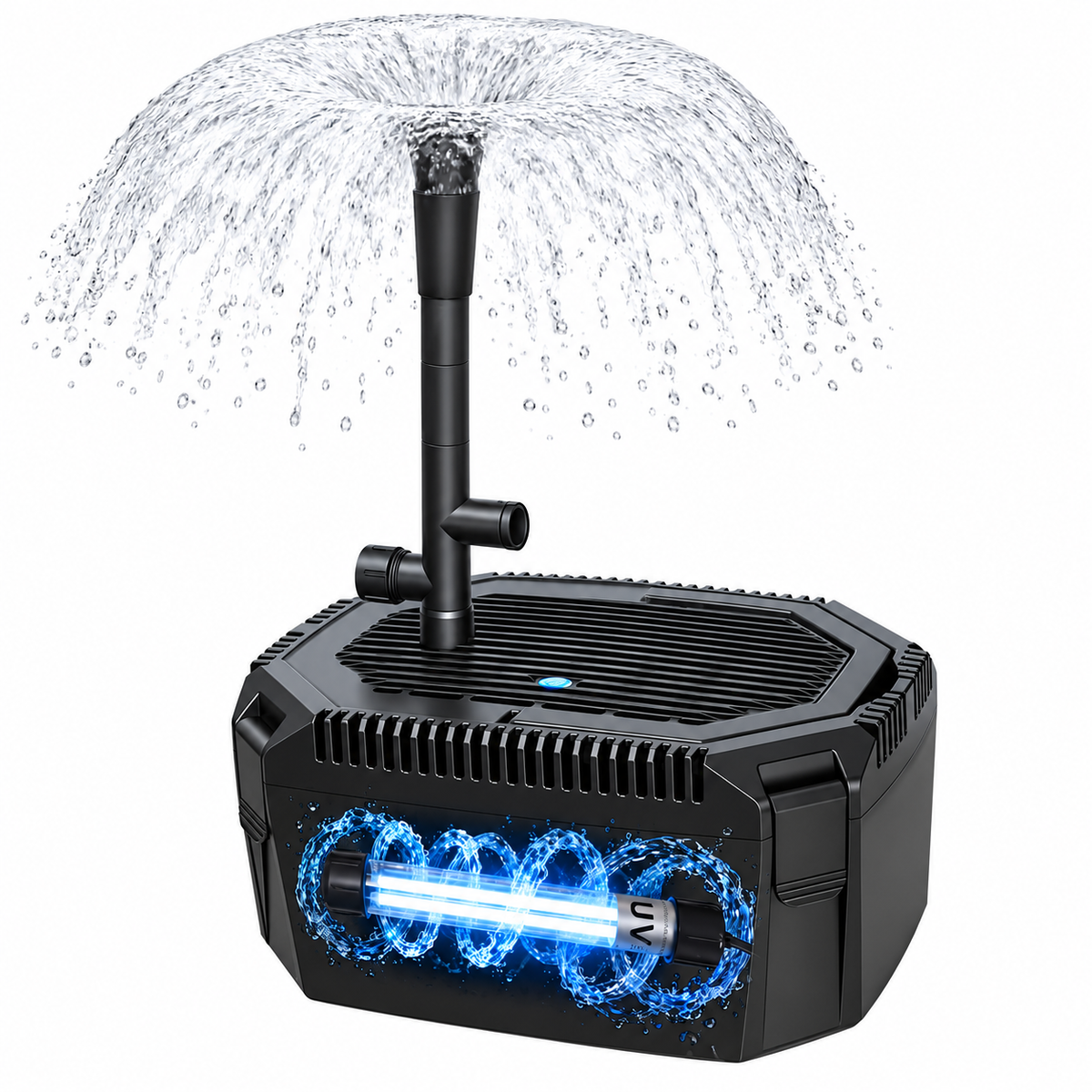
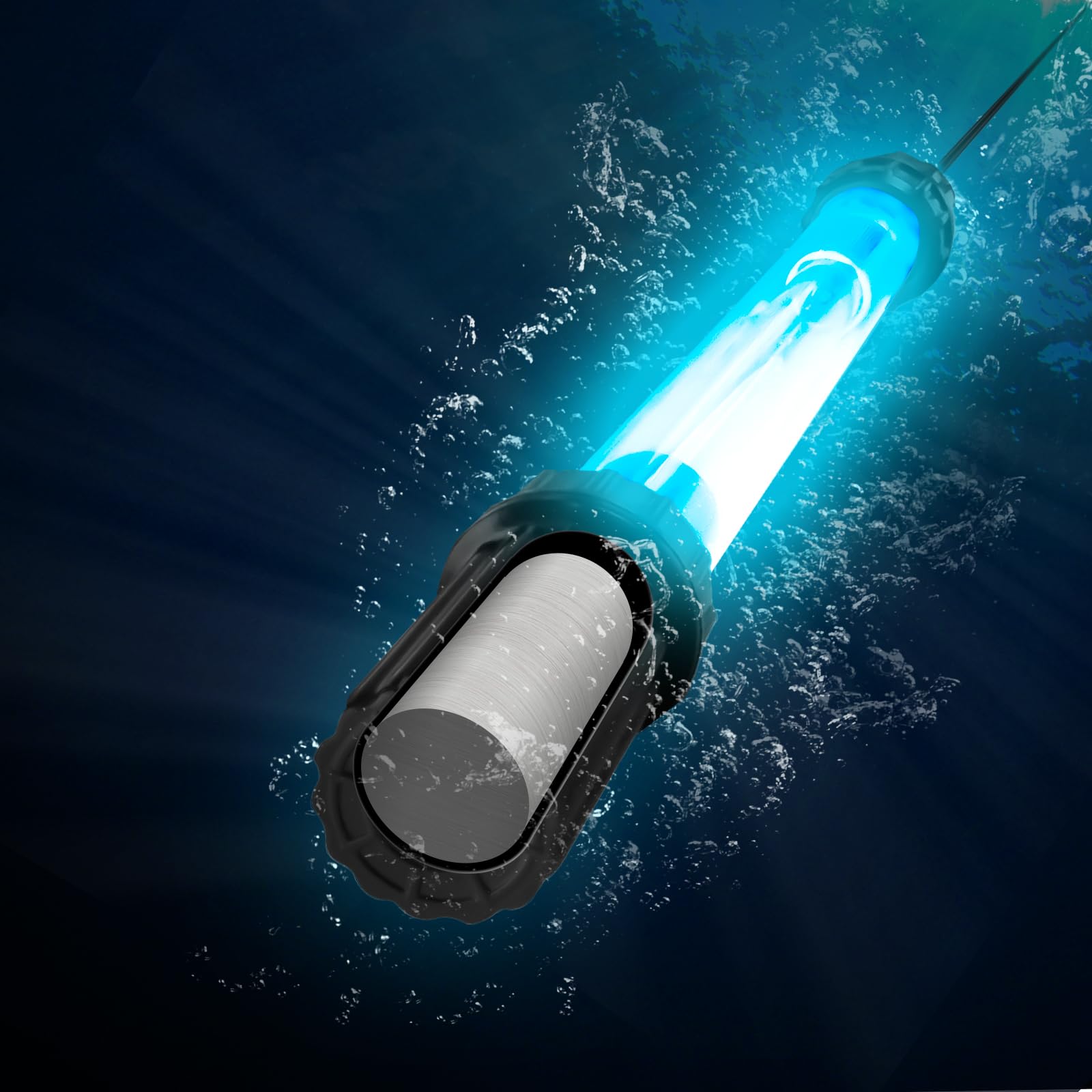
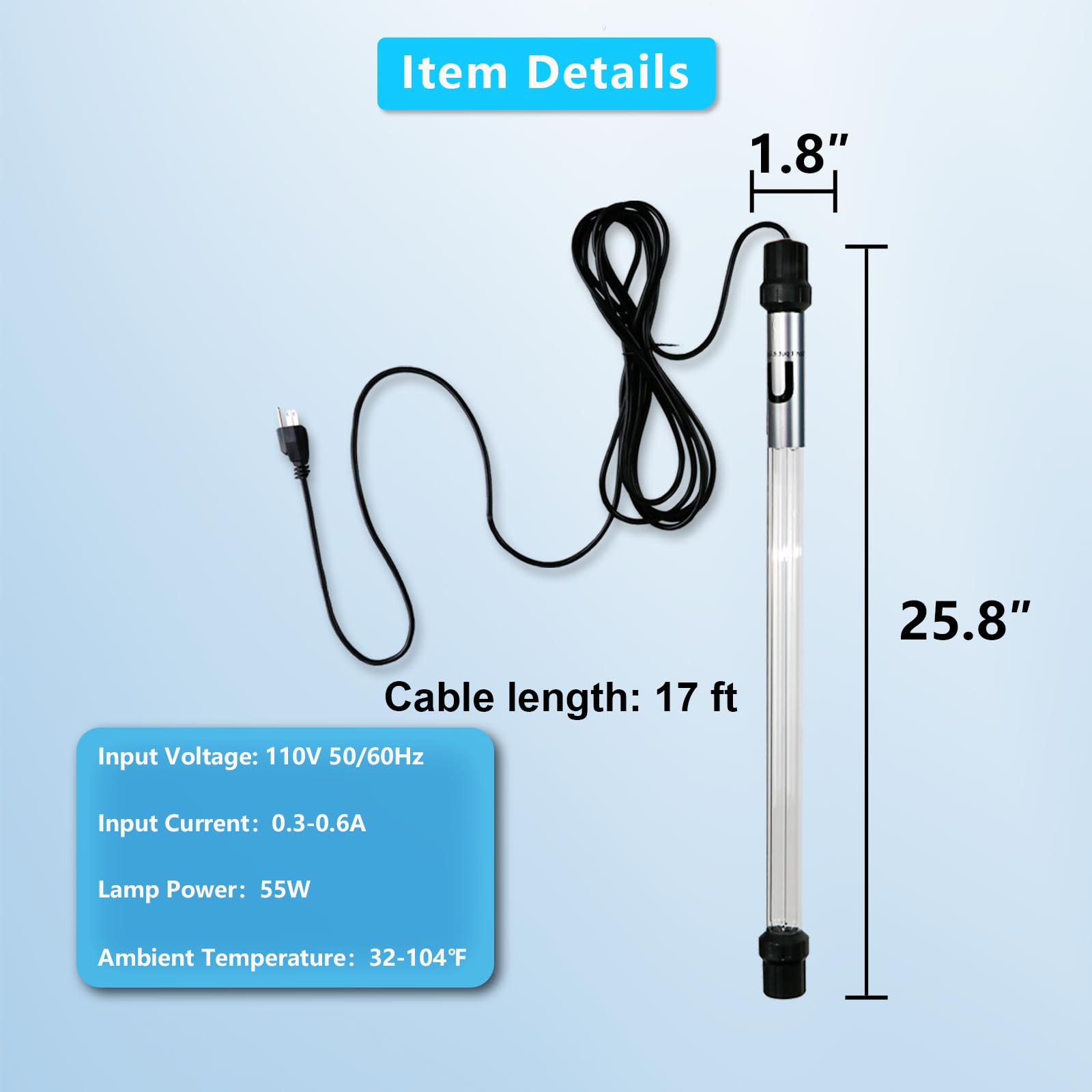
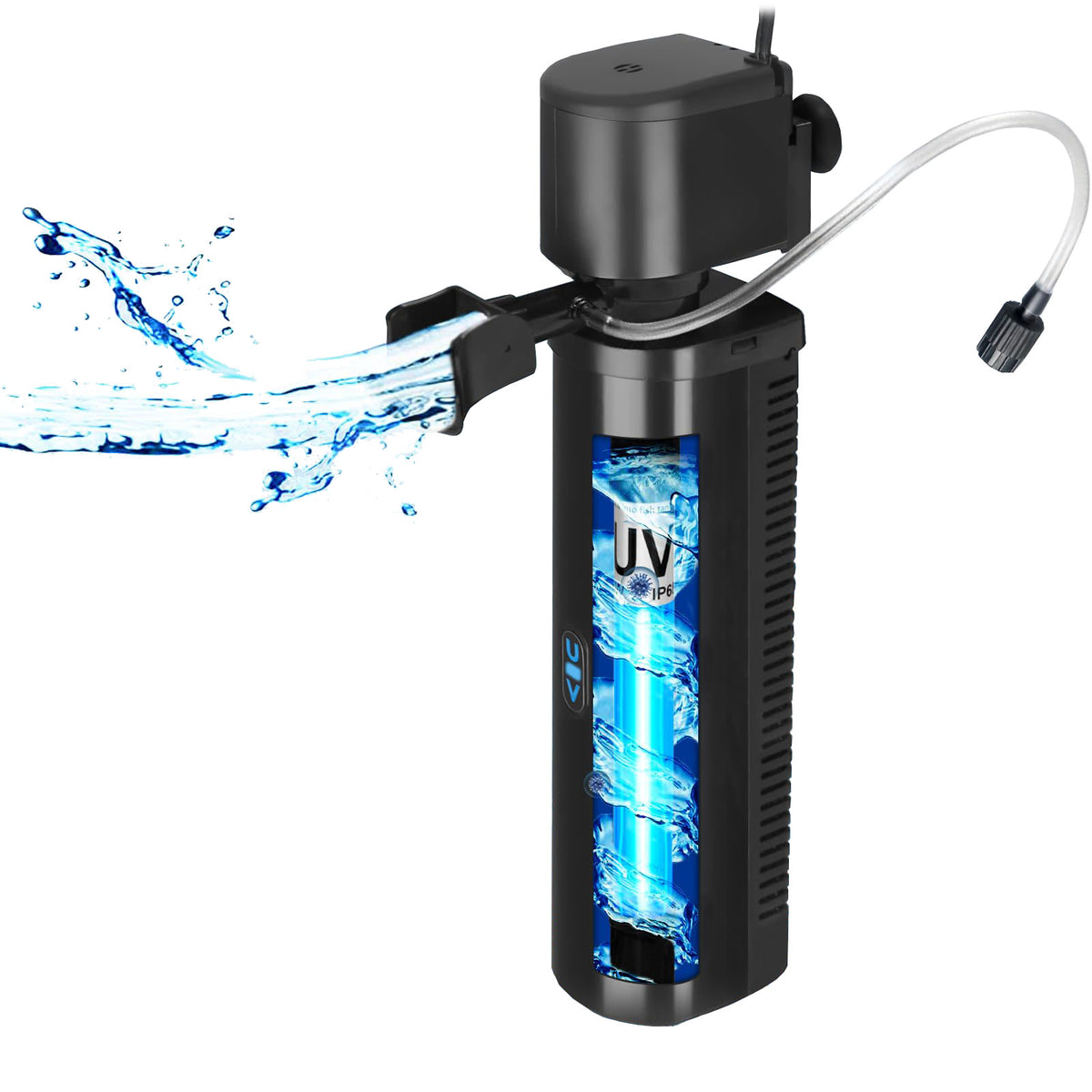
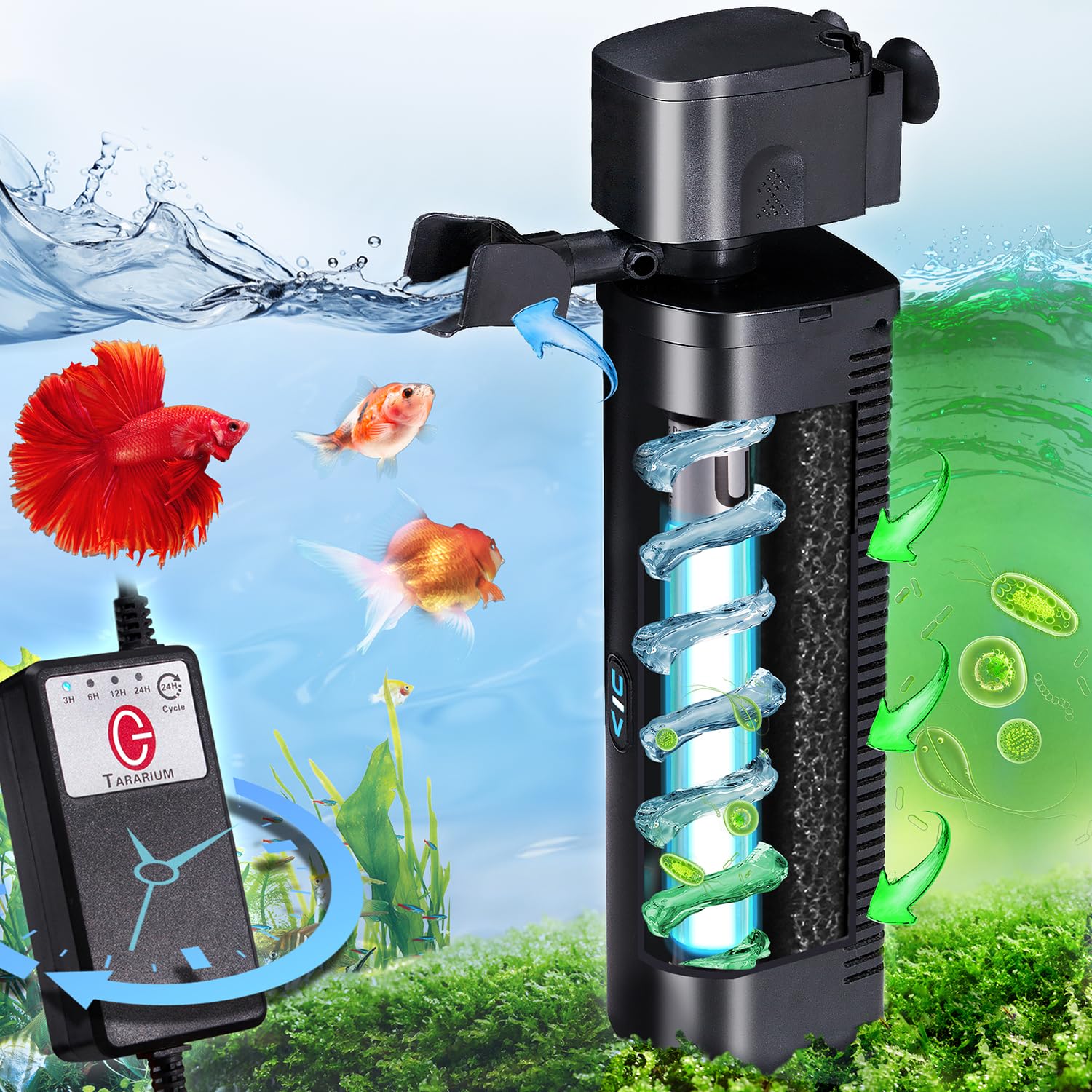
Water Sterilization Lamps
Designed specifically for water purification systems.
Applications include:
-
Drinking water
-
Aquariums
-
Industrial processing
-
Wastewater treatment
Common Buying Mistake #6: Ignoring Coverage Area
Every UV sterilization lamp has an effective treatment area.
Buying an undersized lamp results in insufficient exposure.
Buying an oversized system may increase unnecessary costs.
Consider:
-
Room dimensions
-
Ceiling height
-
Air circulation
-
Surface layout
-
Installation location
Manufacturers typically recommend appropriate coverage ranges.
Matching lamp capacity to the intended application ensures optimal performance.
Common Buying Mistake #7: Forgetting About Lamp Lifespan
Like all lighting products, UV lamps gradually lose effectiveness over time.
Even if the lamp still illuminates, UV output decreases as it ages.
Typical service life ranges include:
-
Mercury UVC lamps: approximately 8,000–12,000 hours
-
High-performance models: up to 16,000 hours
-
UV LEDs: often significantly longer, depending on operating conditions
Understanding replacement intervals helps maintain consistent sterilization performance.
Mercury Lamps vs. UV LED Technology
Modern buyers often compare traditional mercury lamps with UV LEDs.
Mercury UV Lamps
Advantages:
-
Proven technology
-
Strong germicidal output
-
Lower initial cost
Considerations:
-
Contain mercury
-
Require careful disposal
-
Warm-up period
UV LED Lamps
Advantages:
-
Mercury-free
-
Instant start
-
Compact size
-
Longer lifespan
-
Lower maintenance
Considerations:
-
Higher purchase cost
-
Performance varies depending on wavelength and design
Each technology offers unique advantages depending on the application.
Understanding UV Dose
Professional buyers often focus on UV dose rather than lamp power alone.
UV dose equals:
UV intensity × exposure time
Higher UV dose generally results in better microorganism inactivation.
Factors influencing dose include:
-
Distance
-
Lamp output
-
Air speed
-
Reflectivity
-
Exposure duration
Manufacturers providing UV dose data often demonstrate greater engineering transparency.
Material Quality Matters
The quality of materials directly affects performance.
Look for:
High-Purity Quartz Glass
Quartz allows efficient UVC transmission.
Ordinary glass blocks much of the germicidal wavelength.
Corrosion-Resistant Housing
Especially important in:
-
Hospitals
-
Laboratories
-
Food facilities
-
High-humidity environments
Stainless steel and aluminum housings generally offer better durability.
High-Quality Electronic Ballasts
Reliable ballasts provide:
-
Stable output
-
Longer lamp life
-
Better energy efficiency
-
Reduced flickering
Installation Considerations
Proper installation significantly affects sterilization effectiveness.
Factors include:
-
Mounting height
-
Airflow direction
-
Obstacle placement
-
Reflective surfaces
-
Electrical requirements
Following manufacturer installation recommendations helps maximize performance.
Maintenance Is Essential
Even premium UV lamps require regular maintenance.
Routine tasks include:
-
Cleaning quartz sleeves
-
Removing dust buildup
-
Inspecting wiring
-
Monitoring operating hours
-
Replacing aging lamps
-
Checking ballast condition
A simple maintenance schedule helps maintain consistent disinfection efficiency.
Indoor Air Quality Benefits
Many organizations install UV sterilization systems to improve indoor environments.
Potential benefits include:
-
Reduced airborne bacteria
-
Lower mold growth
-
Cleaner HVAC coils
-
Better airflow
-
Reduced odors
-
Improved occupant comfort
While UV technology is highly effective against many microorganisms, it works best as part of a comprehensive indoor hygiene strategy.
Questions to Ask Before Buying
Before making your purchase, consider the following:
-
What is the intended application?
-
What area needs treatment?
-
Is surface or air sterilization required?
-
Will the lamp operate continuously?
-
What maintenance is required?
-
Are replacement parts readily available?
-
Does the product include safety features?
-
What is the expected service life?
-
Is technical support available?
-
Does the manufacturer provide performance specifications?
The answers help narrow your options significantly.
Industries That Benefit from UV Sterilization
UV sterilization technology supports many professional environments.
Examples include:
Healthcare
Hospitals, clinics, and laboratories use UV systems to supplement routine cleaning procedures.
Education
Schools and universities increasingly improve classroom hygiene through air treatment systems.
Hospitality
Hotels use UV technology to enhance guest confidence and improve indoor cleanliness.
Food Processing
Manufacturers reduce microbial contamination risks during production.
Commercial Buildings
Office spaces improve indoor air quality while reducing maintenance requirements.
Manufacturing
Clean production environments often rely on UV sterilization for contamination control.
Signs of a Reliable UV Sterilization Lamp Manufacturer
Choosing the right supplier is just as important as selecting the right product.
Look for manufacturers that offer:
-
Clear technical specifications
-
Consistent product quality
-
Professional engineering support
-
Quality control processes
-
Reliable warranty policies
-
Stable production capacity
-
Responsive customer service
-
Long-term replacement part availability
An experienced manufacturer provides greater confidence throughout the product lifecycle.
Future Trends in UV Sterilization Technology
Innovation continues to reshape the UV industry.
Emerging developments include:
-
Smart monitoring systems
-
IoT connectivity
-
Energy-efficient designs
-
Advanced UV LEDs
-
Automated maintenance alerts
-
Intelligent occupancy sensors
-
Integrated HVAC sterilization
-
Enhanced environmental sustainability
As technology advances, UV sterilization systems are becoming more efficient, easier to maintain, and more adaptable to modern facilities.
Final Thoughts
Choosing the right UV sterilization lamp involves much more than comparing prices or selecting the highest wattage. Effective sterilization depends on a combination of proper wavelength, UV output, coverage area, safety features, build quality, maintenance requirements, and suitability for the intended application.
By understanding the most common buying mistakes, you can make a more informed investment that delivers reliable performance, long-term value, and greater peace of mind.
Whether you are purchasing a UV sterilization lamp for residential use, commercial facilities, healthcare environments, industrial operations, or specialized applications, taking the time to evaluate product quality and manufacturer expertise will help ensure the system performs as expected for years to come.
A carefully selected UV sterilization lamp is more than just a piece of equipment—it is an important part of maintaining cleaner spaces, supporting healthier environments, and improving operational efficiency in an increasingly hygiene-conscious world.