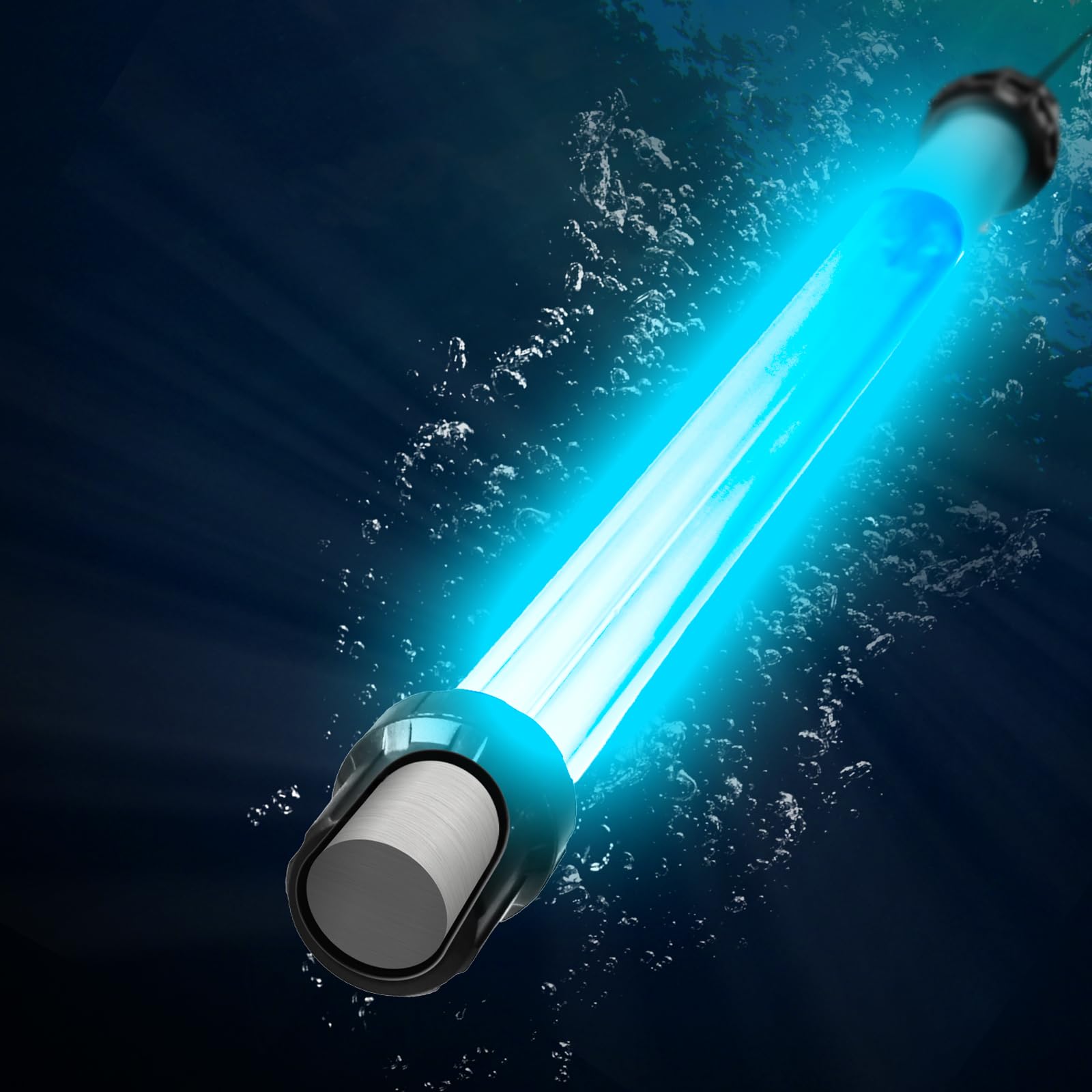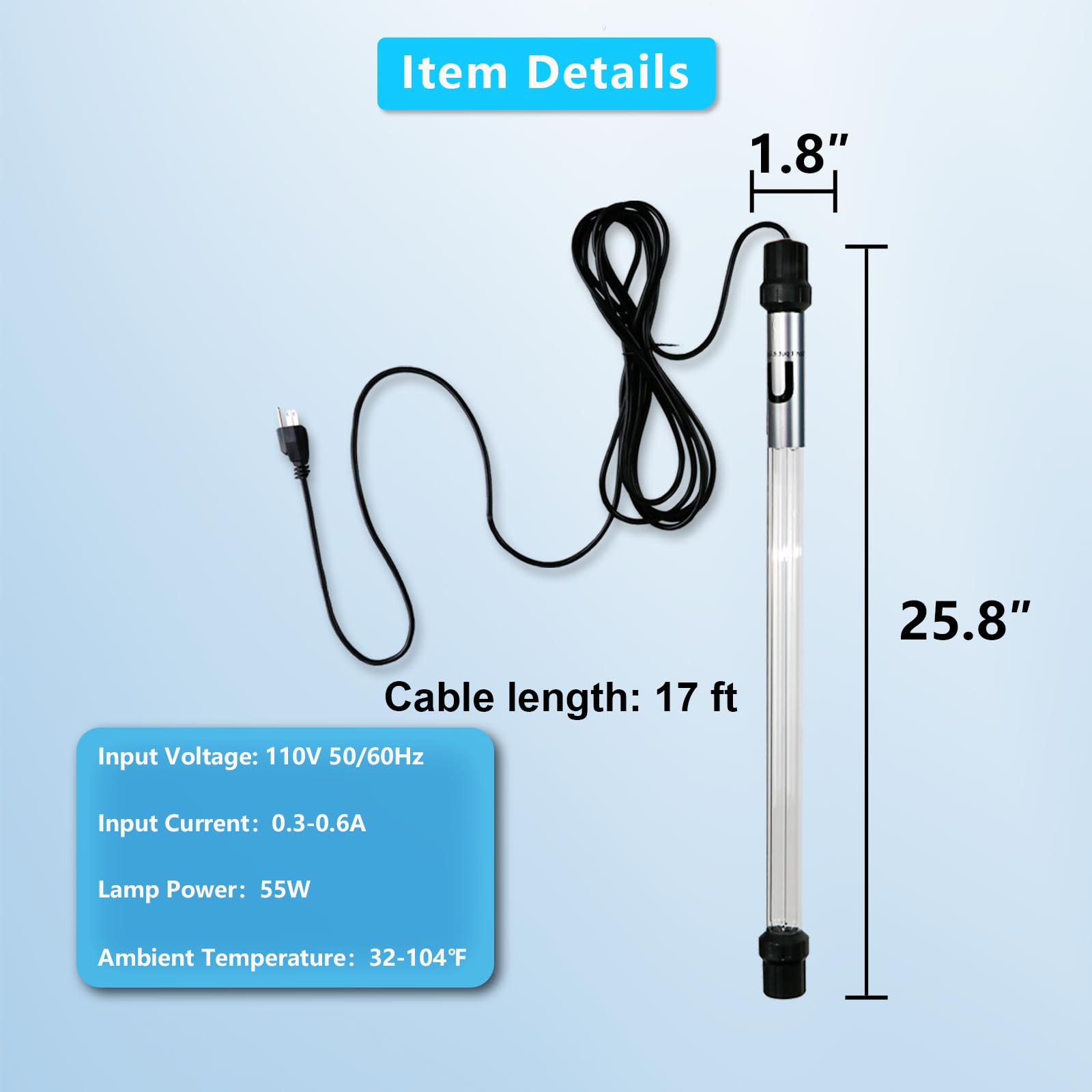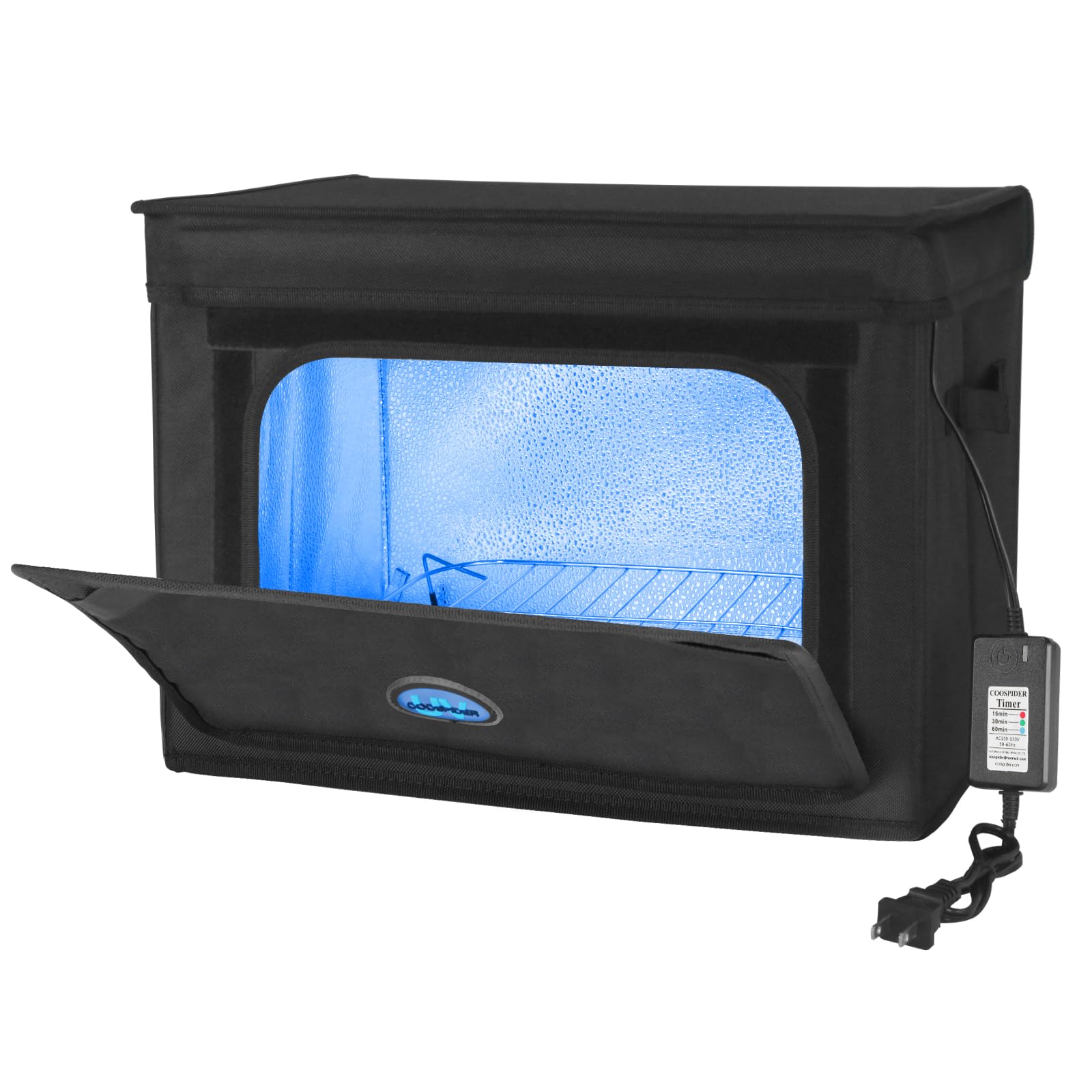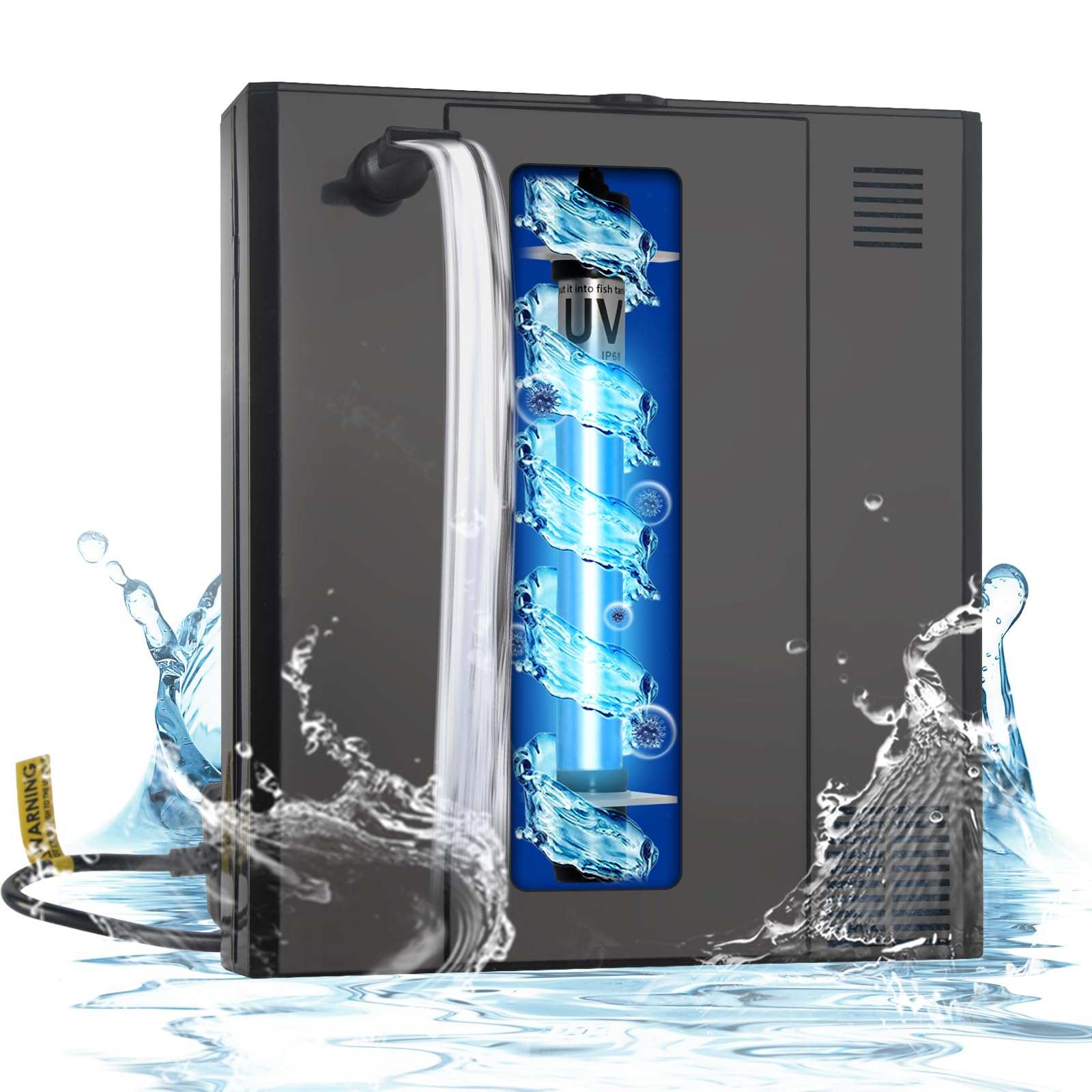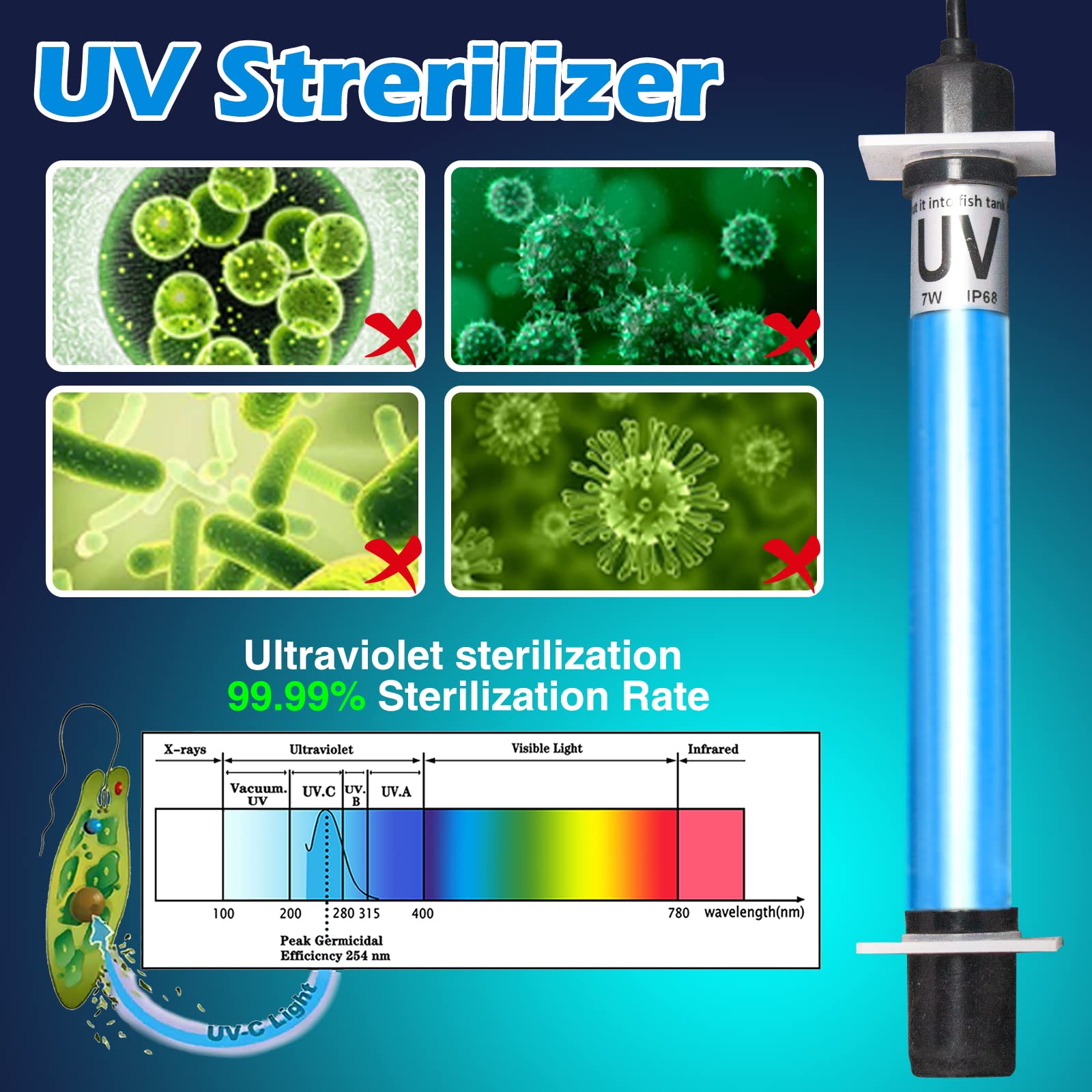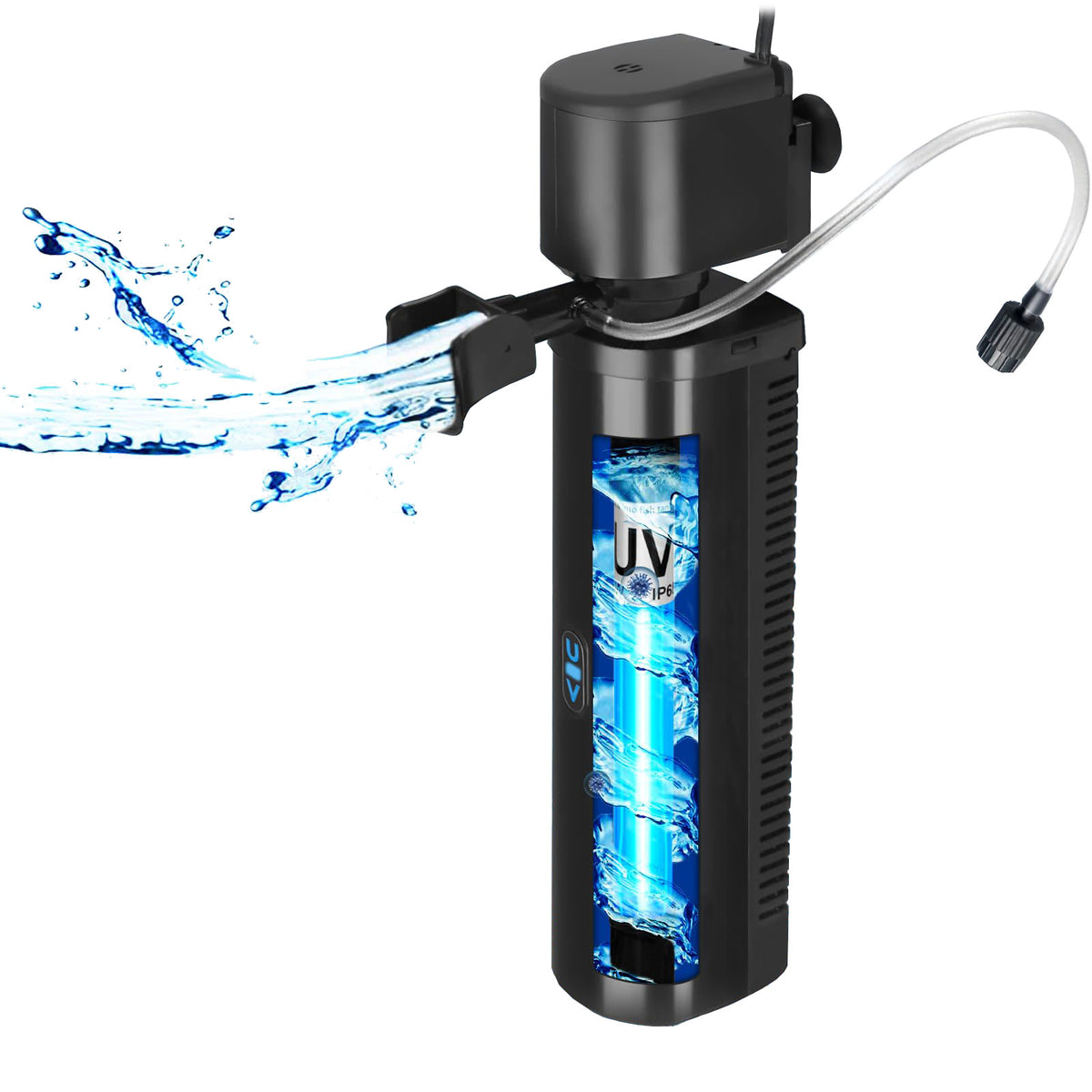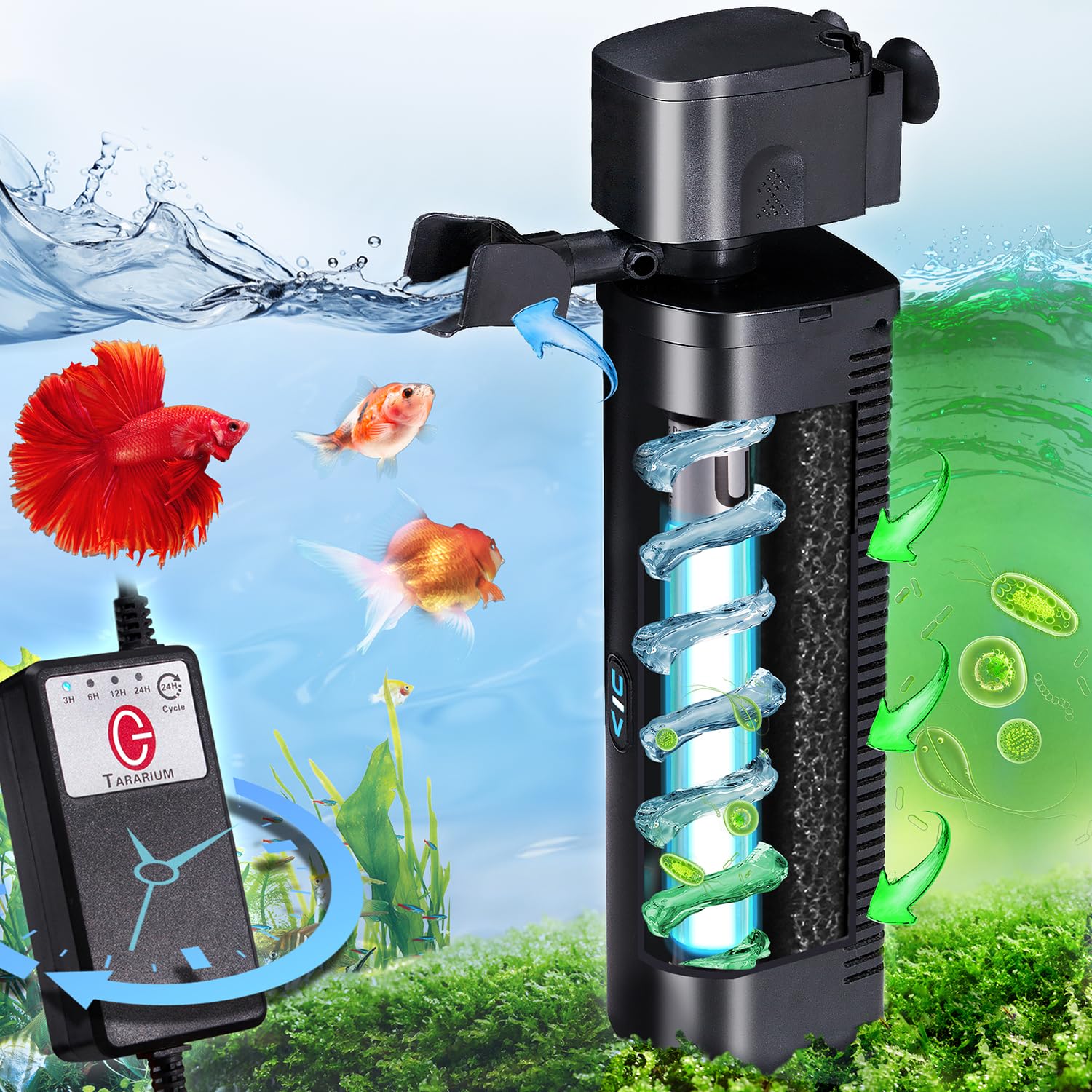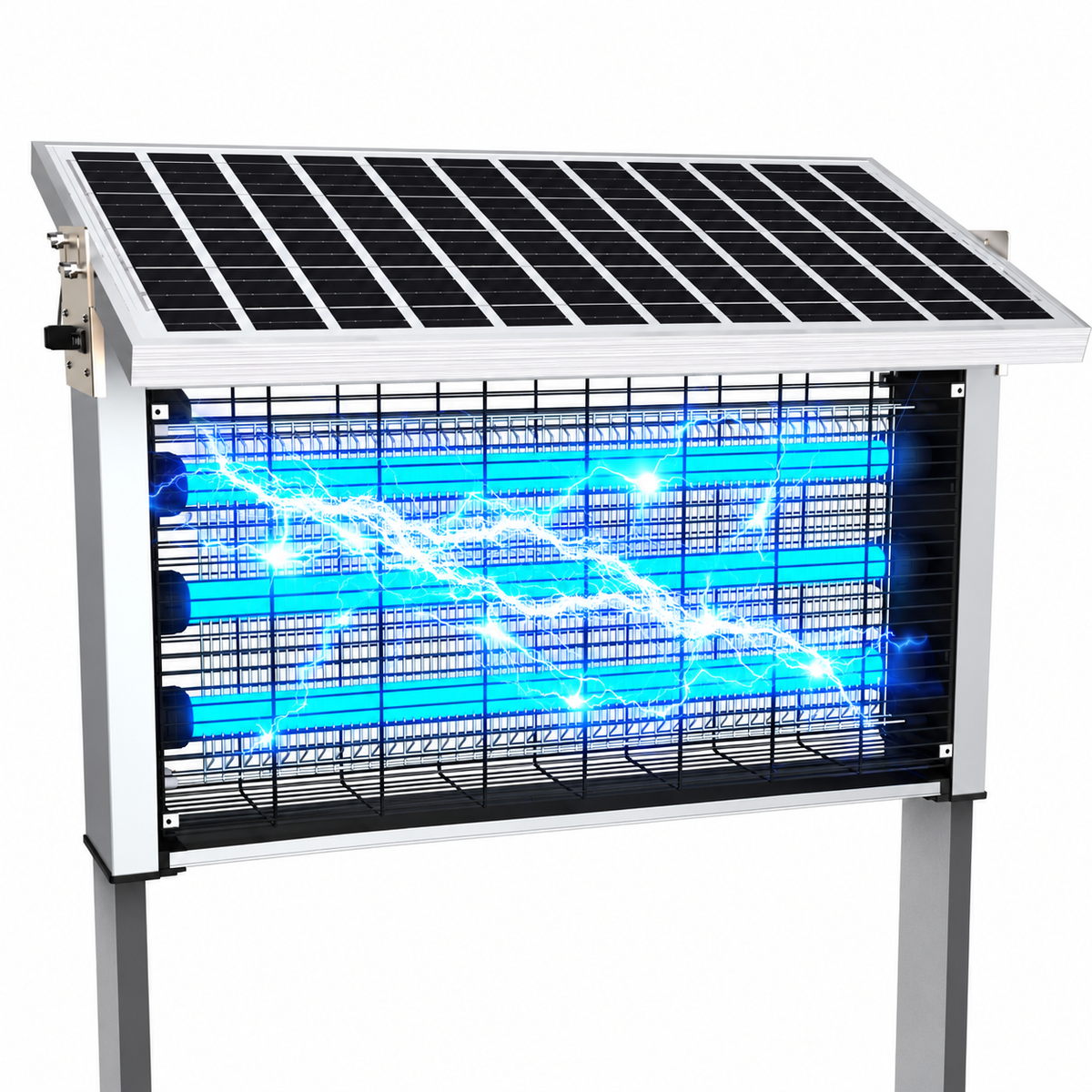
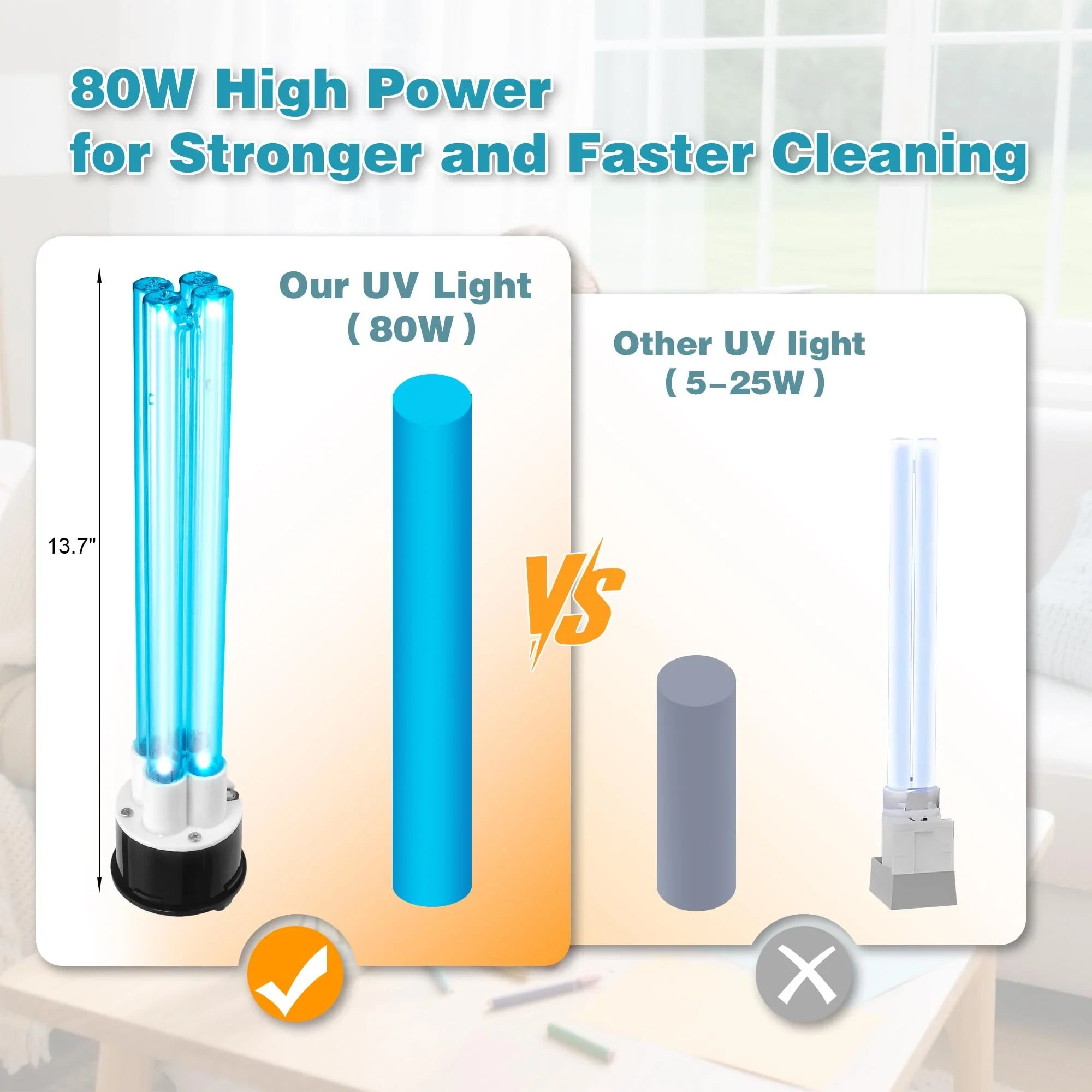
Ultraviolet (UV) disinfection systems have become essential tools across healthcare facilities, laboratories, HVAC systems, water treatment plants, food processing environments, and even residential air purification units. Their effectiveness depends on one critical factor that is often misunderstood or overlooked: UV lamp lifespan and performance degradation over time.
Unlike standard lighting, UV lamps are not simply “on or off” devices. Their ability to disinfect is tied directly to radiation intensity, wavelength stability, and total energy output over time. A UV lamp may still glow visibly while delivering significantly reduced germicidal power—creating a dangerous false sense of security.
This guide provides a comprehensive, practical, and technical breakdown of how UV lamps age, how to measure performance decline, and how to determine the correct replacement timing before disinfection effectiveness is compromised.
1. Why UV Lamp Lifespan Matters More Than Most People Realize
A UV disinfection system is only as strong as its weakest output point. If a lamp has degraded to 60% of its original intensity, the system is no longer operating at design specifications—even if it appears fully functional.
This matters because UV disinfection relies on dose, not just presence of light.
UV dose is defined as:
-
Intensity (irradiance) × exposure time
When intensity drops, disinfection performance drops proportionally unless exposure time is increased—which is often not possible in real-world systems like air ducts or water flow channels.
Key consequence of UV degradation:
-
Pathogens may survive exposure cycles
-
Microbial resistance risk increases indirectly (through incomplete inactivation)
-
Compliance standards may no longer be met
-
System efficiency becomes unpredictable
In short, a weakened UV lamp is not a “slightly less powerful” device—it is a fundamentally different system.
2. The Science of UV Lamp Degradation
UV lamps do not fail suddenly in most cases. Instead, they degrade gradually due to physical and chemical changes inside the lamp structure.
2.1 Mercury vapor UV lamps (traditional systems)
These are the most widely used germicidal UV-C sources.
Degradation mechanisms include:
-
Electrode wear: Cathodes degrade over time, reducing electron emission efficiency
-
Mercury redistribution: Uneven vapor pressure reduces consistent UV output
-
Quartz sleeve fouling: Deposits reduce UV transmission
-
Phosphor or coating breakdown (in some variants)
Over time, these factors reduce UV-C output even though visible light may remain unchanged.
2.2 UV-C LED systems (modern alternative)
UV-C LEDs degrade differently:
-
Gradual lumen (radiation) depreciation
-
Thermal stress accumulation
-
Semiconductor efficiency loss
-
Wavelength drift in some low-quality LEDs
LED systems often degrade more predictably but can still lose significant output if poorly cooled.
2.3 Cold cathode and amalgam lamps
These are used in high-performance industrial applications.
-
Amalgam lamps maintain stable output longer
-
Cold cathode systems handle frequent switching better
-
Both still suffer gradual UV intensity decline over time
3. The Myth of “Lamp Still Works = Lamp Is Good”
One of the most dangerous misconceptions in UV maintenance is equating visible operation with effective disinfection.
A UV lamp can:
-
Appear bright
-
Emit visible light
-
Function electrically
-
And still fail to disinfect properly
This is because human vision is not sensitive to germicidal UV-C wavelengths. What you see is not what kills pathogens.
4. Standard UV Lamp Lifespan Ratings (What They Really Mean)
Manufacturers typically rate UV lamps in hours:
-
8,000 hours
-
9,000 hours
-
12,000 hours
-
16,000+ hours (industrial systems)
However, these numbers require interpretation.
Important clarification:
A rated lifespan does NOT mean:
-
The lamp stops working after that time
It means:
-
The lamp reaches a defined performance threshold (usually 70–80% output)
In other words, the lamp is considered “end-of-life effective range,” not fully nonfunctional.
5. The 3 Main Metrics That Determine UV Lamp Health
To properly evaluate UV lamp condition, you must go beyond runtime.
5.1 UV irradiance (mW/cm²)
This is the most important metric.
It measures how much UV energy is actually being emitted per unit area.
-
High irradiance = effective disinfection
-
Low irradiance = microbial survival risk
5.2 UV dose (mJ/cm²)
Dose determines whether pathogens are fully inactivated.
Different microorganisms require different doses:
-
Bacteria: moderate dose
-
Viruses: variable dose
-
Spores: high dose
Even small drops in irradiance can push dose below required thresholds.
5.3 Lamp aging curve (performance decay over time)
Most UV lamps follow a predictable curve:
-
0–1000 hours: slight drop (burn-in phase)
-
1000–5000 hours: stable performance
-
5000–8000 hours: gradual decline
-
After rated lifespan: accelerated degradation
Understanding this curve is critical for planning replacement schedules.
6. How to Tell If a UV Lamp Needs Replacement
There are multiple indicators—some direct, others indirect.
6.1 Measured irradiance below threshold
Using a UV radiometer:
-
If output falls below 70–80% of original rating → replacement recommended
-
Below 60% → immediate replacement required
This is the most reliable method.
6.2 Increase in microbial test failures
In systems with validation testing (air, water, surfaces):
-
Higher colony counts indicate UV inefficiency
-
Repeated failures after cleaning suggest lamp degradation
6.3 Visual inspection indicators
While not definitive, these signs matter:
-
Darkening at lamp ends
-
Uneven glow distribution
-
Flickering during startup
-
Visible deposits on quartz sleeves
6.4 Extended warm-up time
UV lamps typically reach full output quickly. If:
-
Warm-up takes longer than usual
-
Output fluctuates before stabilizing
This often indicates electrode wear.
6.5 Operating hours exceed manufacturer rating
Even without testing equipment:
-
If lamp exceeds rated lifespan → assume reduced output
-
Apply preventive replacement strategy
7. Tools Used to Evaluate UV Lamp Performance
Proper evaluation requires instrumentation.
7.1 UV radiometer
The most important diagnostic tool.
-
Measures real-time irradiance
-
Should match lamp wavelength (UVC-specific)
-
Requires periodic calibration
7.2 Dosimeter cards (low-cost option)
-
Change color based on UV exposure
-
Useful for quick verification
-
Less precise than radiometers
7.3 Data logging systems
Advanced installations include:
-
Continuous UV output monitoring
-
Automatic alerts for degradation
-
Integration with HVAC or water systems
7.4 Quartz sleeve inspection tools
Used in enclosed systems:
-
Detects scaling or biofilm buildup
-
Ensures UV transmission is not blocked
8. Factors That Shorten UV Lamp Lifespan
Even high-quality lamps degrade faster under certain conditions.
8.1 Frequent on/off cycling
UV lamps prefer stable operation.
-
Frequent switching accelerates electrode wear
-
Reduces total usable lifespan
8.2 High ambient temperature
Heat impacts:
-
LED UV efficiency
-
Mercury vapor pressure stability
-
Electronic ballast performance
8.3 Dust and contamination
Contaminants reduce output:
-
Dust blocks UV transmission
-
Grease films can reduce intensity by 20–50%
-
Biofilm buildup in water systems is especially harmful
8.4 Poor electrical regulation
Unstable power supply causes:
-
Flickering output
-
Premature aging
-
Reduced UV-C consistency
9. Replacement Strategy: Reactive vs Preventive Maintenance
There are two approaches:
9.1 Reactive replacement (not recommended)
-
Replace when lamp fails completely
-
Risk: prolonged underperformance
-
Often leads to disinfection gaps
9.2 Preventive replacement (recommended)
-
Replace based on hours + irradiance decline
-
Ensures consistent UV dose
-
Reduces microbial risk
Best practice approach:
Replace when:
-
70–80% performance threshold is reached OR
-
80% of rated lifespan is completed
10. Case Study: Hidden UV Underperformance in an HVAC System
A commercial building uses UV lamps inside HVAC ducts for air sterilization.
Initial symptoms:
-
No visible system failure
-
No alarms triggered
-
Occupants report increased allergy symptoms
Investigation findings:
-
Lamps operating at 52% irradiance
-
Quartz sleeves coated with dust
-
Lamps exceeded rated lifespan by 2,000 hours
Root cause:
No preventive maintenance schedule existed.
Solution:
-
Full lamp replacement
-
Installation of UV monitoring sensors
-
Scheduled quarterly inspection program
Outcome:
Air quality improved within days, and microbial counts returned to baseline levels.
11. Maintenance Checklist for UV Lamp Systems
Weekly:
-
Visual inspection of lamp operation
-
Check indicator lights or system alerts
Monthly:
-
Clean quartz sleeves (if applicable)
-
Inspect for dust accumulation
Quarterly:
-
Measure irradiance output
-
Compare with baseline performance
Annually:
-
Full system audit
-
Replace lamps approaching end-of-life range
-
Recalibrate sensors
12. Common Mistakes in UV Lamp Management
Mistake 1: Waiting for complete failure
UV lamps lose effectiveness long before they stop working.
Mistake 2: Ignoring irradiance measurements
Time alone is not enough—performance must be measured.
Mistake 3: Mixing old and new lamps
Creates uneven UV distribution.
Mistake 4: Neglecting cleaning
A dirty sleeve can reduce output more than lamp aging itself.
Mistake 5: Using incorrect replacement parts
Wrong wavelength or wattage reduces system effectiveness.
13. Industrial Applications and Sensitivity Levels
Different industries require different UV reliability levels:
Healthcare:
-
Extremely strict thresholds
-
Frequent monitoring required
Water treatment:
-
Dose consistency is critical
-
Redundancy systems often used
HVAC systems:
-
Moderate tolerance
-
Focus on long-term stability
Food processing:
-
High hygiene standards
-
Preventive replacement essential
14. Future Trends in UV Lamp Monitoring
UV technology is evolving toward smarter systems:
-
Real-time irradiance sensors
-
AI-driven maintenance prediction
-
Self-diagnosing UV arrays
-
Hybrid LED + mercury systems
-
Automated replacement alerts
These systems reduce human error and ensure consistent disinfection quality.
Final Thoughts: Lifespan Is Not Just Time—It’s Performance
Evaluating UV lamp lifespan is not about counting hours. It is about understanding how performance changes over time and ensuring that disinfection effectiveness remains within safe, verified limits.
A UV lamp is not a traditional light bulb. It is a calibrated disinfection instrument.
And like any precision instrument, it must be:
-
Measured
-
Monitored
-
Maintained
-
Replaced at the correct threshold
When treated properly, UV systems deliver reliable, chemical-free disinfection. When neglected, they become silent underperformers—still glowing, but no longer protecting.
The key insight is simple:
A UV lamp that looks fine is not necessarily a UV lamp that still works.