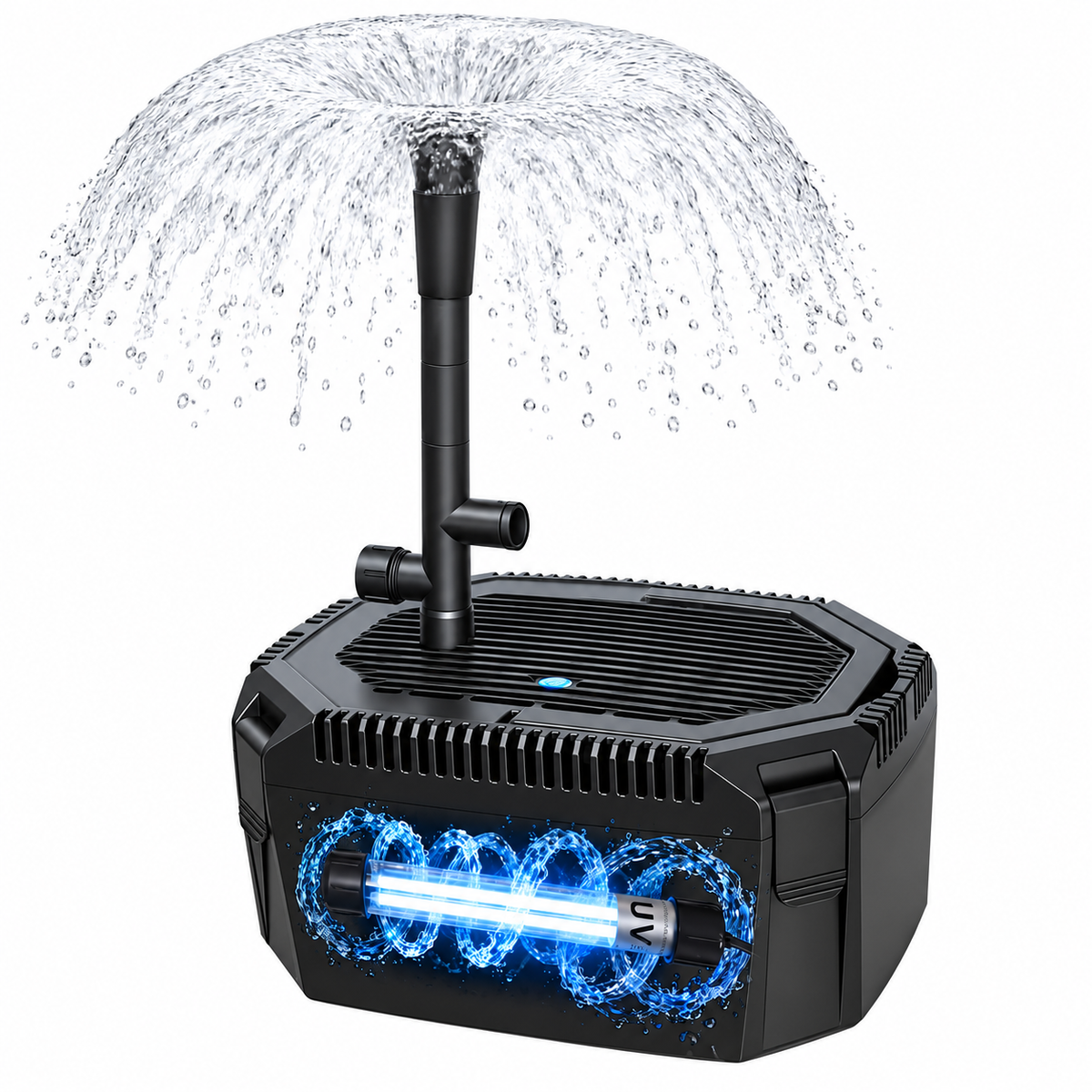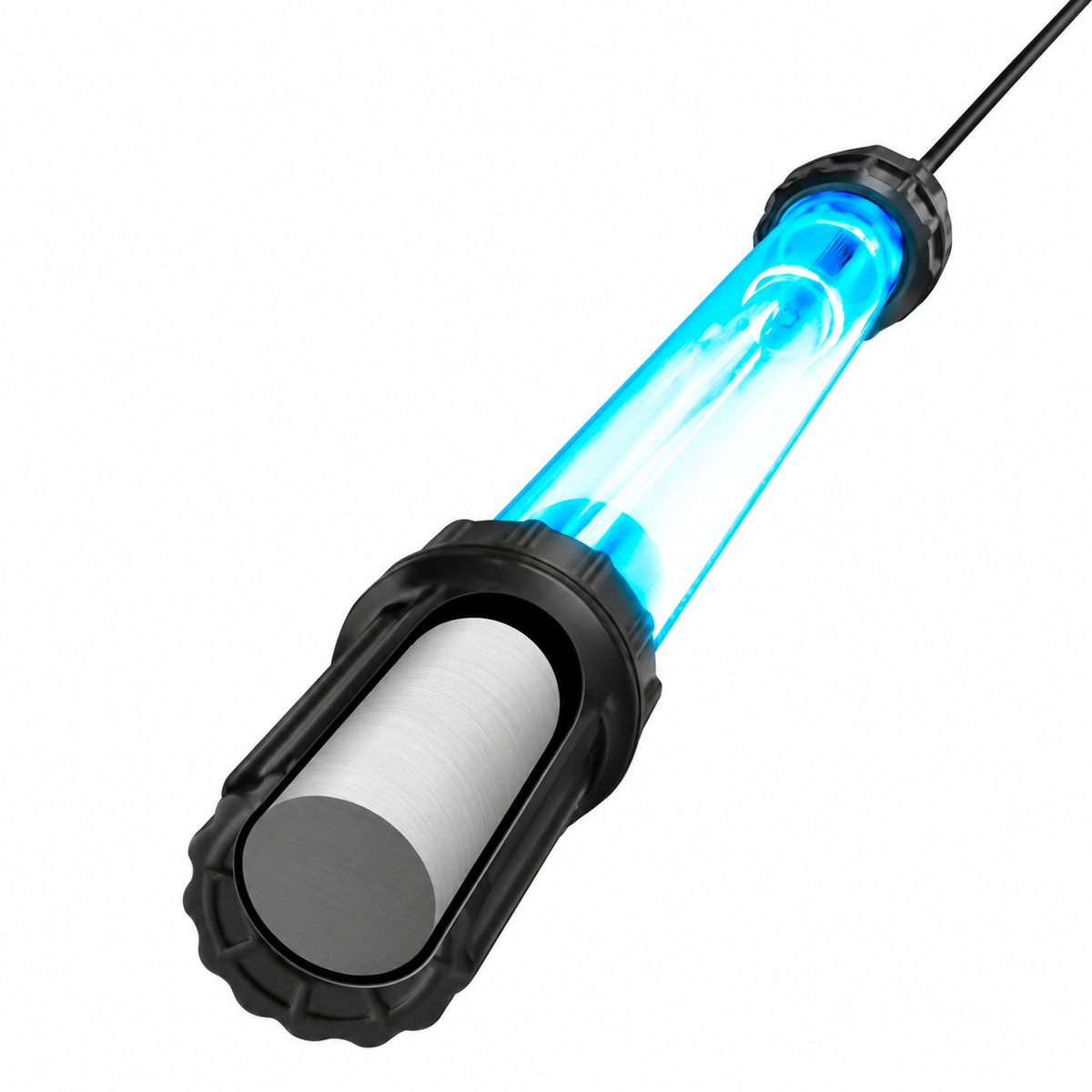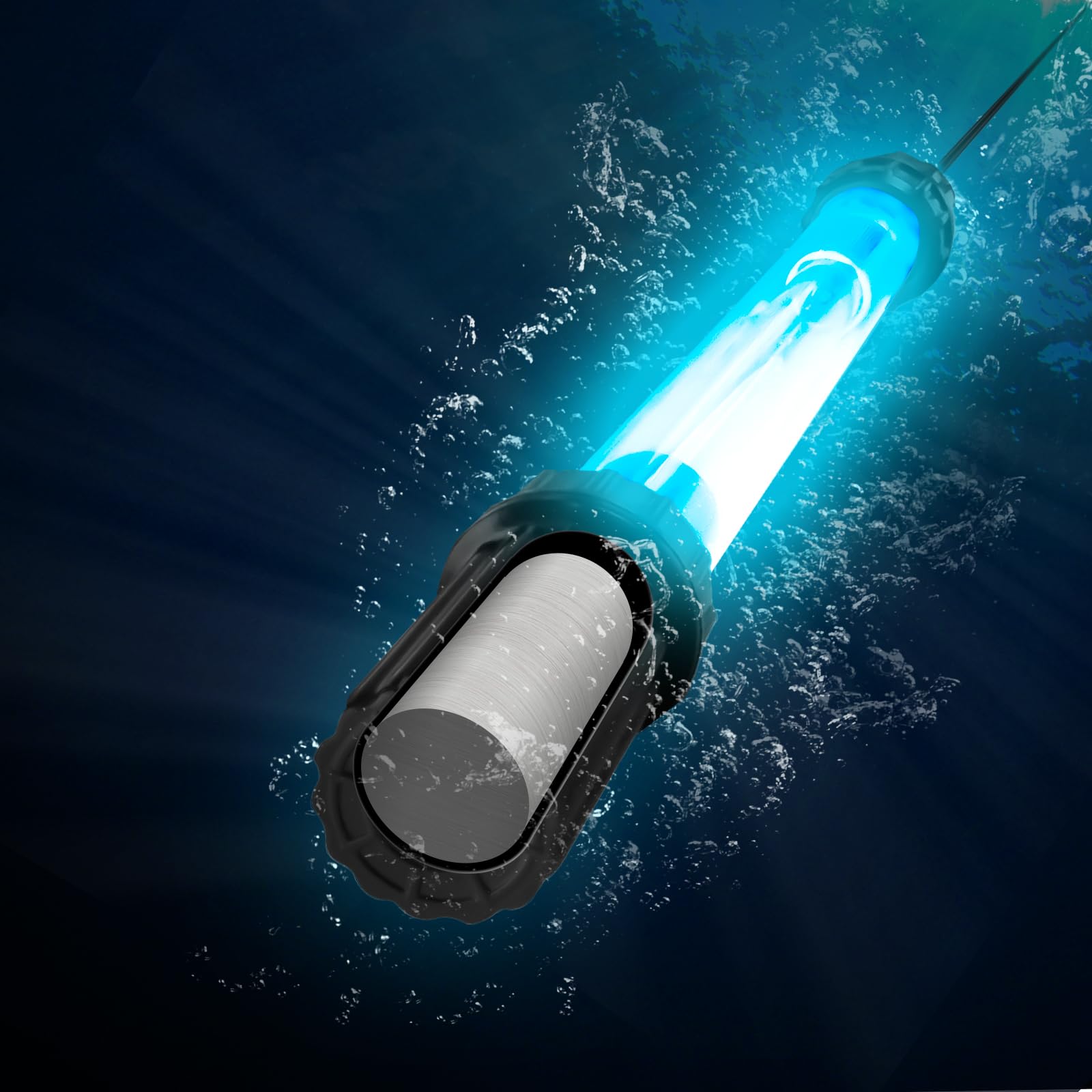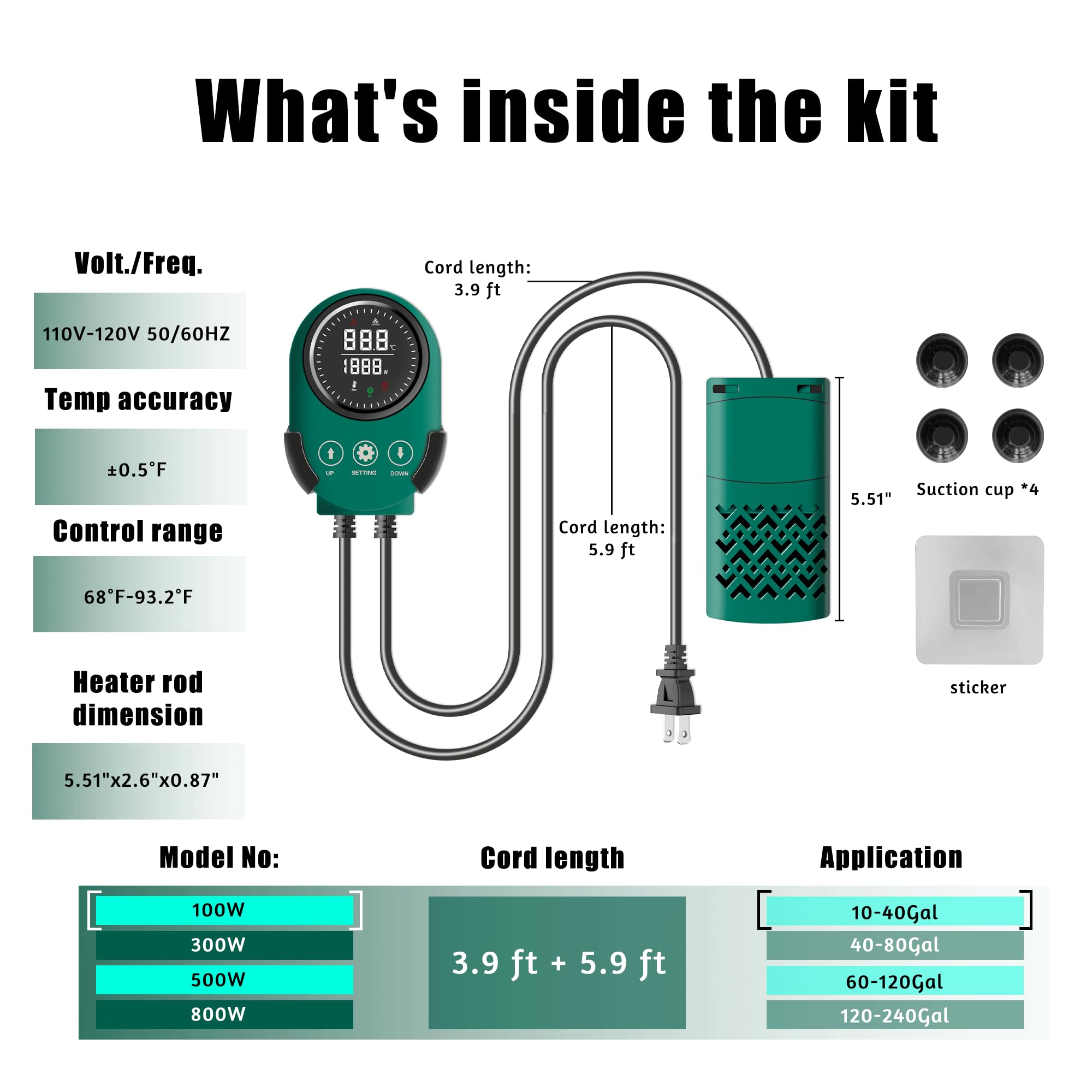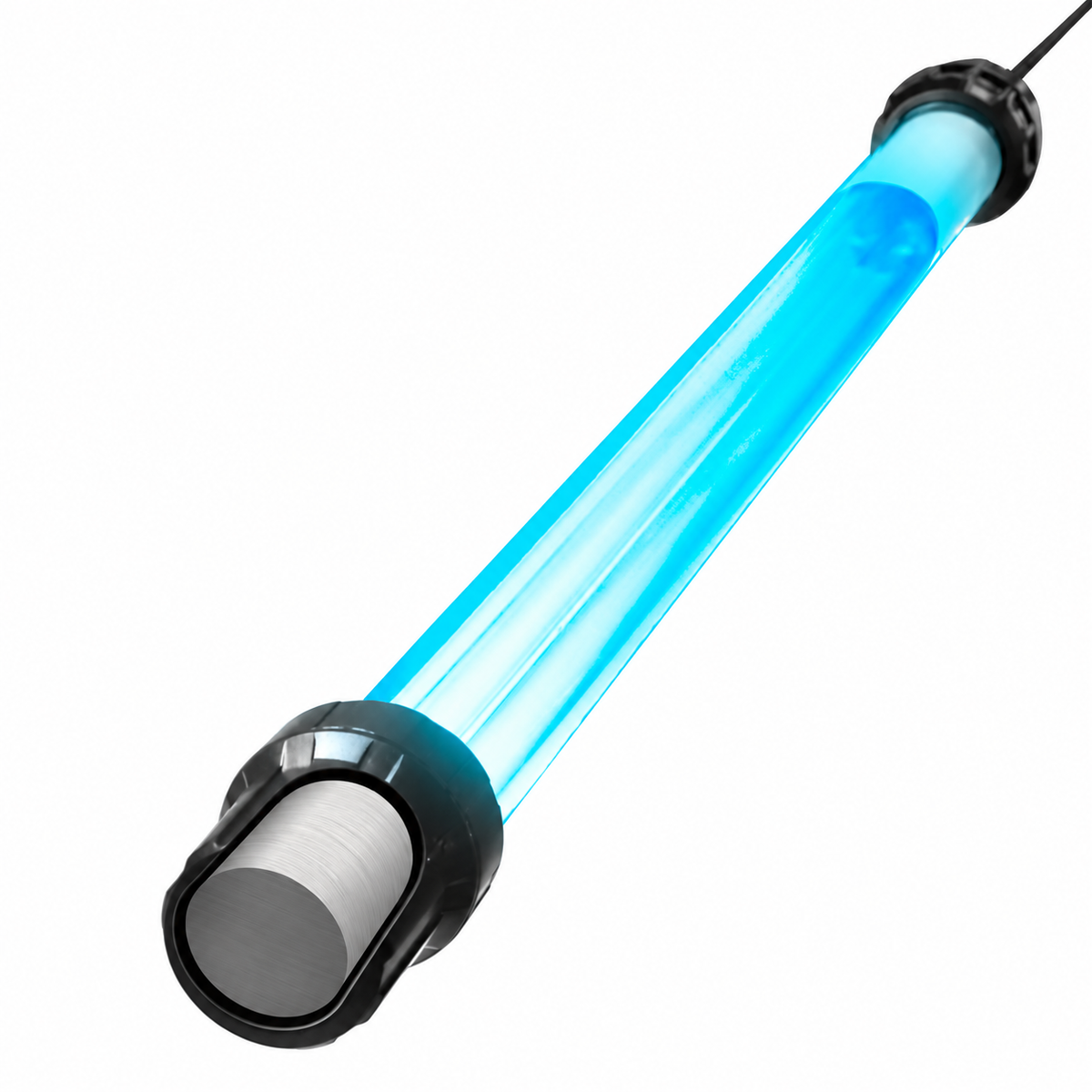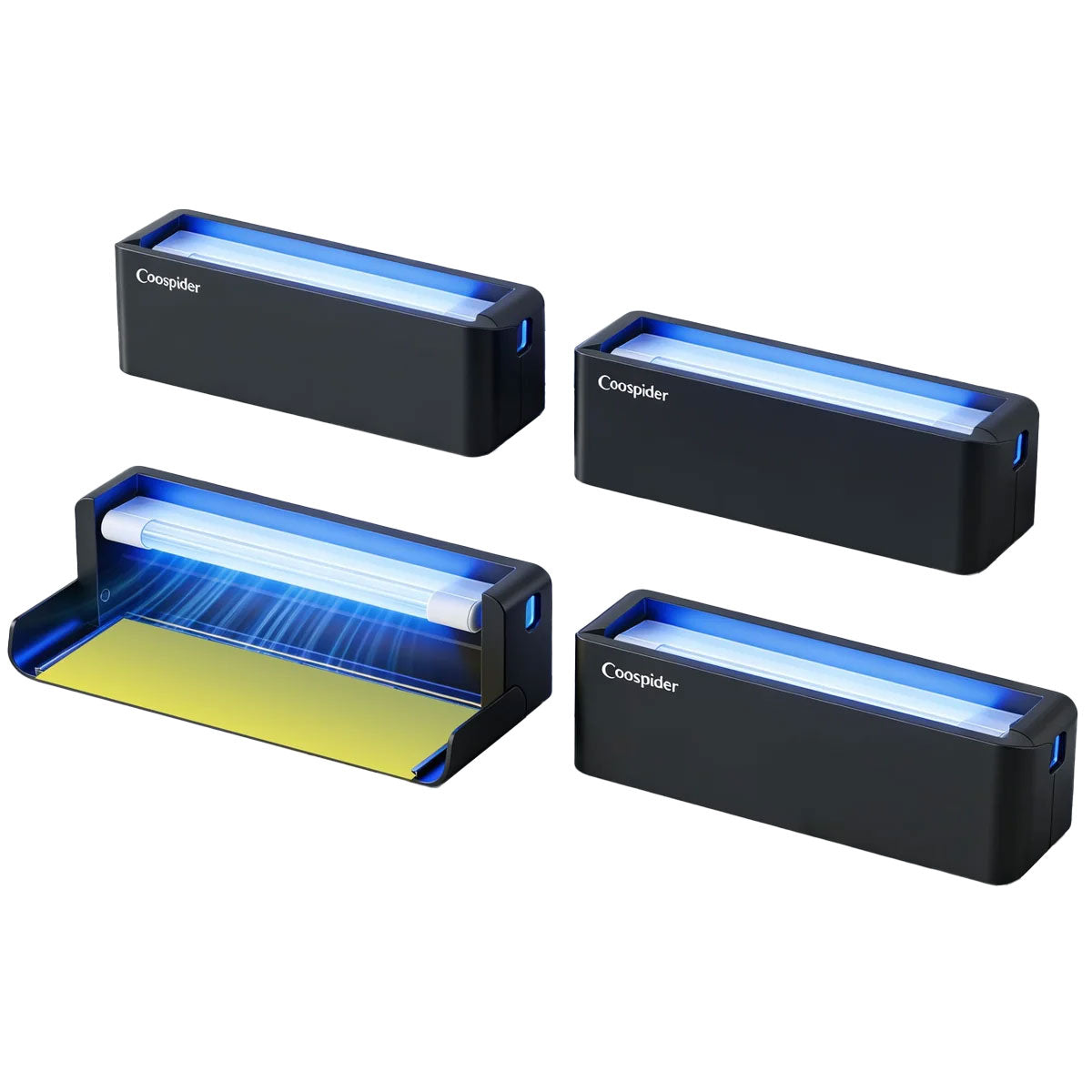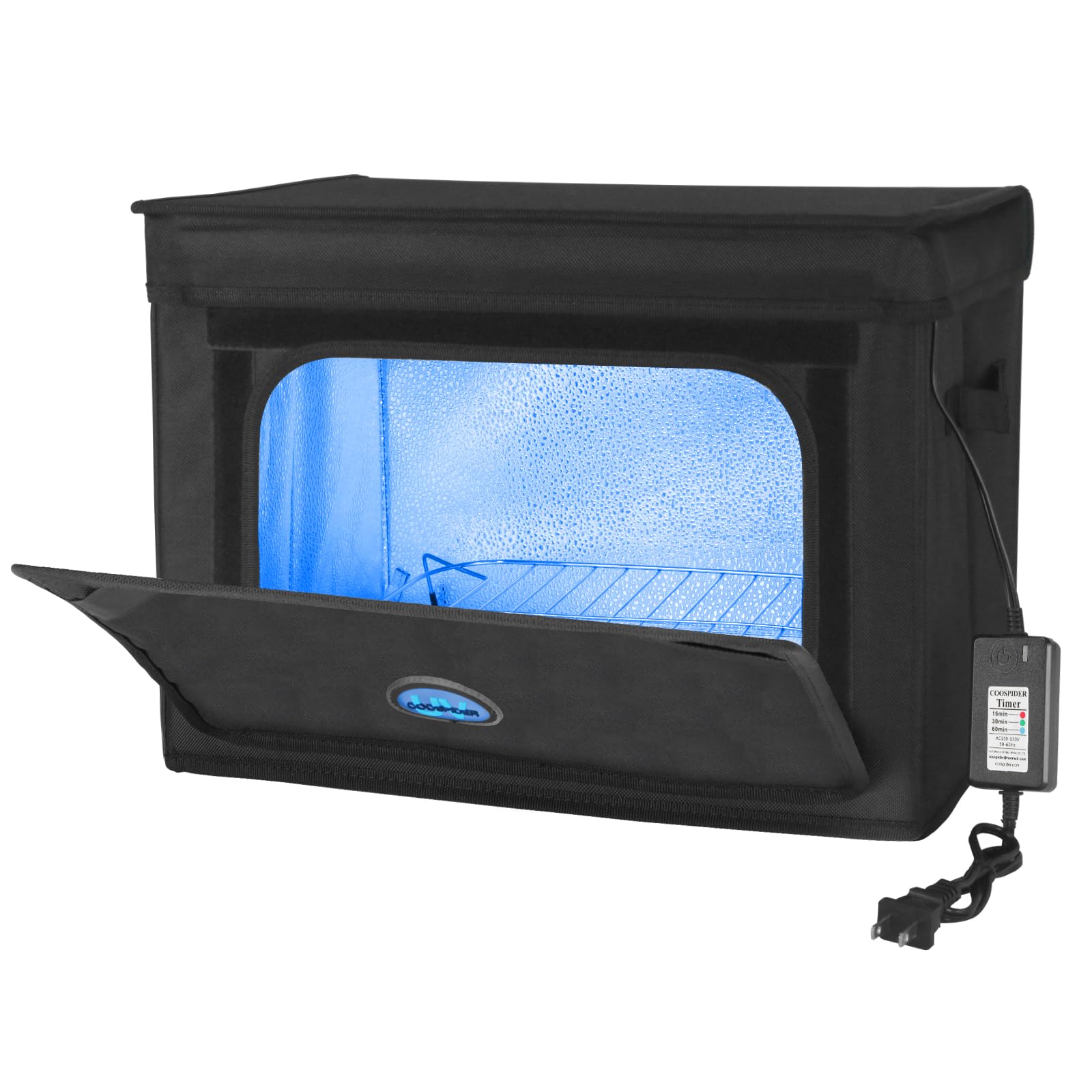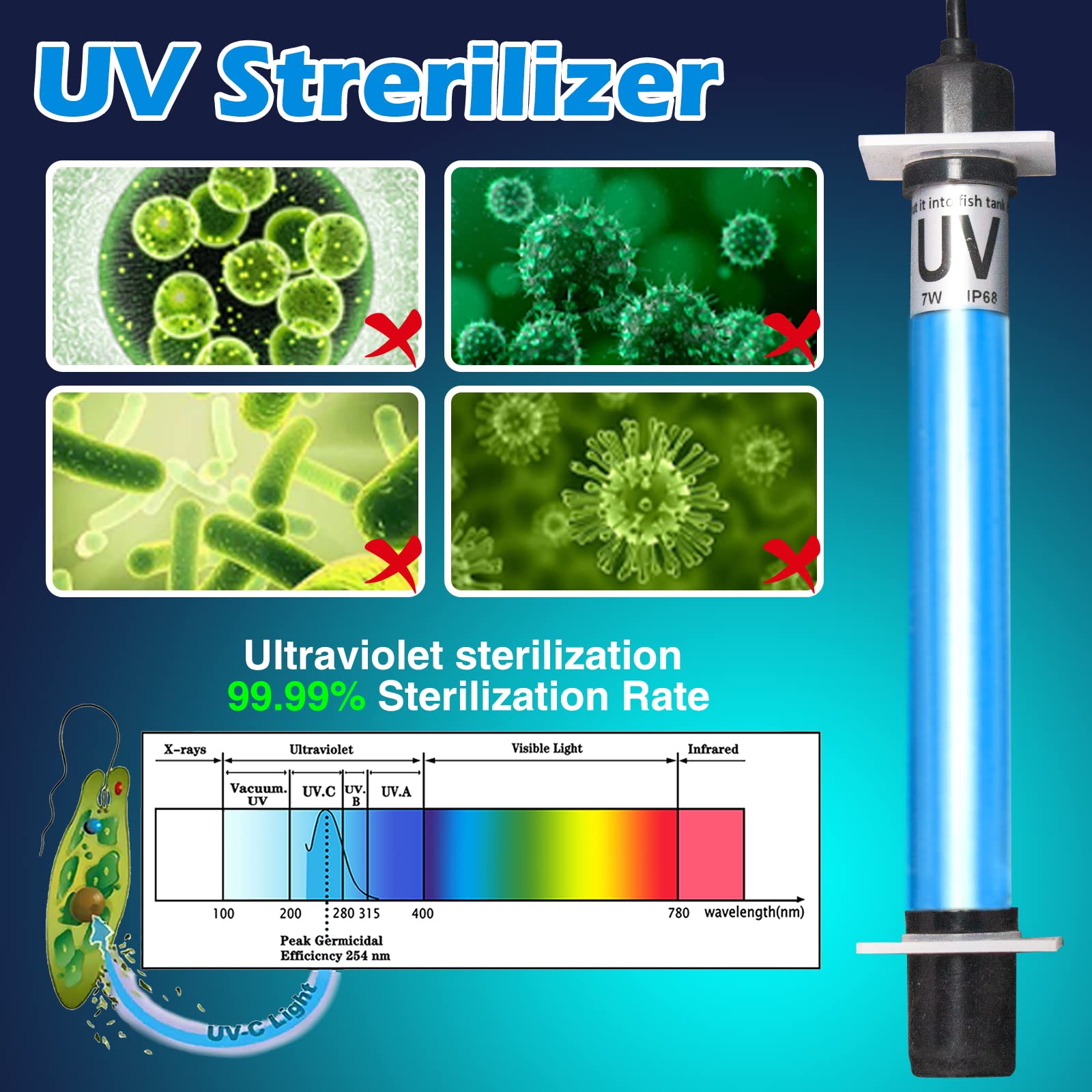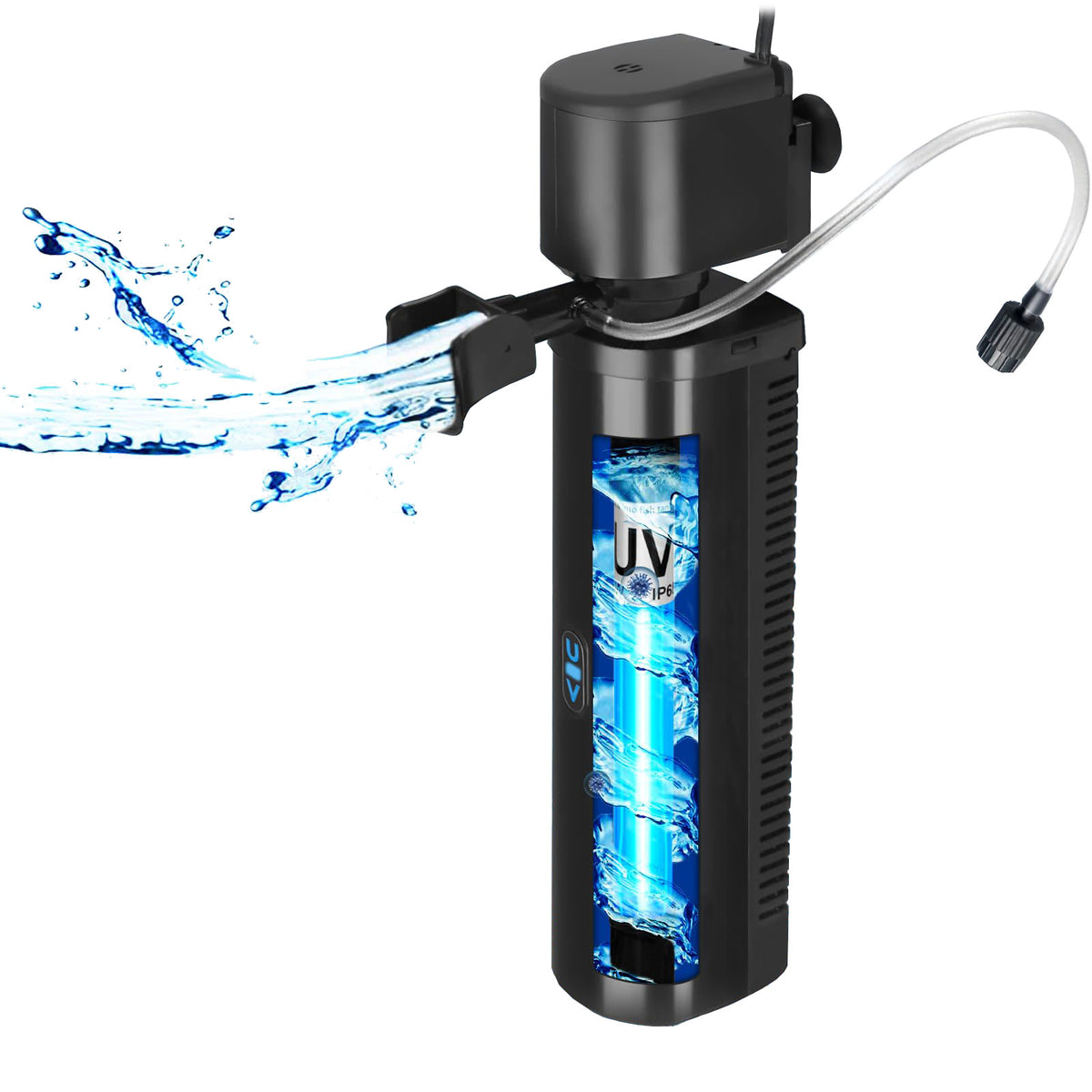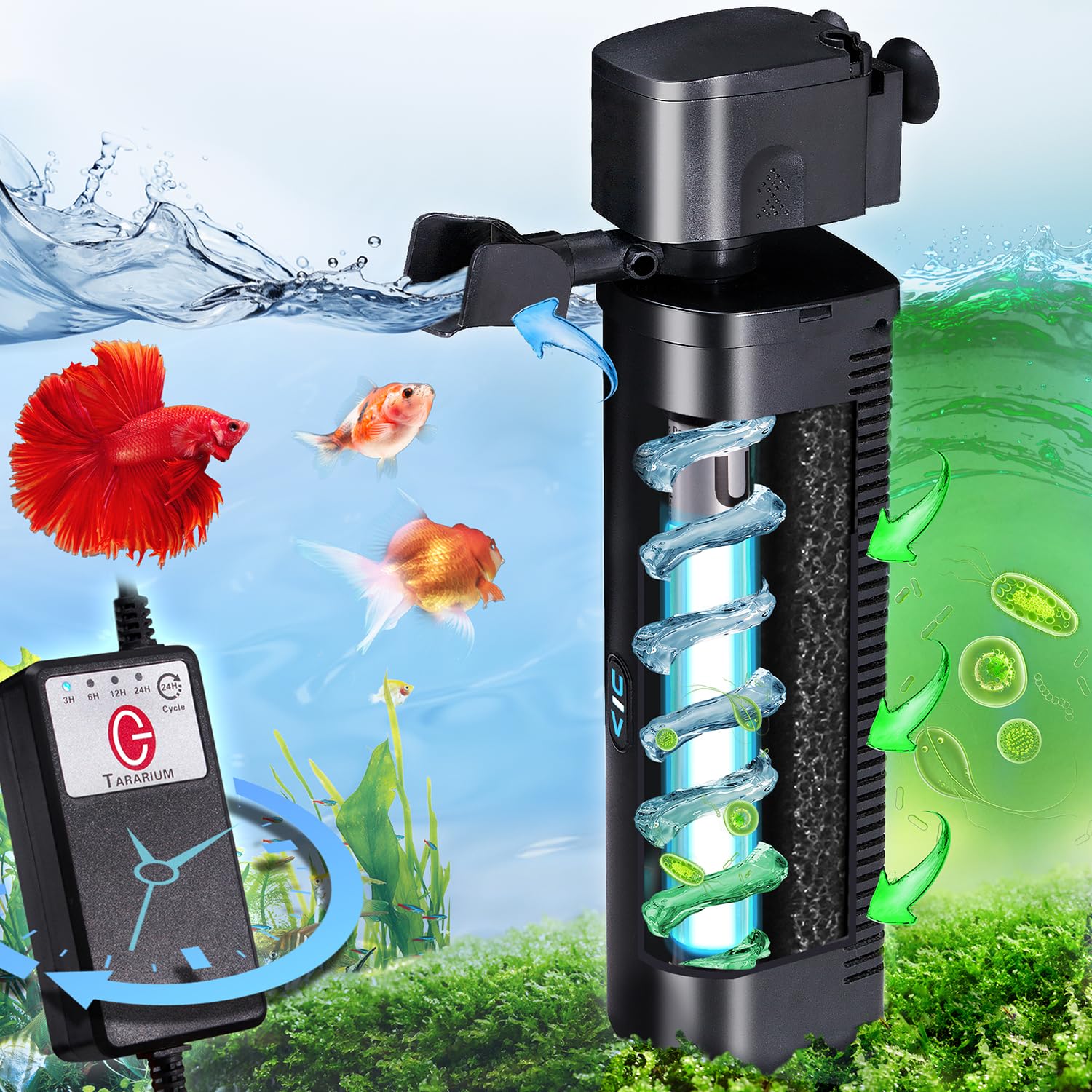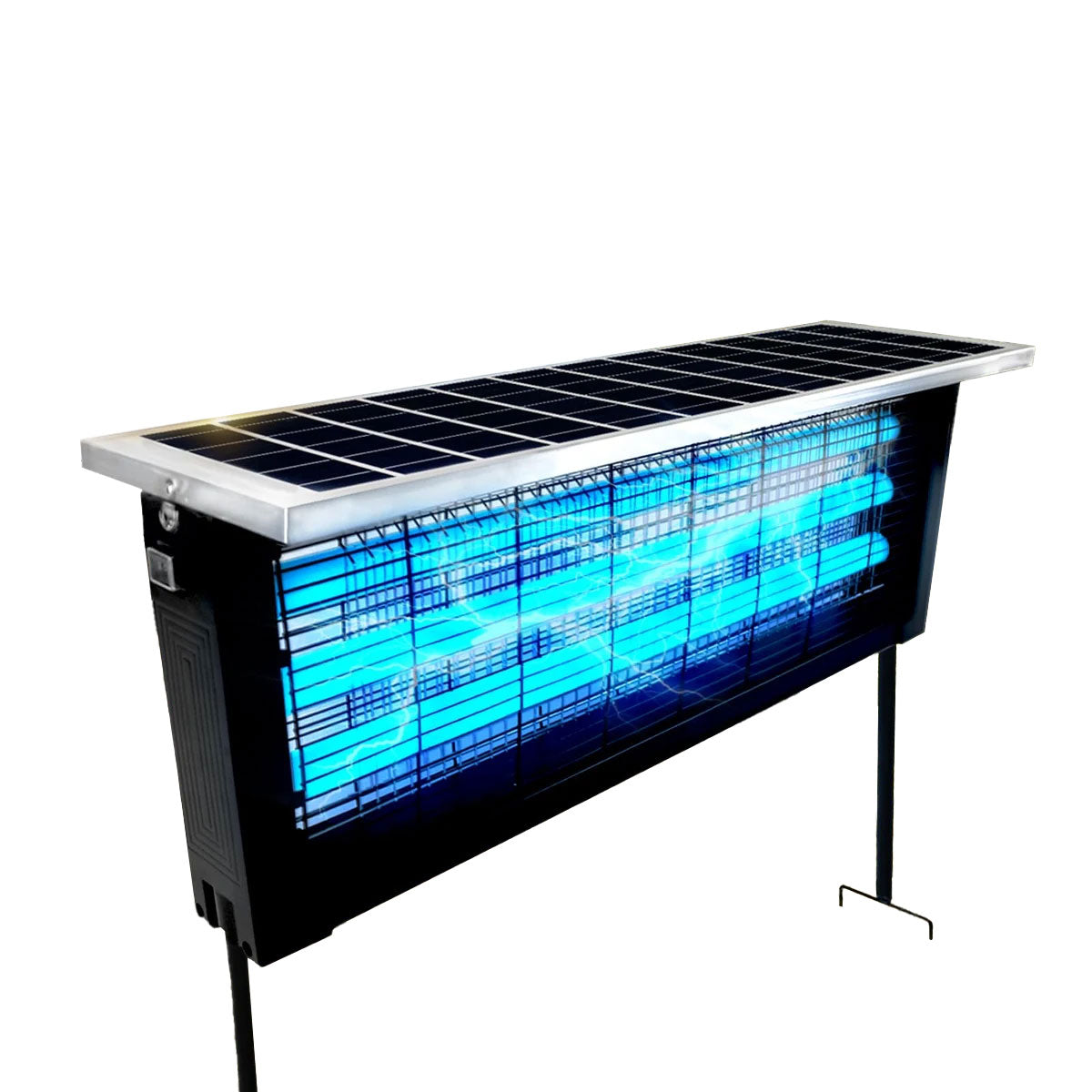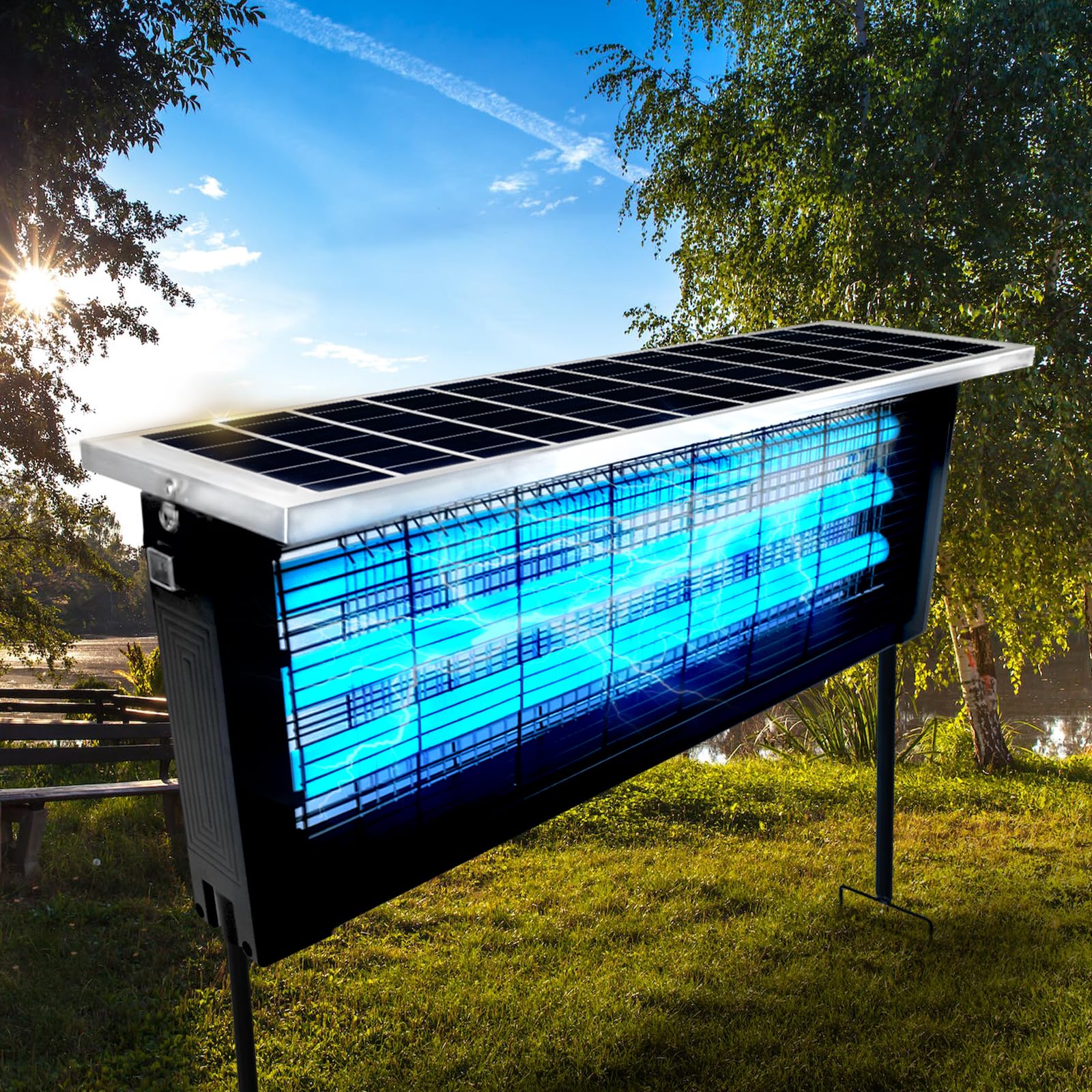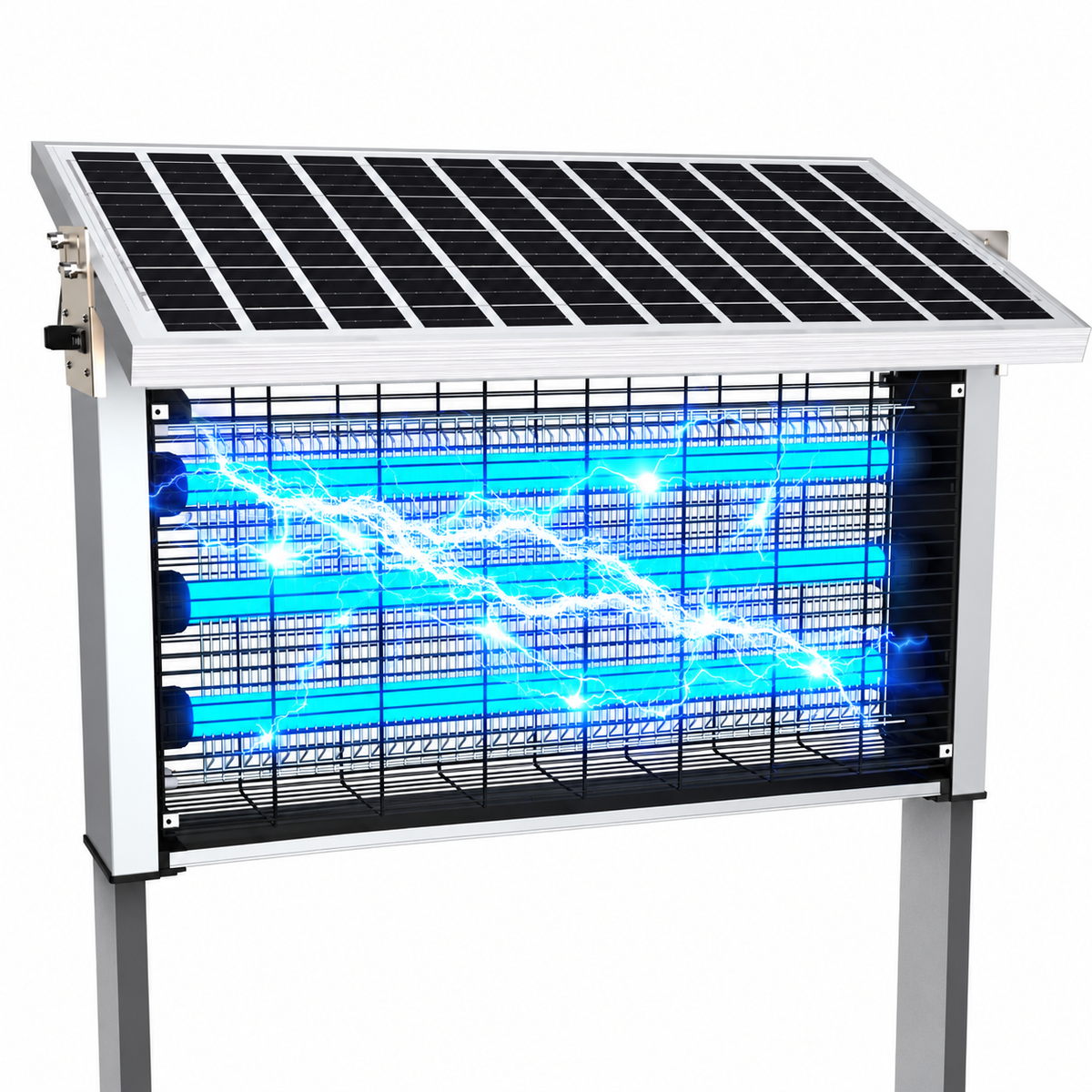
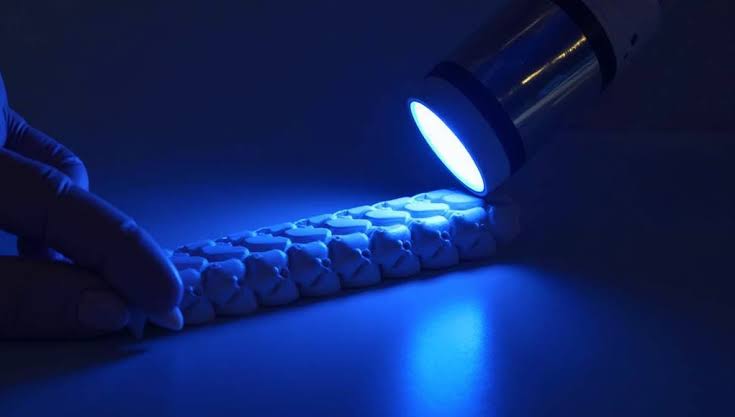
Ultraviolet (UV) equipment has become an important tool in many industries and everyday applications. From sterilization systems and laboratory equipment to water treatment devices, air purification systems, and professional tools, UV technology provides powerful solutions for reducing microorganisms and improving cleanliness.
However, UV radiation is not something that should be treated casually.
Unlike ordinary light, ultraviolet radiation carries enough energy to affect biological tissues. Improper installation, careless operation, or lack of protective measures can result in unwanted exposure to skin and eyes.
The solution is not to avoid UV technology completely. Instead, the key is creating a properly designed UV safety zone—a controlled environment where equipment can operate effectively while minimizing risks.
A well-planned safety zone is more than just placing warning signs or telling people to stay away. It involves equipment placement, protective barriers, operating procedures, maintenance routines, employee awareness, and regular inspections.
This complete checklist will help you understand how to build a safer working environment around UV equipment and develop a practical system for daily operation and risk prevention.
What Is a UV Equipment Safety Zone?
A UV safety zone is a controlled area designed to reduce the possibility of accidental exposure to ultraviolet radiation.
It includes:
-
A clearly defined operating area
-
Controlled access points
-
Proper warning signs
-
Protective equipment
-
Safe operating procedures
-
Regular inspection routines
The purpose of a safety zone is simple:
Allow UV equipment to perform its intended function while keeping people, animals, and sensitive materials protected.
A good safety zone does not depend on one single safety measure. Instead, it uses multiple layers of protection.
Why UV Safety Zones Are Necessary
Many people underestimate UV risks because ultraviolet radiation cannot be seen.
With visible light, people naturally react when something appears too bright. UV radiation is different.
A person may not realize exposure is occurring until symptoms appear later.
Potential effects of excessive UV exposure may include:
-
Skin redness
-
Skin irritation
-
Burning sensations
-
Eye discomfort
-
Temporary vision problems
-
Long-term skin changes
The risk depends on several factors:
-
UV wavelength
-
Exposure duration
-
Radiation intensity
-
Distance from the source
-
Protective measures used
Creating a safety zone helps control these factors.
Step One: Identify Your UV Equipment Risk Level
Before creating a safety area, understand the equipment you are using.
Different UV devices create different exposure conditions.
Common categories include:
UV Sterilization Equipment
Used for:
-
Air treatment
-
Surface disinfection
-
Water purification
-
Healthcare applications
Important considerations:
-
Operating location
-
Exposure direction
-
Operating time
-
Access control
UV-C Devices
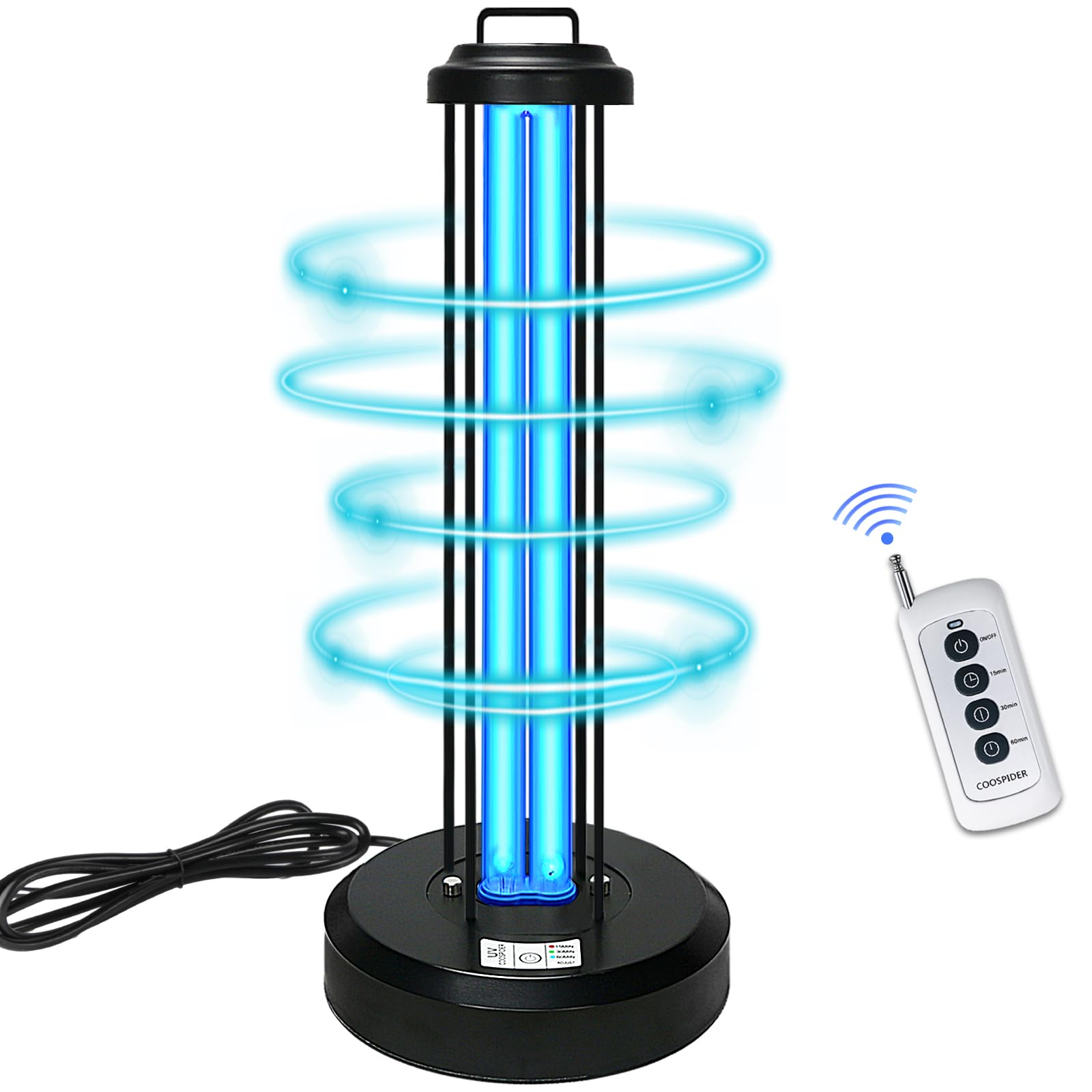
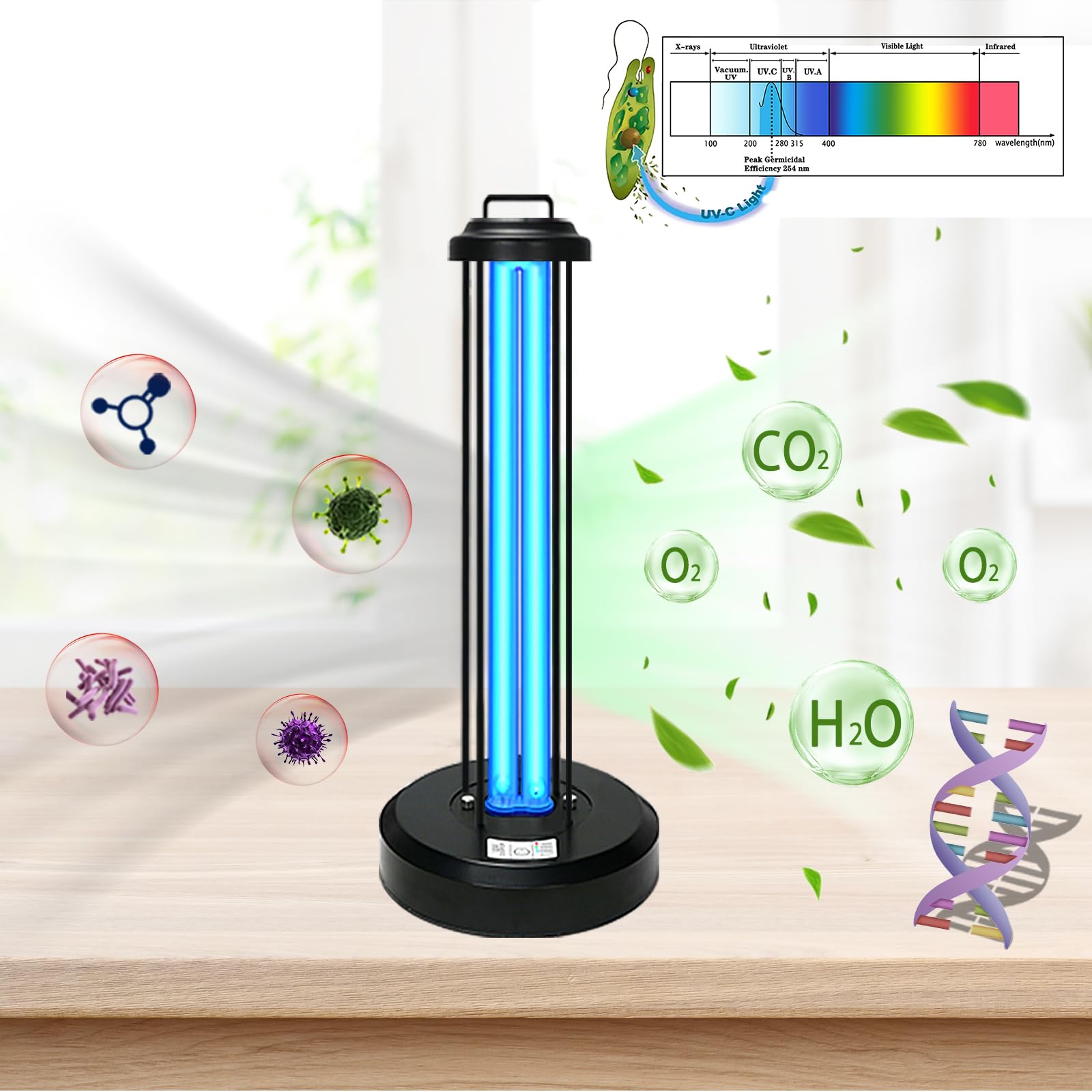
UV-C equipment requires special attention because UV-C radiation has high energy.
Safety considerations include:
-
Preventing direct exposure
-
Using protective barriers
-
Controlling operation areas
UV Curing Equipment
Used in:
-
Manufacturing
-
Printing
-
Electronics
-
Coating processes
Important factors:
-
Operator distance
-
Protective shielding
-
Automatic controls
Laboratory UV Equipment
Laboratory environments often require:
-
Restricted access
-
Protective eyewear
-
Standard operating procedures
Step Two: Choose the Right Location
The location of your UV equipment directly affects safety.
Before installation, evaluate:
Traffic Flow
Ask:
-
Do people frequently walk nearby?
-
Could someone enter accidentally?
-
Is the area visible to supervisors?
Avoid placing UV equipment in uncontrolled public areas.
Room Layout
Consider:
-
Walls
-
Doors
-
Windows
-
Workstations
-
Equipment placement
The goal is to create separation between the UV source and normal activity areas.
Environmental Conditions
Check:
-
Temperature
-
Humidity
-
Ventilation
-
Dust levels
Environmental factors can affect equipment performance and maintenance needs.
Step Three: Define Your Safety Boundaries
A safety zone should have clear physical boundaries.
Your checklist should include:
☐ Mark the operating area
☐ Identify restricted zones
☐ Place visible warning labels
☐ Prevent unauthorized access
☐ Separate UV operation from normal activities
The boundary should be easy for anyone to understand, even visitors unfamiliar with the equipment.
Step Four: Install Warning Signs Correctly
Warning signs are one of the simplest but most important safety measures.
Signs should clearly communicate:
-
UV radiation hazard
-
Restricted access
-
Required protection
-
Operating status
Good warning signs should be:
-
Easy to see
-
Positioned near entrances
-
Large enough to read
-
Maintained regularly
A faded or damaged warning sign loses its effectiveness.
Step Five: Control Access to the UV Area
One of the biggest risks is accidental entry.
A proper access control system may include:
Physical Barriers
Examples:
-
Doors
-
Safety covers
-
Protective shields
-
Enclosures
Administrative Controls
Examples:
-
Authorized personnel only
-
Training requirements
-
Operating schedules
Automatic Safety Features
Depending on the equipment:
-
Door interlocks
-
Motion sensors
-
Automatic shutoff systems
Step Six: Select Proper Protective Equipment
Personal protective equipment (PPE) is an important safety layer.
Common protective equipment includes:
UV Protective Eyewear
The eyes are especially sensitive to UV exposure.
Protective eyewear should:
-
Match the UV wavelength
-
Fit securely
-
Be inspected regularly
Protective Clothing
Depending on the environment:
-
Long sleeves
-
Gloves
-
Protective materials
may help reduce unnecessary skin exposure.
Equipment-Specific Protection
Always follow manufacturer recommendations.
Different UV devices may require different protective solutions.
Step Seven: Create a Pre-Operation Inspection Checklist
Before turning on UV equipment, perform a quick safety check.
Area Inspection
☐ Is the operating area clear?
☐ Are unauthorized people away?
☐ Are warning signs visible?
☐ Are protective barriers in place?
☐ Are doors or covers properly secured?
Equipment Inspection
☐ Check for visible damage
☐ Confirm protective covers are installed
☐ Verify controls are functioning
☐ Check cables and connections
☐ Confirm timers and settings
Personal Preparation
☐ Wear required protective equipment
☐ Understand operating procedures
☐ Confirm emergency procedures
☐ Know how to shut down equipment
Step Eight: Develop Safe Operating Procedures
A written procedure reduces mistakes.
A good UV operating procedure should include:
Before Operation
-
Inspect the area
-
Confirm safety conditions
-
Notify nearby personnel if necessary
During Operation
-
Avoid unnecessary presence nearby
-
Monitor equipment status
-
Do not bypass safety features
After Operation
-
Confirm shutdown
-
Check equipment condition
-
Record unusual events
Step Nine: Create a Maintenance Schedule
UV equipment requires regular maintenance to operate safely.
A maintenance checklist may include:
Daily Checks
☐ Clean visible surfaces
☐ Check warning indicators
☐ Confirm normal operation
Weekly Checks
☐ Inspect protective components
☐ Review equipment performance
☐ Check surrounding areas
Monthly Checks
☐ Review maintenance records
☐ Inspect safety systems
☐ Replace worn components if needed
Step Ten: Train Everyone Who May Enter the Area
Equipment safety depends on human behavior.
Training should cover:
-
UV hazards
-
Equipment operation
-
Protective equipment use
-
Emergency response
-
Restricted area rules
People should understand not only what rules exist but also why they matter.
Common UV Safety Mistakes to Avoid
Mistake One: Treating UV Light Like Normal Light
UV radiation is invisible but powerful.
Never assume that because you cannot see it, it is harmless.
Mistake Two: Removing Protective Covers
Protective shields exist for a reason.
Removing them can create unexpected exposure risks.
Mistake Three: Allowing Untrained Users to Operate Equipment
Lack of knowledge increases the chance of mistakes.
Mistake Four: Ignoring Small Equipment Damage
A cracked shield, broken warning label, or damaged cable should not be ignored.
Small problems can become larger safety issues.
Mistake Five: Skipping Routine Inspections
Safety systems become weaker when inspections are inconsistent.
Emergency Response Checklist
If accidental UV exposure occurs:
Step One: Stop Exposure
Turn off the equipment if it can be done safely.
Leave the exposure area.
Step Two: Assess Symptoms
Pay attention to:
-
Skin redness
-
Burning sensations
-
Eye irritation
-
Vision changes
Step Three: Document the Event
Record:
-
Exposure time
-
Equipment involved
-
Location
-
Symptoms
This information helps with evaluation and prevention.
How to Improve Your UV Safety Zone Over Time
A safety zone should not remain unchanged forever.
Regularly review:
Equipment Changes
New devices may require different controls.
Workplace Changes
Moving furniture or changing workflows can affect safety.
Safety Records
Past incidents and inspections provide valuable information.
UV Safety Zone Final Inspection Checklist
Use this complete checklist regularly:
Location
☐ Equipment placed in a controlled area
☐ Access points identified
☐ Surrounding environment evaluated
Warning System
☐ Safety signs visible
☐ Hazard information displayed
☐ Labels maintained
Protection
☐ Protective eyewear available
☐ Required PPE provided
☐ Barriers installed
Operation
☐ Procedures documented
☐ Operators trained
☐ Emergency shutdown understood
Maintenance
☐ Equipment inspected regularly
☐ Safety features tested
☐ Records maintained
Final Thoughts
Creating a safety zone for UV equipment is not about making operation difficult—it is about making technology safer and more reliable.
A properly designed UV safety area combines smart installation, clear boundaries, protective equipment, regular inspections, and responsible operation. These steps help reduce accidental exposure while allowing UV technology to deliver its intended benefits.
Whether you use UV equipment in a professional environment, industrial setting, laboratory, or specialized application, safety should always be part of the design process.
The best safety systems are built before problems happen.
By following a detailed inspection checklist and maintaining consistent safety habits, you can create a controlled UV environment that protects people while maximizing the effectiveness of your equipment.