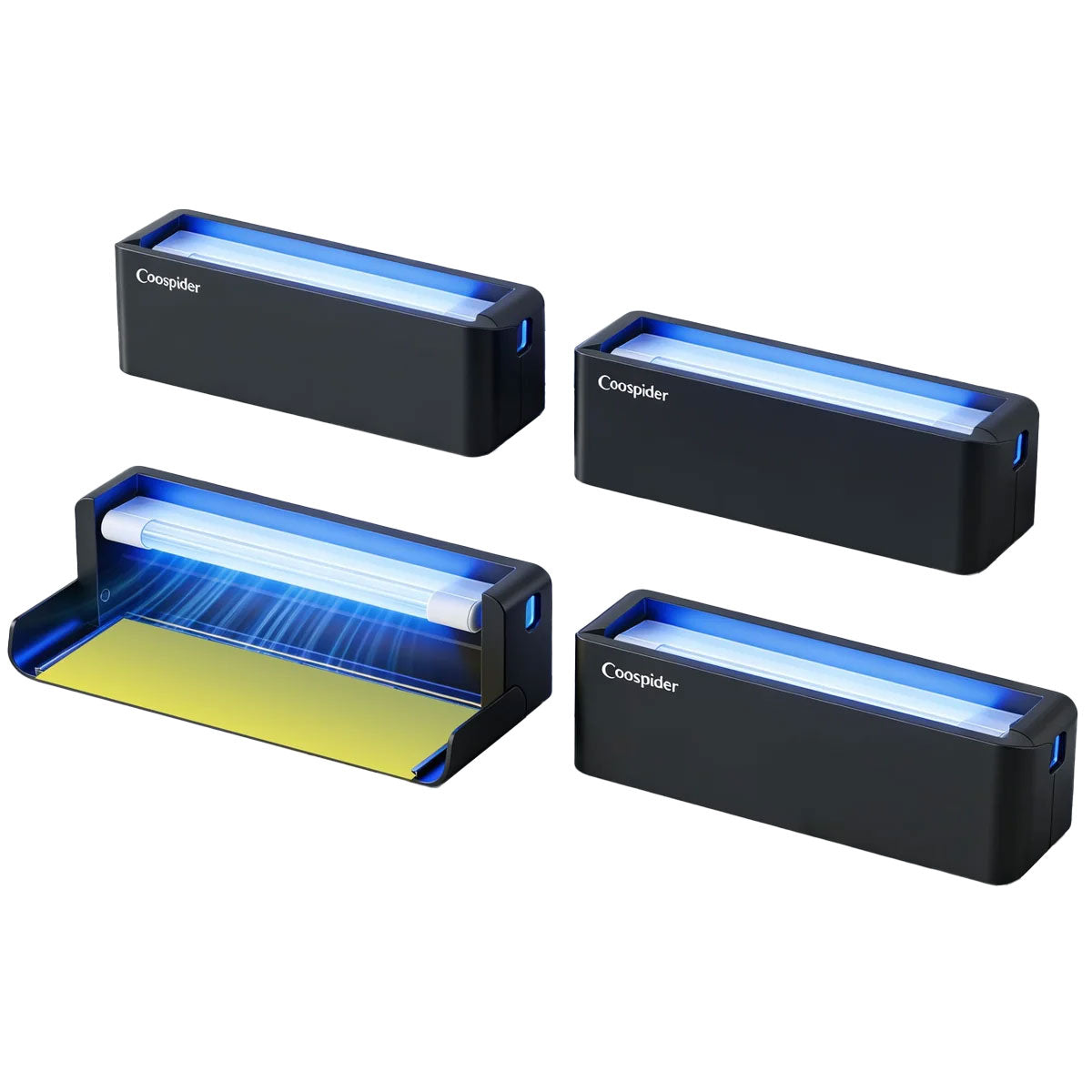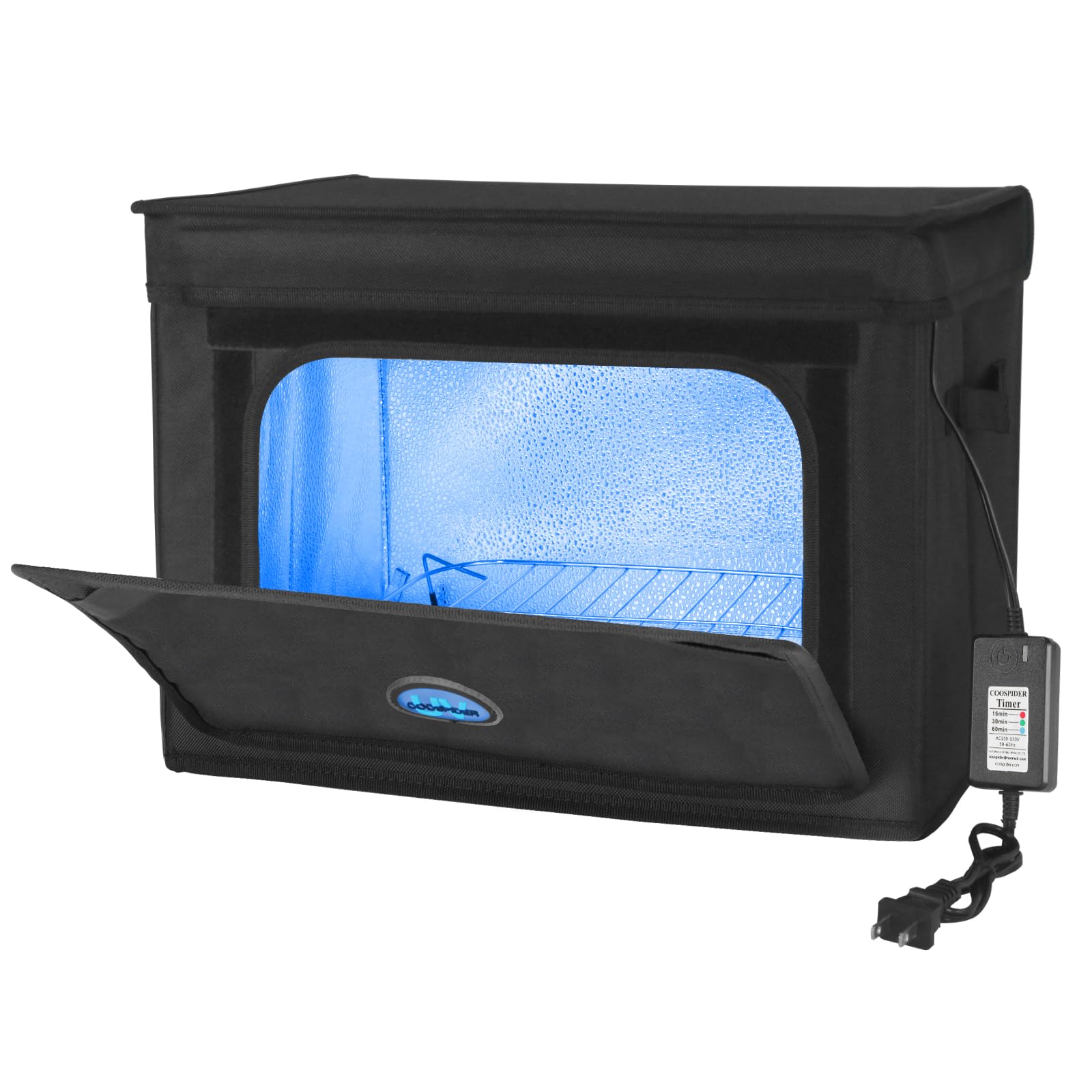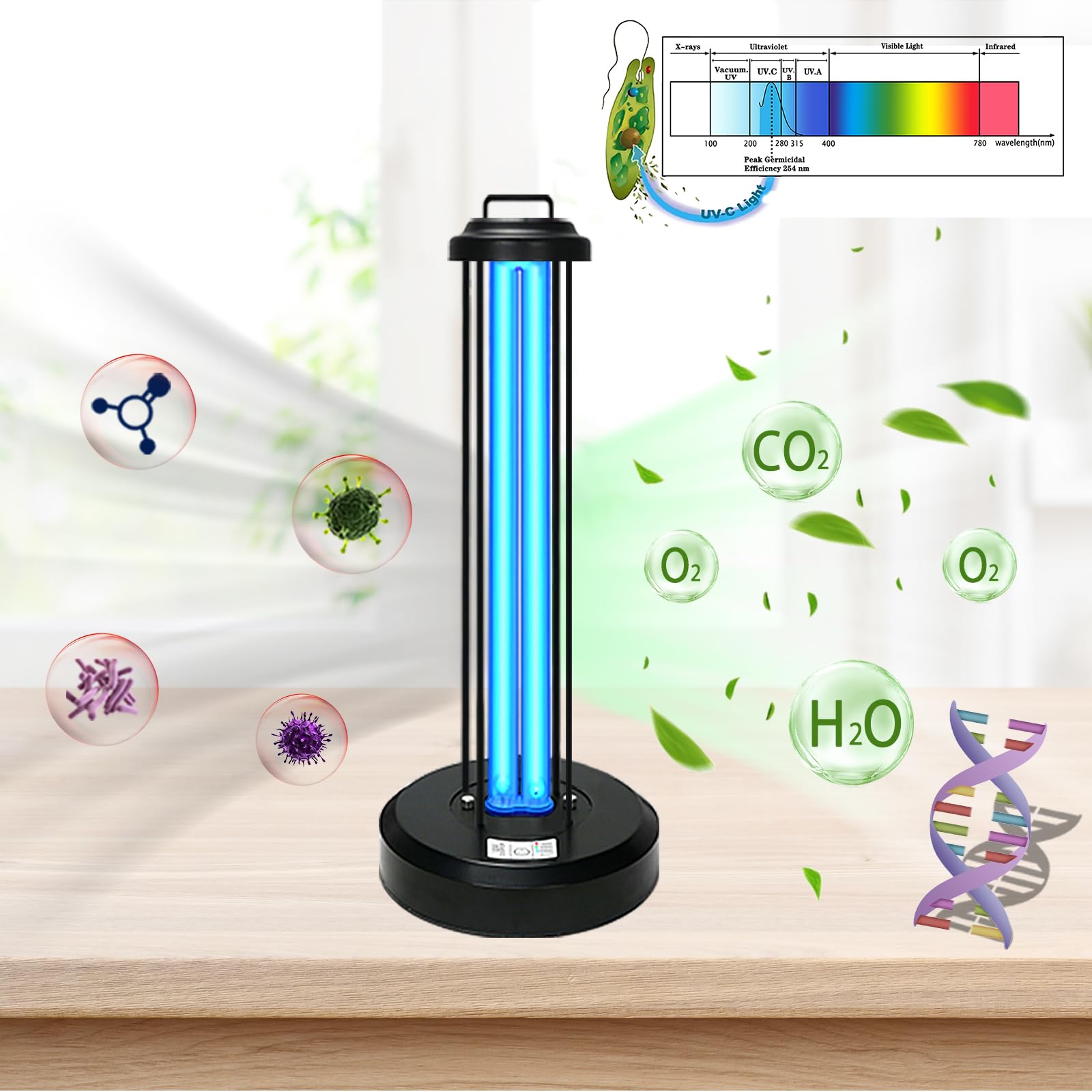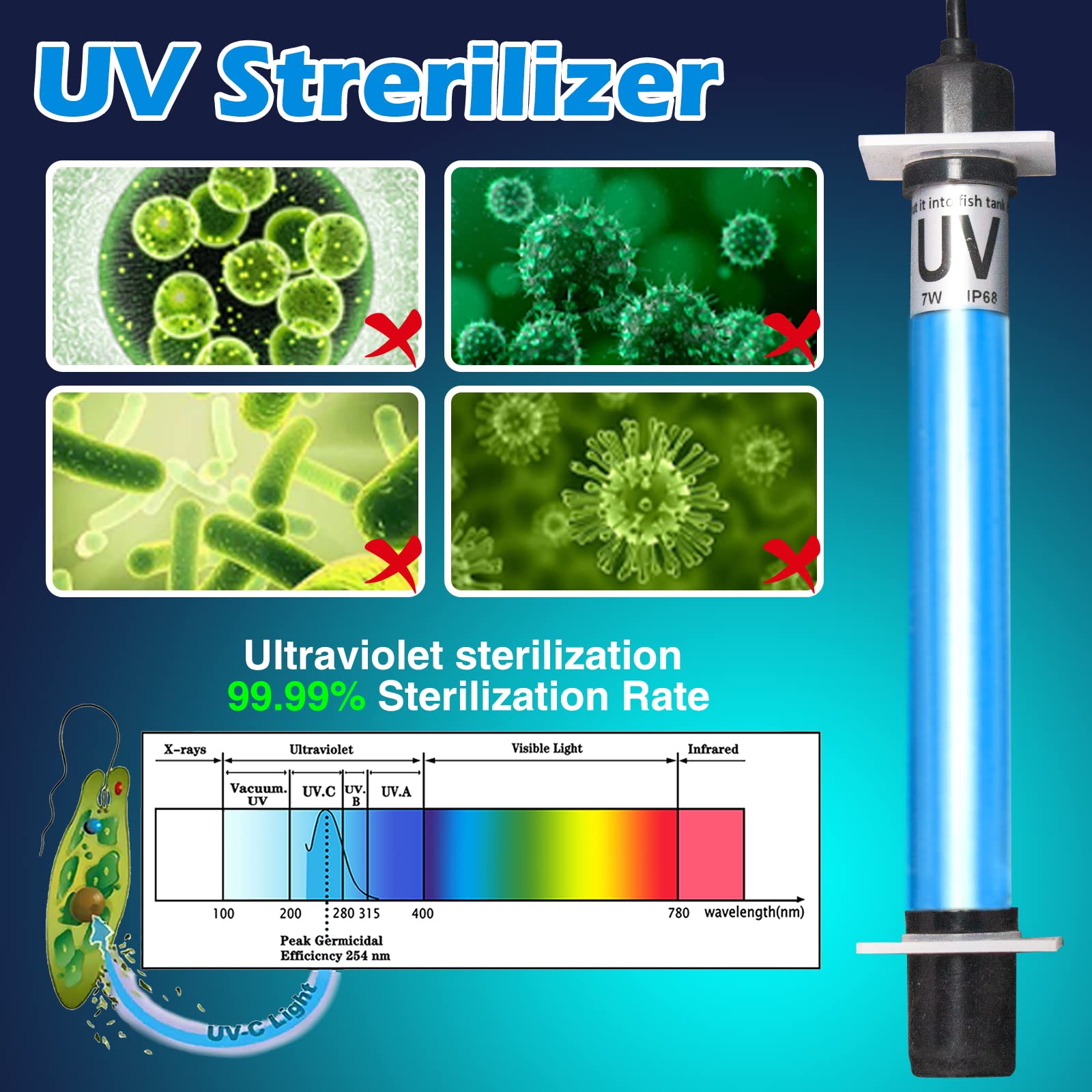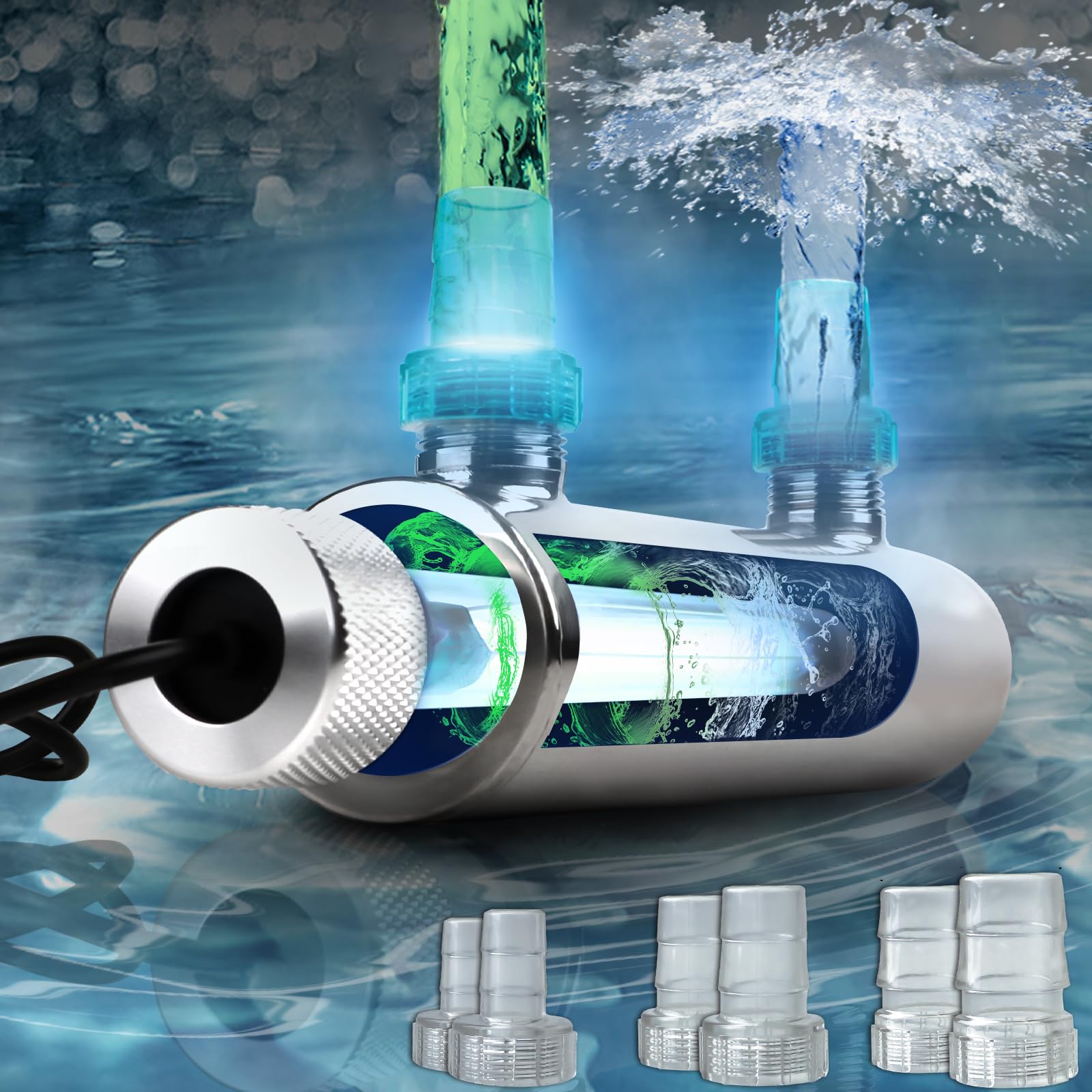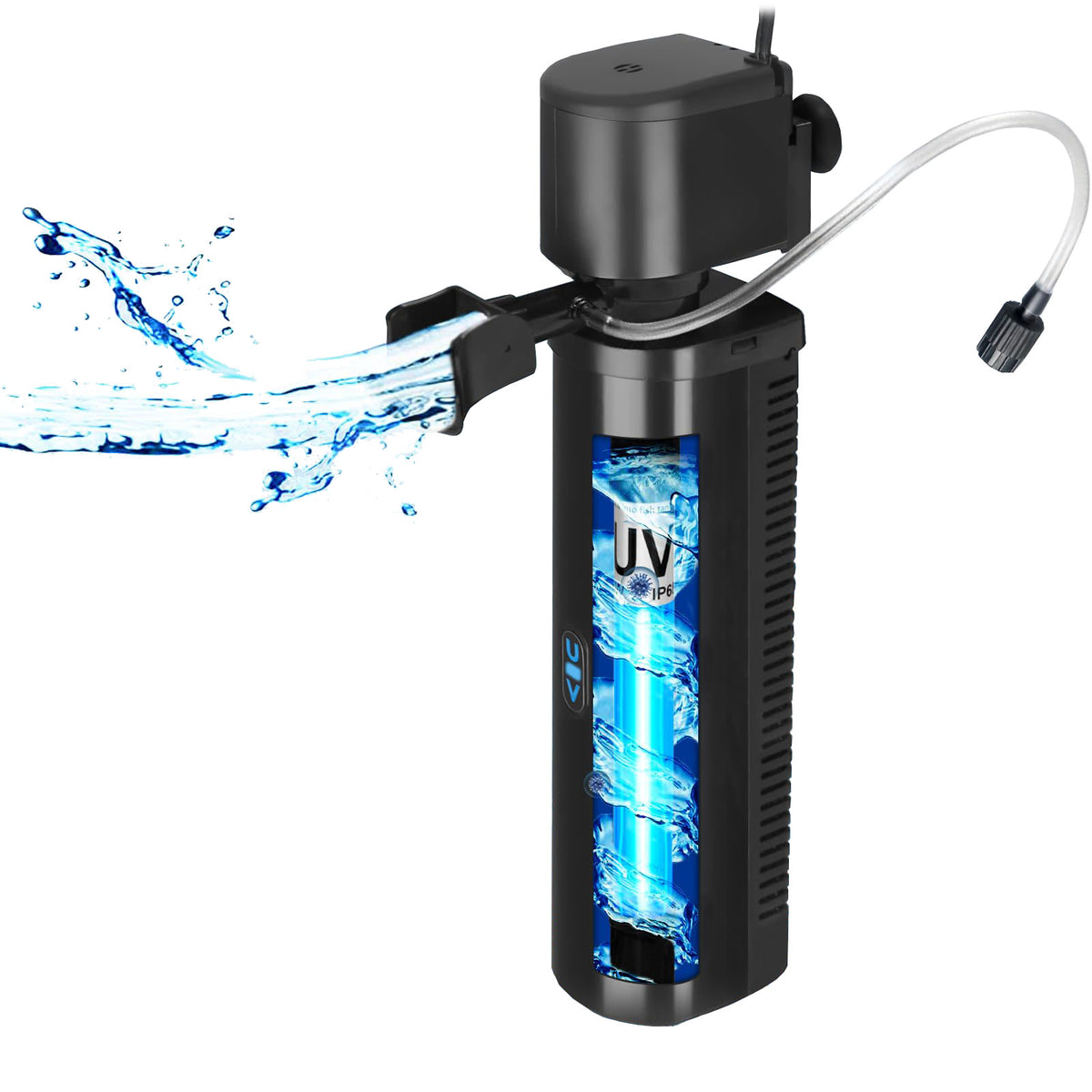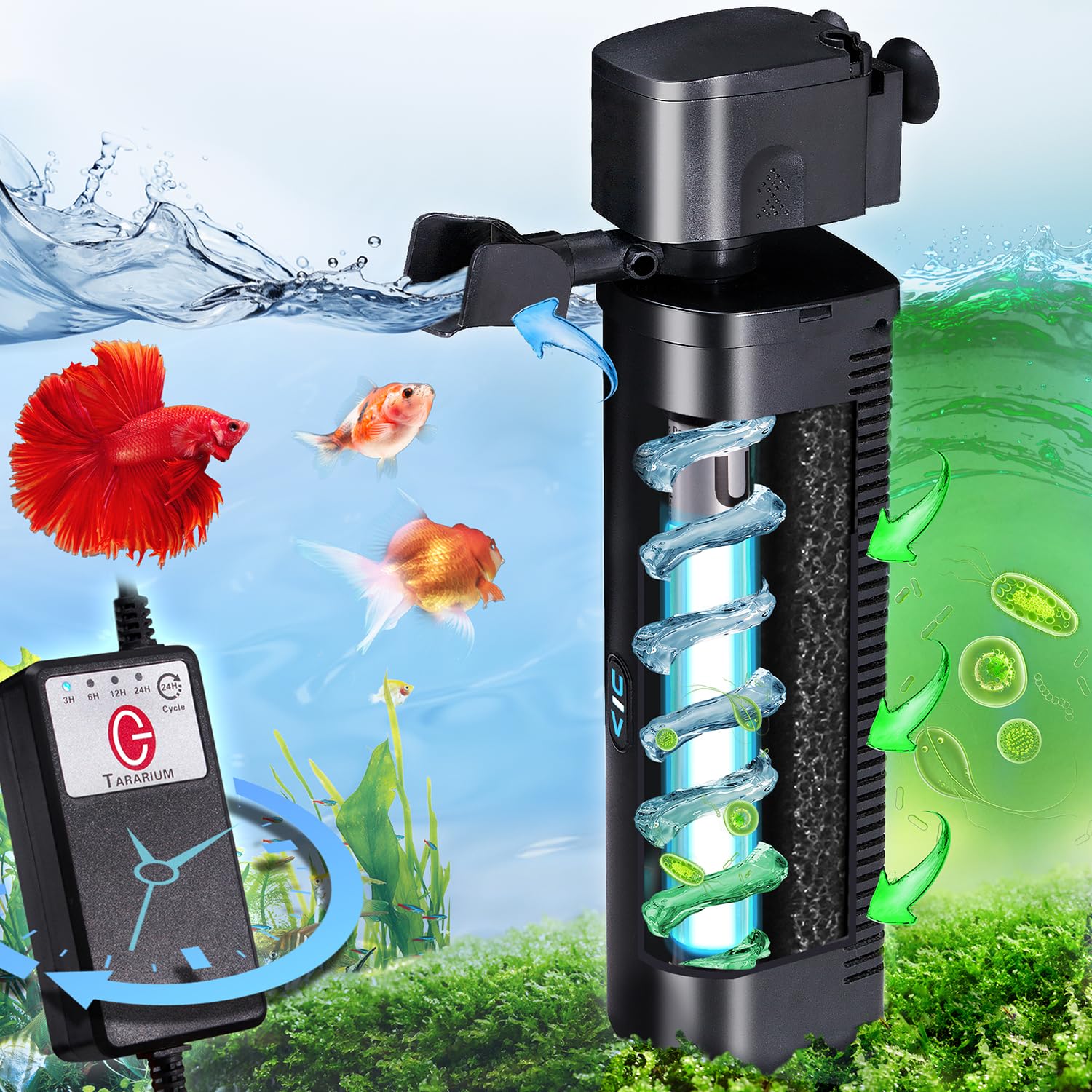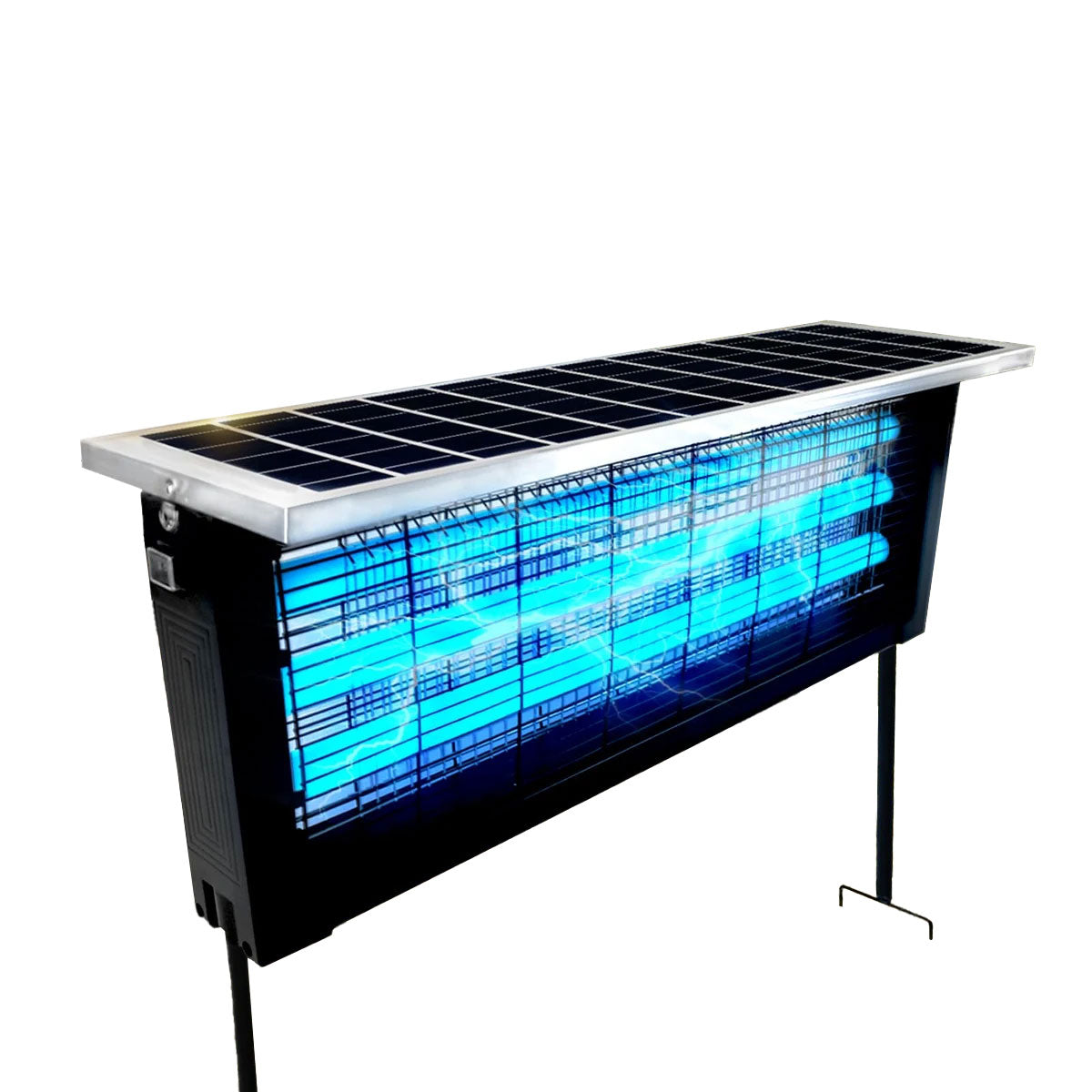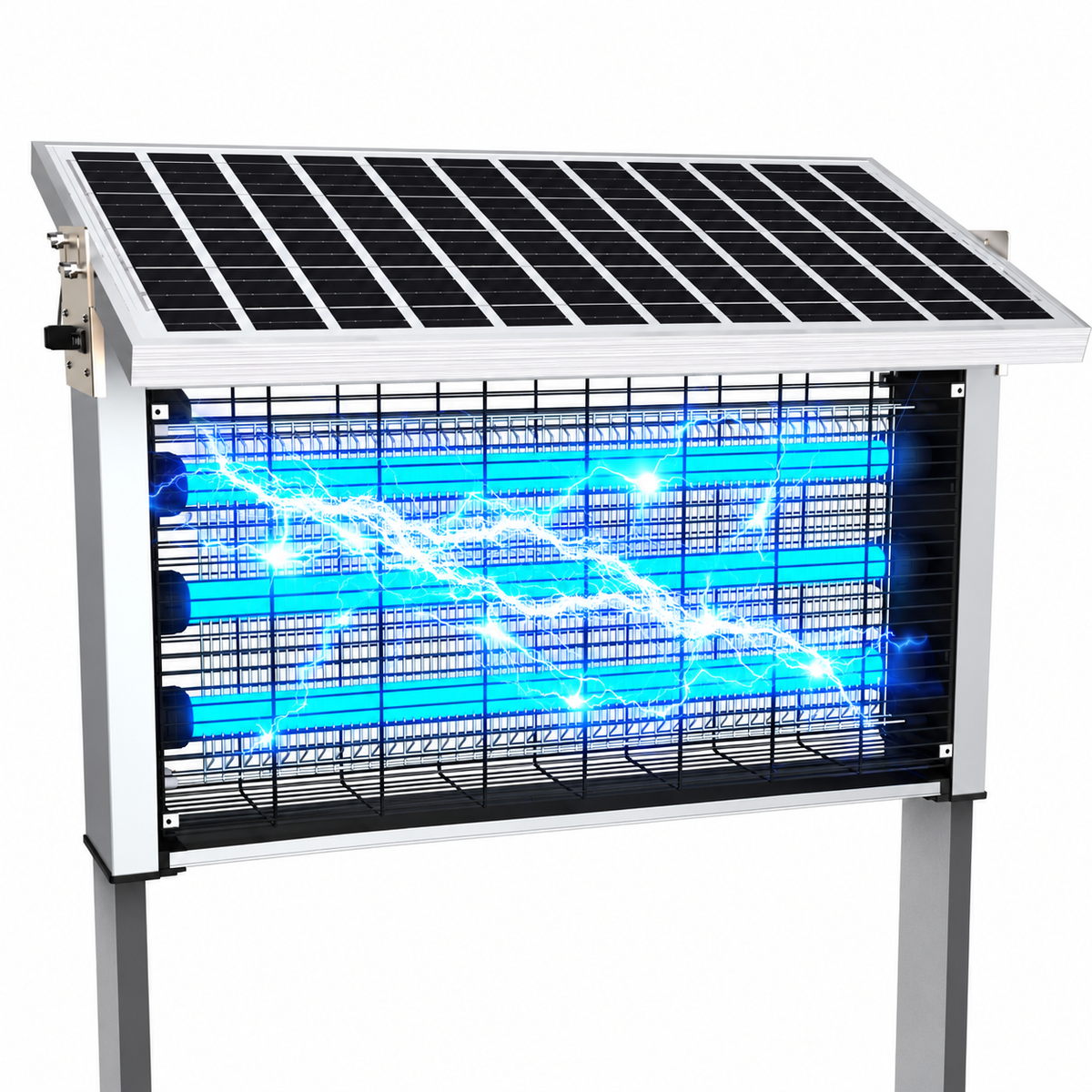
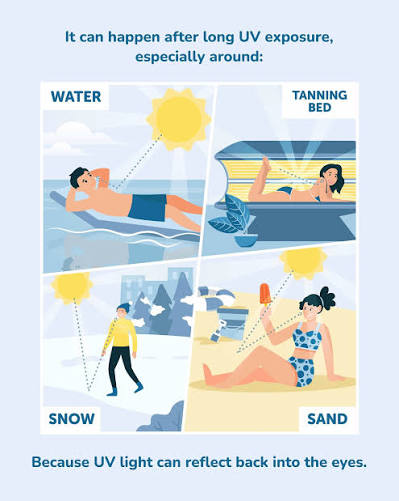
Ultraviolet (UV) light technology has become increasingly common in modern life. From UV sterilization lamps and professional equipment to beauty devices, nail lamps, and industrial applications, UV light is now found in many environments. While UV technology can provide useful benefits, improper exposure can cause noticeable reactions in the body.
Many people recognize the first signs of UV exposure as simple redness or warmth. However, the body's response can develop through several stages, ranging from mild irritation to painful burns. Understanding these signals is essential because early symptoms are the body's way of communicating that damage may already be occurring.
So, what does your skin actually experience after UV exposure? Why does redness appear? When does irritation become a burn? How can you respond appropriately?
This guide explains the different stages of UV light exposure reactions, the warning signs your body sends, and the steps you can take to protect your skin and overall health.
Why UV Light Can Affect Your Skin
Ultraviolet light is a form of electromagnetic radiation that cannot be seen by the human eye. It carries more energy than visible light, allowing it to interact with biological tissues.
There are three major types of UV radiation:
UVA Rays
UVA rays have longer wavelengths and penetrate deeper into the skin.
They are commonly associated with:
-
Premature skin aging
-
Wrinkles
-
Loss of skin elasticity
-
Long-term skin changes
UVB Rays
UVB rays affect the outer layers of skin and are the primary cause of sunburn.
They are responsible for:
-
Redness
-
Inflammation
-
Painful burns
-
Direct skin cell damage
UVC Rays
UVC rays have the highest energy level. Natural UVC radiation from the sun is mostly blocked by Earth's atmosphere, but artificial UVC sources, such as certain sterilization lamps, can create exposure risks.
Because of their high energy, UVC devices require careful handling and strict safety precautions.
The First Signal: Skin Redness After UV Exposure
Redness is often the earliest visible reaction after excessive UV exposure.
Many people describe it as:
-
Pink or red skin
-
Warmth
-
Mild sensitivity
-
Slight discomfort
This happens because UV radiation triggers an inflammatory response. The body increases blood flow to the affected area as part of the repair process.
Although mild redness may seem harmless, it is still a warning sign.
Your skin is essentially saying:
"Something has caused stress or damage, and protective action is needed."
Why Does Skin Turn Red After UV Exposure?
When UV rays penetrate the skin, they can damage skin cells. In response, the body releases inflammatory substances that increase blood circulation.
This process causes:
-
Blood vessels to expand
-
The affected area to become warmer
-
Skin color to change
-
Nerve endings to become more sensitive
The result is the familiar appearance of irritated or sunburned skin.
Redness usually appears several hours after exposure rather than immediately.
This delayed reaction is one reason people sometimes underestimate UV exposure.
Stage Two: Heat, Tightness, and Increased Sensitivity
As the inflammatory response continues, the skin may begin to feel different.
Common sensations include:
-
Warm skin
-
Tightness
-
Mild swelling
-
Tingling
-
Increased sensitivity when touched
At this stage, the skin barrier may already be weakened.
You may notice that:
-
Clothing feels uncomfortable
-
Water feels warmer than usual
-
Skincare products sting
-
The exposed area feels unusually sensitive
These symptoms indicate that the skin needs recovery time.
Stage Three: Pain and Visible UV Burns
When exposure becomes stronger or lasts longer, irritation can develop into a true UV burn.
Symptoms may include:
-
Bright red skin
-
Burning sensation
-
Pain when touched
-
Swelling
-
Extreme sensitivity
-
Discomfort lasting several days
A UV burn is not simply temporary redness. It represents actual injury to skin cells.
The severity depends on factors such as:
-
UV intensity
-
Exposure duration
-
Distance from the UV source
-
Skin type
-
Protective measures used
Severe UV Exposure Warning Signs
Some reactions require greater attention.
Possible signs of more serious exposure include:
-
Blistering
-
Severe swelling
-
Significant pain
-
Large areas of damaged skin
-
Skin peeling
-
Eye discomfort
-
Vision changes
These symptoms suggest a stronger inflammatory response and may require professional medical evaluation.
Eye Symptoms After UV Exposure
Many people focus only on skin protection, but the eyes are also highly sensitive to UV radiation.
After excessive UV exposure, eye-related symptoms may include:
-
Red eyes
-
Watery eyes
-
Light sensitivity
-
Burning sensation
-
Feeling like something is in the eye
-
Blurred vision
UV exposure to the eyes can be particularly concerning because eye tissues are delicate and cannot always recover as easily as the skin.
If eye discomfort continues after exposure, medical advice should be considered.
Why Some People React Faster Than Others
Not everyone experiences UV exposure the same way.
Several factors influence sensitivity.
Skin Type
People with lighter skin often develop visible redness faster because they have less natural melanin protection.
However, all skin types can experience UV damage.
Exposure Time
Longer exposure increases the likelihood of irritation and burns.
Even short exposure can be risky when UV intensity is high.
Distance From the UV Source
UV intensity decreases as distance increases.
Being closer to a UV lamp can dramatically increase exposure levels.
Protective Barriers
Clothing, protective equipment, and proper shielding can significantly reduce UV exposure.
Individual Sensitivity
Some people naturally have more reactive skin or greater sensitivity to environmental factors.
UV Lamps and Common Exposure Situations
UV exposure can happen in several settings.
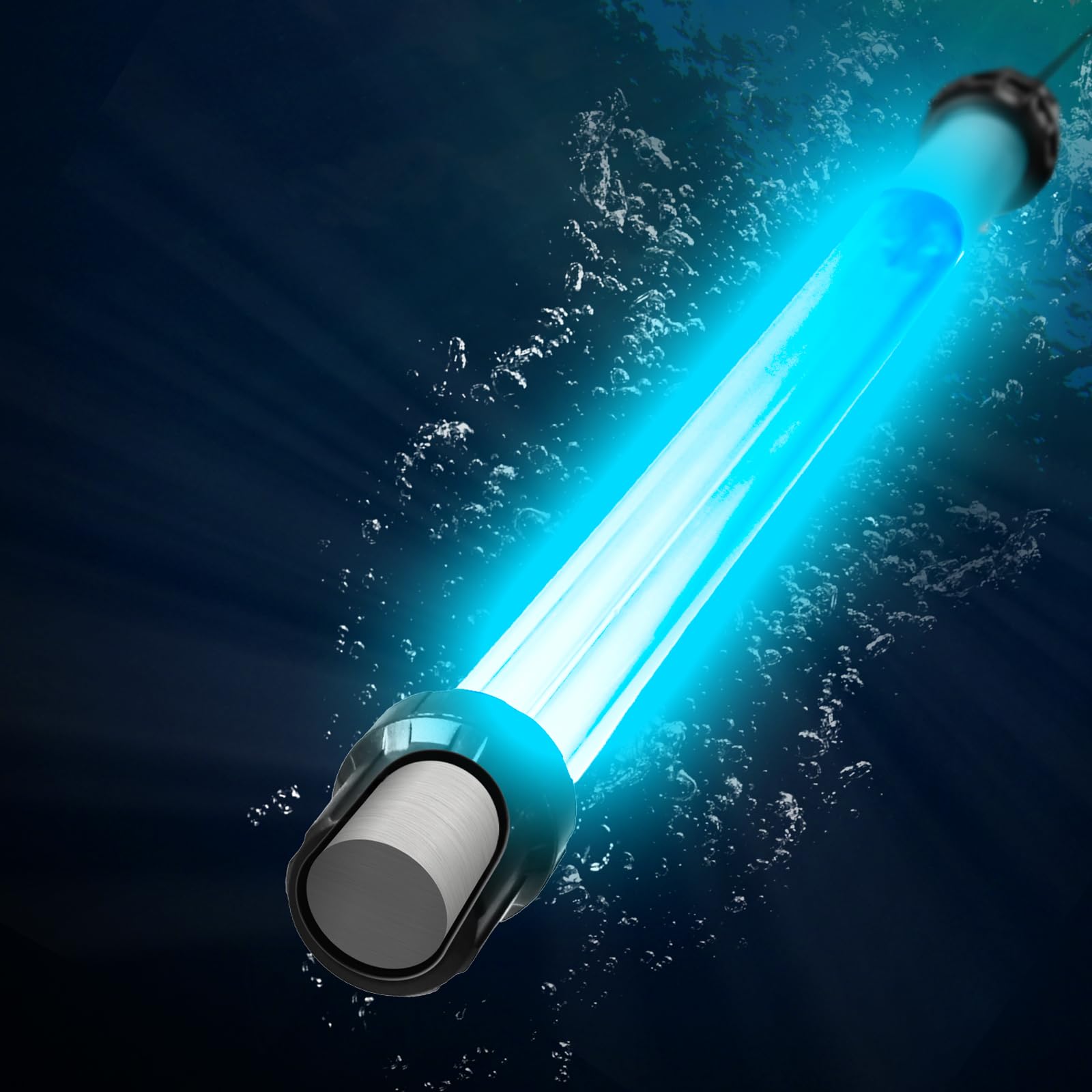
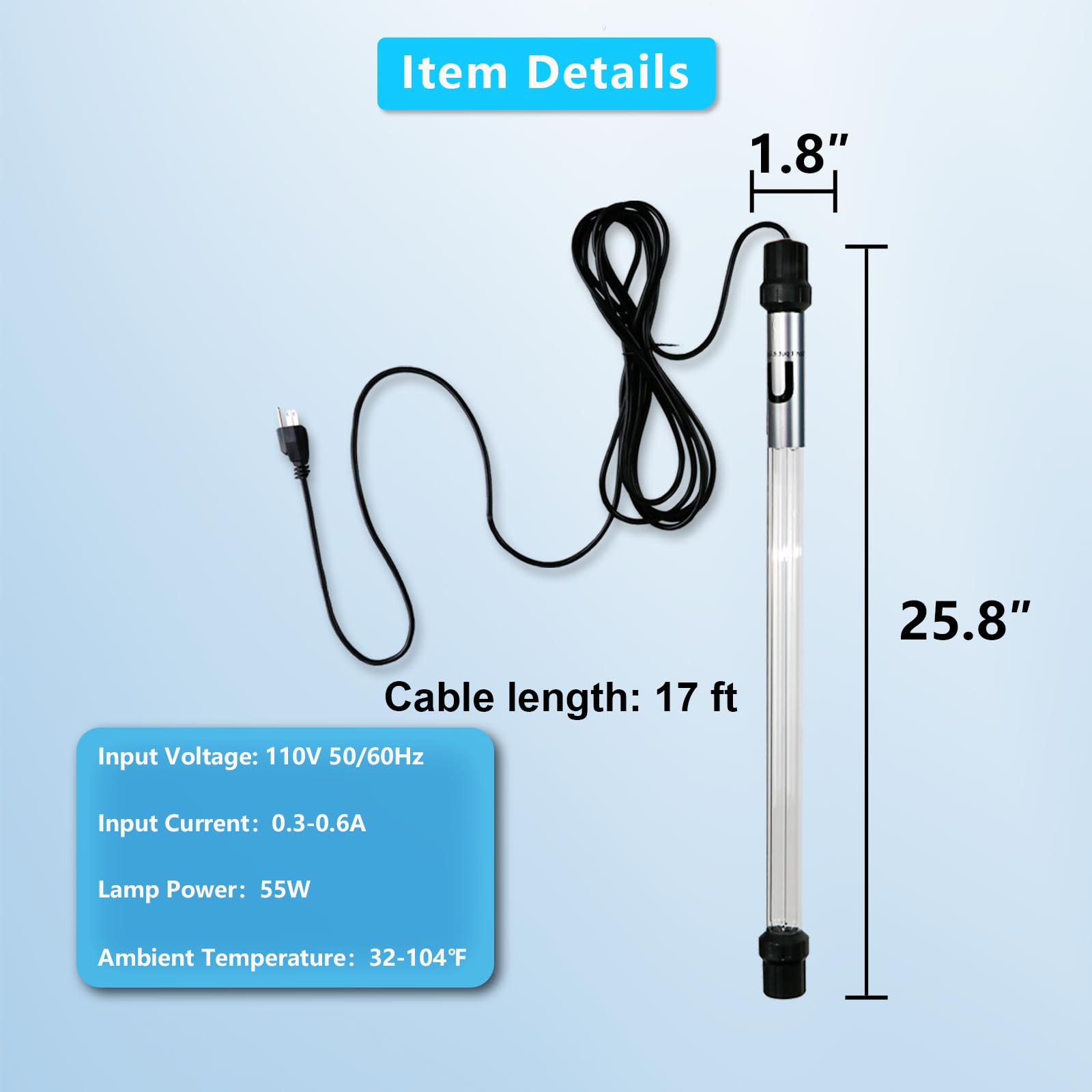
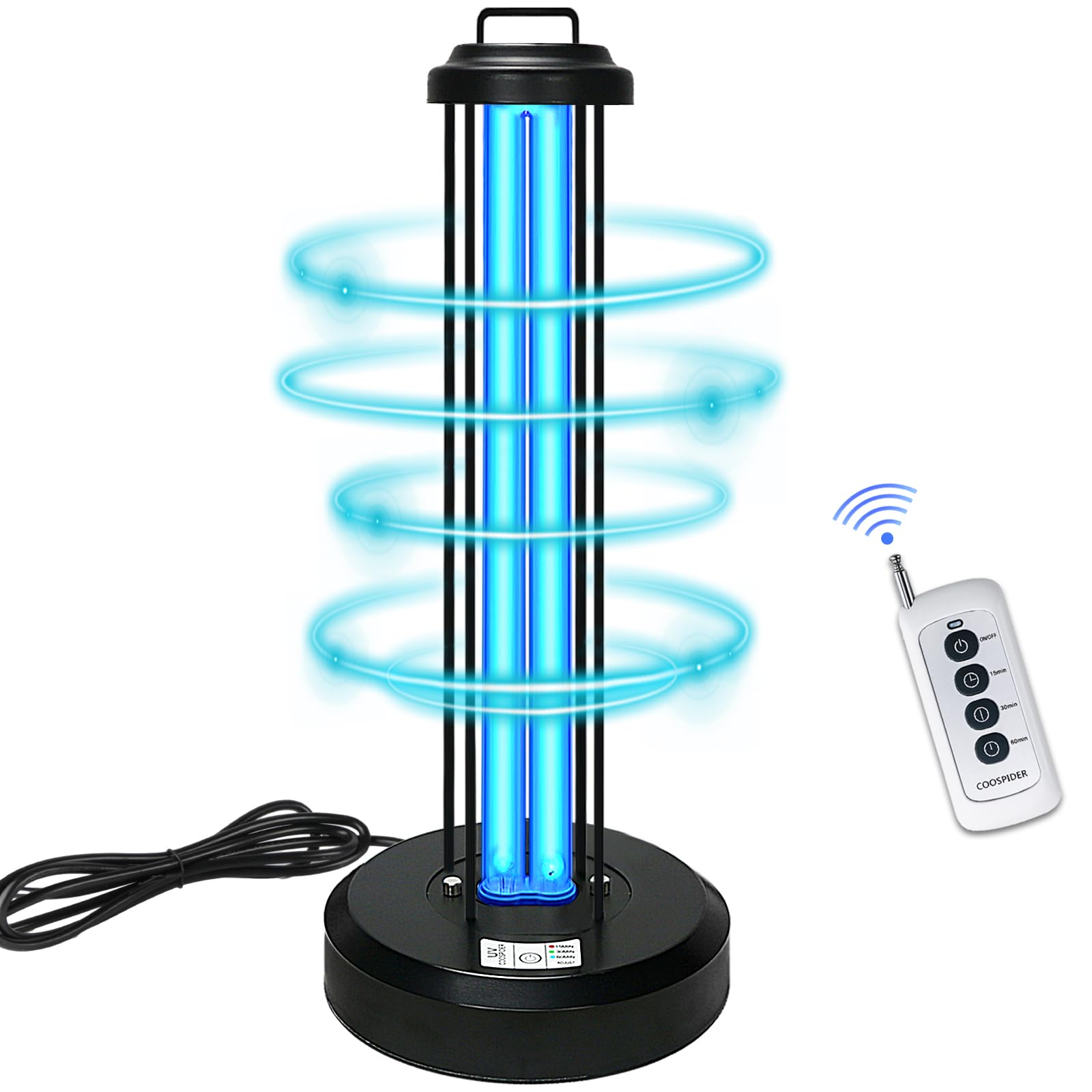
UV Sterilization Lamps
UV sterilization devices are designed to reduce microorganisms using ultraviolet radiation.
However, direct exposure to certain UV wavelengths can harm human skin and eyes.
Safety practices include:
-
Avoid direct exposure
-
Follow manufacturer instructions
-
Leave the area during operation when required
-
Use proper protective equipment
Nail Curing Lamps
UV and LED nail lamps are commonly used for gel nail curing.
Although exposure is usually brief, repeated exposure may contribute to cumulative UV effects.
Protective options include:
-
UV-blocking gloves
-
Sunscreen designed for hands
-
Limiting unnecessary exposure
Industrial UV Equipment
Workplaces using UV technology typically require:
-
Safety training
-
Protective eyewear
-
Protective clothing
-
Controlled access areas
What Should You Do Immediately After UV Exposure?
If you notice redness or discomfort after UV exposure, early care can help reduce irritation.
Move Away From the UV Source
The first step is simple:
Stop additional exposure.
Continuing exposure can increase damage.
Cool the Skin
Use:
-
Cool water
-
A clean damp cloth
-
Gentle cooling methods
Avoid extremely cold temperatures because they may further stress damaged skin.
Moisturize Gently
A gentle moisturizer can help support the skin barrier.
Look for products containing soothing ingredients such as:
-
Aloe vera
-
Ceramides
-
Hydrating ingredients
Avoid products containing alcohol or strong fragrances on irritated skin.
Drink Enough Water
Skin recovery requires adequate hydration.
Maintaining normal fluid intake supports the body's natural repair processes.
What Not to Do After a UV Burn
Certain actions can make irritation worse.
Avoid:
Scrubbing the Skin
Damaged skin needs time to recover.
Scrubbing can increase irritation.
Picking Peeling Skin
If peeling occurs, allow the skin to shed naturally.
Removing skin prematurely can delay healing.
Applying Harsh Products
Avoid:
-
Strong exfoliants
-
Retinoids
-
Irritating cosmetics
-
Fragrance-heavy products
Additional UV Exposure
The damaged area is more vulnerable.
Protect it from further UV exposure during recovery.
How Long Does UV Redness Last?
The recovery period depends on exposure severity.
Mild redness:
Often improves within a few days.
Moderate irritation:
May require several days to a week.
More severe burns:
Can take longer and may involve peeling or blistering.
The skin's recovery speed depends on:
-
Exposure intensity
-
Individual healing ability
-
Care after exposure
How to Prevent UV Damage Before It Happens
Prevention is always easier than recovery.
Understand Your UV Device
Before using any UV equipment, learn:
-
Intended purpose
-
Recommended exposure limits
-
Safety instructions
-
Required protective equipment
Protect Your Eyes
Use appropriate UV-protective eyewear when needed.
Never look directly at active UV sources.
Protect Your Skin
Depending on the situation, consider:
-
Protective clothing
-
Gloves
-
UV-blocking materials
-
Appropriate skin protection products
Control Exposure Time
Longer exposure does not always mean better results.
Follow recommended operating guidelines.
Common Misunderstandings About UV Exposure
"If My Skin Does Not Hurt Immediately, It Is Safe"
Not necessarily.
UV damage can appear hours after exposure.
"Only Strong Sunlight Causes UV Damage"
Artificial UV sources can also create risks.
"A Little Redness Is Nothing Serious"
Redness is a biological response indicating stress or irritation.
It should not be ignored.
"Dark Skin Cannot Be Damaged by UV"
All skin types can experience UV-related effects.
Protection remains important for everyone.
The Importance of Listening to Your Body
Your body provides early warning signals for many environmental stresses.
After UV exposure, these signals may appear as:
-
Color changes
-
Heat
-
Sensitivity
-
Pain
-
Swelling
Recognizing these signs allows you to respond before the problem becomes worse.
A small amount of redness can be a valuable warning.
Ignoring it may allow continued exposure and increase the risk of more serious damage.
Final Thoughts
From mild redness to painful burns, every stage of UV exposure tells a story about how your body is responding. Skin warmth, irritation, sensitivity, and discoloration are not random reactions—they are protective signals designed to alert you when damage may be occurring.
Whether you are using UV sterilization equipment, working around UV technology, using beauty devices, or simply spending time outdoors, understanding these warning signs helps you make safer decisions.
The key is awareness.
Recognize early symptoms. Stop unnecessary exposure. Protect sensitive areas. Give your skin time to recover.
UV technology can be valuable when used correctly, but respecting its power is essential. Your skin and eyes are constantly communicating with you—learning how to understand those signals is the first step toward better protection and healthier long-term habits.