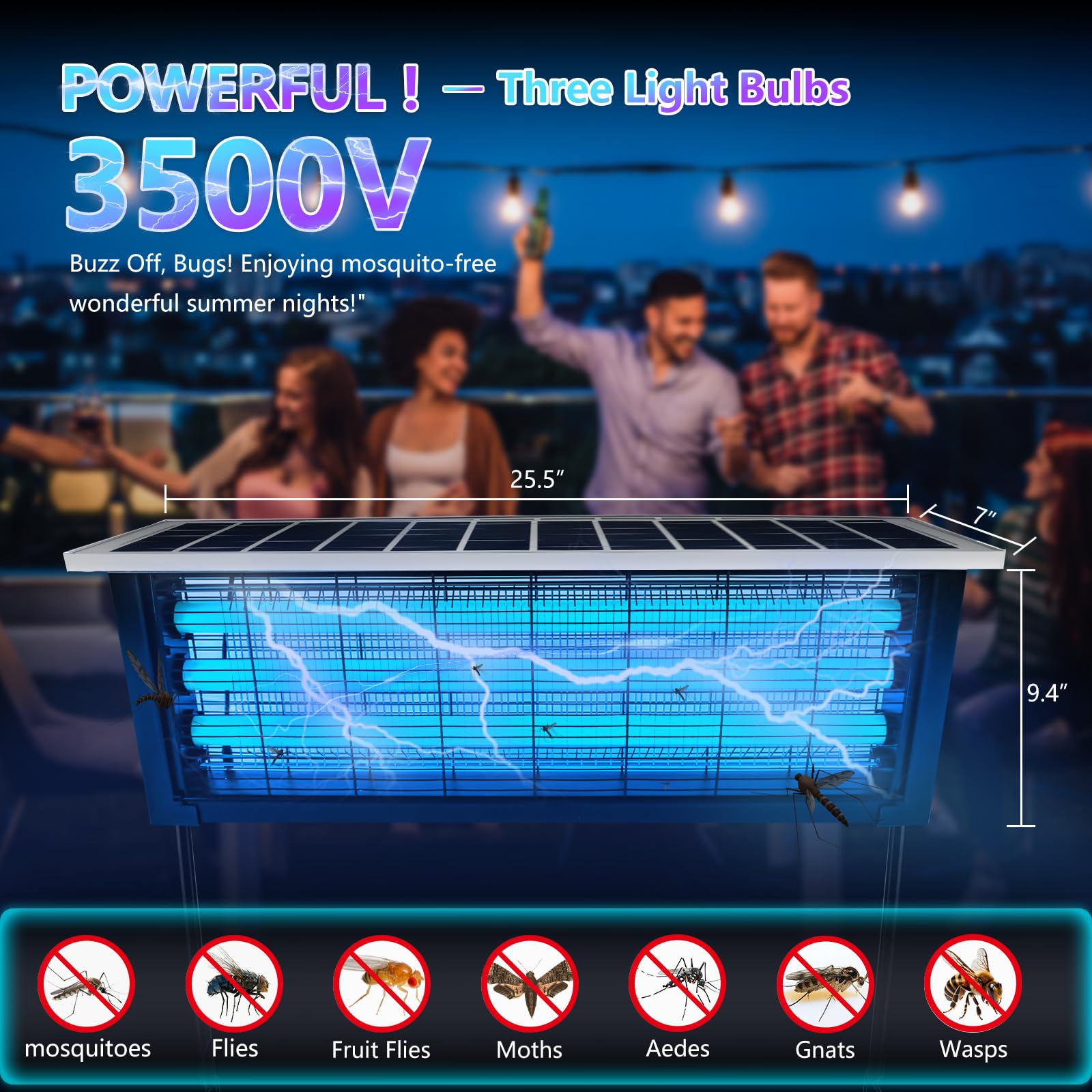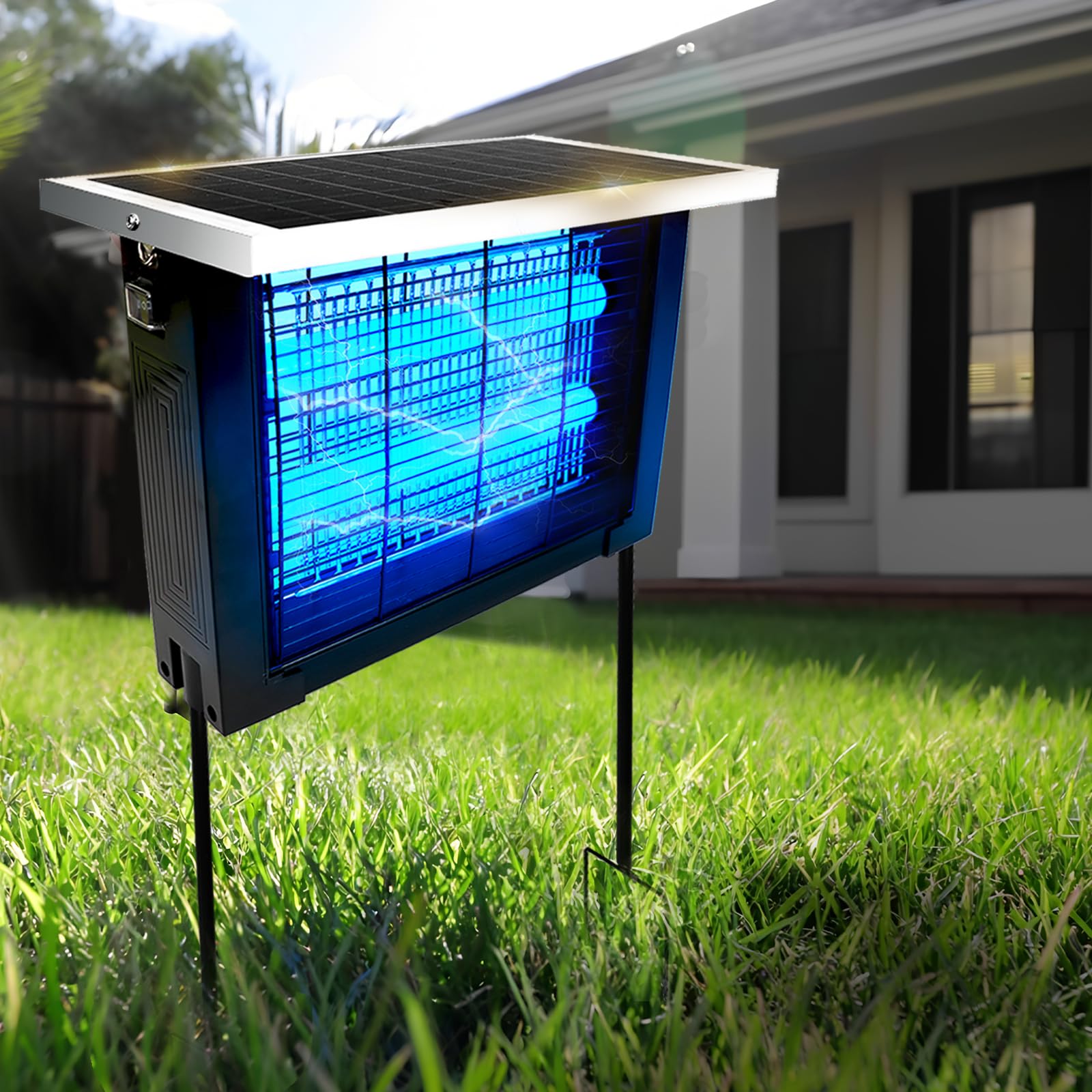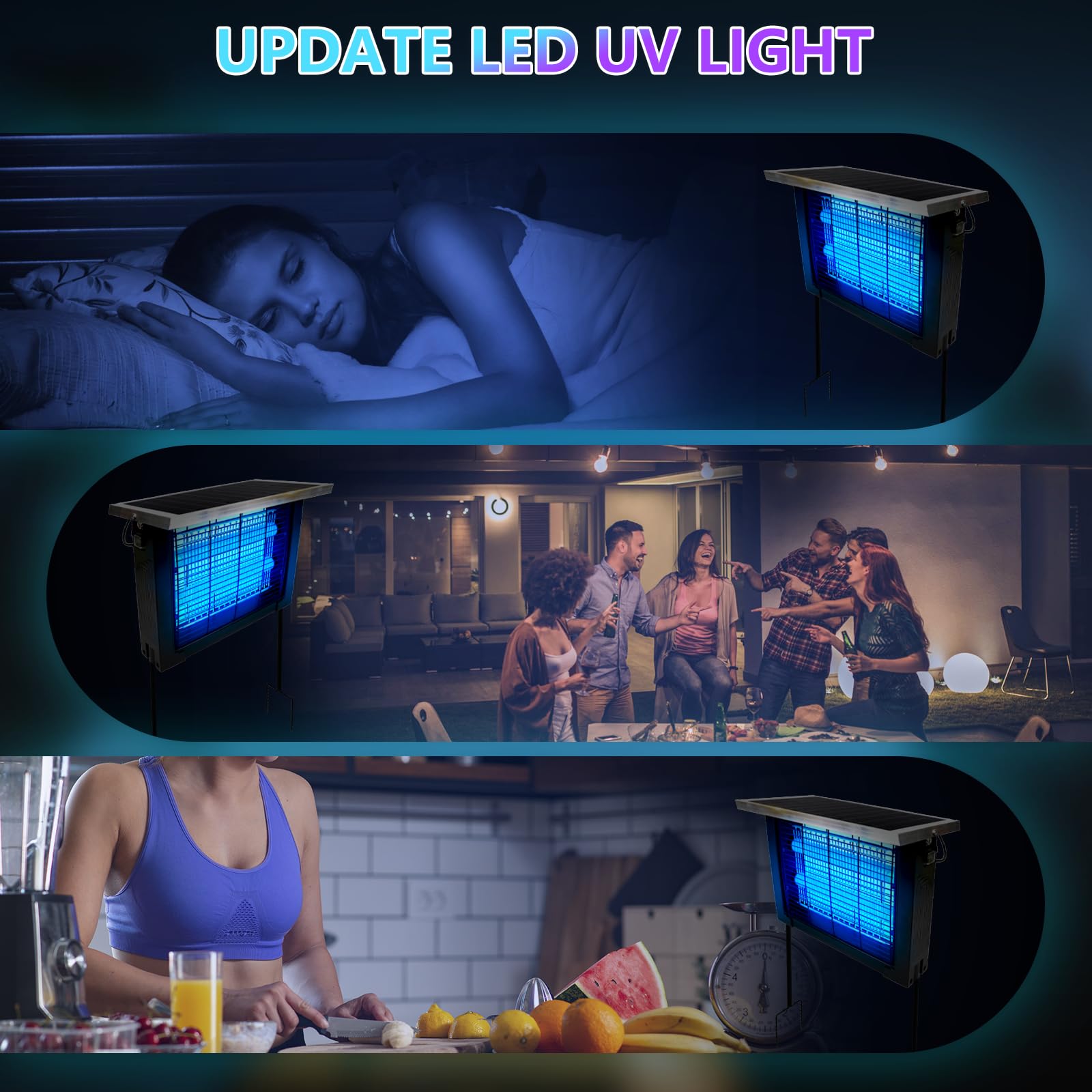
When people think about camping, they picture bonfires, quiet lakes, stargazing, and a break from the stress of daily life. But every camper knows that one small creature can ruin an entire outdoor experience: mosquitoes. Not only are mosquito bites annoying and itchy, but in many regions, mosquitoes can also carry harmful diseases. That’s why mosquito control has become an essential part of modern camping gear — right up there with tents, sleeping bags, and portable stoves.
In recent years, portable mosquito killer lamps have become extremely popular for outdoor use. They are clean, chemical-free, lightweight, and effective. Unlike sprays or coils, mosquito killer lamps can run continuously, cover an entire campsite, and attract mosquitoes away from you while you relax. But to get the best results, it’s not enough to just buy a mosquito killer — you also need to understand how to use it correctly, where to place it, and what type of lamp works best for your camping environment.
This comprehensive guide will walk you through everything you need to know about using mosquito killer lamps for outdoor camping, including expert placement strategies, power management tips, and a curated list of the most reliable portable models on the market. By the end, you’ll be able to transform your campsite into a comfortable mosquito-free oasis.
1. Why Mosquito Killer Lamps Are Perfect for Camping
Before diving into usage techniques and product recommendations, it’s helpful to understand why mosquito killer lamps outperform other mosquito-control methods in outdoor camping environments.
1.1 No Chemicals, No Smoke, No Skin Irritation
Many campers prefer to avoid chemical mosquito repellents like DEET, especially for children. Mosquito coils release smoke that some people find irritating or unsafe.
Portable mosquito killer lamps are:
-
Odorless
-
Smokeless
-
Safe for kids and pets
-
Completely chemical-free
1.2 Effective Attraction Using UV or Blue-Light Spectrum
Most mosquito killer lamps use:
-
UV light
-
Blue-violet LED light
-
Photocatalytic CO₂ simulation
These wavelengths mimic human body heat and breath, drawing mosquitoes away from your tent area.
1.3 Works Continuously While You Camp
Unlike repellents that must be reapplied, a mosquito killer lamp works as long as it has power. Many portable versions include:
-
Rechargeable batteries
-
Solar charging
-
USB power input
1.4 Wide Coverage
Powerful mosquito killer lamps can protect an area of:
-
100–300 sq ft for small lamps
-
300–1000 sq ft for mid-range models
-
1000+ sq ft for advanced camping lantern-style units
This means you can cover an entire picnic table, your seating area, cooking station, and tent perimeter.
1.5 Multi-Functional Uses
Many camping mosquito killer lamps double as:
-
Flashlights
-
Lanterns
-
Ambient lighting
-
Emergency lights
This saves space in your backpack and reduces total gear weight.
2. How to Use a Mosquito Killer Lamp Properly While Camping
Most people who say mosquito lamps “don’t work” are simply using them incorrectly. Proper positioning and timing can increase mosquito-capture efficiency by 300% or more.
Here are essential steps for correct usage during camping.
2.1 Placement Distance: Keep It 10–20 Feet Away From People
This is the #1 rule.
Mosquito killer lamps attract mosquitoes.
So if you put the lamp right next to you…
…you are literally attracting mosquitoes toward your body.
Ideal placement:
-
10–20 feet (3–6 meters) away from where campers sit or sleep.
-
Place it upwind, so mosquitoes follow the wind toward the lamp instead of toward you.
Think of the mosquito lamp as a decoy — not a desk lamp.
2.2 Height Matters: 2–5 Feet Above Ground
Mosquito behavior research shows:
-
Mosquitoes fly close to the ground
-
Most species hunt at knee to waist height
-
UV and CO₂ signals travel better at low to mid elevations
For best results, place the lamp:
-
On a small tripod
-
On a camp table away from people
-
Hanging from a tree branch at waist height
Avoid placing it on the ground — effectiveness drops dramatically.
2.3 Turn the Lamp On Before It Gets Dark
Mosquitoes become active 30–60 minutes before sunset.
Most campers only turn on mosquito lamps at night, which is too late.
Correct timing:
-
Turn the lamp on 1 hour before sunset
-
Allow the lamp to attract mosquitoes away from your zone before you start eating or relaxing
This early activation alone can reduce bites by 50–80%.
2.4 Avoid Strong Lights Nearby
Mosquito killer lamps work best in darkness.
If you place the lamp near:
-
Campfire
-
Strong lantern
-
Headlamps
-
RV lights
…the mosquitoes will be confused and may not fly toward the lamp.
Ideal setup:
-
Keep the mosquito lamp in a dark corner of your campsite
-
Keep your main lighting in a separate area
2.5 Use CO₂ + UV Combo Models for Maximum Outdoor Efficiency
Outdoors, UV light alone might not overcome:
-
Wind
-
Large open areas
-
Competing light sources
Models with CO₂ photocatalytic simulation greatly increase attraction efficiency because mosquitoes locate humans primarily by CO₂.
If you camp in heavy mosquito zones — marshes, lakesides, forests — use CO₂-enhanced products.
2.6 Clean the Trap Regularly
If the mosquito trap is full:
-
The fan airflow weakens
-
Mosquitoes stop entering
-
Dead insects start smelling
Always clean the trap:
-
Daily during heavy mosquito season
-
Every 2–3 days during mild season
For camping, bring:
-
A small brush
-
A mini dustpan
-
Wet wipes
2.7 Keep Batteries or Power Banks Ready
Portable mosquito killer lamps typically run:
-
8 to 20 hours on a full battery
-
Longer if used in “Eco Mode”
-
Shorter if also used as lantern lights
Power options:
-
USB power bank
-
Portable solar panel
-
Car/RV USB output
-
Rechargeable battery packs
For multi-day camping, pack double the battery supply you think you need.
3. Best Portable Mosquito Killer Lamps for Camping (Expert Picks)
Below is a curated list of high-performing, field-tested portable mosquito killer lamps based on criteria like brightness, battery life, trapping effectiveness, safety, and durability.
3.1 Budget Choice: Compact USB Mosquito Lamp
Best for: Solo campers, ultralight backpackers
Key features:
-
5–10W UV LED
-
Low power consumption
-
Only ~300 grams
-
USB powered
-
Silent fan
-
Great for tent entrance or table area
Pros:
-
Very affordable
-
Easy to carry
-
Safe indoors and outdoors
Cons:
-
Limited coverage (100–150 sq ft)
-
Only UV light, no CO₂ attractant
Best placement:
-
Under a tarp
-
Near tent entrance (still 10 feet away)
-
On a small table
3.2 Multi-Functional Camping Lantern + Mosquito Killer
Best for: Families or group camping
Key features:
-
Lantern + UV mosquito trap combo
-
600–1000 lumen adjustable light
-
Rechargeable 4000–6000 mAh battery
-
Water-resistant design
-
Can hang or stand anywhere
Pros:
-
Multi-use (lighting + mosquito control)
-
Great for campsite cooking area
-
Good coverage for medium campsites
Cons:
-
Using lantern mode reduces mosquito-killing efficiency
-
Battery drains faster
Best placement:
-
Hang it from a tree
-
Keep lantern mode off while using mosquito mode
3.3 CO₂ Photocatalyst Camping Mosquito Trap
Best for: Forest camping, lakeside camping
Key features:
-
UV + CO₂ generation
-
Enhanced mosquito attraction
-
Low-noise fan
-
200–600 sq ft coverage
Pros:
-
Most effective option
-
Perfect for mosquito-heavy environments
-
Long battery life
Cons:
-
Larger and heavier
-
Higher price
Best placement:
-
Downwind, 20 feet from camping chairs
-
Near water sources (but not too close to sleeping areas)
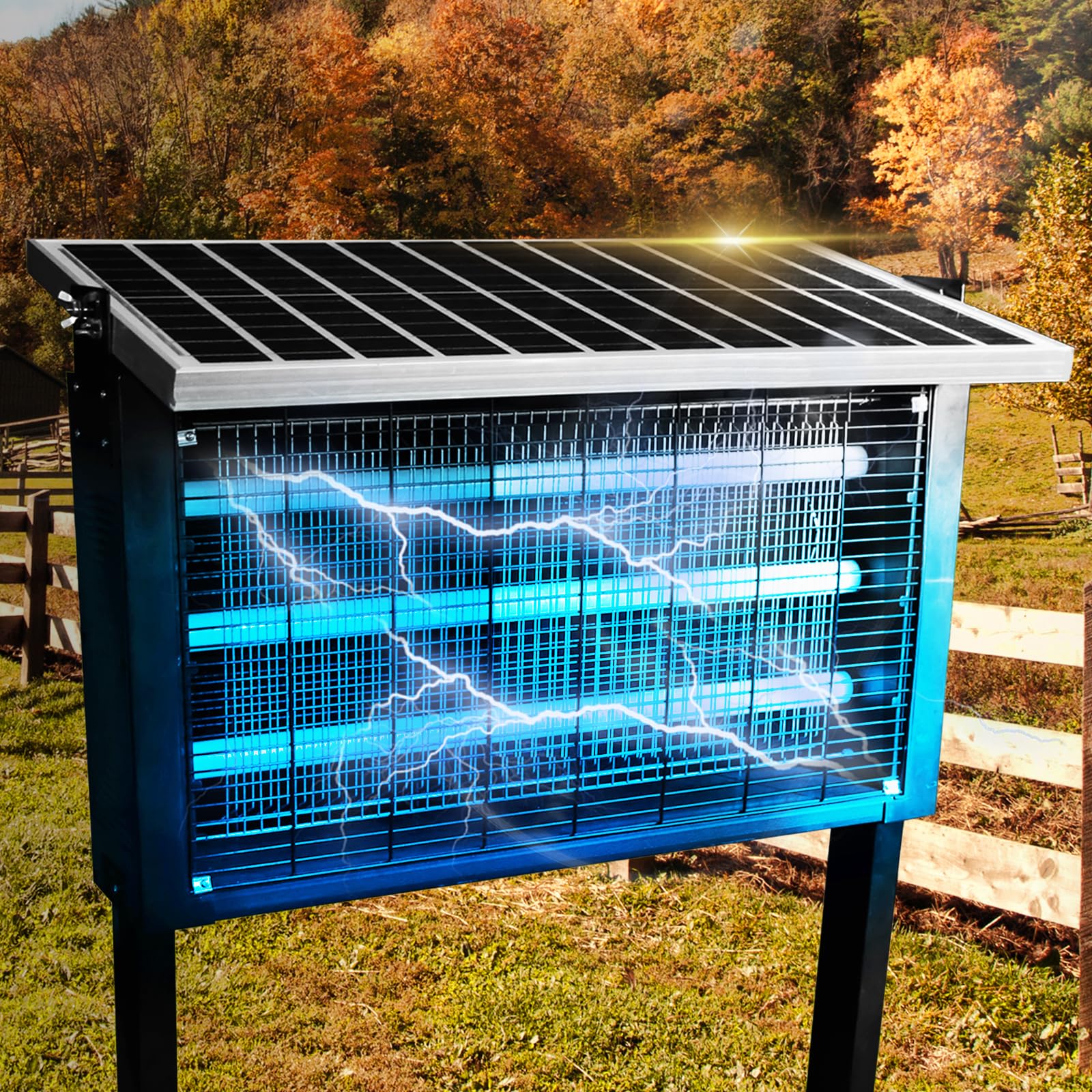
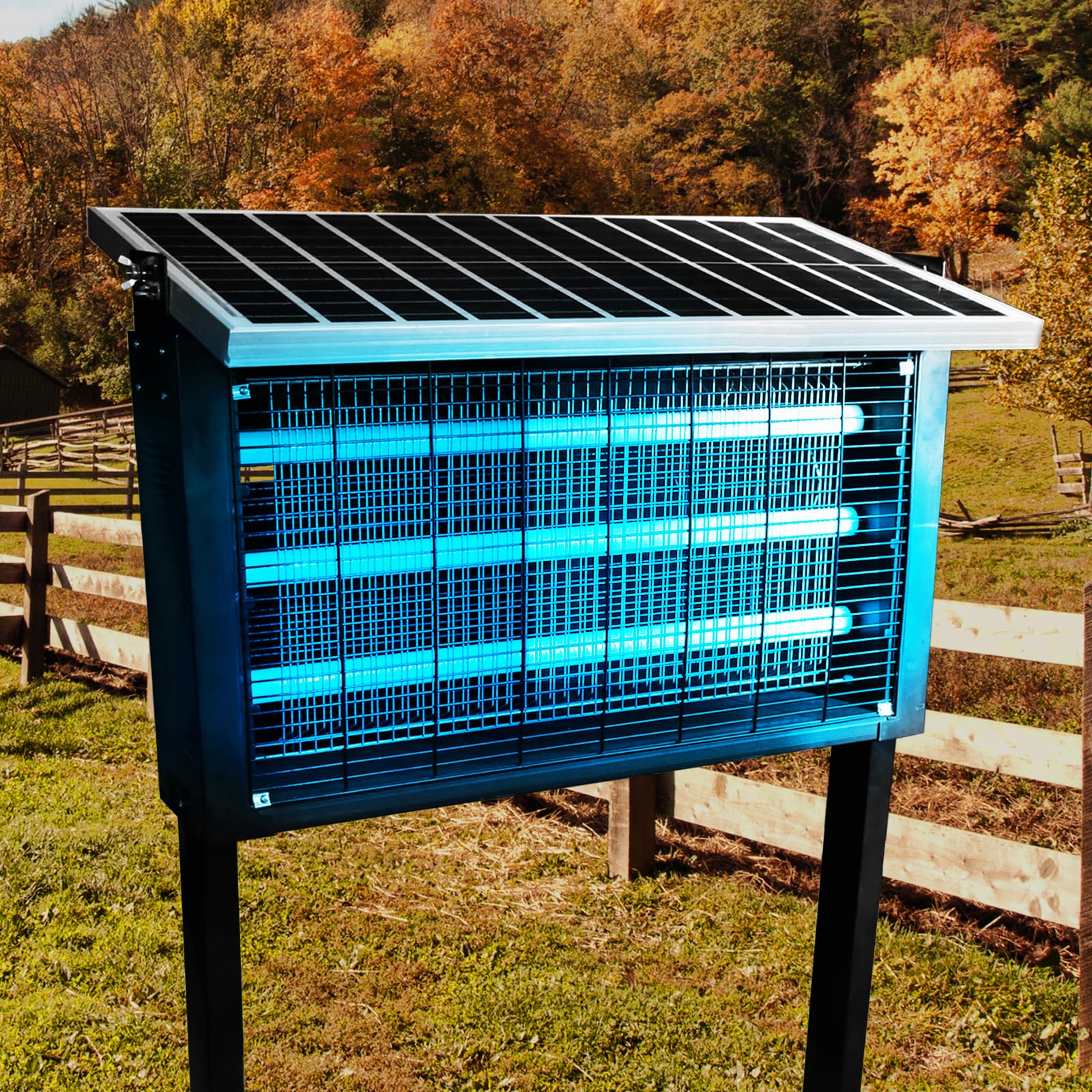
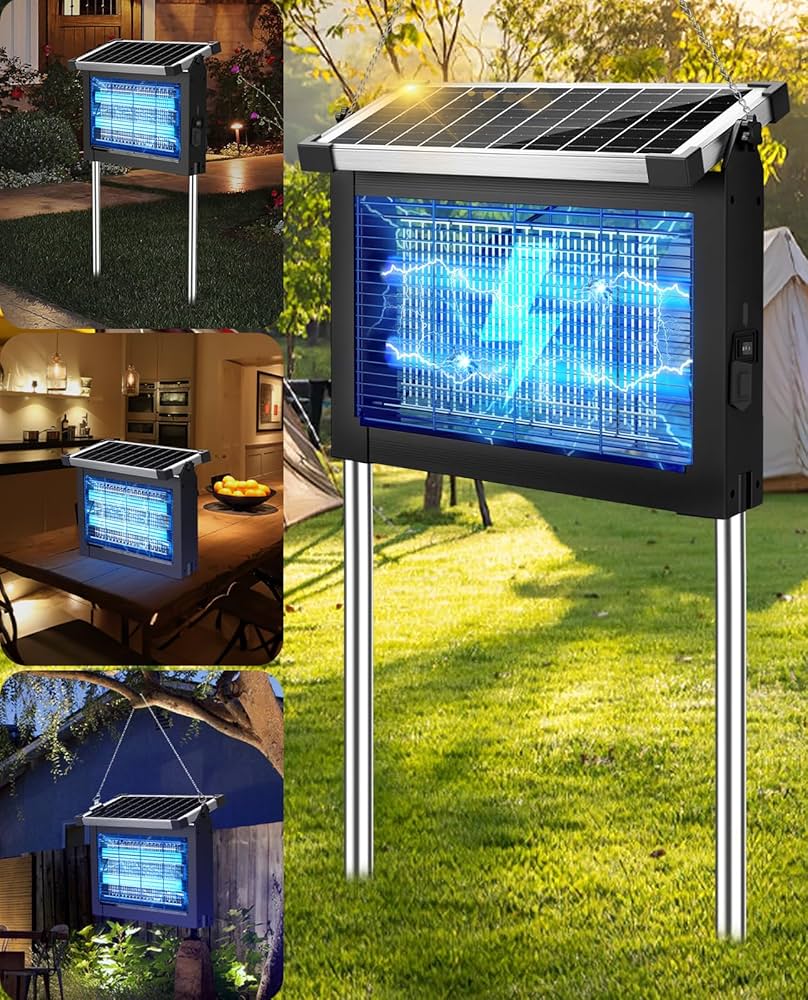
3.4 Solar-Powered Portable Mosquito Killer
Best for: Long-term outdoor use
Key features:
-
Solar + USB dual-charging
-
Weatherproof shell
-
Continuous trickle charge under daylight
Pros:
-
No need for power banks
-
Great for multi-day adventures
-
Eco-friendly
Cons:
-
Weak UV brightness
-
Not suitable for dense mosquito populations
Best placement:
-
Areas with good sunlight during the day
-
Farther from camp seating area
3.5 Premium Camping Mosquito Killer Lamp (High-End)
Best for: RV camping, car camping, base camps
Key features:
-
High-power UV
-
Wide-range photocatalytic CO₂
-
1000+ sq ft coverage
-
Long battery life (up to 30 hours)
-
Rugged casing
Pros:
-
Professional mosquito control
-
Covers large areas
-
Perfect for group camping
Cons:
-
Higher cost
-
Not ultralight
Best placement:
-
Far perimeter of campsite
-
Between campsite and water source
-
On a small tripod
4. Additional Camping Tips for Maximum Mosquito Protection
Even with the best mosquito killer lamp, you should follow additional steps to reduce mosquito exposure.
4.1 Avoid Wearing Dark Clothing
Mosquitoes are attracted to:
-
Black
-
Navy
-
Dark red
Wear:
-
Light colors
-
Beige
-
Pastel tones
4.2 Avoid Strong Scents
These attract mosquitoes:
-
Perfumes
-
Lotions
-
Scented soaps
Choose unscented products before camping.
4.3 Keep Your Tent Zipped at All Times
Even a 1-inch gap allows mosquitoes inside.
Before sleeping:
-
Shake out tent corners
-
Turn on mosquito lamp near tent (but not too close)
4.4 Choose Windy Campsite Locations
Mosquitoes are weak fliers.
The best places to pitch your tent:
-
On small hills
-
Open areas
-
Away from swampy water
4.5 Avoid Camping Near Standing Water
Mosquito breeding grounds include:
-
Lakeshores
-
Swamps
-
Marshes
-
Still ponds
Choose elevated areas when possible.
5. How to Combine Multiple Mosquito Devices for Best Results
Professional campers often use a three-layer system:
Layer 1: Long-Range Trap (CO₂)
Placed 20–30 feet from campsite
→ Attracts majority of mosquitoes away
Layer 2: UV Lamp Near Perimeter
Placed near:
-
Picnic table
-
Cooking area
Layer 3: Personal Protection
-
Lightweight repellent
-
Mosquito-repelling clothing
This produces a 90%+ reduction in bites.
6. Final Recommendations: The Best Camping Setup
If you camp often:
-
Buy one CO₂ mosquito trap
-
Buy one lantern-style mosquito lamp
-
Buy one compact tent mosquito lamp
For occasional campers:
-
A single mid-range lamp is enough
For heavy mosquito regions:
-
Choose CO₂-enhanced models
-
Place two lamps strategically
7. Conclusion: Enjoy Camping Without Mosquito Troubles
Mosquito killer lamps have completely transformed how people camp. They’re safer, cleaner, and more effective than old-fashioned coils or chemical sprays, and with proper placement techniques, their efficiency can increase dramatically.
To recap the most important rules:
-
Place lamps 10–20 feet away
-
Turn on before sunset
-
Keep lamps in darker areas
-
Use CO₂ + UV models for strong results
-
Clean traps regularly
-
Maintain good battery or solar support
A well-chosen mosquito killer lamp can be the difference between a relaxing weekend in nature and a miserable, mosquito-filled nightmare.
So if you love camping but hate mosquitoes, it’s time to upgrade your gear and bring a modern mosquito killer lamp on your next outdoor adventure.
With the right model and smart placement, you can enjoy peaceful evenings by the fire — without the buzzing, biting enemies.