In modern homes, cleanliness is no longer just about what we can see. While sparkling floors and tidy countertops give us peace of mind, the real threats to household health often remain invisible—bacteria, viruses, mold spores, and other microorganisms quietly circulating in the air and settling on everyday surfaces.
As people become more health-conscious, especially after global public health challenges in recent years, UV sterilization lamps have emerged as a powerful, science-backed tool for home hygiene. Silent, chemical-free, and highly effective, these devices work behind the scenes as invisible guardians, helping families create safer and healthier living environments.
In this in-depth guide, we’ll explore how UV sterilization lamps work, where they are most effective, how to use them safely, and how to choose the right model for your home. By the end, you’ll understand why UV sterilization is no longer a luxury—it’s becoming a modern household essential.
1. What Is UV Sterilization? Understanding the Science Behind the Light
Ultraviolet (UV) light is a type of electromagnetic radiation that exists beyond the visible spectrum. While we can’t see it, UV light has powerful biological effects.
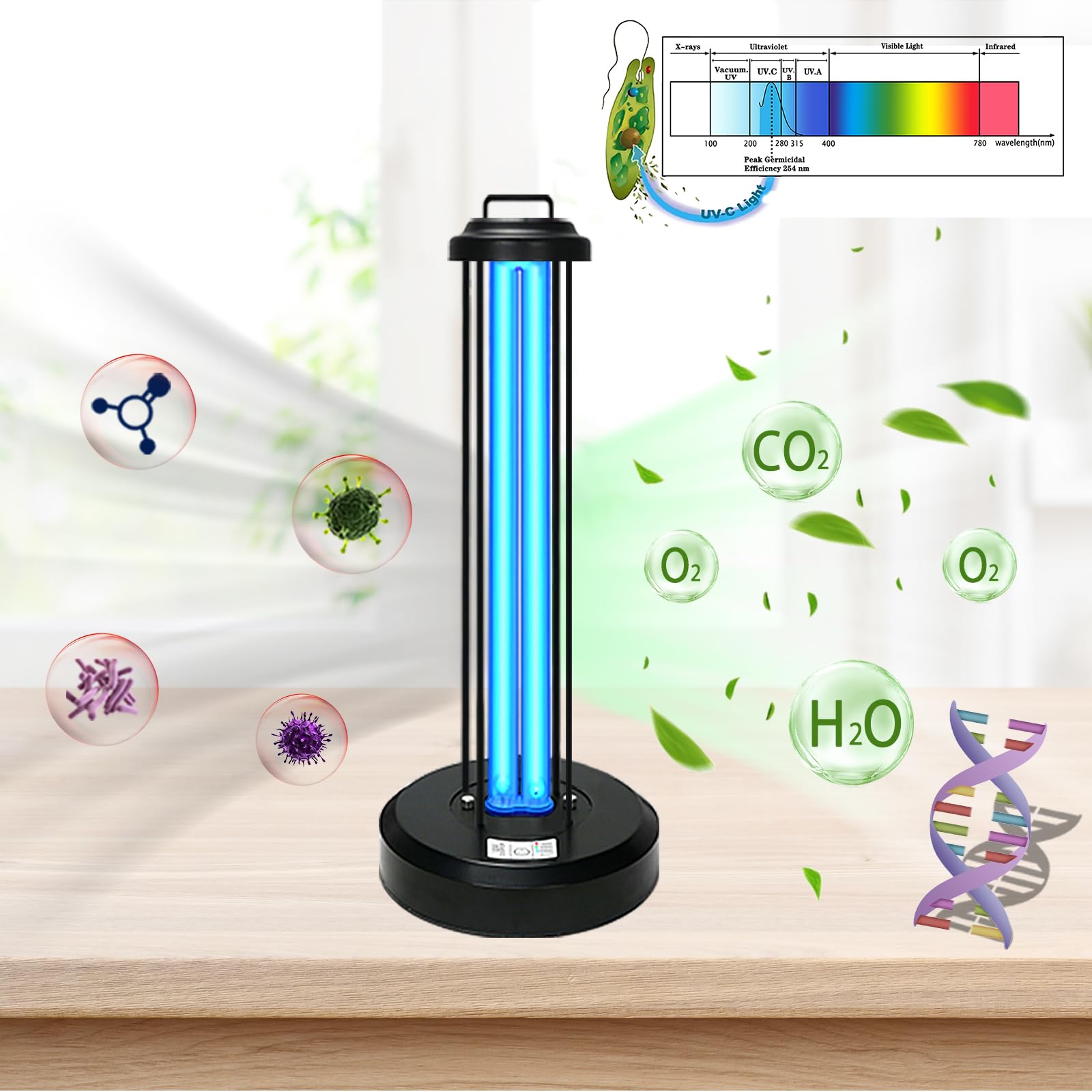
1.1 The UV Spectrum Explained
UV light is typically divided into three categories:
-
UVA (315–400 nm): Commonly associated with skin aging and tanning.
-
UVB (280–315 nm): Causes sunburn and plays a role in vitamin D production.
-
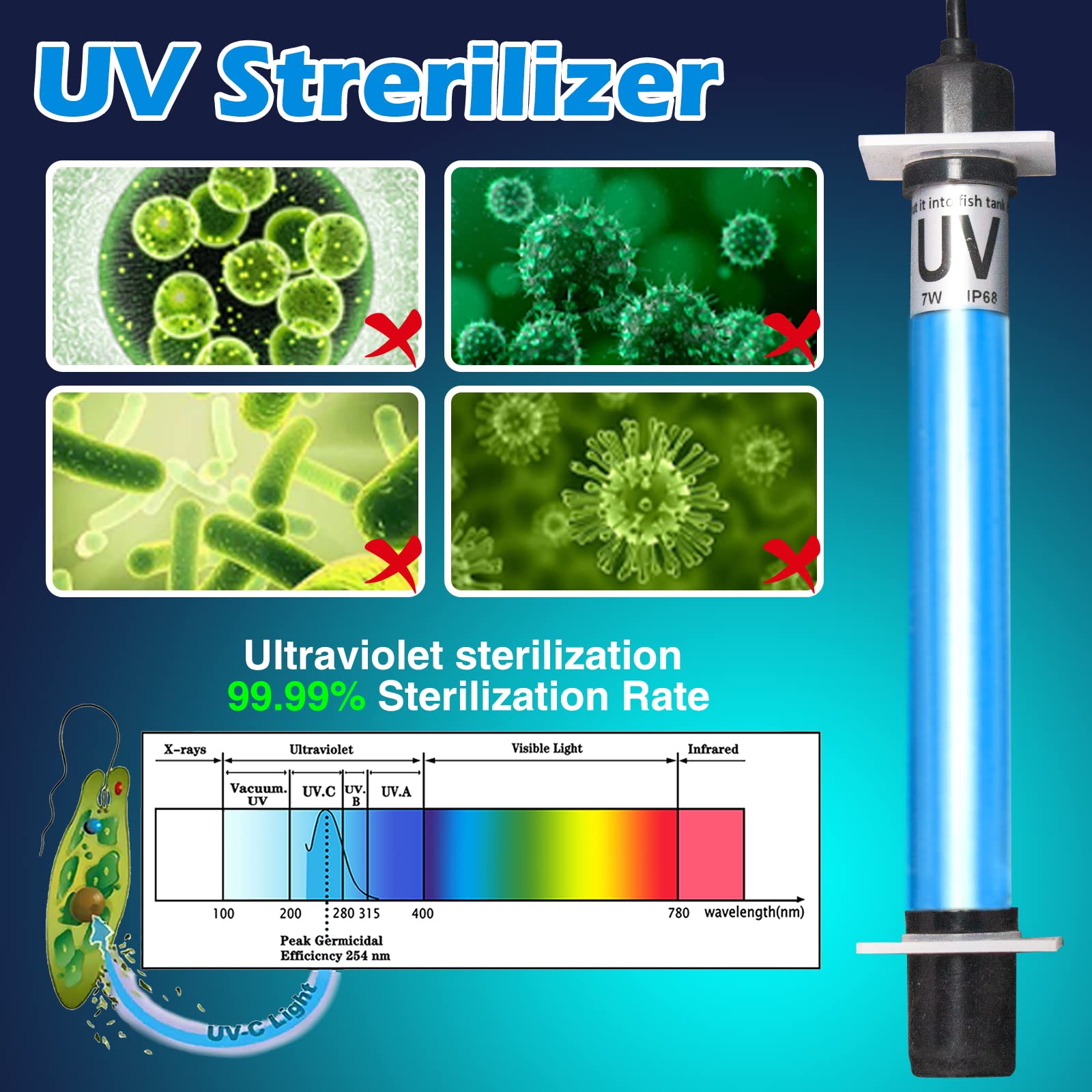
UVC (200–280 nm): The most effective range for killing microorganisms.
UVC light is the star of sterilization technology. It damages the DNA and RNA of bacteria, viruses, and fungi, preventing them from reproducing and effectively rendering them harmless.
2. Why Traditional Cleaning Isn’t Enough
Many homeowners assume that regular cleaning is sufficient to maintain hygiene. While cleaning is essential, it has limitations.
2.1 Chemical Cleaners Can’t Reach Everywhere
Disinfectant sprays and wipes are effective on contact surfaces, but they:
-
Can’t sterilize air
-
Miss hard-to-reach crevices
-
Depend heavily on proper application
2.2 Overuse of Chemicals
Frequent chemical use can:
-
Irritate skin and lungs
-
Leave residues on surfaces
-
Be harmful to pets and children
2.3 Invisible Threats Persist
Microorganisms can survive:
-
In the air
-
On fabrics
-
Inside HVAC systems
-
On electronics you can’t easily wipe
This is where UV sterilization lamps excel.
3. How UV Sterilization Lamps Protect Your Home
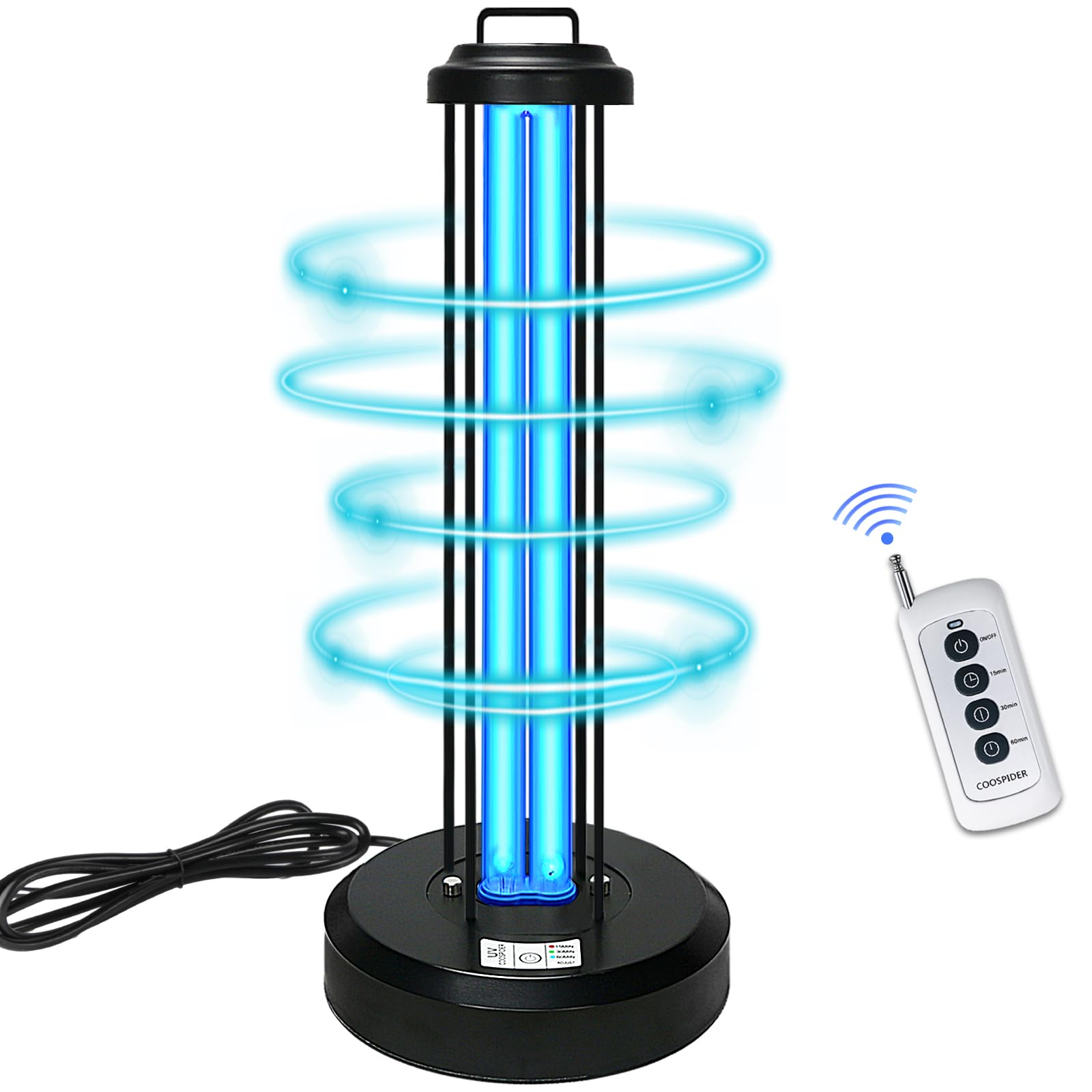
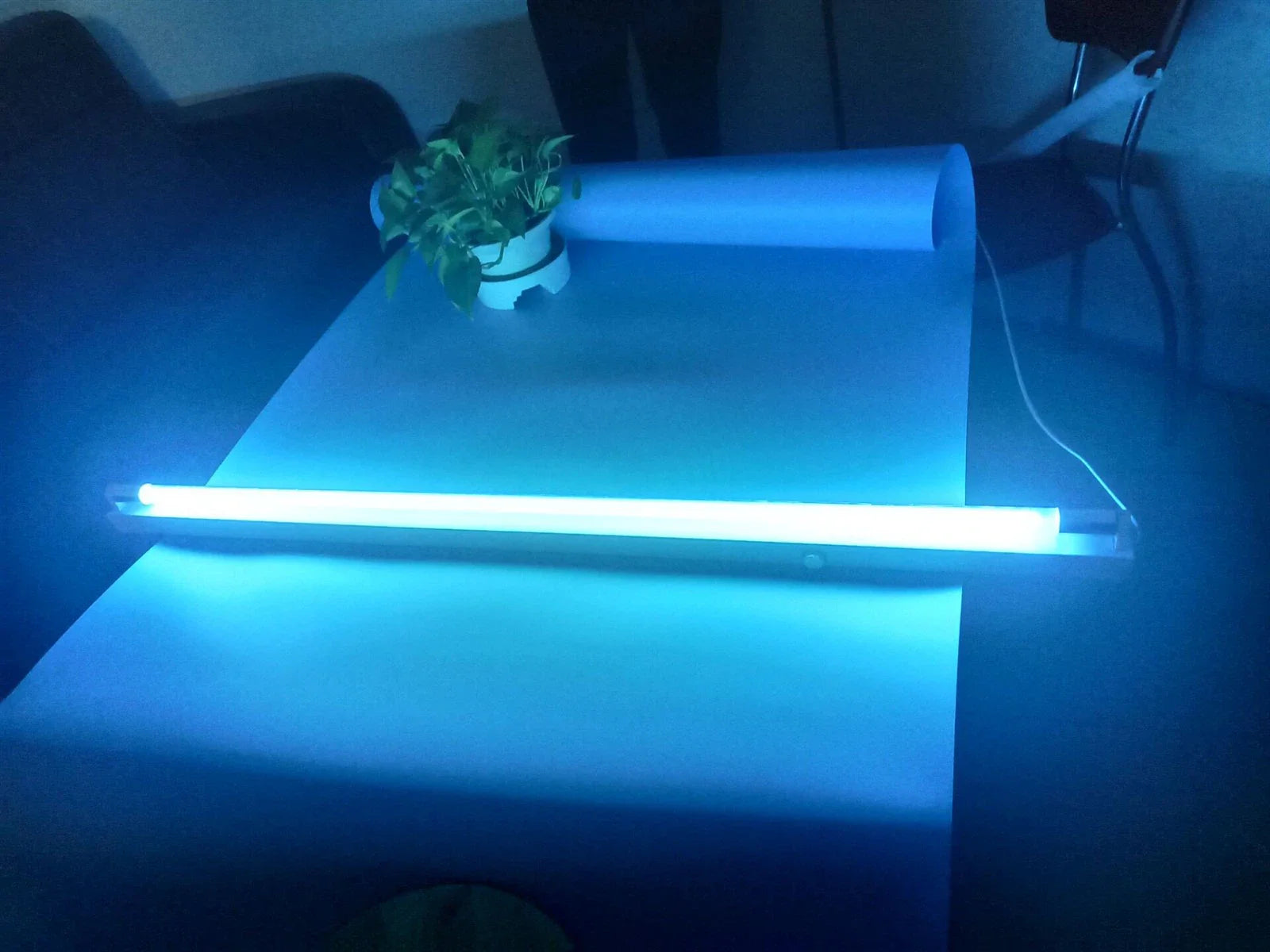
UV lamps offer non-contact, non-chemical sterilization, making them ideal for continuous or periodic home use.
3.1 Air Sterilization
UV lamps can:
-
Neutralize airborne pathogens
-
Reduce cross-contamination
-
Improve overall indoor air quality
Many air purifiers now integrate UV technology for this reason.
3.2 Surface Sterilization
UV light can disinfect:
-
Countertops
-
Door handles
-
Bathroom surfaces
-
Phones, keys, and remote controls
This is especially useful in high-touch areas.
3.3 Mold and Allergen Control
UVC light is effective against:
-
Mold spores
-
Dust mites
-
Certain allergens
Reducing these helps improve respiratory health, particularly for allergy sufferers.
4. Key Areas in the Home Where UV Lamps Shine
4.1 Bedrooms
Bedrooms should be sanctuaries of rest. UV sterilization helps by:
-
Reducing airborne bacteria
-
Sanitizing bedding surfaces
-
Supporting healthier sleep environments
4.2 Living Rooms
High traffic areas benefit from:
-
Periodic surface sterilization
-
Cleaner shared air
-
Reduced transmission of germs among family members
4.3 Kitchens
Kitchens are hotspots for bacteria. UV lamps can:
-
Sanitize countertops
-
Reduce foodborne pathogen risks
-
Complement traditional cleaning methods
4.4 Bathrooms
Warm, humid conditions make bathrooms ideal breeding grounds for microbes. UV sterilization helps control:
-
Mold
-
Bacteria
-
Odor-causing microorganisms
4.5 Children’s Rooms
Toys, books, and shared surfaces can harbor germs. UV lamps provide an extra layer of protection without chemicals.
5. Types of UV Sterilization Lamps for Home Use
5.1 Portable UV Sterilization Lamps
Ideal for:
-
Spot sterilization
-
Travel
-
Small spaces
Pros:
-
Lightweight
-
Easy to use
-
Affordable
Cons:
-
Limited coverage area
5.2 Room UV Sterilization Lamps
Designed for whole-room treatment.
Pros:
-
High power
-
Broad coverage
-
Professional-grade effectiveness
Cons:
-
Must be used when the room is unoccupied
5.3 UV Air Purifiers
Combine HEPA filtration with UV light.
Pros:
-
Continuous air sterilization
-
Safe for occupied rooms
-
Quiet operation
Cons:
-
Higher upfront cost
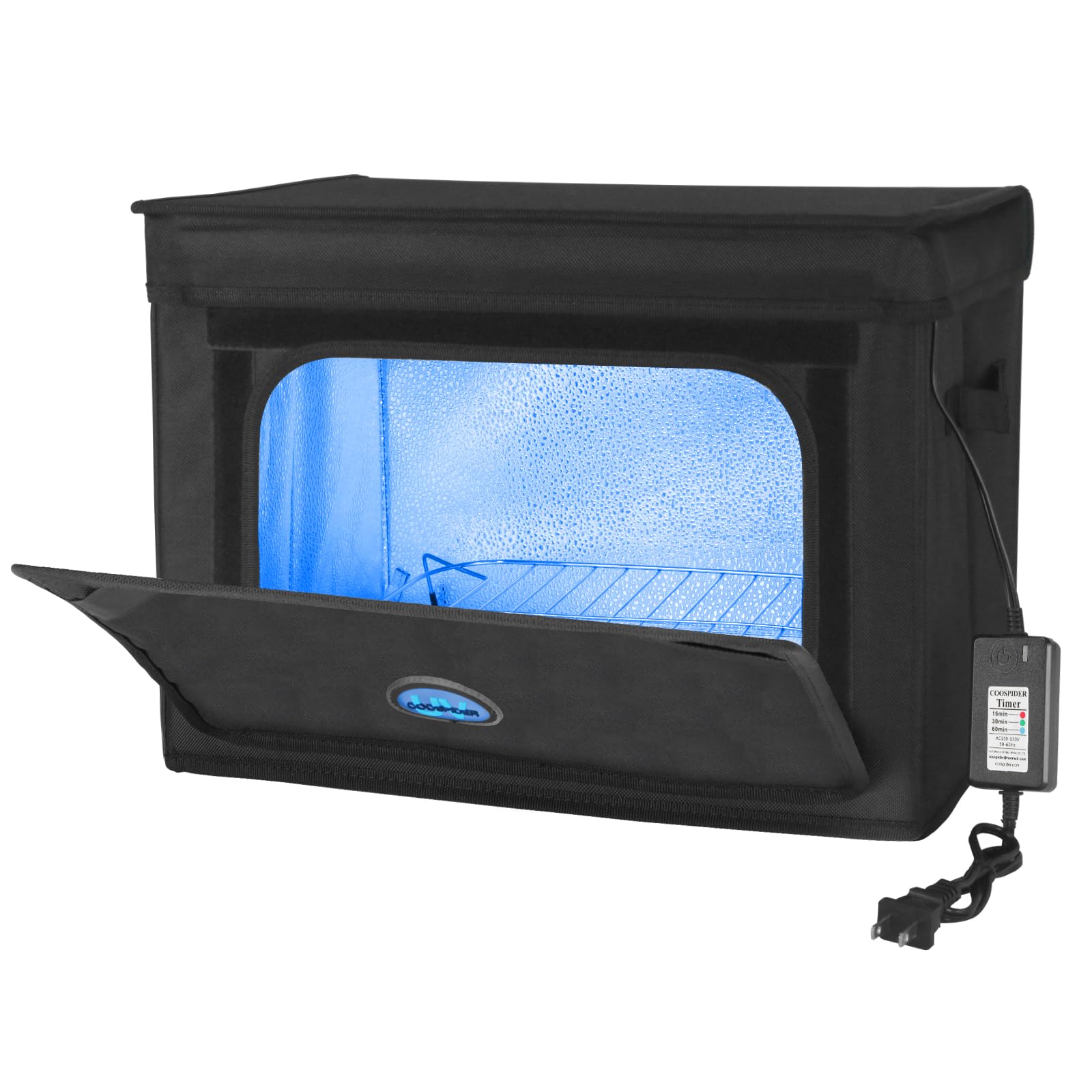
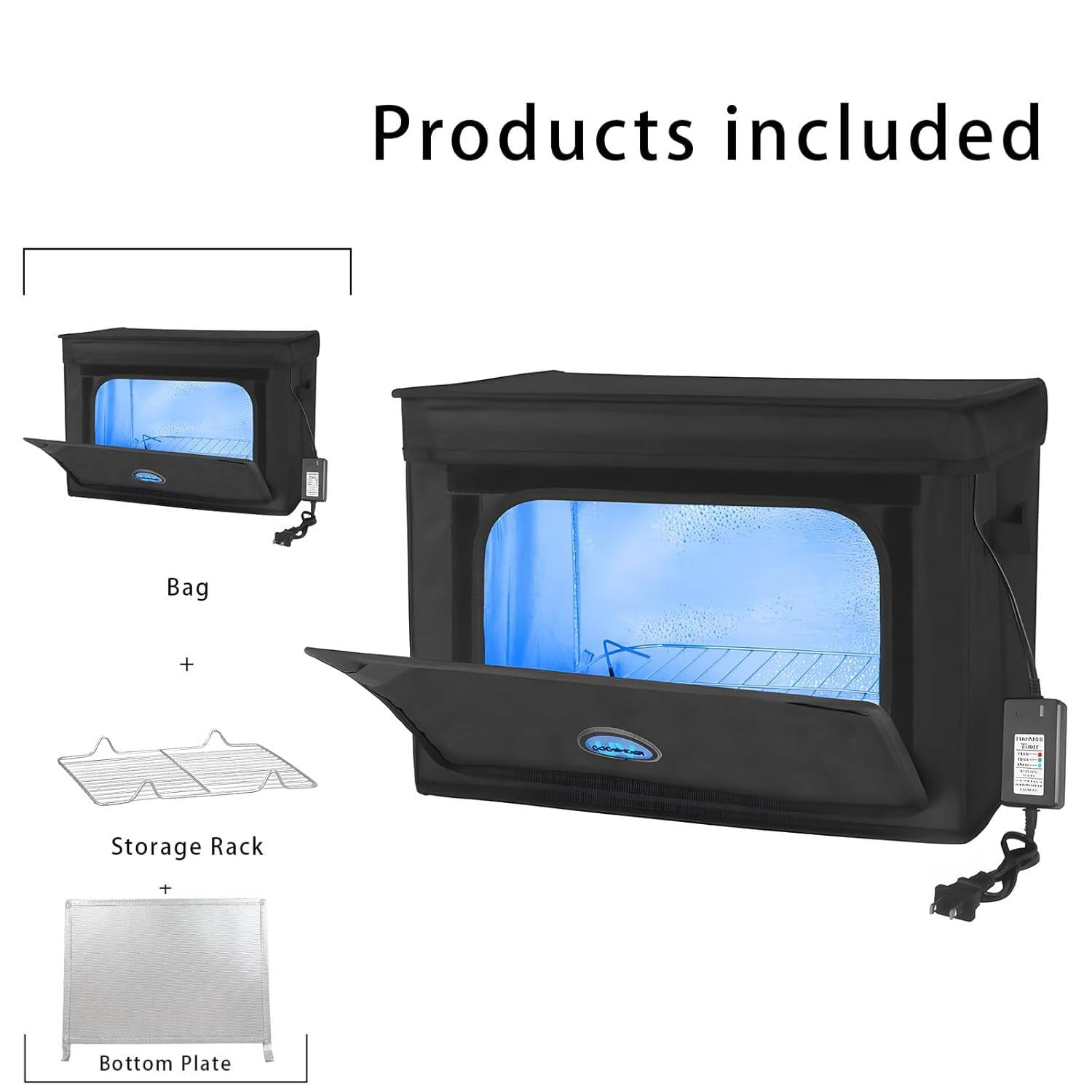
5.4 UV Cabinet Sterilizers
Used for:
-
Baby bottles
-
Utensils
-
Electronics
Pros:
-
Controlled environment
-
Highly efficient
-
Safe enclosure
6. Safety First: Using UV Sterilization Lamps Correctly
UV light is powerful—and must be used responsibly.
6.1 Avoid Direct Exposure
UVC light can harm:
-
Skin
-
Eyes
Always ensure:
-
No people or pets are present
-
Lamps have motion sensors or timers
6.2 Follow Manufacturer Guidelines
Proper usage ensures:
-
Maximum effectiveness
-
Long lamp lifespan
-
Safe operation
6.3 Choose Certified Products
Look for:
-
Safety certifications
-
Clear wavelength specifications
-
Built-in safety features
7. UV Sterilization vs. Other Home Hygiene Solutions
| Method | Effectiveness | Chemical-Free | Air Sterilization |
|---|---|---|---|
| Chemical cleaners | Medium | ❌ | ❌ |
| Steam cleaning | High | ✅ | ❌ |
| HEPA filtration | Medium | ✅ | ✅ |
| UV sterilization | High | ✅ | ✅ |
UV technology complements—not replaces—traditional cleaning methods.
8. Who Benefits Most from UV Sterilization at Home?
-
Families with young children
-
Homes with elderly residents
-
Allergy and asthma sufferers
-
Pet owners
-
Urban apartments with limited ventilation
-
Anyone focused on preventive health
9. Choosing the Right UV Sterilization Lamp
When selecting a UV lamp, consider:
9.1 Coverage Area
Match lamp power to room size.
9.2 Wavelength
Effective sterilization requires UVC (around 254 nm).
9.3 Safety Features
Timers, motion sensors, and remote controls are essential.
9.4 Build Quality
Look for:
-
Durable housing
-
Reliable bulbs
-
Trusted brands
10. Integrating UV Sterilization into a Healthy Home Routine
UV lamps work best as part of a comprehensive hygiene strategy:
-
Regular cleaning
-
Good ventilation
-
Air purification
-
UV sterilization cycles
Think of UV lamps as invisible guardians—working quietly in the background to protect what you can’t see.
11. The Future of Home UV Sterilization
As technology advances, expect:
-
Smarter UV devices
-
Integration with smart home systems
-
Improved safety mechanisms
-
Energy-efficient UV LEDs
-
Wider adoption in residential settings
UV sterilization is no longer limited to hospitals and labs—it’s becoming a mainstream solution for healthier living.
Conclusion: A Health Shield You Can’t See—but Can Trust
UV sterilization lamps represent a shift in how we think about home hygiene. Instead of reacting to visible messes, they allow us to proactively defend against invisible threats. Silent, efficient, and scientifically proven, these lamps offer peace of mind in a world where health matters more than ever.
By using UV sterilization responsibly and effectively, you’re not just cleaning your home—you’re building a healthier, safer living environment for everyone inside.