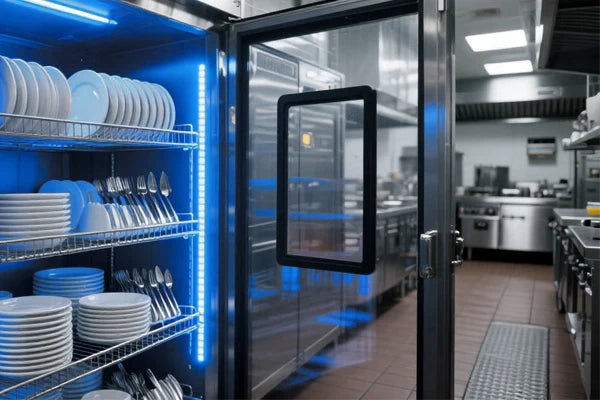
Food safety has always been the backbone of the restaurant industry. Long before customers notice flavors, ambiance, or service, hygiene determines whether a business earns trust—or loses it instantly. In today’s environment, where consumer awareness is higher than ever and regulations continue to tighten, sanitation is no longer just a compliance issue—it’s a competitive advantage.
From fine dining restaurants and quick-service chains to catering kitchens and hotel food operations, the challenge is the same: how to maintain consistently high hygiene standards across complex, high-volume environments. Traditional cleaning methods remain essential, but they are increasingly being supplemented by UV light disinfection, a technology once limited to hospitals and laboratories.
This article explores how UV lighting is being practically and effectively used in three critical restaurant zones: dish cabinets, food preparation stations, and food storage areas. It explains why UV technology fits modern food service workflows, how it enhances—not replaces—existing sanitation protocols, and what operators should consider when implementing it.
1. Why Hygiene Standards Define Modern Food Service Success
1.1 The New Reality of Food Safety Expectations
Today’s diners expect more than basic cleanliness. They expect:
-
Visible hygiene practices
-
Transparent safety standards
-
Confidence in food handling processes
Online reviews, social media, and instant feedback mean that a single hygiene issue can damage a brand overnight.
1.2 High-Risk Environments Require Layered Protection
Commercial kitchens are:
-
Fast-paced
-
High-temperature
-
High-contact environments
Even well-trained staff and rigorous cleaning schedules can leave gaps. UV disinfection helps close those gaps by adding a non-contact, chemical-free layer of protection.
2. Understanding UV Light and Its Role in Food Safety
2.1 What Is UV Light?
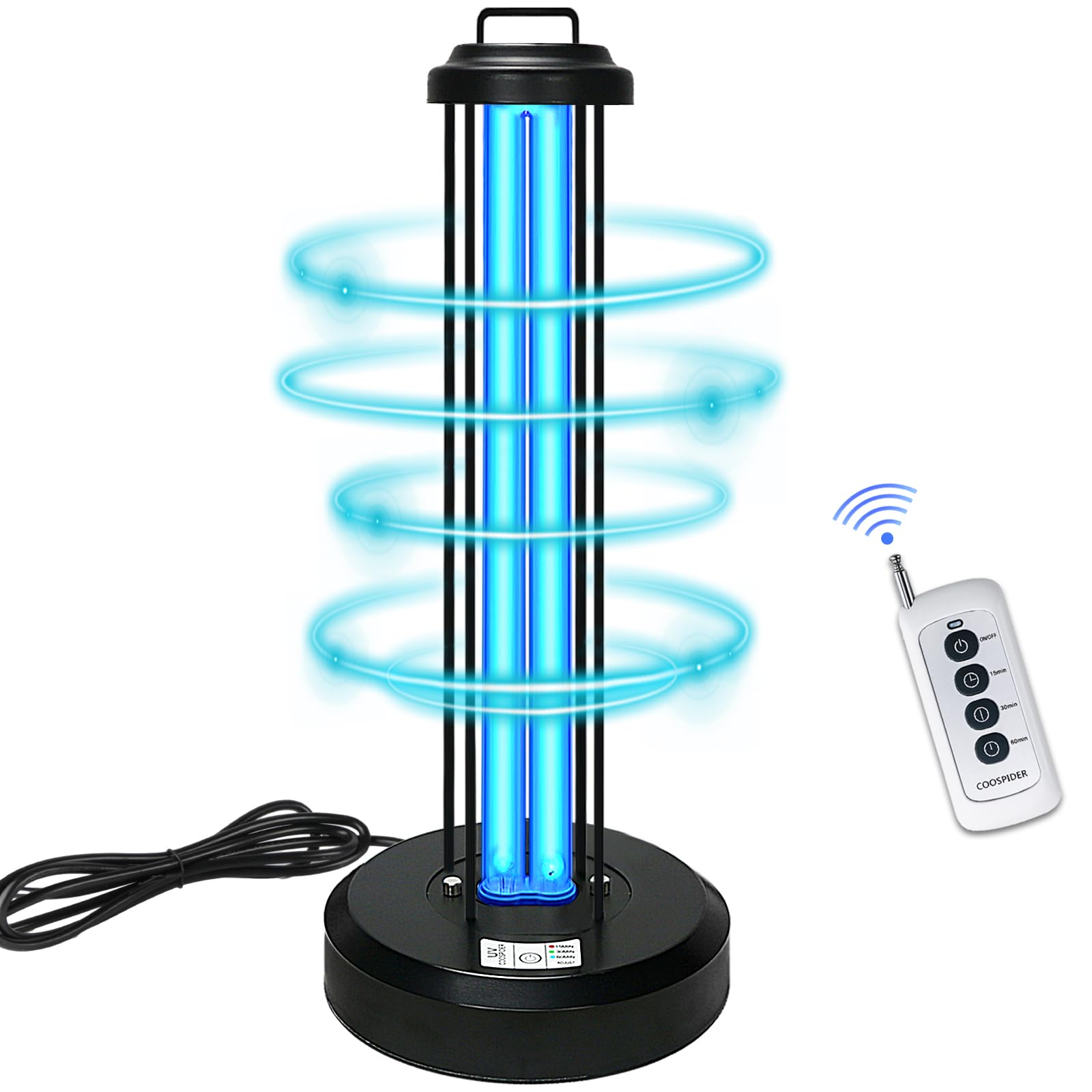
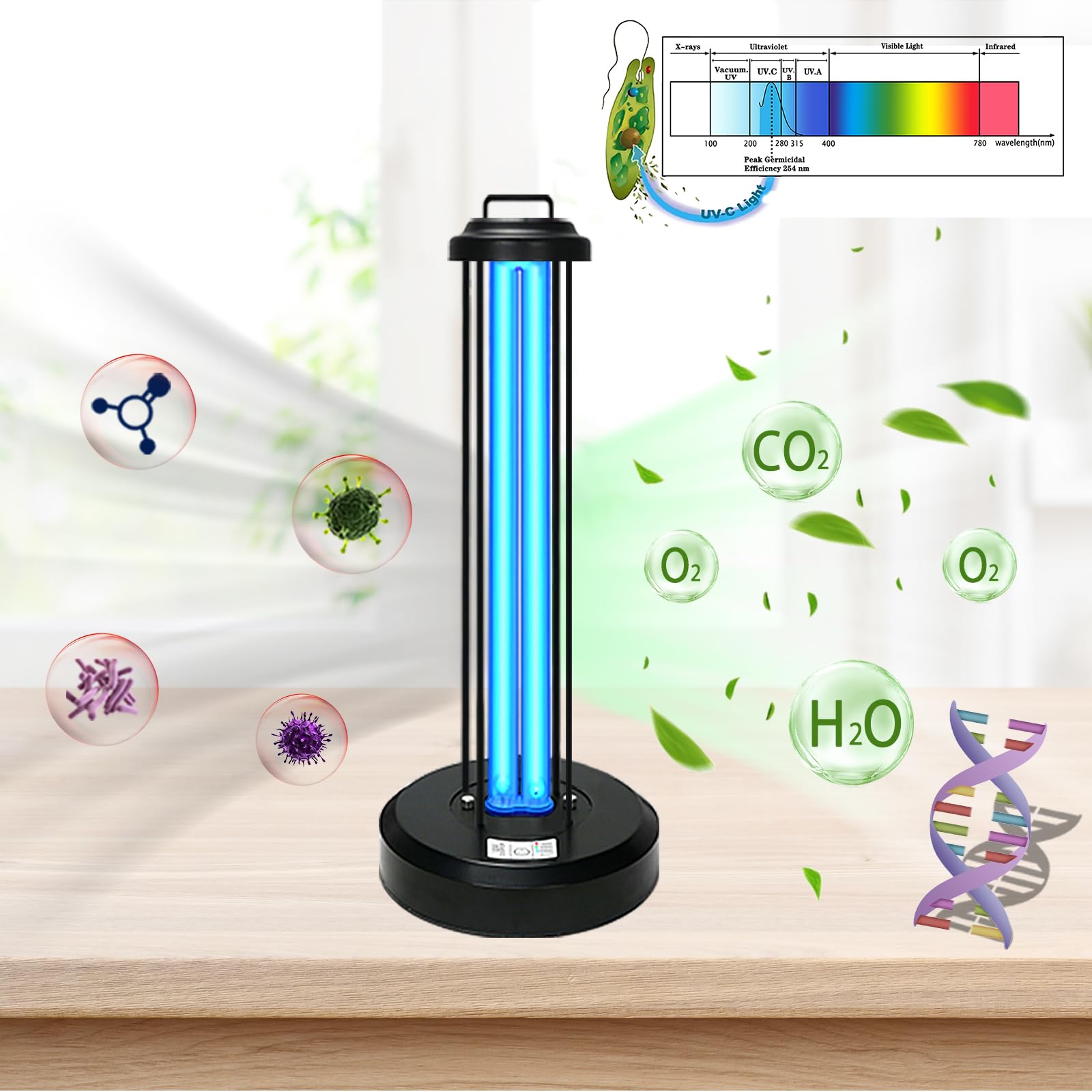
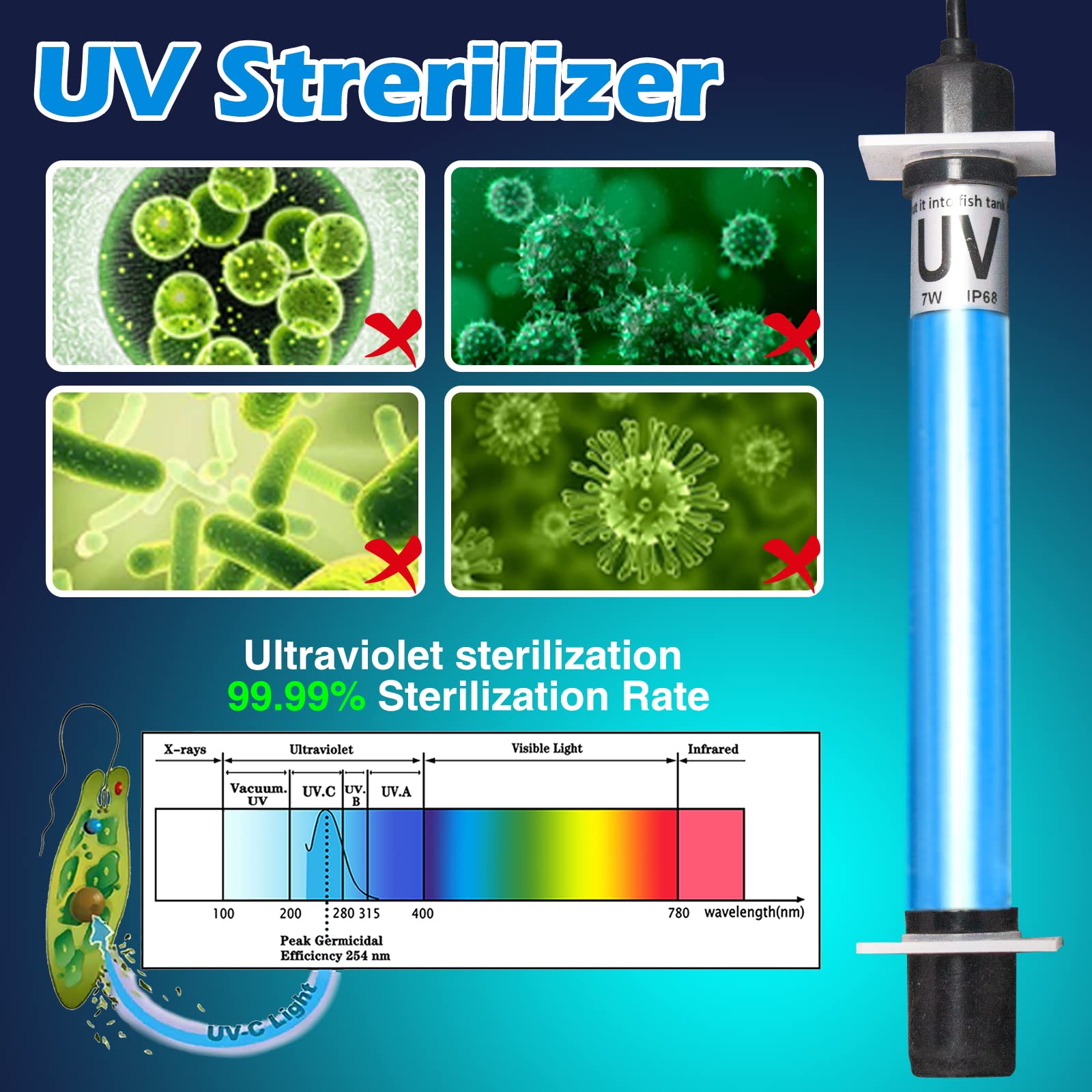
Ultraviolet (UV) light is part of the electromagnetic spectrum. UV-C light (200–280 nm) is widely recognized for its germicidal properties and has been used for decades in:
-
Water purification
-
Medical sterilization
-
Pharmaceutical production
2.2 How UV Light Inactivates Microorganisms
UV-C light works by:
-
Penetrating bacteria, viruses, and molds
-
Damaging DNA and RNA structures
-
Preventing microorganisms from reproducing
This process renders pathogens inactive without chemicals, moisture, or heat.
3. Why UV Disinfection Makes Sense for Restaurants
UV technology aligns well with food service needs because it is:
-
Chemical-free and residue-free
-
Fast and scalable
-
Compatible with stainless steel and food-safe materials
-
Effective in enclosed or controlled spaces
Rather than replacing cleaning, UV enhances sanitation by targeting microorganisms that may remain after manual cleaning.
4. UV Light in Dish Cabinets: Elevating Tableware Hygiene
4.1 The Hygiene Challenge of Dish Storage
Even after washing, dishes can be re-contaminated through:
-
Airborne particles
-
Improper handling
-
Moist storage environments
Dish cabinets are often overlooked as a hygiene control point.
4.2 How UV Dish Cabinets Work
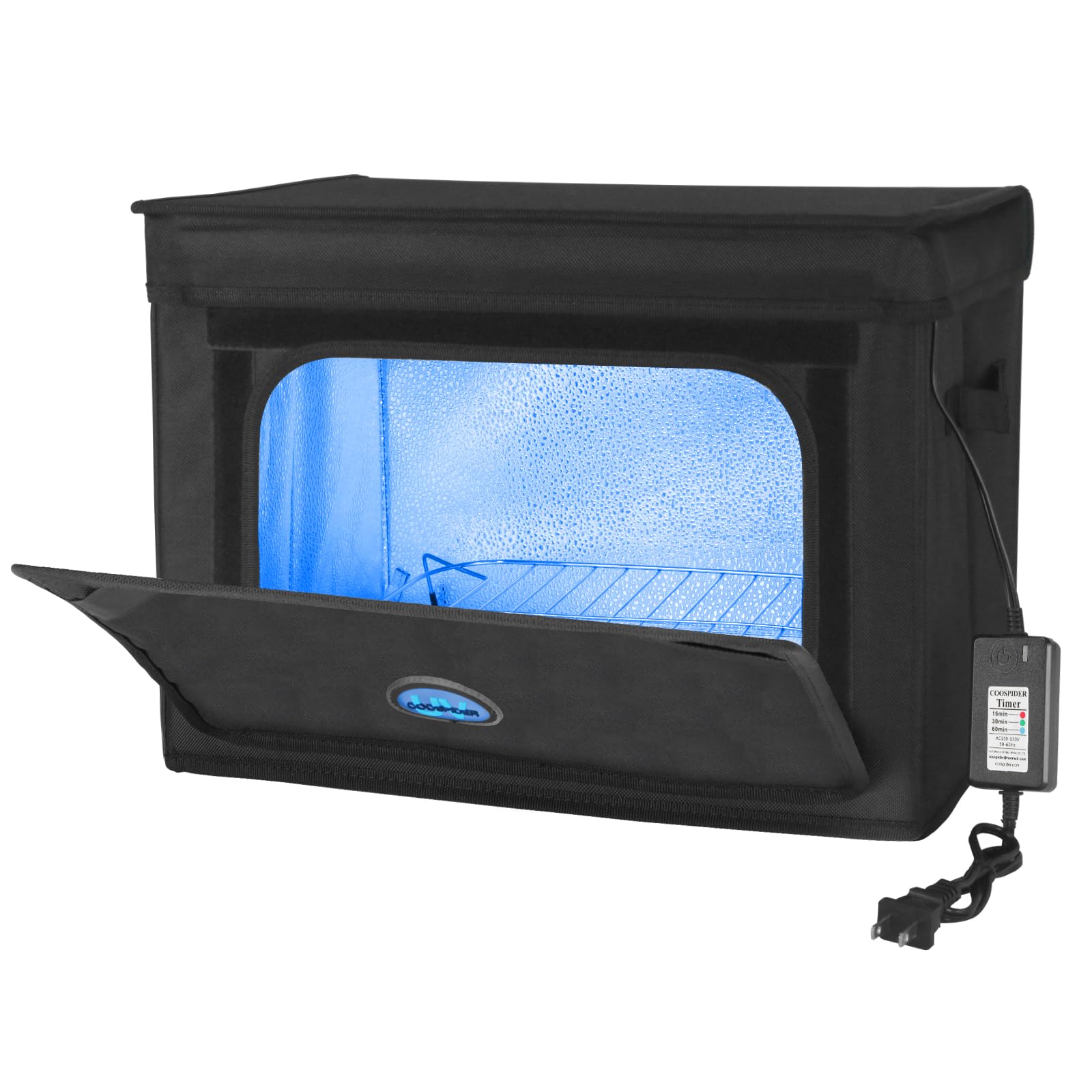
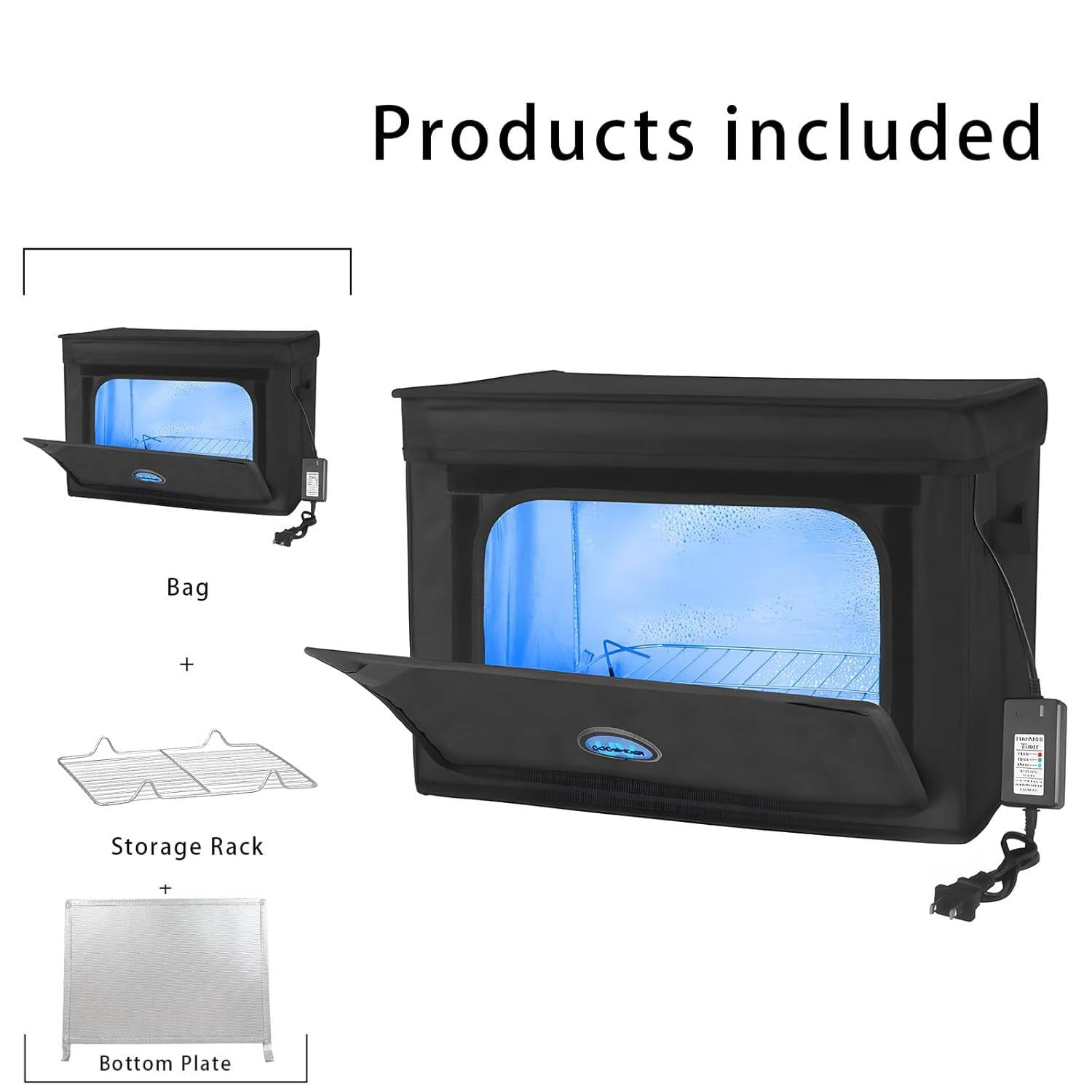
UV-equipped dish cabinets:
-
Emit UV-C light inside enclosed storage
-
Continuously or periodically disinfect surfaces
-
Maintain hygiene between service periods
Plates, bowls, utensils, and glassware remain protected until use.
4.3 Benefits for Restaurant Operations
-
Reduced microbial regrowth
-
Improved customer confidence
-
Lower risk of cross-contamination
-
Enhanced compliance with hygiene audits
UV dish cabinets act as a final safety barrier after washing.
5. UV Light at Food Preparation Stations
5.1 Prep Stations as Critical Control Points
Food prep surfaces are exposed to:
-
Raw ingredients
-
Frequent hand contact
-
Tools and containers
Even with frequent cleaning, microorganisms can transfer quickly.
5.2 UV Integration at Prep Areas
UV solutions at prep stations include:
-
Overhead UV units for off-hours sanitation
-
Enclosed UV cabinets for utensils and tools
-
UV treatment between shifts
These systems sanitize surfaces without interrupting workflows.
5.3 Supporting HACCP and Food Safety Protocols
UV disinfection:
-
Supports Hazard Analysis and Critical Control Point (HACCP) plans
-
Reduces reliance on chemical sanitizers
-
Provides consistent, repeatable sanitation
It strengthens existing food safety systems rather than complicating them.
6. UV Light in Food Storage Areas
6.1 Storage Zones Are Often Underestimated
Refrigerators, cold rooms, and dry storage areas:
-
Store food for extended periods
-
Experience frequent door openings
-
Are vulnerable to mold and bacterial growth
Moisture and temperature changes can accelerate contamination.
6.2 UV Solutions for Storage Hygiene
UV systems in storage areas can:
-
Reduce airborne and surface microbes
-
Suppress mold growth
-
Improve overall storage hygiene
This is especially valuable for produce, dairy, and prepared foods.
7. Preventing Cross-Contamination with UV Technology
Cross-contamination is one of the leading causes of foodborne illness. UV disinfection helps by:
-
Sanitizing shared tools
-
Reducing surface microbial load
-
Limiting pathogen transfer between zones
It adds a passive safety layer that operates independently of human behavior.
8. Traditional Sanitation vs. UV Disinfection
8.1 The Limits of Manual Cleaning
Manual cleaning:
-
Depends on staff consistency
-
Is time- and labor-intensive
-
Can miss microscopic contaminants
Human error is unavoidable in busy kitchens.
8.2 Chemical Sanitizers: Benefits and Drawbacks
Chemical sanitizers are effective but:
-
Leave residues
-
Require precise dilution
-
Can affect taste or surfaces if misused
UV offers a complementary, non-chemical alternative.
9. Safety Considerations in Commercial UV Use
9.1 Employee Safety
Proper UV systems are designed with:
-
Enclosed chambers
-
Automatic shut-off features
-
Controlled exposure times
Direct exposure to UV-C light is avoided in occupied spaces.
9.2 Compliance with Regulations
UV systems used in food service should:
-
Meet local safety standards
-
Be installed by qualified professionals
-
Be documented within sanitation protocols
When implemented correctly, UV technology aligns with food safety regulations.
10. Operational Benefits Beyond Hygiene
10.1 Efficiency and Labor Optimization
UV disinfection:
-
Reduces manual sanitation workload
-
Operates automatically
-
Supports off-hours cleaning
This improves efficiency without adding staff pressure.
10.2 Brand Trust and Customer Perception
Visible investment in hygiene:
-
Builds consumer confidence
-
Differentiates brands
-
Supports premium positioning
Cleanliness is now part of the dining experience.
11. Applications Across Different Food Service Models
UV technology benefits:
-
Fine dining restaurants
-
Fast-casual chains
-
Hotel kitchens
-
Catering services
-
Central kitchens and food factories
Each model can adapt UV solutions to its specific workflow.
12. Cost Considerations and ROI
12.1 Initial Investment vs. Long-Term Value
While UV systems require upfront investment, they:
-
Reduce food safety incidents
-
Lower chemical usage
-
Extend equipment lifespan
The long-term return often outweighs initial costs.
12.2 Risk Reduction as a Financial Strategy
Preventing a single food safety incident can:
-
Save legal costs
-
Protect brand reputation
-
Avoid operational shutdowns
UV disinfection is a form of risk management.
13. Best Practices for Implementing UV in Restaurants
-
Use UV as a supplement, not a replacement
-
Integrate into existing SOPs
-
Train staff on proper usage
-
Schedule routine maintenance
Consistency is key to effectiveness.
14. UV Disinfection vs. Traditional Methods: A Comparison
| Method | Chemical-Free | Automation | Coverage | Consistency |
|---|---|---|---|---|
| Manual Cleaning | Yes | No | Moderate | Variable |
| Chemical Sanitizers | No | Limited | High | Variable |
| UV Disinfection | Yes | Yes | High | High |
UV technology fills critical gaps in restaurant sanitation systems.
Conclusion: Raising the Bar for Food Service Hygiene
In the food service industry, hygiene is not negotiable. As operational complexity increases and consumer expectations rise, restaurants need smarter, more reliable sanitation solutions.
UV light disinfection offers a practical, effective, and chemical-free way to enhance hygiene standards in dish cabinets, preparation areas, and food storage zones. By integrating UV technology into daily operations, food service businesses can reduce risks, improve compliance, and build lasting trust with customers.
In a competitive industry where reputation is everything, higher hygiene standards aren’t just about safety—they’re about success.