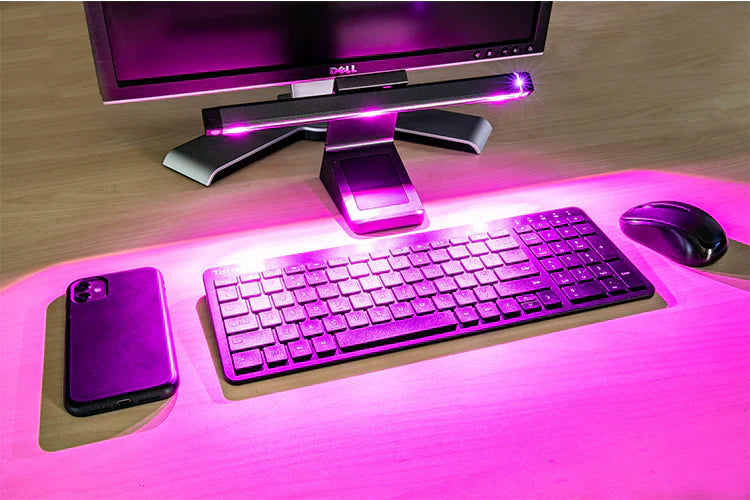
In today’s modern workplace, productivity is often measured by speed, efficiency, and focus. But there is one silent factor that affects performance, health, and even morale—desk hygiene.
Office desks are high-contact zones. Keyboards, mice, and desktop documents are touched hundreds of times a day, yet they are rarely disinfected with the same attention given to hands or shared surfaces. Over time, these everyday tools accumulate bacteria, viruses, and other microorganisms that can quietly undermine employee health and workplace well-being.
As organizations and individuals rethink hygiene standards in the post-pandemic era, UV light disinfection has emerged as a powerful, efficient, and chemical-free solution for maintaining a cleaner office environment. This article explores why desk hygiene matters, where traditional cleaning methods fall short, and how UV technology can transform your office desk into a safer, healthier workspace.
1. Why Office Desk Hygiene Deserves Serious Attention
1.1 The Desk as a High-Risk Hygiene Zone
An office desk is more than a workstation—it’s a hub of constant activity. Employees:
-
Type on keyboards for hours
-
Grip mice repeatedly
-
Handle paperwork, notebooks, and folders
-
Eat snacks or drink beverages nearby
Each interaction introduces new microorganisms to the desk environment.
1.2 What Studies Reveal About Office Germs
Research has consistently shown that:
-
Office keyboards can harbor more bacteria than many restroom surfaces
-
Shared office equipment increases cross-contamination
-
Germs can survive on hard surfaces for extended periods
The issue isn’t visibility—it’s frequency. The more often an item is touched, the higher its contamination risk.
2. Keyboards: Productivity Tools with Hidden Contamination
2.1 Why Keyboards Are Especially Vulnerable
Keyboards combine:
-
Constant hand contact
-
Narrow crevices between keys
-
Trapped dust, crumbs, and moisture
These features make keyboards extremely difficult to clean thoroughly using traditional methods.
2.2 Microorganisms Commonly Found on Keyboards
Testing has identified:
-
Staphylococcus bacteria
-
E. coli
-
Yeast and mold spores
These microorganisms may contribute to skin irritation, illness, and decreased overall comfort at work.
3. Mice and Trackpads: Small Devices, Big Hygiene Impact
3.1 High Touch, Low Cleaning Frequency
Computer mice are:
-
Held continuously throughout the workday
-
Rarely disinfected
-
Often shared in offices or hot-desking environments
Despite their size, mice are among the most contaminated desk items.
3.2 Cross-Contamination Risks
A contaminated mouse can:
-
Transfer bacteria back to hands
-
Spread germs to keyboards, phones, and desks
-
Reinforce a cycle of repeated exposure
Breaking this cycle requires consistent disinfection.
4. Desk Documents: The Forgotten Hygiene Risk
4.1 Paper as a Microbial Carrier
Documents, files, and folders:
-
Pass through multiple hands
-
Are placed on shared surfaces
-
Are stored for long periods
While paper may seem harmless, it can carry microorganisms between workspaces.
4.2 Why Paper Is Rarely Cleaned
Unlike electronics, paper:
-
Cannot be wiped with liquids easily
-
Is damaged by chemicals
-
Is often overlooked entirely
This makes desk documents a silent contributor to office contamination.
5. Traditional Desk Cleaning Methods: Where They Fall Short
5.1 Wipes and Sprays
Chemical disinfectants:
-
Leave residues on electronics
-
Can damage coatings and plastics
-
Require proper contact time to be effective
In fast-paced offices, cleaning is often rushed and incomplete.
5.2 Alcohol-Based Solutions
Alcohol can disinfect but:
-
Dries out plastic and rubber
-
Degrades key labels over time
-
Is impractical for frequent use
Long-term reliance on alcohol cleaning can shorten device lifespan.
5.3 Compressed Air and Dry Cleaning
Dry methods remove debris but:
-
Do not kill microorganisms
-
Provide cosmetic cleanliness only
True hygiene requires disinfection, not just dust removal.
6. Understanding UV Light Disinfection
6.1 What Is UV Light?
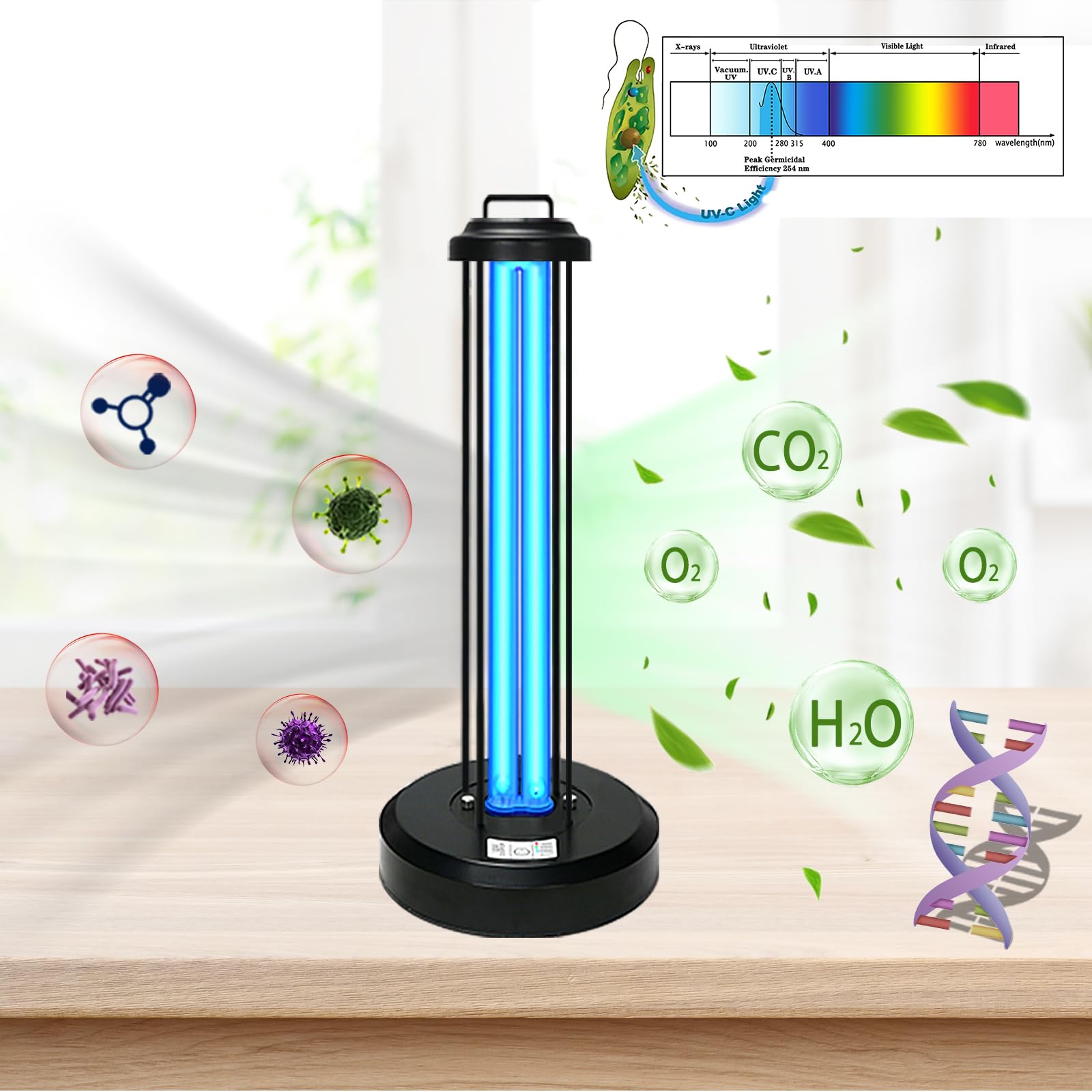
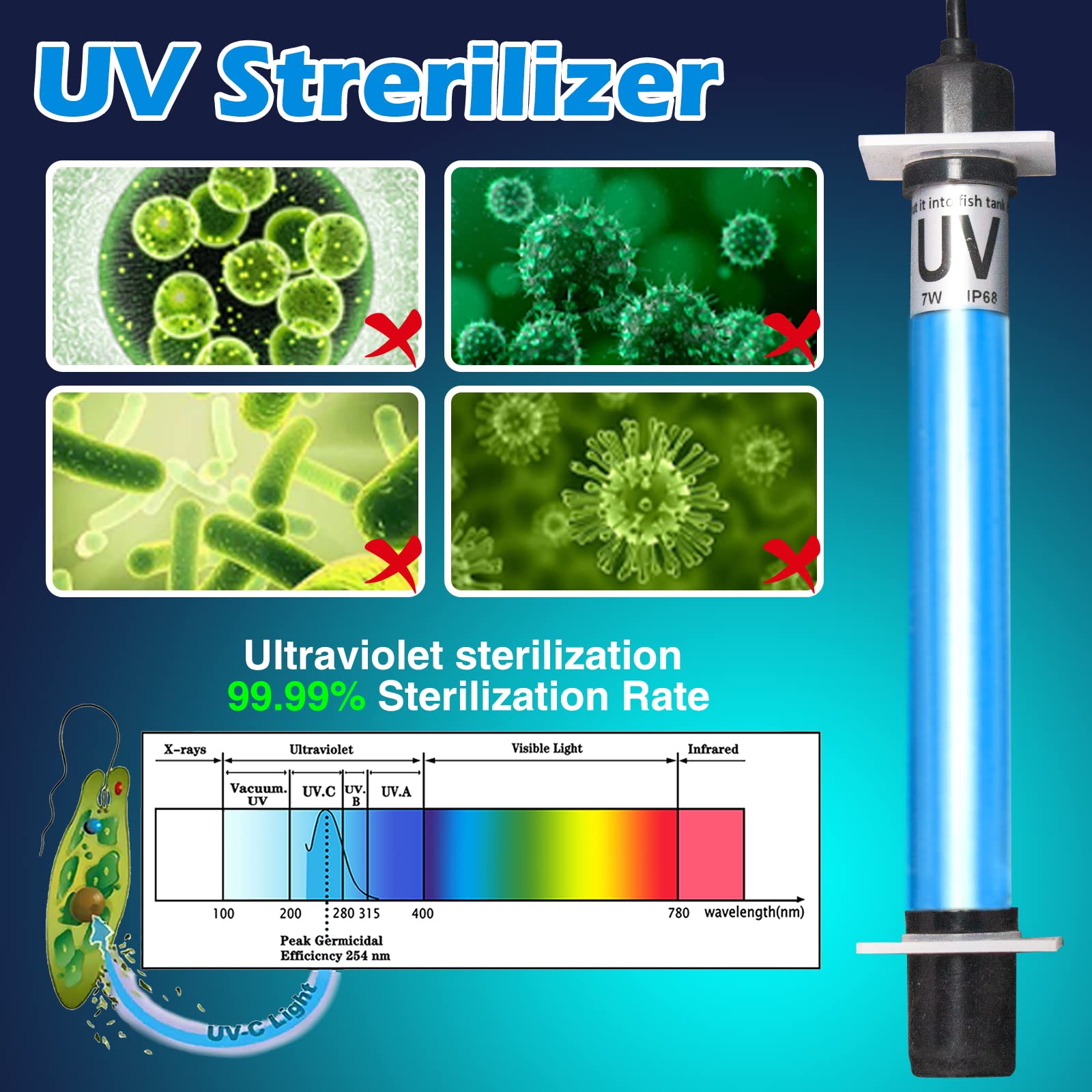
Ultraviolet (UV) light is part of the electromagnetic spectrum. UV-C light (200–280 nanometers) is widely recognized for its germicidal properties.
6.2 How UV Light Neutralizes Microorganisms
UV-C light:
-
Penetrates bacteria and viruses
-
Damages DNA and RNA
-
Prevents replication
Once exposed, microorganisms become inactive and unable to spread.
7. Why UV Light Is Ideal for Office Desk Hygiene
UV disinfection offers several advantages for office environments:
-
Chemical-free and residue-free
-
Fast, often requiring only minutes
-
Safe for electronics when used correctly
-
Capable of reaching crevices and surfaces wipes miss
These benefits make UV technology especially effective for daily desk maintenance.
8. UV Disinfection for Keyboards
8.1 Reaching Between the Keys
UV light can penetrate:
-
Key gaps
-
Textured surfaces
-
Hard-to-reach areas
This allows for more thorough disinfection than surface wiping alone.
8.2 Best Practices for UV Keyboard Hygiene
-
Turn off and unplug the keyboard
-
Remove visible debris
-
Place under a UV lamp or inside a UV box
-
Run a full disinfection cycle
Regular UV treatment helps maintain both cleanliness and device longevity.
9. UV Disinfection for Mice and Trackpads
9.1 Targeting High-Contact Surfaces
UV light effectively disinfects:
-
Buttons
-
Scroll wheels
-
Underside surfaces
These areas are often missed during manual cleaning.
9.2 Supporting Comfort and Performance
Consistent UV sanitation:
-
Reduces bacteria transfer
-
Improves user comfort
-
Supports healthier daily workflows
Clean devices contribute to better focus and productivity.
10. UV Disinfection for Desk Documents
10.1 A Rare Solution for Paper Hygiene
Unlike liquid cleaners, UV light:
-
Does not wet paper
-
Leaves no residue
-
Preserves document integrity
This makes UV one of the few viable disinfection methods for paperwork.
10.2 Practical Use Cases
UV disinfection is useful for:
-
Frequently handled files
-
Shared documents
-
Mail and incoming paperwork
Short UV exposure cycles can reduce surface contamination without damage.
11. UV Devices for Office Use
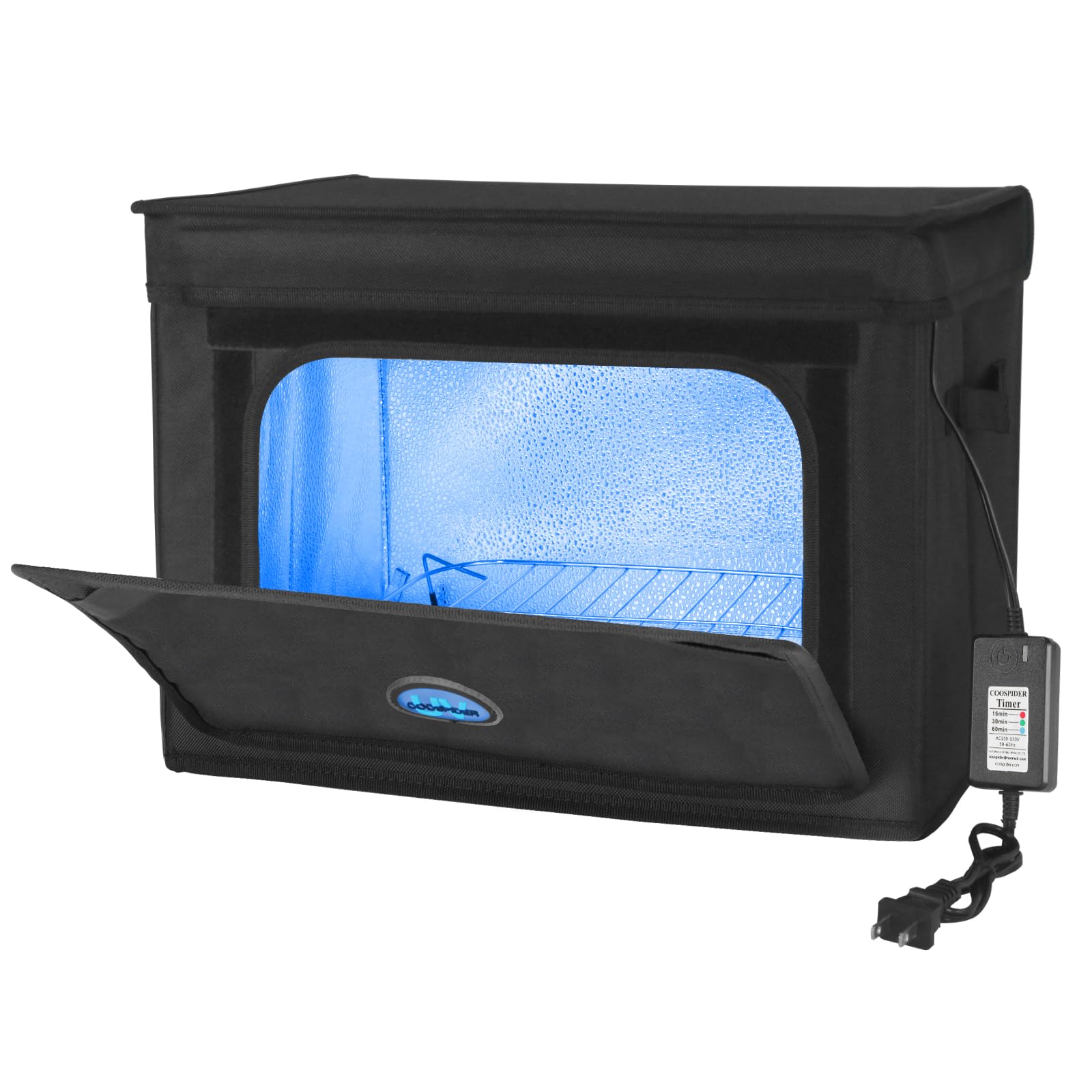
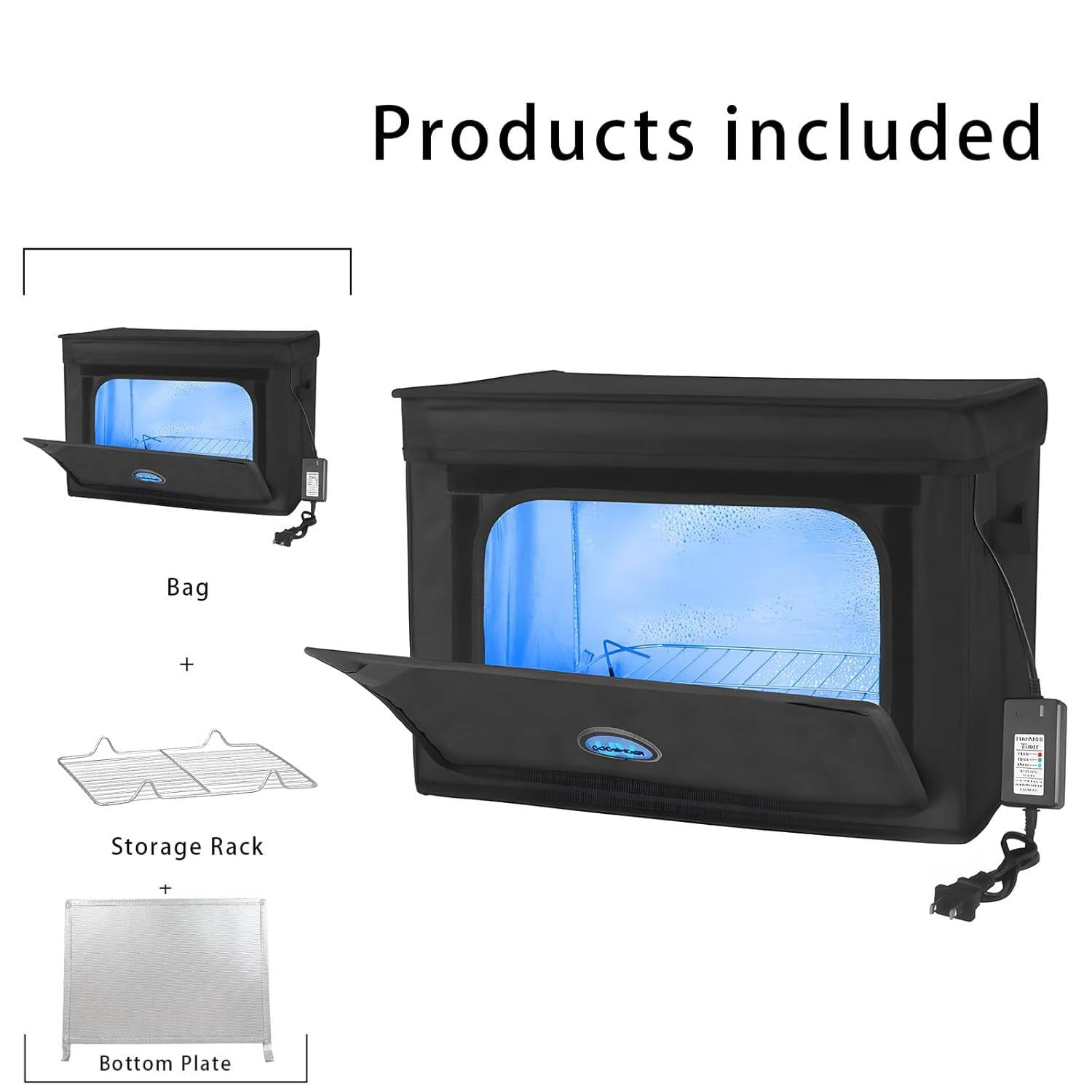
11.1 UV Sterilizer Boxes
UV boxes provide:
-
Enclosed, safe operation
-
Even light distribution
-
Automatic timers
They are ideal for keyboards, mice, and documents.
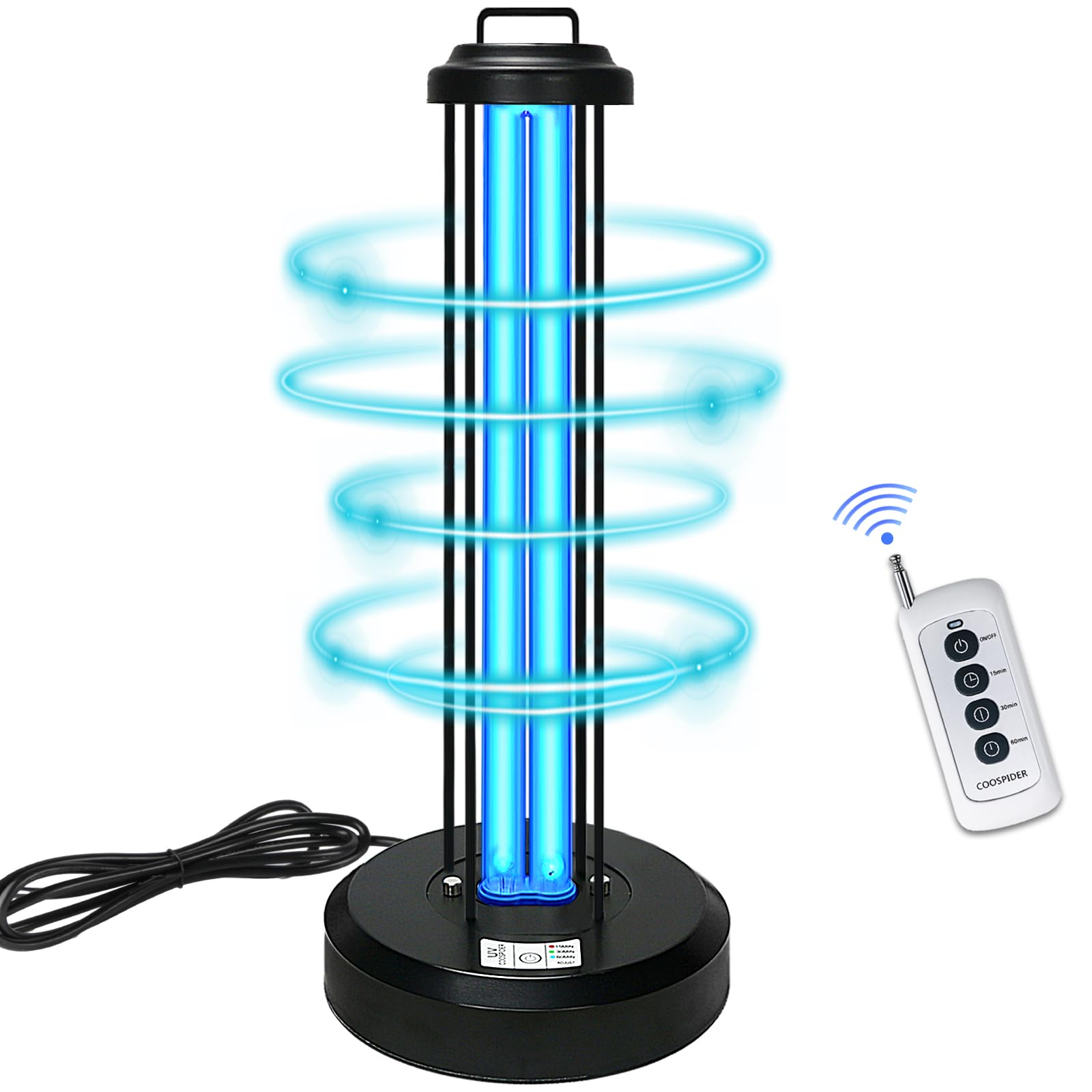
11.2 Desktop UV Lamps
Desktop UV lamps allow:
-
Flexible disinfection of larger surfaces
-
Targeted treatment of desk areas
-
Integration into daily office routines
Both options support efficient hygiene management.
12. Safety Considerations in Office UV Use
12.1 Protecting Employees
UV-C light should never be viewed directly. Safe practices include:
-
Using enclosed devices
-
Avoiding exposure during operation
-
Following manufacturer instructions
Modern UV products are designed with safety in mind.
12.2 Material Compatibility
UV light does not:
-
Leave chemical residues
-
Cause moisture damage
-
Interfere with electronics
This makes it suitable for long-term office use.
13. Who Benefits Most from UV Desk Disinfection?
UV desk hygiene is especially valuable for:
-
Office workers
-
Remote employees
-
Shared workspaces and hot desks
-
Corporate offices focused on employee wellness
For organizations, prevention reduces sick days and improves confidence.
14. UV Disinfection vs. Traditional Cleaning Methods
| Method | Electronics Safe | Chemical-Free | Speed | Depth of Disinfection |
|---|---|---|---|---|
| Wipes & Sprays | Moderate | No | Moderate | Moderate |
| Alcohol Cleaning | Limited | No | Moderate | Moderate |
| Dry Cleaning | Yes | Yes | High | Low |
| UV Light | Yes | Yes | High | High |
UV technology bridges the gap between safety and effectiveness.
15. Building a Sustainable Office Desk Cleaning Plan
15.1 Simple Daily Habits
-
UV-sanitize keyboard and mouse at day’s end
-
Treat shared documents regularly
-
Maintain clutter-free desk surfaces
Consistency ensures long-term results.
15.2 Long-Term Benefits
-
Reduced illness transmission
-
Improved employee comfort
-
Extended device lifespan
-
Enhanced workplace professionalism
Clean desks support healthy, productive teams.
Conclusion: A Cleaner Desk Is a Smarter Workspace
In modern offices, productivity and health are deeply connected. Keyboards, mice, and desk documents may seem harmless, but they are among the most frequently touched—and least sanitized—items in the workplace.
UV light disinfection offers a fast, efficient, and chemical-free solution to this overlooked problem. By integrating UV hygiene into daily office routines, individuals and organizations can reduce health risks without disrupting workflow.
A clean desk is more than an aesthetic choice—it’s a strategic one. And with UV technology, maintaining a healthier workspace has never been easier.