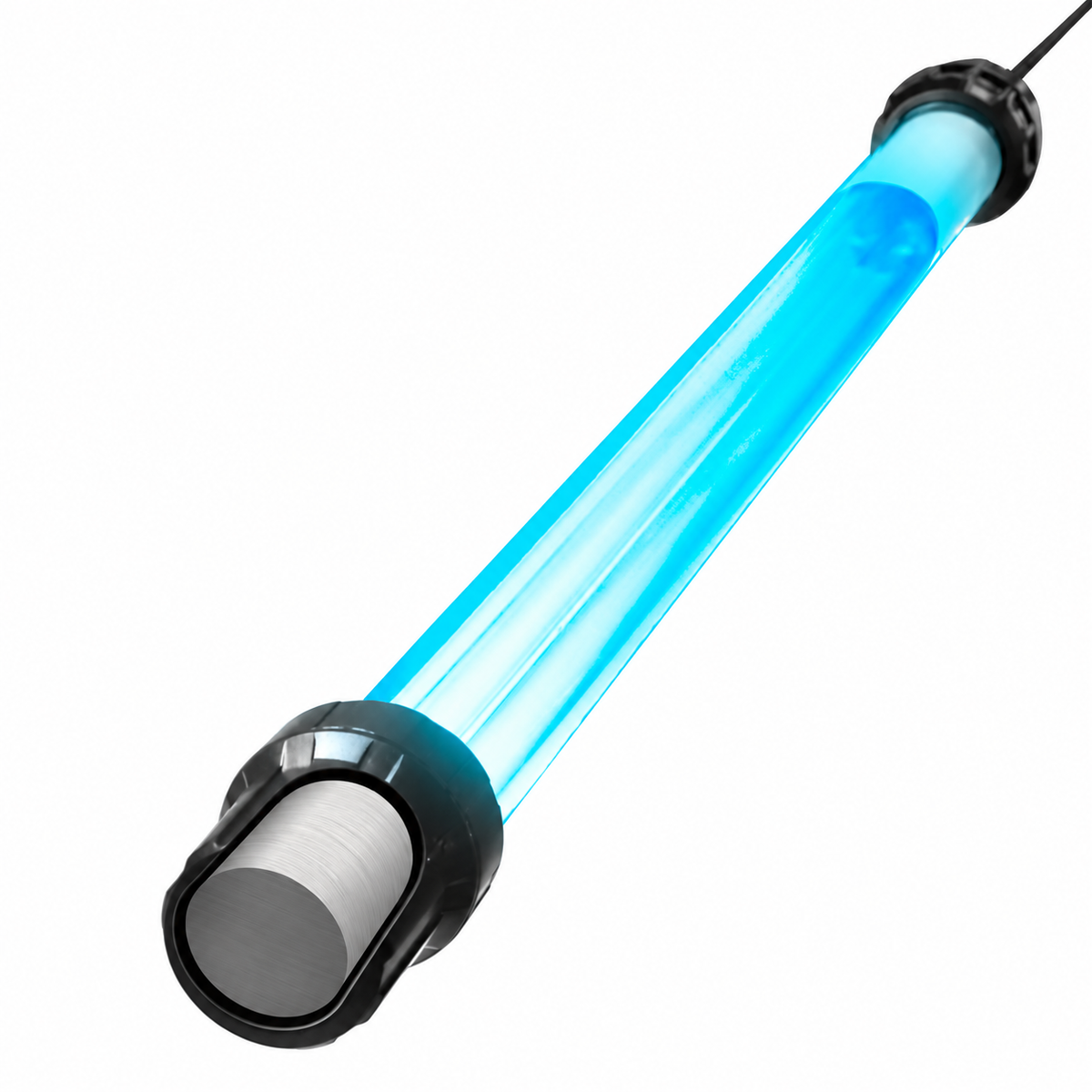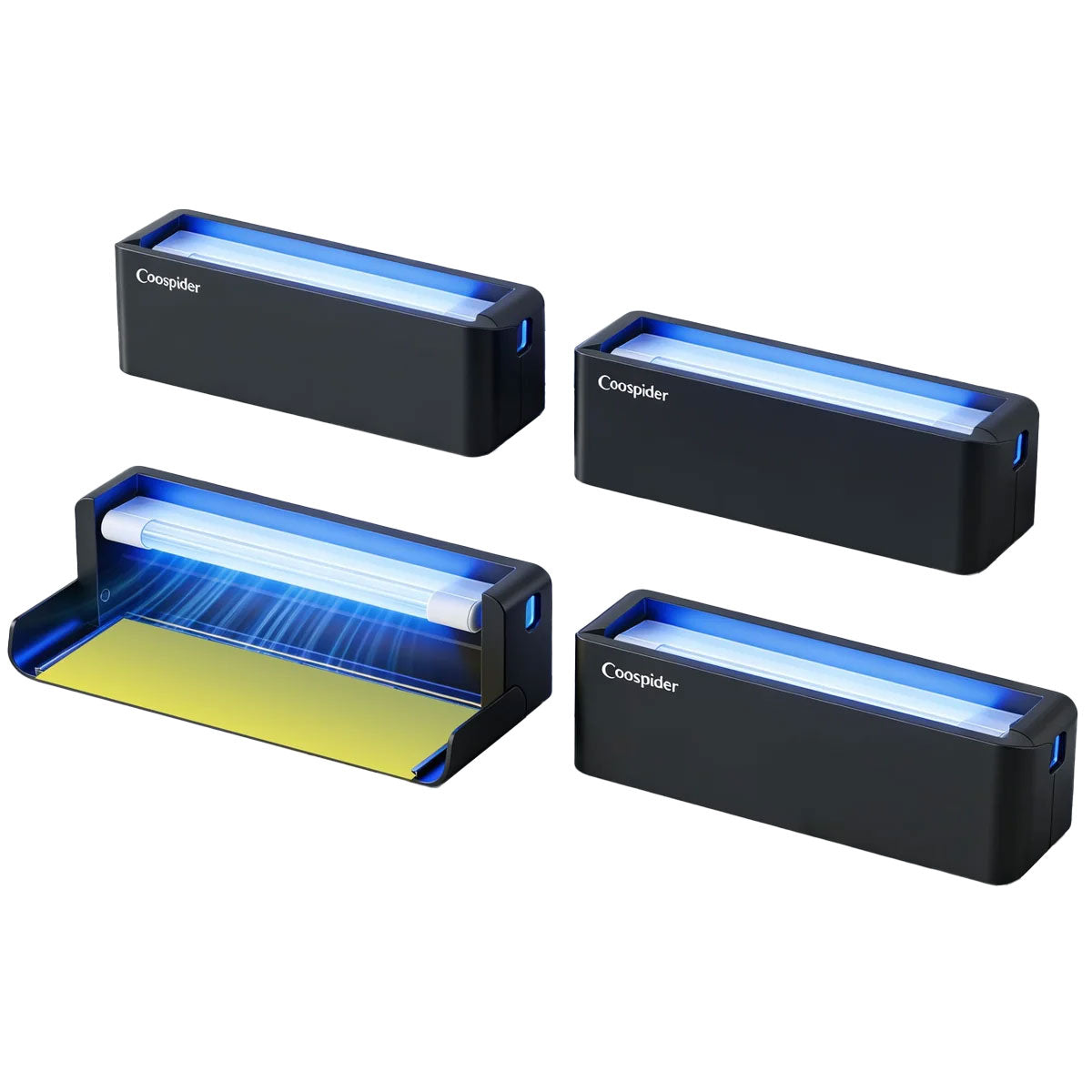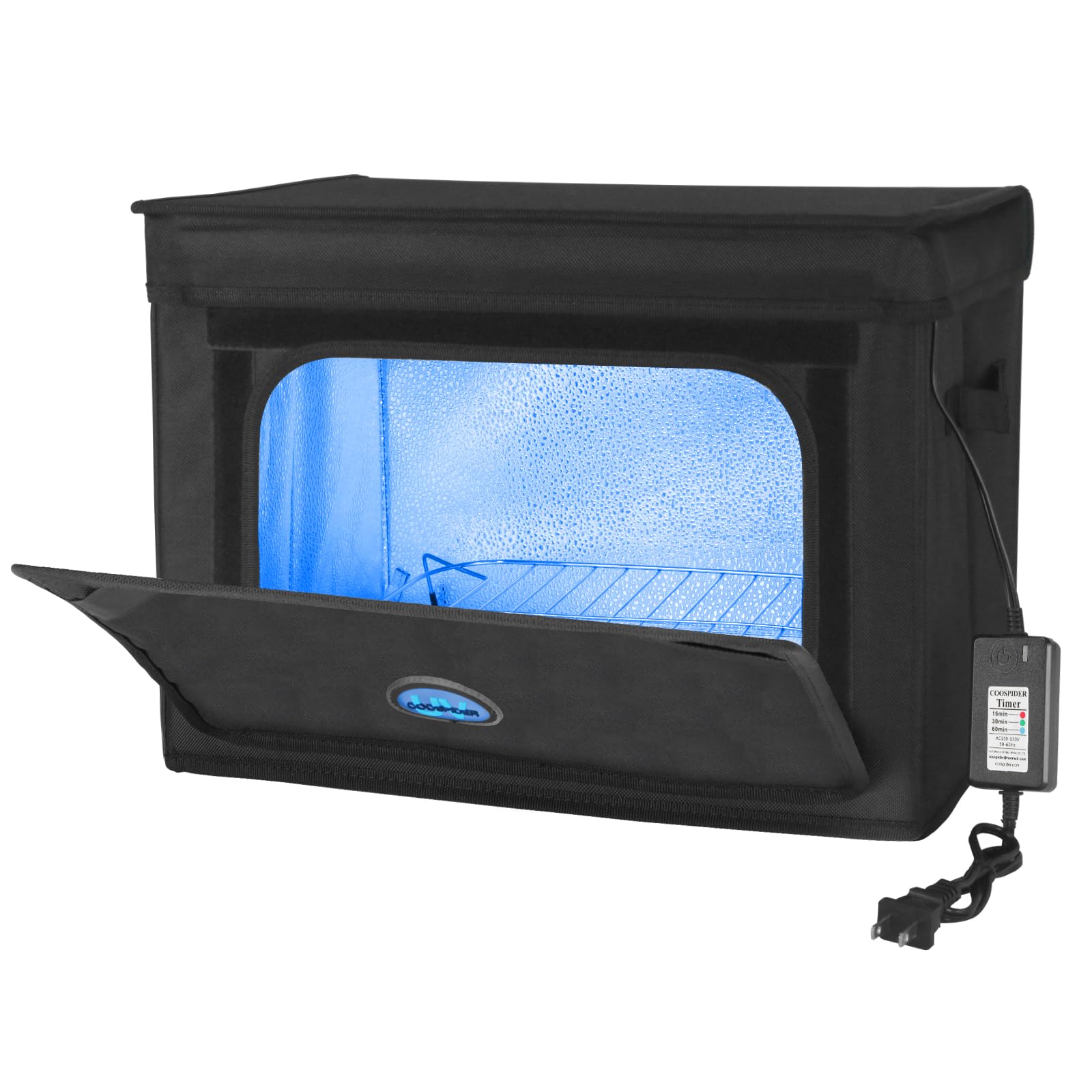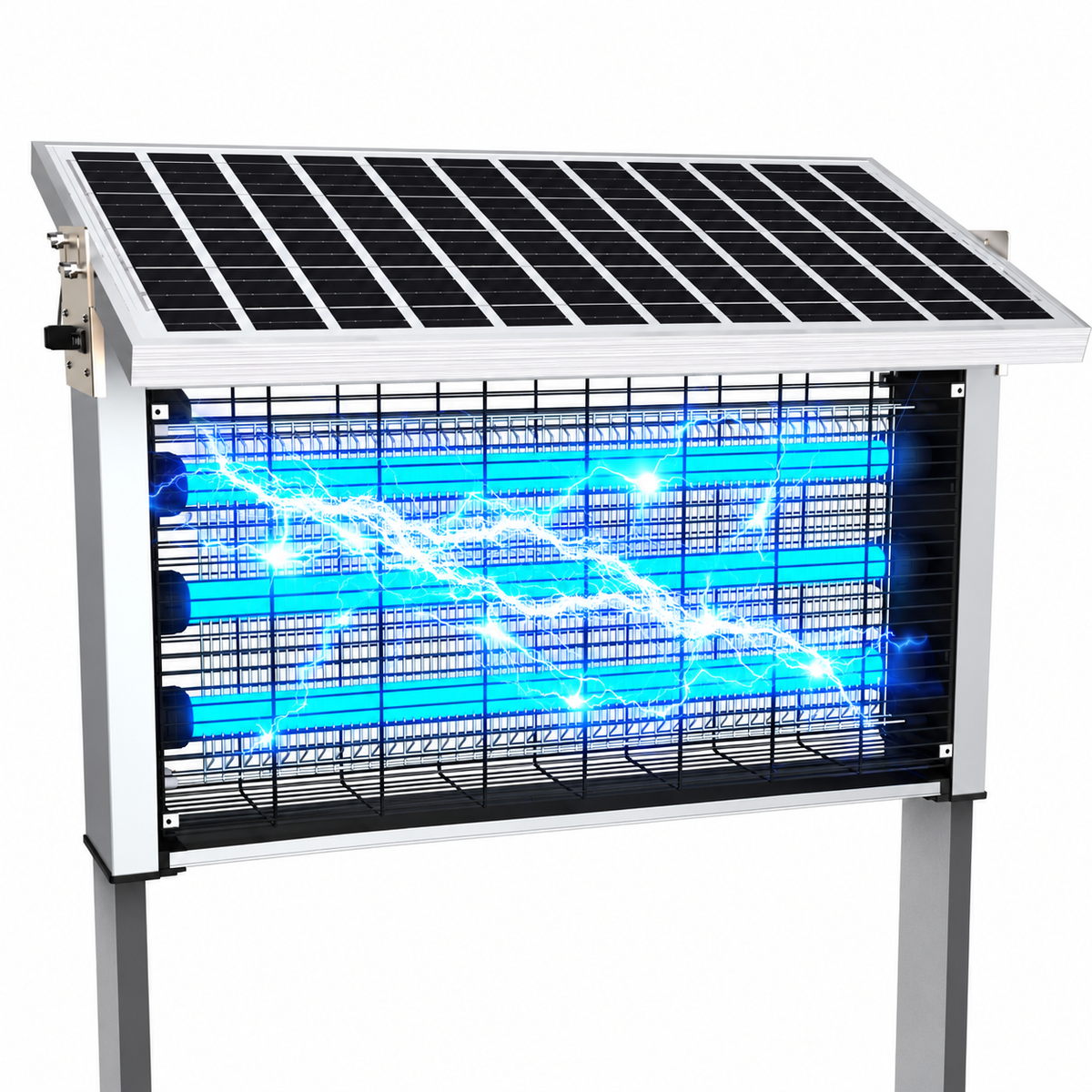
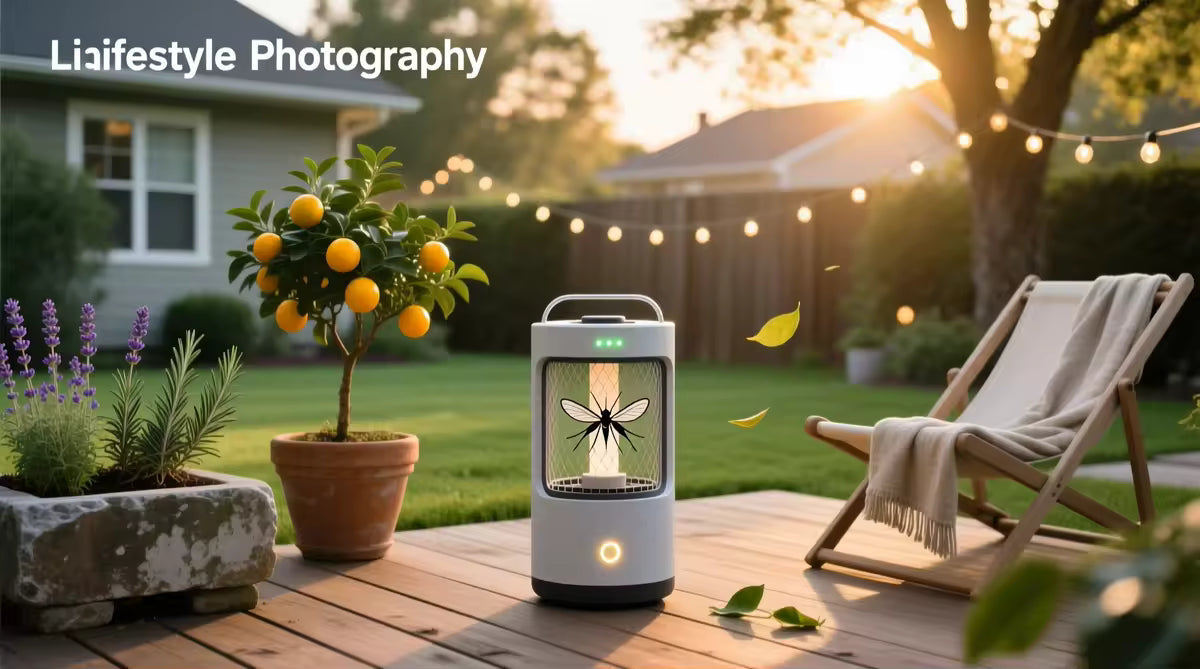
Mosquitoes are more than just a backyard nuisance. In many parts of the United States, they disrupt sleep, ruin barbecues, and pose real health risks. As a result, mosquito traps and mosquito lamps have become essential tools in American homes.
But here’s the problem: many homeowners buy a mosquito trap, plug it in, and assume it will instantly solve their insect issue.
Then they’re disappointed.
The truth is that mosquito control isn’t just about the device you buy — it’s about where and how you use it. Indoor mosquito traps and outdoor mosquito traps are engineered differently. When placed incorrectly, even high-quality mosquito control devices can underperform.
This in-depth guide explains the key differences between indoor and outdoor mosquito traps, the science behind how they work, and the most common placement mistakes Americans make — along with practical solutions that dramatically improve results.
Understanding How Mosquito Traps Actually Work
Before discussing placement, it’s important to understand how mosquito traps attract and capture insects.
Most mosquito traps use one or more of the following attraction mechanisms:
-
UV light
-
Heat
-
Carbon dioxide simulation
-
Airflow suction
-
Octenol or scent lures
-
Contrast lighting
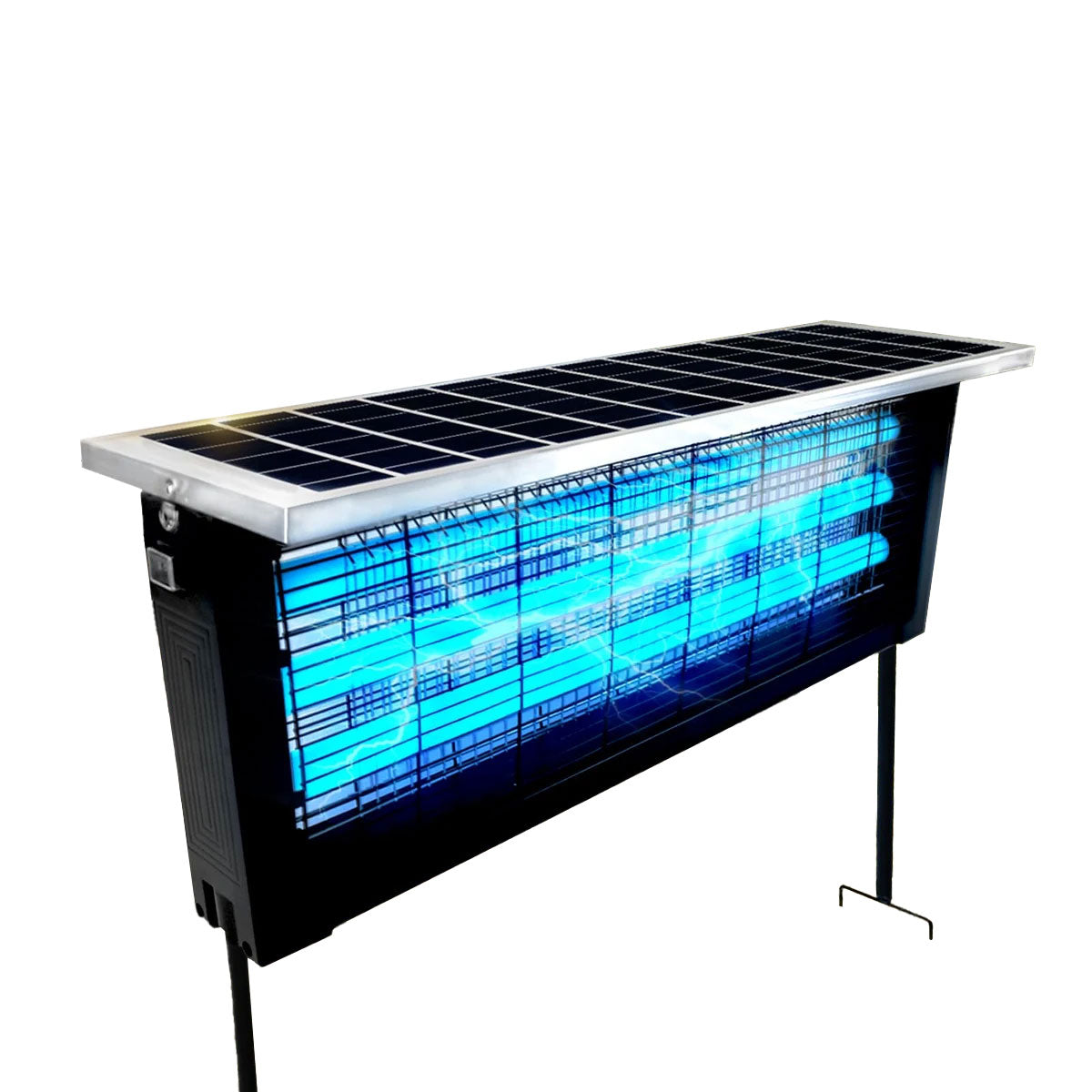
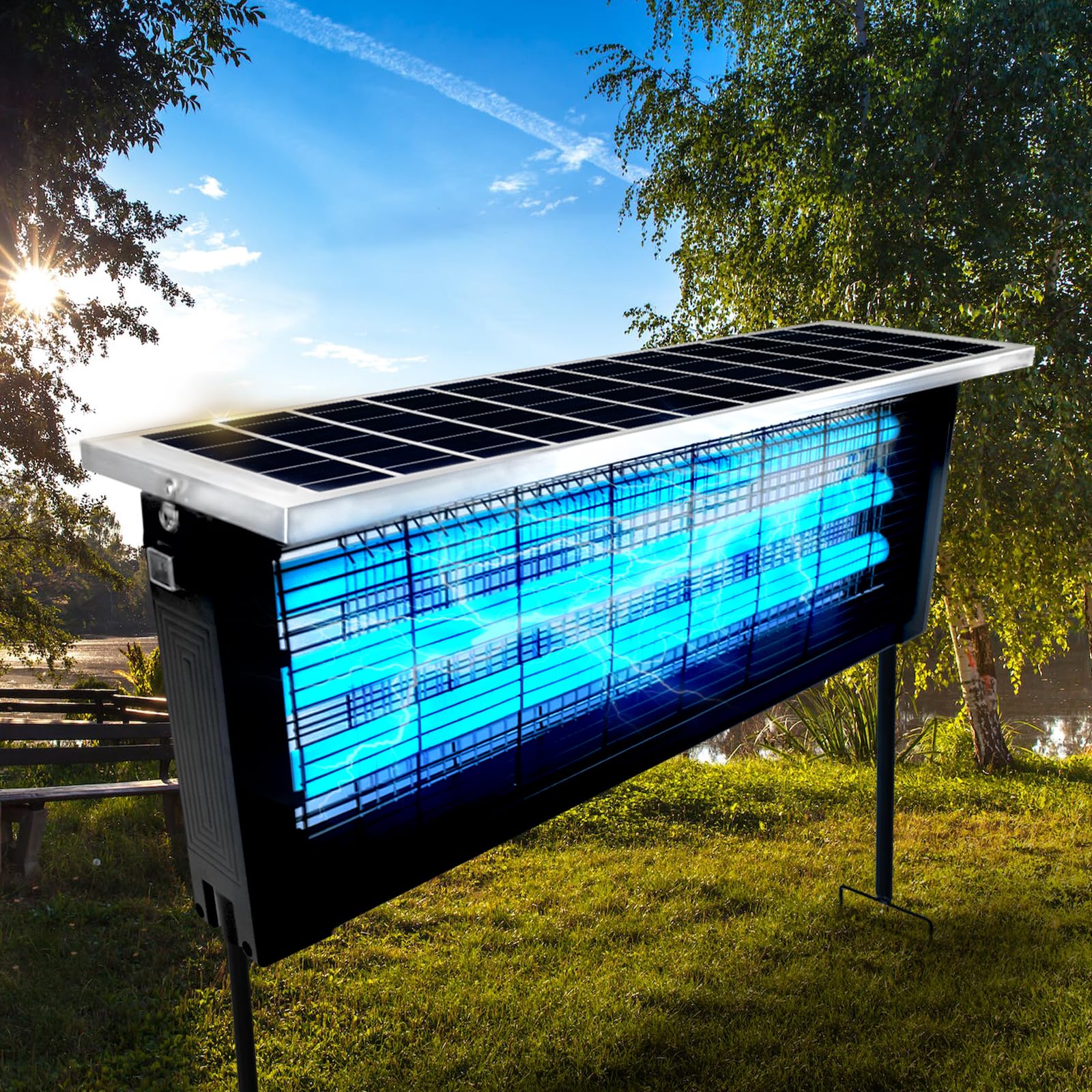
Different models are designed for different environments. Indoor mosquito traps typically rely on UV light and airflow. Outdoor mosquito traps often use carbon dioxide and scent lures to mimic human breath.
If you use an indoor mosquito lamp outdoors — or vice versa — performance will suffer.
Indoor Mosquito Traps: Designed for Controlled Environments
Indoor mosquito traps are optimized for enclosed spaces like:
-
Bedrooms
-
Living rooms
-
Kitchens
-
Apartments
-
Offices
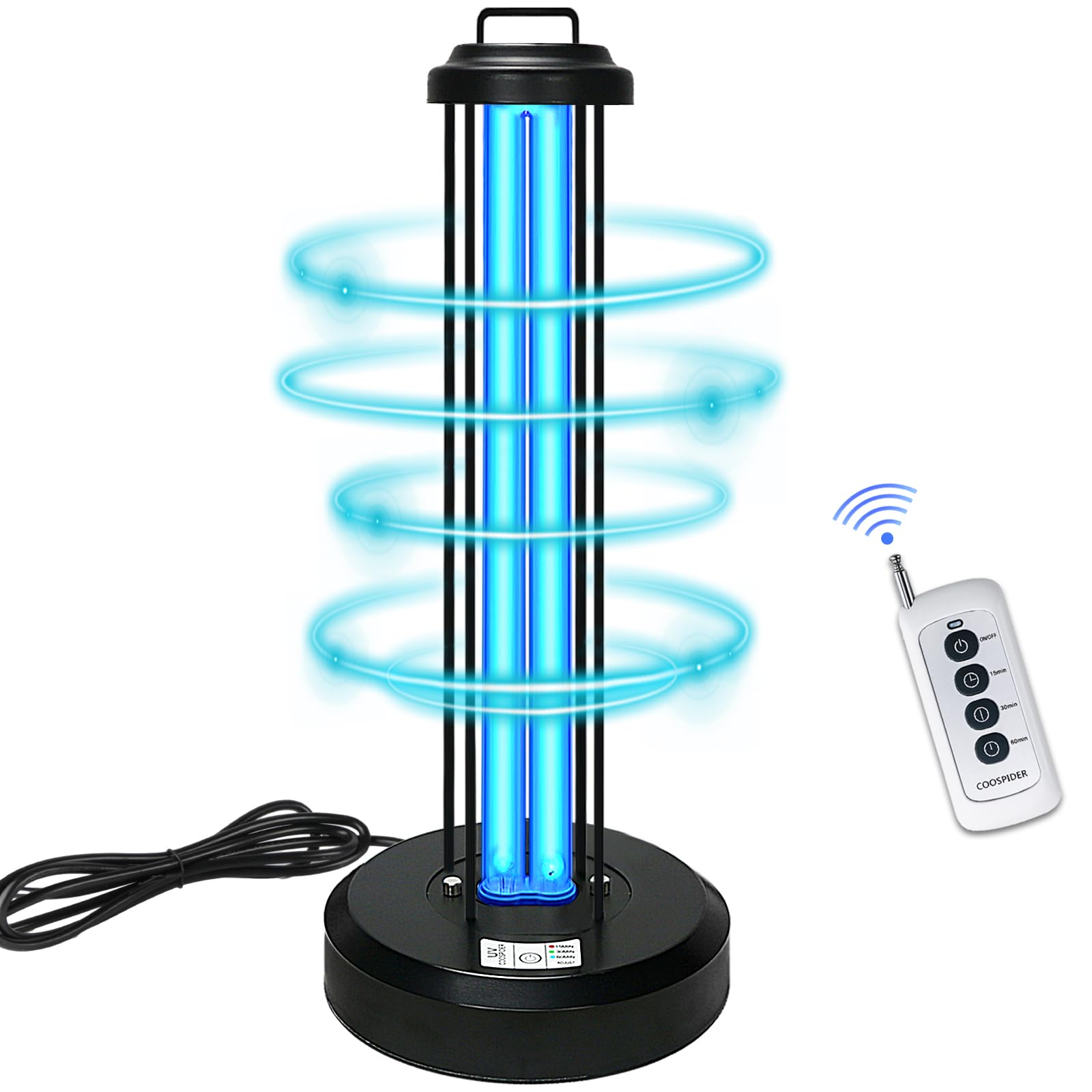
They rely heavily on UV light attraction and quiet suction fans. Indoors, there are fewer competing light sources and minimal wind interference. This allows UV-based mosquito lamps to function efficiently.
Indoor units are typically:
-
Lower wattage
-
Quiet
-
Compact
-
Designed for 200–600 square feet
They are not built to compete with outdoor variables like wind, humidity, and competing scents.
Outdoor Mosquito Traps: Built for Open-Air Challenges
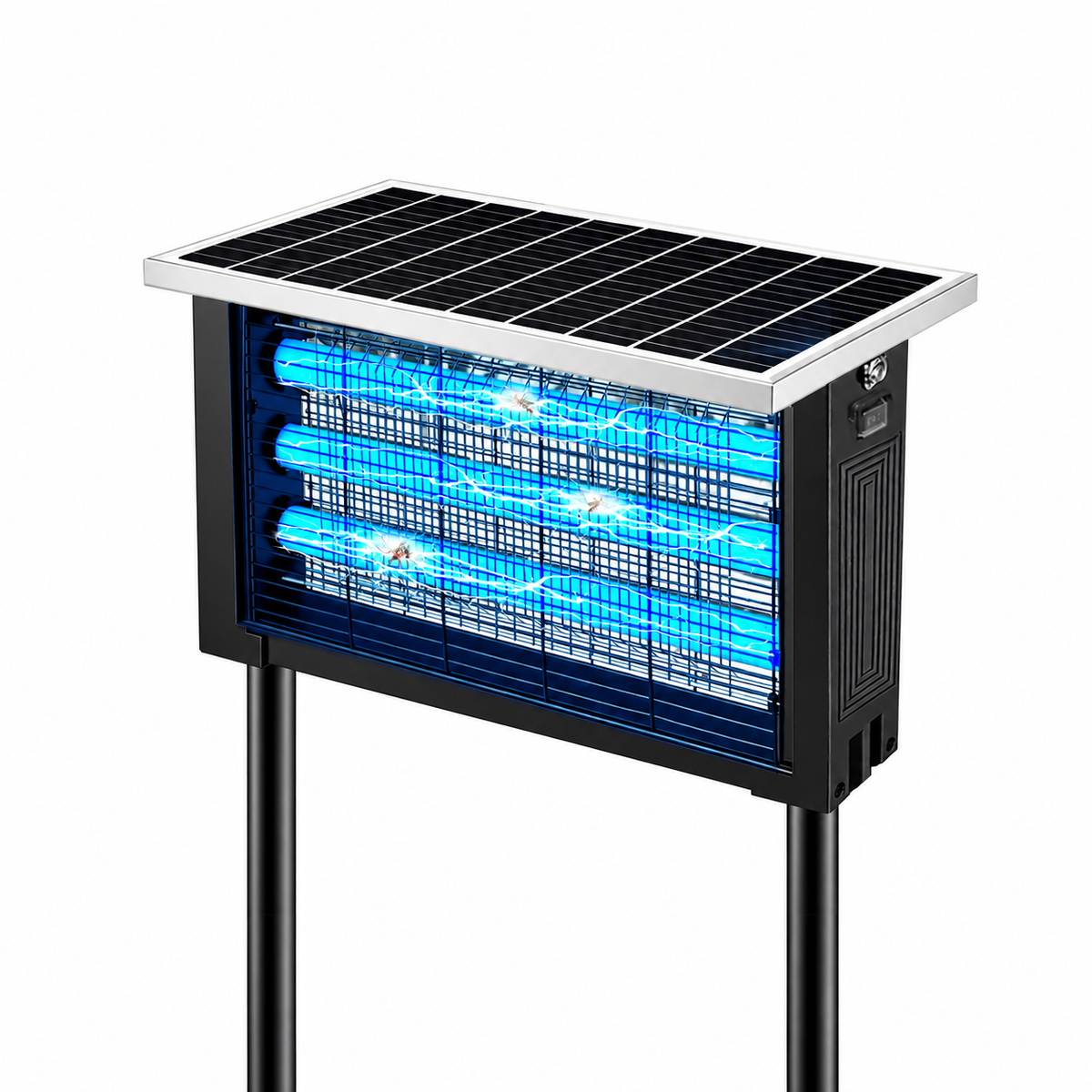
Outdoor mosquito traps operate under completely different conditions. They must compete with:
-
Sunlight
-
Wind
-
Competing human scent
-
Ambient heat
-
Large open areas
Outdoor models often include:
-
CO₂ emitters
-
Propane-based systems
-
Larger fans
-
Weather-resistant housings
-
Broader coverage areas (½ acre or more)
These traps are designed to intercept mosquitoes before they reach you.
Placement strategy is critical outdoors.
The Biggest Indoor Placement Mistakes
1. Placing the Trap Too Close to You
One of the most common mistakes is placing an indoor mosquito lamp directly next to your bed or couch.
This reduces effectiveness.
Why?
Mosquito traps compete with human scent and body heat. If the trap is too close to you, mosquitoes will choose you over the device.
Best Practice:
Place indoor mosquito traps 6–10 feet away from sleeping or sitting areas.
Let the trap intercept mosquitoes before they reach you.
2. Keeping Lights On
UV mosquito lamps work best in dark environments.
If you run a mosquito trap in a brightly lit room, it loses attraction power. Mosquitoes are drawn to contrast and light differentials.
Best Practice:
Turn off main lights at night and allow the mosquito lamp to become the primary light source.
3. Blocking Airflow
Many indoor mosquito traps rely on suction fans. If placed:
-
Against walls
-
Behind furniture
-
Under tables
Air circulation is restricted.
Best Practice:
Place traps in open areas with unobstructed airflow.
4. Running It Only When Mosquitoes Appear
Mosquito traps work proactively.
If you turn the device on only after you notice mosquitoes flying around, it may take hours to reduce the population.
Best Practice:
Run indoor mosquito traps continuously during peak mosquito season.
The Biggest Outdoor Placement Mistakes
Outdoor mosquito trap placement errors are even more common — and more costly.
1. Placing the Trap Next to Seating Areas
This is perhaps the biggest mistake.
Many homeowners place outdoor mosquito traps right beside patios, decks, or barbecue tables.
This attracts mosquitoes directly toward gathering areas.
Best Practice:
Place outdoor mosquito traps 20–40 feet away from where people gather.
The goal is interception — not attraction to your location.
2. Installing in Direct Sunlight
Mosquitoes prefer shaded, humid areas.
Placing traps in direct sunlight reduces mosquito traffic and may overheat certain units.
Best Practice:
Install outdoor traps in shaded, moist areas near vegetation.
3. Ignoring Wind Direction
Wind carries human scent.
If your trap is placed downwind of your patio, mosquitoes will follow your scent before encountering the trap.
Best Practice:
Position the trap upwind so mosquitoes encounter it before reaching you.
4. Placing Too High Off the Ground
Mosquitoes typically fly at lower elevations, especially near dusk.
Placing outdoor traps too high reduces capture rates.
Best Practice:
Mount traps 3–6 feet above ground for optimal interception.
Indoor vs. Outdoor: Why You Shouldn’t Swap Them
Using an indoor mosquito lamp outdoors may seem convenient.
But outdoor conditions introduce:
-
Competing UV from streetlights
-
Wind dispersion
-
Broader mosquito territory
-
Humidity stress
Indoor units lack the power and weatherproofing needed outdoors.
Similarly, outdoor propane traps are not suitable for enclosed indoor use due to ventilation requirements.
Each environment requires the right tool.
The Science of Mosquito Behavior in American Climates
In the United States, mosquito patterns vary by region:
-
Southeast: Long seasons, high humidity
-
Midwest: Seasonal surges after rain
-
Southwest: Irrigation-based breeding
-
Northeast: Summer peak cycles
Understanding local mosquito behavior improves placement decisions.
Mosquitoes are attracted to:
-
Carbon dioxide
-
Body heat
-
Dark clothing
-
Standing water
-
Moist soil
-
Plant cover
Effective mosquito trap placement mimics or intercepts these triggers.
Common Misconception: “More Traps = Better Results”
Homeowners sometimes buy multiple mosquito traps and cluster them together.
This creates overlapping attraction zones and reduces efficiency.
Best Practice:
Distribute traps strategically across mosquito entry points or breeding areas.
The Standing Water Oversight
No mosquito trap can overcome uncontrolled breeding sites.
Common overlooked breeding sources:
-
Flower pot trays
-
Bird baths
-
Clogged gutters
-
Kiddie pools
-
AC drip pans
-
Tarps collecting rainwater
Before optimizing trap placement, eliminate standing water.
Mosquito control is always a combined strategy.
Ideal Indoor Placement Strategy
For maximum indoor mosquito control:
-
Place trap in darker corner of room.
-
Keep 6–10 feet away from people.
-
Avoid cross-drafts from strong fans.
-
Keep windows closed at night.
-
Run continuously during active season.
In bedrooms, position the trap between the window and the bed.
Ideal Outdoor Placement Strategy
For backyard mosquito reduction:
-
Identify shaded vegetation zones.
-
Position trap upwind of seating areas.
-
Keep 20–40 feet from patio.
-
Avoid direct sprinkler exposure.
-
Elevate 3–6 feet above ground.
-
Maintain CO₂ refills if required.
Intercept, don’t attract.
Seasonal Timing Matters
Mosquitoes are most active:
-
Dusk
-
Dawn
-
Warm humid evenings
Run outdoor traps continuously during peak activity months.
Turning them off nightly reduces population control effectiveness.
Consistency builds suppression over time.
Energy Use and Efficiency Myths
Some Americans hesitate to run mosquito lamps continuously due to energy concerns.
However, most indoor UV mosquito traps consume less electricity than a standard light bulb.
Proper placement improves efficiency and reduces runtime needs.
Misplacement wastes more energy than consistent correct use.
The Patio Paradox
Many homeowners report:
“My mosquito trap is running, but I still get bitten on the patio.”
In nearly every case, the trap is placed too close to the patio.
Mosquitoes follow scent plumes. If your body scent is stronger and closer, you win — unfortunately.
Correcting placement often solves the issue within days.
Safety Considerations
Indoor traps:
-
Keep away from water sources.
-
Avoid placing within reach of pets.
-
Clean collection trays regularly.
Outdoor traps:
-
Secure from rain exposure if not weatherproof.
-
Keep propane units ventilated.
-
Inspect cords for damage.
Maintenance improves performance.
How Long Before You See Results?
Indoor mosquito traps may show noticeable reduction within 24–72 hours.
Outdoor mosquito traps often require 7–14 days to significantly reduce breeding populations.
Patience and correct placement matter.
Mosquito control is cumulative.
The Bottom Line: Strategy Beats Guesswork
Mosquito traps are effective tools — when used correctly.
Indoor traps thrive in controlled, dark environments away from human proximity.
Outdoor traps must intercept mosquitoes before they reach gathering areas, positioned strategically relative to wind and shade.
The most common mistake Americans make isn’t buying the wrong device.
It’s placing the right device in the wrong spot.
If you correct placement, eliminate standing water, and match your mosquito trap to the environment, you dramatically improve comfort and protection.
Mosquito control isn’t about luck.
It’s about understanding mosquito behavior — and positioning your equipment accordingly.