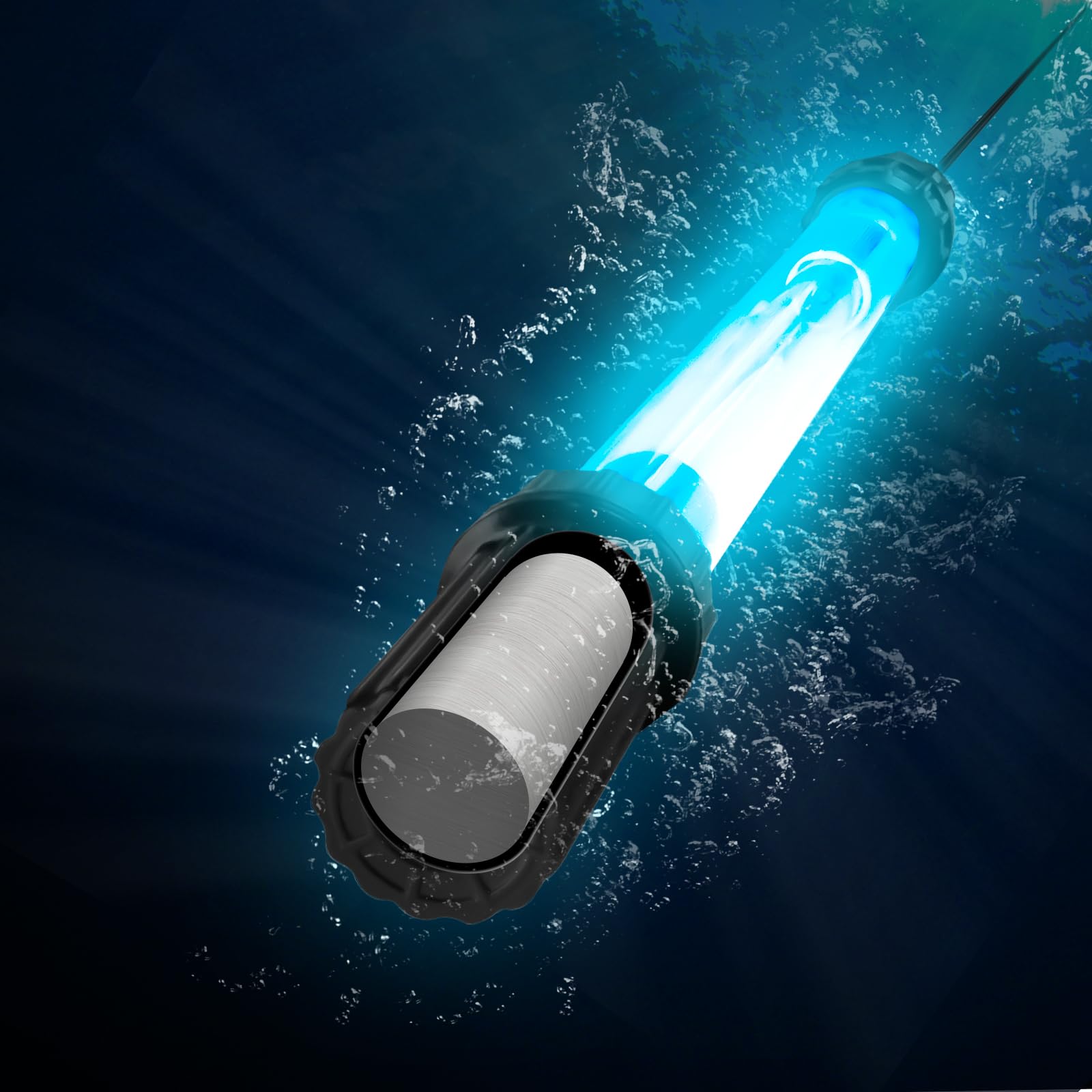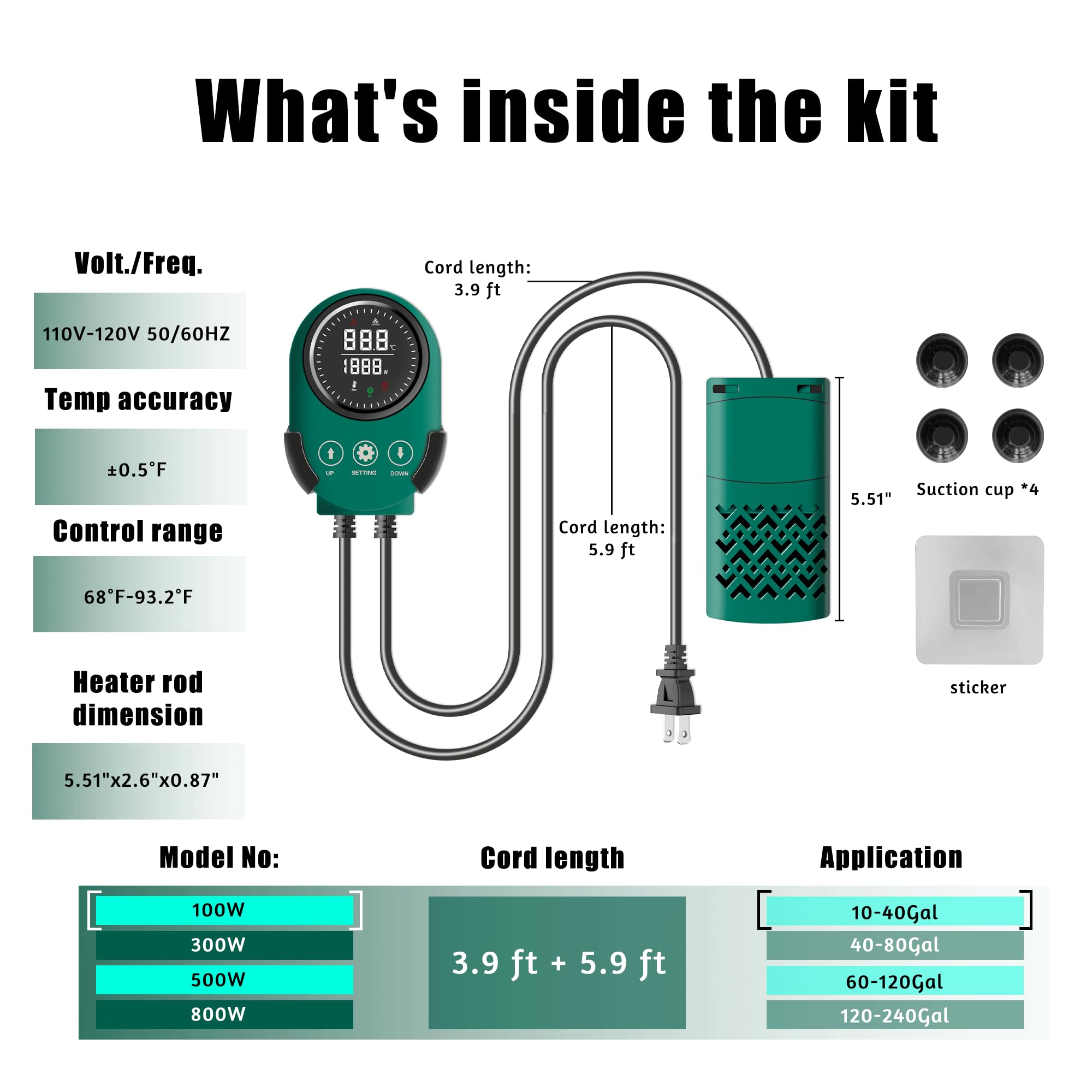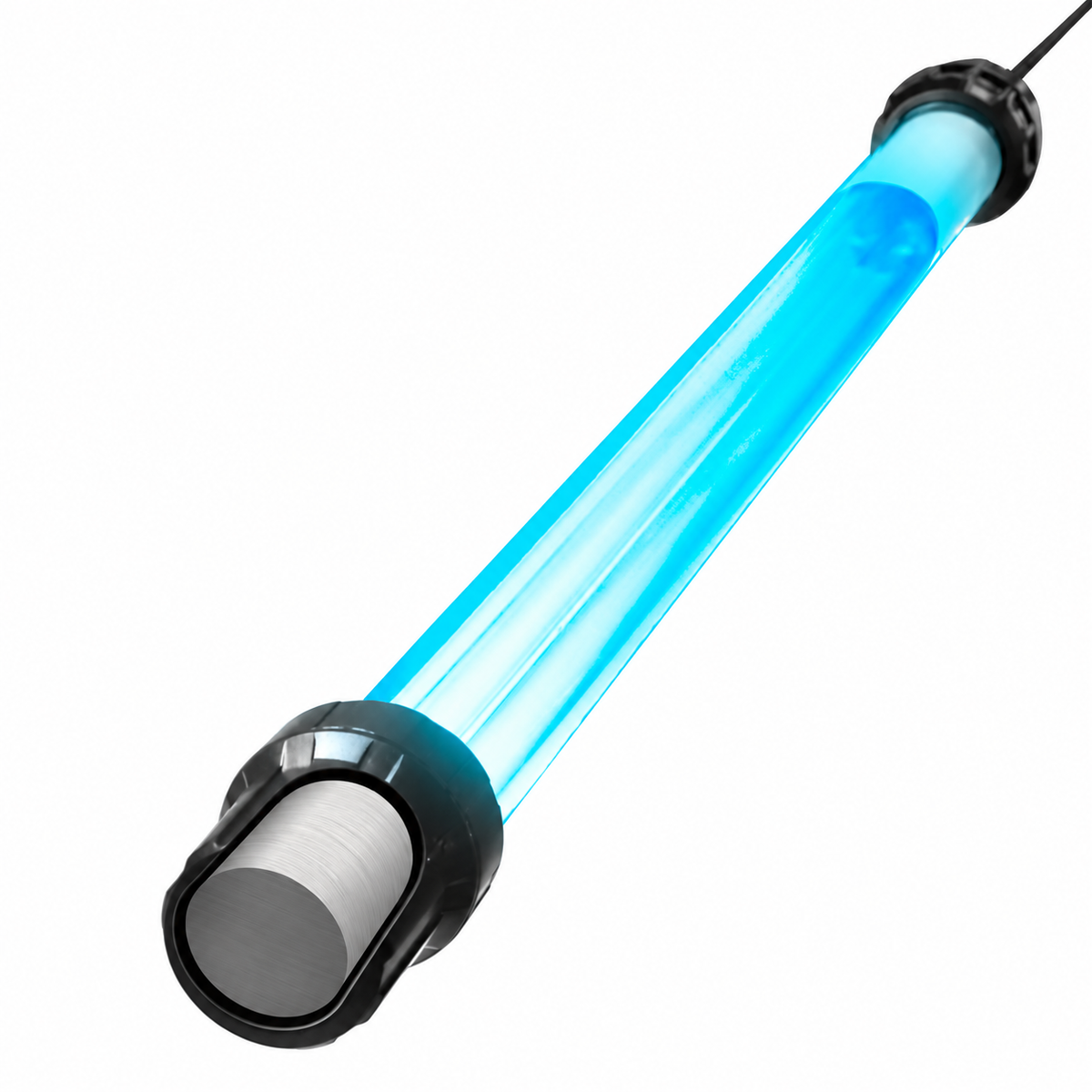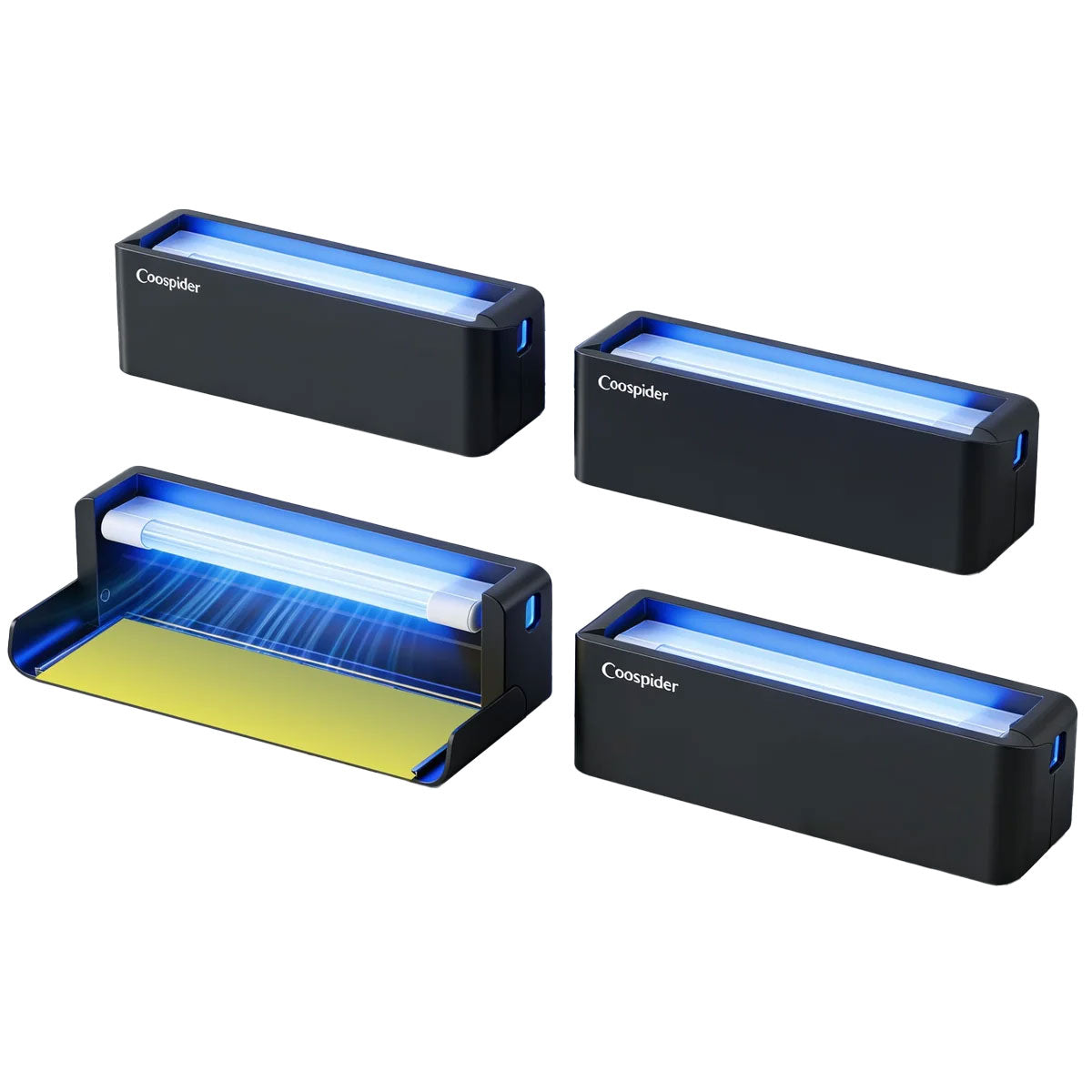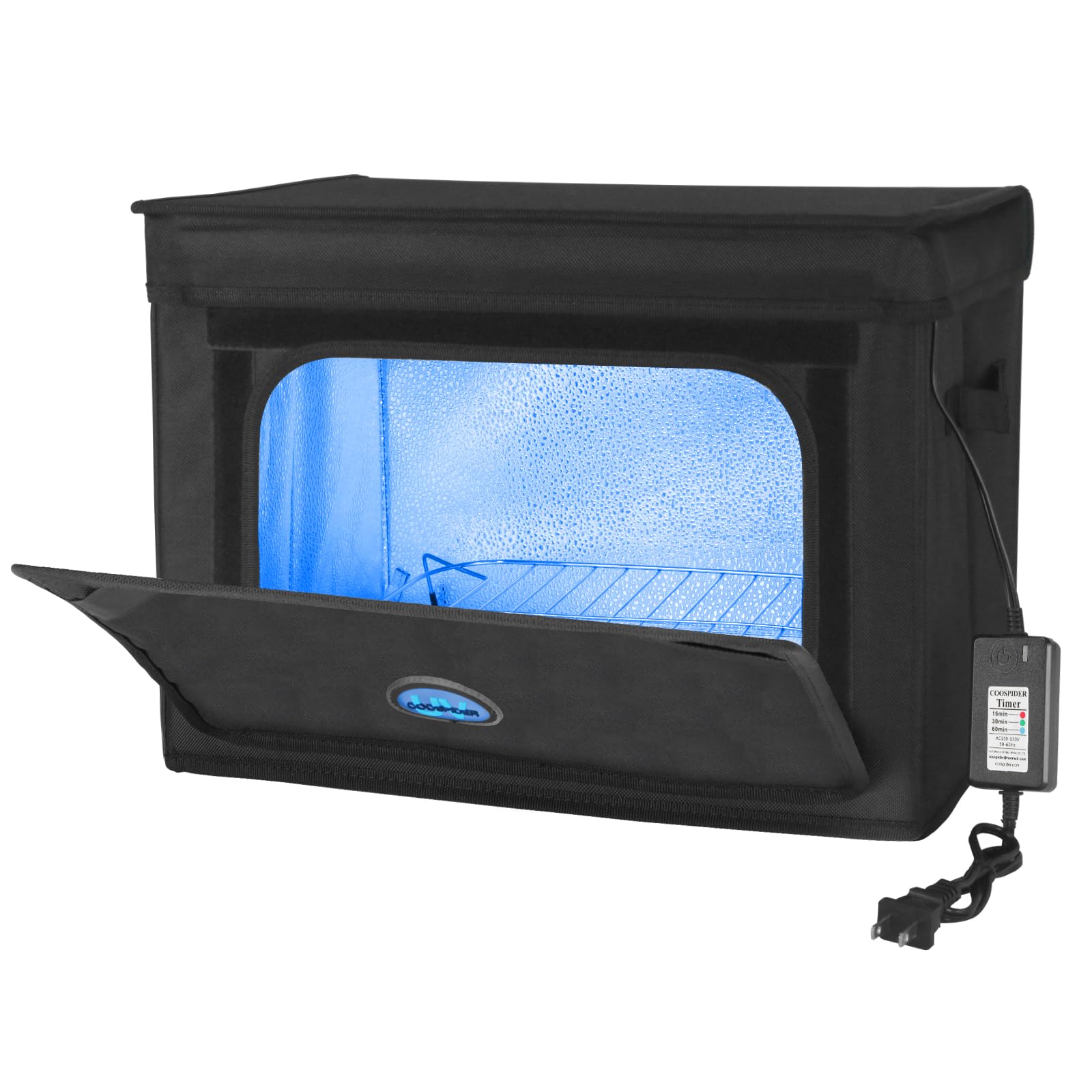
Modern parents are rethinking everything about indoor environments — from mattress materials to paint ingredients to air quality. The idea of a “chemical-free nursery” has grown from a niche lifestyle choice into a mainstream parenting priority. As concerns about indoor air pollutants, allergens, and microbial contamination increase, many families are searching for safer alternatives to sprays, diffusers, and harsh disinfectants.
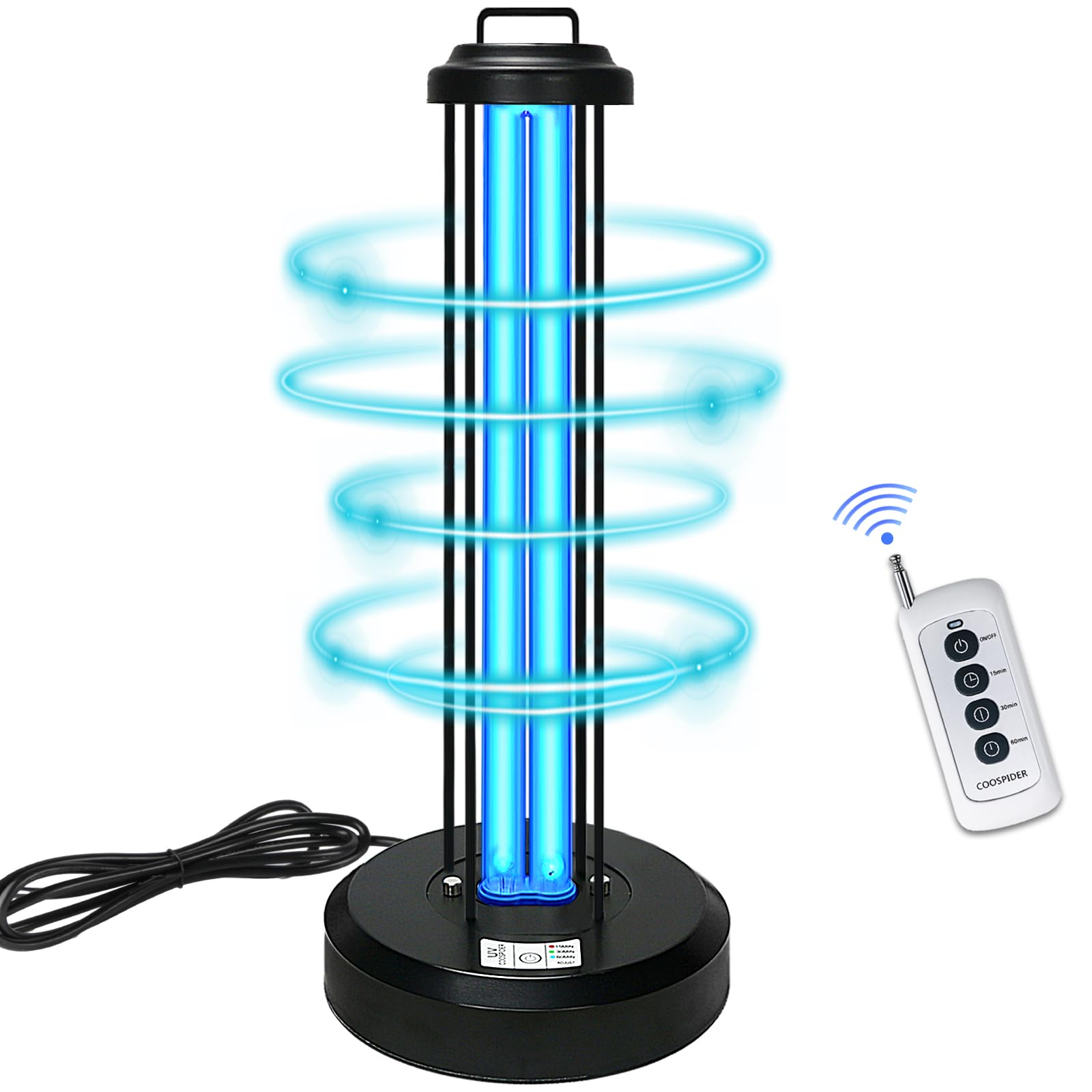
One solution gaining attention is the UV photocatalyst lamp — a device designed to purify air and reduce contaminants without relying on chemical residues. But when it comes to children’s rooms, safety is the first and final question.
Can ultraviolet photocatalyst lamps be safely used in a nursery?
What type of UV light do they emit?
Are there risks to developing eyes and skin?
How do they compare to traditional air purifiers?
This in-depth guide explores the science, safety considerations, and best practices for using UV photocatalyst lamps in children’s bedrooms — so parents can make informed decisions grounded in evidence, not marketing claims.
Why Parents Are Moving Toward Chemical-Free Indoor Spaces
Infants and young children are uniquely vulnerable to indoor environmental factors.
-
They breathe faster than adults.
-
Their immune systems are still developing.
-
They spend more time indoors.
-
They crawl and touch surfaces frequently.
Conventional cleaning methods often involve:
-
Aerosol disinfectants
-
Fragrance-based air fresheners
-
Bleach solutions
-
Antimicrobial sprays
While effective, these can introduce volatile organic compounds (VOCs) and residues into enclosed spaces.
As a result, many parents are turning to physical purification technologies such as HEPA filtration, activated carbon filtration, and UV-based systems — including photocatalyst lamps.
What Is a UV Photocatalyst Lamp?
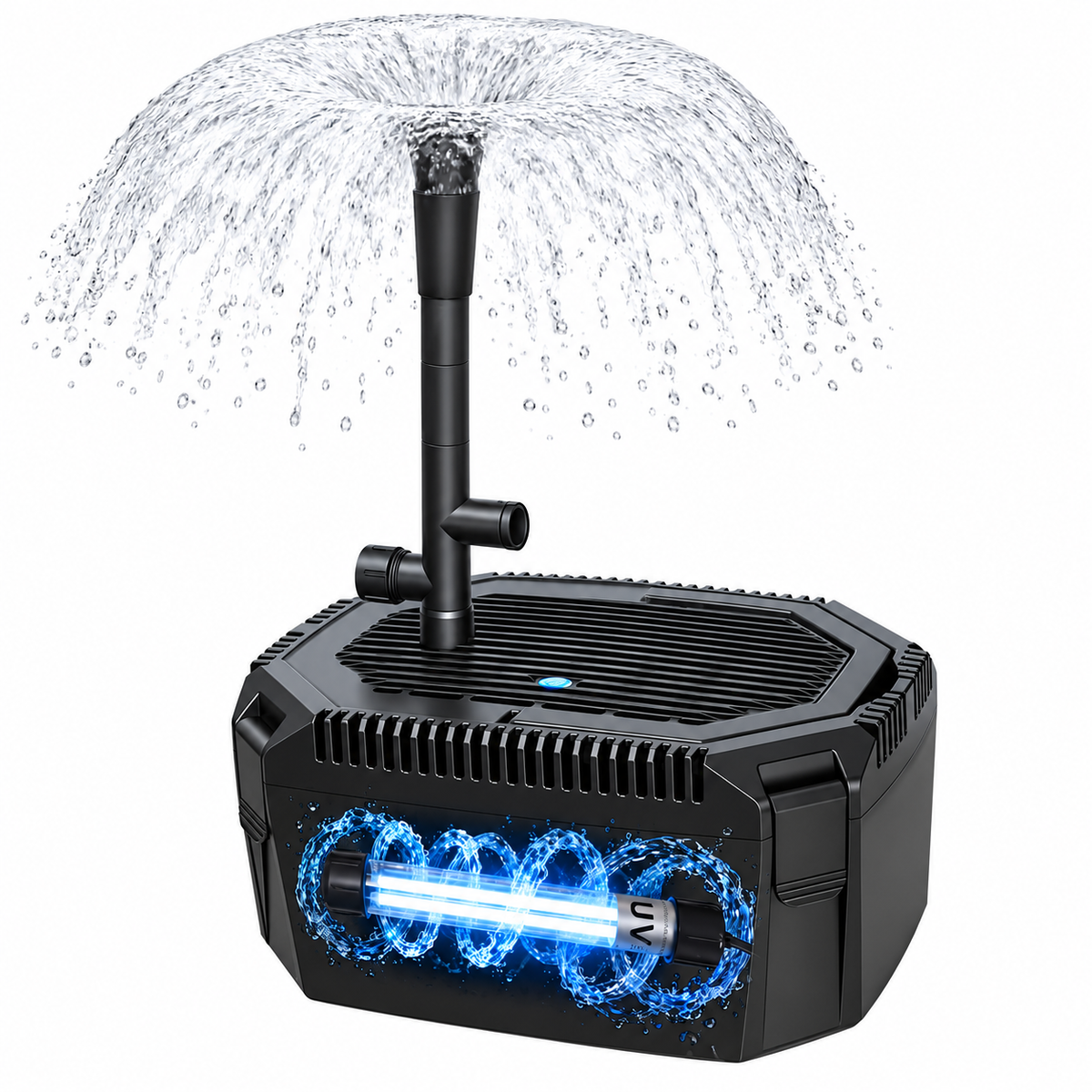
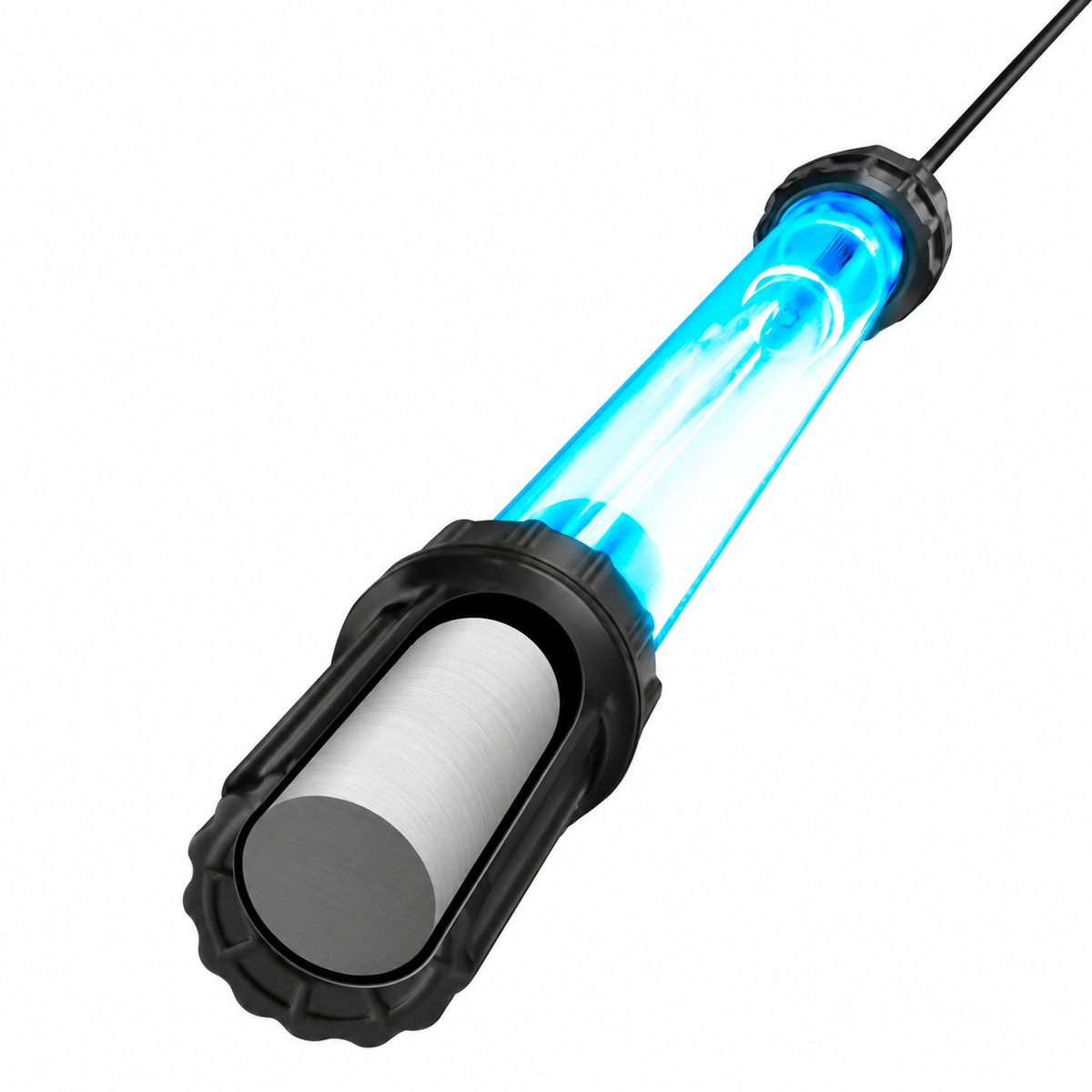
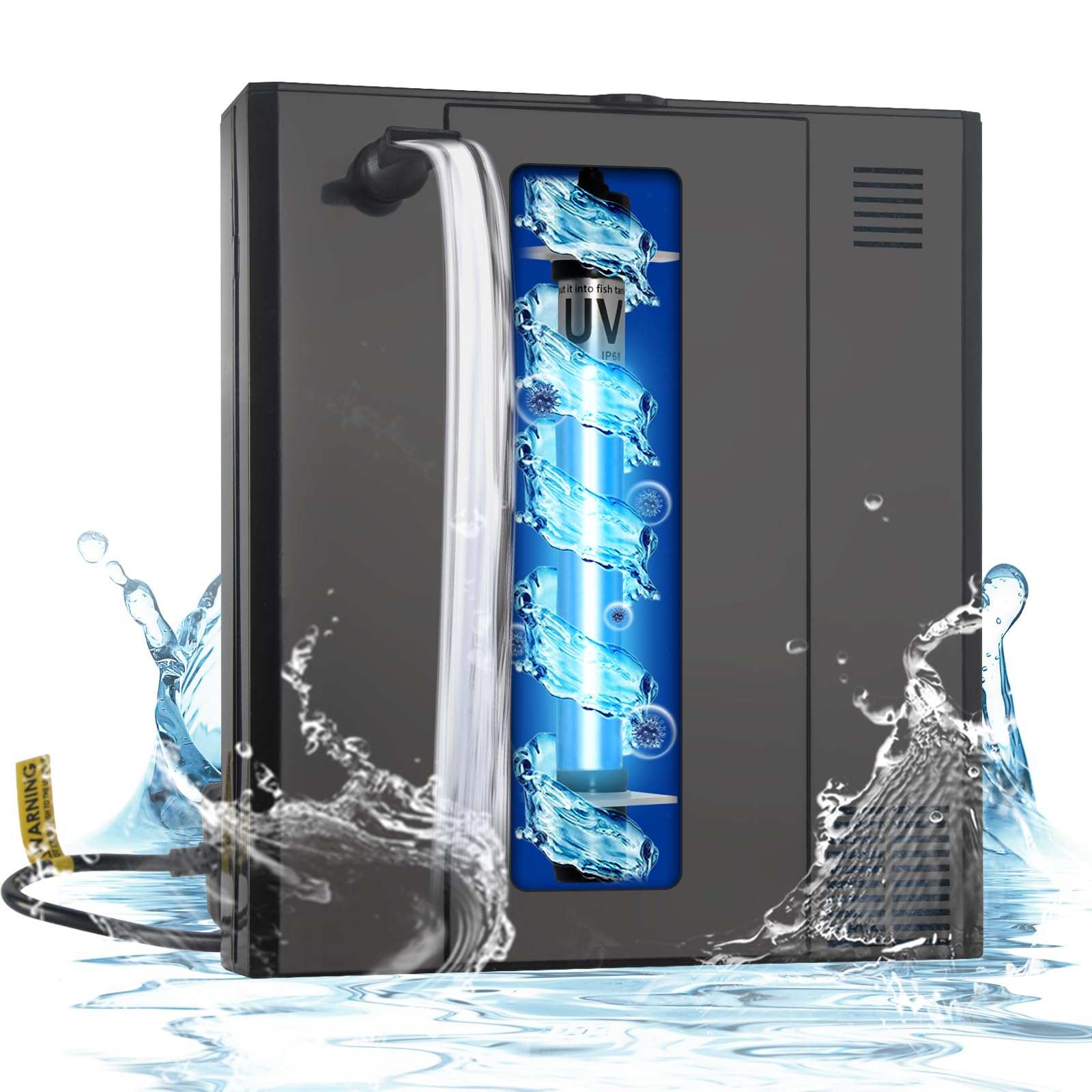
A UV photocatalyst lamp combines two technologies:
-
Ultraviolet light
-
A photocatalytic surface (often titanium dioxide, TiO₂)
When UV light activates the photocatalyst coating, it triggers a chemical reaction that helps break down organic pollutants, bacteria, and some airborne compounds.
Unlike chemical sprays, this process:
-
Does not leave surface residue
-
Does not rely on fragrance masking
-
Operates continuously when powered
However, the safety profile depends heavily on the type of UV light used.
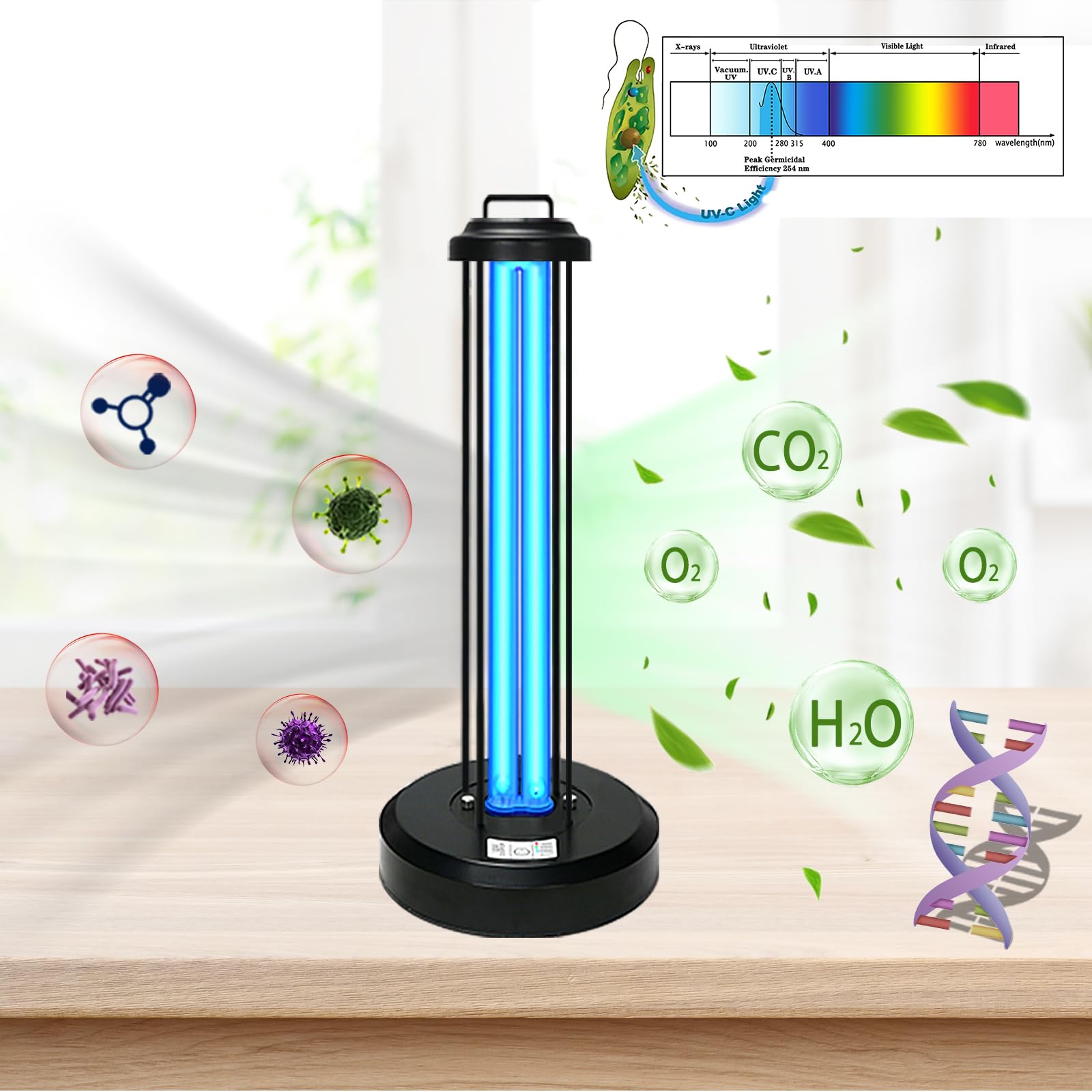
Understanding UV Light: Not All UV Is the Same
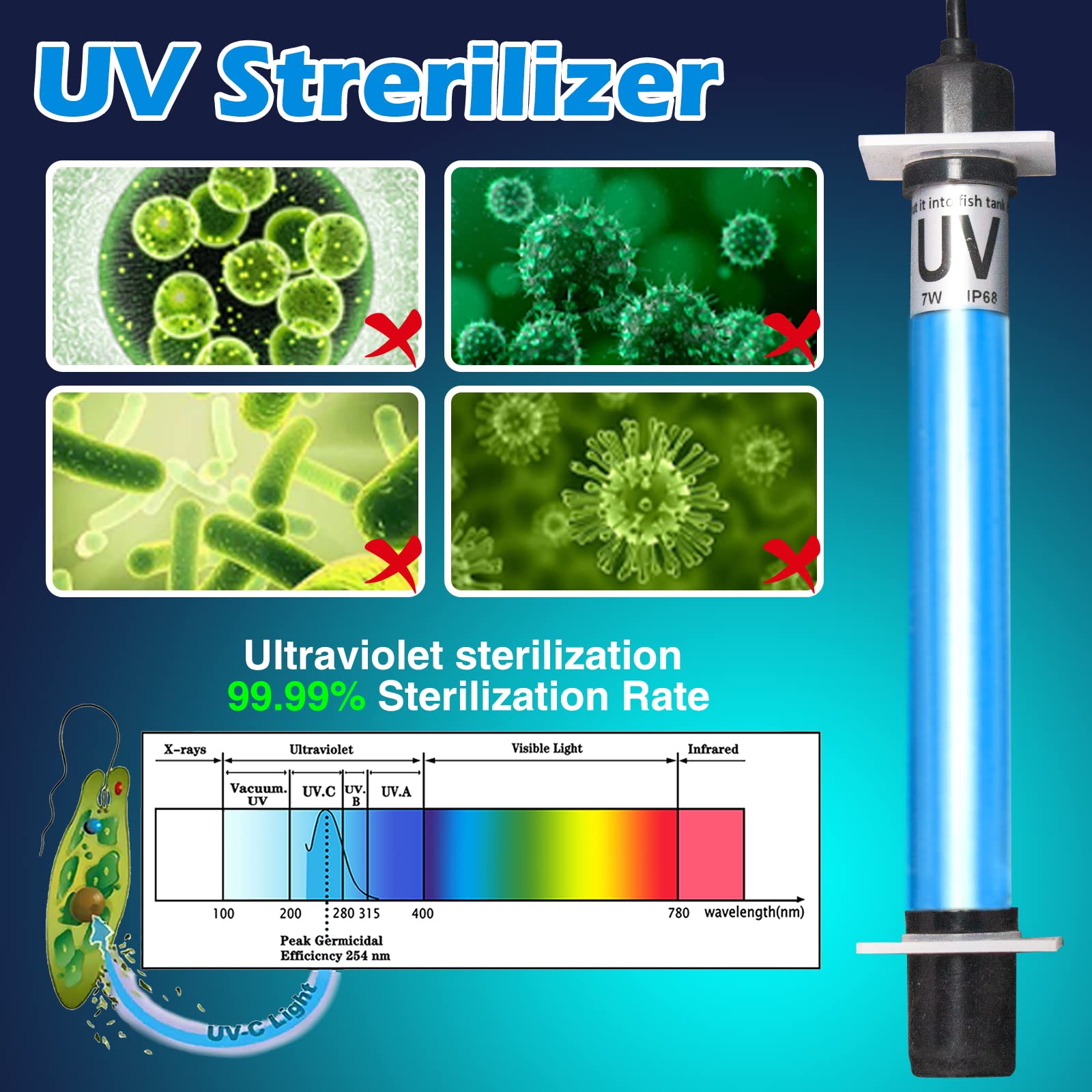
Ultraviolet light falls into three categories:
UVA (315–400 nm)
-
Least energetic
-
Common in tanning lamps
-
Penetrates deeply into skin
-
Associated with skin aging
UVB (280–315 nm)
-
Causes sunburn
-
Stimulates melanin production
-
Higher biological impact
UVC (100–280 nm)
-
Germicidal range
-
Highly effective at inactivating microorganisms
-
Can damage skin and eyes with direct exposure
Most photocatalyst air purification devices use either:
-
Low-intensity UVA
-
Shielded UVC within enclosed chambers
The distinction is critical when evaluating safety in children’s rooms.
How Photocatalytic Air Purification Works
When UV light strikes a titanium dioxide-coated surface, it generates reactive oxygen species (ROS), including hydroxyl radicals.
These reactive molecules:
-
Break down volatile organic compounds
-
Decompose certain airborne bacteria
-
Reduce odors
-
Oxidize organic pollutants
The process is called advanced oxidation.
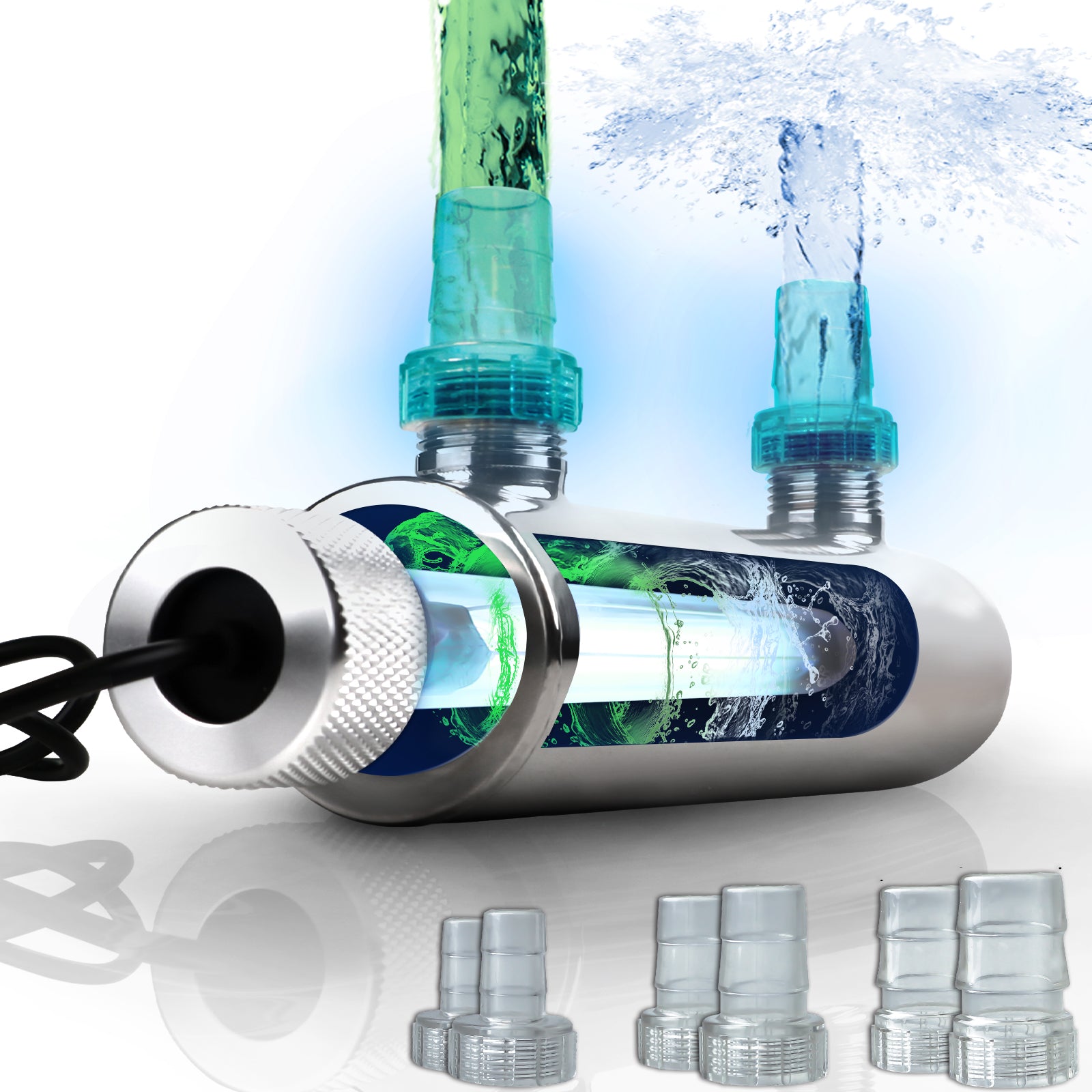
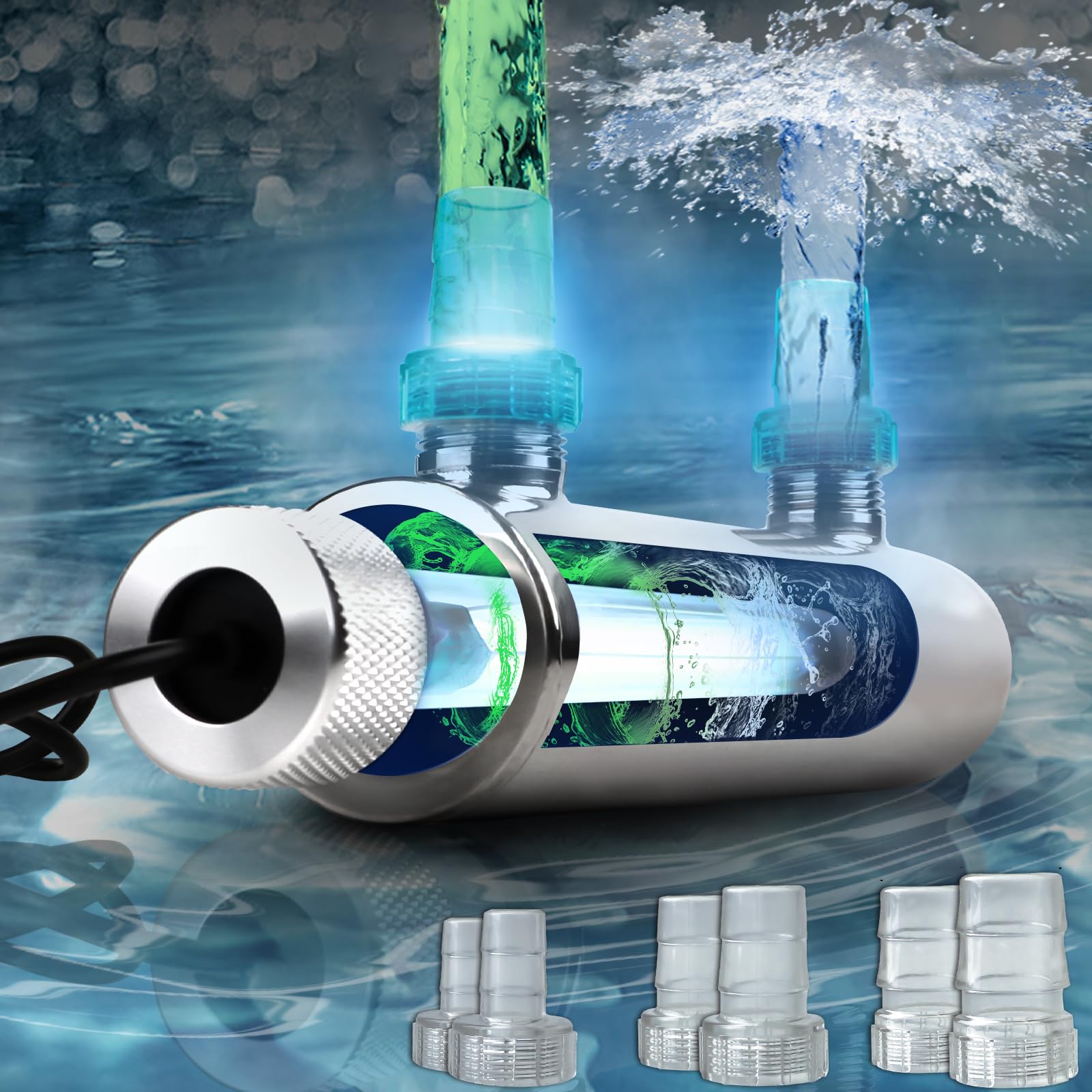
Importantly, high-quality systems are designed so that:
-
UV light remains enclosed
-
Reactive particles do not escape into the room
-
Ozone production is minimized or eliminated
Design quality determines safety.
Potential Safety Concerns in a Nursery
When considering UV photocatalyst lamps in a child’s room, several concerns must be evaluated.
1. Direct UV Exposure
Direct exposure to UVC can cause:
-
Eye irritation
-
Skin damage
-
Increased long-term cancer risk
Therefore, any nursery-appropriate system must:
-
Fully enclose UV light
-
Prevent light leakage
-
Meet safety certification standards
Open UV lamps should never be used in occupied spaces.
2. Ozone Production
Some UV systems can produce ozone as a byproduct.
Ozone may:
-
Irritate lungs
-
Trigger asthma symptoms
-
Cause coughing and chest discomfort
Infants and children are especially sensitive to ozone.
When selecting a device, look for:
-
Ozone-free certification
-
CARB-compliant labeling
-
Verified low ozone output testing
3. Reactive Byproducts
Advanced oxidation systems may generate trace oxidants.
In high-quality, properly engineered systems, these reactions occur within a contained airflow pathway. However, poorly designed devices could release intermediate compounds.
Transparency in manufacturer testing is essential.
Comparing UV Photocatalyst Lamps to Other Air Purification Methods
HEPA Filtration
Pros:
-
Captures particulate matter
-
Safe for continuous operation
-
No light exposure
Cons:
-
Does not destroy pollutants
-
Requires filter replacement
Activated Carbon
Pros:
-
Adsorbs odors
-
Reduces VOCs
Cons:
-
Saturates over time
-
Needs replacement
UV Photocatalyst Systems
Pros:
-
Decomposes certain organic pollutants
-
Reduces microbial presence
-
No filter disposal (in some models)
Cons:
-
Safety depends on enclosure design
-
Quality varies widely by manufacturer
For nurseries, many experts recommend combining HEPA filtration with enclosed UV photocatalytic systems rather than relying on UV alone.
Safe Implementation Guidelines for Children’s Rooms
If parents choose to use a UV photocatalyst lamp in a nursery, follow strict safety principles.
Choose Enclosed Systems Only
The UV source should be inside a sealed chamber. No visible glow should shine directly into the room.
Avoid Open UVC Wands or Exposed Bulbs
These are inappropriate for occupied spaces.
Confirm Ozone-Free Certification
Check documentation rather than relying on marketing language.
Position Strategically
Place the unit:
-
Out of reach of children
-
On stable surfaces
-
Away from cribs
Use Continuous Low-Intensity Operation
Avoid high-intensity burst modes in occupied rooms.
Regular Maintenance
-
Clean intake vents
-
Replace internal components as recommended
-
Ensure UV bulbs are replaced according to lifespan guidelines
Degraded bulbs may operate inconsistently.
Infant-Specific Considerations
Babies have:
-
Thinner skin
-
More sensitive eyes
-
Developing respiratory systems
Even indirect UV leakage could be problematic over time.
For newborns (0–6 months), consider:
-
Running purification devices during nap times when supervised
-
Operating systems before bedtime, then switching to HEPA-only mode
-
Consulting pediatric professionals for additional guidance
What Scientific Research Suggests
Studies on photocatalytic oxidation show effectiveness in reducing airborne organic compounds under controlled conditions.
However:
-
Real-world performance varies
-
Airflow rate matters
-
Surface area of catalyst matters
-
UV intensity matters
Safety research emphasizes that UV-C exposure in open air environments is not recommended in occupied spaces without shielding.
The consensus: properly engineered enclosed systems can be safe when used according to guidelines.
The Psychological Appeal of Chemical-Free Parenting
Beyond measurable air quality, many parents feel peace of mind knowing they are reducing chemical exposure.
Benefits include:
-
Reduced fragrance sensitivity
-
Less cleaning product residue
-
Simplified routines
-
Perceived control over environment
However, emotional reassurance must align with evidence-based safety practices.
Common Misconceptions
Myth: All UV light is dangerous.
Reality: Risk depends on wavelength and exposure level.
Myth: Photocatalyst lamps replace ventilation.
Reality: Fresh air circulation remains essential.
Myth: More UV equals better purification.
Reality: Excess intensity increases risk without proportional benefit.
When UV Photocatalyst Lamps May Not Be Necessary
In well-ventilated homes with:
-
High-quality HVAC filtration
-
Regular cleaning routines
-
Low VOC materials
Additional UV systems may provide marginal benefit.
Evaluate actual indoor air concerns before investing.
Integrating a Chemical-Free Nursery Strategy
A truly low-chemical nursery includes:
-
Solid wood furniture
-
Low-VOC paint
-
Natural fiber textiles
-
HEPA filtration
-
Good ventilation
-
Moderate humidity control (40–50%)
UV photocatalyst lamps, if used, should complement — not replace — foundational air quality practices.
Risk-Benefit Analysis Summary
Potential Benefits:
-
Reduced organic pollutants
-
Lower microbial load
-
No fragrance residues
-
Continuous operation
Potential Risks:
-
UV leakage
-
Ozone production
-
Improper installation
-
Overreliance on technology
Safety depends far more on product design and proper usage than on the concept itself.
Final Thoughts: Balancing Innovation and Caution
Parents today have access to advanced technologies that previous generations never considered. UV photocatalyst lamps represent one such innovation — promising cleaner air without chemical sprays.
But in a nursery, safety margins must be high.
The golden principles are simple:
-
Never expose children to direct UV light.
-
Use fully enclosed, ozone-free systems only.
-
Combine with proven filtration methods.
-
Maintain ventilation.
-
Follow manufacturer guidelines strictly.
A chemical-free nursery is not about eliminating science — it’s about choosing technologies thoughtfully and responsibly.
When implemented correctly, UV photocatalytic purification can be part of a broader, balanced indoor air strategy.
But the ultimate goal remains unchanged:
A calm, clean, and safe space where children can breathe easily, sleep deeply, and grow healthily.