In today’s health-conscious world, cleanliness has evolved far beyond what we can see. Shiny countertops and freshly vacuumed floors may look reassuring, but microscopic threats—bacteria, viruses, mold spores—often linger where we least expect them.
This is where UV light disinfection enters the conversation.
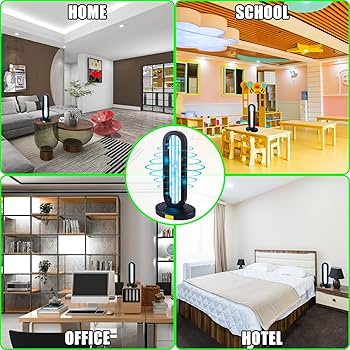
Once limited to hospitals, laboratories, and water treatment facilities, UV disinfection technology has quietly moved into modern homes. From portable UV lamps to enclosed UV sterilization boxes, homeowners are increasingly asking a crucial question:
Can UV light really provide whole-home disinfection—from the kitchen to the bedroom—with one simple solution?
This comprehensive guide will walk you through the science, applications, limitations, and best practices of using UV light for home disinfection—room by room, surface by surface.
1. Why Traditional Cleaning Isn’t Enough Anymore
Most households rely on:
-
Soap and water
-
Chemical disinfectants
-
Alcohol wipes
-
Household sprays
While these methods are effective, they also have clear limitations:
-
Human error: Missed spots, uneven coverage
-
Chemical residue: Especially concerning for children and pets
-
Material damage: Frequent chemical use degrades plastics, fabrics, and coatings
-
Air exposure: Sprays release volatile compounds into enclosed spaces
Even after cleaning, bacteria and viruses can remain on:
-
High-touch surfaces
-
Porous materials
-
Electronics
-
Items that can’t be washed frequently
UV disinfection doesn’t replace cleaning—but it adds a powerful second layer.
2. How UV Light Disinfection Actually Works
The Science Behind UV Germicidal Action
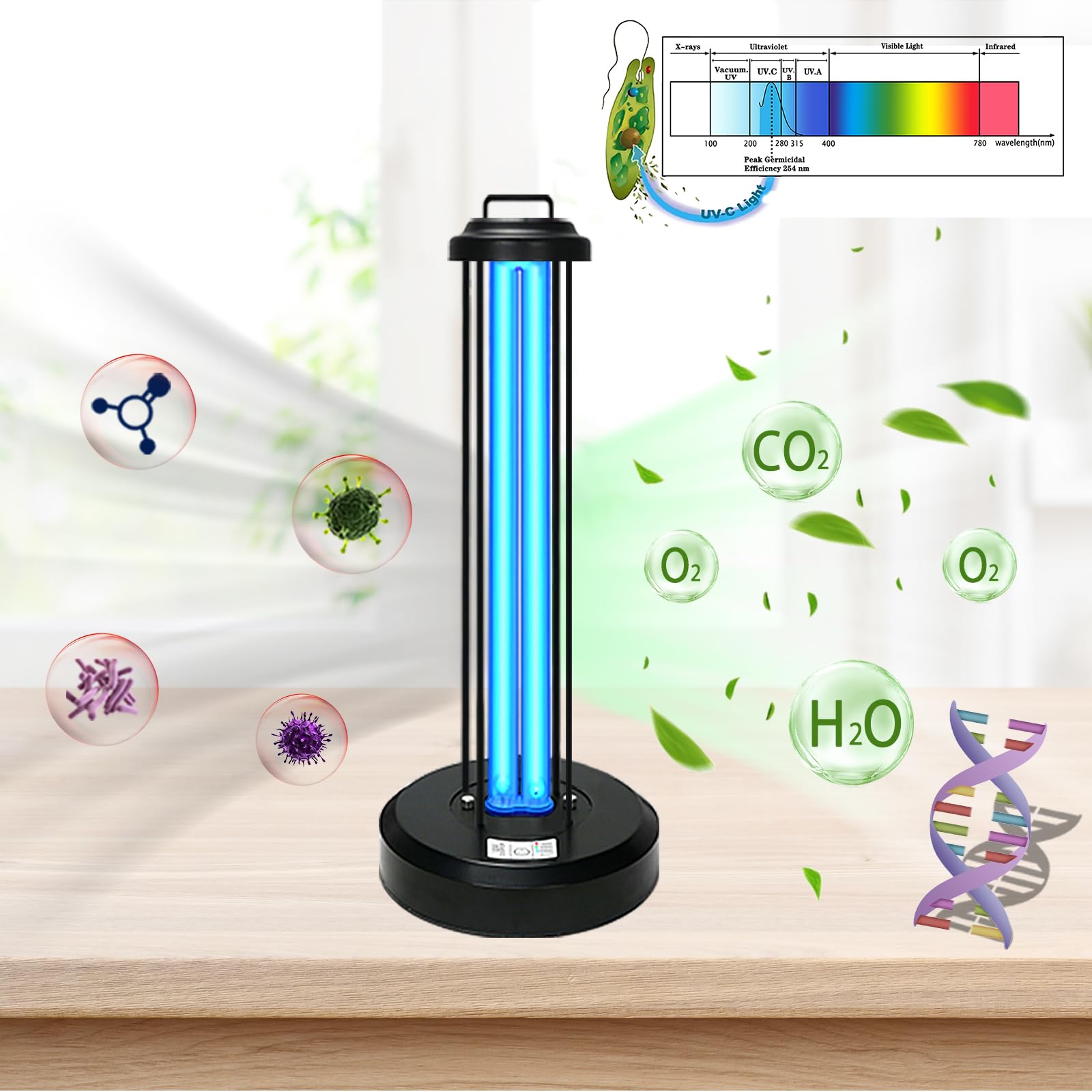
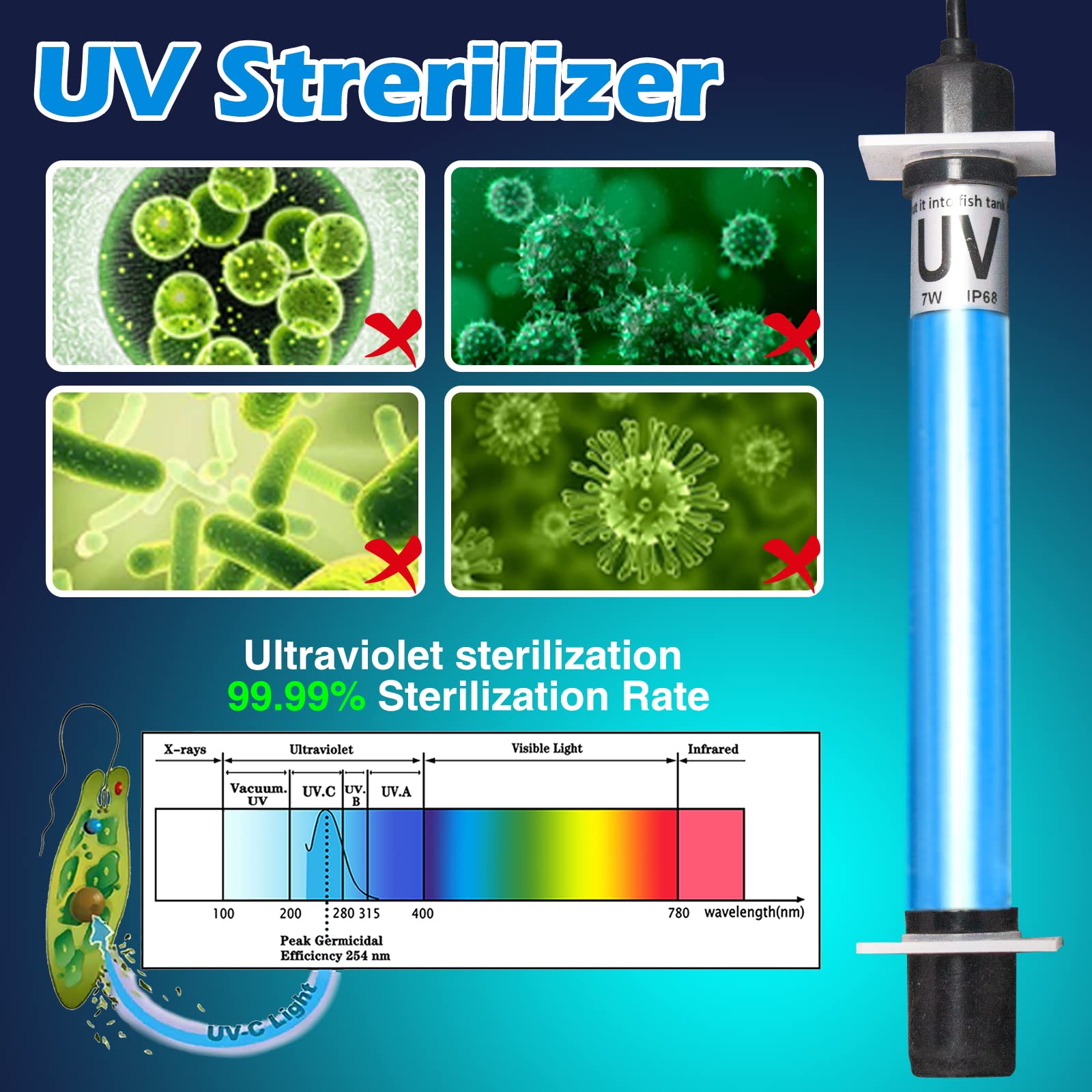
Ultraviolet light is part of the electromagnetic spectrum, divided into:
-
UV-A (315–400 nm)
-
UV-B (280–315 nm)
-
UV-C (200–280 nm)
UV-C is the key player in disinfection.
At specific wavelengths (typically around 254 nm), UV-C light:
-
Penetrates microorganisms
-
Disrupts DNA and RNA structures
-
Prevents bacteria and viruses from reproducing
Unlike chemicals, UV light doesn’t “kill” in a traditional sense—it renders pathogens inactive.
3. Why UV Disinfection Is Ideal for Home Use
UV light offers several advantages over chemical-based sanitation:
-
No chemical residue
-
No moisture
-
No strong odors
-
Effective against bacteria, viruses, and molds
-
Suitable for items that cannot be washed
For households with:
-
Children
-
Elderly family members
-
Pets
-
Allergy sufferers
UV disinfection provides peace of mind without constant chemical exposure.
4. Types of UV Disinfection Devices for Home Use
Before diving room by room, it’s important to understand the main product categories:
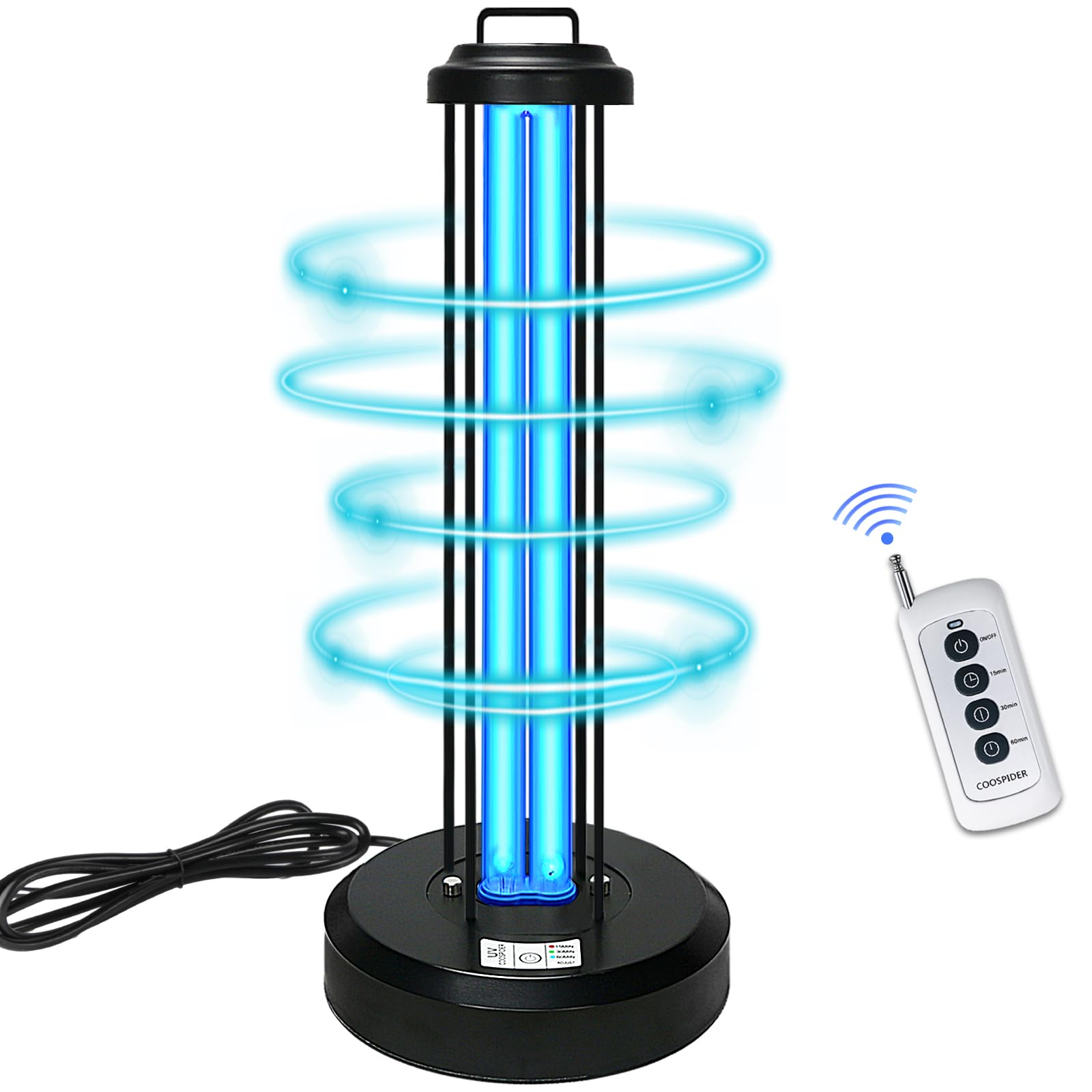
1. Portable UV Lamps
-
Handheld or stand-mounted
-
Suitable for surfaces and objects
-
Flexible but requires careful use
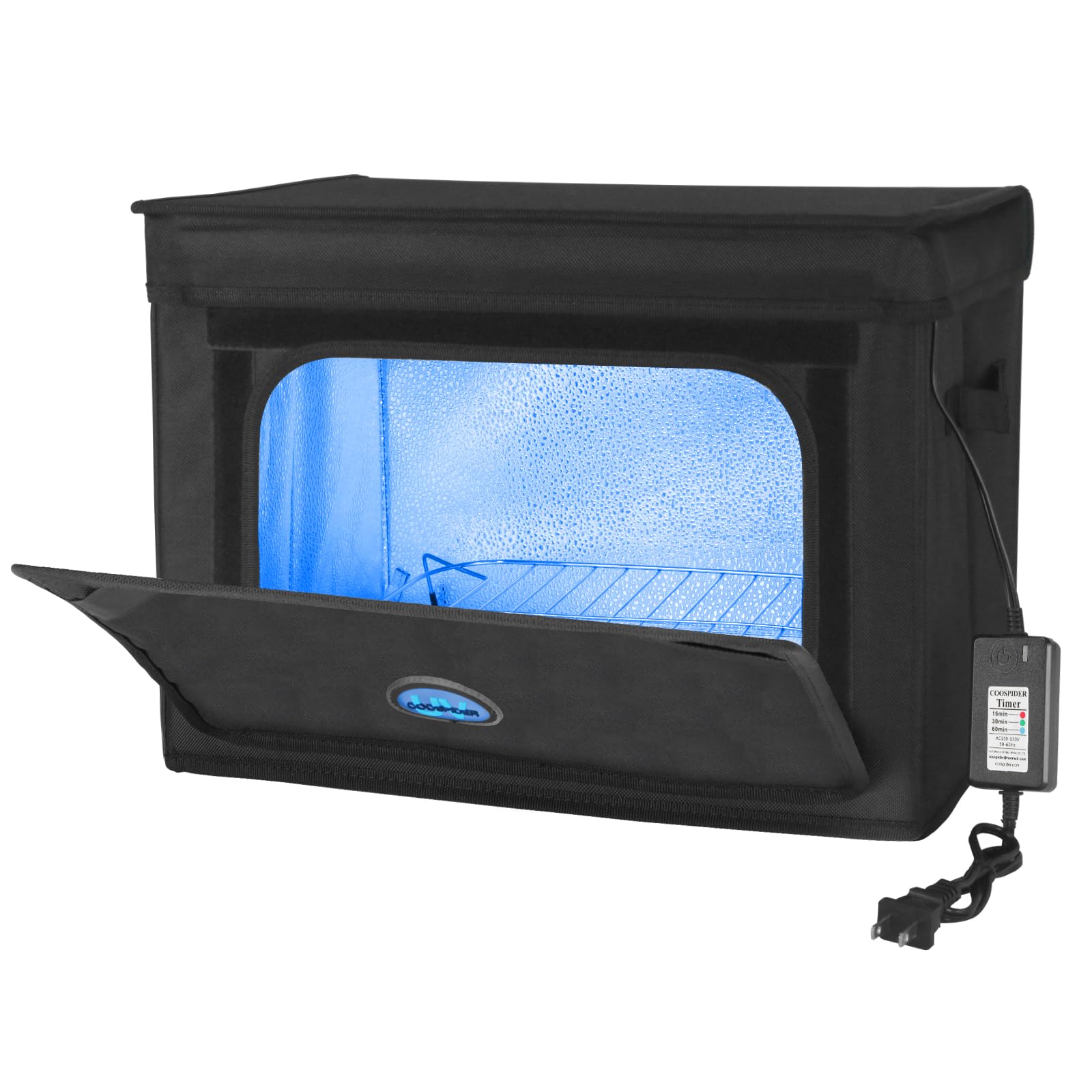
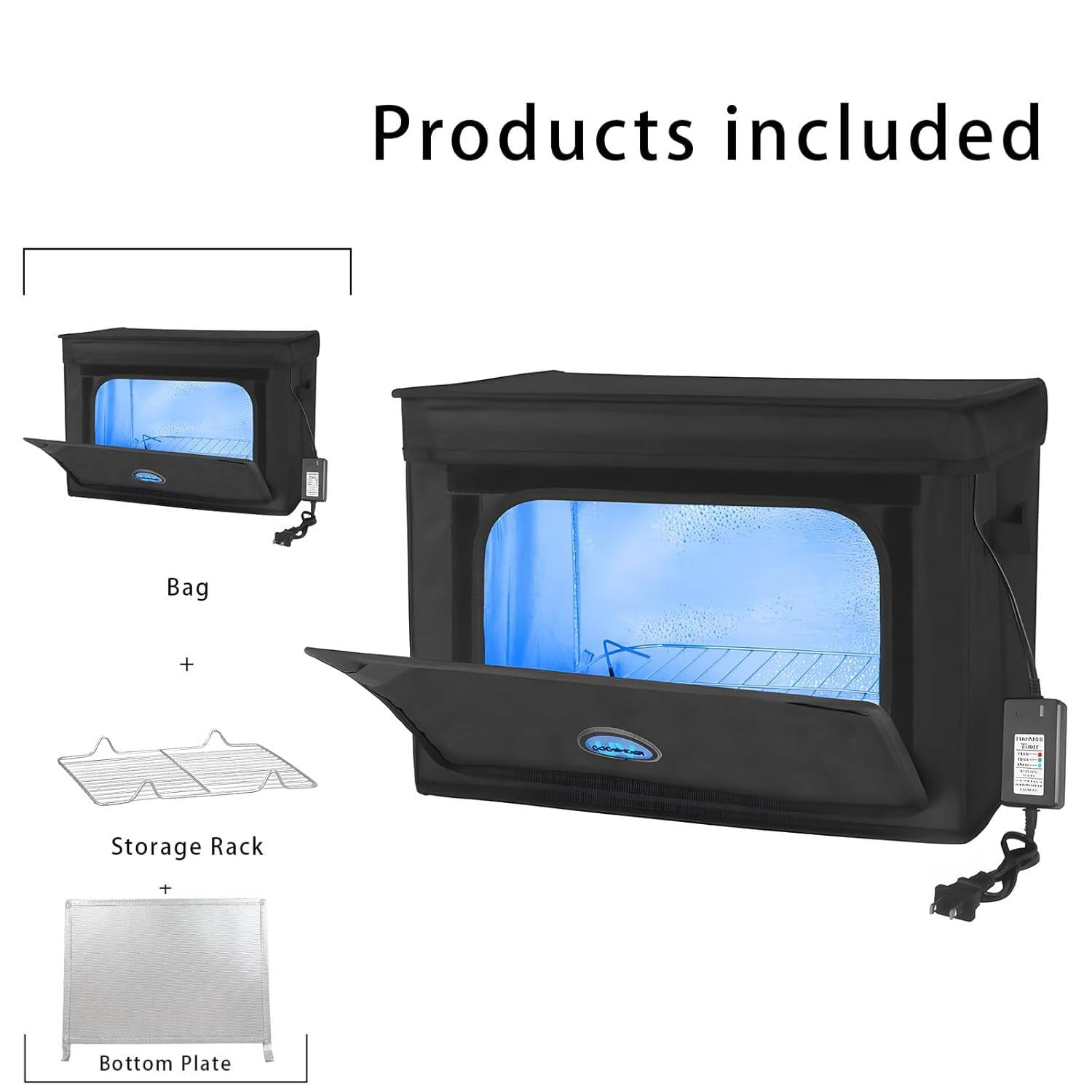
2. Enclosed UV Sterilization Boxes
-
Fully enclosed, no light leakage
-
Ideal for small items (phones, keys, baby products)
-
Safer for everyday use
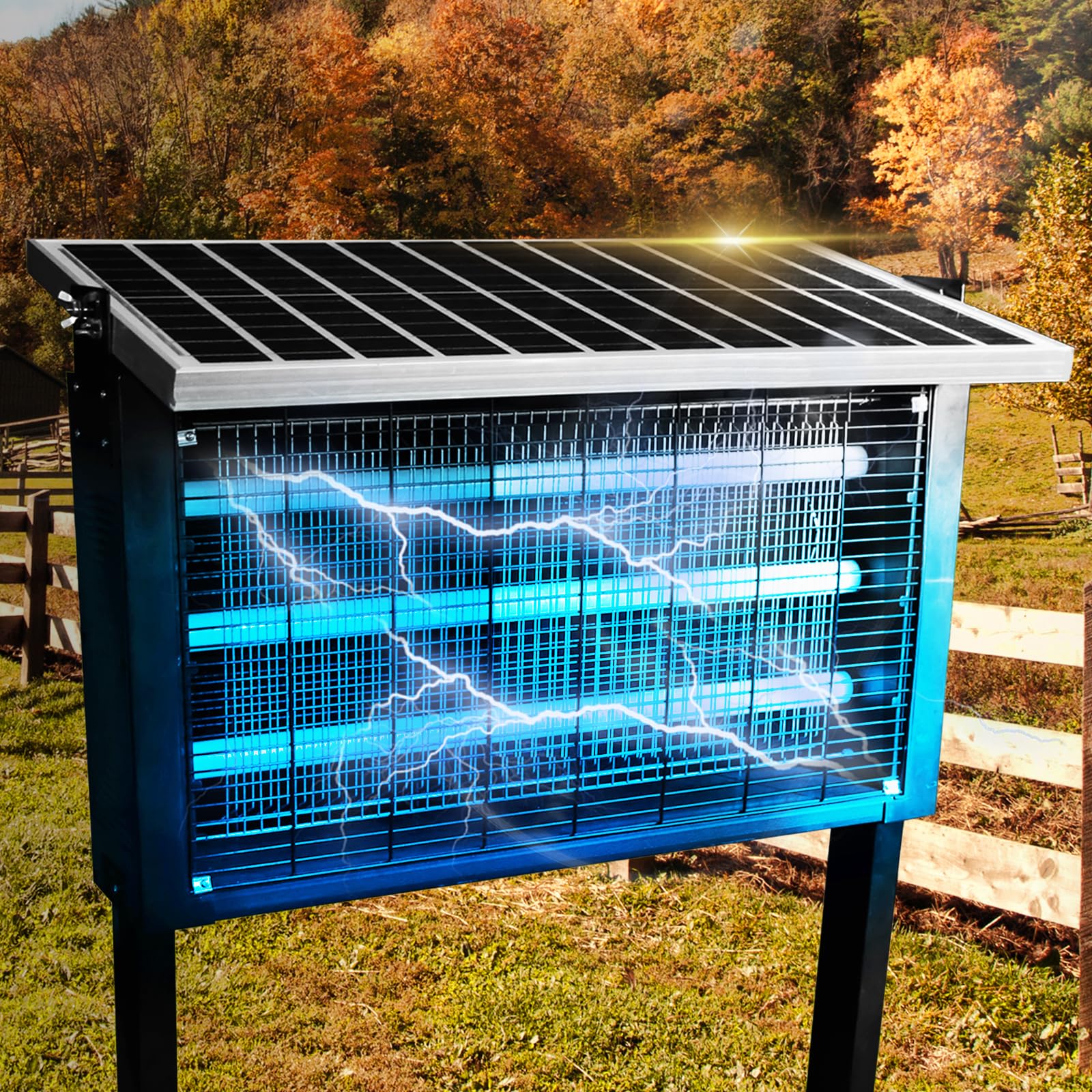
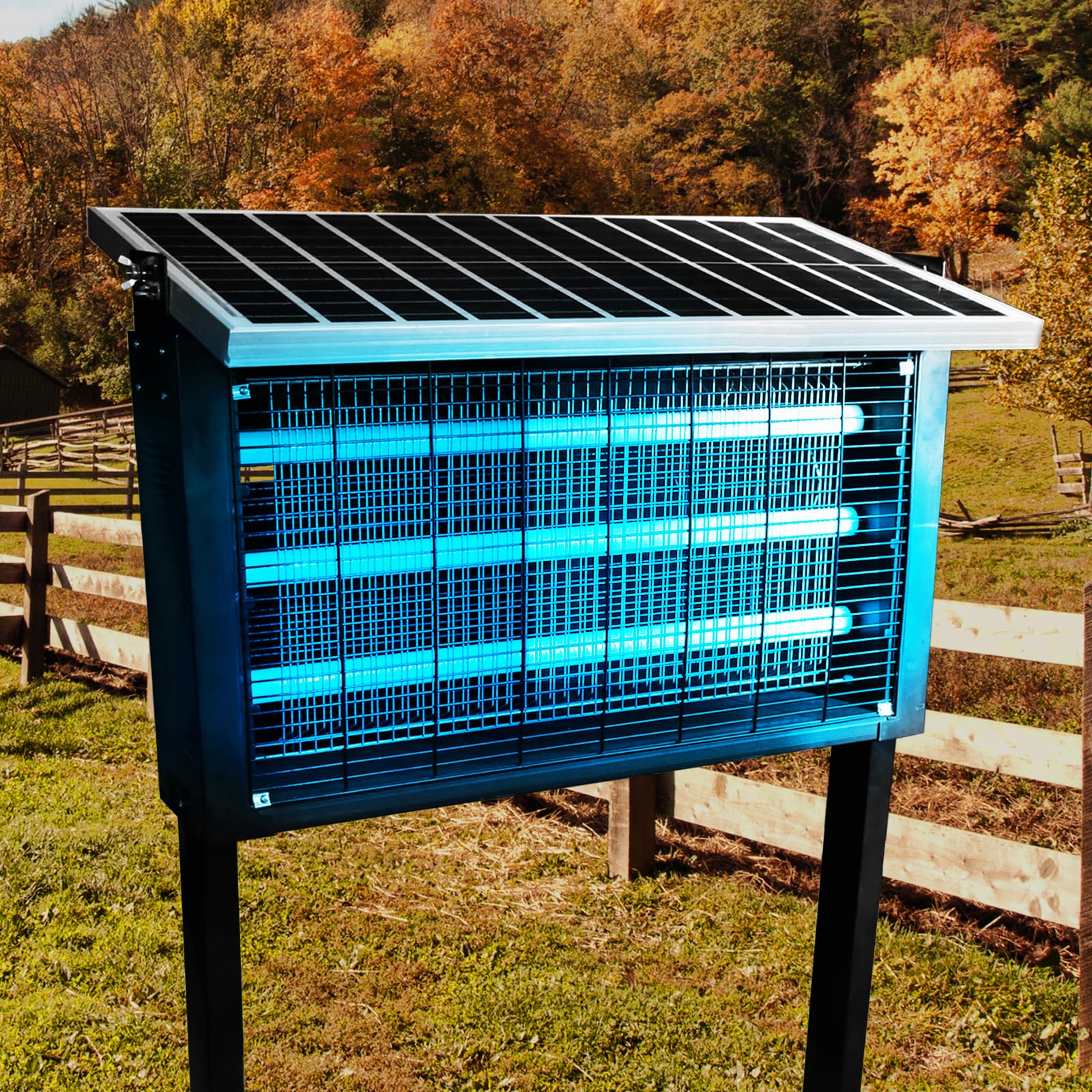
3. Fixed or Mounted UV Devices
-
Installed in cabinets, HVAC systems, or storage spaces
-
Continuous or scheduled disinfection
Each type serves a different purpose—and choosing the right one matters.
5. Kitchen Disinfection: The Hidden Bacterial Hotspot
The kitchen is often the most contaminated area in a home, even more than bathrooms.
High-Risk Areas:
-
Cutting boards
-
Countertops
-
Knife blocks
-
Sink drains
-
Sponges
-
Refrigerator handles
How UV Light Helps:
UV light can:
-
Reduce bacterial buildup on cutting boards
-
Disinfect countertops after wiping
-
Sanitize sink surfaces without chemicals
-
Treat knife storage areas and utensil holders
Best Practice:
-
Clean first to remove food residue
-
Apply UV disinfection as a final step
-
Focus on flat, exposed surfaces
UV light is especially useful for materials like wood and silicone, which are harder to disinfect chemically.
6. Bathroom Disinfection: Moisture, Mold, and Microbes
Bathrooms combine:
-
Moisture
-
Warmth
-
Organic matter
This creates an ideal environment for microbial growth.
Key Targets:
-
Toothbrushes
-
Razor heads
-
Sink surfaces
-
Toilet handles
-
Shower corners
UV sterilization boxes are excellent for:
-
Toothbrushes
-
Makeup tools
-
Personal hygiene items
UV lamps can help control mold spores in:
-
Shower areas
-
Under-sink storage
7. Living Room & Common Areas: High-Touch Zones
Living rooms are shared spaces with constant contact.
Commonly Overlooked Items:
-
Remote controls
-
Game controllers
-
Light switches
-
Door handles
-
Sofa armrests
These items are rarely washed but frequently touched.
UV Application:
-
UV boxes for remotes and controllers
-
Targeted UV lamp exposure for switches and handles
Used consistently, UV disinfection can significantly reduce cross-contamination between family members.
8. Bedroom Disinfection: Where Hygiene Meets Comfort
Bedrooms may look clean, but they harbor:
-
Skin bacteria
-
Dust mites
-
Mold spores
-
Germs transferred from hands and devices
Key Areas:
-
Bedside tables
-
Phones and tablets
-
Glasses
-
Alarm clocks
UV sterilization boxes are ideal for:
-
Smartphones
-
Eyewear
-
Hearing aids
-
Jewelry
For bedrooms, UV disinfection enhances hygiene without disrupting comfort or air quality.
9. Baby and Child Areas: Extra Safety Required
Children’s immune systems are still developing, making hygiene especially important.
Items That Benefit from UV:
-
Baby bottles (when compatible)
-
Pacifiers
-
Toys
-
Teething rings
UV disinfection:
-
Avoids harsh chemicals
-
Reduces residue concerns
-
Allows frequent sanitation
Always ensure:
-
Items are UV-safe
-
Manufacturer guidelines are followed
10. Home Office & Electronics: Where UV Truly Shines
Electronics are among the dirtiest household items—and the hardest to clean.
High-Risk Electronics:
-
Keyboards
-
Mice
-
Laptops
-
Headphones
UV disinfection is ideal because it:
-
Requires no moisture
-
Avoids alcohol damage
-
Reaches crevices better than wipes
UV boxes and low-intensity lamps are especially useful for daily electronics hygiene.
11. What UV Light Cannot Do (Important Limitations)
UV disinfection is powerful—but not magic.
UV Light Does NOT:
-
Penetrate solid materials
-
Work through dirt or grime
-
Replace regular cleaning
-
Eliminate all pathogens instantly
This leads to the “shadow problem”—areas blocked from direct UV exposure are not disinfected.
Solution:
Clean first, then disinfect.
12. Safety First: Using UV Light at Home Responsibly
UV-C light can be harmful with direct exposure.
Essential Safety Rules:
-
Never look directly at active UV-C light
-
Avoid skin exposure
-
Use enclosed devices whenever possible
-
Follow manufacturer instructions strictly
Modern consumer UV products often include:
-
Auto shut-off
-
Motion sensors
-
Enclosed designs
These features make home use much safer.
13. UV Light vs Chemical Disinfectants
| Aspect | UV Light | Chemical Disinfectants |
|---|---|---|
| Residue | None | Often present |
| Odor | None | Common |
| Material damage | Minimal | Possible |
| Reusability | High | Consumable |
| Air quality impact | None | Potential |
The best approach is combining both, not choosing one exclusively.
14. Is “One-Button Whole-Home Disinfection” Realistic?
Marketing often promises “one-click sterilization.” In reality:
-
UV disinfection works best locally, not magically across rooms
-
Multiple devices may be needed
-
Strategy matters more than power
Effective home UV use is about systematic coverage, not shortcuts.
15. Building a Practical UV Disinfection Routine
A realistic approach:
-
Daily: Phones, remotes, glasses
-
Weekly: Kitchen tools, bathroom items
-
Monthly: Storage spaces, seasonal items
Consistency matters more than intensity.
16. Choosing the Right UV Product for Your Home
When selecting UV devices, consider:
-
Wavelength specification
-
Safety certifications
-
Enclosed vs open design
-
Intended use (items vs surfaces)
Avoid products with vague technical details or exaggerated claims.
17. Who Benefits Most from UV Home Disinfection?
UV disinfection is especially valuable for:
-
Families with children
-
Pet owners
-
Allergy sufferers
-
Home offices
-
Health-conscious households
It’s not about fear—it’s about prevention.
18. The Future of UV Disinfection in Homes
Advances in:
-
UV-C LED technology
-
Smart sensors
-
Energy efficiency
are making UV disinfection safer, smaller, and more accessible than ever before.
What was once hospital-only technology is becoming a standard household hygiene tool.
19. Common Myths About UV Home Disinfection
-
“UV replaces cleaning” → False
-
“More power is always better” → False
-
“All UV lamps are the same” → False
Understanding limitations is key to effective use.
20. Final Thoughts: Clean Isn’t Just What You Can See
A truly clean home goes beyond appearances.
UV light disinfection offers a science-backed, chemical-free, and modern approach to reducing hidden microbial risks—from kitchens to bedrooms, from daily essentials to overlooked surfaces.
When used correctly, UV technology doesn’t complicate your life—it simplifies hygiene.
The real power of UV disinfection isn’t in doing more cleaning.
It’s in cleaning smarter.