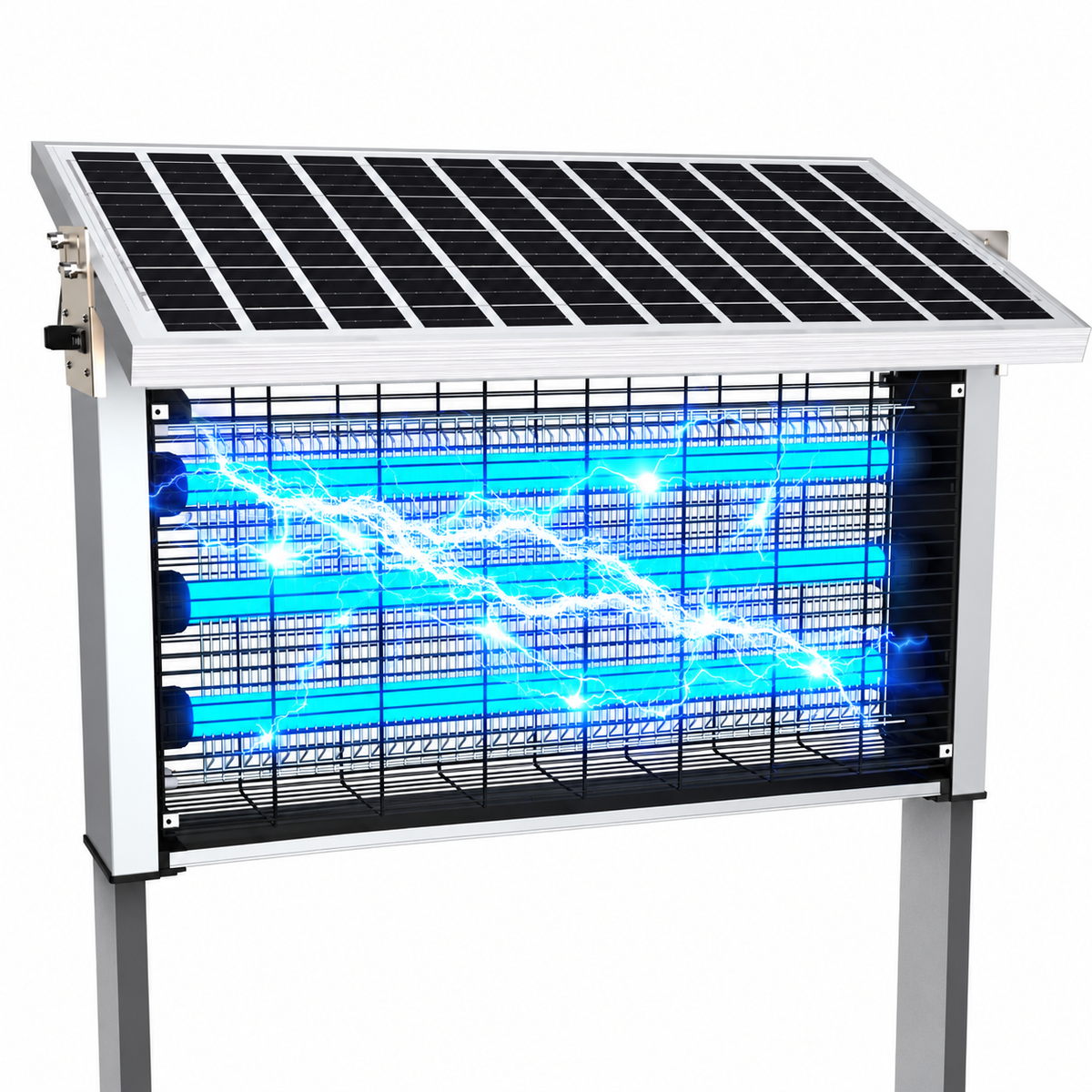

Electric mosquito zappers are one of the most satisfying tools in modern outdoor living. Plug one in, hear the occasional snap, and enjoy evenings without constant swatting. But after months of use, many people notice something frustrating: the zapper doesn’t seem as powerful as it used to be.
Mosquitoes hover nearby longer. The familiar crackling sound becomes rare. Bugs land on the grid and sometimes fly away unharmed.
Most users assume the device is worn out or defective. In reality, loss of performance is almost always caused by dirt buildup, residue accumulation, or airflow blockage — problems that deep cleaning can solve.
This guide walks you step by step through professional-level cleaning techniques anyone can safely perform at home. By the end, you’ll know how to restore your electric mosquito zapper’s efficiency, extend its lifespan, and keep it working like new.
Why Electric Mosquito Zappers Lose Effectiveness Over Time
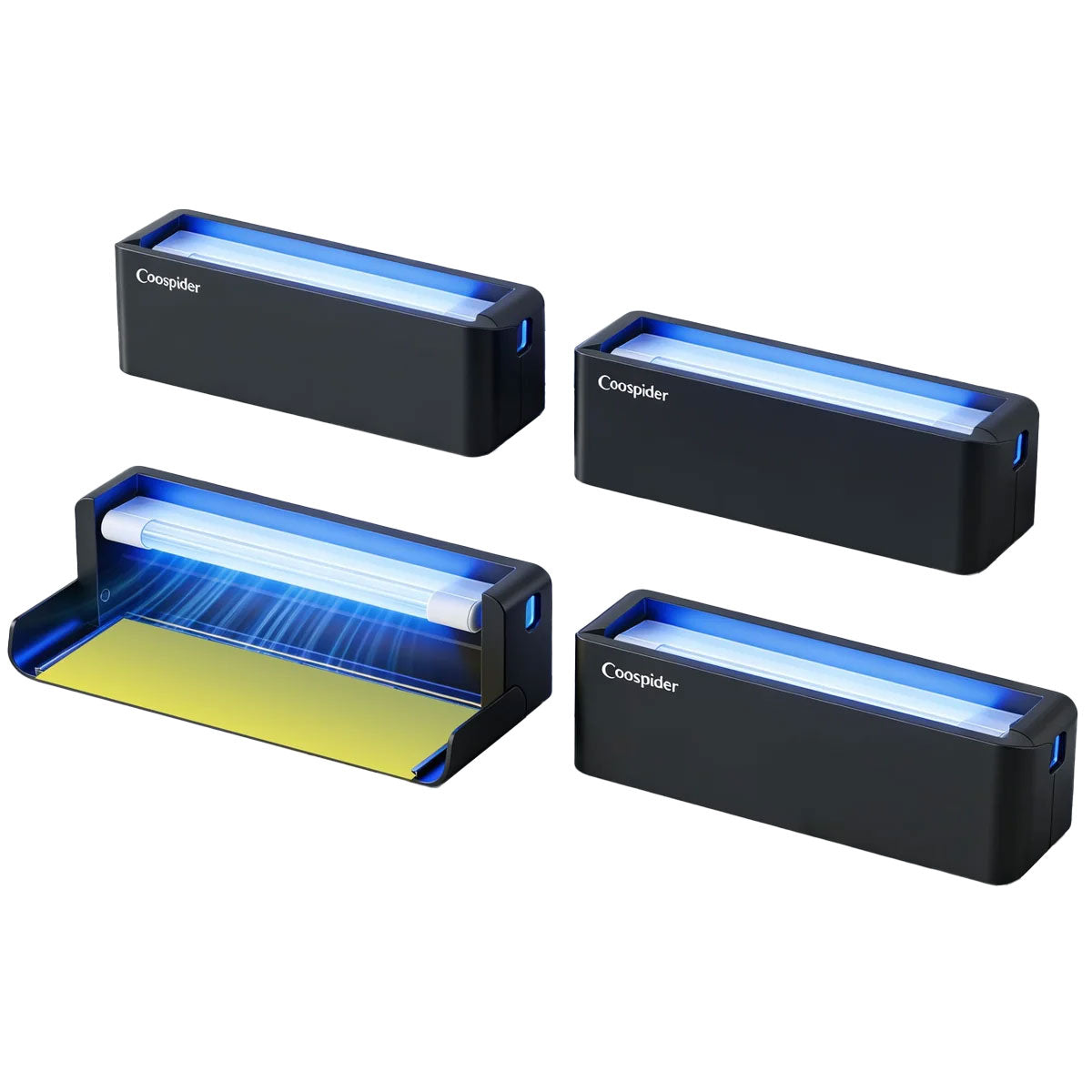
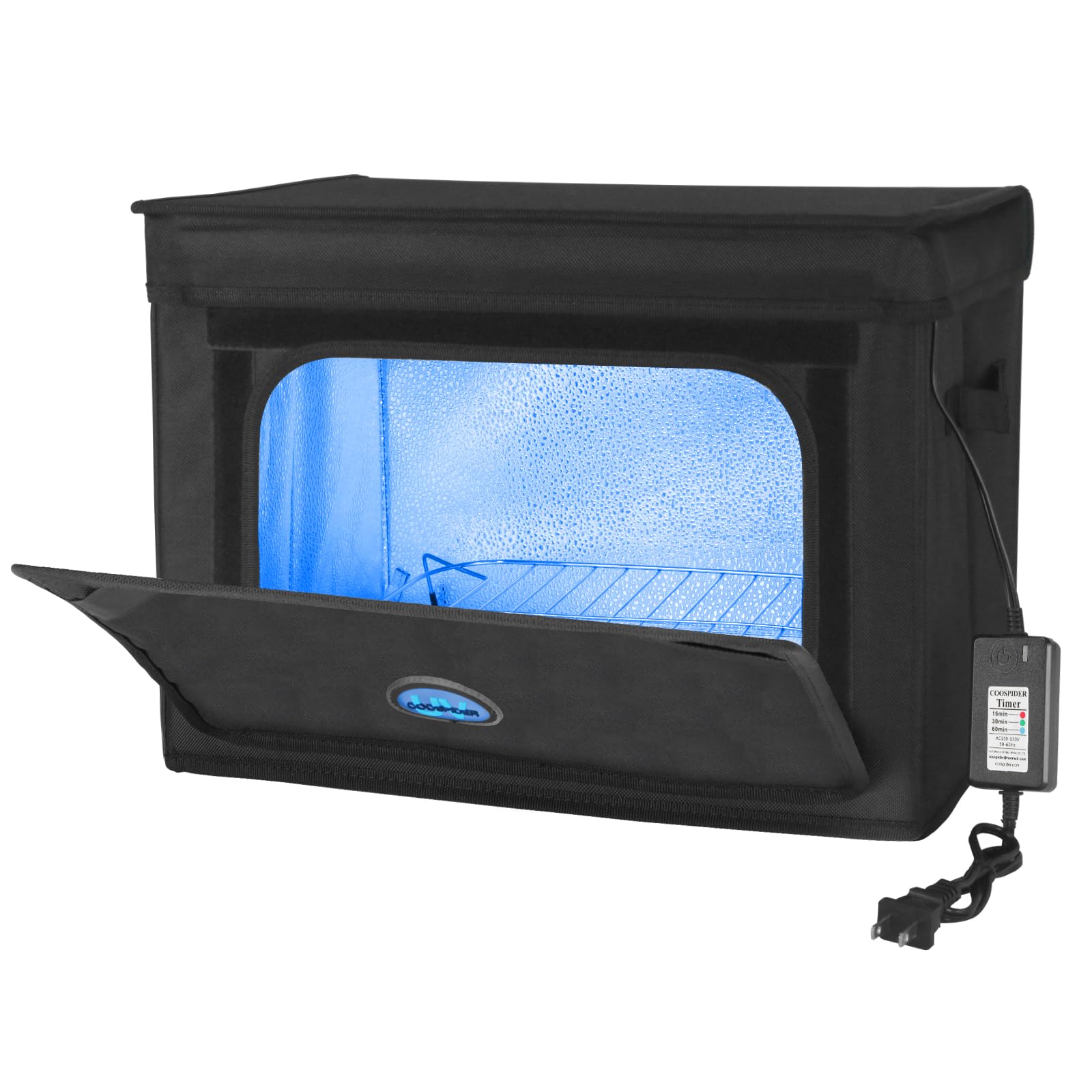
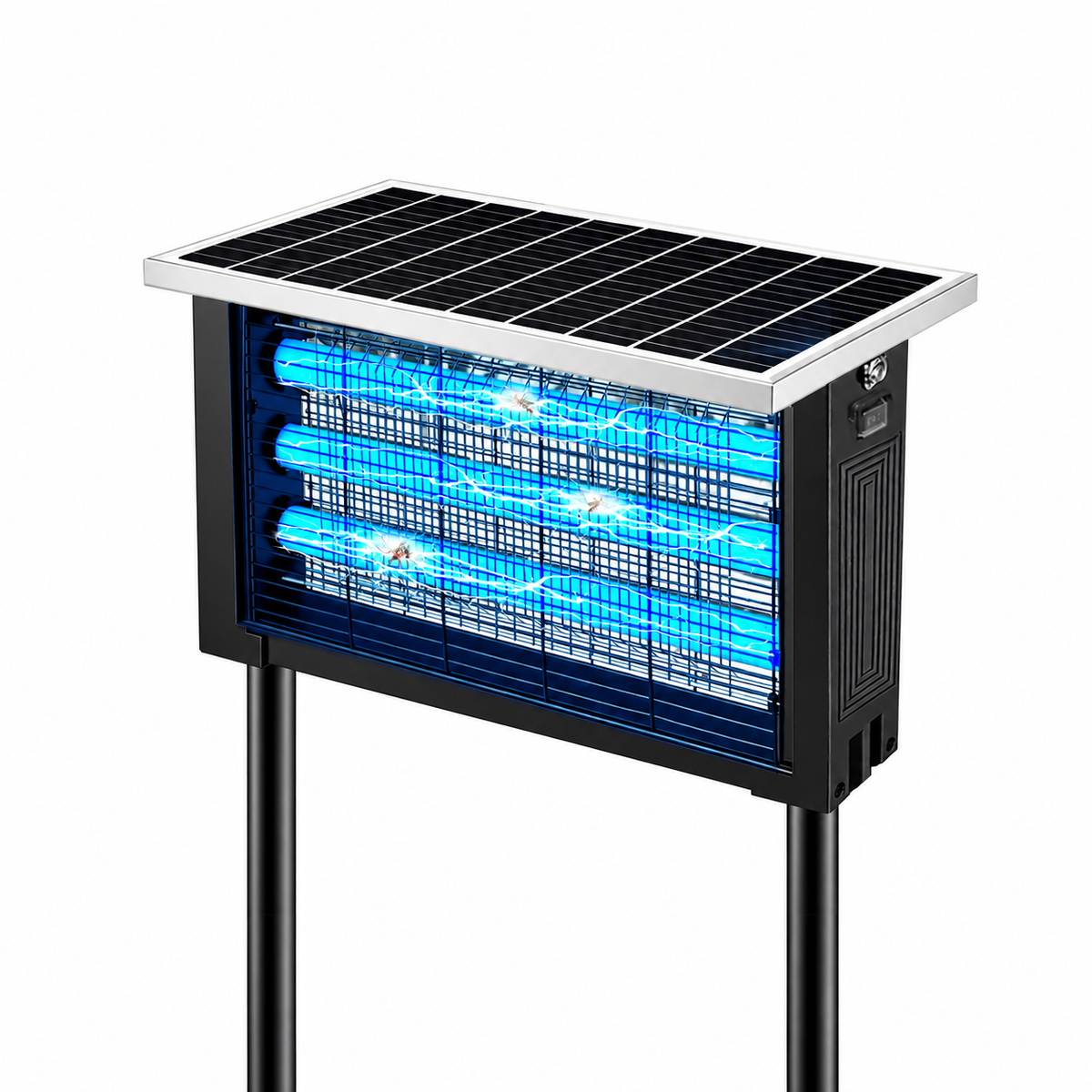
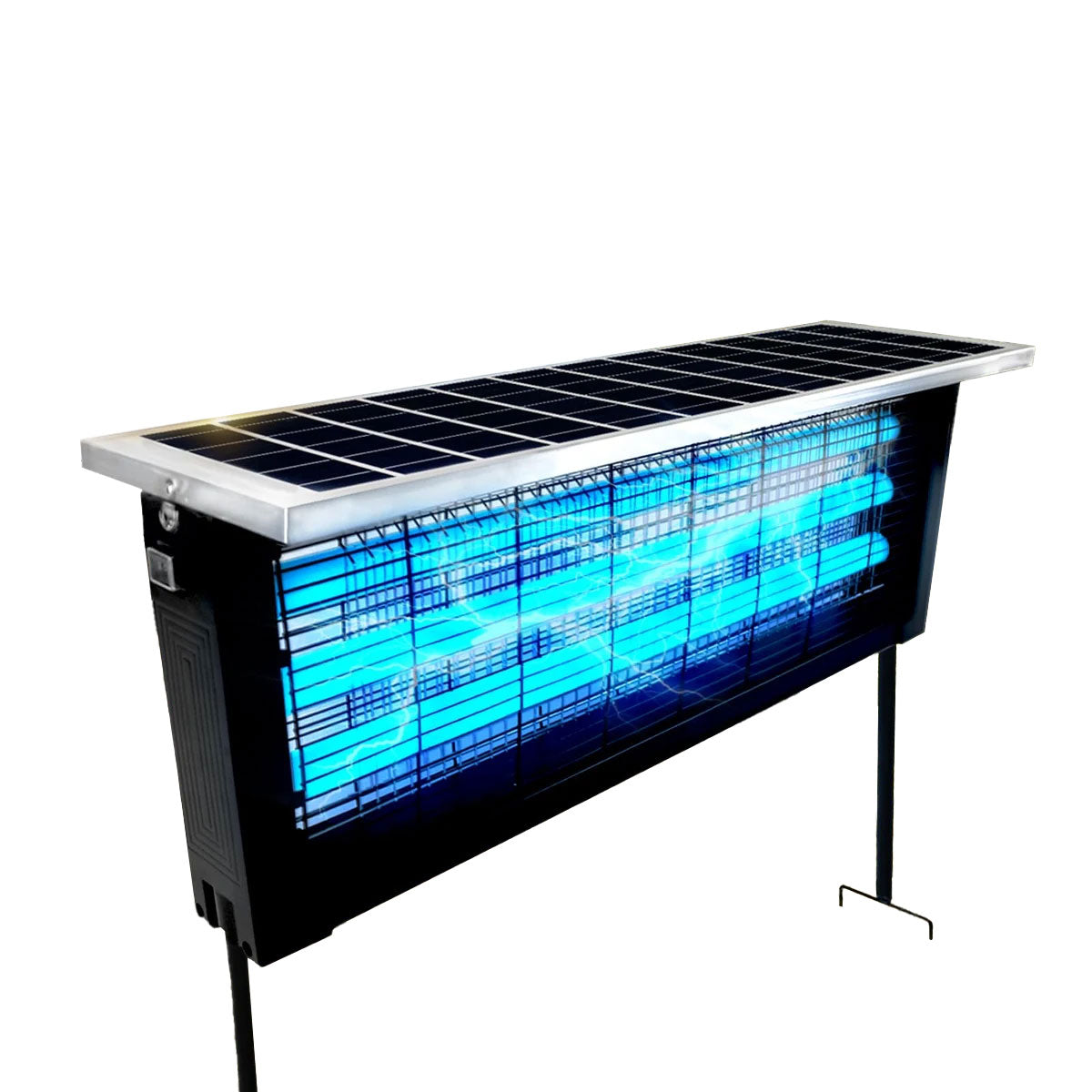
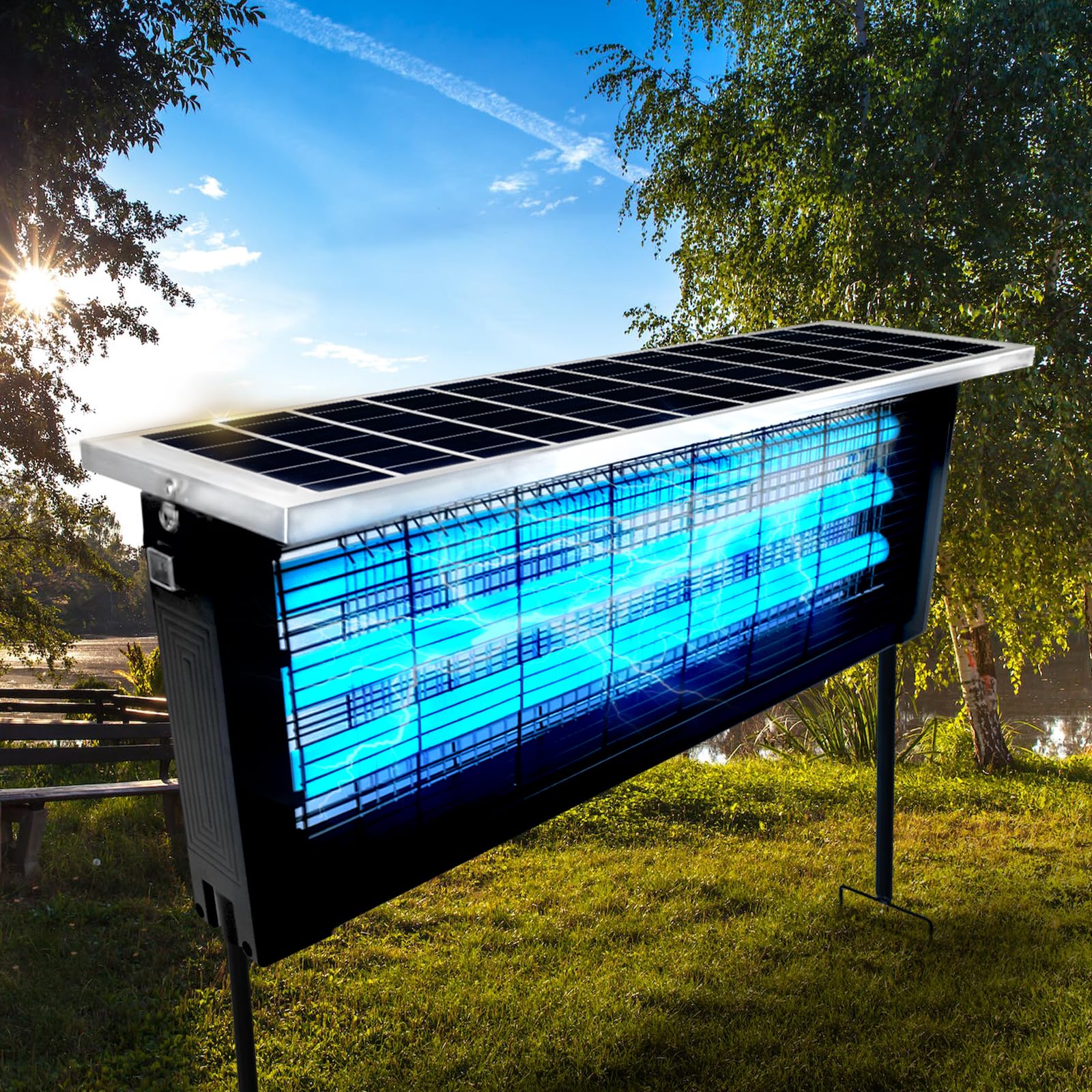
Electric zappers work using a high-voltage grid that electrocutes insects when they make contact. A UV or LED light attracts mosquitoes, flies, and other flying pests toward the electrified wires.
Over time, several invisible problems develop:
-
Burned insect residue coats the grid
-
Dust blocks airflow
-
Wings and debris insulate electrical contact points
-
Oil particles from insects form conductive films
-
Dead bugs accumulate near wiring
Each layer reduces electrical efficiency.
Think of it like a stovetop burner covered in grease — it still heats, but not nearly as well.
How a Dirty Zapper Actually Reduces Power
Many people believe electricity output weakens with age. In most cases, the voltage remains stable. The issue is resistance and insulation caused by buildup.
Here’s what happens:
1. Residue Acts as an Insulator
Charred insect remains create a thin barrier between wires and insects.
2. Electricity Takes Easier Paths
Contamination allows current to disperse instead of delivering a strong discharge.
3. Attraction Efficiency Drops
Dust on light tubes reduces brightness, meaning fewer insects approach.
4. Airflow Restriction
Heat builds up inside the device, lowering performance and shortening component life.
Deep cleaning removes these obstacles and restores proper function.
Signs Your Mosquito Zapper Needs Deep Cleaning
You don’t need special tools to diagnose the problem. Watch for these clues:
-
Fewer snapping sounds than before
-
Visible debris stuck between grid wires
-
Mosquitoes hovering without being zapped
-
Dimmer UV light output
-
Burning smell during operation
-
Increased insect buildup at the bottom tray
If you notice two or more signs, cleaning is overdue.
Safety First: What You Must Do Before Cleaning
Electric mosquito zappers contain high-voltage components. Even small models can store electrical charge briefly after unplugging.
Always follow this safety routine:
-
Unplug the device completely.
-
Turn off battery power if applicable.
-
Wait at least 30 minutes.
-
Press the power switch once after unplugging to discharge remaining energy.
-
Wear gloves if possible.
Never clean a powered or recently unplugged zapper.
Tools You’ll Need for Deep Cleaning
Most supplies are already at home:
-
Soft cleaning brush or paintbrush
-
Old toothbrush
-
Microfiber cloth
-
Cotton swabs
-
Compressed air can (optional)
-
Screwdriver (if removable housing)
-
Isopropyl alcohol (70–90%)
-
Small vacuum with brush attachment
-
Disposable gloves
Avoid metal tools — they can bend grids or damage insulation.
Step 1: Start With Exterior Cleaning
Before opening anything, clean the outside.
Dust on vents eventually moves inside and coats electrical parts.
How to Do It
-
Wipe housing with a slightly damp cloth.
-
Remove grime around buttons and vents.
-
Dry immediately.
Never spray cleaner directly onto the device.
Step 2: Empty and Wash the Collection Tray
The bottom tray collects insect remains and is often the biggest performance killer.
When debris piles up:
-
Airflow decreases
-
Odor increases
-
Attraction efficiency drops
Cleaning Method
-
Remove tray carefully.
-
Dump contents into trash.
-
Wash with warm soapy water.
-
Rinse and dry completely before reinstalling.
Moisture left behind can cause electrical issues.
Step 3: Brush the Electric Grid (The Most Important Step)
The grid is where performance lives or dies.
Over time, burned insect material sticks firmly between wires.
Proper Technique
-
Use a dry soft brush.
-
Brush vertically along wires.
-
Do not push sideways — this bends the grid.
-
Work slowly to loosen debris.
You’ll likely see ash-like particles fall out.
This alone often restores noticeable power.
Step 4: Use Compressed Air for Hidden Debris
Many contaminants hide behind protective cages.
Compressed air helps remove particles unreachable by brushing.
Tips:
-
Hold can upright.
-
Spray short bursts.
-
Aim outward so debris exits device.
Do this outdoors or over a trash bin.
Step 5: Deep Clean With Alcohol (Advanced Method)
If buildup is stubborn, alcohol dissolves oily residue.
Steps
-
Lightly dampen a cotton swab with alcohol.
-
Gently wipe accessible grid areas.
-
Avoid soaking components.
-
Allow complete evaporation before powering on.
Alcohol removes invisible films that weaken electrical discharge.
Step 6: Clean the UV Light Tube or LED Panel
Attraction matters as much as electrical power.
Dust-covered lights attract fewer insects.
Cleaning Process
-
Remove protective cover if possible.
-
Wipe bulb gently with dry microfiber cloth.
-
For stubborn dust, use alcohol lightly.
Avoid touching bulbs with bare hands — oils reduce brightness.
Step 7: Inspect for Bent or Touching Wires
Sometimes reduced power isn’t dirt — it’s grid distortion.
Check for:
-
Wires touching each other
-
Bent sections
-
Burn marks
If wires touch, electricity shorts instead of zapping insects.
Carefully realign using a wooden toothpick if accessible.
Step 8: Vacuum Internal Dust (Optional but Effective)
Indoor use or storage collects fine dust.
Use a vacuum brush attachment to gently remove particles from vents and interior areas.
Never press hard against electrical components.
Step 9: Let Everything Dry Completely
Moisture is the enemy of electrical devices.
After cleaning:
-
Leave zapper open for 1–2 hours.
-
Air dry in a ventilated space.
-
Avoid sunlight or heaters.
Rushing this step risks internal damage.
Step 10: Test the Device Safely
Once dry:
-
Reassemble fully.
-
Plug into an outdoor outlet.
-
Turn on from a safe distance.
-
Listen for steady electrical hum.
Within minutes, insects should begin attracting again.
Many users notice immediate improvement.
Deep Cleaning Schedule for Best Results
| Usage Level | Cleaning Frequency |
|---|---|
| Heavy outdoor use | Every 2–3 weeks |
| Moderate patio use | Monthly |
| Indoor use | Every 6–8 weeks |
| Deep cleaning | End of season |
Consistency prevents performance decline.
Common Mistakes That Make Zappers Worse
Using Water Spray Inside
Water damages circuits and creates shock hazards.
Scraping With Metal Objects
This destroys protective coatings.
Ignoring Light Cleaning
Even perfect grids fail if attraction lights are dim.
Operating With Full Collection Tray
Airflow becomes restricted.
Cleaning While Plugged In
Extremely dangerous — never do this.
Why Deep Cleaning Feels Like Increasing Power
After cleaning, many users believe voltage increased. In reality:
-
Electrical contact improves.
-
Attraction efficiency returns.
-
Discharge paths normalize.
-
Heat dissipates properly.
The zapper simply operates as originally designed.
Extending the Life of Your Mosquito Zapper
Good maintenance can double or triple lifespan.
Best practices:
-
Keep device sheltered from rain.
-
Elevate 3–5 feet above ground.
-
Avoid placing near competing lights.
-
Clean after heavy insect nights.
-
Store indoors during winter.
Small habits produce major longevity gains.
Off-Season Storage Tips
Before storing:
-
Perform deep cleaning.
-
Remove dead insects completely.
-
Wrap loosely in breathable fabric.
-
Store in dry location.
-
Keep away from chemicals or fertilizers.
A clean device stored properly starts strong next season.
Troubleshooting After Cleaning
If performance still seems weak:
Check the Bulb Age
UV bulbs lose attraction power after about one season of heavy use.
Inspect Power Source
Extension cords or low voltage outlets reduce efficiency.
Verify Placement
Windy or brightly lit areas reduce insect attraction.
Look for Internal Damage
Burned wiring or cracked insulation may require replacement.
When Replacement Is Actually Necessary
Cleaning fixes most issues, but replacement may be needed if:
-
Light no longer turns on
-
No electrical hum exists
-
Internal wiring is burned
-
Housing melted or cracked
Otherwise, cleaning usually restores performance.
Environmental Benefits of Maintenance
Maintaining instead of replacing helps reduce:
-
Electronic waste
-
Plastic disposal
-
Manufacturing emissions
-
Resource consumption
A maintained zapper can last many seasons instead of one or two.
Frequently Asked Questions
Why does my zapper smell after cleaning?
Residual dust burning off is normal during first use.
Can I hose it down outside?
No. Water exposure risks permanent damage.
Is louder zapping better?
Not necessarily — consistent attraction matters more than sound volume.
Should I run it all day?
Best results occur from dusk through night when mosquitoes are active.
Building a Simple Cleaning Habit
The easiest way to remember maintenance is linking it to routine outdoor tasks.
Try this system:
-
Clean tray every time you mow the lawn.
-
Brush grid once per month.
-
Deep clean when storing patio furniture.
Routine beats repair every time.
Final Thoughts: Restore the Power You Already Have
If your electric mosquito zapper feels weaker, don’t rush to replace it. Most performance problems come from layers of dust, insect residue, and airflow blockage that accumulate slowly and invisibly.
A careful deep cleaning restores electrical efficiency, improves attraction, and brings back the satisfying performance you remember.
With just a little maintenance, your zapper can continue protecting patios, balconies, campsites, and backyards season after season — delivering reliable insect control without sprays, fumes, or constant effort.
Take an hour today to clean it properly, and the next warm evening outdoors may sound exactly the way it should: calm air, comfortable conversation, and the occasional reassuring snap reminding you the system is doing its job.