
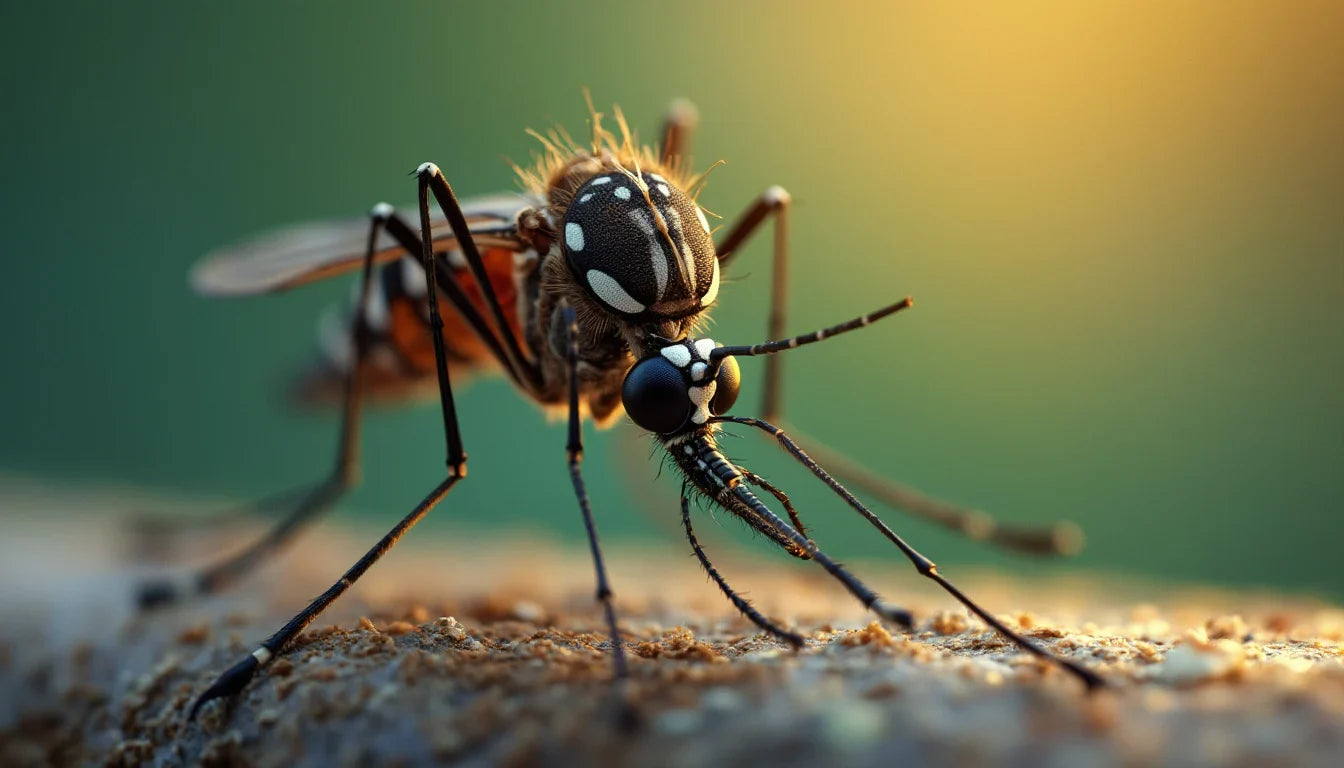
Mosquito season always seems to arrive faster than expected. One day you’re enjoying cool evenings outdoors, and the next you’re swatting insects away from your patio, backyard, or campsite. Thermo-powered mosquito repellers have become a popular solution because they offer quiet, odor-controlled, and chemical-efficient protection without sprays or messy bug zappers.
But here’s something many owners overlook: how you store and maintain your device during the off-season directly determines how well it performs next year.
A poorly maintained unit may struggle to ignite, lose efficiency, burn fuel unevenly, or fail entirely when spring returns. The good news? With a little attention and the right routine, your thermo-powered mosquito repeller can work like new season after season.
This complete guide walks you step by step through cleaning, inspection, storage, troubleshooting, and long-term care — even if you’ve never maintained one before.
Understanding How Thermo-Powered Mosquito Repellers Work
Before maintenance makes sense, it helps to understand what’s happening inside the device.
Thermo-powered mosquito repellers operate using heat activation. Instead of shocking insects or spraying chemicals into the air, they gently heat a repellent mat or liquid cartridge. The heat releases a controlled vapor that creates a protective zone mosquitoes prefer to avoid.
Most units include:
-
A fuel or battery-powered heating element
-
A catalytic or thermal plate
-
Repellent mats or liquid cartridges
-
Airflow vents
-
Ignition or activation system
-
Protective outer shell
Because heat is involved, tiny residues build up over time. Dust, insect debris, oils from repellent materials, and environmental particles slowly accumulate. Without cleaning, these deposits reduce heating efficiency and airflow.
Think of it like a coffee maker or grill — performance depends on regular upkeep.
Why Off-Season Maintenance Matters More Than You Think
Many people simply turn off their repeller at the end of summer and toss it into a storage bin. Months later, they discover:
-
Slow startup times
-
Weak protection zones
-
Uneven heating
-
Strange odors
-
Ignition failure
These issues usually aren’t defects — they’re maintenance problems.
Proper care provides several benefits:
1. Consistent Protection Next Season
Clean heating surfaces distribute repellent evenly, maintaining effective mosquito coverage.
2. Longer Device Lifespan
Residue buildup forces components to work harder, accelerating wear.
3. Lower Operating Costs
Efficient heating uses less fuel or battery power.
4. Improved Safety
Removing debris prevents overheating or airflow blockage.
5. Better User Experience
No surprises when the first warm evening arrives.
A single hour of maintenance can save you replacing the unit prematurely.
Tools You’ll Need Before Starting
You don’t need professional equipment. Gather these household items:
-
Soft microfiber cloths
-
Cotton swabs
-
Small soft brush (paintbrush or electronics brush)
-
Isopropyl alcohol (70–90%)
-
Mild dish soap
-
Warm water
-
Compressed air (optional but helpful)
-
Disposable gloves
-
Dry towel
Avoid abrasive scrubbers or harsh chemicals — they can damage coatings and sensors.
Step 1: Power Down and Cool Completely
Safety comes first.
Never clean a thermo-powered repeller immediately after use. Internal components stay hot long after shutdown.
Checklist:
-
Turn off the device.
-
Remove batteries or disconnect fuel.
-
Wait at least 30–60 minutes.
-
Confirm all surfaces are cool.
Cleaning while warm can warp parts or cause burns.
Step 2: Remove Remaining Fuel or Repellent
Leaving fuel or repellent inside during storage is one of the most common mistakes.
For Fuel Cartridge Models
-
Remove the cartridge.
-
Check for leaks or corrosion.
-
Store unused fuel upright in a cool, dry location.
For Repellent Mats
-
Remove partially used mats.
-
Dispose of expired or brittle mats.
-
Do not reuse old materials next season.
For Liquid Cartridges
-
Seal tightly.
-
Wipe residue from the connector area.
Old repellent materials degrade over winter, reducing effectiveness.
Step 3: Exterior Cleaning — The First Defense
Start with the outside before opening anything.
Dust and oils accumulate on outer surfaces and eventually migrate inside vents.
How to clean:
-
Mix mild soap with warm water.
-
Dampen (not soak) a cloth.
-
Wipe casing gently.
-
Dry immediately with a towel.
Pay special attention to:
-
Air intake openings
-
Vent slots
-
Button areas
-
Handles and grips
Avoid letting water enter openings.
Step 4: Clean Air Vents and Intake Channels
Airflow is essential for proper vapor distribution.
Blocked vents cause:
-
Reduced heating efficiency
-
Uneven vapor release
-
Overheating risk
Use a soft brush or compressed air to remove dust and debris.
Pro tip: Hold the device upside down while brushing so particles fall out rather than deeper inside.
Step 5: Inspect the Heating Element
The heating plate is the heart of your repeller.
Over time, microscopic residues form a thin layer that insulates heat transfer.
Signs It Needs Cleaning
-
Dark discoloration
-
Sticky film
-
Uneven surface appearance
Cleaning Method
-
Dip a cotton swab lightly in isopropyl alcohol.
-
Gently wipe the heating surface.
-
Allow complete evaporation before reassembly.
Never scrape or sand the plate — coatings are delicate.
Step 6: Check Ignition or Activation Components
If your device uses ignition (fuel-powered models), inspect:
-
Igniter tip
-
Contact points
-
Wiring visibility
Dust buildup interferes with spark generation.
Use dry brushing only — avoid liquids near electrical components unless specified by the manufacturer.
Step 7: Deep Clean the Repellent Chamber
The repellent chamber experiences the most buildup.
Remove accessible components according to the manual and clean:
-
Residue rings
-
Oil deposits
-
Dust clusters
A microfiber cloth slightly dampened with alcohol works best.
Let everything air dry completely.
Step 8: Battery Compartment Care (If Applicable)
Battery corrosion silently destroys many devices during winter storage.
What to Check
-
White or green residue
-
Moisture
-
Loose contacts
Clean contacts gently with alcohol and a cotton swab.
Important: Remove batteries during long-term storage.
This single habit dramatically increases device lifespan.
Step 9: Perform a Functional Test Before Storage
Don’t store a device without confirming it works.
Reassemble and briefly power it on:
-
Confirm heating starts normally.
-
Check indicator lights.
-
Listen for unusual sounds.
-
Ensure airflow feels normal.
Testing now prevents frustration months later.
Step 10: Proper Drying — The Most Skipped Step
Even tiny moisture amounts can cause oxidation.
After cleaning:
-
Leave device disassembled for 1–2 hours.
-
Air dry in a ventilated indoor space.
-
Avoid direct sunlight or heaters.
Patience here prevents internal corrosion.
Step 11: Smart Storage Practices
Storage conditions matter as much as cleaning.
Ideal Storage Environment
-
Cool and dry
-
Stable temperature
-
Low humidity
-
Away from chemicals or pesticides
Avoid garages with extreme temperature swings if possible.
Storage Method
-
Place device in original box or breathable fabric bag.
-
Add silica gel packets to absorb moisture.
-
Store upright.
-
Keep accessories together.
Avoid sealed plastic bags unless moisture absorbers are included.
Step 12: Off-Season Monthly Check (Optional but Powerful)
If you want your repeller to last years longer, perform a quick monthly check:
-
Inspect for moisture.
-
Ensure no insect nests formed.
-
Verify no corrosion started.
This takes less than two minutes but prevents long-term damage.
Common Maintenance Mistakes to Avoid
Using Water Inside the Device
Liquid intrusion causes internal failure.
Leaving Fuel Installed
Fuel seals degrade and may leak.
Skipping Cleaning Because It “Still Works”
Performance drops gradually — you may not notice until effectiveness is poor.
Storing With Batteries Installed
A major cause of springtime failures.
Using Harsh Cleaners
They damage protective coatings.
Spring Startup Checklist
When warm weather returns:
-
Inspect exterior.
-
Install fresh fuel or batteries.
-
Insert new repellent material.
-
Run device outdoors for 5–10 minutes.
-
Confirm steady operation.
You should notice faster startup and stronger performance compared to unmaintained units.
How Often Should You Maintain Your Repeller?
Recommended schedule:
| Task | Frequency |
|---|---|
| Exterior wipe | Every 2–3 weeks during use |
| Vent cleaning | Monthly |
| Heating plate cleaning | End of season |
| Deep cleaning | Once yearly |
| Storage prep | Every fall |
Consistency beats intensive cleaning.
Extending Lifespan Beyond Five Seasons
Well-maintained thermo-powered repellers commonly last far longer than expected.
Advanced tips:
-
Rotate usage between multiple devices.
-
Avoid operating in heavy rain.
-
Keep unit elevated off damp ground.
-
Clean immediately after dusty camping trips.
Small habits prevent cumulative wear.
Signs It’s Time for Replacement Parts
Even with good care, some components eventually wear out.
Watch for:
-
Heating delays despite cleaning
-
Flickering indicators
-
Fuel consumption increasing noticeably
-
Reduced mosquito protection radius
Often only a small replaceable component is needed — not a whole new device.
Environmental Benefits of Proper Maintenance
Maintaining your repeller isn’t just convenient — it’s environmentally responsible.
Longer device life means:
-
Less electronic waste
-
Reduced manufacturing demand
-
Lower material consumption
-
Fewer discarded batteries
Sustainable habits start with maintaining what you already own.
Frequently Asked Questions
Can I wash the device under running water?
No. Always use damp cloth cleaning only.
Should I lubricate moving parts?
Most models require no lubrication. Oils can interfere with heating systems.
Why does my repeller smell slightly at first use next year?
Residual dust burning off is normal for a few minutes after storage.
Can I store it outdoors in a shed?
Only if humidity is controlled and temperatures remain moderate.
Building a Maintenance Habit That Actually Sticks
The best maintenance routine is one you’ll repeat every year.
Try this simple system:
-
Clean the device the same day you store patio furniture.
-
Keep cleaning supplies with outdoor gear.
-
Set a yearly phone reminder labeled “Mosquito Repeller Care.”
Linking maintenance to seasonal habits makes it automatic.
Final Thoughts: A Small Effort for a Better Outdoor Season
A thermo-powered mosquito repeller is designed for convenience, but like any heat-based device, it performs best when cared for properly. End-of-season maintenance ensures reliable ignition, consistent protection, and longer service life.
Instead of discovering problems when mosquitoes return, you’ll start spring prepared — with a device that works smoothly, efficiently, and almost like it just came out of the box.
Spend a little time now, and your future self will thank you on the first warm evening outdoors, when the air is calm, the lights are on, and mosquitoes stay exactly where they belong — far away from you.







2 comments
Herman
What is Phone number to call if you need help
Herman
What is Phone number to call if you need help