
Building a koi pond sounds like a dream project. The image is simple: crystal-clear water, elegant koi gliding through lilies, and a peaceful backyard retreat that feels almost meditative. But behind many struggling ponds—and behind koi that constantly suffer from ulcers, parasites, fin rot, or chronic stress—there is one common root cause: poor pond design.
The truth is, koi health begins long before the fish ever enter the water. It starts with engineering decisions, plumbing layouts, filtration choices, depth planning, and even something as basic as sunlight exposure. When these elements are overlooked or rushed, the pond becomes not a sanctuary, but a chronic stress environment.
This guide breaks down the most common koi pond design mistakes that lead to frequent illness, and more importantly, how to avoid them before they become expensive, frustrating problems.
1. Shallow Pond Depth: The Silent Stress Generator
One of the most common design flaws in backyard koi ponds is insufficient depth.
Many beginners build ponds that are only 1–2 feet deep because they look visually appealing or are easier to construct. Unfortunately, shallow ponds create unstable living conditions for koi.
Why shallow water is dangerous:
-
Temperature swings happen rapidly
-
Oxygen levels fluctuate more dramatically
-
Fish are exposed to predators (birds, raccoons, cats)
-
Ammonia concentrations spike faster
-
Stress levels increase, weakening immunity
Koi are large, long-lived fish that can grow over two feet in length. They require stable environments, and stability comes from water volume and depth.
The hidden consequence: chronic stress
Stress is not just a behavioral issue. In koi, chronic stress suppresses immune function, making them highly susceptible to:
-
Parasites (Ich, flukes)
-
Bacterial infections
-
Fin rot
-
Ulcers
Even if water looks clean, unstable conditions can still make fish sick.
Recommended design standard:
A healthy koi pond should ideally be:
-
At least 3–5 feet deep
-
Deeper in climates with extreme temperature swings
-
Consistent depth zones, not shallow shelves everywhere
2. Poor Filtration Design: The Number One Health Killer
If there is one design flaw responsible for more koi disease than any other, it is inadequate filtration.
Koi are heavy waste producers. A pond without a properly engineered filtration system becomes a biological hazard zone within weeks.
Common filtration mistakes:
-
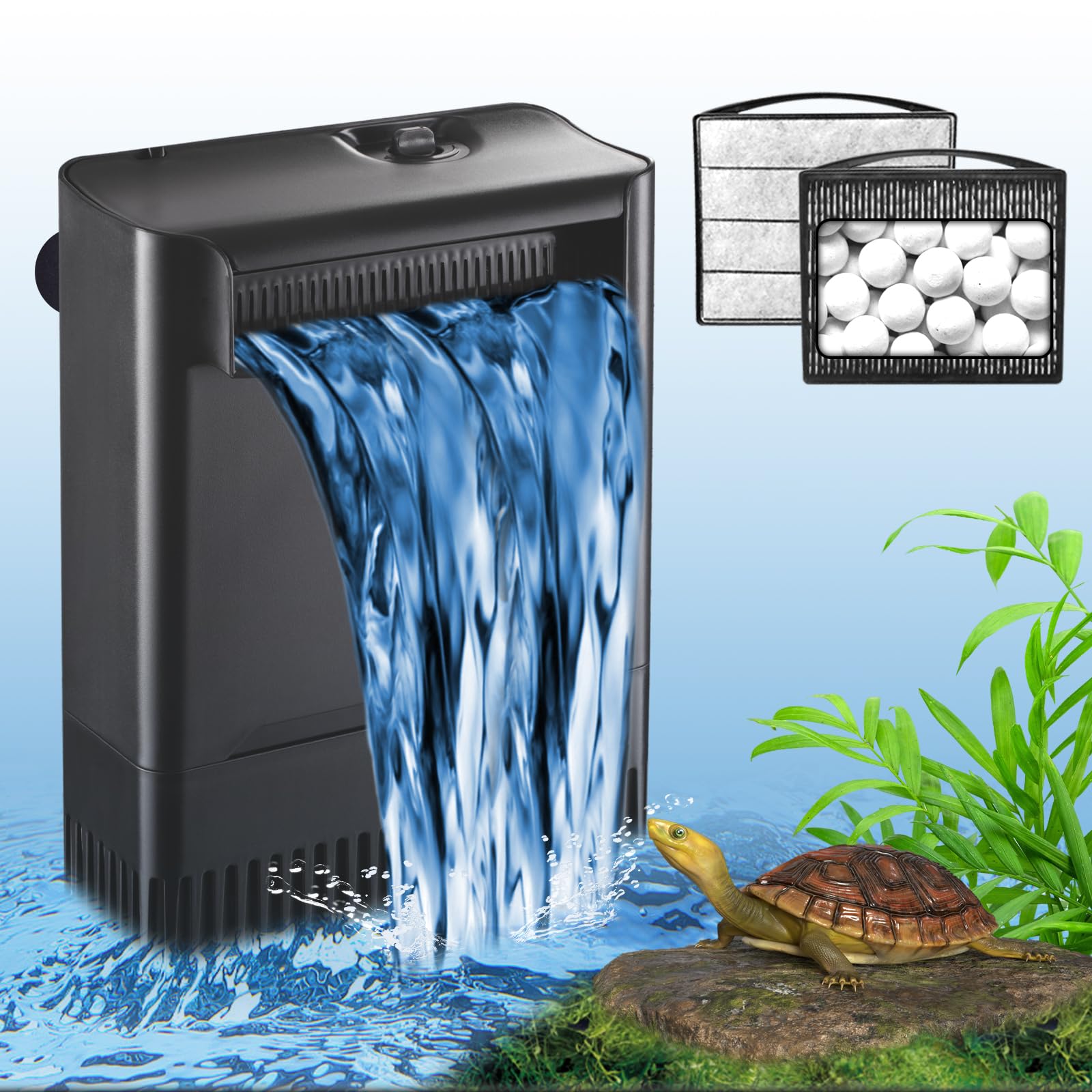
Using only small decorative filters
-
Relying solely on waterfalls for filtration
-
Not separating mechanical and biological filtration
-
Undersizing the system for fish load
-
Poor flow rate design
What actually happens in a bad system:
Waste builds up in the pond bottom → ammonia rises → nitrite spikes → beneficial bacteria cannot keep up → fish experience internal chemical stress.
This leads to:
-
Gill damage
-
Reduced oxygen absorption
-
Sluggish behavior
-
Frequent disease outbreaks
The correct filtration structure:
A healthy koi pond system should include:
-
Mechanical filtration
Removes solid waste (leaves, fish waste, debris) -
Biological filtration
Converts ammonia → nitrite → nitrate using beneficial bacteria -
Proper circulation system
Ensures no dead zones exist in the pond
Without all three working together, koi health deteriorates over time—even if the water looks “clear.”
3. Lack of Bottom Drainage: The “Hidden Rot Zone”
Many DIY ponds skip bottom drains entirely, relying instead on nets or vacuum cleaning.
This creates one of the most dangerous conditions in koi pond design: waste accumulation on the bottom.
Why this is a problem:
Koi waste, uneaten food, and organic debris sink quickly. Without a bottom drain:
-
Sludge accumulates in corners
-
Anaerobic bacteria develop (harmful, not beneficial)
-
Toxic gases form in sediment
-
Pathogens multiply
The biological consequence:
These conditions create a constant low-level exposure to harmful compounds. Even if fish do not die immediately, their immune systems are constantly suppressed.
This is often why koi owners say:
“My fish are always sick no matter how clean the water looks.”
Because visually clean water does not mean biologically clean water.
Proper design solution:
A koi pond should include:
-
Central bottom drain(s)
-
Slope toward drain points
-
Continuous waste removal system
This prevents waste from ever becoming part of the ecosystem in the first place.
4. Inadequate Water Flow: Dead Zones That Breed Disease
Water movement is not just aesthetic. It is essential for oxygen distribution, waste suspension, and biological balance.
What are “dead zones”?
Dead zones are areas of the pond where water barely moves. These areas:
-
Collect debris
-
Have low oxygen
-
Encourage bacterial imbalance
-
Become parasite hotspots
Design mistakes that cause poor circulation:
-
Single pump systems in large ponds
-
No strategic return jet placement
-
Overuse of decorative features that block flow
-
Ignoring pond geometry in water dynamics
How poor flow affects koi:
Fish in stagnant zones often show:
-
Lethargy
-
Loss of appetite
-
Frequent flashing (rubbing against surfaces)
-
Higher parasite exposure
Good circulation design includes:
-
Multiple water return points
-
Even distribution of flow
-
Surface agitation for oxygen exchange
-
Continuous movement patterns (circular or figure-eight flow)
Water should never sit still anywhere in the pond.
5. Overcrowding: A Design Mistake, Not Just a Hobbyist Error
Many koi ponds are simply too small for the number of fish they contain.
But overcrowding is not just a stocking issue—it is often a design flaw from the beginning.
Why overcrowding leads to disease:
-
Waste production exceeds filtration capacity
-
Oxygen demand increases beyond supply
-
Stress levels rise due to lack of space
-
Aggression increases between fish
The invisible danger:
Overcrowding does not cause immediate failure. Instead, it slowly erodes water quality until fish immune systems collapse.
This is why disease outbreaks often appear “suddenly,” even though the conditions were deteriorating for months.
Design rule of thumb:
A properly designed koi pond should prioritize:
-
Growth potential, not current size
-
Long-term fish load capacity
-
Future expansion space
A pond should never be designed for “just enough fish.” It should be designed for mature koi decades later.
6. Improper Sunlight Exposure: Too Much or Too Little
Sunlight plays a crucial role in pond ecology, but poor design often creates imbalance.
Too much sunlight causes:
-
Excessive algae growth
-
Temperature spikes
-
Oxygen depletion at night
-
Stress in fish due to heat
Too little sunlight causes:
-
Poor plant growth
-
Weak biological cycling
-
Stagnant ecosystems
-
Lack of natural UV sterilization
Balanced design considerations:
A healthy koi pond typically includes:
-
Partial shading (trees, pergolas, or structures)
-
Controlled direct sunlight hours
-
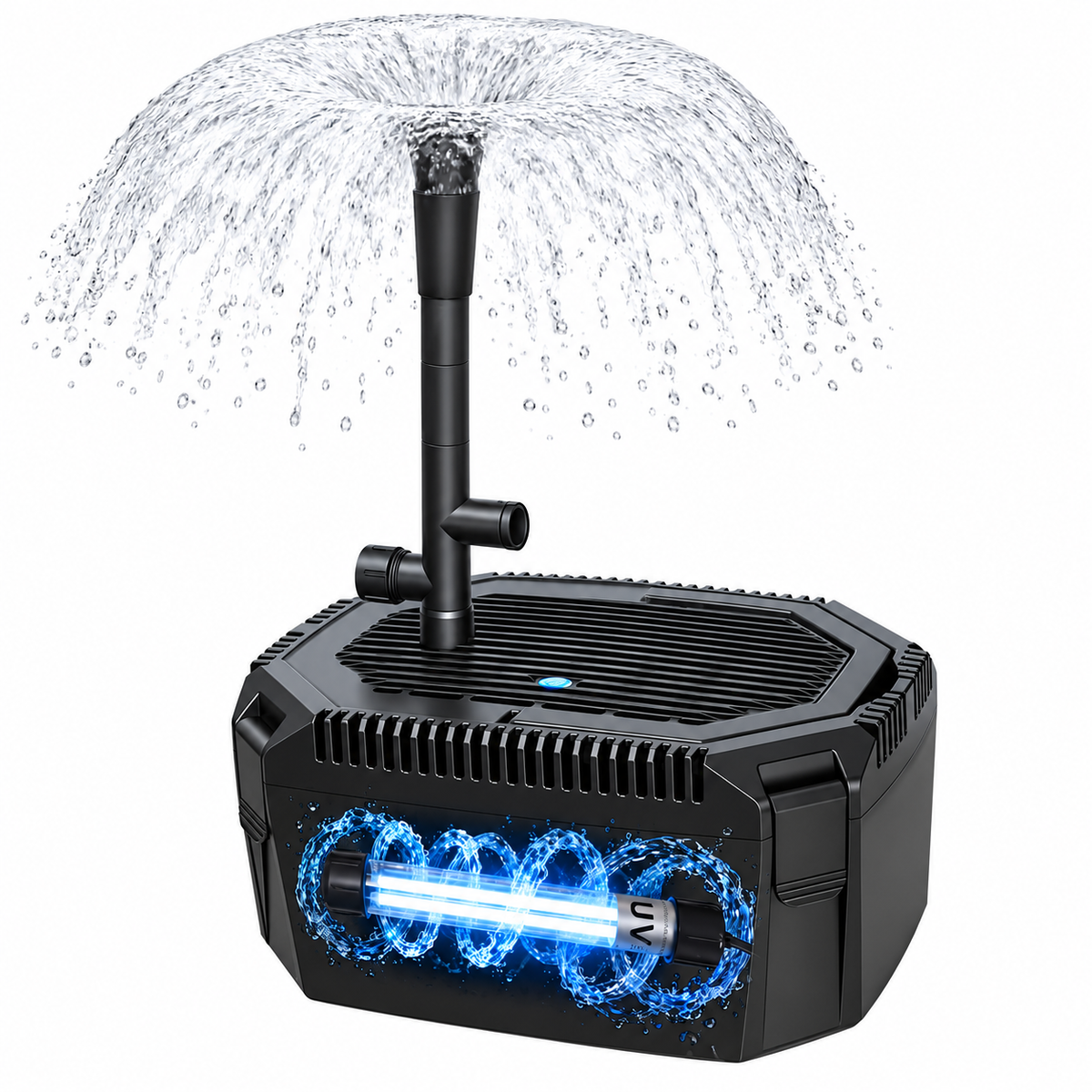
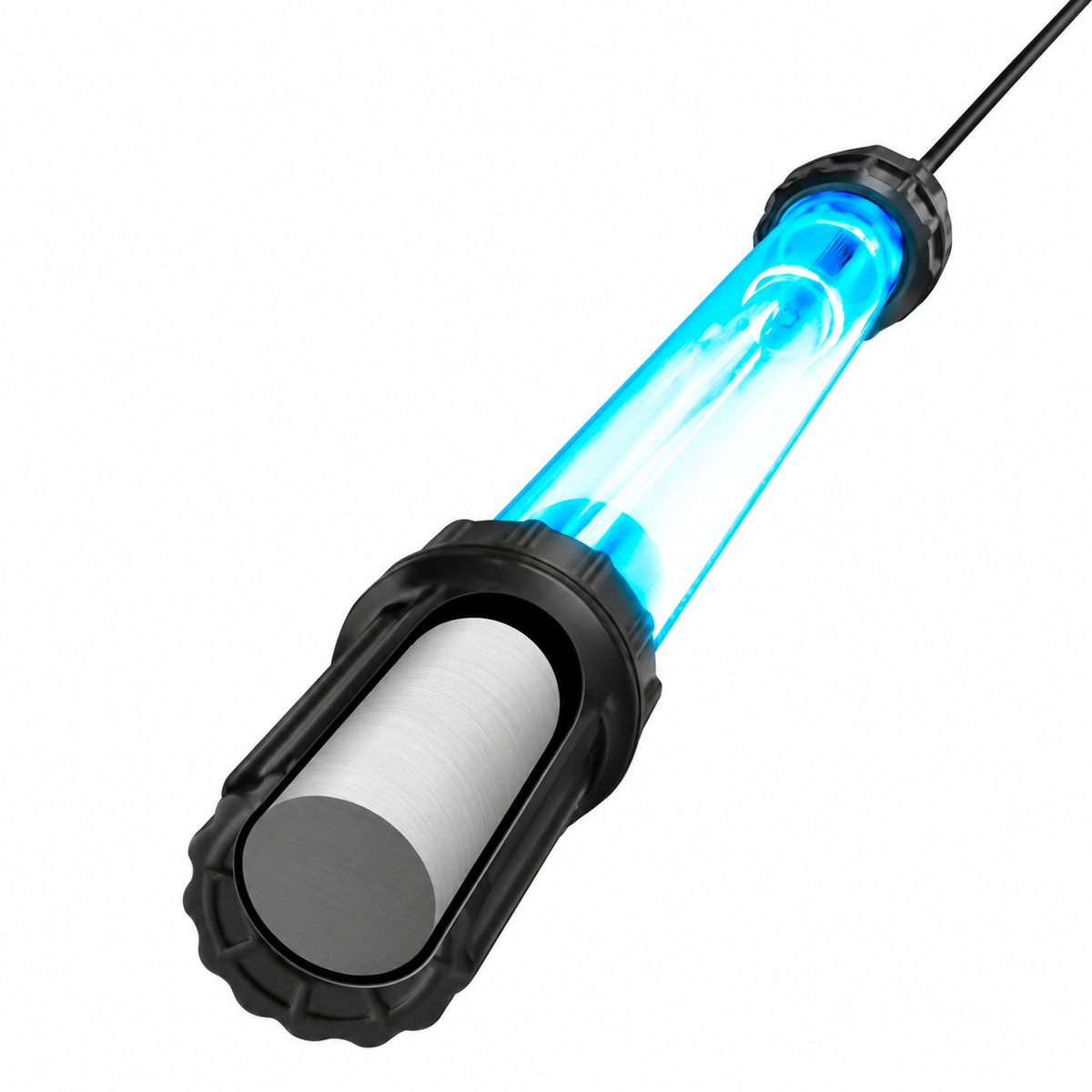
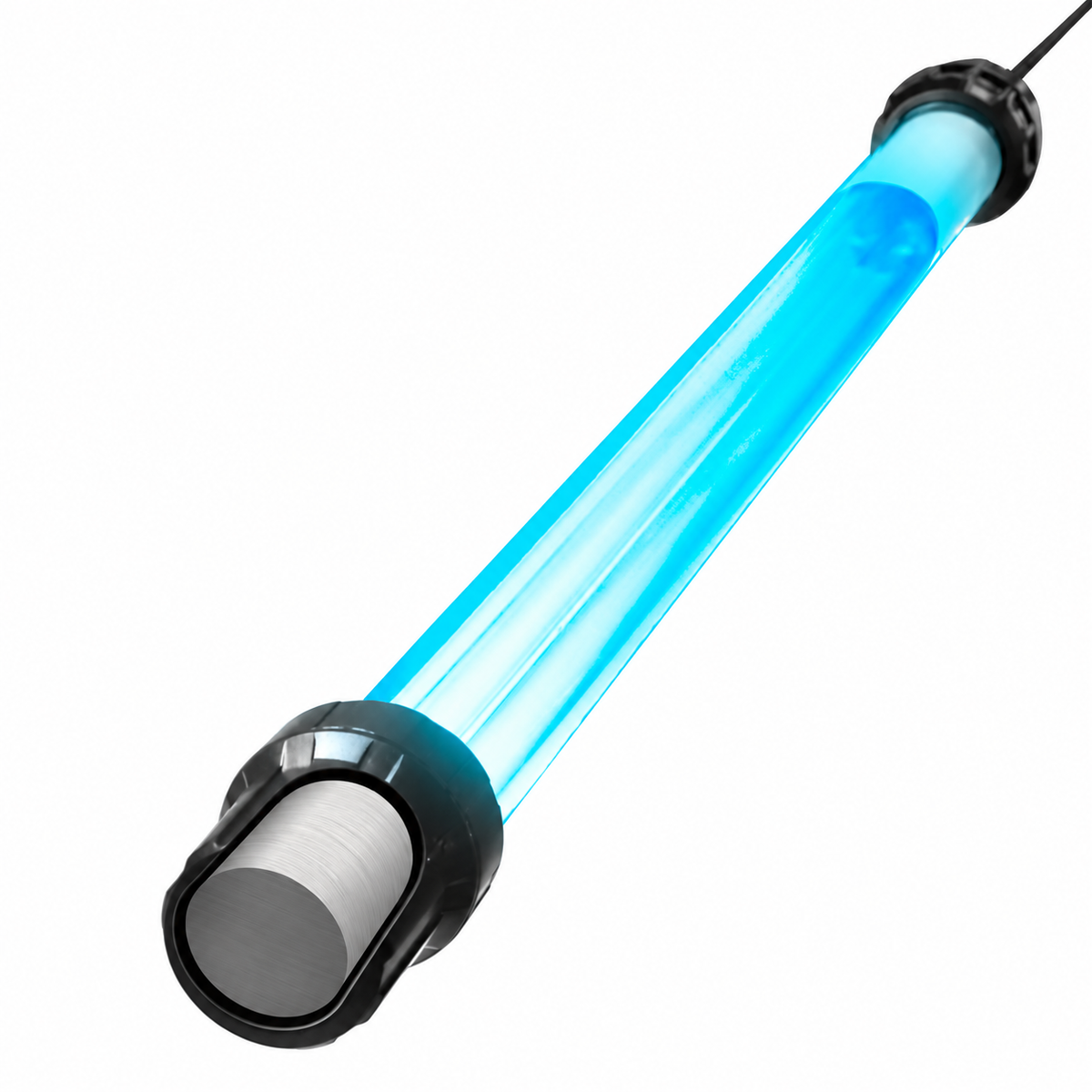
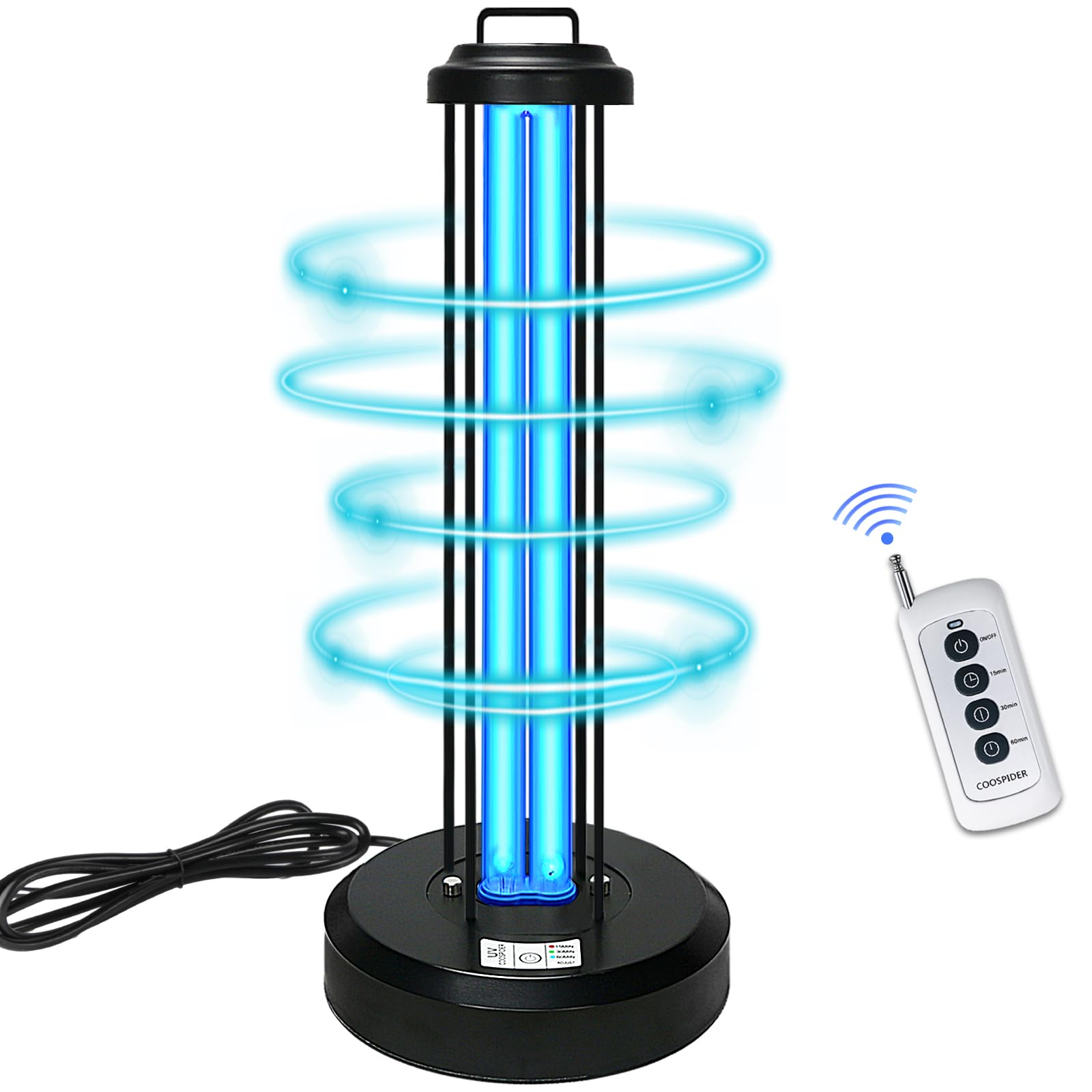
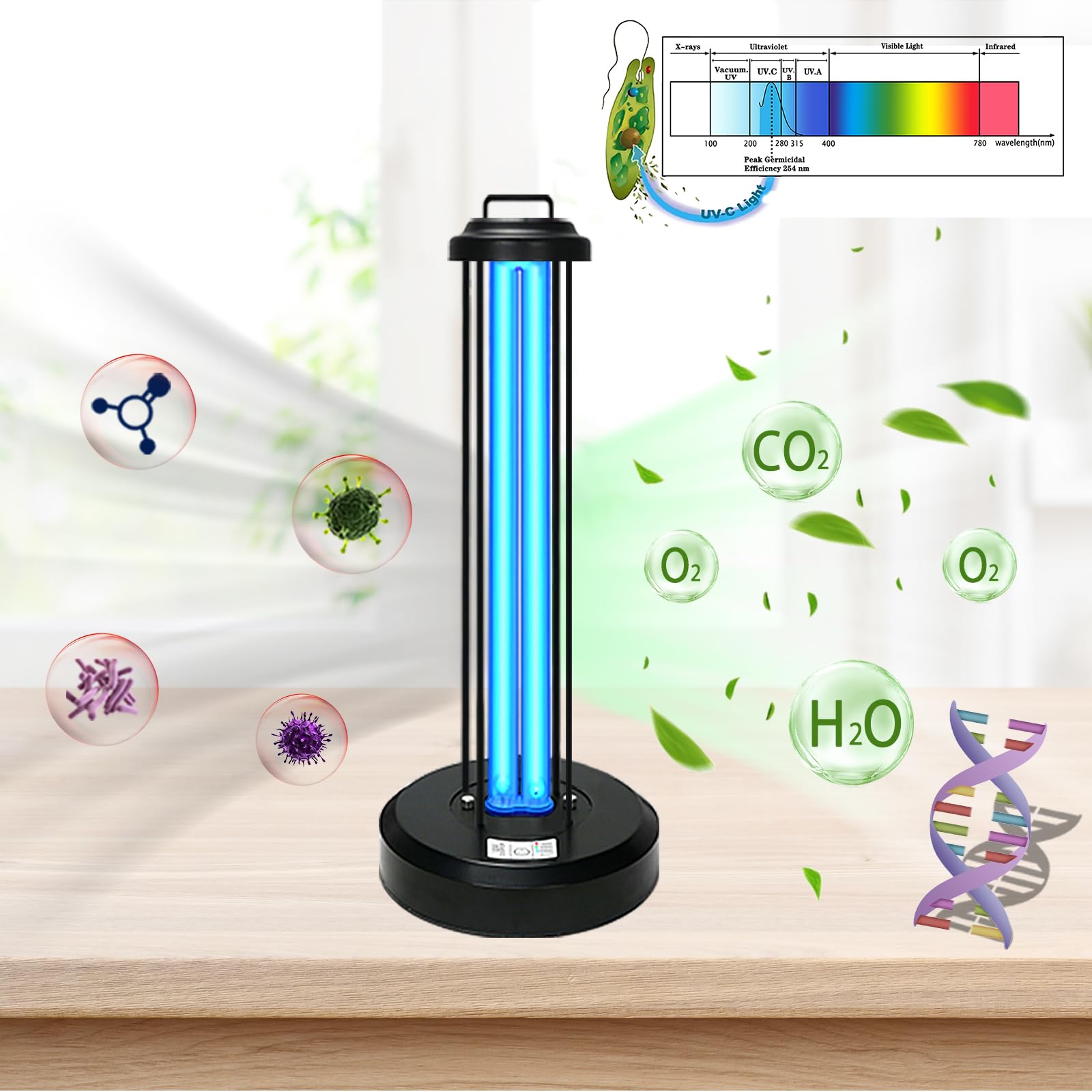
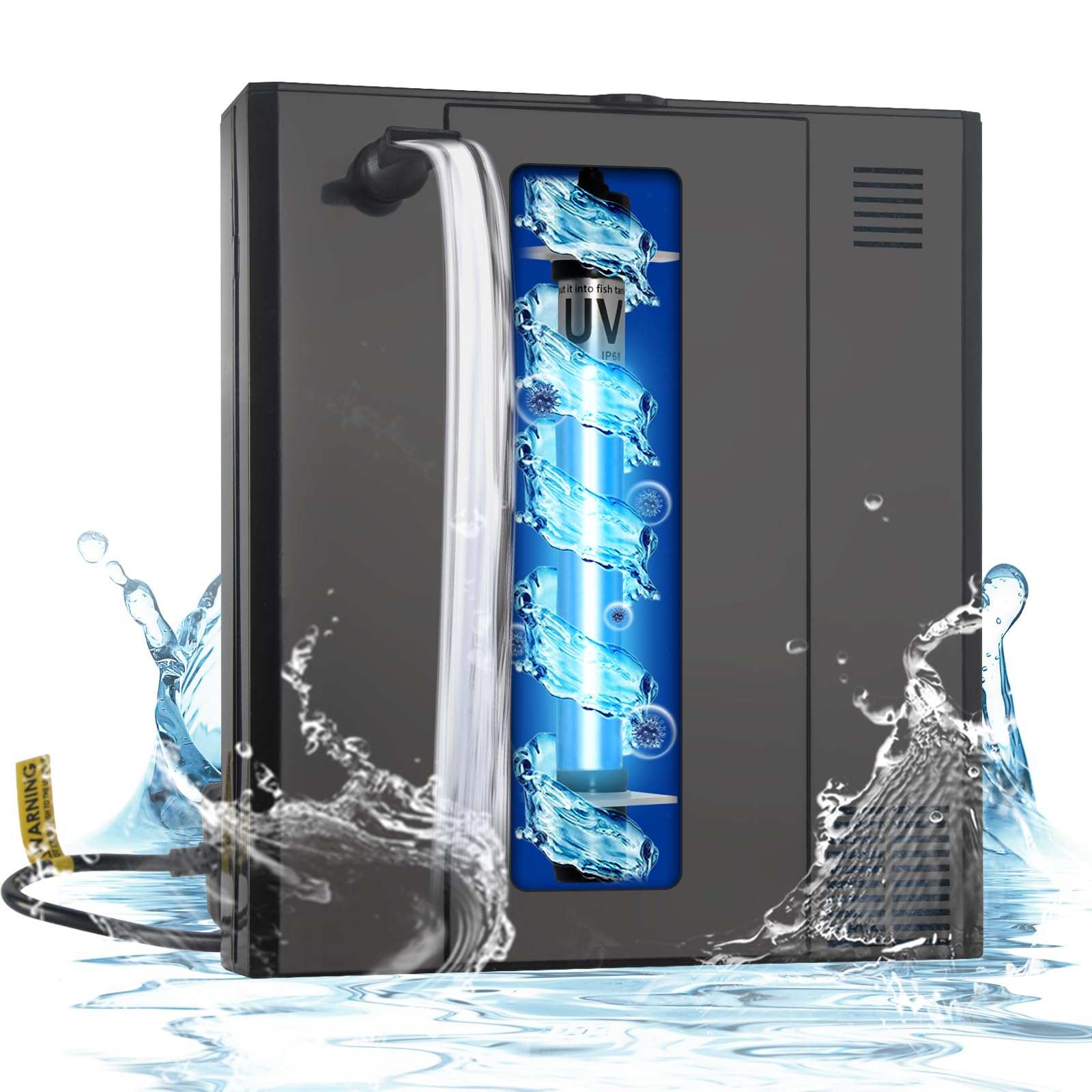
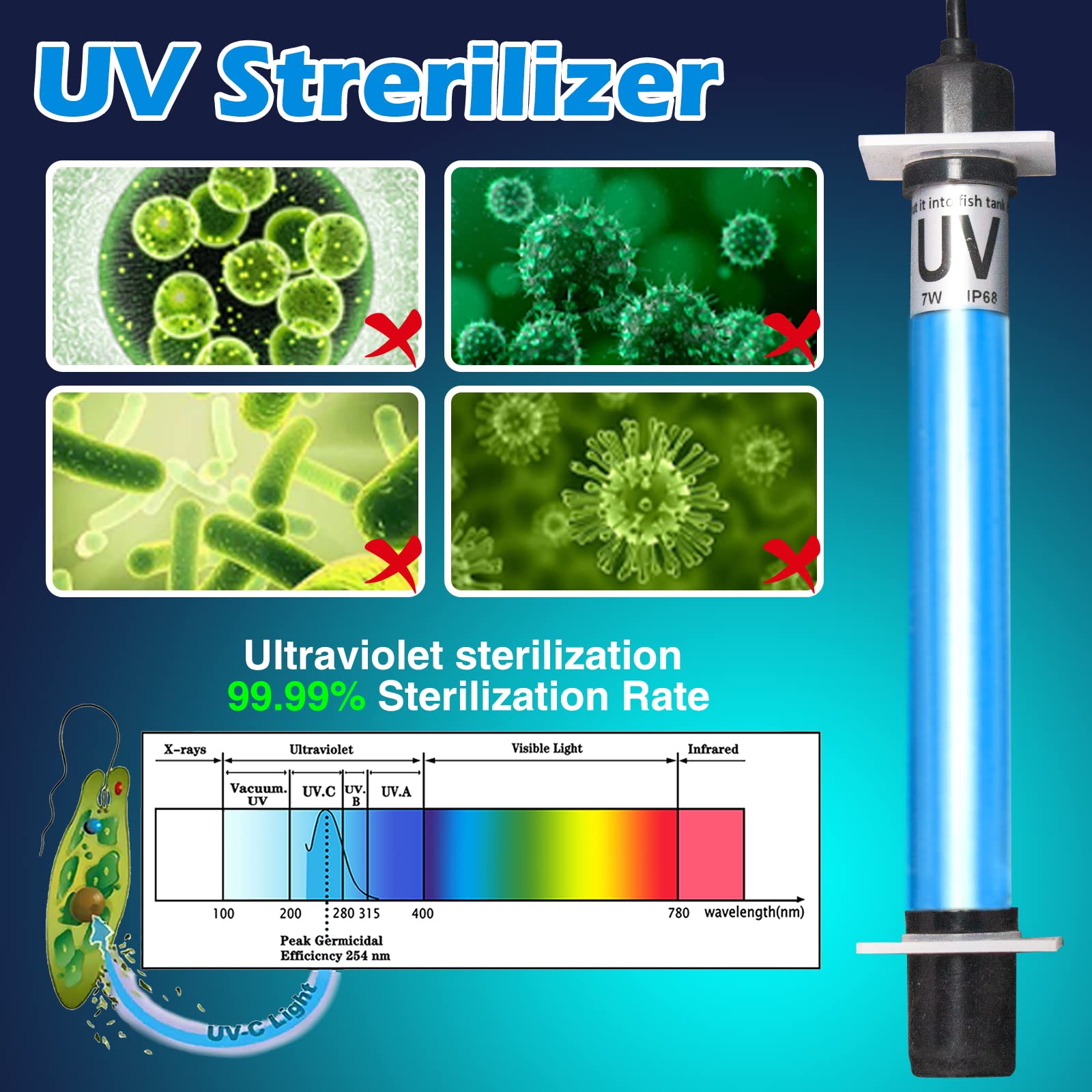
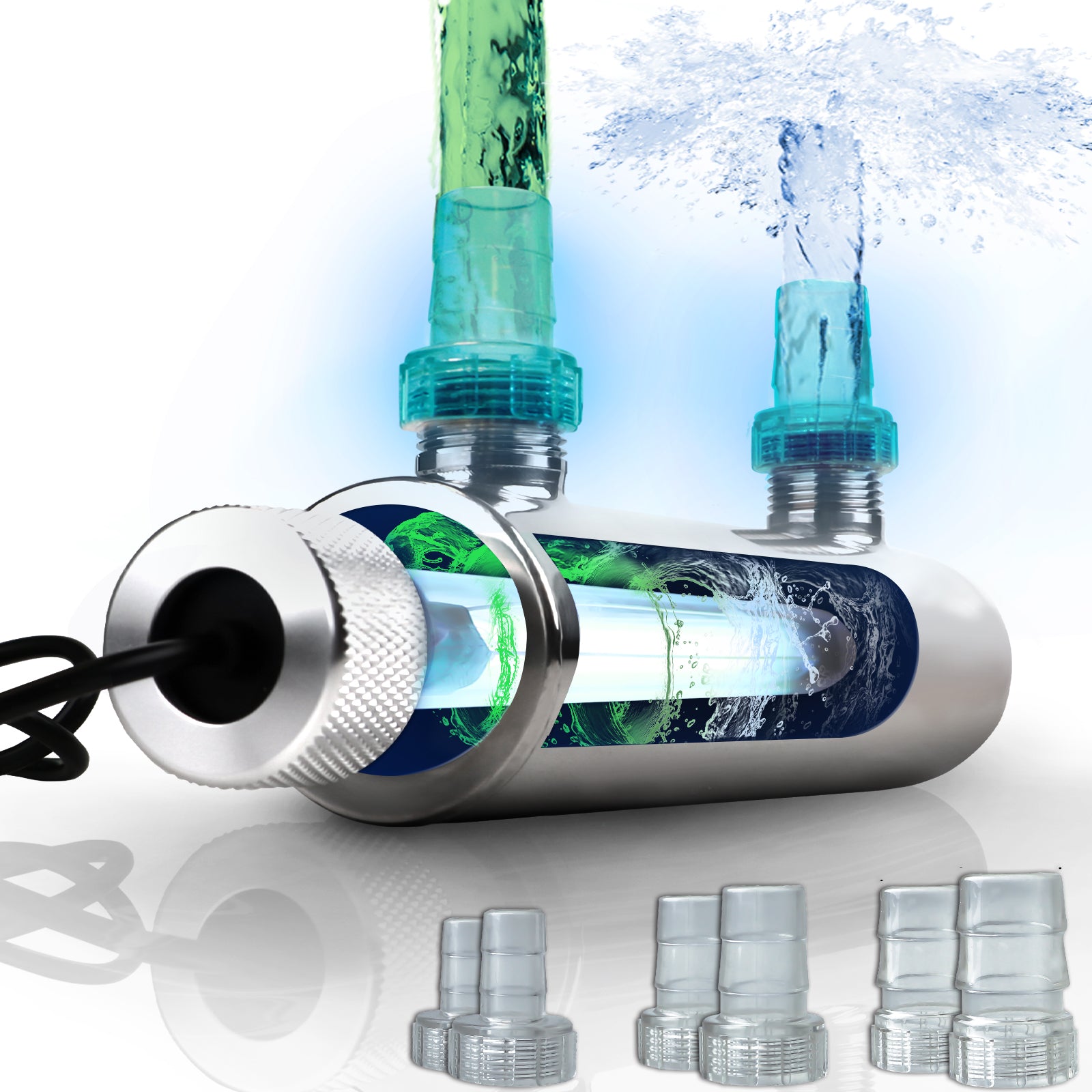
UV clarification systems if needed
-
Strategic plant placement for balance
The goal is not to eliminate sunlight—but to regulate it.
7. Poor Pond Shape Design: Corners Become Disease Traps
The geometry of a pond directly affects how water flows and how waste accumulates.
Problematic designs include:
-
Sharp corners
-
Irregular dead-end shapes
-
Excessive shelves and ledges
-
Flat-bottom ponds with no slope
Why shape matters:
Water movement slows in corners and irregular zones. These areas become:
-
Waste collection points
-
Parasite breeding zones
-
Low oxygen environments
Better design principles:
-
Rounded or oval shapes
-
Continuous flow-friendly geometry
-
Sloped bottoms toward drains
-
Minimal unnecessary structural complexity
A koi pond should behave like a system—not a container with random shapes.
8. Ignoring Oxygenation Design: The Invisible Killer
Oxygen is one of the most overlooked aspects of koi pond health.
Many builders assume oxygenation happens naturally, but poorly designed ponds often suffer from low dissolved oxygen levels.
Causes of oxygen problems:
-
Still water surfaces
-
Overheating due to poor shading
-
Excess organic waste consumption of oxygen
-
Lack of aeration systems
Symptoms in koi:
-
Gasping at surface
-
Reduced activity
-
Poor appetite
-
Increased disease susceptibility
Proper design solutions:
-
Aeration stones or diffusers
-
Waterfalls or cascades
-
Surface agitation zones
-
Redundant oxygen systems for emergencies
Oxygen is not optional—it is a foundation of koi health.
9. Using Improper Materials: Chemical Leaching Risks
Some pond materials may look fine but can slowly release harmful substances into the water.
Common mistakes:
-
Non-pond-safe sealants
-
Treated wood without sealing
-
Low-grade plastics
-
Concrete not properly cured
Why this matters:
Even small amounts of toxins can:
-
Damage gills
-
Disrupt bacterial balance
-
Lower immunity
-
Trigger chronic inflammation
Koi are extremely sensitive to water chemistry. What seems “minor” in construction can become major health issues later.
10. No Quarantine or Isolation Design Space
A frequently overlooked design feature is the absence of a quarantine area.
Without a separate isolation space:
-
New fish introduce parasites
-
Sick fish cannot be separated
-
Diseases spread rapidly through entire pond
Smart pond design includes:
-
Small quarantine tank or side system
-
Easy access plumbing for isolation
-
Independent filtration loop
This single design choice can prevent entire pond wipeouts.
Conclusion: Good Koi Health Starts with Good Design
Koi ponds are living ecosystems, not decorative water features. Every design decision—from depth and flow to filtration and geometry—directly shapes the health of the fish.
When koi repeatedly become sick, the instinct is often to blame water treatments, medications, or food. But in reality, the root cause is usually structural.
A well-designed koi pond:
-
Maintains stable water conditions
-
Filters waste efficiently
-
Prevents stagnant zones
-
Supports oxygen-rich environments
-
Reduces stress naturally
When these fundamentals are built correctly from the start, koi do not just survive—they thrive, grow stronger, and develop the vibrant coloration and calm behavior that make them so valued.
In koi keeping, prevention is not a maintenance strategy. It is a construction strategy.