
Koi fish keeping is more than just a decorative hobby—it is a long-term relationship between water, biology, design, and patience. For beginners, the idea of building a koi pond often starts with beautiful images of colorful fish gliding through clear water surrounded by stones, lilies, and flowing waterfalls.
But behind every healthy koi pond is a carefully balanced ecosystem.
Unlike simple ornamental fountains or small water features, a koi pond is a living system that requires filtration, oxygenation, biological balance, and consistent maintenance. Without proper planning, even the most expensive setup can quickly turn into cloudy water, algae problems, fish stress, or disease outbreaks.
The good news is that building a thriving koi pond is absolutely achievable for beginners—if the process is approached correctly.
This guide breaks down the five essential steps every beginner must follow to build a stable, healthy, and visually stunning koi ecosystem pond that can support fish growth for years to come.
Step 1: Designing the Right Pond Structure and Location
Every successful koi pond begins with thoughtful design. Many beginners rush into digging or purchasing equipment without fully considering environmental conditions, space limitations, or long-term maintenance requirements.
Choosing the Best Location
The location of your pond directly affects water quality, algae growth, fish health, and maintenance difficulty.
Ideal placement includes:
-
Partial sunlight exposure (4–6 hours per day)
-
Protection from strong winds
-
Distance from large trees
-
Easy access for maintenance
-
Stable ground conditions
Avoid placing ponds:
-
Under heavy leaf-shedding trees
-
In low drainage areas prone to flooding
-
In locations with full-day direct sunlight
-
Too close to chemical runoff areas (fertilizers, pesticides)
Excess shade can reduce plant growth, while excessive sunlight can accelerate algae blooms.
Determining Pond Size
Size is one of the most important decisions in koi keeping.
Minimum recommended size for beginners:
-
Depth: at least 3–4 feet (deeper is better for temperature stability)
-
Volume: 1,000+ gallons for small koi setups
Why depth matters:
Deeper ponds provide:
-
More stable temperatures
-
Better oxygen retention
-
Safer winter conditions
-
Reduced predator access
Shallow ponds heat up and cool down too quickly, stressing koi fish.
Planning for Future Growth
Koi grow large—much larger than most beginners expect.
Adult koi can reach:
-
12 to 24 inches or more
Designing a pond too small will lead to overcrowding, poor water quality, and stunted fish growth.
A good rule of thumb:
Plan for fewer fish than you think you want, and a larger pond than you think you need.
Step 2: Building a Strong Pond Foundation and Liner System
Once the design is finalized, the next step is construction. A koi pond must be structurally sound and waterproof to support long-term aquatic life.
Excavation and Shape Design
The shape of a koi pond should balance aesthetics and function.
Recommended design features:
-
Smooth curves instead of sharp corners
-
Varying depths for biological diversity
-
Gentle slopes for safety and cleaning efficiency
Sharp corners often trap debris and reduce water circulation efficiency.
Choosing a Liner System
The liner is the waterproof barrier that holds your pond water.
Common liner types:
EPDM Rubber Liner
-
Highly flexible
-
Durable
-
Long lifespan
-
Most popular for koi ponds
PVC Liner
-
More affordable
-
Less durable than EPDM
-
Suitable for smaller projects
Preformed Hard Shell Ponds
-
Easy installation
-
Limited size and shape options
-
Less customizable
EPDM liners are widely considered the best choice for long-term koi ecosystems.
Underlayment Protection
A protective underlayer is critical.
It helps prevent:
-
Rocks puncturing the liner
-
Root damage
-
Soil abrasions
Common materials include geotextile fabric or specialized pond padding.
Edge Design and Safety
Pond edges should be:
-
Securely anchored
-
Hidden with stones or landscaping
-
Safe for pets and children
Proper edge finishing also improves visual integration with the garden.
Step 3: Installing a High-Performance Filtration System
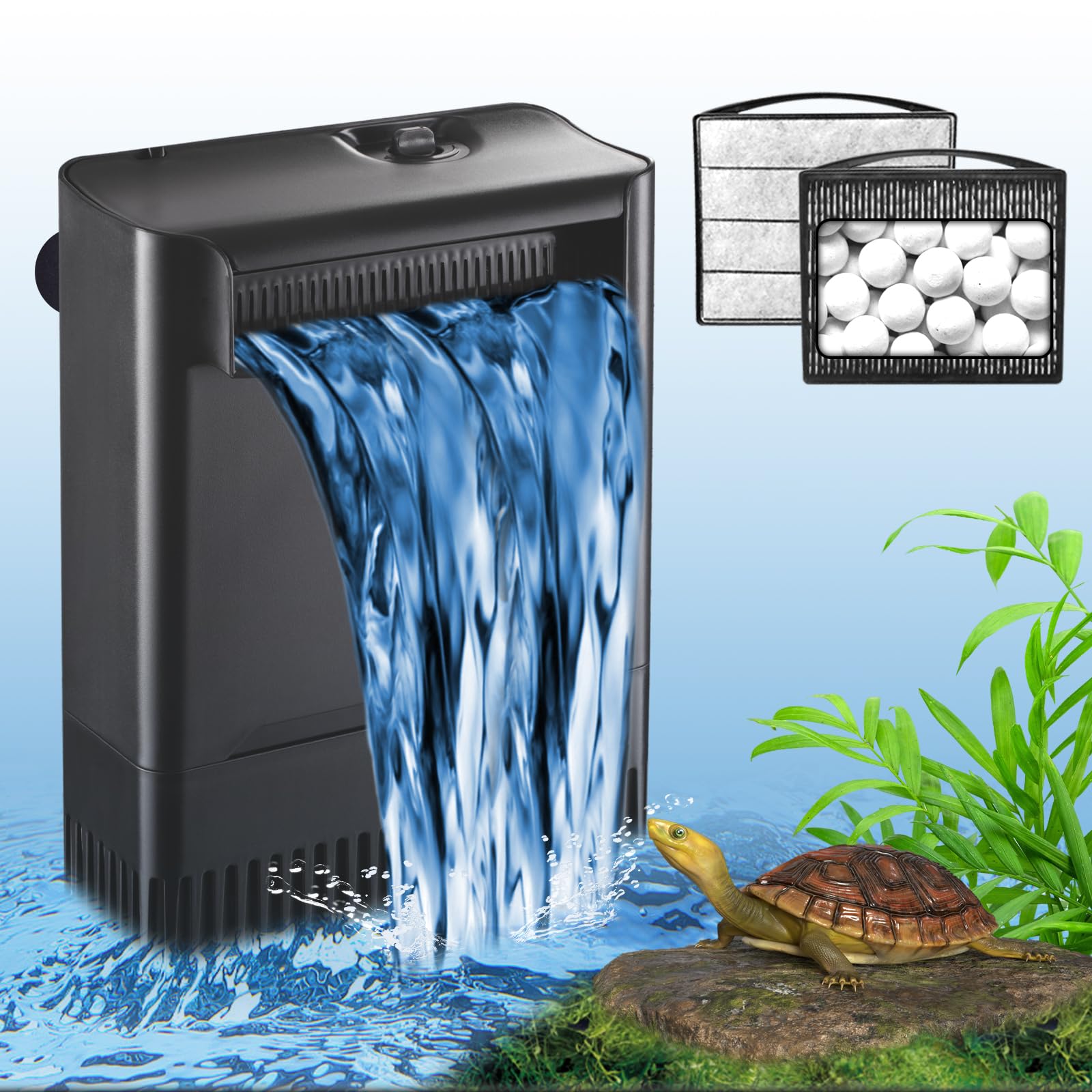
Filtration is the heart of any koi pond ecosystem. Without it, water quality will degrade quickly, no matter how beautiful the design is.
Koi produce a significant biological load, meaning they generate waste that must be continuously processed.
Understanding Pond Filtration Types
A complete filtration system typically includes three components:
1. Mechanical Filtration
Removes:
-
Solid waste
-
Leaves
-
Uneaten food
-
Debris
Common tools include:
-
Skimmers
-
Filter pads
-
Settling chambers
2. Biological Filtration
Supports beneficial bacteria that break down toxic compounds.
These bacteria convert:
-
Ammonia → Nitrite → Nitrate
This nitrogen cycle is essential for fish survival.
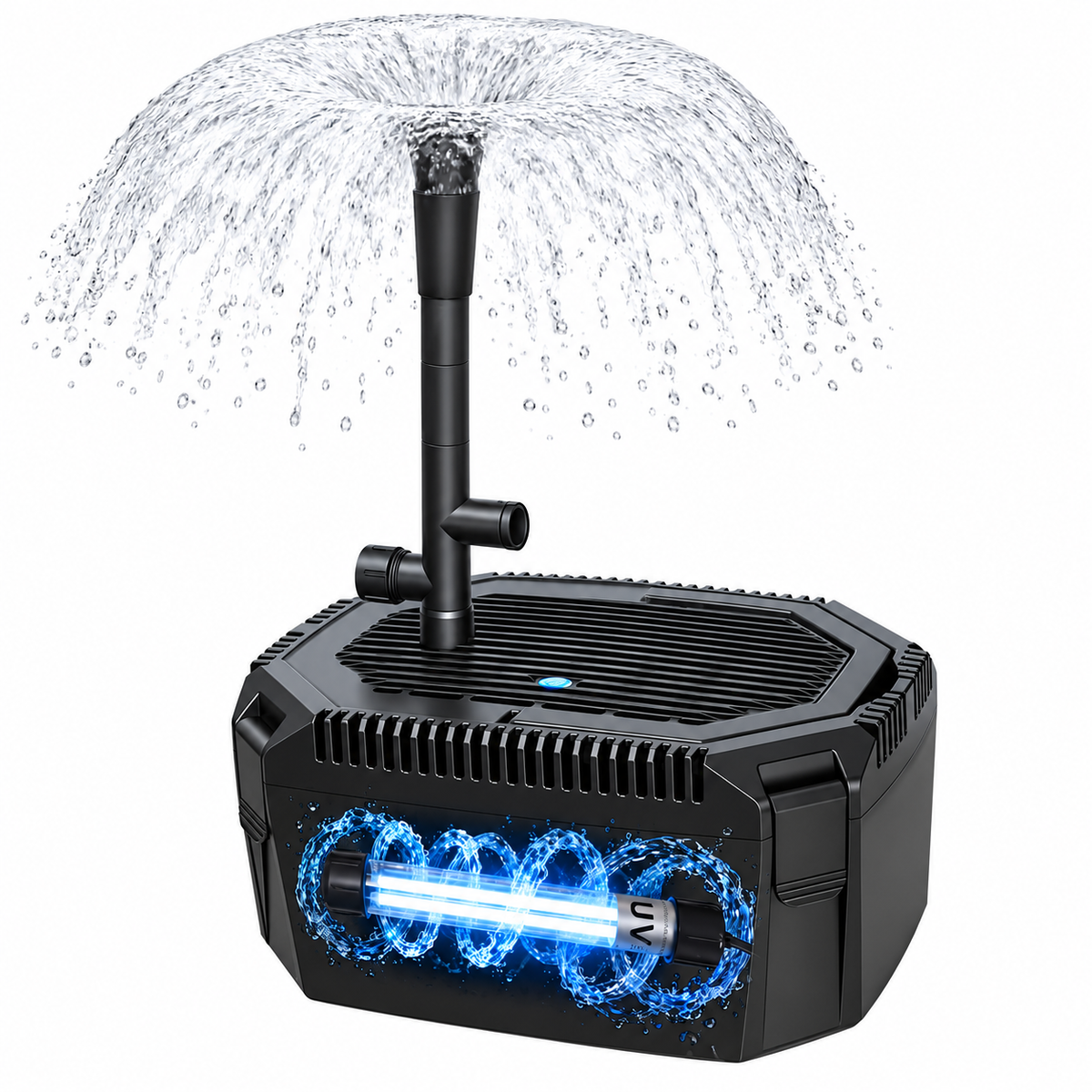
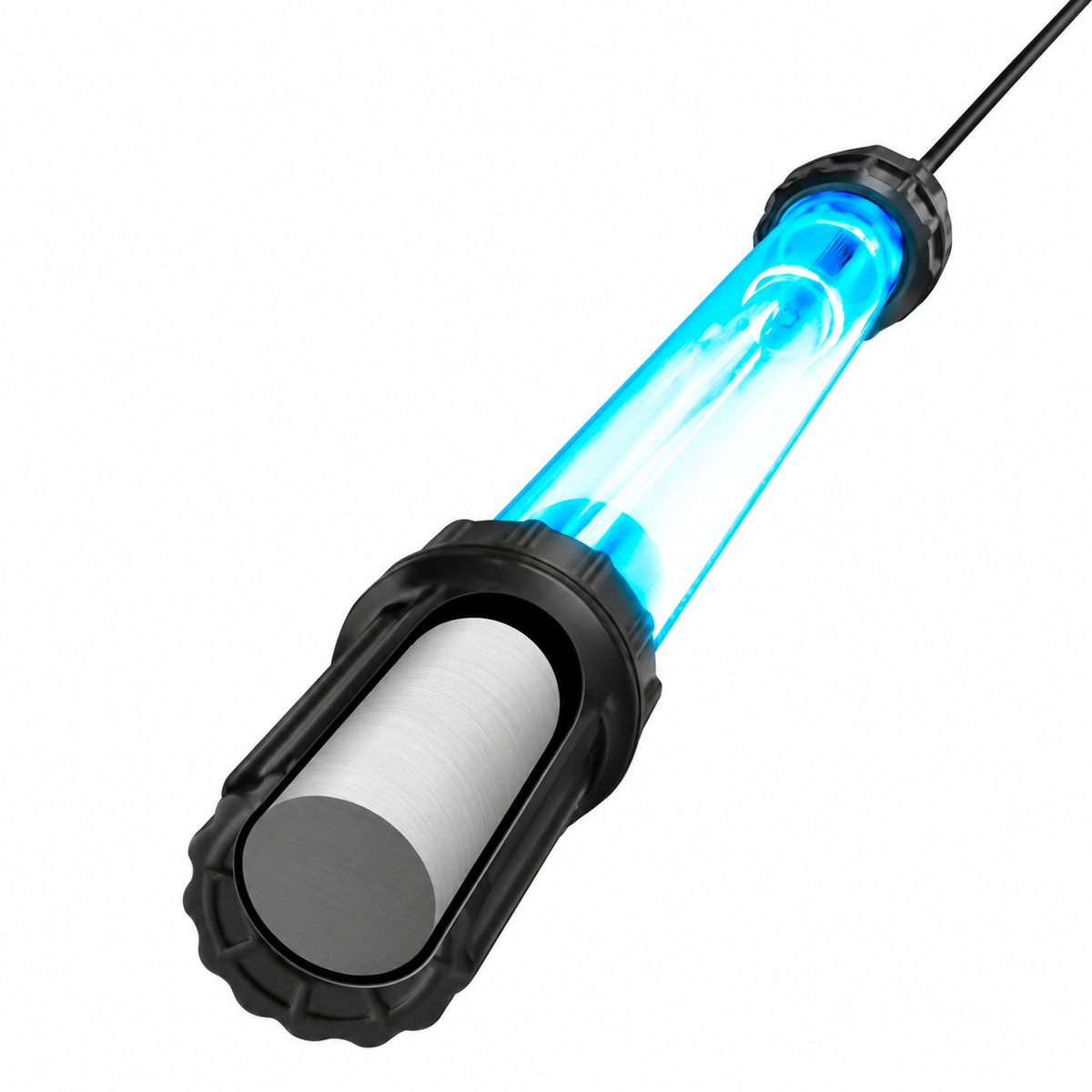
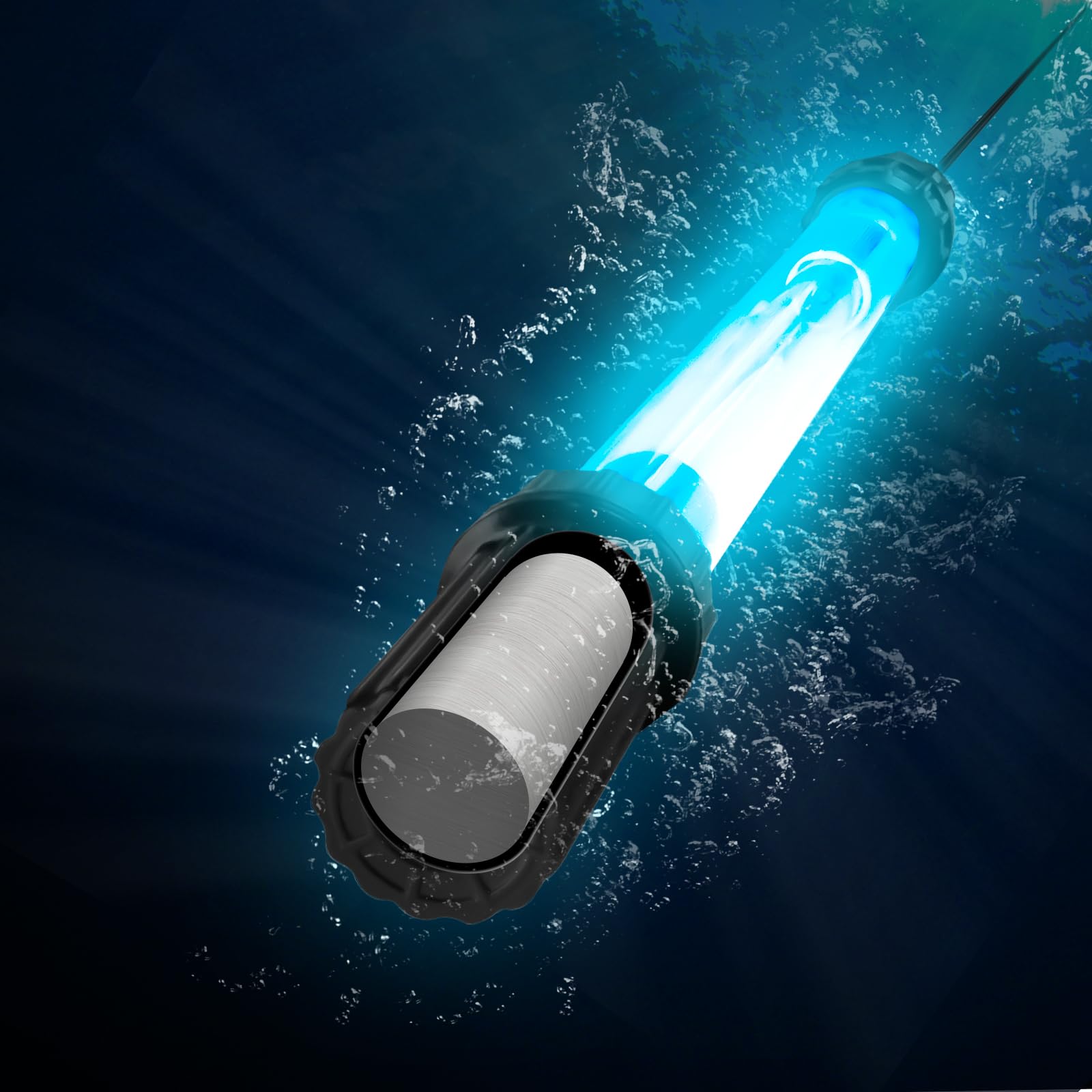
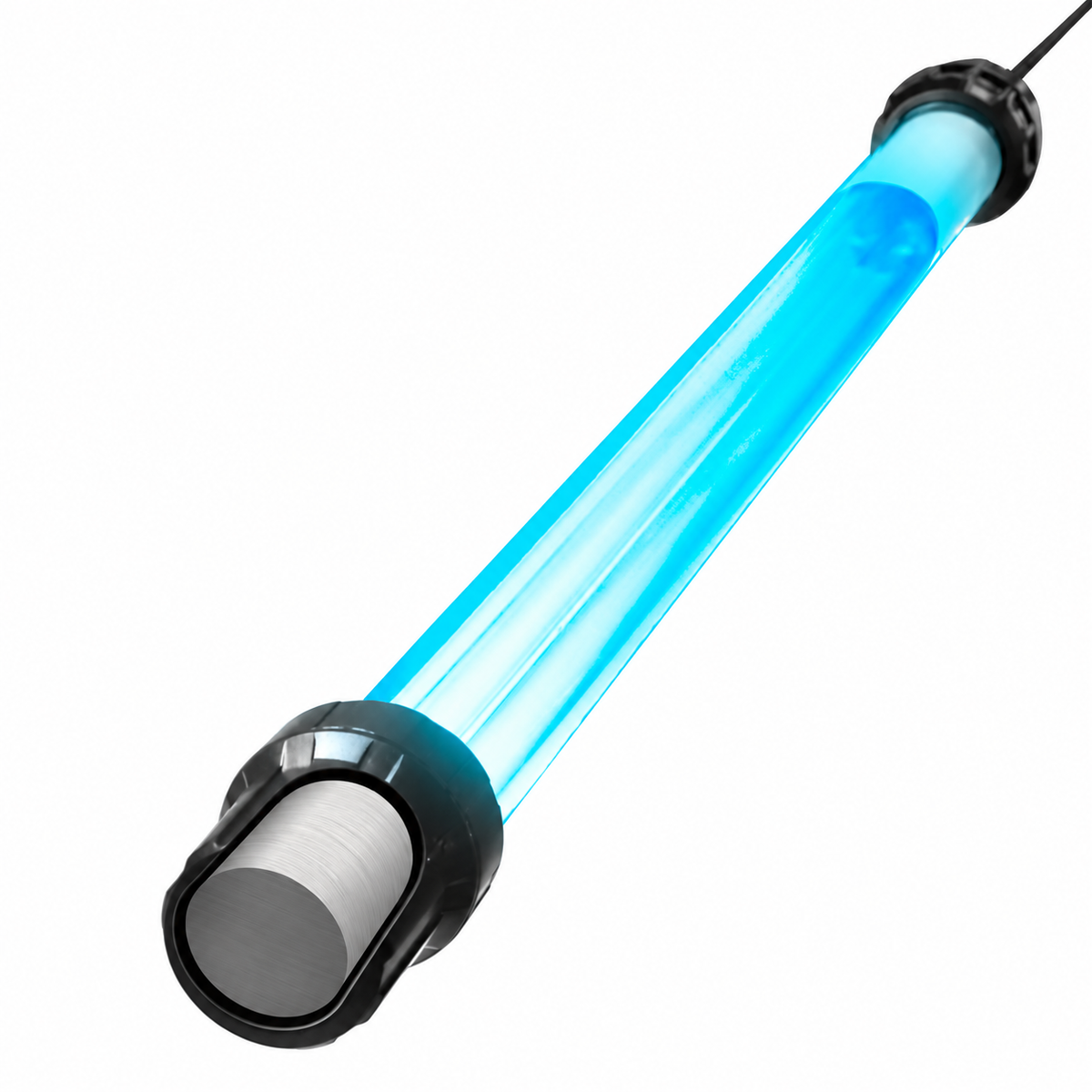
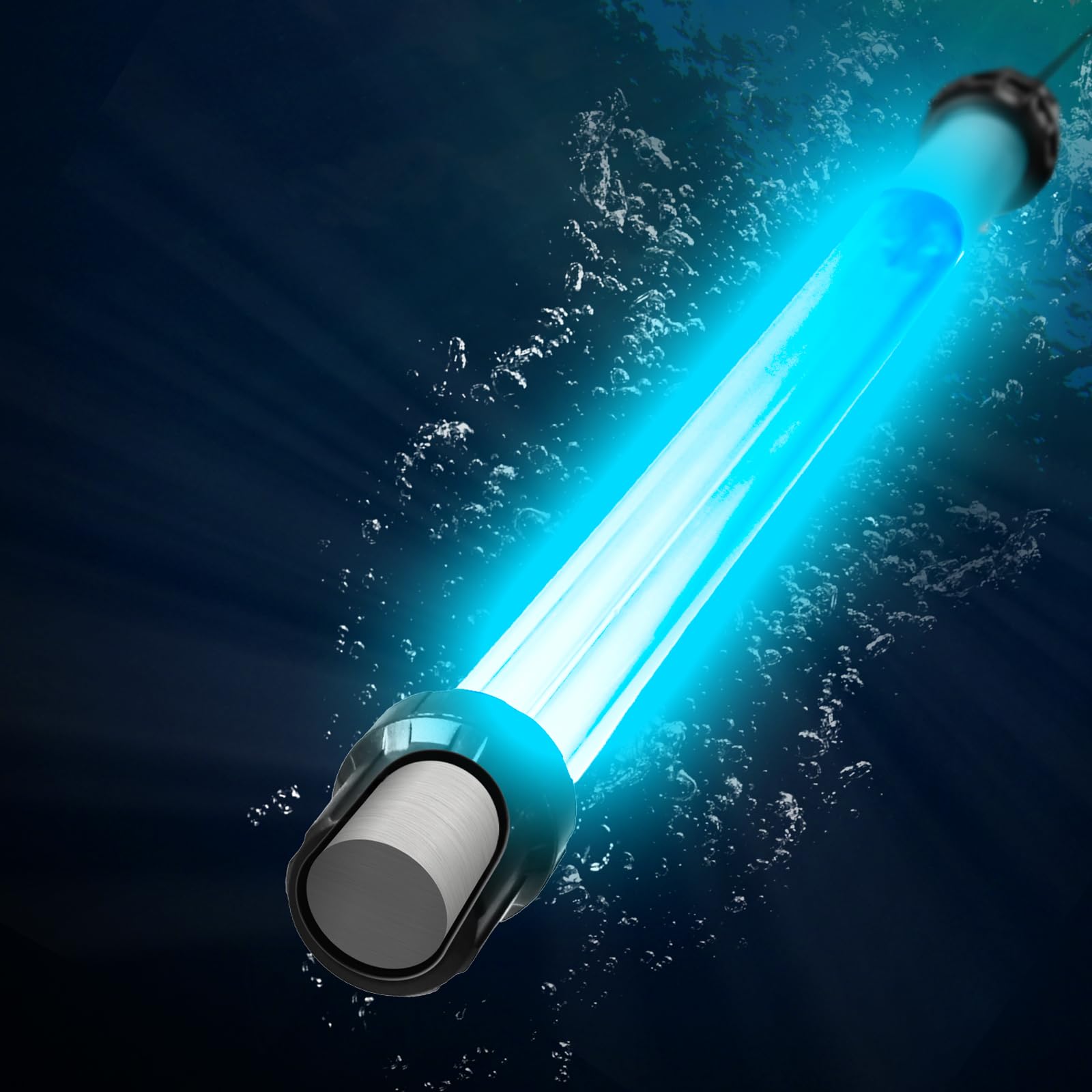
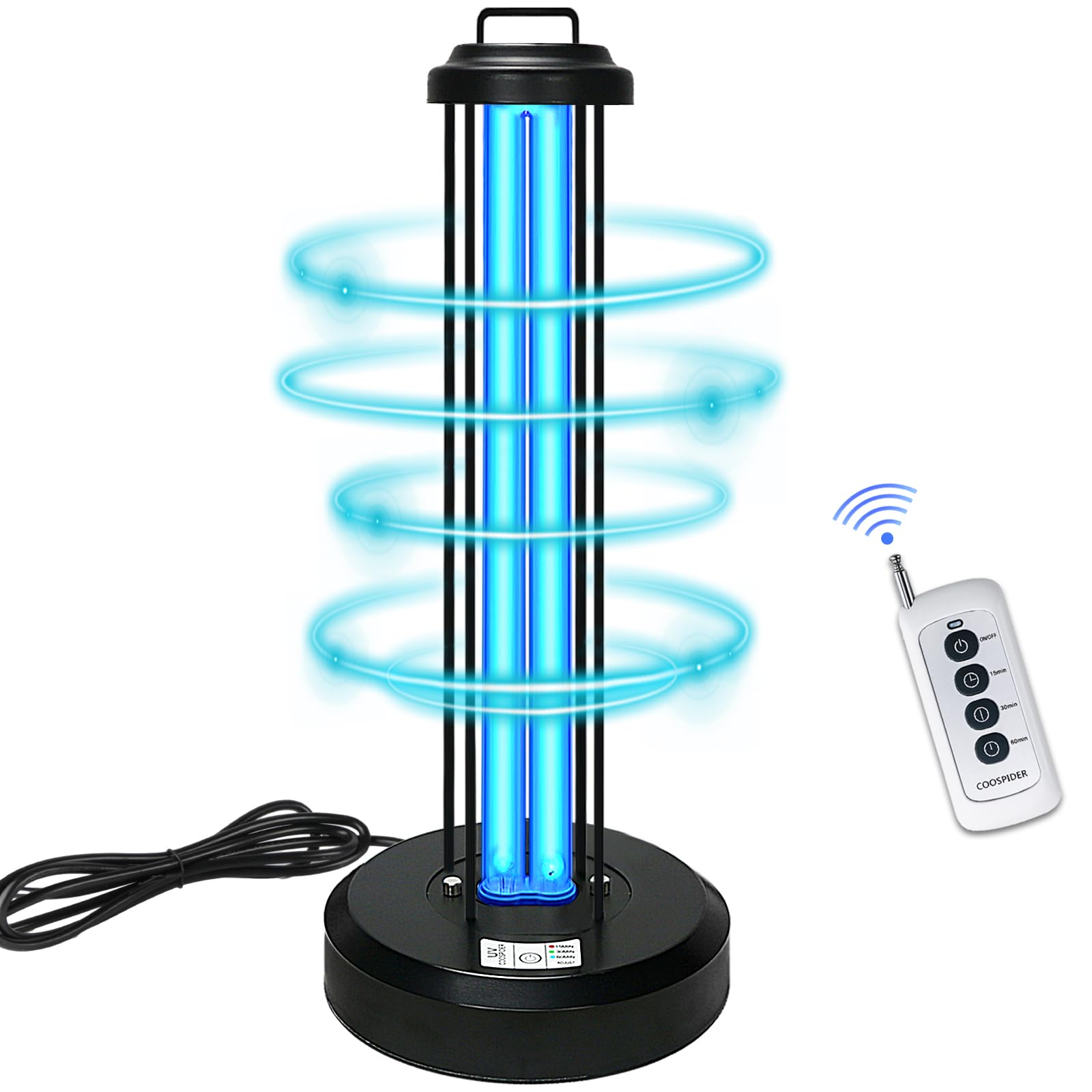
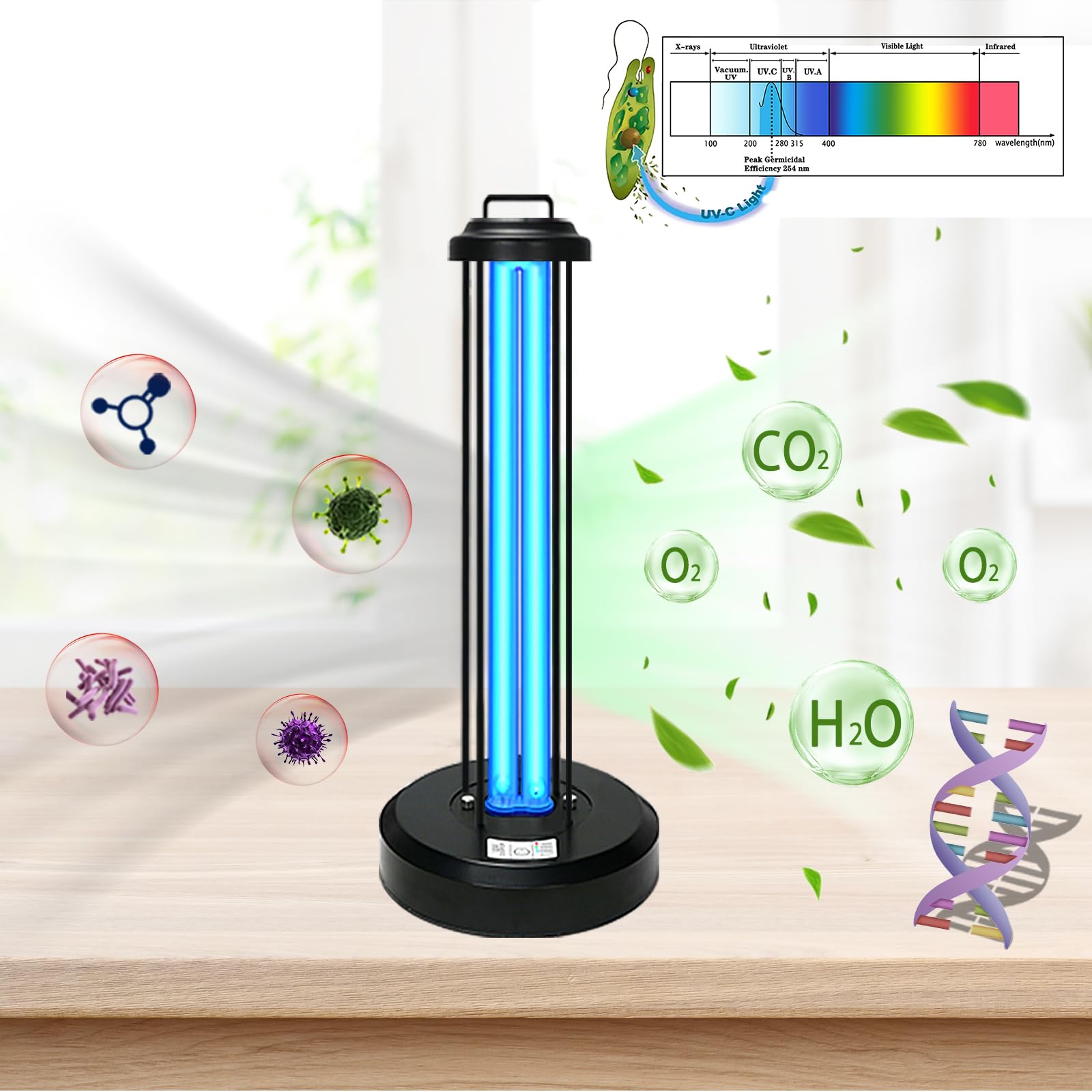
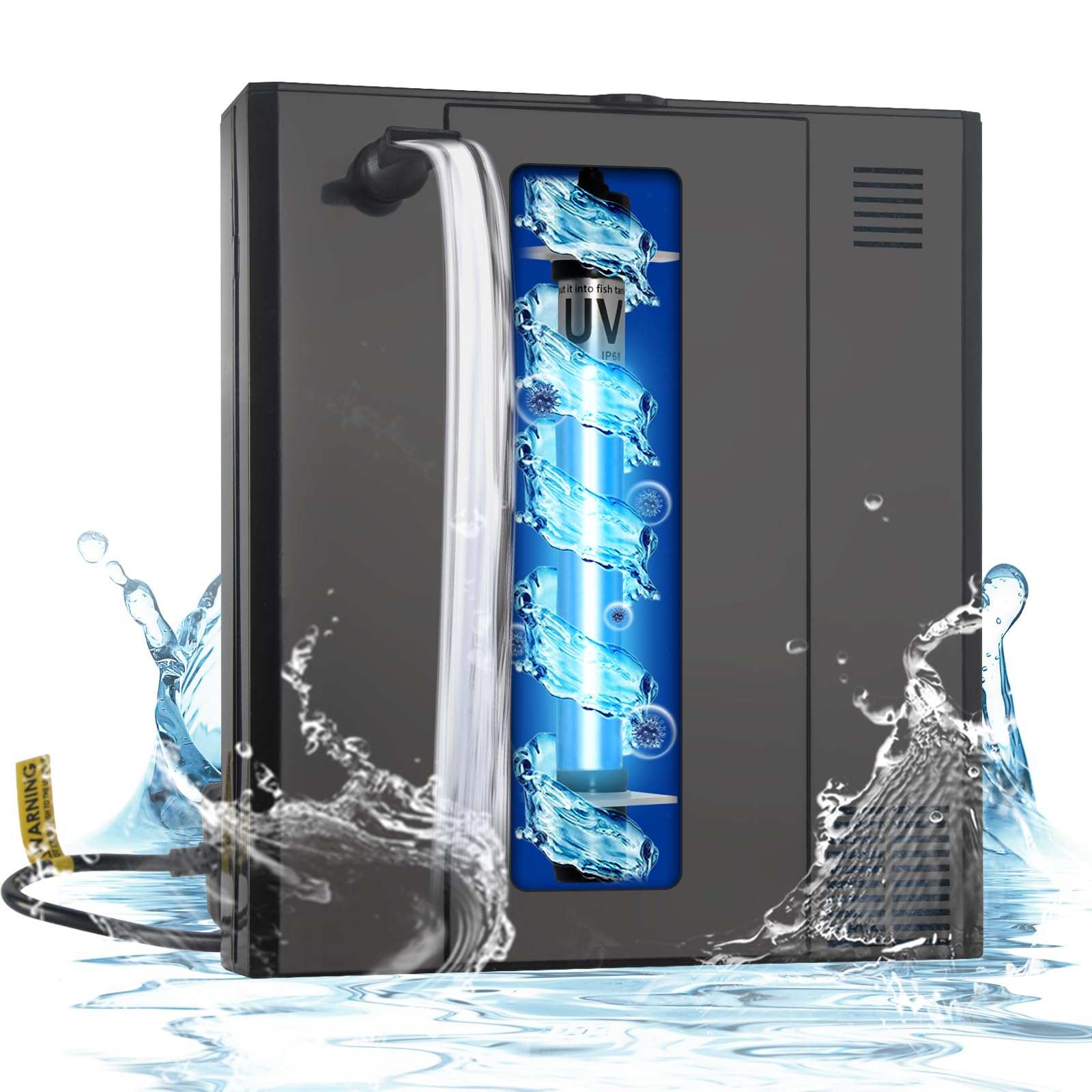
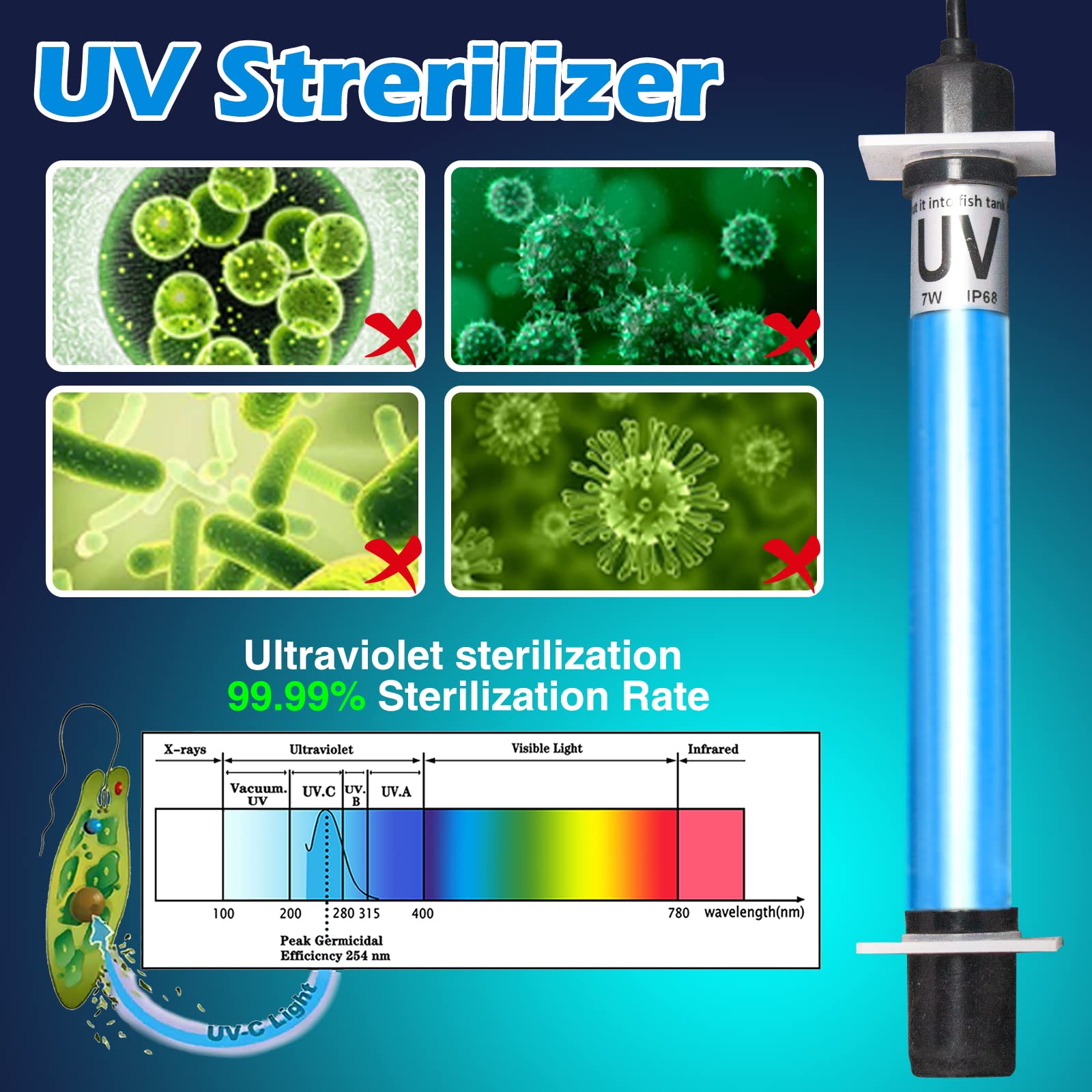
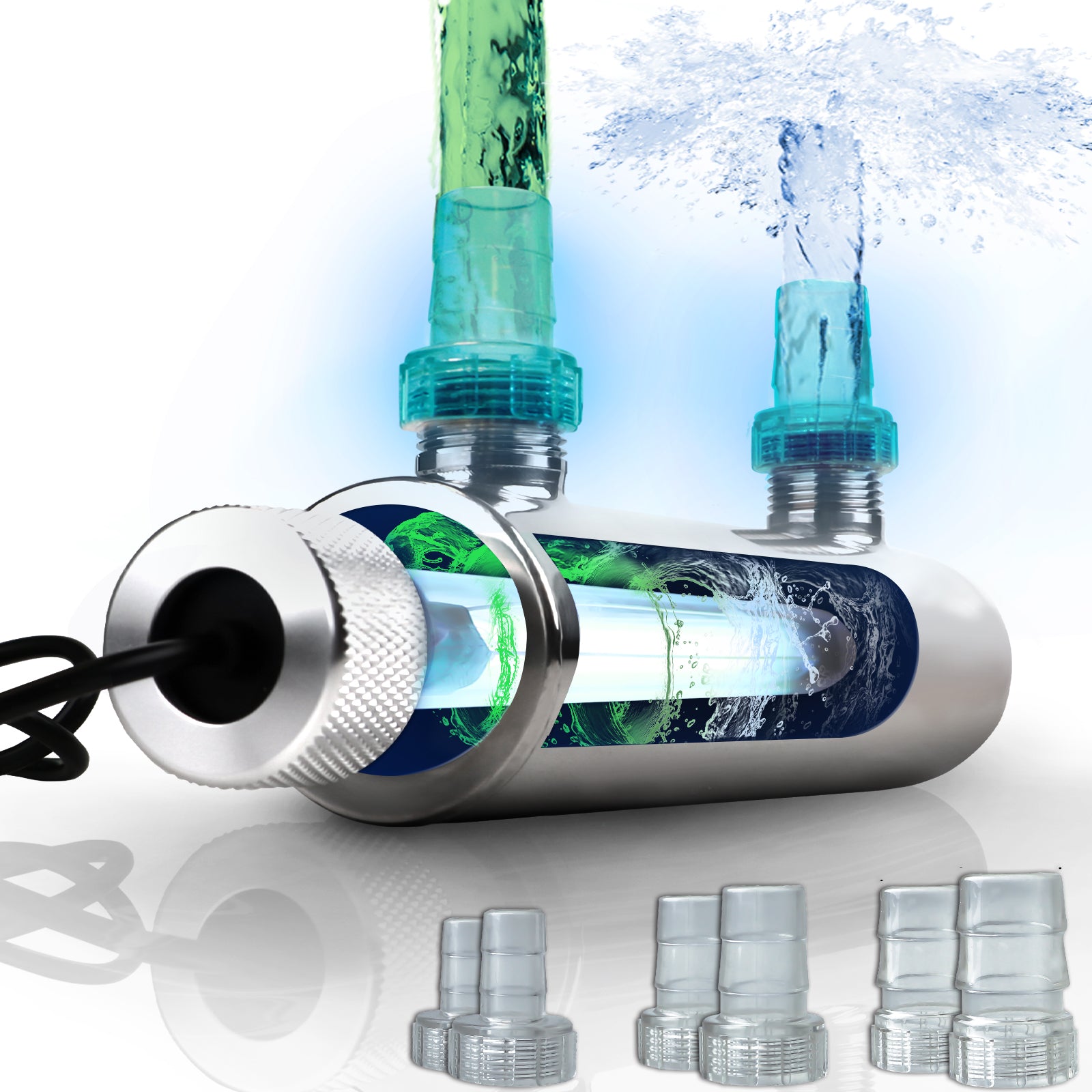
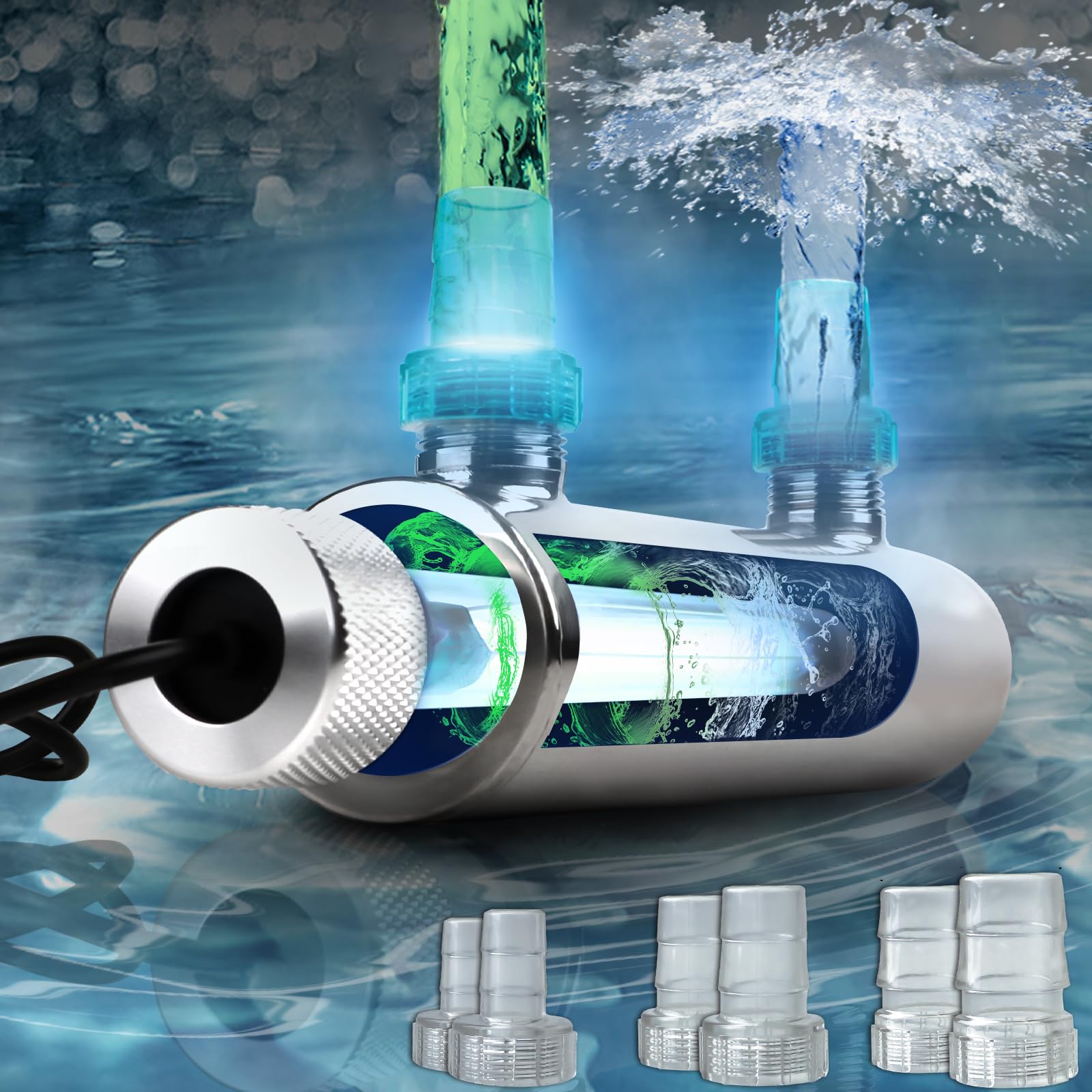
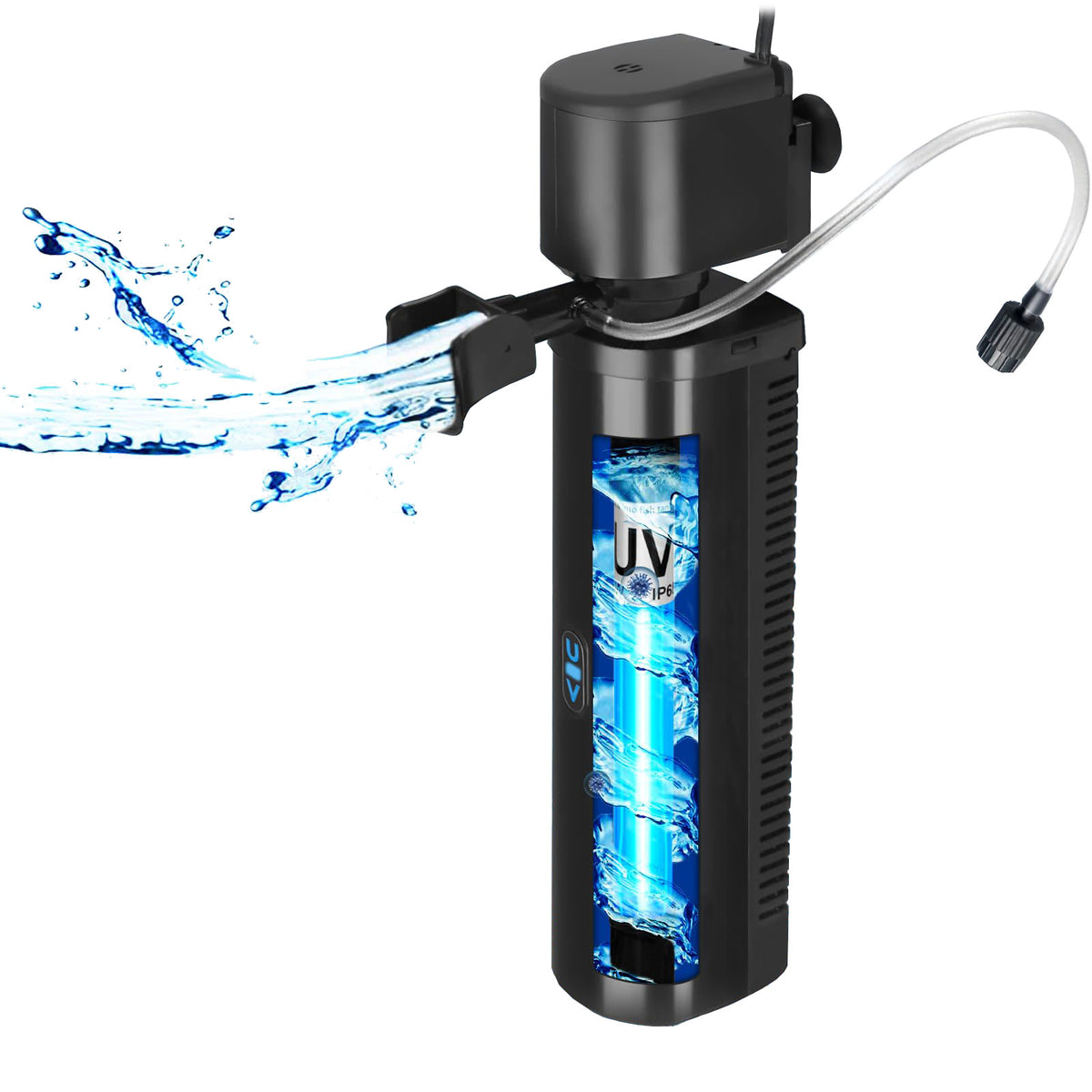
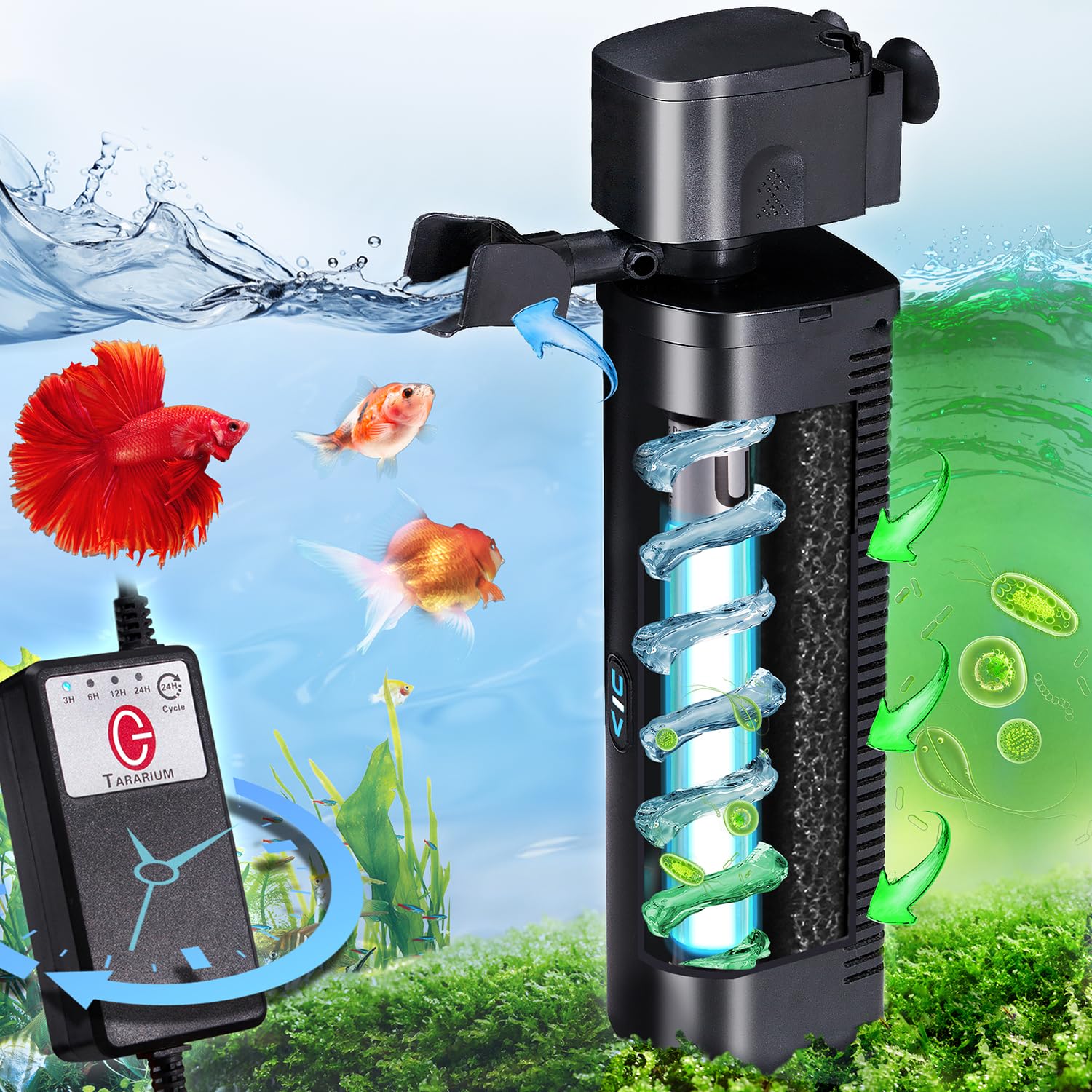
3. UV Clarifiers (Optional but Helpful)
UV systems help control:
-
Algae blooms
-
Green water
-
Microorganisms
They improve water clarity but do not replace biological filtration.
Pump Selection and Water Flow
Water circulation is essential for oxygenation and filtration efficiency.
Recommended flow rate:
-
At least once every 1–2 hours full pond turnover
A weak pump leads to stagnant zones and poor oxygen distribution.
Importance of Oxygenation
Koi require oxygen-rich water.
Oxygen is supported by:
-
Waterfalls
-
Air pumps
-
Surface agitation
Low oxygen levels lead to stress, disease, and poor fish growth.
Step 4: Establishing a Balanced Biological Ecosystem
A koi pond is not just water and fish—it is a living ecosystem that depends on biological stability.
The Nitrogen Cycle Explained
Fish waste produces ammonia, which is toxic.
Beneficial bacteria convert it into less harmful substances:
-
Ammonia (toxic)
-
Nitrite (also toxic)
-
Nitrate (less harmful, usable by plants)
Without this cycle, koi cannot survive long-term.
Cycling the Pond Before Adding Fish
New ponds must be "cycled" before introducing koi.
This process may take several weeks.
During cycling:
-
Beneficial bacteria establish
-
Water parameters stabilize
-
Toxic compounds are processed
Adding fish too early can cause fatal ammonia spikes.
Beneficial Plants in Koi Ponds
Aquatic plants help balance ecosystems by:
-
Absorbing nitrates
-
Reducing algae growth
-
Providing shade
-
Improving oxygen balance
Common pond plants include:
-
Water lilies
-
Lotus
-
Floating plants
However, koi may nibble on plants, so protection may be needed.
Avoiding Overcrowding
Too many koi leads to:
-
Poor water quality
-
Oxygen depletion
-
Increased disease risk
-
Filter overload
A stable ecosystem requires balanced fish density.
Step 5: Introducing Koi Fish and Long-Term Maintenance
Once the pond is cycled and stable, koi can finally be introduced.
Choosing Healthy Koi
Healthy koi should show:
-
Bright, clear eyes
-
Smooth skin without lesions
-
Active swimming behavior
-
Strong appetite
-
Even body shape
Avoid fish that appear lethargic or have visible injuries.
Acclimating New Fish Properly
Sudden changes in water conditions can shock koi.
Proper acclimation includes:
-
Floating transport bags in pond water
-
Gradually mixing pond water into the bag
-
Slow release after temperature equalization
This reduces stress and shock mortality.
Feeding Koi Fish Correctly
Feeding plays a major role in koi health and pond stability.
Best Feeding Practices
Koi should be fed:
-
Small portions
-
1–2 times daily
-
Only what they can consume in a few minutes
Overfeeding leads to:
-
Water pollution
-
Filter overload
-
Obesity in fish
Seasonal Feeding Adjustments
Koi metabolism changes with temperature:
-
Warm weather: higher feeding activity
-
Cold weather: reduced or stopped feeding
Feeding must match seasonal conditions.
Water Quality Management
Maintaining water quality is an ongoing responsibility.
Key Water Parameters
Important factors include:
-
Ammonia
-
Nitrite
-
Nitrate
-
pH level
-
Oxygen levels
Regular testing helps prevent hidden problems.
Partial Water Changes
Even with filtration, water must be refreshed.
Partial water changes help:
-
Dilute toxins
-
Rebalance minerals
-
Improve clarity
Common Beginner Mistakes in Koi Pond Building
Many new koi keepers encounter predictable challenges.
Mistake 1: Small Pond Size
Underestimating koi growth leads to overcrowding.
Mistake 2: Weak Filtration
Inadequate filtration is the most common cause of water problems.
Mistake 3: Overfeeding
Excess food quickly pollutes pond water.
Mistake 4: No Cycling Period
Skipping biological cycling leads to unstable water chemistry.
Mistake 5: Poor Maintenance Routine
Neglecting routine cleaning and testing creates long-term instability.
Seasonal Care for Koi Ponds
Ponds require different care throughout the year.
Spring
-
Restart filtration systems
-
Clean debris buildup
-
Gradually increase feeding
Summer
-
Monitor oxygen levels
-
Control algae growth
-
Ensure stable water temperature
Fall
-
Remove falling leaves
-
Reduce feeding
-
Prepare for winter transition
Winter
-
Maintain water opening for gas exchange
-
Reduce or stop feeding depending on temperature
-
Protect equipment from freezing
Enhancing Aesthetics: Creating a Natural Ecosystem Look
Beyond functionality, koi ponds are also landscape features.
Natural Design Elements
Popular additions include:
-
Rocks and boulders
-
Waterfalls
-
Driftwood
-
Aquatic plants
-
Gravel edges
Visual Flow Principles
A well-designed pond should feel:
-
Natural
-
Balanced
-
Integrated into the landscape
Avoid overly artificial layouts whenever possible.
Health Monitoring for Koi Fish
Regular observation helps prevent disease outbreaks.
Signs of Healthy Koi
-
Active swimming
-
Bright coloration
-
Smooth movement
-
Regular feeding behavior
Warning Signs
-
Lethargy
-
Surface gasping
-
White spots or lesions
-
Loss of appetite
Early detection improves treatment success.
Long-Term Success in Koi Keeping
A koi pond is not a one-time project—it is a long-term ecosystem.
Key Success Principles
-
Stable filtration
-
Balanced stocking density
-
Regular maintenance
-
Consistent observation
-
Seasonal adjustments
Patience Is Essential
Healthy koi ecosystems take time to mature and stabilize.
Final Thoughts
Building a perfect koi ecosystem pond as a beginner is absolutely achievable, but it requires careful planning, patience, and an understanding of natural biological processes.\n\nFrom selecting the right location and constructing a stable pond structure, to installing powerful filtration systems, establishing a balanced nitrogen cycle, and properly introducing koi fish, each step plays a critical role in long-term success.\n\nUnlike decorative water features, a koi pond is a living environment that evolves over time. When properly designed and maintained, it becomes a self-sustaining ecosystem that supports vibrant fish, clear water, and a peaceful natural atmosphere.\n\nFor beginners, the key is not rushing the process. A well-built koi pond rewards patience with years—sometimes decades—of beauty, relaxation, and connection to nature.