
A crystal-clear fish pond looks effortless from the outside. The water sparkles in sunlight, koi glide smoothly beneath the surface, and the entire ecosystem appears balanced and calm. But beneath that visual simplicity lies one of the most misunderstood systems in pond keeping: filtration.
Many pond owners believe clear water is achieved through stronger pumps, bigger filters, or chemical additives. In reality, long-term water clarity and fish health depend on understanding the relationship between two completely different filtration mechanisms:
-
Mechanical filtration
-
Biological filtration
These systems are often discussed together, but they solve entirely different problems. One removes visible waste. The other stabilizes the invisible chemistry that determines whether fish thrive or suffer.
Without proper mechanical filtration, ponds become physically dirty. Without proper biological filtration, ponds become chemically toxic—even if the water still looks clear.
This guide breaks down the science, engineering logic, and practical application of both filtration systems in detail, helping pond owners understand how to build a truly stable aquatic ecosystem instead of constantly fighting water problems.
1. Why “Clear Water” Is Often Misunderstood
One of the biggest misconceptions in pond keeping is assuming that visually clear water equals healthy water.
In reality:
-
A pond can look crystal clear while containing dangerous ammonia levels
-
A pond can appear slightly cloudy while remaining biologically healthy
Water clarity and water quality are related, but they are not the same thing.
To understand why, you must separate the two major filtration responsibilities:
Mechanical filtration handles physical waste
This includes:
-
Fish waste
-
Uneaten food
-
Leaves
-
Algae particles
-
Organic debris
Biological filtration handles dissolved toxicity
This includes:
-
Ammonia
-
Nitrite
-
Nitrogen waste compounds
These pollutants are invisible but far more dangerous to fish health.
2. The Fundamental Difference Between Mechanical and Biological Filtration
At the most basic level:
Mechanical filtration = physical removal
It removes solid particles from the water column.
Biological filtration = microbial conversion
It uses beneficial bacteria to transform toxic compounds into safer forms.
Key insight:
Mechanical filtration cleans the water visually.
Biological filtration stabilizes the ecosystem chemically.
Both are essential, but neither can fully replace the other.
3. Mechanical Filtration: The First Line of Defense
Mechanical filtration is responsible for removing visible debris before it decomposes.
Without it:
-
Waste accumulates
-
Organic matter breaks down
-
Water clarity declines
-
Oxygen consumption increases
-
Harmful bacteria multiply
How mechanical filtration works
Water passes through media that physically traps particles.
Common mechanical filtration materials include:
-
Filter pads
-
Foam sponges
-
Brushes
-
Sieves
-
Drum filters
-
Settlement chambers
The goal is prevention, not cleanup
The best mechanical filtration systems remove waste before it decomposes into dissolved pollutants.
This is critical because once solid waste breaks down:
-
Ammonia production begins
-
Biological demand increases
-
Oxygen levels decline
Mechanical filtration reduces the burden on the biological system.
4. Why Mechanical Filtration Alone Is Never Enough
Many beginner ponds rely heavily on mechanical filtration while neglecting biological balance.
This creates a dangerous illusion:
“The water looks clean, so the pond must be healthy.”
But invisible toxins still accumulate.
The hidden problem
Fish continuously release ammonia through:
-
Respiration
-
Waste excretion
-
Organic decomposition
Mechanical filters cannot remove dissolved ammonia effectively.
Without biological filtration:
-
Ammonia rises
-
Nitrite spikes follow
-
Fish become stressed and vulnerable to disease
5. Biological Filtration: The Invisible Life Support System
Biological filtration is the true heart of pond stability.
It relies on colonies of beneficial bacteria that convert toxic nitrogen compounds through the nitrogen cycle.
The nitrogen cycle explained
Fish waste produces ammonia.
The biological process follows three stages:
-
Ammonia (highly toxic)
-
Nitrite (also toxic)
-
Nitrate (relatively safe in controlled amounts)
Beneficial bacteria perform this conversion naturally.
Why biological filtration matters
Without nitrifying bacteria:
-
Fish are chemically poisoned by their own waste
-
Immune systems weaken
-
Oxygen transport is impaired
-
Disease outbreaks become frequent
Even if water looks perfectly clear.
6. The Two Critical Bacterial Colonies
Biological filtration depends on two major bacterial groups.
Ammonia-oxidizing bacteria
These convert ammonia into nitrite.
They are highly sensitive to:
-
Chlorine
-
Oxygen deprivation
-
Sudden temperature changes
Nitrite-oxidizing bacteria
These convert nitrite into nitrate.
They grow more slowly and require stable environments.
Important reality:
Healthy ponds are not just water systems—they are bacterial ecosystems.
7. Surface Area: The Core of Biological Filtration
Beneficial bacteria do not float freely in water.
They attach to surfaces.
This is why biological filtration media are designed to maximize surface area.
Common biological media
-
Ceramic rings
-
Lava rock
-
Bio balls
-
Porous sintered glass
-
Moving bed media
The more protected surface area available, the larger the bacterial colony.
Why surface design matters
Effective media must balance:
-
Surface area
-
Water flow
-
Oxygen exposure
-
Debris resistance
Not all media are equally efficient.
8. Oxygen: The Most Overlooked Requirement
Nitrifying bacteria are aerobic organisms.
They require oxygen continuously.
Without oxygen:
-
Bacterial efficiency collapses
-
Ammonia conversion slows
-
Anaerobic bacteria may develop
Common oxygenation methods
-
Air pumps
-
Air stones
-
Waterfalls
-
Venturi injectors
-
Surface agitation systems
Important insight:
A biological filter without sufficient oxygen is not truly functional.
9. Mechanical Filtration Protects Biological Filtration
One of the most important concepts in pond engineering is:
Mechanical filtration exists to support biological filtration.
Why this matters
If solid waste reaches biological media:
-
Pores become clogged
-
Oxygen penetration decreases
-
Harmful sludge accumulates
-
Beneficial bacteria decline
This dramatically reduces system efficiency.
The ideal filtration sequence
-
Mechanical waste removal
-
Biological detoxification
-
Return of stabilized water
This layered approach prevents overload.
10. Common Mechanical Filtration Systems
Filter pads and sponges
Simple and affordable.
Best for:
-
Small ponds
-
Light fish loads
Weakness:
-
Frequent cleaning required
Settlement chambers
Use gravity to allow heavy waste to settle.
Best for:
-
Large koi ponds
-
High-volume systems
Drum filters
Advanced automatic systems that remove fine particles continuously.
Advantages:
-
Extremely efficient
-
Low maintenance
-
Excellent water clarity
Weakness:
-
Higher cost
Sieve filters
Mechanically separate debris before decomposition.
Popular in koi pond systems.
11. Common Biological Filtration Systems
Static media chambers
Water flows through stationary biological media.
Simple and effective.
Moving bed filters
Media tumbles continuously in aerated chambers.
Advantages:
-
High oxygen exposure
-
Self-cleaning behavior
-
Excellent bacterial efficiency
Trickle towers and shower filters
Water cascades over media exposed to air.
Benefits:
-
Extremely high oxygen transfer
-
Excellent ammonia conversion
Bog filtration systems
Use aquatic plants and natural bacteria together.
Often used in natural ecosystem ponds.
12. Why Pond Balance Fails
Most pond problems are not caused by a single failure.
They happen because mechanical and biological systems become imbalanced.
Example 1: Strong mechanical filtration, weak biology
Result:
-
Clear water
-
High ammonia
-
Sick fish
Example 2: Strong biology, weak mechanical removal
Result:
-
Stable chemistry
-
Excess sludge
-
Murky appearance
True stability requires both systems working together.
13. The Role of Flow Rate in Filtration Efficiency
Water movement determines how effectively filtration functions.
Poor flow causes:
-
Dead zones
-
Waste accumulation
-
Low oxygen pockets
-
Uneven bacterial activity
Excessive flow causes:
-
Reduced contact time
-
Mechanical bypassing
-
Biological inefficiency
Ideal flow design balances:
-
Waste transport
-
Oxygen delivery
-
Contact efficiency
-
System turnover
14. Fish Load: The Ultimate Filtration Stress Test
Every fish increases biological demand.
Koi ponds are especially demanding because koi produce enormous waste relative to many aquarium fish.
Overstocking leads to:
-
Ammonia spikes
-
Nitrite instability
-
Oxygen depletion
-
Chronic fish stress
Important principle:
Filtration should be designed for future fish size, not current size.
Small koi eventually become large waste producers.
15. Maintenance Mistakes That Destroy Filtration Stability
Many pond owners accidentally weaken their systems during cleaning.
Common mistake: over-cleaning biological media
Aggressive cleaning removes beneficial bacteria colonies.
Correct method
Rinse biological media gently using pond water, not chlorinated tap water.
Another common mistake: neglecting mechanical cleaning
Dirty mechanical filters:
-
Restrict flow
-
Reduce oxygen
-
Create decomposition zones
Balance is critical.
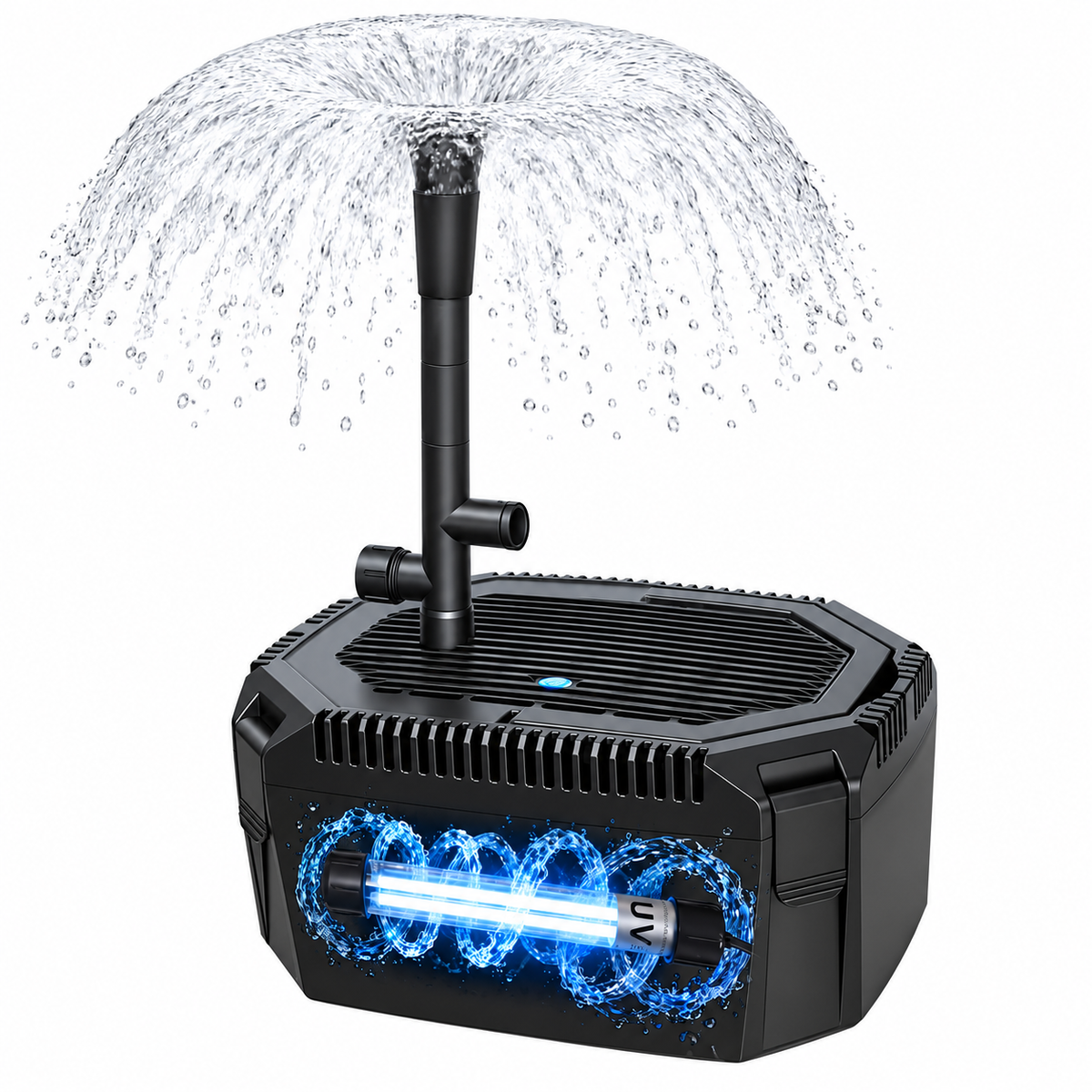
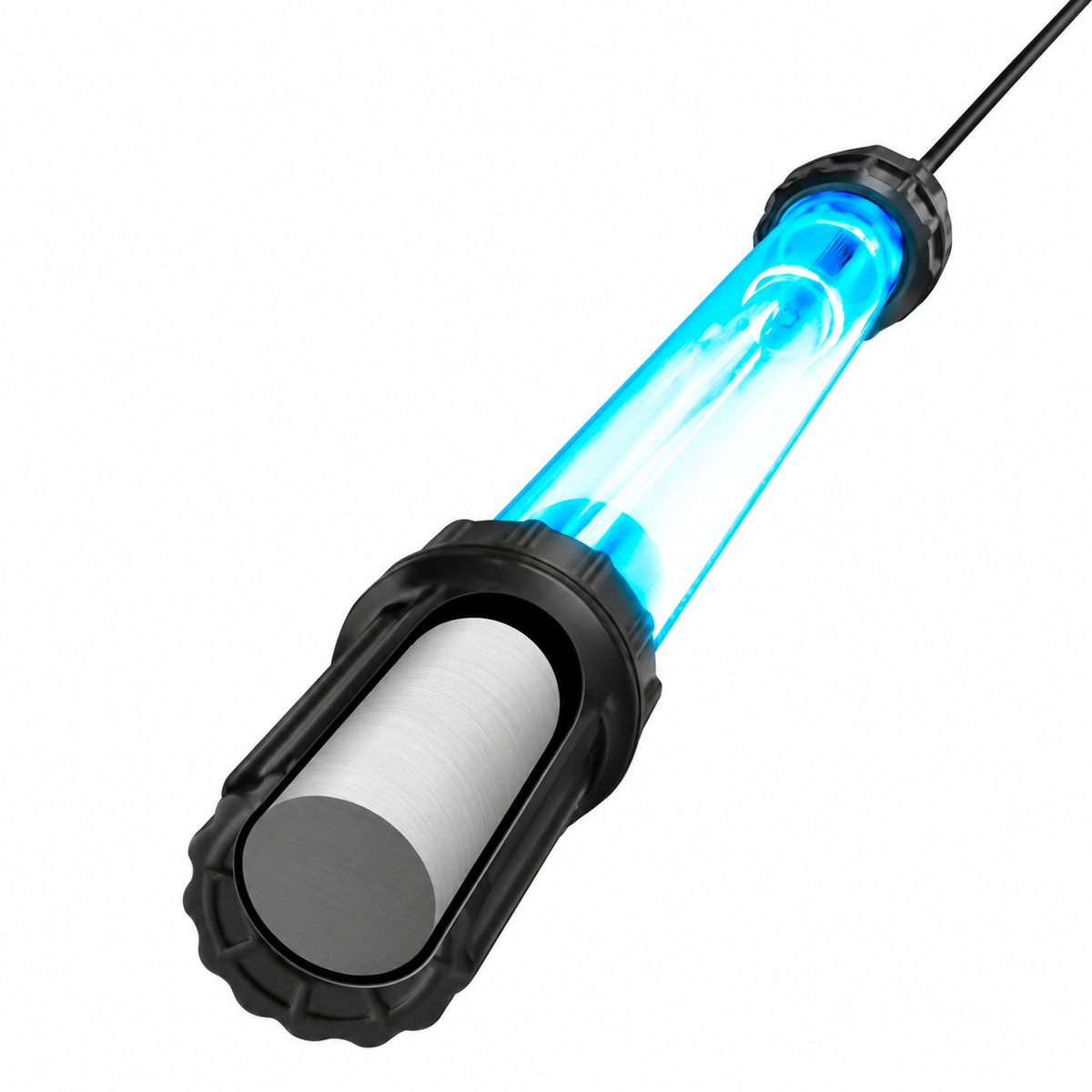
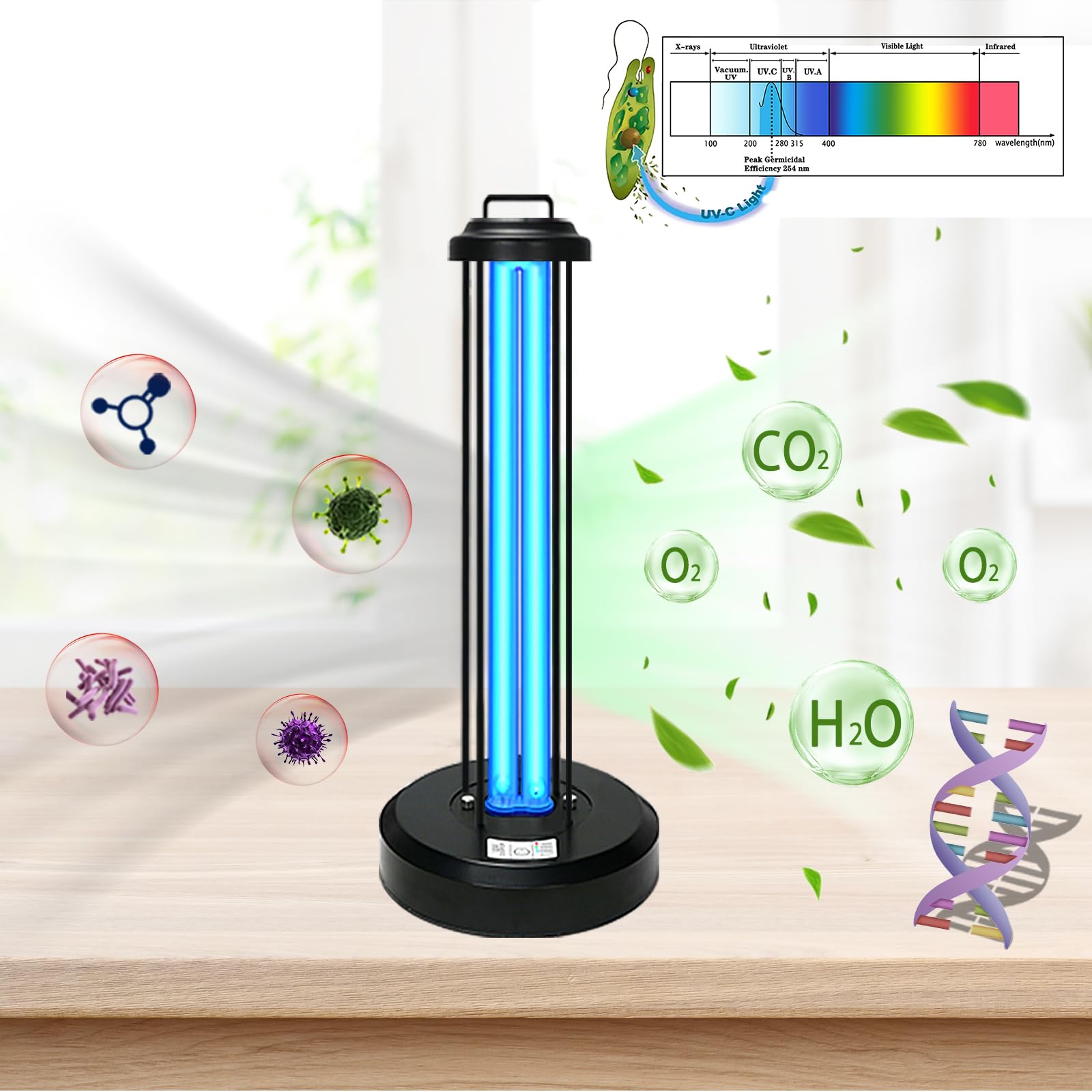
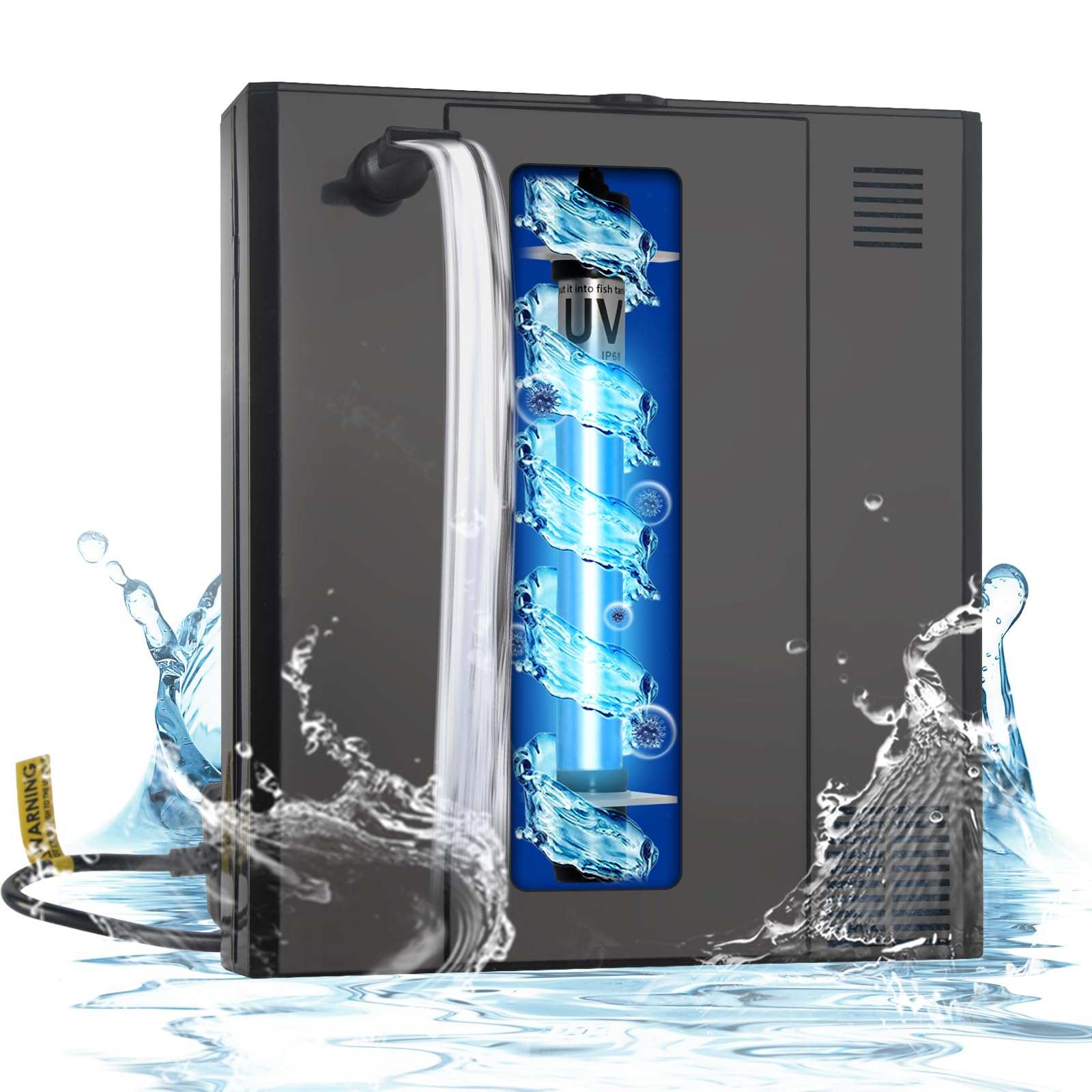
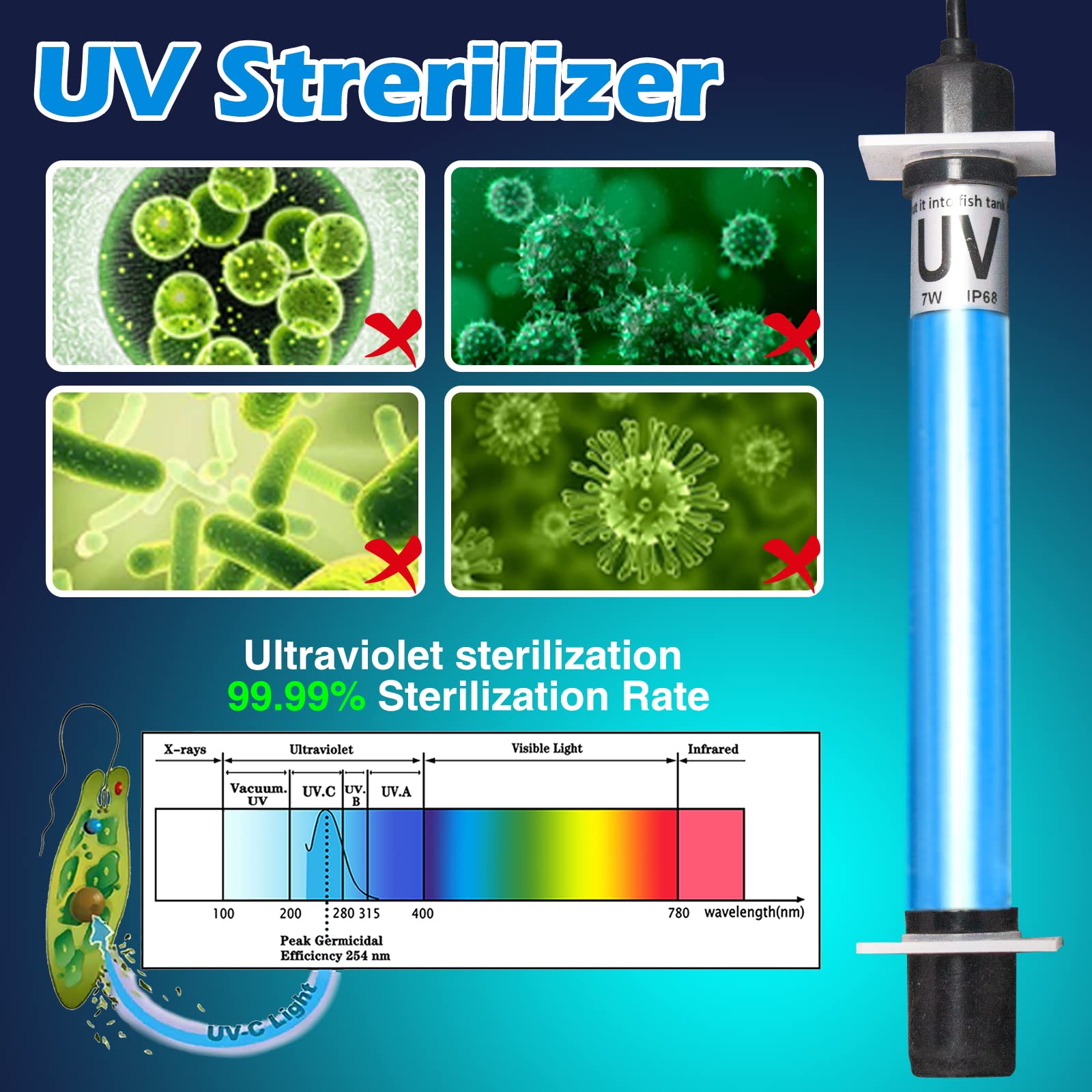
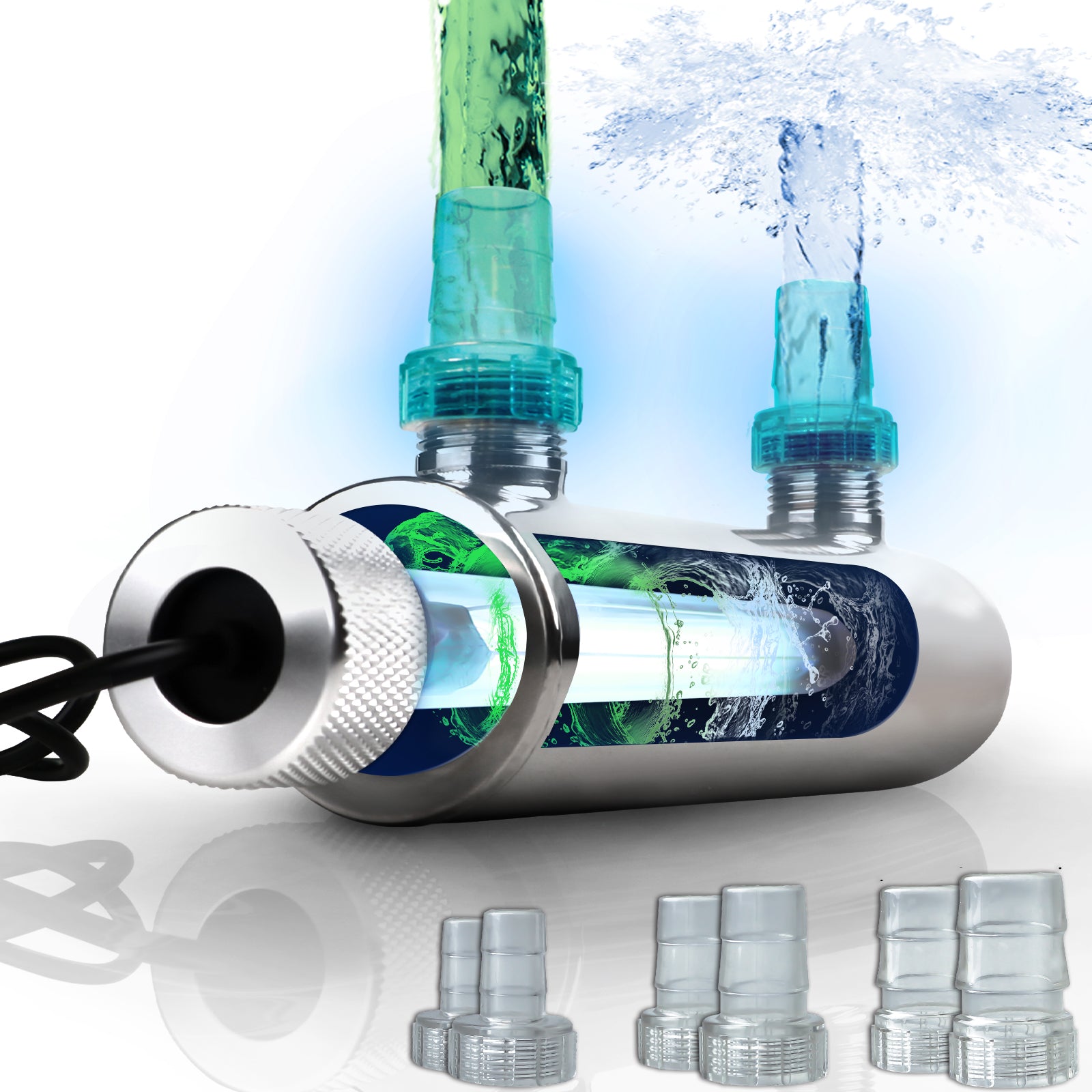
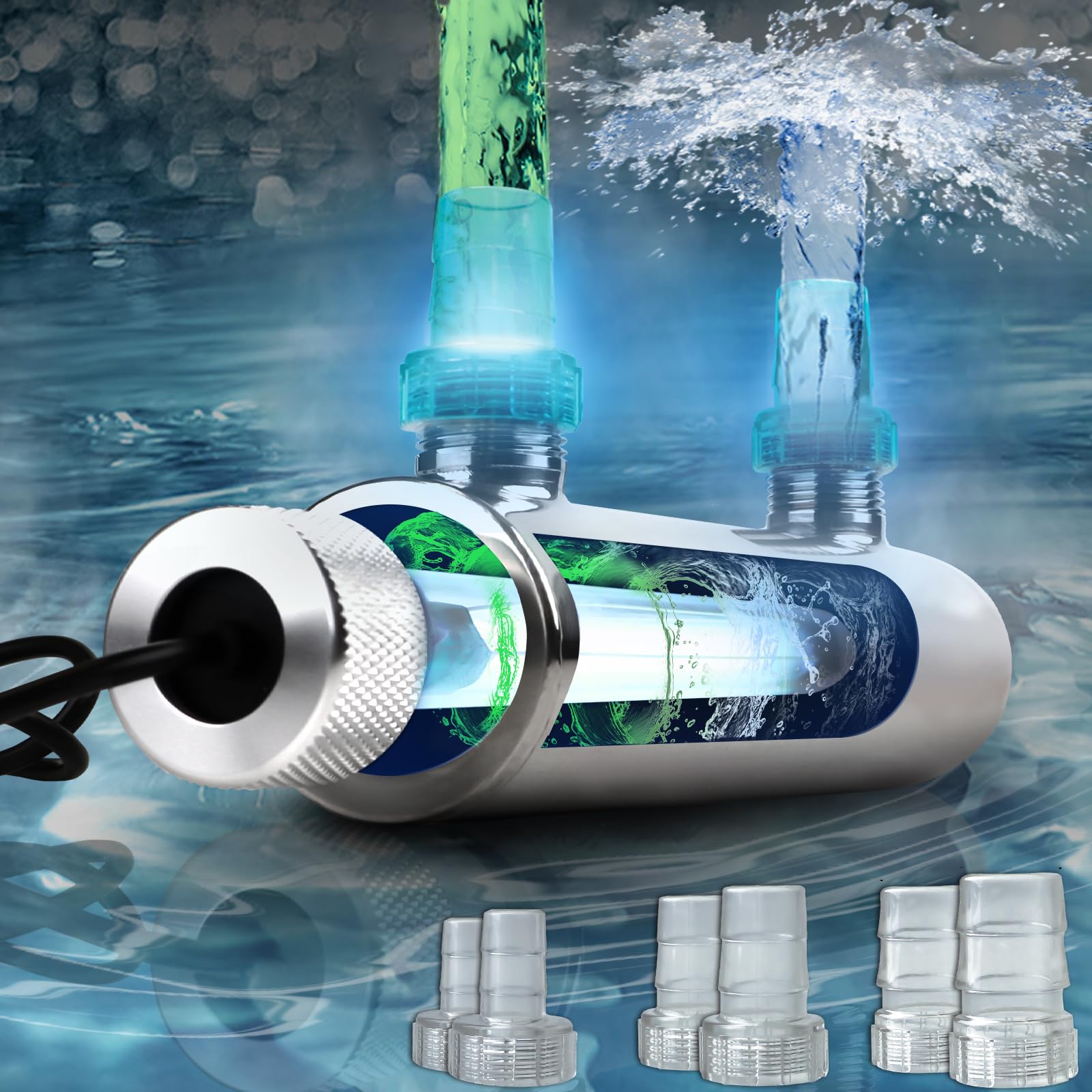
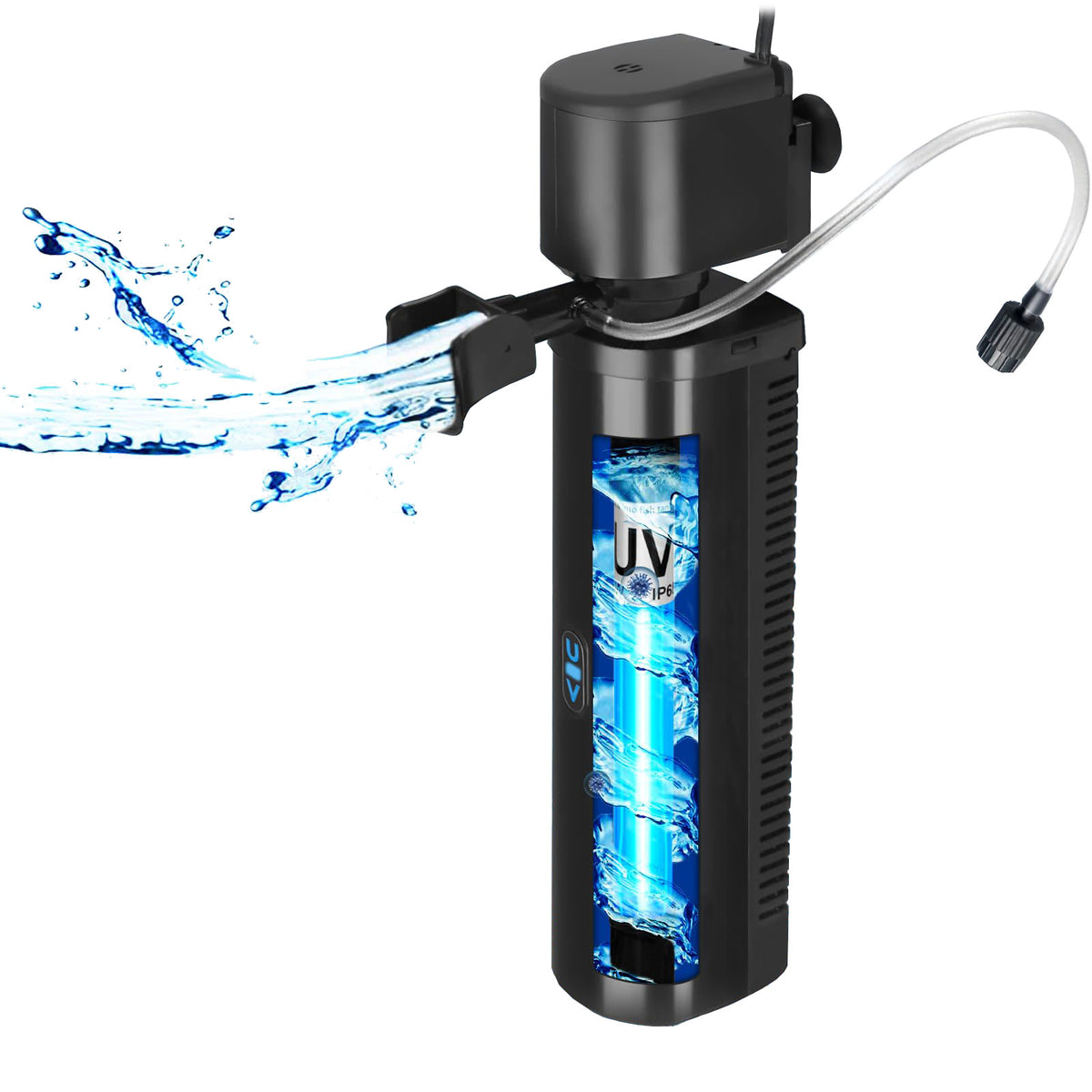
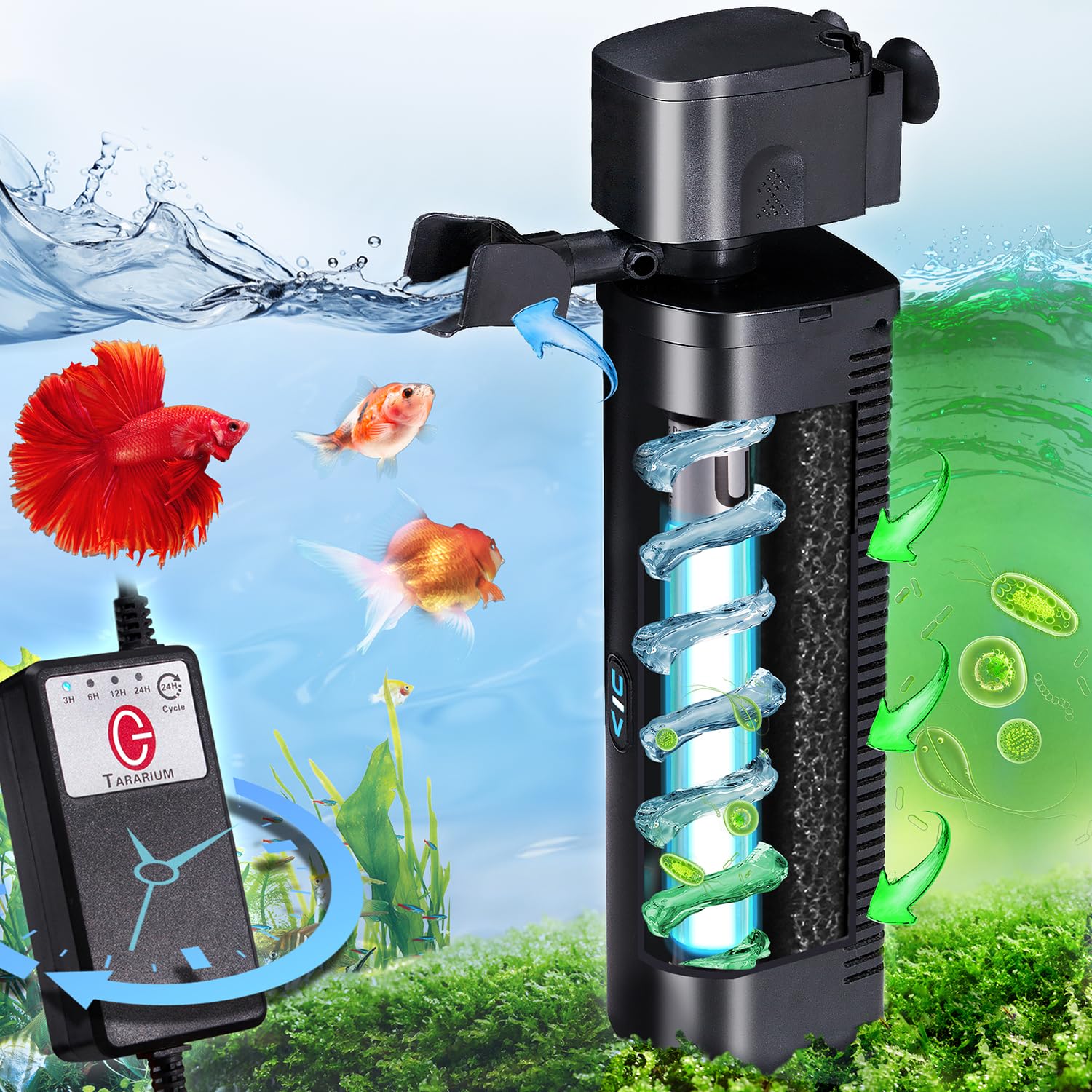
16. UV Clarifiers: Helpful but Often Misunderstood
UV clarifiers help control:
-
Green water algae
-
Suspended microorganisms
But they are not substitutes for filtration.
Important distinction:
UV systems improve visual clarity.
Biological filtration improves ecosystem stability.
17. Seasonal Changes and Filtration Performance
Filtration systems behave differently across seasons.
Cold weather effects
-
Bacterial metabolism slows
-
Ammonia processing decreases
Summer effects
-
Fish feeding increases
-
Waste production rises
-
Oxygen demand increases
A stable pond system must adapt to seasonal biological changes.
18. Signs Your Filtration System Is Failing
Watch for:
-
Cloudy water
-
Surface foam
-
Fish gasping
-
Sluggish fish behavior
-
Elevated ammonia or nitrite
-
Excess sludge buildup
Important insight:
Fish symptoms often appear before water visibly deteriorates.
19. The Best Filtration Systems Combine Multiple Layers
Modern high-performance ponds rarely rely on a single filter.
Instead, they combine:
-
Mechanical pre-filtration
-
Biological conversion systems
-
Oxygenation systems
-
Circulation management
-
UV clarification (optional)
The goal is ecosystem stability, not just clean-looking water.
20. The Future of Pond Filtration Technology
Modern filtration technology is evolving rapidly.
Emerging trends include:
-
Automated self-cleaning systems
-
Smart monitoring sensors
-
Energy-efficient circulation pumps
-
AI-assisted water management
-
Advanced bio-media engineering
But despite technological advances, the core principles remain unchanged.
Healthy ponds still depend on:
-
Efficient waste removal
-
Stable bacterial ecosystems
-
Proper oxygenation
-
Balanced fish loads
Conclusion: Mechanical and Biological Filtration Are Partners, Not Competitors
Mechanical filtration and biological filtration are often discussed as separate systems, but in reality they are deeply interconnected.
Mechanical filtration:
-
Removes physical waste
-
Protects water clarity
-
Reduces decomposition load
Biological filtration:
-
Detoxifies dissolved waste
-
Stabilizes water chemistry
-
Protects fish health
One manages what you can see.
The other manages what you cannot.
A truly healthy pond requires both systems working in harmony. When properly balanced, they create an environment where water remains clear, fish remain healthy, and the ecosystem becomes increasingly stable over time.
In the end, the secret to crystal-clear pond water is not stronger chemicals or bigger pumps. It is understanding the biological logic behind how water, waste, oxygen, bacteria, and filtration interact as one living system.