
A modern backyard is no longer just an outdoor space. It has become an extension of the home itself—a place for relaxation, visual balance, social gatherings, and emotional escape from increasingly fast-paced lifestyles. Among all outdoor design features, few elements create the same sense of tranquility and sophistication as a well-designed koi pond.
But building a koi pond is not simply about digging a hole and adding fish. In contemporary landscape architecture, the pond must function as part of a larger design ecosystem. It needs to complement the home’s architectural language, connect naturally with surrounding hardscape and greenery, and create a balanced relationship between water, light, texture, and movement.
When done correctly, a koi pond becomes more than a decorative feature. It becomes the emotional centerpiece of the entire backyard.
This guide explores how to integrate a koi pond into modern landscape design using practical planning principles, aesthetic strategies, engineering considerations, and long-term maintenance thinking—all while preserving fish health and creating a visually cohesive outdoor environment.
1. Why Modern Landscape Design Is Embracing Koi Ponds Again
Koi ponds have existed for centuries, but modern homeowners are approaching them differently than in the past.
Traditional ponds often focused heavily on ornamentation:
-
Decorative statues
-
Dense plant overgrowth
-
Highly curved pond shapes
-
Visually busy layouts
Modern landscape trends, however, prioritize:
-
Simplicity
-
Clean geometry
-
Natural material harmony
-
Open visual flow
-
Functional outdoor living
A contemporary koi pond is no longer isolated from the backyard. It is integrated into the entire architectural and environmental experience.
2. Start With the Overall Landscape Vision First
One of the biggest design mistakes homeowners make is treating the pond as an afterthought.
A successful koi pond should never feel “added later.” Instead, it should be planned alongside:
-
Patio zones
-
Walkways
-
Lighting
-
Seating areas
-
Planting design
-
Outdoor kitchens
-
Architectural sightlines
Ask the key design question early:
“What emotional experience should this backyard create?”
Different design goals produce different pond styles.
For example:
Minimalist retreat
-
Geometric pond shapes
-
Neutral stone palettes
-
Calm reflective water surfaces
Nature-inspired sanctuary
-
Organic pond edges
-
Layered planting
-
Waterfall integration
Luxury entertainment backyard
-
Illuminated water features
-
Infinity-edge pond design
-
Integrated lounge spaces
The pond should support the overall atmosphere—not compete against it.
3. Choosing the Right Pond Style for Modern Homes
The architectural style of the home strongly influences pond design.
Contemporary minimalist homes
Best pond characteristics:
-
Rectangular or linear geometry
-
Dark interior finishes
-
Mirror-like water reflections
-
Hidden filtration systems
-
Minimal clutter
Materials often include:
-
Concrete
-
Porcelain pavers
-
Black basalt
-
Smooth steel edging
Natural modern landscapes
Best pond characteristics:
-
Softer curves
-
Natural stone integration
-
Aquatic planting balance
-
Blended ecosystem appearance
Materials often include:
-
Weathered stone
-
Gravel
-
Wood decking
-
Native plants
Luxury modern estates
Best pond characteristics:
-
Large-scale water features
-
Architectural lighting
-
Elevated viewing platforms
-
Multi-level water movement
The key is consistency. Every pond element should align with the home’s architectural language.
4. Pond Placement: The Most Important Design Decision
Location determines not only visual impact, but also long-term pond performance.
Ideal placement considerations
Visibility from inside the house
One of the most effective design strategies is creating visual connection between indoor and outdoor spaces.
A pond visible from:
-
Living rooms
-
Dining areas
-
Home offices
creates year-round emotional value.
Sunlight balance
Too much direct sunlight can cause:
-
Algae growth
-
Water overheating
-
Oxygen instability
Too little sunlight can create:
-
Poor plant growth
-
Flat visual appearance
Most ponds benefit from partial sunlight exposure.
Avoiding tree overload
Large trees near ponds may create:
-
Excess leaf debris
-
Root interference
-
Filtration overload
Strategic shade is beneficial, but excessive organic debris creates maintenance challenges.
5. Water as a Reflective Design Element
Modern landscape design often uses water as a visual mirror.
Still water creates:
-
Architectural reflections
-
Expanded spatial perception
-
Calm emotional atmosphere
Mirror pond design principles
To maximize reflection:
-
Use dark pond interiors
-
Minimize surface turbulence
-
Simplify surrounding visual clutter
-
Maintain precise water levels
This style is especially effective in contemporary minimalist landscapes.
6. Integrating Hardscape and Pond Geometry
Hardscape design strongly influences whether the pond feels cohesive.
Matching lines and proportions
The pond shape should align with:
-
Patio geometry
-
Deck alignment
-
Structural architecture
-
Walkway direction
Randomly shaped ponds often feel disconnected in modern spaces.
Material coordination
Use consistent material language across:
-
Pond coping
-
Walkways
-
Retaining walls
-
Seating areas
Consistency creates visual harmony.
Popular modern material combinations
-
Black stone + warm wood
-
Concrete + steel
-
Limestone + minimalist planting
-
Porcelain tile + reflective water
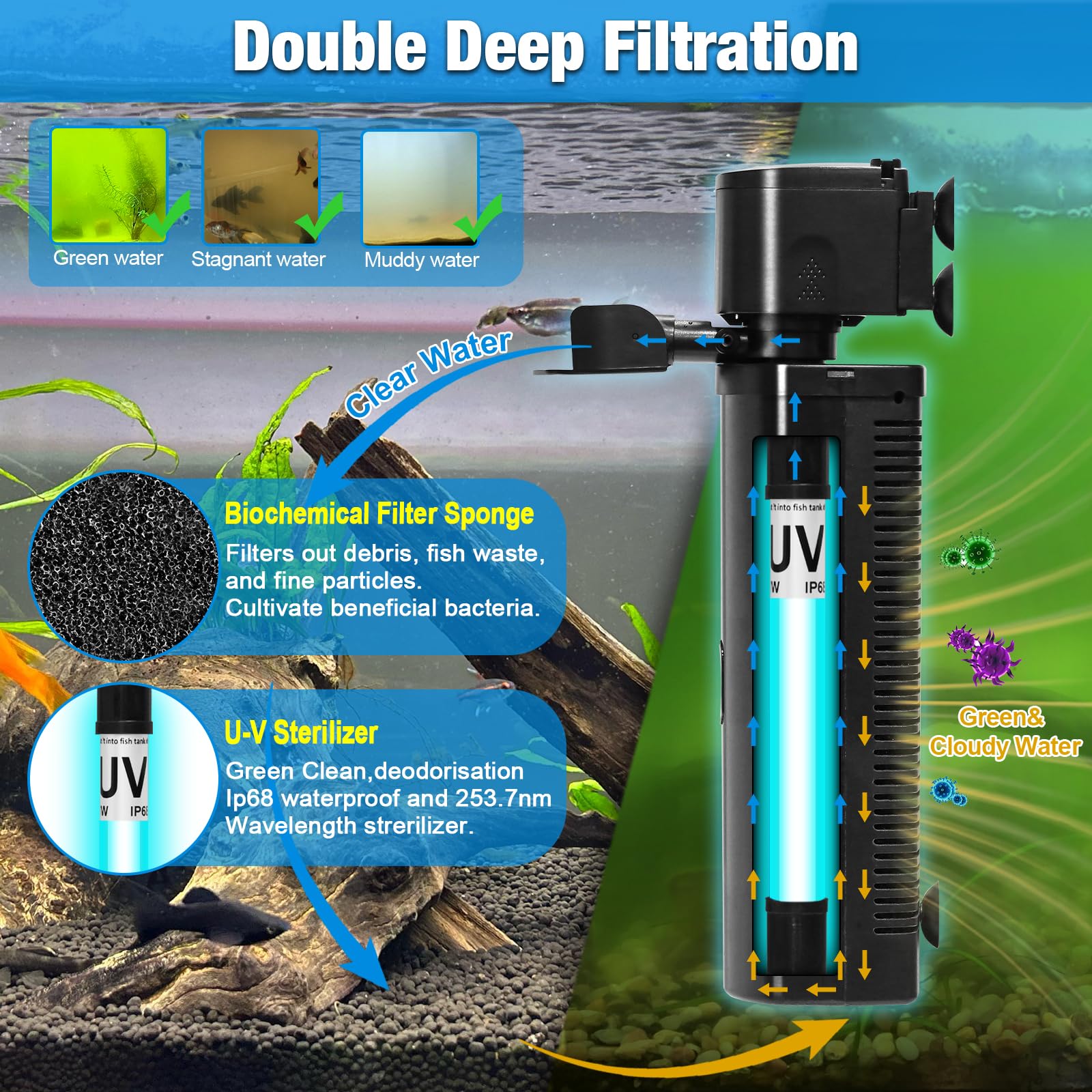
7. Hidden Filtration: The Secret to Modern Pond Design
One hallmark of modern design is visual simplicity.
That means:
-
No exposed hoses
-
No visible filter boxes
-
No distracting equipment clutter
Filtration should disappear visually
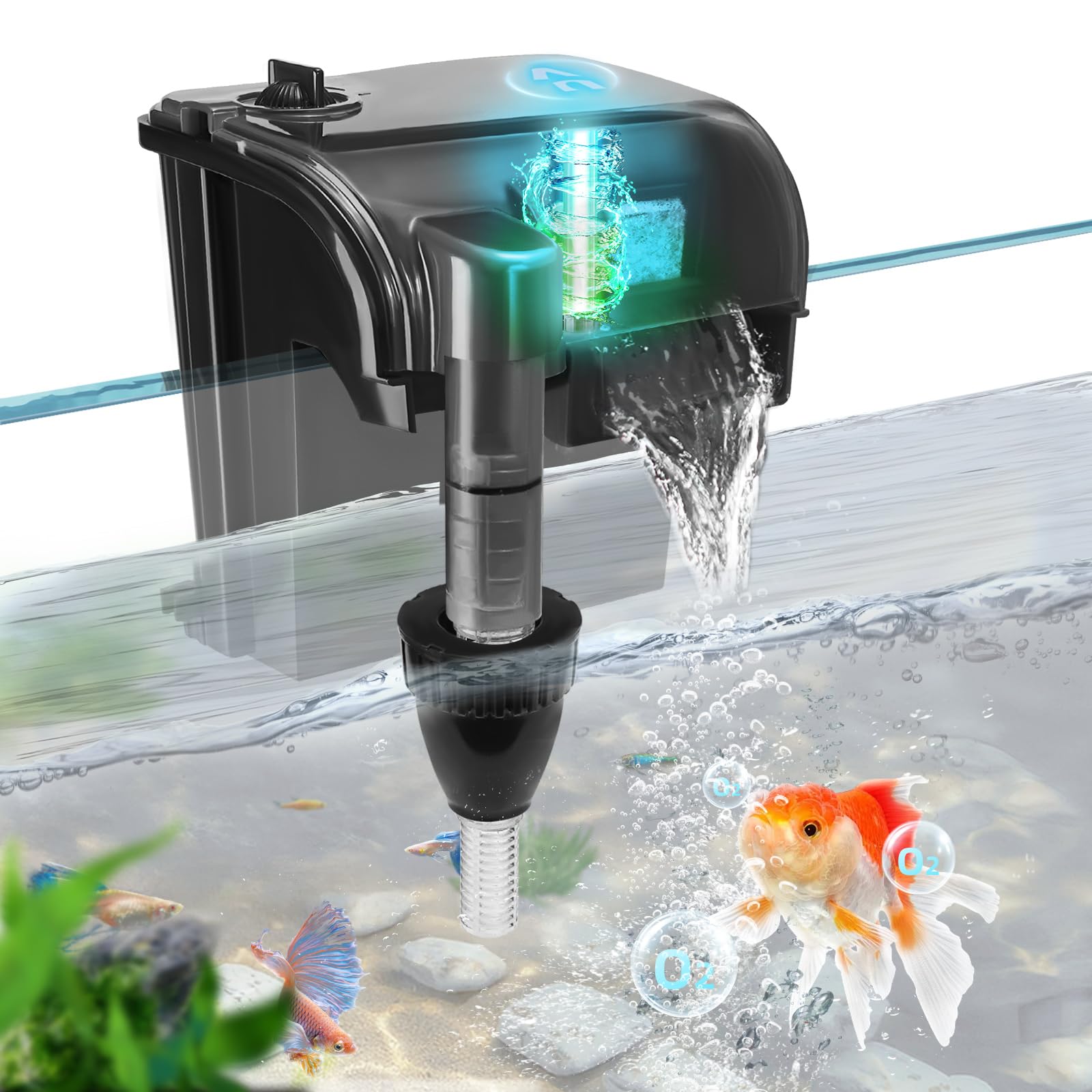
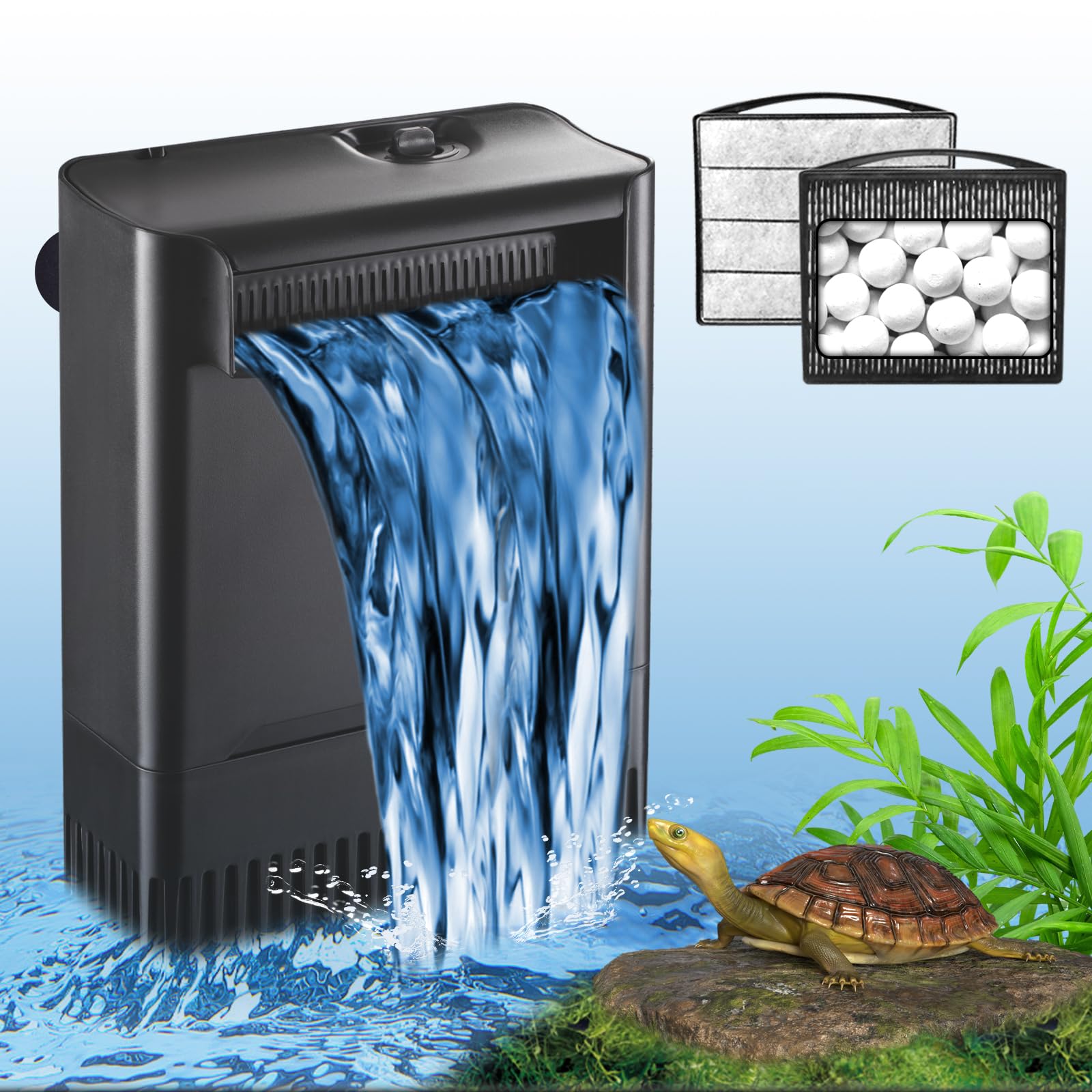
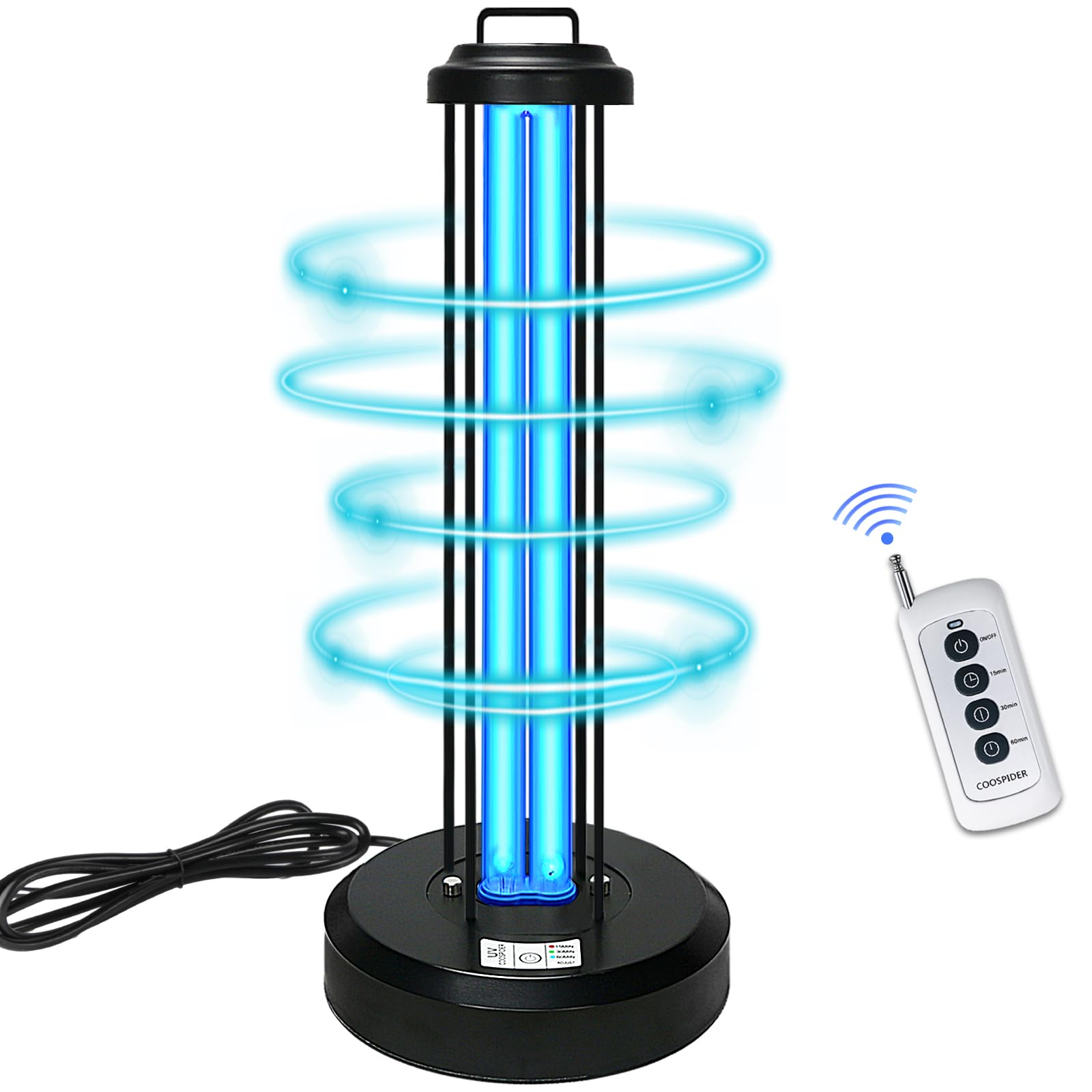
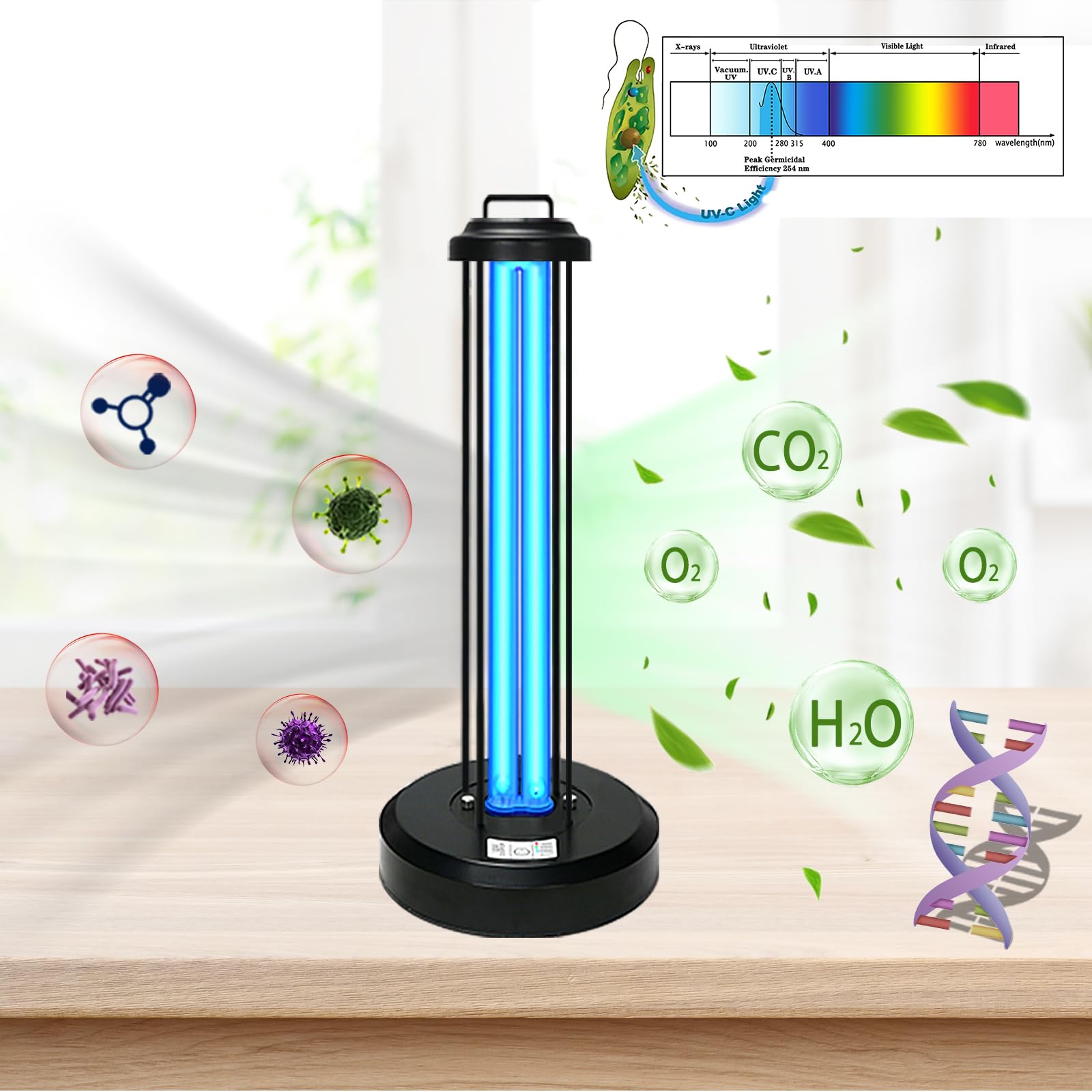
Modern koi pond systems often hide:
-
Pumps
-
Mechanical filters
-
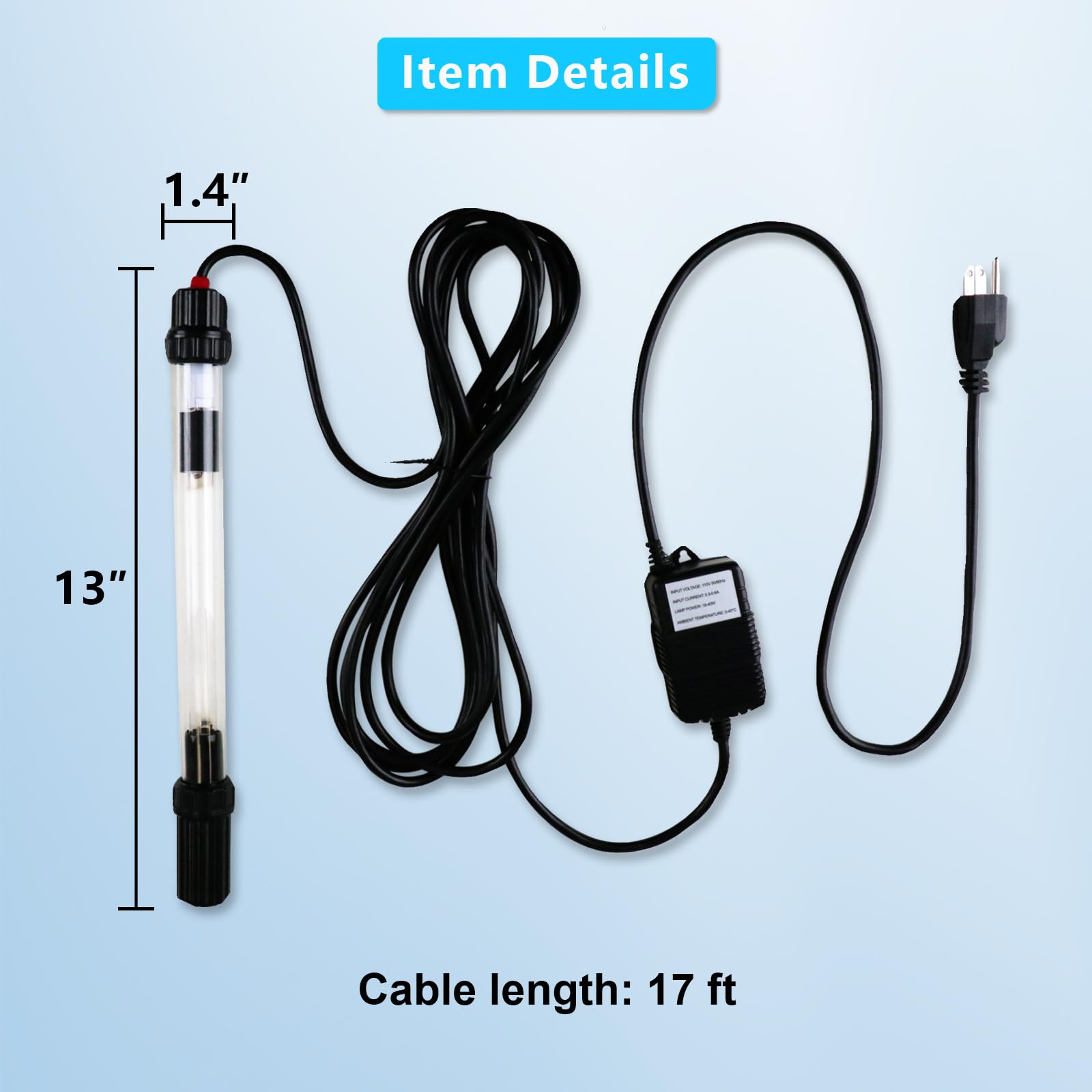
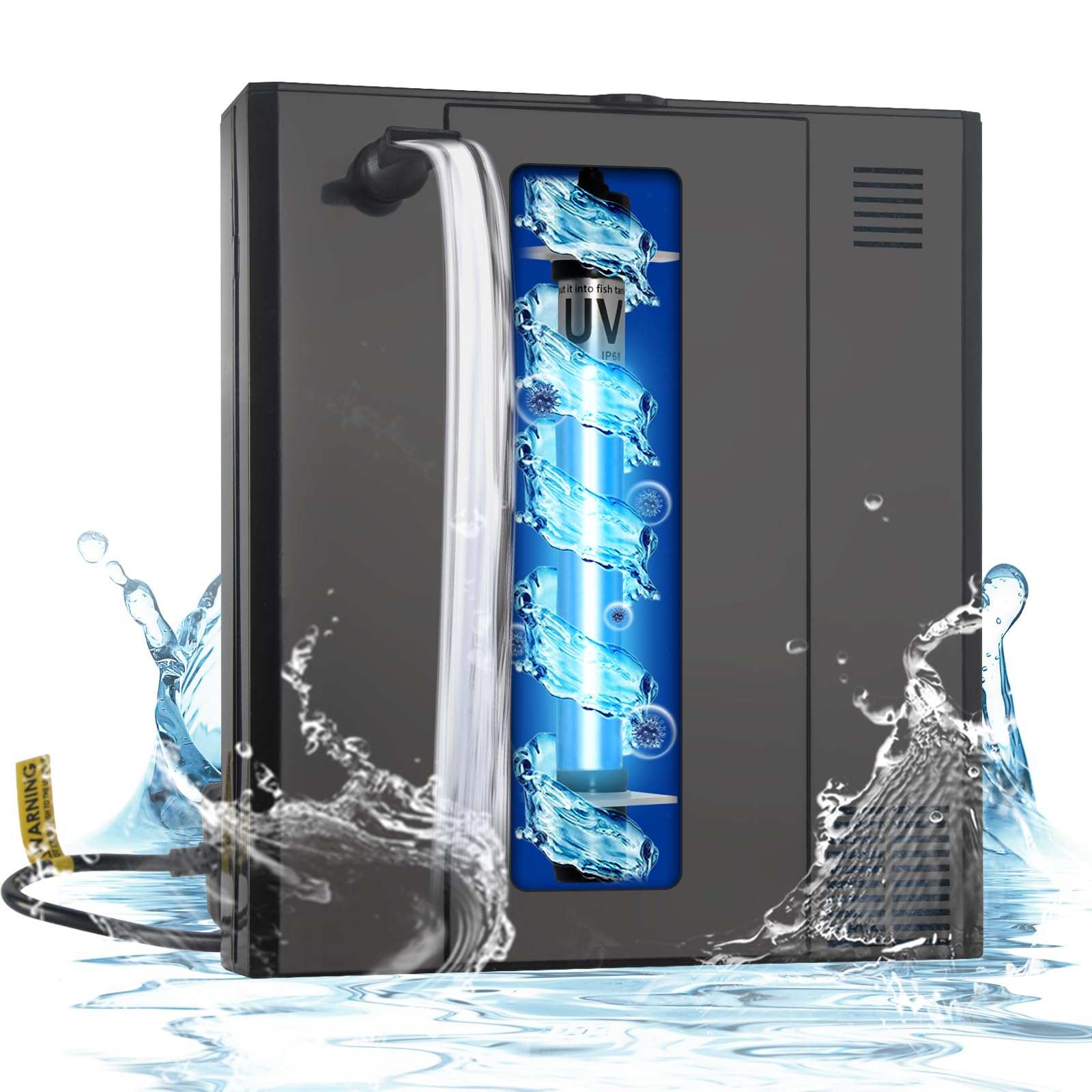
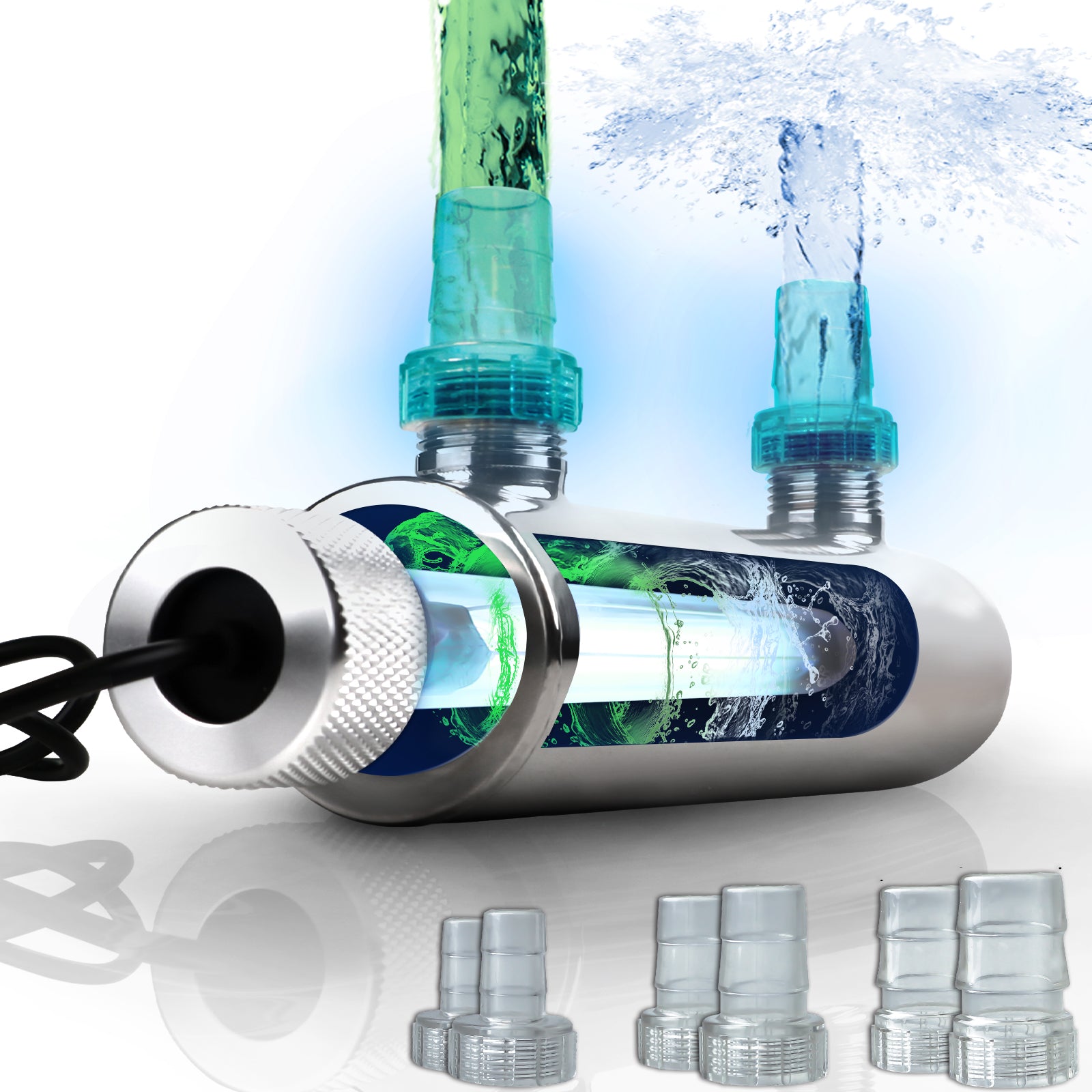
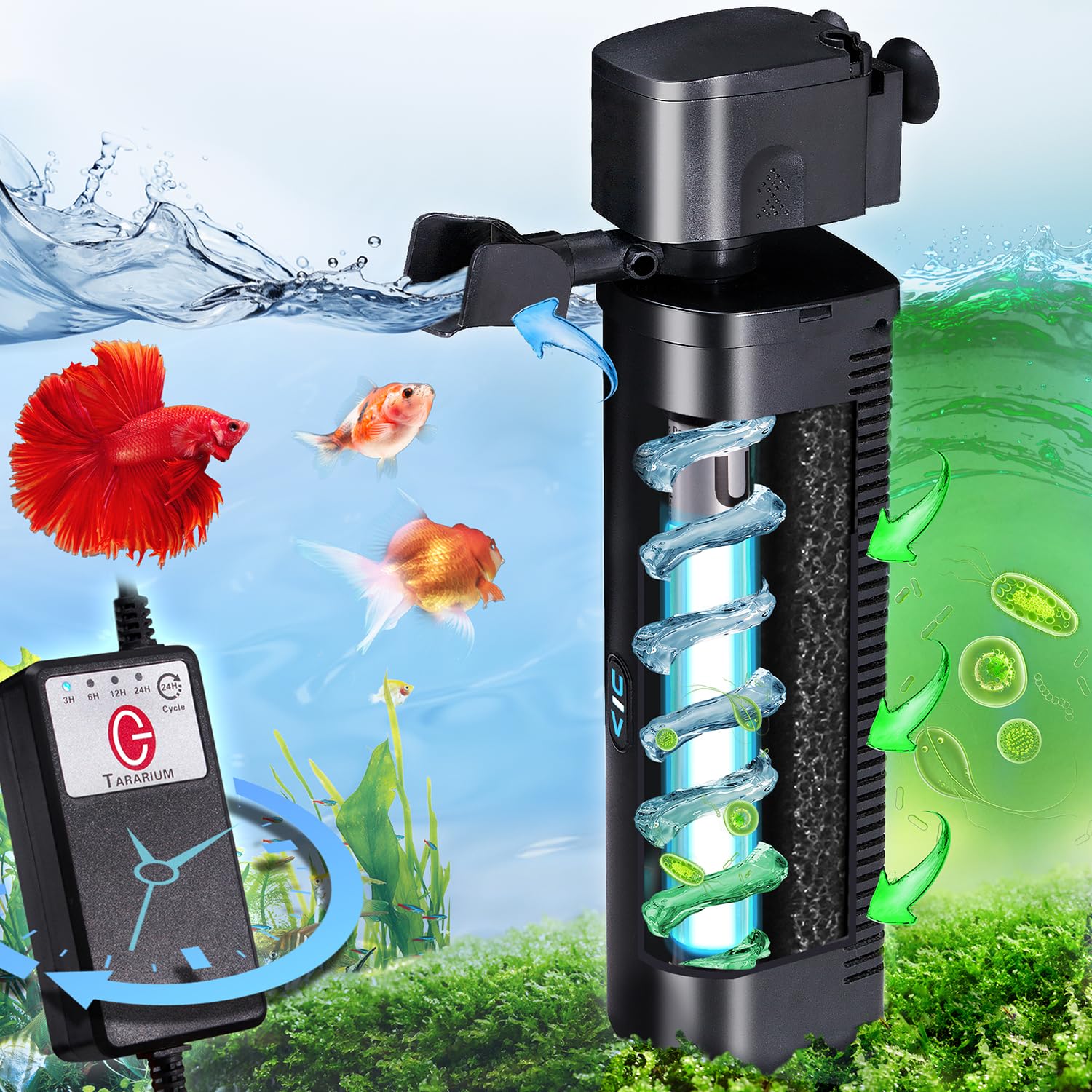
UV clarifiers
-
Plumbing lines
inside:
-
Underground vaults
-
Adjacent utility zones
-
Concealed landscape structures
The cleaner the visual presentation, the more luxurious the pond feels.
8. Lighting Design: Turning the Pond Into a Nighttime Feature
A koi pond should not disappear after sunset.
Proper lighting transforms the pond into an evening focal point.
Key lighting strategies
Underwater lighting
Creates:
-
Fish visibility at night
-
Water movement highlights
-
Reflective depth
Edge lighting
Defines geometry and improves safety.
Landscape accent lighting
Highlights:
-
Feature plants
-
Stone textures
-
Waterfall structures
Important principle:
Modern lighting should feel subtle, not theatrical.
Over-lighting destroys tranquility.
9. Water Movement: Balancing Sound and Calm
Water movement dramatically affects atmosphere.
Still water creates:
-
Reflection
-
Calmness
-
Minimalism
Moving water creates:
-
Sound masking
-
Energy
-
Oxygenation
The ideal balance
Modern koi ponds often combine:
-
Calm main pond surfaces
-
Subtle overflow edges
-
Gentle waterfalls
-
Linear spillways
This preserves serenity while maintaining circulation.
10. Plant Selection in Modern Pond Landscapes
Planting design should complement—not overwhelm—the pond.
Modern planting trends prioritize:
-
Texture contrast
-
Structural simplicity
-
Controlled layering
-
Seasonal balance
Popular modern pond plants
Architectural plants
-
Bamboo
-
Horsetail reed
-
Japanese maple
-
Ornamental grasses
Aquatic plants
-
Water lilies
-
Lotus
-
Marginal reeds
Avoid overplanting
Dense uncontrolled planting can:
-
Hide pond structure
-
Trap debris
-
Create visual clutter
Modern landscapes benefit from restraint.
11. Designing for Fish Health Without Sacrificing Aesthetics
A beautiful pond that harms koi is a failed design.
Many visually impressive ponds neglect biological stability.
Critical fish-health requirements
Proper depth
Koi ponds should generally provide:
-
Stable temperature zones
-
Predator protection
-
Adequate swimming volume
Strong biological filtration
Hidden filtration should still provide:
-
Mechanical waste removal
-
Biological nitrification
-
Oxygenation support
Water circulation
Dead zones create:
-
Waste buildup
-
Poor oxygen distribution
-
Fish stress
Aesthetics and biology must work together.
12. Seating and Human Interaction Zones
Modern backyards are designed for experience, not just appearance.
The pond should encourage:
-
Relaxation
-
Observation
-
Social interaction
Effective seating integrations
Floating decks
Create immersive water interaction.
Bench walls
Provide architectural seating around the pond perimeter.
Lounge patios
Allow the pond to function as the visual anchor of outdoor living spaces.
13. Multi-Level Landscape Design Around Koi Ponds
Elevation changes create depth and sophistication.
Multi-level strategies include:
-
Raised pond walls
-
Tiered planting beds
-
Elevated viewing platforms
-
Cascading water transitions
Raised ponds offer several benefits
They:
-
Improve fish visibility
-
Create cleaner modern lines
-
Enhance architectural integration
They are especially popular in urban contemporary landscapes.
14. Smart Technology and Modern Pond Automation
Modern pond systems increasingly integrate smart technology.
Common automation features
-
App-controlled pumps
-
Automated feeding systems
-
Smart lighting controls
-
Water quality monitoring
-
Leak detection systems
Benefits
Automation improves:
-
Maintenance consistency
-
Energy efficiency
-
Long-term pond stability
while reducing manual workload.
15. Sustainability in Modern Pond Design
Eco-conscious landscape design is becoming increasingly important.
Sustainable pond strategies include:
Energy-efficient pumps
Reduce long-term operational costs.
Rainwater harvesting integration
Helps stabilize water supply.
Native planting systems
Reduce irrigation demand.
Ecosystem balancing
Supports:
-
Beneficial bacteria
-
Natural filtration
-
Biodiversity
16. Common Mistakes That Ruin Pond Integration
Mistake 1: Oversized ponds in small spaces
This overwhelms the landscape.
Mistake 2: Decorative excess
Too many:
-
Statues
-
Ornaments
-
Contrasting materials
destroy modern cohesion.
Mistake 3: Ignoring maintenance access
A pond must remain serviceable.
Poor access creates long-term frustration.
Mistake 4: Prioritizing appearance over biology
A pond that looks stunning but creates unhealthy conditions will eventually fail.
17. Seasonal Design Considerations
A pond should remain attractive year-round.
Winter considerations
-
Structural beauty
-
Evergreen balance
-
Lighting atmosphere
Summer considerations
-
Shade management
-
Reflection quality
-
Plant growth control
Fall considerations
-
Leaf management
-
Seasonal color transitions
Great landscape design evolves with the seasons.
18. Small Backyard Koi Pond Solutions
Not every homeowner has a massive property.
Modern compact pond design focuses on:
-
Precision
-
Simplicity
-
Vertical layering
-
Reflective surfaces
Small-space design strategies
-
Raised formal ponds
-
Narrow linear water features
-
Courtyard integration
-
Wall-adjacent pond systems
Even compact ponds can feel luxurious with proper design discipline.
19. The Emotional Psychology of Water in Landscape Design
Water has profound psychological impact.
Research consistently shows water features can:
-
Reduce stress perception
-
Improve relaxation
-
Encourage mindfulness
-
Create emotional calm
Koi add another layer:
-
Slow movement
-
Organic rhythm
-
Living interaction
This is why koi ponds often become the emotional heart of the backyard.
20. The Future of Modern Koi Pond Design
Contemporary pond design continues evolving toward:
-
Cleaner aesthetics
-
Smarter automation
-
Lower maintenance systems
-
Sustainable engineering
-
Integrated architecture
The future is less about decorative excess and more about seamless environmental harmony.
Conclusion: A Great Koi Pond Is Both Architecture and Ecosystem
A modern koi pond should never feel like an isolated backyard accessory.
It should function as:
-
A visual anchor
-
A biological ecosystem
-
An architectural extension
-
A sensory experience
The most successful pond designs combine:
-
Clean landscape integration
-
Healthy aquatic engineering
-
Material harmony
-
Human-centered experience
-
Long-term sustainability
When thoughtfully designed, a koi pond transforms an ordinary backyard into a living environment that feels calmer, richer, and more connected to nature.
And in modern landscape design, that balance between simplicity, functionality, and emotional experience is what truly creates timeless outdoor spaces.