Ultraviolet (UV) light is a fascinating part of the electromagnetic spectrum that affects our daily lives in many ways. It can help support modern hygiene technologies, contribute to scientific research, and influence natural processes on Earth. However, the same type of radiation that can be useful in controlled environments can also create health risks when exposure is not properly managed.
Two common sources of ultraviolet radiation often cause confusion: UV disinfection lamps and natural ultraviolet radiation from sunlight.
Many people understand that both involve UV rays, but they may not realize that these two sources have very different purposes, exposure patterns, safety considerations, and protection methods.
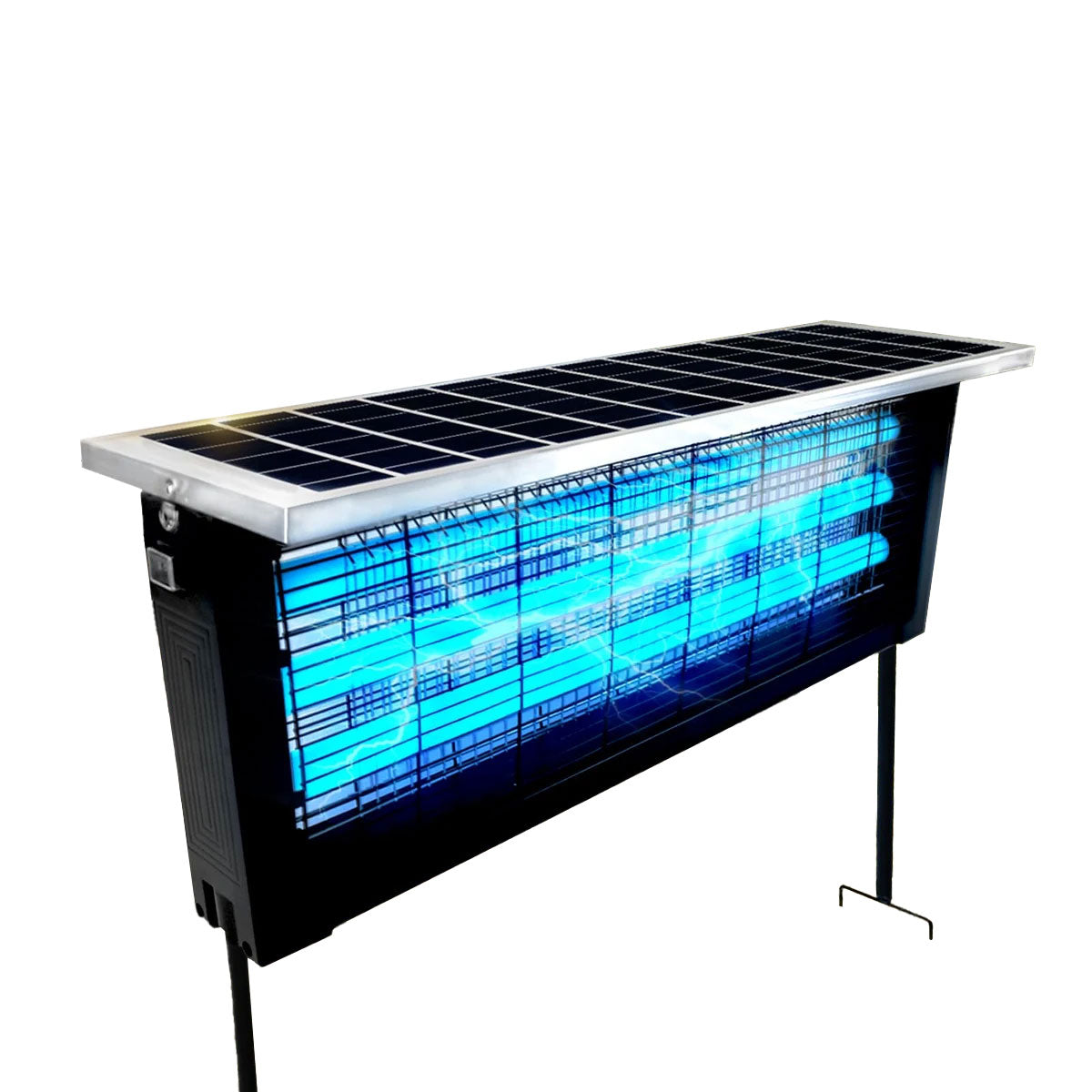
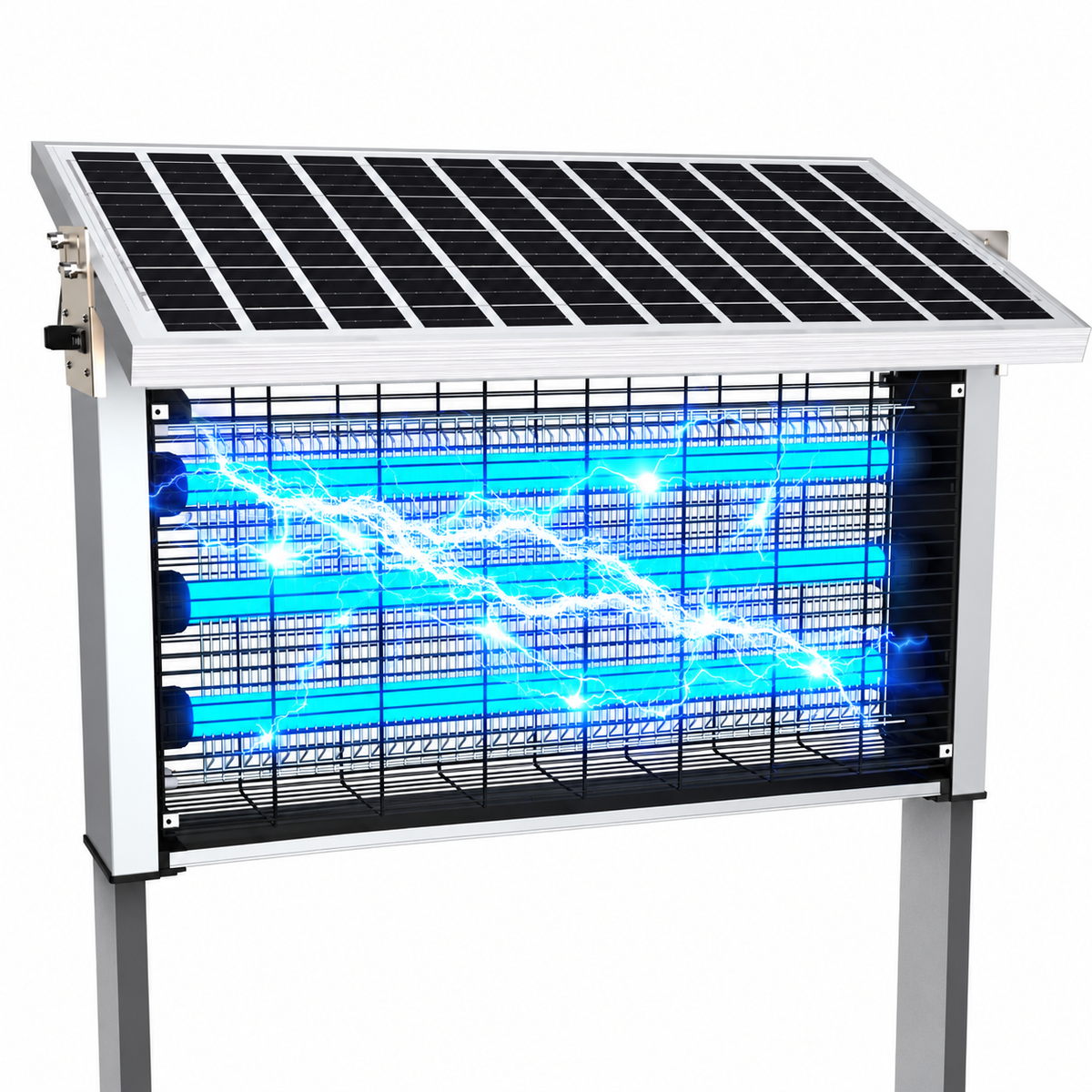
UV disinfection lamps are designed to use specific wavelengths of ultraviolet light to help reduce microorganisms in controlled environments. Natural sunlight, on the other hand, contains a broad range of UV radiation that reaches the Earth and affects human skin, eyes, and overall health.
Understanding the differences between these two types of UV exposure is important for making informed decisions about hygiene, personal protection, and safe use of light-based technologies.
This article explains how UV disinfection lamps work, how natural sunlight affects the body, why protection strategies differ, and what practical steps can help reduce unnecessary UV exposure.
Understanding Ultraviolet Radiation
Before comparing UV lamps and sunlight, it is important to understand what ultraviolet radiation actually is.
Ultraviolet radiation is a type of electromagnetic energy located between visible light and X-rays on the electromagnetic spectrum. Although humans cannot see UV rays, they interact with biological materials in powerful ways.
Scientists generally divide ultraviolet radiation into three main categories:
UVA: The Long-Wave Ultraviolet Ray
UVA has the longest wavelength among UV types and makes up most of the ultraviolet radiation that reaches the Earth’s surface.
Characteristics of UVA include:
- Deep penetration into the skin
- Contribution to premature skin aging
- Association with wrinkles and loss of skin elasticity
- Ability to pass through some types of glass
Because UVA exposure happens frequently during everyday activities, it is a major consideration in long-term skin protection.
Examples of daily UVA exposure include:
- Walking outdoors
- Sitting near sunny windows
- Driving during daylight hours
- Spending time in outdoor environments
UVB: The Medium-Wave Ultraviolet Ray
UVB has higher energy than UVA and plays a major role in visible sun-related skin effects.
UVB exposure is associated with:
- Sunburn
- Skin damage
- Changes in skin cells
- Vitamin D production
- Increased risk from excessive exposure
Unlike UVA, UVB is strongly affected by environmental conditions such as season, altitude, and geographic location.
UVC: The Short-Wave Ultraviolet Ray
UVC has the highest energy among the three categories.
Fortunately, natural UVC from the sun is mostly absorbed by Earth’s atmosphere and does not normally reach the ground in significant amounts.
However, UVC can be produced artificially through specialized devices, including certain UV disinfection lamps.
Because UVC has strong energy, it must be handled carefully and used only under appropriate safety conditions.
How UV Disinfection Lamps Work
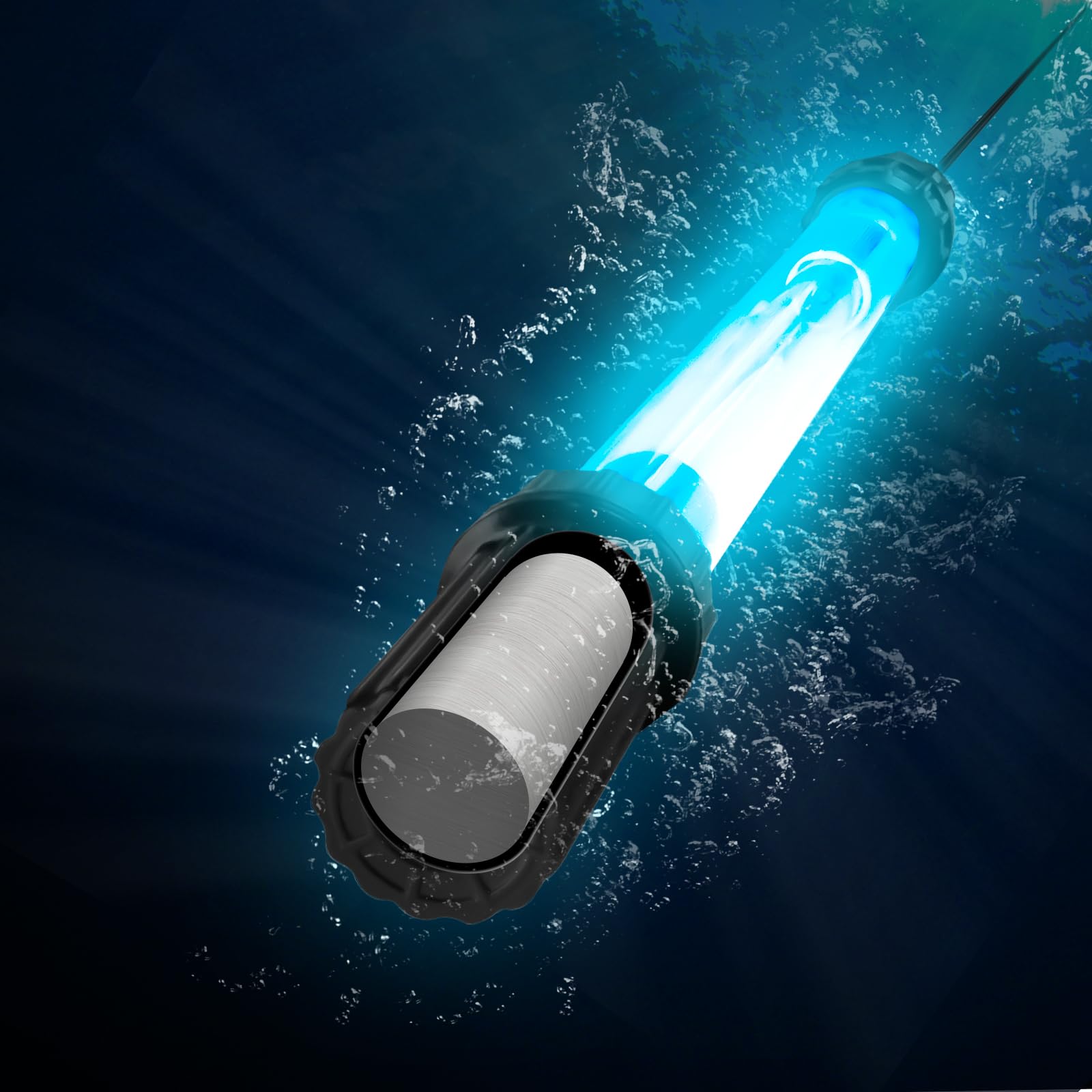
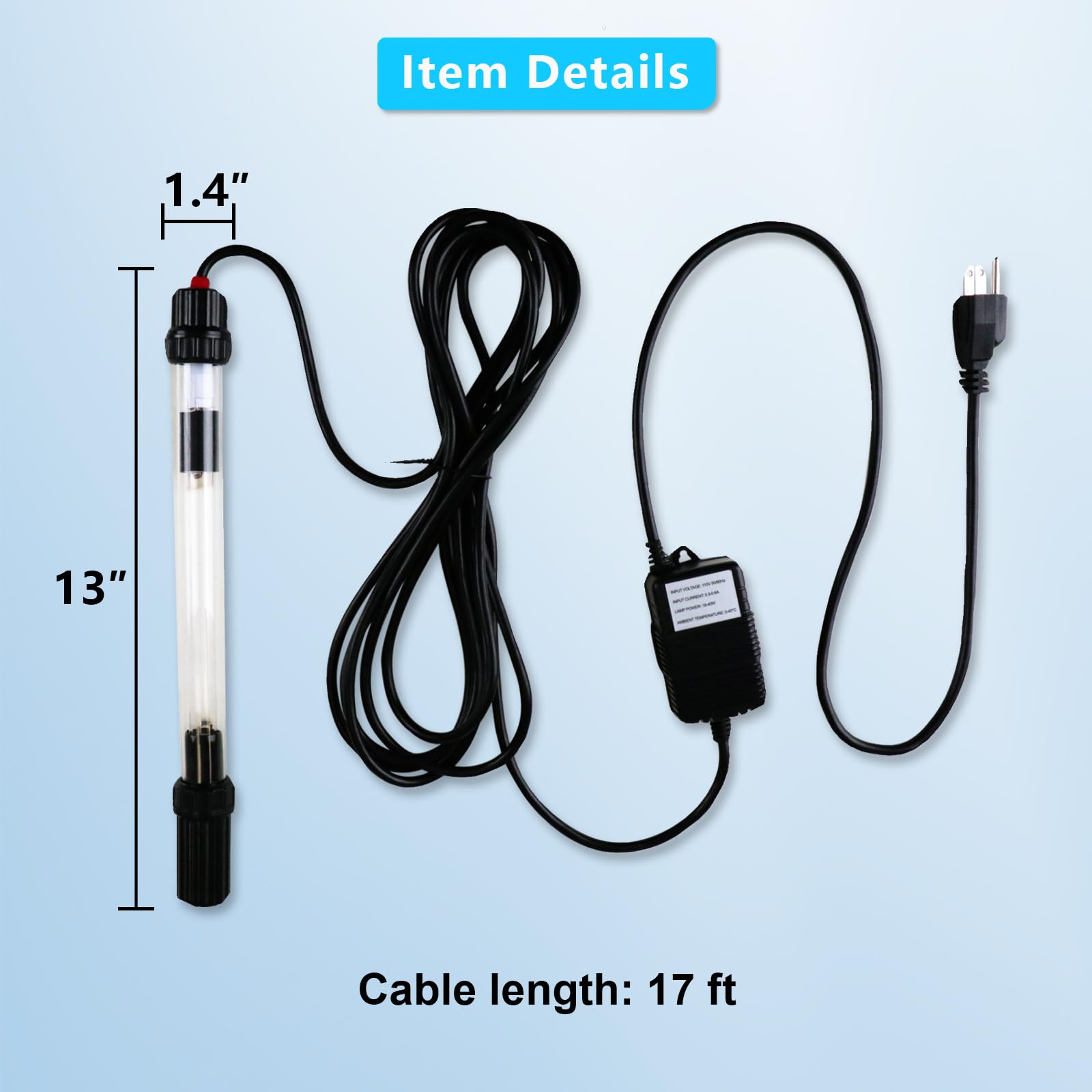
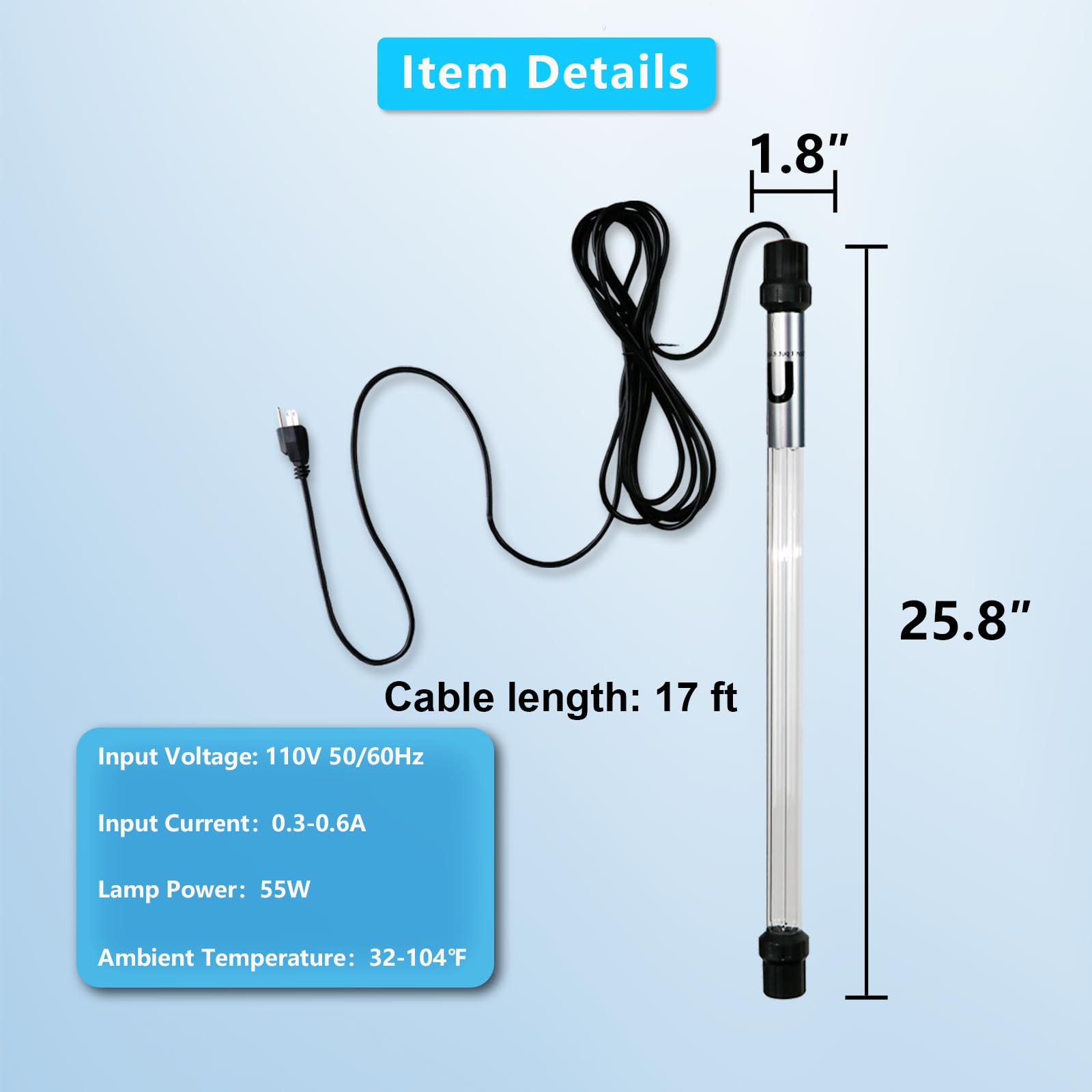
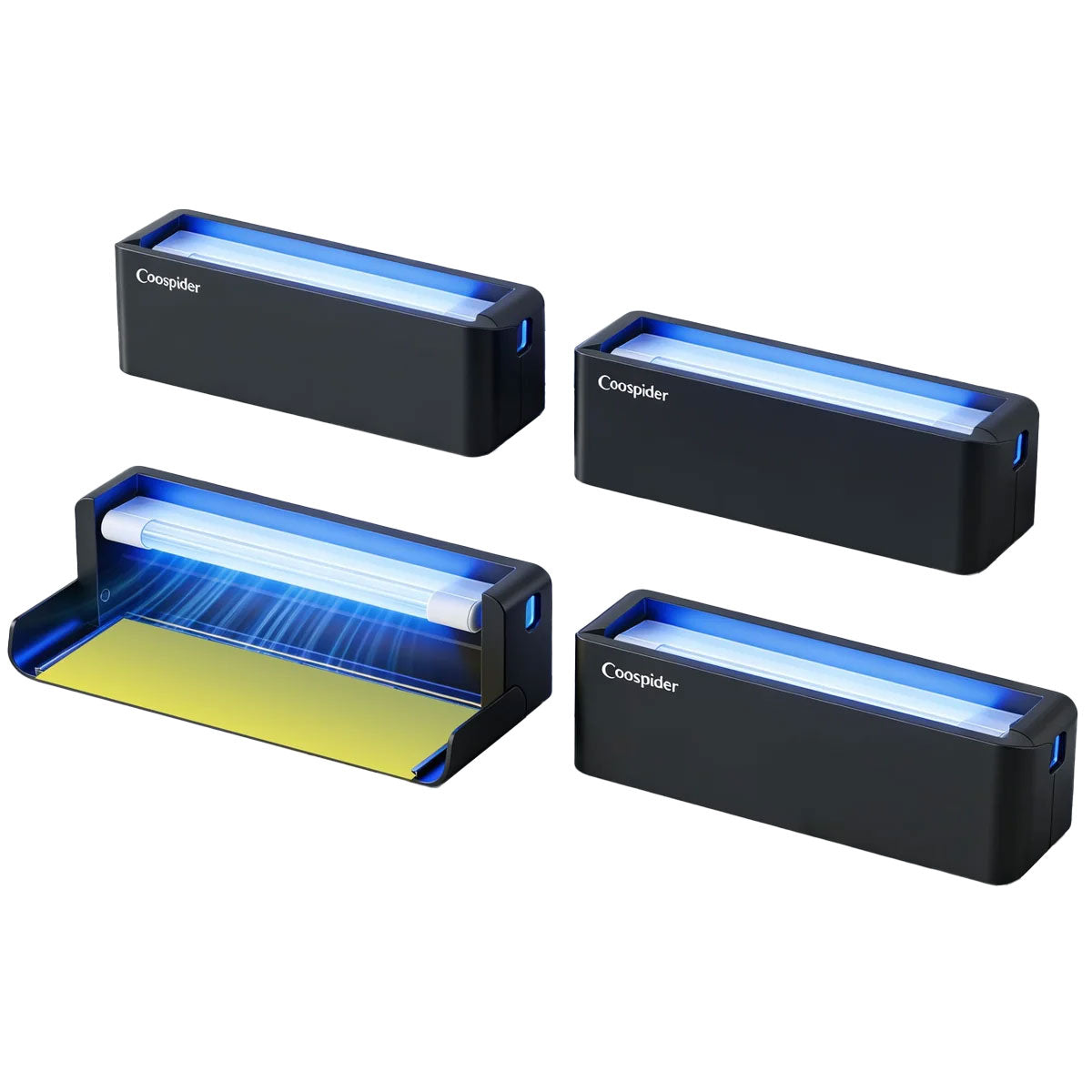
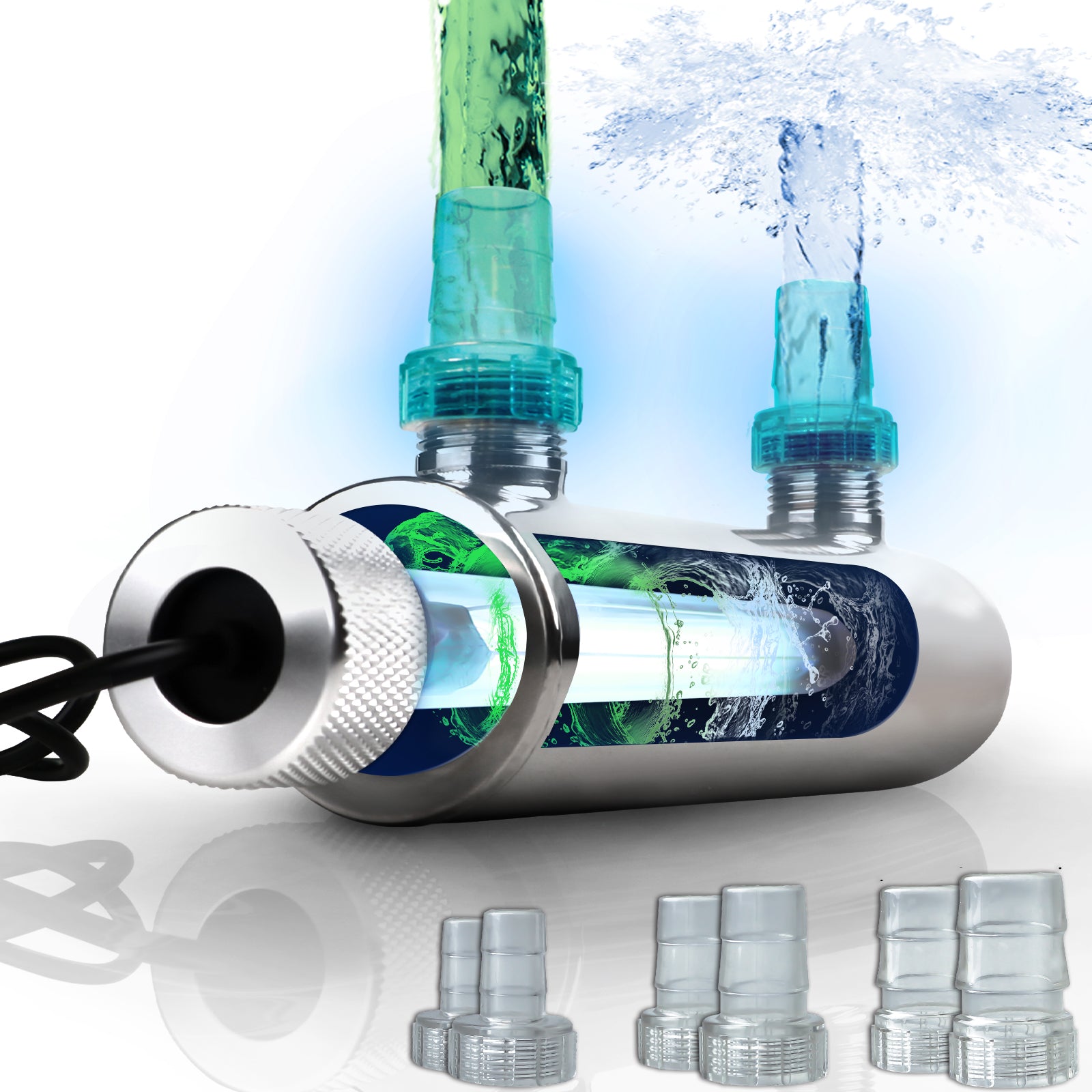
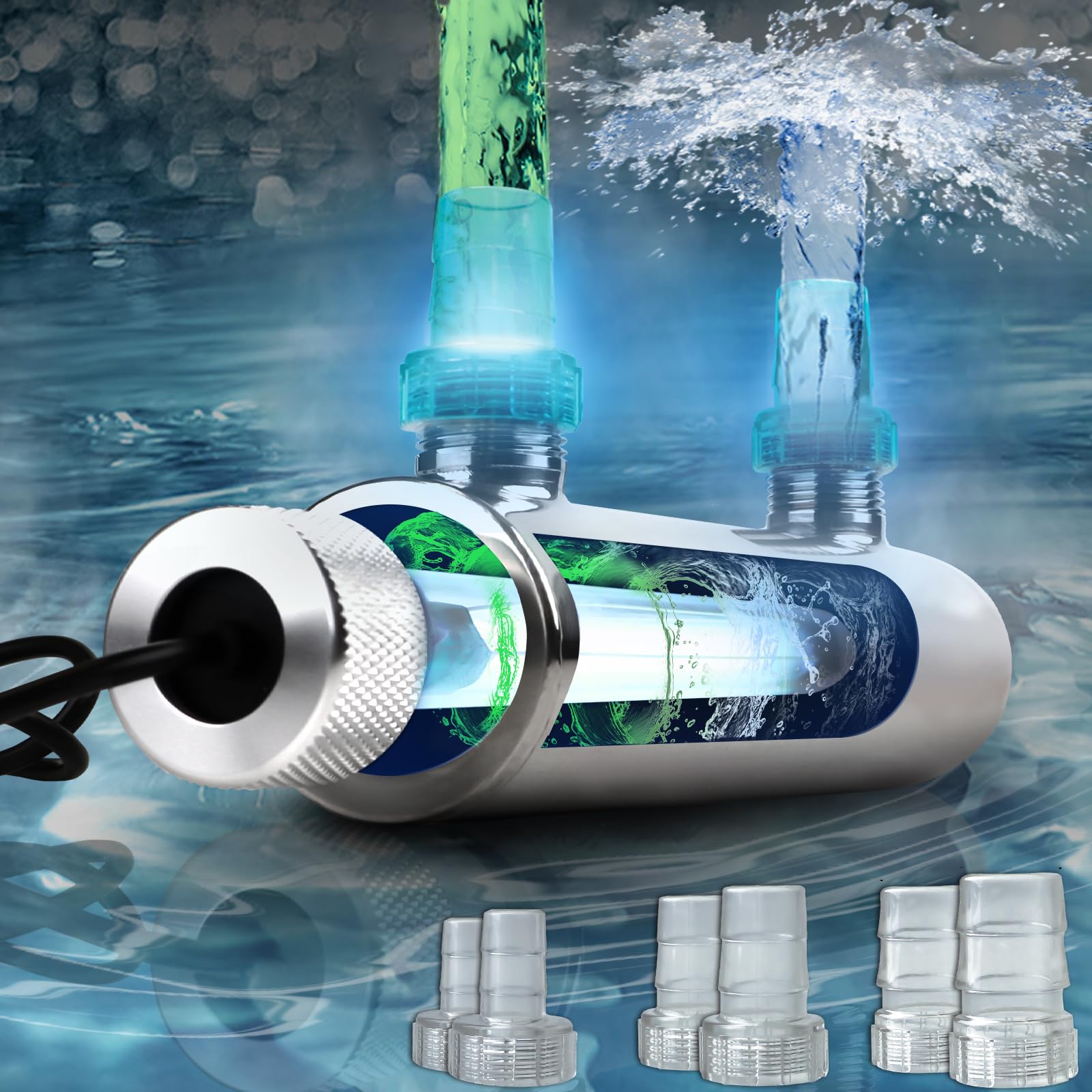
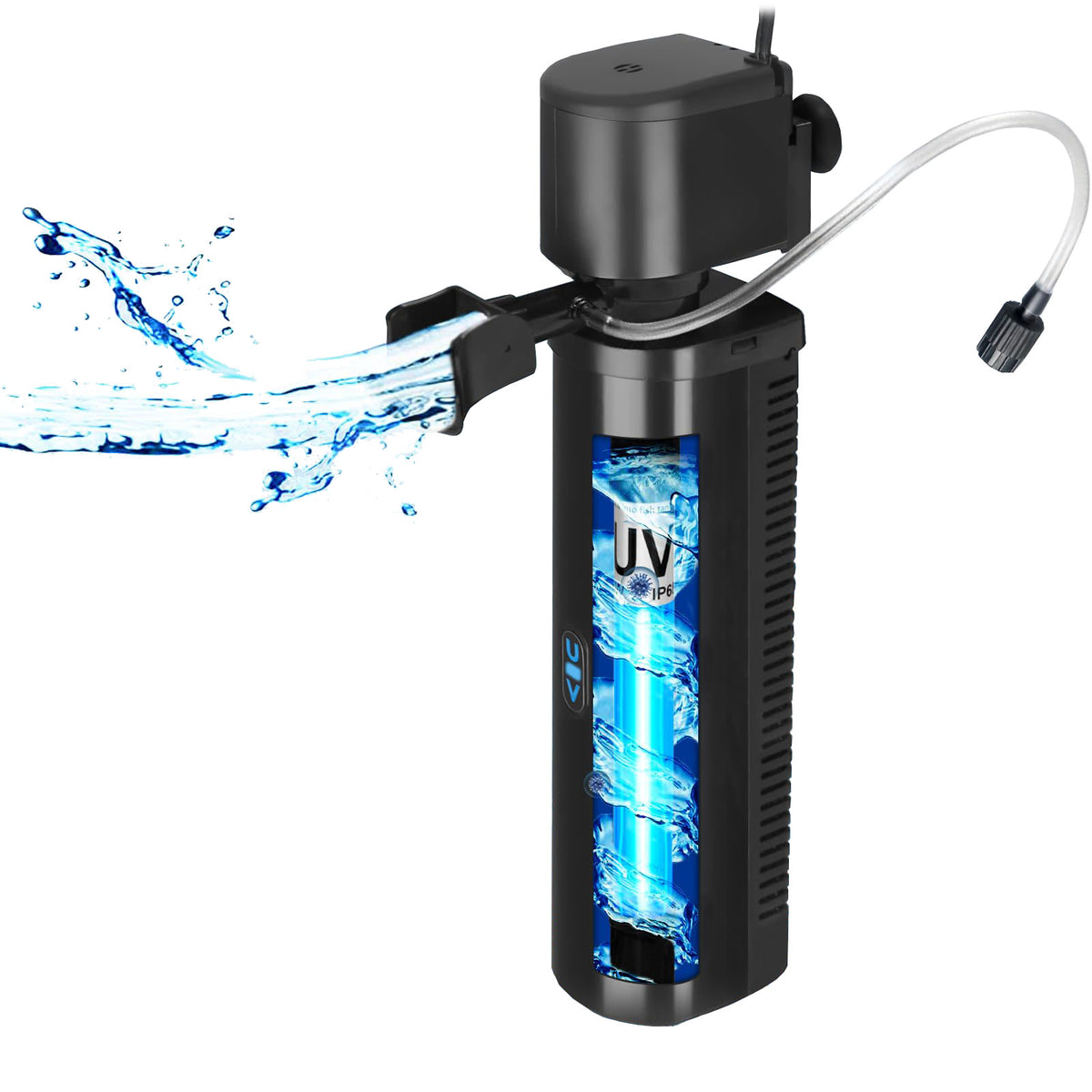
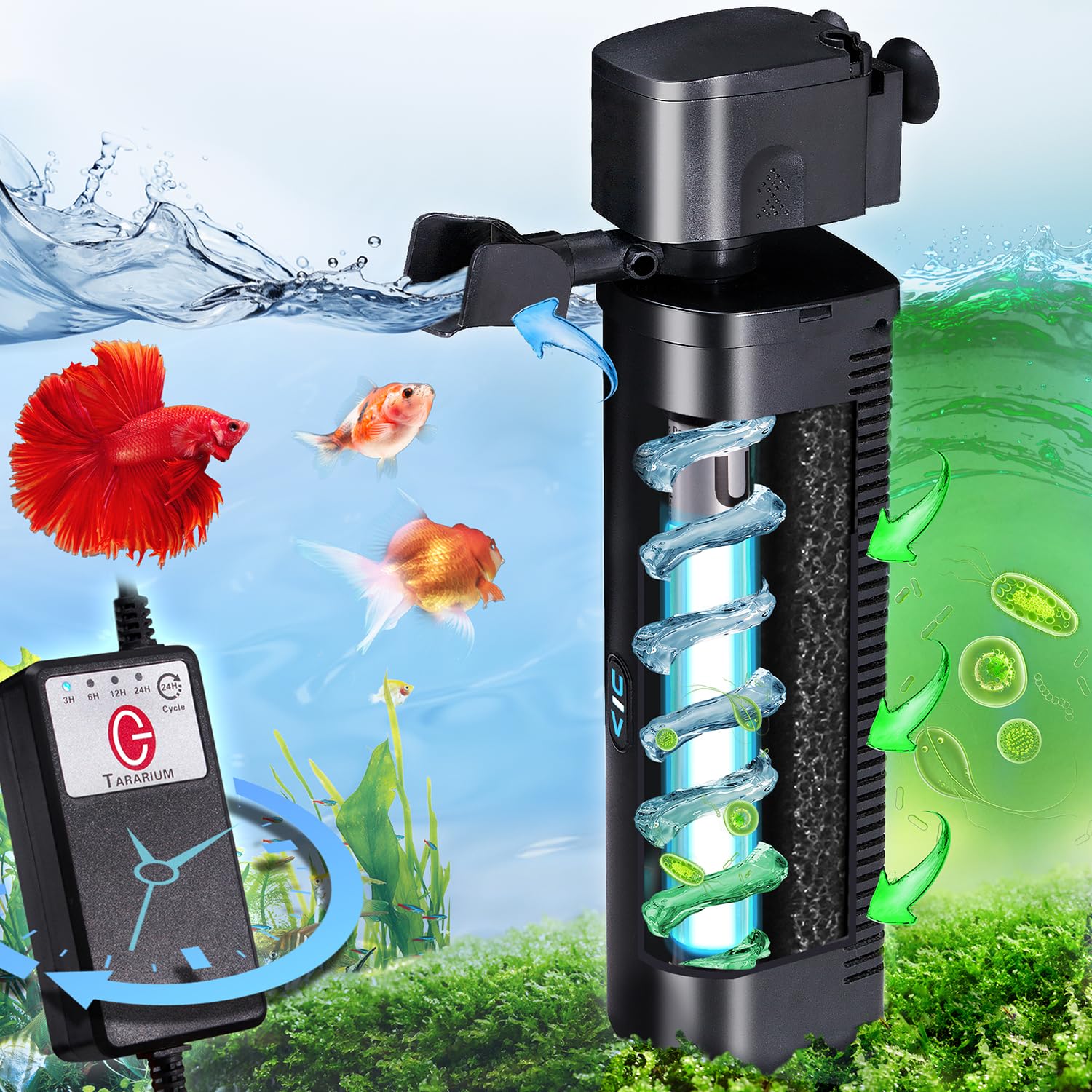
UV disinfection lamps are designed for one specific purpose: using ultraviolet energy to help reduce microorganisms.
These systems are commonly used in:
- Healthcare environments
- Laboratories
- Water treatment facilities
- Air purification systems
- Some commercial spaces
- Certain sanitation applications
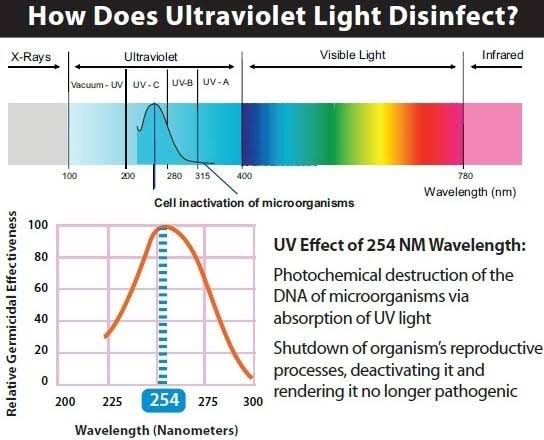
The principle behind UV disinfection is based on the interaction between ultraviolet energy and the genetic material of microorganisms.
When certain wavelengths of UV light interact with microorganisms, they can interfere with their ability to reproduce and function normally.
This technology has been studied and applied for many years in controlled environments.
Why UVC Is Commonly Used for Disinfection
Many UV disinfection systems use UVC because of its high energy level.
UVC radiation can interact strongly with biological molecules, making it useful for sanitation purposes.
However, the same characteristics that make UVC effective for microbial control also mean that direct exposure can be harmful to human tissues.
Potential risks from improper UVC exposure include:
- Eye irritation or injury
- Skin irritation
- Tissue damage
- Unnecessary radiation exposure
For this reason, professional UV disinfection equipment is designed with safety controls, protective barriers, timers, sensors, or restricted operating conditions.
How Natural Sunlight Creates UV Exposure
Unlike a UV disinfection lamp, sunlight is a natural environmental source of ultraviolet radiation.
The amount of UV exposure a person receives depends on many factors, including:
- Time of day
- Season
- Geographic location
- Weather conditions
- Altitude
- Surrounding environment
- Length of outdoor activity
Natural sunlight contains mainly UVA and UVB radiation at ground level.
Although sunlight provides benefits, excessive exposure can create long-term health concerns.
The Main Differences Between UV Lamps and Sunlight
Although both involve ultraviolet radiation, UV disinfection lamps and natural sunlight differ in several important ways.
Difference One: Purpose
The biggest difference is their intended purpose.
UV Disinfection Lamps
Designed for:
- Reducing microorganisms
- Supporting sanitation procedures
- Treating specific environments
They are tools used for controlled applications.
Natural Sunlight
Exists naturally and provides:
- Energy for ecosystems
- Support for vitamin D production
- Regulation of biological rhythms
However, sunlight exposure is not controlled and can vary significantly.
Difference Two: UV Wavelengths
UV devices are usually designed to produce specific wavelengths depending on their intended use.
A disinfection lamp may focus on particular UV ranges, especially UVC wavelengths.
Sunlight contains a broader combination of ultraviolet wavelengths.
This difference affects:
- How radiation interacts with materials
- How deeply it penetrates tissues
- How protection methods should be selected
Difference Three: Exposure Control
UV disinfection systems are typically used under controlled conditions.
Examples:
- A room may be empty during operation
- Exposure time may be limited
- Equipment may be installed according to safety guidelines
Sunlight exposure is much harder to control because people encounter it naturally throughout daily life.
Difference Four: Protection Methods
Protection against UV disinfection lamps and sunlight requires different approaches.
For sunlight protection, people commonly use:
- Sunscreen
- Protective clothing
- Sunglasses
- Shade
- Timing outdoor activities wisely
For UV disinfection equipment, safety usually depends on:
- Proper installation
- Following operating instructions
- Avoiding direct exposure
- Using protective equipment when required
Health Effects: How UV Disinfection Lamps and Sunlight Affect the Human Body
Although ultraviolet radiation is invisible, it can create significant biological effects. The impact depends on the wavelength, intensity, exposure duration, and whether proper protection is used.
Understanding these effects helps explain why safety recommendations for UV lamps and sunlight are different.
Effects of Natural UV Exposure on Skin
The skin is the body’s largest protective barrier, and it receives the greatest amount of ultraviolet exposure during outdoor activities.
Moderate sunlight exposure can play a role in normal biological processes, but excessive UV exposure may cause cumulative damage over time.
Common effects of excessive natural UV exposure include:
Sunburn
Sunburn is one of the most immediate signs of UV damage.
It is primarily associated with UVB exposure and occurs when skin cells are injured by excessive ultraviolet radiation.
Symptoms may include:
- Redness
- Warmth
- Pain or tenderness
- Peeling after several days
Repeated sunburns, especially during younger years, can contribute to long-term skin concerns.
Premature Skin Aging
Long-term UVA exposure can contribute to photoaging, which refers to skin aging caused by environmental factors rather than natural aging alone.
Signs of photoaging may include:
- Fine lines
- Wrinkles
- Uneven skin tone
- Loss of firmness
- Changes in skin texture
This is why daily UV protection is often recommended even on days that do not feel especially sunny.
Eye Exposure Risks
The eyes are also sensitive to ultraviolet radiation.
Long-term UV exposure may contribute to eye problems such as:
- Eye discomfort
- Light sensitivity
- Damage to eye tissues
Quality sunglasses that provide UV protection can help reduce unnecessary exposure during outdoor activities.
Effects of UV Disinfection Lamps on the Human Body
Because many UV disinfection systems use higher-energy UV wavelengths, direct exposure can create different risks.
Unlike normal sunlight exposure, which usually happens gradually, UV lamp exposure can sometimes occur at a much higher intensity over a shorter period.
Potential risks include:
Eye Injury
The eyes are particularly sensitive to strong UV radiation.
Exposure to certain UV wavelengths may cause:
- Temporary eye irritation
- Painful sensitivity to light
- Inflammation of eye surfaces
For this reason, people should avoid looking directly at operating UV disinfection lamps.
Skin Irritation
Direct exposure to strong UV radiation may cause skin reactions.
Possible effects include:
- Redness
- Burning sensations
- Irritation
- Tissue damage
The level of risk depends on the intensity and duration of exposure.
Why Sunscreen Does Not Replace UV Lamp Safety
A common misunderstanding is that sunscreen can protect against all forms of ultraviolet radiation.
This is not correct.
Sunscreen products are primarily designed for protection against natural sunlight, especially UVA and UVB radiation.
They are not intended to protect people from direct exposure to high-intensity UV disinfection equipment.
There are several reasons:
Different UV Sources
Sunlight protection products are developed for everyday outdoor exposure.
UV disinfection lamps may produce concentrated ultraviolet energy at specific wavelengths.
The exposure conditions are completely different.
Exposure Intensity Matters
A sunscreen product cannot make unsafe exposure conditions safe.
Standing directly near an operating UV disinfection lamp is not comparable to spending time outdoors.
Safety depends on:
- Avoiding direct exposure
- Following equipment instructions
- Using appropriate barriers and controls
Common Misunderstandings About UV Disinfection Lamps
As UV technology becomes more widely discussed, several misconceptions have become common.
Understanding the facts can help people use UV equipment responsibly.
Myth 1: “If UV Light Kills Germs, It Must Be Safe for People”
UV radiation can affect microorganisms because it interacts with biological structures.
However, human cells are also biological structures.
The difference is that professional applications are designed to control exposure conditions.
A technology can be useful while still requiring safety precautions.
Myth 2: “More UV Exposure Means Better Disinfection”
More radiation is not always better.
Effective disinfection depends on factors such as:
- Correct wavelength
- Proper exposure time
- Distance from the target
- Surface conditions
- Equipment design
Using excessive UV exposure without proper understanding may create unnecessary risks without improving results.
Myth 3: “UV Lamps Are the Same as Sunlight”
Although both involve ultraviolet radiation, they are not identical.
Sunlight is a natural combination of different wavelengths.
A UV disinfection lamp is an engineered device designed for a specific function.
Comparing them directly can lead to incorrect safety decisions.
Safety Guidelines for Using UV Disinfection Lamps
If you use UV-based sanitation equipment, responsible operation is essential.
The following practices can help reduce unnecessary exposure.
Follow Manufacturer Instructions
Every UV device is designed differently.
Always understand:
- Intended use
- Recommended operating conditions
- Safety warnings
- Exposure limitations
- Maintenance requirements
Avoid modifying equipment or using it outside its intended purpose.
Avoid Direct Exposure
Do not:
- Look directly at active UV lamps
- Place skin close to operating UV sources
- Stay in areas where exposure is not controlled
Many professional systems include safety features because direct exposure is not recommended.
Use Proper Protective Measures
Depending on the equipment type, protection may include:
- Protective eyewear
- Protective clothing
- Physical barriers
- Automatic shutoff systems
The correct protection depends on the device and application.
Maintain Equipment Properly
Like any technology, UV equipment requires maintenance.
A poorly maintained system may experience:
- Reduced performance
- Damaged components
- Incorrect operation
Regular inspection helps ensure the equipment continues working as designed.
Sunlight Protection: Everyday Strategies
Unlike UV lamps, sunlight exposure is part of everyday life.
Protection strategies focus on reducing unnecessary exposure while allowing people to enjoy outdoor activities.
Use Broad-Spectrum Sunscreen
A broad-spectrum sunscreen is designed to help protect against both UVA and UVB radiation.
Important considerations include:
- Applying enough product
- Reapplying when necessary
- Using sunscreen during prolonged outdoor activities
Sunscreen works best as part of a complete protection approach.
Wear Protective Clothing
Clothing provides a physical barrier between skin and UV radiation.
Helpful options include:
- Long sleeves
- Wide-brimmed hats
- Lightweight protective fabrics
- UV-rated clothing
Clothing can be especially useful during long outdoor activities.
Protect Your Eyes
Sunglasses with UV protection can help reduce exposure to sensitive eye areas.
Useful features include:
- UVA and UVB protection
- Comfortable coverage
- Proper fit
Large lenses or wraparound designs may provide additional coverage.
Seek Shade at Strong UV Times
UV intensity is often higher during the middle part of the day.
Reducing direct exposure during peak UV periods can lower overall radiation exposure.
Simple choices include:
- Sitting under umbrellas
- Using covered outdoor areas
- Planning activities during lower UV periods
Choosing Between UV Technology and Traditional Cleaning Methods
UV disinfection is one tool among many hygiene approaches.
It is important to understand that UV technology does not replace all cleaning methods.
Different situations may require different solutions.
Traditional cleaning methods can help remove:
- Dust
- Dirt
- Organic materials
- Visible contamination
UV technology focuses on using light energy to affect microorganisms under appropriate conditions.
In many professional environments, multiple methods are combined to improve cleanliness.
The Future of UV Light Technology
Advances in light science continue to expand the applications of ultraviolet technology.
Researchers are studying new approaches including:
- More efficient UV systems
- Safer UV applications
- Improved wavelength control
- Smart monitoring technology
Future developments may provide more convenient and safer ways to use UV energy in homes, workplaces, and public environments.
However, understanding basic UV safety principles will remain essential.
Technology can provide powerful tools, but responsible use determines whether those tools are beneficial.
How to Make the Right UV Protection Choice
When deciding how to protect yourself from ultraviolet radiation, the first step is identifying the source.
Ask:
Is the UV coming from sunlight?
Focus on:
- Sunscreen
- Protective clothing
- Sunglasses
- Shade
- Outdoor habits
Is the UV coming from a disinfection device?
Focus on:
- Proper operation
- Avoiding direct exposure
- Following safety instructions
- Using appropriate protective equipment
The same word—“UV”—can describe very different situations.
Understanding the source is the key to choosing the correct protection method.
Final Thoughts: Understanding UV Science Helps Create Safer Choices
Ultraviolet radiation is neither simply good nor bad. Its effects depend on how it is produced, how it is used, and how people interact with it.
UV disinfection lamps and natural sunlight both involve ultraviolet energy, but they serve completely different purposes.
Natural sunlight is part of our environment and requires everyday protection strategies to reduce excessive exposure.
UV disinfection lamps are specialized tools designed for controlled sanitation applications and require careful handling to avoid unnecessary exposure.
By understanding the differences between these two sources, people can make smarter decisions about hygiene, personal safety, and UV protection.
Whether enjoying outdoor activities or using modern sanitation technology, knowledge is the best protection.
If you have questions about UV protection products, light-based safety solutions, or professional UV applications, feel free to leave a comment or contact us for more information.