Introduction: Why UV Protection Requires a Complete Approach
When people think about ultraviolet (UV) protection, sunscreen is often the first thing that comes to mind. Many people associate sun protection with summer vacations, beach trips, or outdoor sports. However, UV exposure is not limited to occasional sunny days. It is a daily environmental factor that can affect skin health, eye health, and overall well-being throughout the year.
A complete UV health protection system is not built around a single product or one-time action. It requires a combination of prevention, awareness, preparation, and emergency response. Just as a healthy lifestyle depends on consistent habits rather than occasional efforts, effective UV protection depends on creating a long-term strategy.
From choosing appropriate protective measures before exposure to knowing what to do after sun damage occurs, a comprehensive approach helps reduce risks while allowing people to enjoy outdoor activities safely.
This guide explains how to build a complete UV health protection system—from everyday prevention to first aid—so individuals and families can better protect themselves in different environments and situations.
Understanding Ultraviolet Radiation and Its Effects on Health
Before creating an effective protection plan, it is important to understand what UV radiation is and how it affects the body.
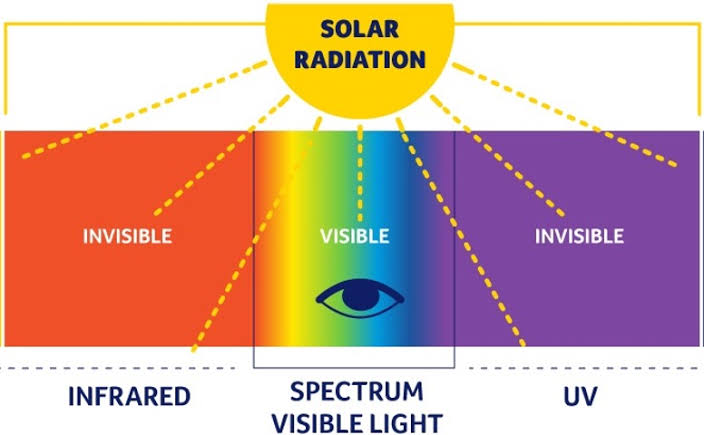
Ultraviolet radiation is invisible energy produced primarily by the sun. Although it cannot be seen or felt immediately, UV rays can trigger biological changes in the skin and eyes.
The three main types of UV radiation are:
UVA Rays: The Long-Term Aging Factor
UVA rays have longer wavelengths and penetrate deeper into the skin.
They are associated with:
-
Premature skin aging
-
Wrinkles and fine lines
-
Uneven skin tone
-
Long-term cellular damage
-
Contribution to skin cancer development
Unlike UVB rays, UVA exposure occurs throughout the year and can pass through many types of glass.
This means people may receive UVA exposure while:
-
Sitting near office windows
-
Driving
-
Working beside home windows
-
Spending time in enclosed sunrooms
UVB Rays: The Main Cause of Sunburn
UVB rays have higher energy levels and mainly affect the outer layers of the skin.
They are responsible for:
-
Sunburn
-
Direct DNA damage
-
Increased risk of certain skin cancers
-
Some vitamin D production
UVB intensity changes depending on:
-
Time of day
-
Season
-
Location
-
Altitude
-
Weather conditions
UVC Rays: Usually Not a Natural Concern
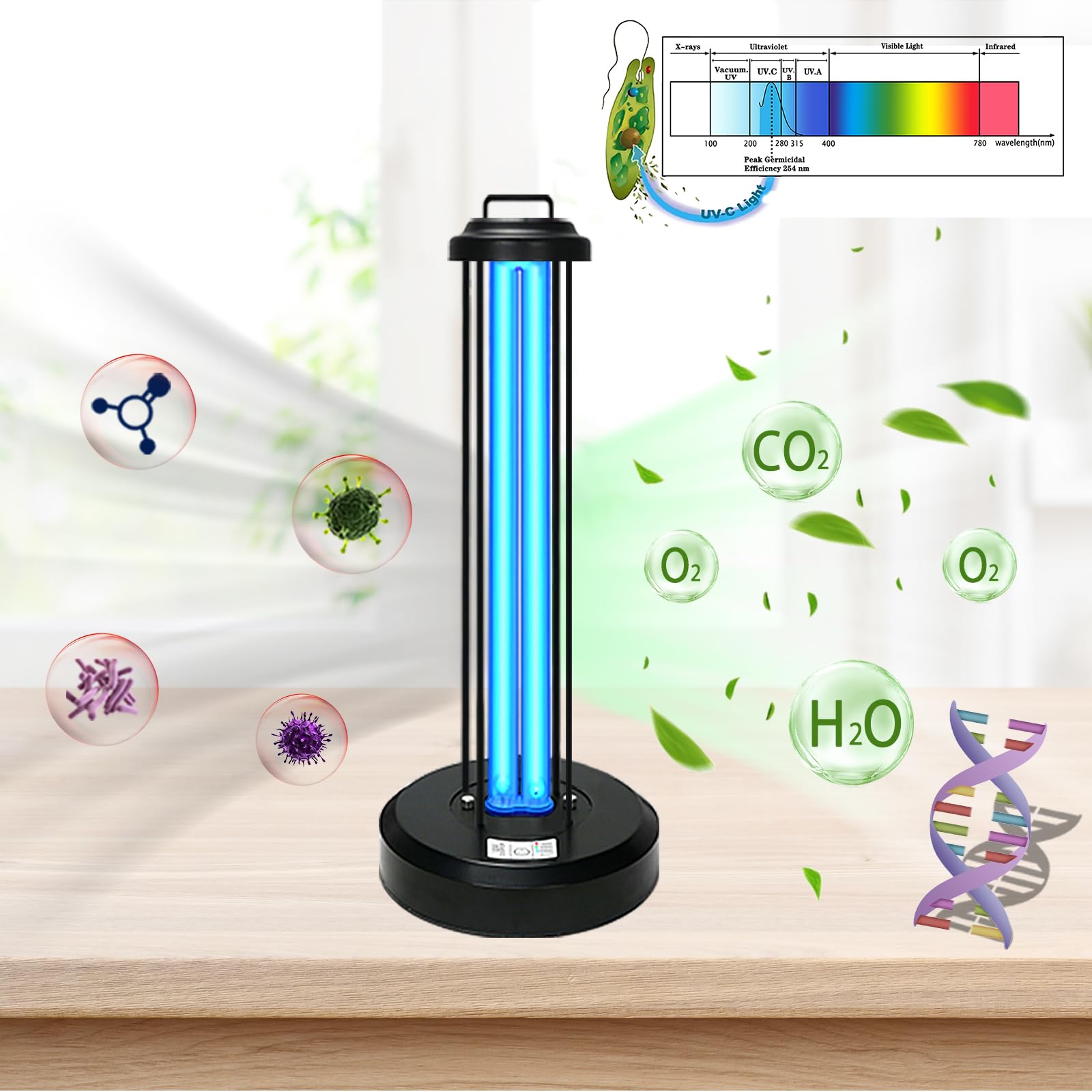
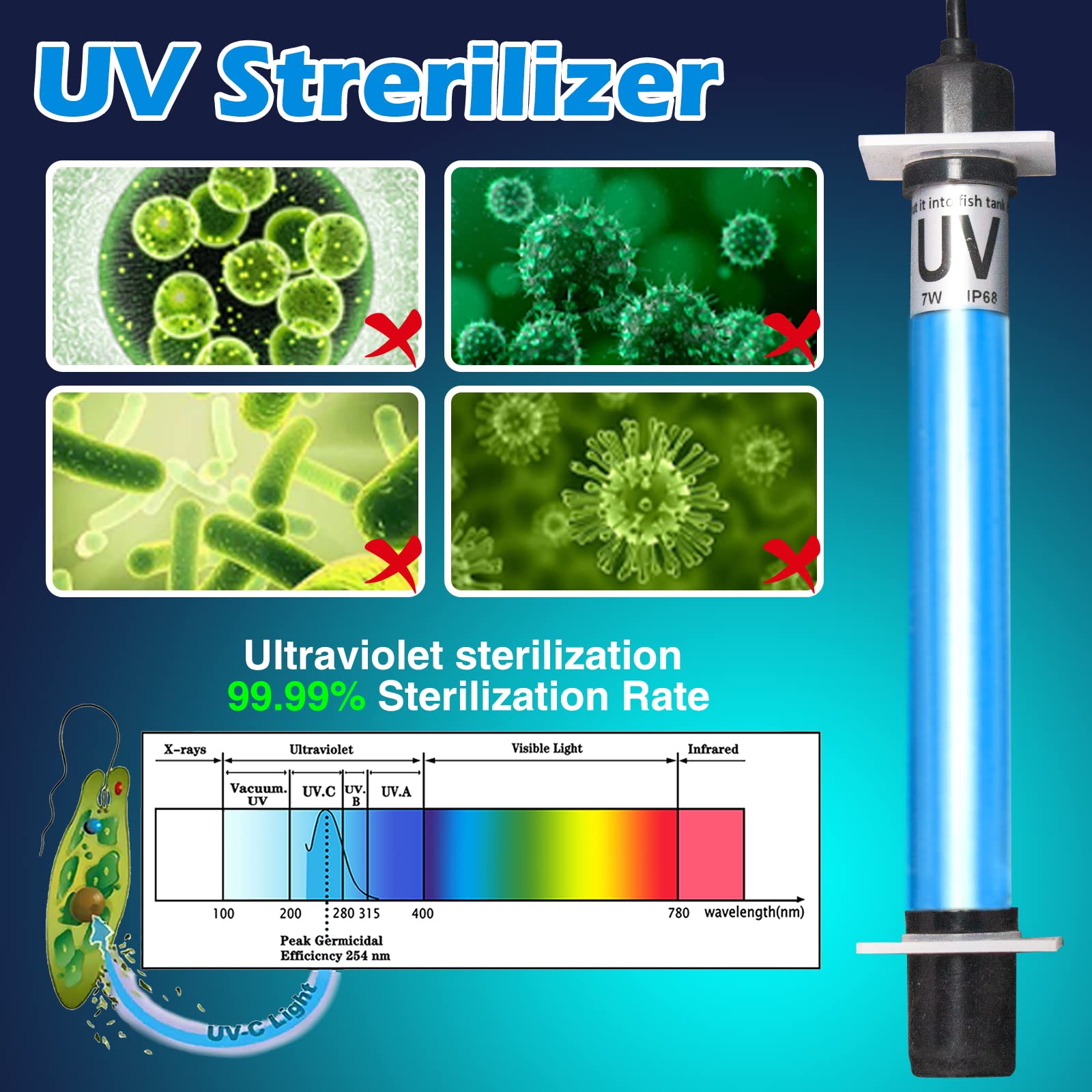
UVC rays are the most energetic type of UV radiation.
Fortunately, natural UVC radiation is mostly absorbed by the atmosphere.
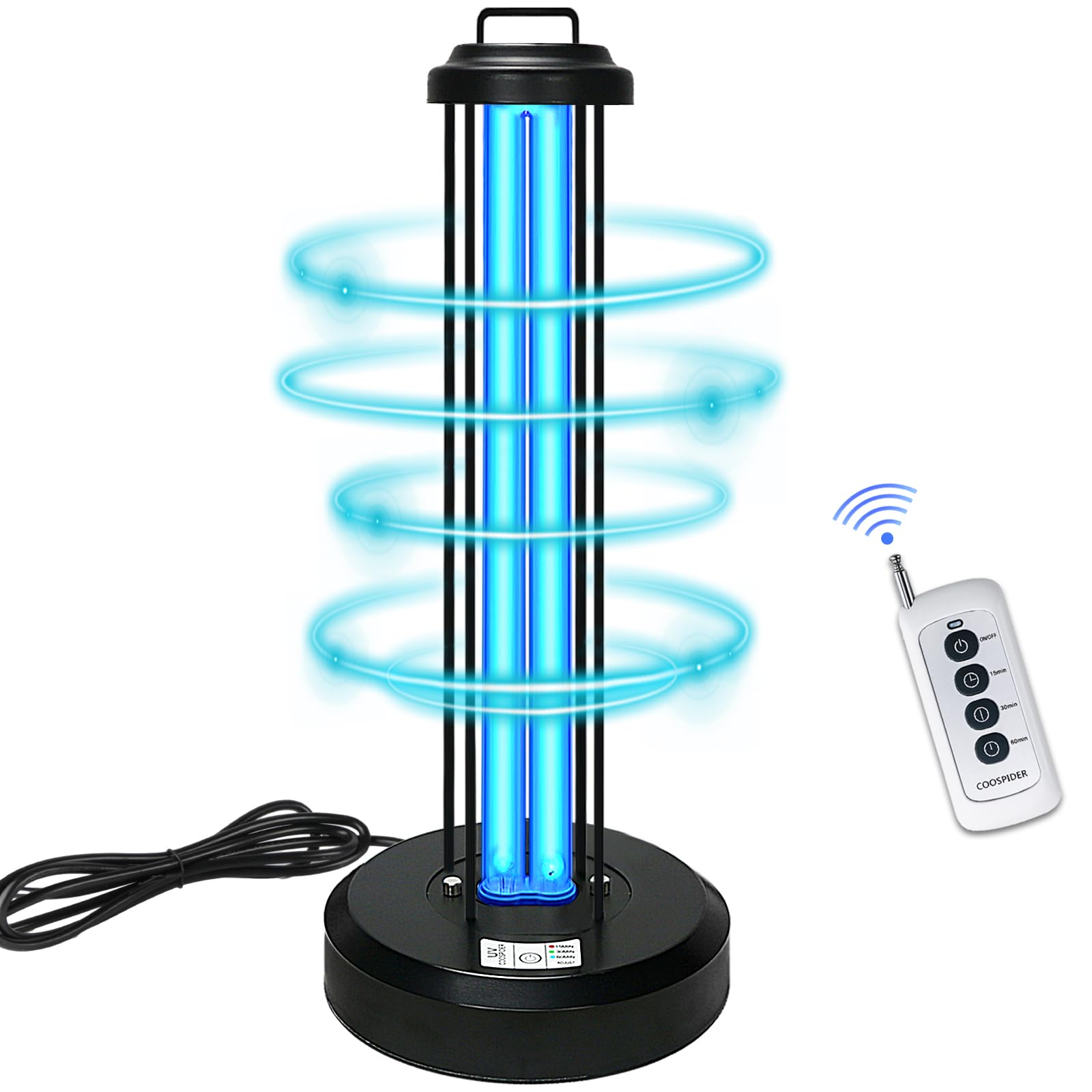
However, artificial UVC devices used for sterilization and industrial purposes require careful handling because direct exposure can harm skin and eyes.
Why a Complete UV Protection System Matters
Many people think UV protection is only necessary when they are outdoors for long periods.
However, UV damage is cumulative.
Small amounts of exposure repeated over months and years can contribute to:
-
Visible signs of aging
-
Skin sensitivity
-
Pigmentation changes
-
Eye-related concerns
-
Increased long-term health risks
A comprehensive protection system considers:
-
Prevention before exposure
-
Protection during exposure
-
Immediate response after damage
-
Long-term monitoring and improvement
This approach is more effective because it addresses UV exposure at every stage.
Part One: Prevention — Building Your Daily UV Protection Foundation
1. Understand Your Personal UV Risk
The first step in prevention is understanding your own risk factors.
UV exposure varies greatly between individuals.
Important factors include:
-
Skin type
-
Geographic location
-
Outdoor activity level
-
Occupation
-
Daily routine
-
Medical history
-
Use of photosensitizing medications
Someone working outdoors every day has a different protection requirement from someone who spends most of their time indoors.
Similarly, a person with very fair skin may require more careful protection compared with someone whose skin naturally provides more melanin protection.
2. Create a Daily Sunscreen Routine
Sunscreen remains one of the most important tools for reducing UV exposure.
However, effective sunscreen use requires more than applying it occasionally.
Choose Broad-Spectrum Protection
A broad-spectrum sunscreen helps protect against both UVA and UVB rays.
Look for products designed to provide coverage against multiple types of UV radiation.
Apply Enough Product
One common mistake is using too little sunscreen.
Many people apply only a fraction of the amount needed for the protection level shown on the label.
Important areas people often miss include:
-
Ears
-
Neck
-
Hands
-
Top of feet
-
Hairline
-
Around the eyes
Reapply Regularly
Sunscreen effectiveness decreases because of:
-
Sweating
-
Swimming
-
Toweling off
-
Extended outdoor activity
Reapplication is especially important during outdoor events, sports, and travel.
3. Use Physical Protection Methods
Sunscreen is valuable, but it should not be the only defense.
Physical barriers provide additional protection.
Protective Clothing
Clothing can reduce UV exposure by creating a physical barrier.
Helpful options include:
-
Long-sleeved shirts
-
Lightweight protective fabrics
-
Wide-brimmed hats
-
UV-protective clothing
Modern protective clothing is designed to provide coverage while remaining comfortable in warm weather.
Sunglasses and Eye Protection
UV exposure affects more than skin.
Long-term UV exposure may contribute to eye problems, including:
-
Eye irritation
-
Increased risk of certain eye conditions
-
Damage to sensitive eye structures
Quality sunglasses should provide protection against both UVA and UVB rays.
A larger frame style can provide additional coverage around the eyes.
4. Manage Your Environment
Reducing UV exposure does not always require avoiding sunlight.
Small environmental adjustments can make a significant difference.
Use Shade Strategically
Shade can reduce direct UV exposure.
Examples include:
-
Umbrellas
-
Trees
-
Covered patios
-
Outdoor structures
However, reflected UV radiation from surfaces such as water, sand, or concrete may still reach you.
Improve Indoor UV Protection
Indoor environments may still allow UVA exposure.
Consider:
-
UV-filtering window films
-
Protective window coatings
-
Adjustable blinds
-
Curtains
-
Workspace repositioning
These measures are especially useful for:
-
Home offices
-
Large-window workplaces
-
Sunrooms
-
Vehicles
Part Two: Creating a UV Protection Plan for Different Situations
Office Protection
Modern workplaces often feature large windows and open designs.
To reduce unnecessary exposure:
-
Avoid sitting directly in intense sunlight when possible
-
Use window coverings during strong sunlight periods
-
Position monitors to reduce glare
-
Consider UV-filtering window solutions
Employees who spend many hours near windows should pay particular attention to cumulative exposure.
Home Protection
Homes often combine relaxation and work environments.
Potential exposure areas include:
-
Home offices
-
Living rooms
-
Balconies
-
Kitchens with large windows
-
Glass-enclosed spaces
Creating a healthier home environment may involve adjusting furniture placement and controlling sunlight throughout the day.
Outdoor Activity Protection
Outdoor activities require a stronger protection strategy.
Before going outside:
-
Check expected UV intensity
-
Apply sunscreen properly
-
Wear protective clothing
-
Prepare shade options
-
Bring water to prevent dehydration
During activities:
-
Take breaks in shaded areas
-
Reapply sunscreen when needed
-
Protect children carefully
-
Pay attention to signs of overheating
Travel Protection
Travel often increases UV exposure because people spend more time outdoors.
High-risk situations include:
-
Beach vacations
-
Mountain trips
-
Tropical destinations
-
Outdoor sightseeing
-
Road trips
Travel preparation should include:
-
Appropriate sunscreen
-
Sunglasses
-
Protective clothing
-
Hats
-
After-sun care supplies
Part Three: Special UV Protection Considerations
Protecting Children
Children require special attention because their skin is more sensitive and they often spend more time outdoors.
Important strategies include:
-
Encouraging shade breaks
-
Using age-appropriate sun protection products
-
Providing protective clothing
-
Teaching healthy sun habits early
Childhood sun protection can influence long-term skin health.
Protecting Older Adults
Older adults may face additional challenges because:
-
Skin becomes thinner with age
-
Natural repair processes may slow
-
Medication interactions may increase sensitivity
Regular protection habits remain important throughout life.
Protecting Sensitive Individuals
Some people may have increased UV sensitivity due to:
-
Certain medications
-
Skin conditions
-
Previous sun damage
-
Medical treatments
These individuals should discuss personalized protection strategies with healthcare professionals.
Part Four: UV Exposure First Aid — What to Do After Sun Damage
Even with careful prevention, accidental overexposure can happen.
Knowing how to respond quickly can reduce discomfort and support recovery.
Treating Mild Sunburn
A mild sunburn may cause:
-
Redness
-
Warmth
-
Tenderness
-
Mild swelling
Helpful steps include:
Cool the Skin
Use:
-
Cool showers
-
Cool damp cloths
-
Gentle cooling methods
Avoid extremely cold ice directly on damaged skin.
Hydrate
Sun exposure can contribute to fluid loss.
Drink enough water and pay attention to signs of dehydration.
Moisturize
Gentle moisturizers may help support skin comfort.
Products containing soothing ingredients can provide temporary relief.
Avoid Further Sun Exposure
Damaged skin is more vulnerable.
Protect affected areas until they recover.
When to Seek Medical Attention
Some UV-related injuries require professional evaluation.
Seek medical advice if you experience:
-
Severe blistering
-
Significant swelling
-
Severe pain
-
Signs of infection
-
Fever
-
Dizziness
-
Confusion
-
Extensive skin damage
Severe sunburn can affect the entire body, not just the skin surface.
Handling Eye Exposure
Excessive UV exposure can affect the eyes.
Possible symptoms include:
-
Burning sensation
-
Excessive tearing
-
Light sensitivity
-
Eye discomfort
If symptoms are severe or persistent, professional medical evaluation is recommended.
Common UV Protection Mistakes
Mistake 1: Only Using Sunscreen on Sunny Days
UV radiation exists even when:
-
Clouds are present
-
Temperatures are cool
-
The sky appears overcast
Daily habits are more effective than occasional protection.
Mistake 2: Ignoring Hands and Neck
Many people focus only on their face.
However, frequently exposed areas include:
-
Hands
-
Neck
-
Arms
-
Ears
These areas also need protection.
Mistake 3: Believing Indoor Spaces Are Completely Safe
Indoor exposure is usually lower, but windows may allow UVA transmission.
Awareness helps people make better choices.
Mistake 4: Using Expired or Improperly Stored Sunscreen
Sunscreen effectiveness may decrease if products are:
-
Expired
-
Stored incorrectly
-
Exposed to excessive heat
Proper storage helps maintain performance.
Building a Long-Term UV Health Protection System
A successful protection strategy should become part of everyday life.
A practical system includes:
Daily Habits
-
Apply appropriate sun protection
-
Wear protective accessories
-
Manage indoor sunlight exposure
Weekly Awareness
-
Check outdoor plans
-
Prepare protective supplies
-
Evaluate exposure patterns
Long-Term Monitoring
-
Pay attention to skin changes
-
Schedule appropriate health checks
-
Update protection strategies as lifestyle changes
The Future of UV Protection: Combining Technology and Healthy Habits
Modern UV protection is becoming increasingly personalized.
Future solutions may include:
-
Smart UV monitoring devices
-
Advanced protective fabrics
-
Improved window technologies
-
Personalized exposure tracking
Technology can support awareness, but consistent daily habits remain the foundation of protection.
Conclusion: Prevention, Preparation, and Protection Work Together
A complete UV health protection system is not based on avoiding sunlight completely. Sunlight plays an important role in outdoor enjoyment, mental well-being, and daily life.
The goal is balance.
By understanding UV risks, building preventive habits, using appropriate protective tools, and knowing how to respond after exposure, individuals can create a practical approach to long-term health.
Effective UV protection begins before damage occurs. It continues through smart choices during exposure and extends to proper care when problems appear.
Whether you are working near a window, spending time outdoors, traveling, or enjoying time with family, a comprehensive UV protection strategy helps you stay safer while maintaining an active and healthy lifestyle.
Have questions about creating a personalized UV protection plan for your home, workplace, or outdoor activities? Feel free to leave a comment or contact us for professional advice and customized solutions.