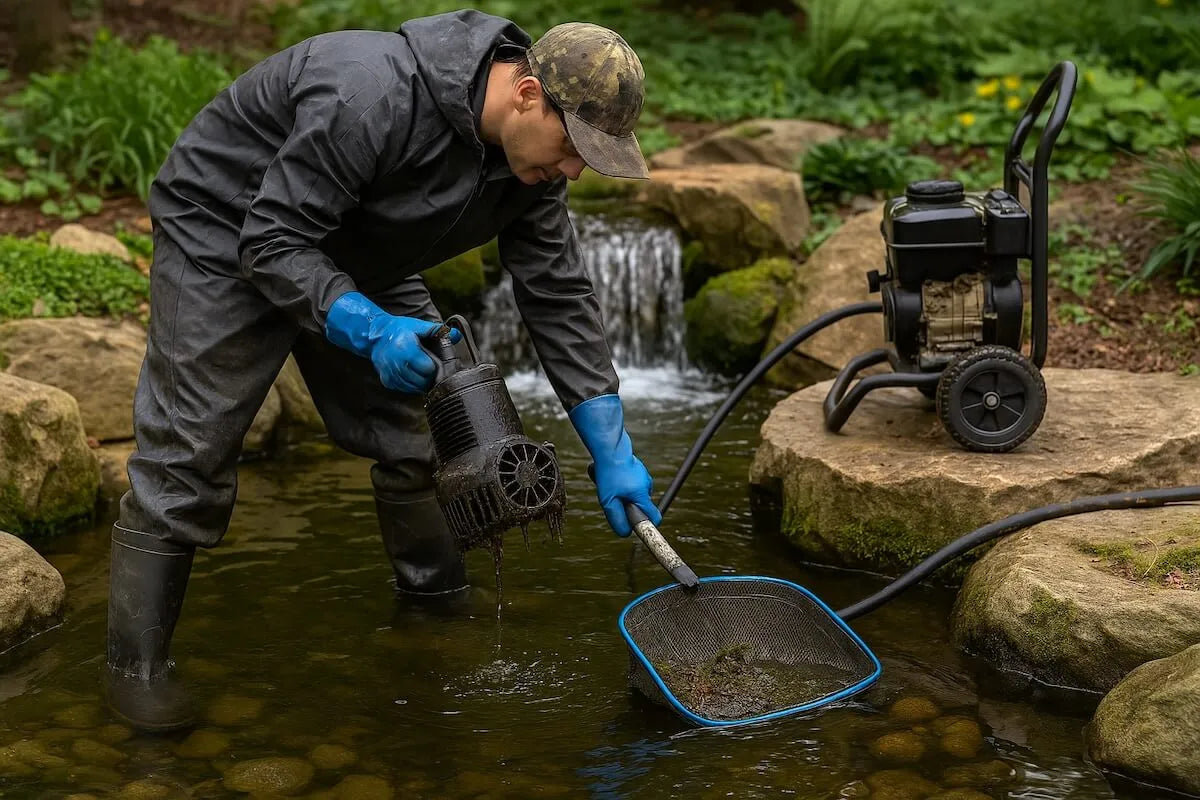
For many pond owners, the dream of a peaceful backyard water garden often comes with an unexpected reality: constant maintenance. Cleaning sludge, vacuuming debris, flushing filters, changing water, unclogging pipes, and managing algae can quickly transform a relaxing koi pond or ornamental fish pond into a time-consuming chore.
Traditional pond maintenance methods often require hours of weekly manual work, especially in heavily stocked koi ponds or large decorative water features. As modern lifestyles become busier, many pond enthusiasts are looking for smarter, more efficient ways to maintain crystal-clear water and healthy fish without spending every weekend cleaning filters and removing waste.
This growing demand has led to the rise of minimalist pond maintenance systems — especially automatic waste removal technologies that dramatically reduce manual labor while improving water quality and system stability.
With the right automatic drainage and self-cleaning setup, many pond owners can reduce maintenance workload by as much as 80%, while also creating a healthier environment for koi, goldfish, aquatic plants, and beneficial bacteria.
This guide explores how automatic pond waste removal systems work, why they are becoming increasingly popular, and how minimalist pond design can save time, improve water quality, and simplify long-term pond ownership.
Why Traditional Pond Maintenance Becomes So Time-Consuming
Most pond maintenance problems begin with one unavoidable reality: waste accumulation.
Every pond continuously collects:
-
Fish waste
-
Uneaten food
-
Decaying leaves
-
Algae residue
-
Dust and dirt
-
Organic sludge
-
Dead plant matter
Without efficient removal, these materials settle on the pond bottom and slowly decompose.
What Happens When Waste Accumulates
As organic waste breaks down, it releases harmful compounds such as:
-
Ammonia
-
Nitrite
-
Nitrate
-
Phosphates
-
Hydrogen sulfide
These pollutants may contribute to:
-
Poor water clarity
-
Algae blooms
-
Low oxygen levels
-
Bad odors
-
Fish stress
-
Increased disease risk
Traditional ponds often rely heavily on manual cleaning to remove these contaminants.
The Hidden Cost of Manual Pond Maintenance
Many pond owners underestimate the long-term workload involved in maintaining a fish pond properly.
Common Manual Maintenance Tasks
Traditional maintenance may include:
-
Vacuuming pond bottoms
-
Cleaning skimmer baskets
-
Flushing filters
-
Draining settlement chambers
-
Removing leaves
-
Scrubbing algae
-
Performing water changes
For large koi ponds, this can easily consume several hours every week.
Why Manual Cleaning Often Fails
Manual maintenance is also inconsistent.
Busy schedules frequently lead to:
-
Delayed cleaning
-
Neglected filtration
-
Water instability
-
Sudden algae outbreaks
Automatic systems help eliminate this inconsistency.
What Is an Automatic Pond Waste Removal System?
An automatic waste removal system is designed to continuously or periodically remove debris and sludge from the pond with minimal human intervention.
These systems typically combine:
-
Bottom drains
-
Mechanical filtration
-
Automatic flushing valves
-
Self-cleaning filters
-
Waste discharge plumbing
-
Smart timers or controllers
Instead of manually vacuuming sludge from the pond floor, waste is automatically transported out of the system before it accumulates.
Why Minimalist Pond Design Is Growing in Popularity
Modern pond owners increasingly prefer systems that prioritize:
-
Low maintenance
-
Stable water quality
-
Energy efficiency
-
Automation
-
Simplicity
-
Long-term reliability
This philosophy is often called minimalist pond keeping.
Rather than constantly correcting problems manually, minimalist systems focus on preventing waste buildup from the beginning.
The Core Principle: Remove Waste Before It Decomposes
One of the most important concepts in advanced pond maintenance is early waste export.
Why Timing Matters
Fresh waste is easier to remove than decomposed sludge.
Once waste begins breaking down, it releases:
-
Dissolved organics
-
Nutrients
-
Fine particles
These compounds become much harder to eliminate later.
Automatic waste removal systems work best because they export debris quickly before decomposition accelerates.
Bottom Drains: The Foundation of Automatic Cleaning
Bottom drains are one of the most important components in a low-maintenance pond system.
What Bottom Drains Do
Bottom drains collect sinking debris from the pond floor and direct it into the filtration system.
This eliminates the need for frequent manual vacuuming.
Why Gravity-Fed Bottom Drains Work So Well
Gravity systems move waste gently without grinding debris into smaller particles.
This improves:
-
Water clarity
-
Filtration efficiency
-
Waste removal speed
Proper Pond Shape Improves Self-Cleaning Efficiency
Minimalist pond systems rely heavily on smart pond geometry.
Ideal Pond Floor Design
Most self-cleaning ponds use:
-
Sloped floors
-
Rounded corners
-
Central drain positioning
This encourages debris to move naturally toward drains.
Why Flat Pond Floors Cause Maintenance Problems
Flat-bottom ponds allow sludge to settle in dead zones.
These stagnant areas become:
-
Nutrient traps
-
Algae breeding zones
-
Oxygen-depleted regions
Poor pond design dramatically increases maintenance workload.
Mechanical Filtration: Capturing Solid Waste Efficiently
After waste leaves the pond through bottom drains, it enters mechanical filtration systems.
Common Mechanical Filtration Options
Drum Filters
Rotary drum filters are among the most advanced self-cleaning options.
Benefits include:
-
Automatic flushing
-
Fine particle removal
-
Minimal manual cleaning
Sieve Filters
Sieves separate larger debris efficiently before decomposition occurs.
Settlement Chambers
These allow heavy solids to sink for later discharge.
Why Automatic Drum Filters Are Revolutionizing Pond Maintenance
Drum filters have become increasingly popular in modern koi ponds.
How Drum Filters Work
As dirty water enters the drum:
-
Fine screens trap debris
-
Sensors detect clogging
-
Automatic spray systems clean the screen
-
Waste is discharged automatically
This process greatly reduces manual labor.
Automatic Waste Purge Systems Explained
Many advanced ponds now include automatic purge valves.
What Purge Systems Do
These systems periodically:
-
Open drainage valves
-
Flush collected sludge
-
Remove sediment automatically
This prevents sludge accumulation without requiring manual draining.
Smart Timers and Automated Controllers
Automation technology now allows pond systems to operate with minimal supervision.
Common Smart Features
Modern controllers can automate:
-
Waste flushing
-
Water top-offs
-
Aeration schedules
-
UV sterilizers
-
Pump timing
-
Leak detection
How Automation Saves 80% of Manual Labor
The biggest labor savings come from eliminating repetitive cleaning tasks.
Tasks Reduced Through Automation
Manual Vacuuming
Bottom drains reduce sludge buildup dramatically.
Filter Cleaning
Self-cleaning filters automate debris removal.
Waste Draining
Automatic purge systems remove sludge automatically.
Water Monitoring
Smart sensors reduce constant testing needs.
The Importance of Continuous Water Movement
Minimalist ponds depend heavily on efficient circulation.
Benefits of Proper Water Flow
Strong circulation helps:
-
Prevent dead zones
-
Improve oxygen distribution
-
Transport debris toward drains
-
Reduce algae growth
Aeration and Oxygen Management
Healthy pond ecosystems require stable oxygen levels.
Why Aeration Matters
Proper aeration supports:
-
Fish health
-
Beneficial bacteria
-
Waste decomposition
-
Water circulation
Bottom Drain Aeration Systems
Many bottom drains include built-in air diffusers.
These systems:
-
Improve circulation
-
Push debris toward drains
-
Increase dissolved oxygen
Biological Filtration Still Matters
Even highly automated ponds still require biological filtration.
What Biological Filters Do
Beneficial bacteria convert:
-
Ammonia into nitrite
-
Nitrite into nitrate
This process protects fish from toxic waste buildup.
Why Stable Water Quality Reduces Maintenance
One of the hidden advantages of automatic systems is greater environmental stability.
Stable ponds typically experience:
-
Fewer algae outbreaks
-
Less fish stress
-
Better water clarity
-
Reduced disease risk
This creates a self-reinforcing low-maintenance cycle.
Algae Control Becomes Easier in Cleaner Ponds
Waste accumulation fuels algae growth.
By removing organics quickly, automated systems naturally reduce:
-
String algae
-
Green water
-
Biofilm buildup
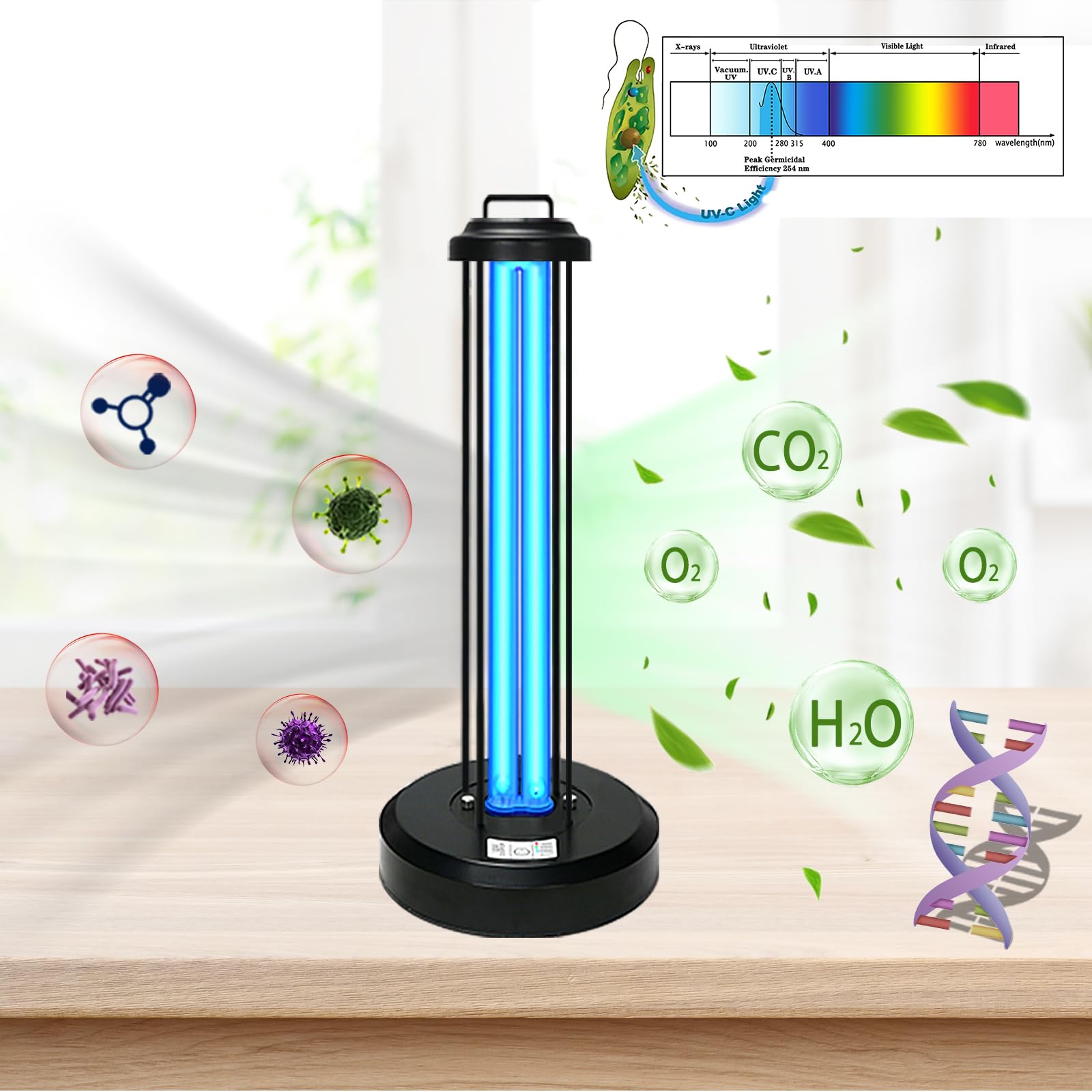
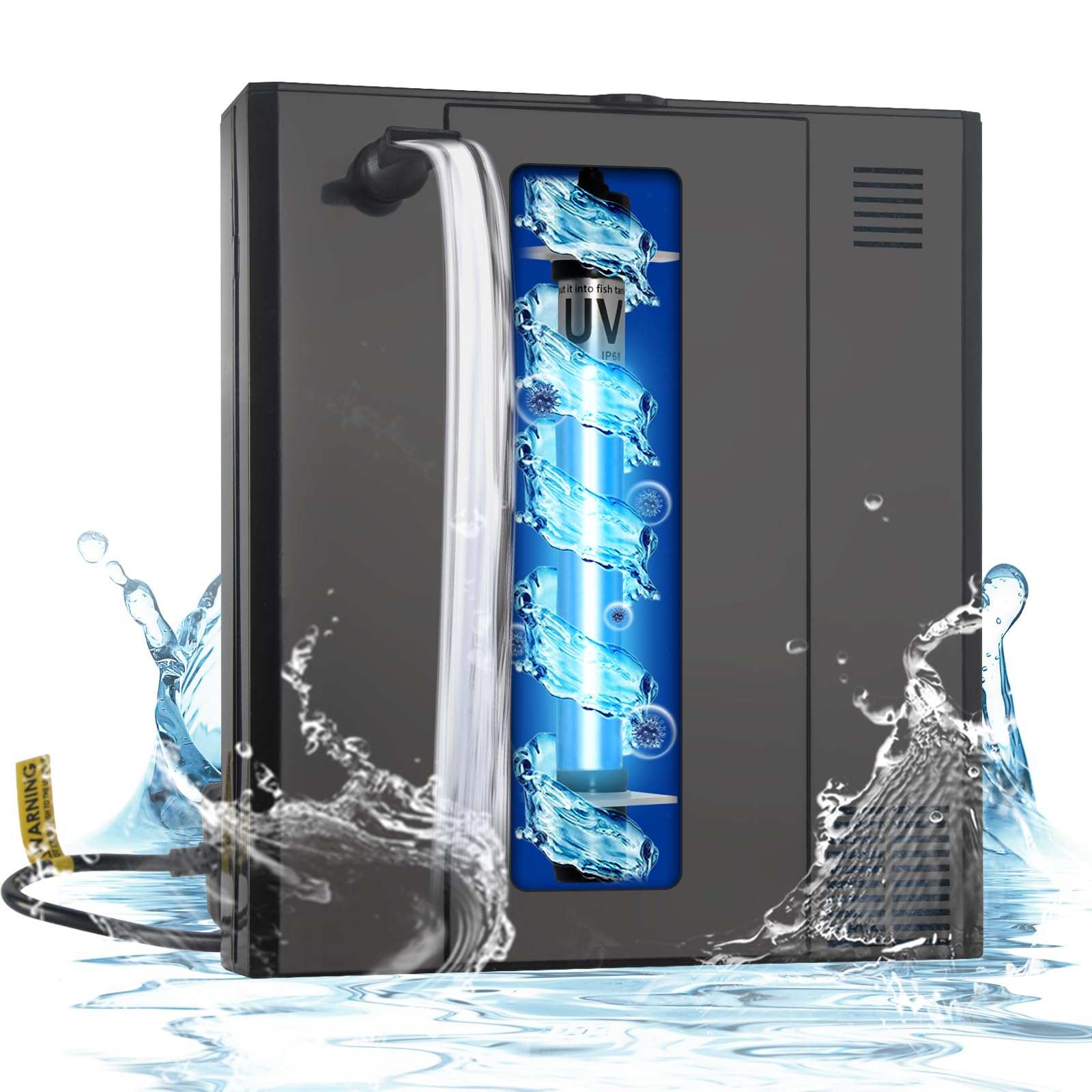
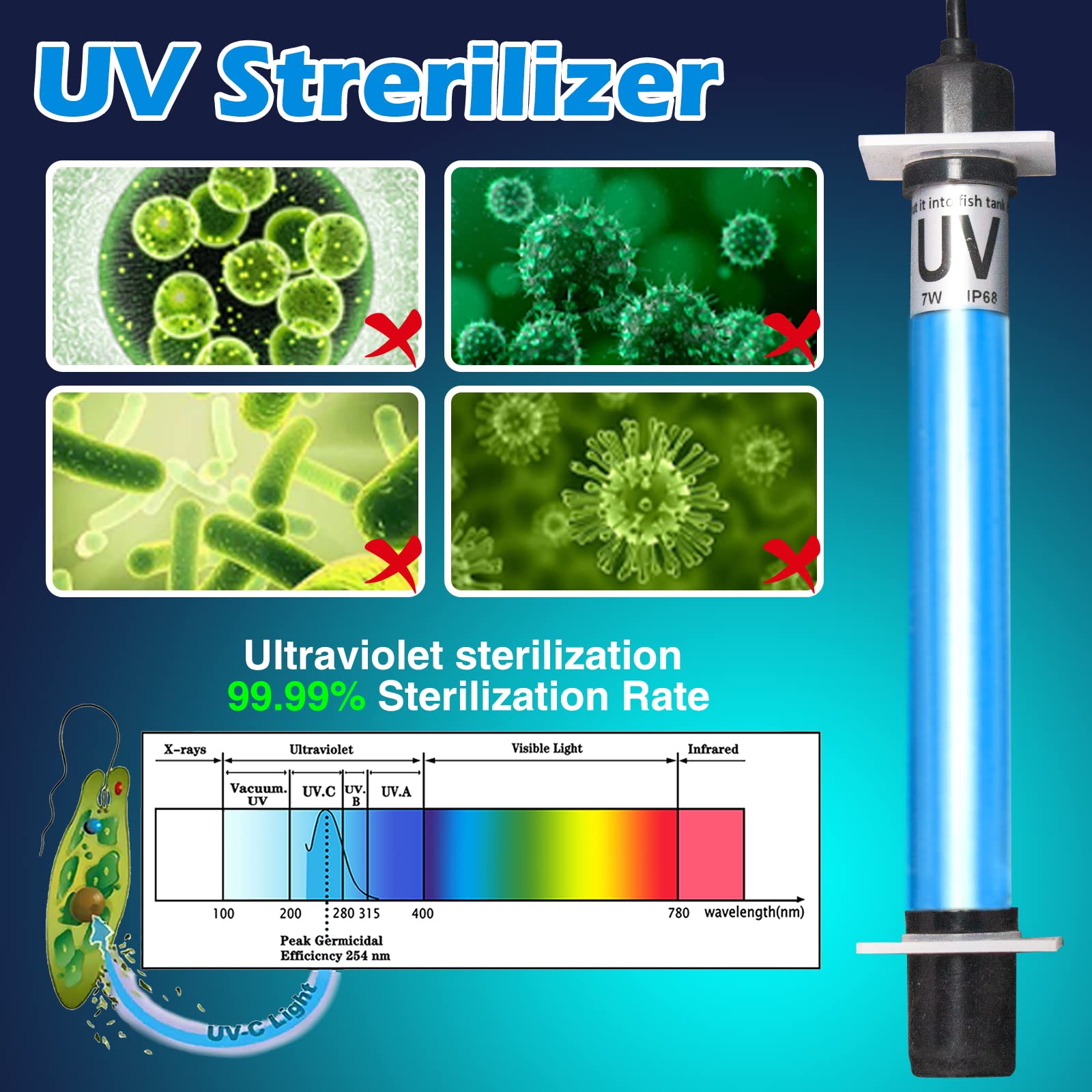
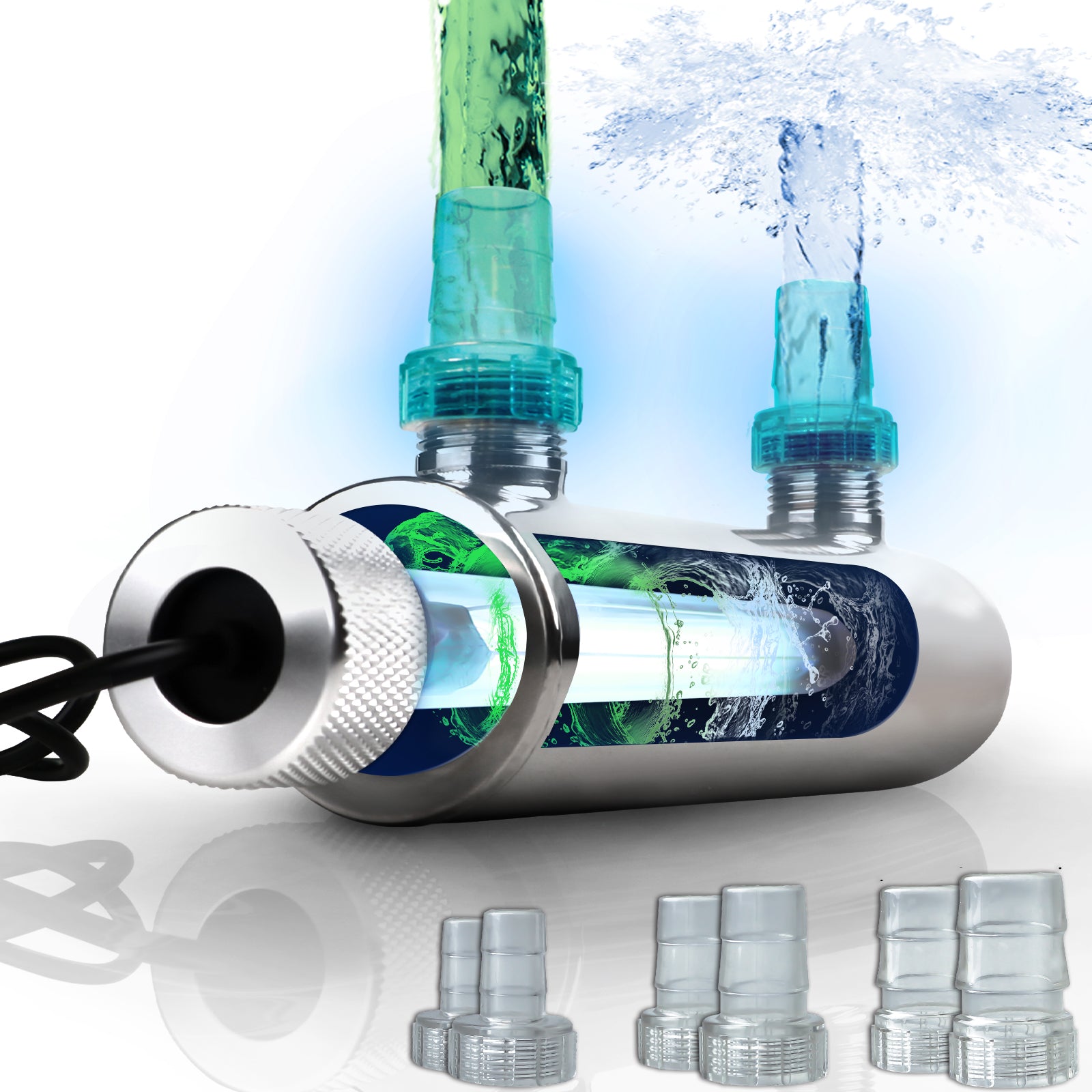
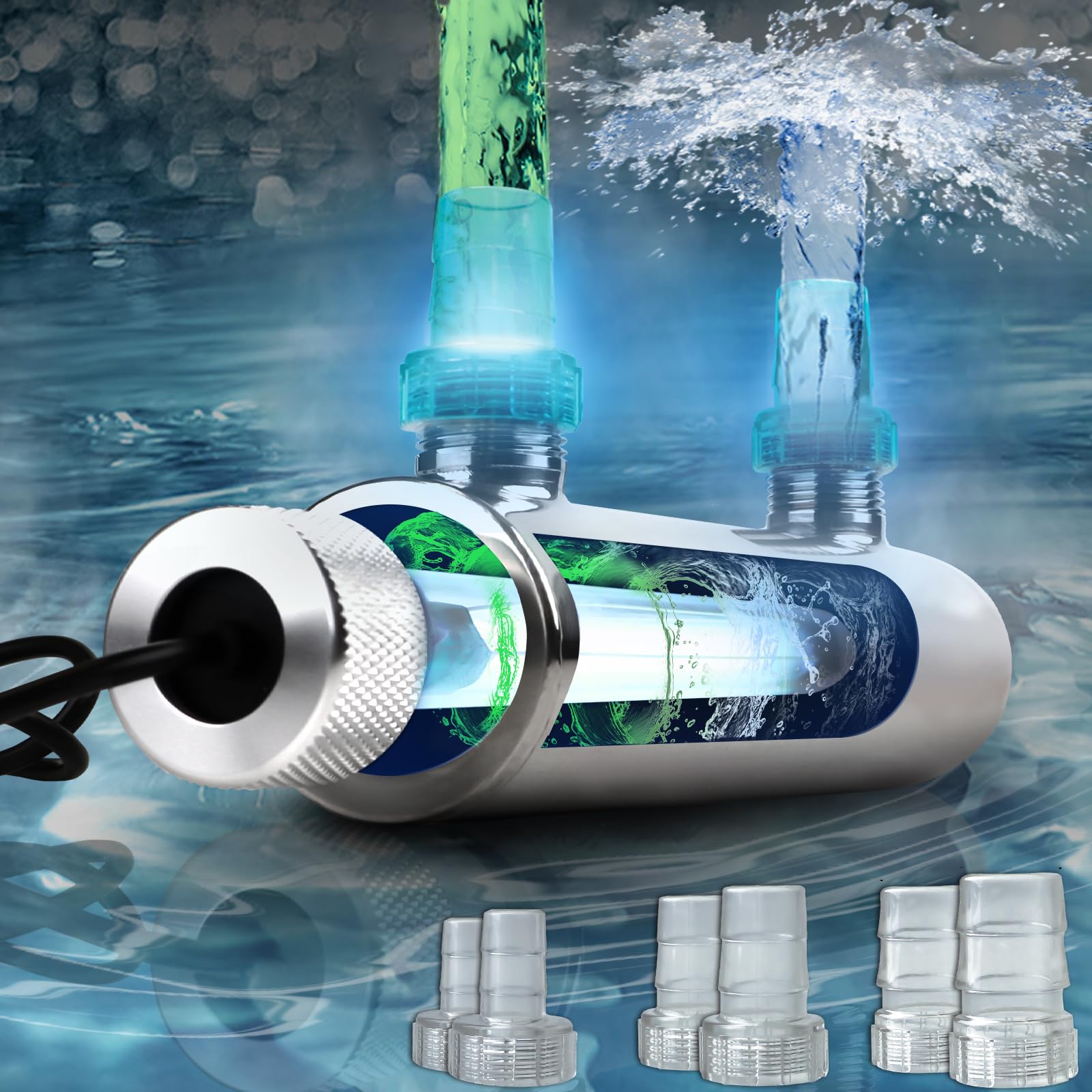
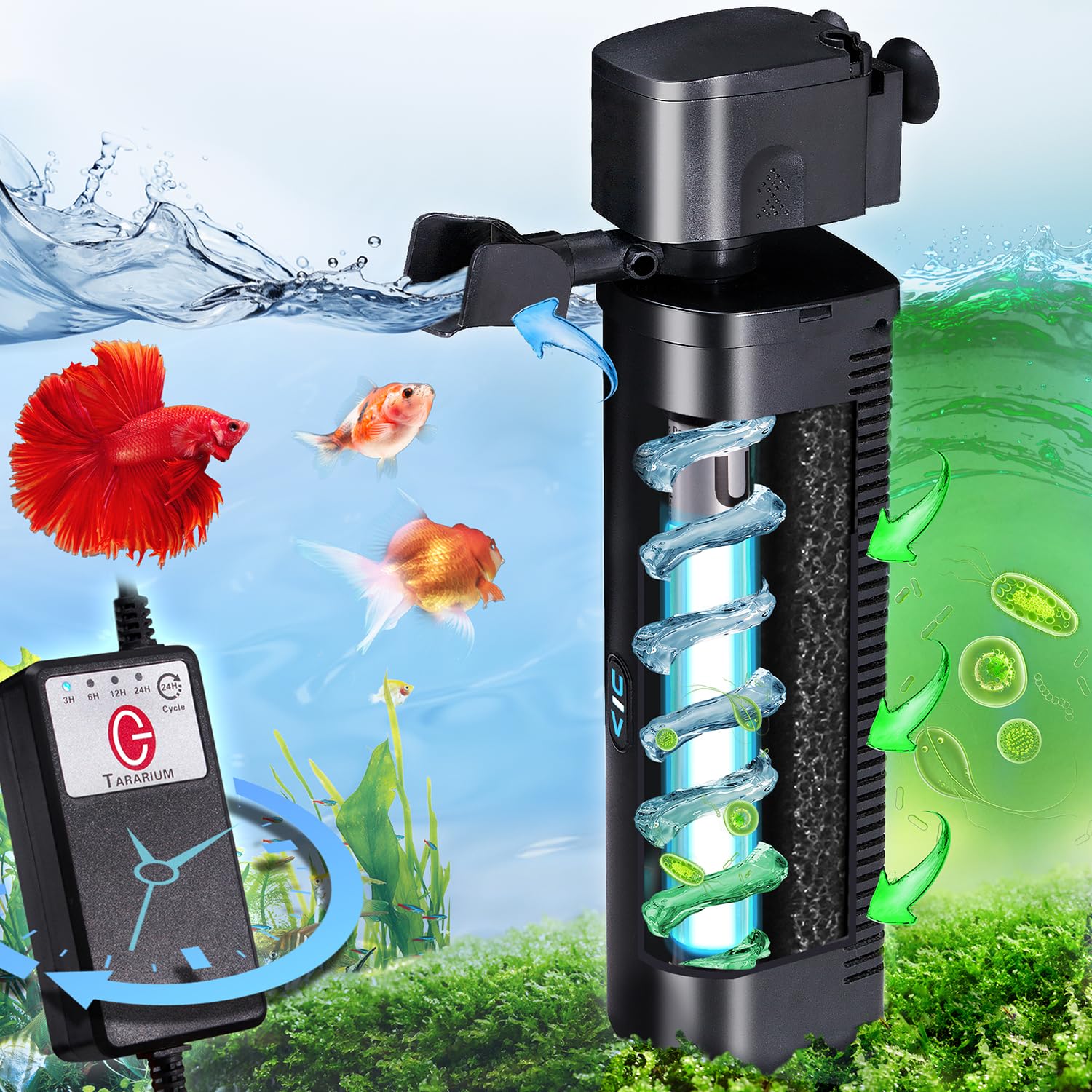
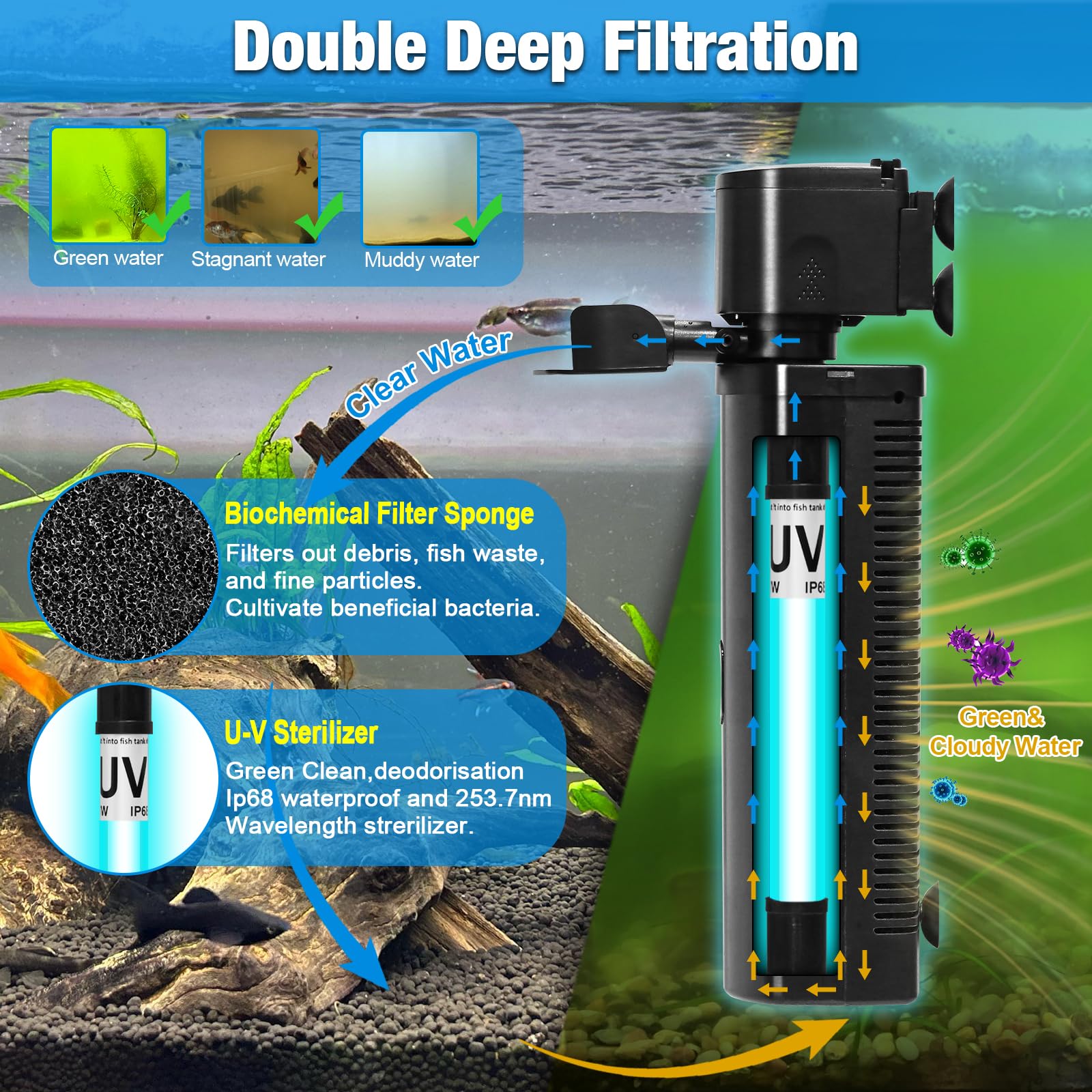
UV Sterilizers and Minimalist Pond Systems
Many automated ponds use UV clarifiers to maintain clear water.
How UV Systems Help
UV sterilizers reduce:
-
Floating algae
-
Harmful microorganisms
-
Water cloudiness
Combined with automatic filtration, they improve overall system efficiency.
Energy Efficiency in Automated Pond Systems
Some pond owners worry that automation increases electricity costs.
However, efficient modern systems often reduce overall energy waste.
Why Efficient Systems Save Energy
Cleaner systems:
-
Reduce pump strain
-
Improve water flow
-
Lower oxygen demand
-
Minimize emergency maintenance
The Role of Pond Stocking Density
Overstocked ponds create excessive waste.
Even the best automation systems have limits.
Why Moderate Fish Loads Matter
Balanced stocking improves:
-
Water quality
-
Oxygen stability
-
Waste management
-
Long-term system performance
Common Mistakes That Defeat Automated Systems
Automation helps, but poor design choices can still create problems.
Mistake #1: Undersized Filtration
Filters must match:
-
Pond volume
-
Fish load
-
Feeding intensity
Mistake #2: Poor Drain Placement
Improper drain positioning creates sludge pockets.
Mistake #3: Ignoring Pipe Size
Narrow plumbing restricts waste transport.
Mistake #4: Excessive Pond Decorations
Too many rocks and shelves trap debris.
Minimalist ponds prioritize smooth, functional layouts.
Why Koi Ponds Benefit Most from Automation
Koi produce significant waste compared to many ornamental fish.
Large koi ponds often require:
-
Heavy filtration
-
Frequent cleaning
-
Strong circulation
Automation dramatically improves manageability for koi keepers.
Water Changes Become Easier with Automatic Systems
Many advanced ponds now use continuous trickle water exchange systems.
Benefits of Automatic Water Changes
Small continuous changes help:
-
Stabilize chemistry
-
Reduce nitrate buildup
-
Improve fish health
Remote Monitoring Is Changing Pond Ownership
Modern pond owners increasingly use:
-
Wi-Fi controllers
-
Mobile apps
-
Smart sensors
These technologies allow real-time monitoring of:
-
Temperature
-
Water levels
-
Pump status
-
Oxygen levels
Minimalist Pond Design Improves Aesthetics Too
Cleaner pond designs often appear more elegant and modern.
Minimalist layouts emphasize:
-
Open water
-
Natural movement
-
Simplicity
-
Reduced clutter
This creates a calmer viewing experience.
Seasonal Maintenance Still Matters
Even automated ponds require occasional inspections.
Recommended Seasonal Tasks
Spring
-
Inspect pumps
-
Check valves
-
Test water parameters
Summer
-
Monitor oxygen
-
Adjust feeding
Autumn
-
Remove leaves
-
Inspect drains
Winter
-
Protect plumbing
-
Monitor ice conditions
Backup Systems Remain Important
Automation reduces workload, but emergencies still happen.
Recommended Backup Equipment
-
Backup air pumps
-
Emergency power supplies
-
Spare valves
-
Redundant circulation systems
Long-Term Cost Savings of Automated Maintenance
Although advanced systems require higher initial investment, they often reduce long-term costs.
Areas Where Automation Saves Money
-
Lower labor requirements
-
Reduced fish loss
-
Less emergency maintenance
-
Improved equipment lifespan
-
Better water efficiency
The Future of Smart Minimalist Pond Keeping
Pond technology continues evolving rapidly.
Future systems may include:
-
AI-powered water analysis
-
Fully autonomous waste export
-
Predictive maintenance alerts
-
Smart feeding integration
-
Cloud-based pond management
The trend toward low-maintenance aquatic ecosystems will likely continue growing.
Is a Fully Maintenance-Free Pond Possible?
Not entirely.
Every pond ecosystem still requires:
-
Observation
-
Occasional inspections
-
Equipment maintenance
-
Seasonal adjustments
However, smart automation can dramatically reduce repetitive manual labor while improving overall pond stability.
Building the Ideal Low-Maintenance Pond
The best minimalist pond systems combine:
-
Proper pond depth
-
Efficient bottom drains
-
Automatic waste removal
-
Smart filtration
-
Strong aeration
-
Balanced fish stocking
-
Stable circulation
When these elements work together, maintenance becomes significantly easier.
Final Thoughts
Minimalist pond maintenance is not about neglecting a pond — it is about designing a smarter, more efficient ecosystem from the beginning. Automatic waste removal systems allow pond owners to dramatically reduce manual cleaning while improving water quality, fish health, and long-term system stability.
By using bottom drains, self-cleaning filters, automatic purge systems, smart controllers, and optimized pond design, many pond owners can eliminate up to 80% of repetitive maintenance work that traditionally consumes time and energy.
The result is a cleaner pond, healthier fish, fewer water quality problems, and more time to actually enjoy the beauty of the pond itself.
As pond technology continues advancing, automated minimalist pond systems are quickly becoming the future of modern koi keeping and ornamental water gardening.