
If you love gel nails, you already know the heartbreak.
You spend time choosing the perfect color.
You carefully prep your nails.
You cure each layer under a UV lamp.
And yet—days later, sometimes even hours later—your gel polish starts lifting, peeling, or chipping.
Most people blame the polish.
Some blame their nails.
Very few blame the real culprit:
Incorrect UV lamp usage.
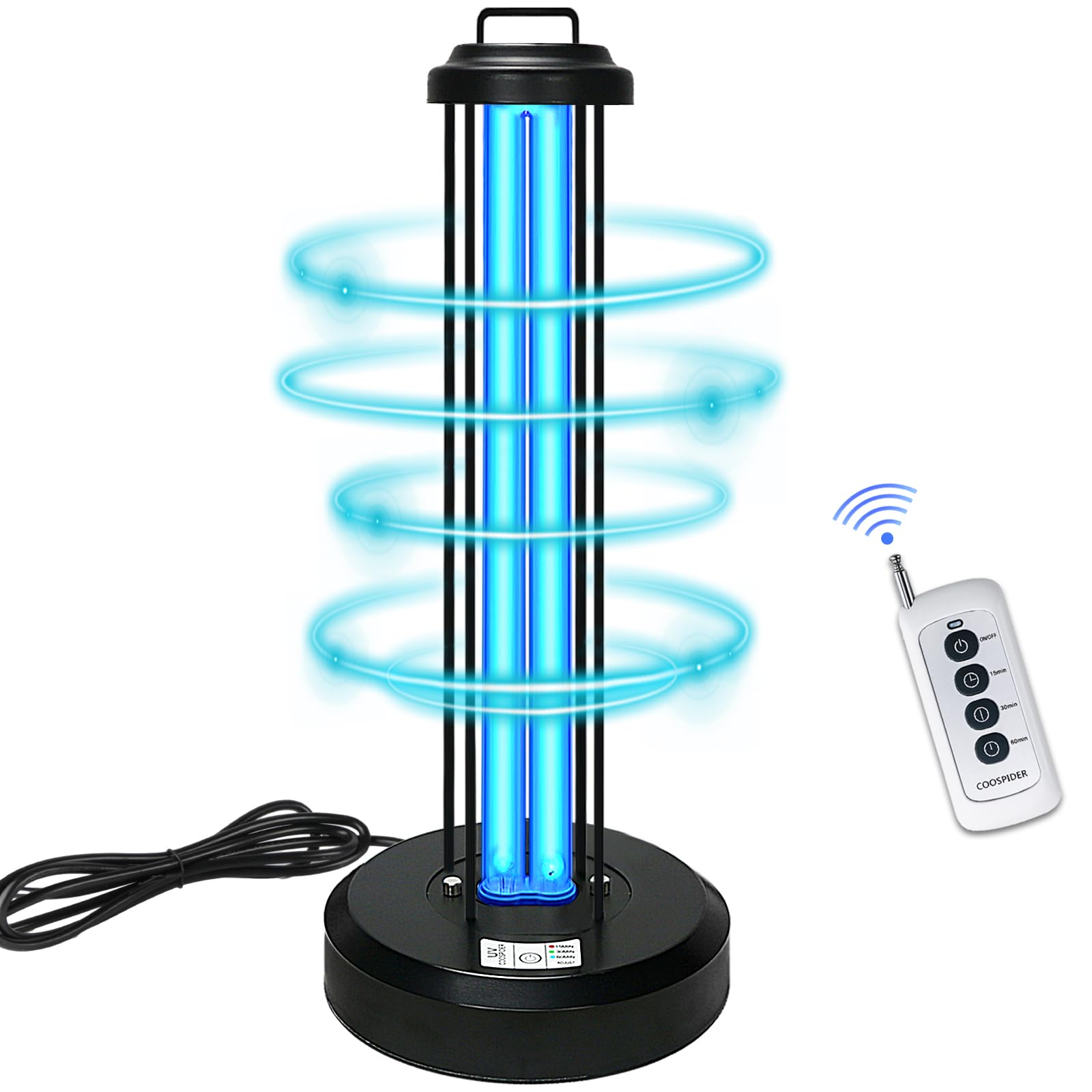
UV lamps are not just “dryers.” They are precision curing tools. When used correctly, they are the secret behind salon-level, long-lasting gel nails. When used incorrectly, they quietly sabotage your manicure from the inside out.
This guide is for every nail lover who wants their gel manicure to last weeks, not days. We’ll break down how UV lamps really work, the mistakes most people make, and the professional techniques that keep gel polish flawless and durable.
1. Why UV Lamps Matter More Than Your Gel Polish
Gel polish doesn’t air-dry.
It doesn’t “set” on its own.
It cures—a chemical process where liquid gel hardens through exposure to ultraviolet light.
If curing is incomplete or uneven:
-
The surface may look dry, but the inside remains soft
-
Adhesion weakens
-
Lifting starts at the edges
-
Chipping becomes inevitable
In other words:
Perfect polish + bad curing = failed manicure.
2. UV vs LED Lamps: Clearing Up the Confusion
Before diving into technique, let’s clarify terminology.
UV Lamps
-
Use traditional UV bulbs
-
Cure all types of gel polish
-
Longer curing times
-
Broader wavelength range
LED Lamps
-
Use LED light within UV spectrum
-
Cure faster
-
Not compatible with all gels
-
Require specific photoinitiators
Many modern “UV lamps” are actually UV/LED hybrid lamps, designed to work with most gel systems.
Key takeaway:
The lamp must match the gel formula—not the other way around.
3. The Science Behind Gel Polish Curing (Simple Version)
Gel polish contains photoinitiators.
When exposed to UV light:
-
These molecules activate
-
Polymer chains form
-
Liquid gel transforms into a solid, durable coating
But this reaction only happens when:
-
The correct wavelength is used
-
Exposure time is sufficient
-
Light reaches the entire nail surface evenly
Miss any of these, and curing fails—silently.
4. The #1 Mistake Nail Lovers Make: Under-Curing
Under-curing is the most common reason gel polish doesn’t last.
Signs of Under-Curing
-
Gel feels dry but dents easily
-
Sticky or rubbery layers
-
Wrinkling or shrinking
-
Early lifting at cuticles or sidewalls
Why it happens:
-
Shortening cure time
-
Weak or aging bulbs
-
Thick gel layers
-
Improper hand positioning
Under-cured gel may look fine—but it will not survive daily life.
5. Over-Curing: Yes, That’s a Thing Too
While less common, over-curing can also cause issues.
Effects of Over-Curing
-
Brittleness
-
Increased cracking
-
Reduced flexibility
-
Poor adhesion between layers
This usually happens when:
-
Cure times are doubled unnecessarily
-
Lamps are too powerful for the gel formula
Balance is everything.
6. The Importance of Proper Nail Prep (Before the Lamp)
A UV lamp cannot fix bad prep.
Before curing:
-
Remove all oils from the nail plate
-
Push back cuticles gently
-
Lightly buff the surface
-
Clean with alcohol or nail cleanser
Oil and moisture block adhesion at the molecular level—no lamp can cure through that.
7. Thin Layers Win Every Time
One of the biggest myths in gel nails:
“Thicker layers last longer.”
Reality:
Thin, even layers cure better and last longer.
Thick layers:
-
Block UV penetration
-
Trap uncured gel underneath
-
Lead to peeling and bubbles
Professional rule:
Multiple thin layers > one thick layer
8. Correct Hand Positioning Under the UV Lamp
Even the best lamp fails if light can’t reach the nail properly.
Common Positioning Errors
-
Fingers angled upward
-
Thumbs placed incorrectly
-
Nails too far from bulbs
-
Shadowed sidewalls
Pro Tip
Cure thumbs separately if needed.
Thumbs often receive less light and are notorious for lifting.
9. Cure Time: More Is Not Always Better
Always follow:
-
Gel manufacturer’s recommended cure time
-
Lamp wattage guidelines
If unsure:
-
30–60 seconds per layer (LED)
-
90–120 seconds per layer (UV)
Rushing curing is the fastest way to ruin durability.
10. Why Lamp Quality Matters More Than You Think
Not all UV lamps are created equal.
Low-quality lamps may:
-
Emit inconsistent wavelengths
-
Lose power over time
-
Cure unevenly
-
Look bright but lack effective output
A lamp can light up and still fail to cure properly.
This is why professional-grade lamps outperform cheap alternatives—even with the same stated wattage.
11. Bulb Aging: The Invisible Problem
UV bulbs weaken over time.
Even if they still turn on:
-
UV output decreases
-
Cure efficiency drops
-
Gel performance suffers
General guideline:
-
Replace UV bulbs every 6–12 months
-
Replace LED units every 2–3 years (depending on usage)
Old bulbs = weak curing = short-lived nails.
12. Why Some Gels “Peel Off Like Stickers”
This is almost always a curing issue.
Common causes:
-
Incompatible lamp and gel
-
Under-curing base coat
-
Skipping primer
-
Touching cuticles with gel
-
Incomplete curing near edges
Gel polish doesn’t fail randomly—it fails predictably.
13. The Role of Base and Top Coats in UV Curing
Each layer plays a role:
Base Coat
-
Anchors gel to the nail
-
Requires full curing
-
Must be thin and precise
Color Layers
-
Build opacity
-
Need even UV exposure
Top Coat
-
Seals everything
-
Protects from wear
-
Requires full curing for shine and durability
Skipping cure time on any layer weakens the entire system.
14. Heat Spikes: Why Gel Feels Hot Under the Lamp
That burning sensation?
It’s called a heat spike.
It happens when:
-
Thick layers cure too fast
-
High-powered lamps activate gel rapidly
-
Sensitive nails react strongly
Solutions:
-
Apply thinner layers
-
Use low-heat mode if available
-
Cure in short intervals
Heat spikes don’t improve curing—they stress the nail.
15. UV Lamp Safety: What Nail Lovers Should Know
When used correctly, UV nail lamps are considered safe for cosmetic use.
Basic safety tips:
-
Avoid skin exposure longer than necessary
-
Use fingerless UV-protective gloves if desired
-
Do not stare into the lamp
-
Follow manufacturer instructions
Responsible use equals peace of mind.
16. At-Home vs Salon UV Curing: Closing the Gap
Home manicures fail not because they’re at home—but because they skip professional habits.
Professionals:
-
Respect cure times
-
Use compatible systems
-
Maintain lamp quality
-
Never rush layers
You can do the same.
17. Why Gel Nails That Cure Well Also Remove Better
Ironically, properly cured gel:
-
Wears longer
-
Removes more evenly
-
Causes less nail damage
Poorly cured gel:
-
Lifts unpredictably
-
Encourages peeling
-
Tempts forceful removal
Good curing protects your nails long-term.
18. The “Salon Look” Is Really the “Correct Process” Look
There’s no magic product.
The difference between:
-
A manicure that lasts 3 days
-
And one that lasts 3 weeks
Is almost always process discipline.
UV curing is the backbone of that process.
19. Building a UV Curing Routine That Works
Checklist:
-
Compatible gel and lamp
-
Clean, prepped nails
-
Thin layers only
-
Correct hand positioning
-
Full cure time
-
Regular lamp maintenance
Consistency beats shortcuts—every time.
20. Final Truth: UV Lamps Don’t Just Finish the Manicure—They Decide It
Your gel manicure doesn’t fail when it chips.
It fails earlier—under the lamp.
When you understand how UV curing really works, gel nails stop being unpredictable. They become reliable, durable, and professional-looking—whether you’re at home or in a salon.
Because long-lasting gel nails aren’t about luck.
They’re about light, timing, and technique.
Final Takeaway
If you want gel polish that:
✔ stays glossy
✔ resists lifting
✔ survives daily wear
✔ removes cleanly
Stop treating your UV lamp like a dryer—and start treating it like the precision tool it is.
Your nails will show the difference.