Few things are more frustrating than opening your closet and being hit with a musty, moldy smell. You washed your clothes. You folded them neatly. You stored them carefully. And yet—there it is. That unmistakable odor of dampness, mildew, and hidden bacteria.
Closet odors aren’t just unpleasant. They’re often a sign of microbial growth, trapped moisture, and long-term hygiene risks. In recent years, UV light technology has emerged as a powerful, chemical-free solution to tackle this problem at its source.
This article explores how UV light can neutralize closet odors, inhibit mold growth, and sanitize clothing storage spaces, making your wardrobe safer, fresher, and more reliable—especially in humid climates and modern airtight homes.
1. Why Do Closets Smell Musty in the First Place?
Before talking about solutions, it’s important to understand the real cause behind closet odors.
1.1 Moisture: The Root of the Problem
Closets are often:
-
Poorly ventilated
-
Located near exterior walls
-
Filled with dense fabrics that trap humidity
Even a small amount of residual moisture—from washed clothes, humid air, or seasonal temperature changes—can create the perfect environment for mold spores to activate.
1.2 Mold and Mildew Are Invisible at First
One of the most deceptive things about mold is that you often smell it before you see it. Mold spores can grow on:
-
Fabric fibers
-
Wooden closet panels
-
Cardboard boxes
-
Leather bags and shoes
At early stages, there may be no visible spots—just odor.
1.3 Bacteria Also Contribute to Odor
In addition to mold, bacteria left behind from:
-
Sweat residues
-
Skin oils
-
Environmental dust
can break down organic matter and release unpleasant smells over time.
2. Why Traditional Closet Deodorizers Often Fail
Most people try to fix closet odors using familiar methods—but these are usually temporary.
2.1 Fragrance-Based Deodorizers Mask, Not Remove
Scent sachets, sprays, and air fresheners:
-
Cover odors with fragrance
-
Do not kill mold or bacteria
-
Often make smells worse over time
Once the scent fades, the odor returns.
2.2 Dehumidifiers Help—but Only Partially
While moisture control is essential, dehumidifiers:
-
Do not sanitize surfaces
-
Cannot reach deep into fabrics
-
Do not neutralize existing microbes
They’re preventative, not curative.
2.3 Washing Clothes Repeatedly Isn’t the Answer
If the closet environment itself remains contaminated, clean clothes can absorb odors again within days.
3. UV Light: A Different Approach to Closet Hygiene
UV light doesn’t mask odors—it targets their biological cause.
3.1 How UV Light Works
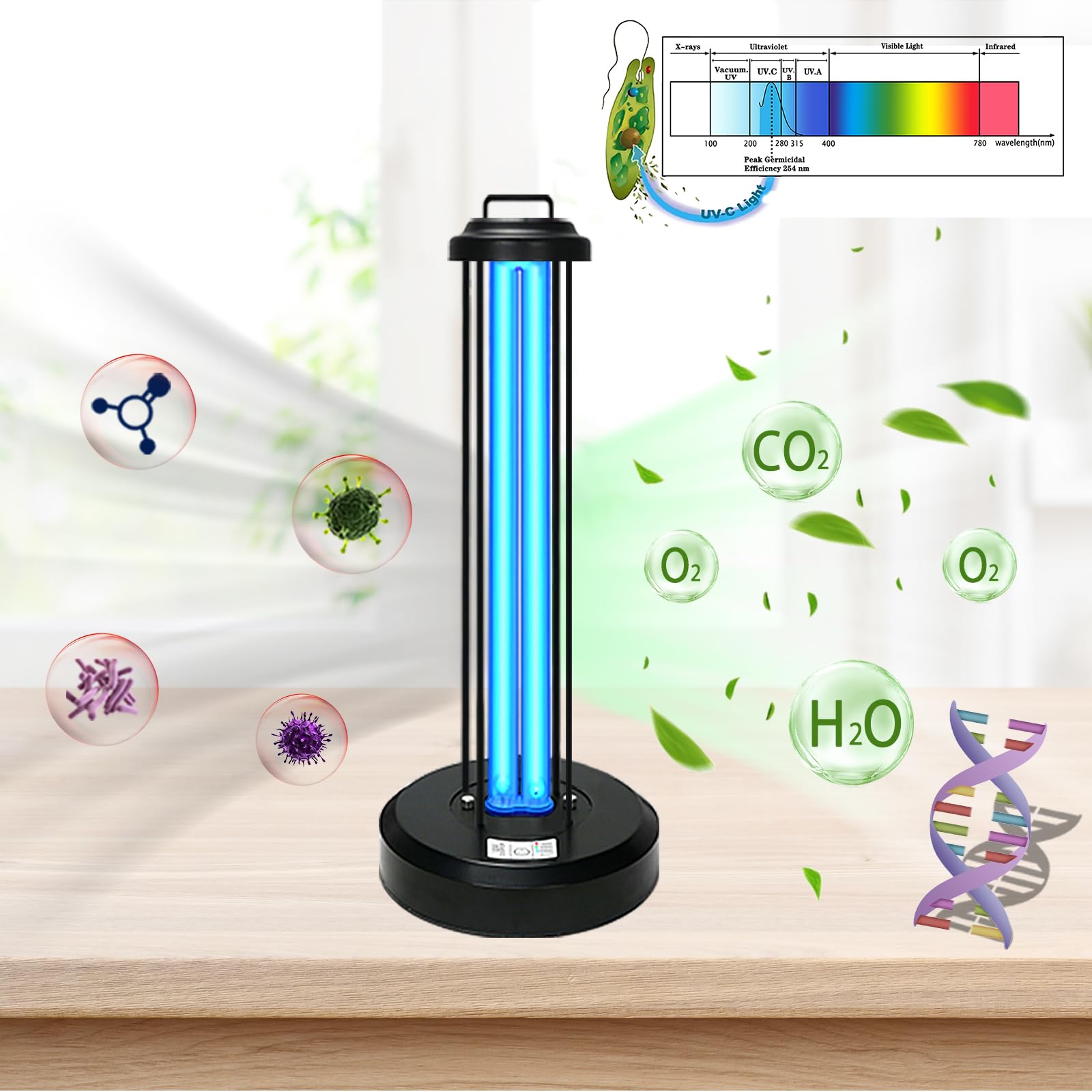
Ultraviolet (UV) light, particularly UV-C, disrupts the DNA and RNA of:
-
Mold spores
-
Bacteria
-
Certain fungi
Once exposed, these microorganisms lose their ability to reproduce or survive.
3.2 Odor Removal Through Microbial Control
Most persistent closet odors come from microbial activity. When UV light eliminates the organisms:
-
Odor production stops
-
Musty smells fade naturally
-
Recontamination slows significantly
This is why UV light is widely used in hospitals, laboratories, and HVAC systems.
4. Why Closets Are Ideal Use Cases for UV Disinfection
Closets are uniquely suited for UV-based hygiene.
4.1 Enclosed Space = High Efficiency
Closets are:
-
Small and enclosed
-
Easy to isolate during treatment
-
Less exposed to external airflow
This allows UV light to work more effectively compared to large open rooms.
4.2 Frequent Contact With Sensitive Items
Closets store:
-
Everyday clothing
-
Undergarments
-
Baby clothes
-
Wool, silk, and leather items
Sanitizing the environment protects these items without harsh chemicals.
5. Benefits of Using UV Light in Closets
5.1 Chemical-Free Odor Removal
UV light requires:
-
No sprays
-
No powders
-
No chemical residues
This is especially beneficial for people with:
-
Allergies
-
Sensitive skin
-
Respiratory concerns
5.2 Fabric-Friendly When Used Correctly
Unlike bleach or aggressive cleaning agents, UV treatment:
-
Does not soak fabrics
-
Leaves no residue
-
Preserves fabric texture when exposure is controlled
5.3 Long-Term Odor Prevention
By reducing microbial load, UV light:
-
Slows mold regrowth
-
Extends freshness between washes
-
Reduces reliance on deodorizers
6. Common Closet Scenarios Where UV Light Shines
6.1 Seasonal Clothing Storage
Winter coats and blankets often sit unused for months. UV treatment before storage:
-
Reduces mold risk
-
Keeps fabrics fresh until next season
6.2 Humid or Coastal Homes
In high-humidity environments, UV light acts as an extra defense layer alongside dehumidification.
6.3 Shoe and Bag Storage Areas
Shoes and leather bags are especially prone to odor buildup. UV light helps:
-
Neutralize odor-causing bacteria
-
Reduce moisture-related damage
7. How to Use UV Light Safely in Your Closet
Safety is critical when working with UV light.
7.1 Never Expose Skin or Eyes
Direct UV exposure can damage skin and eyes. Always:
-
Leave the closet during operation
-
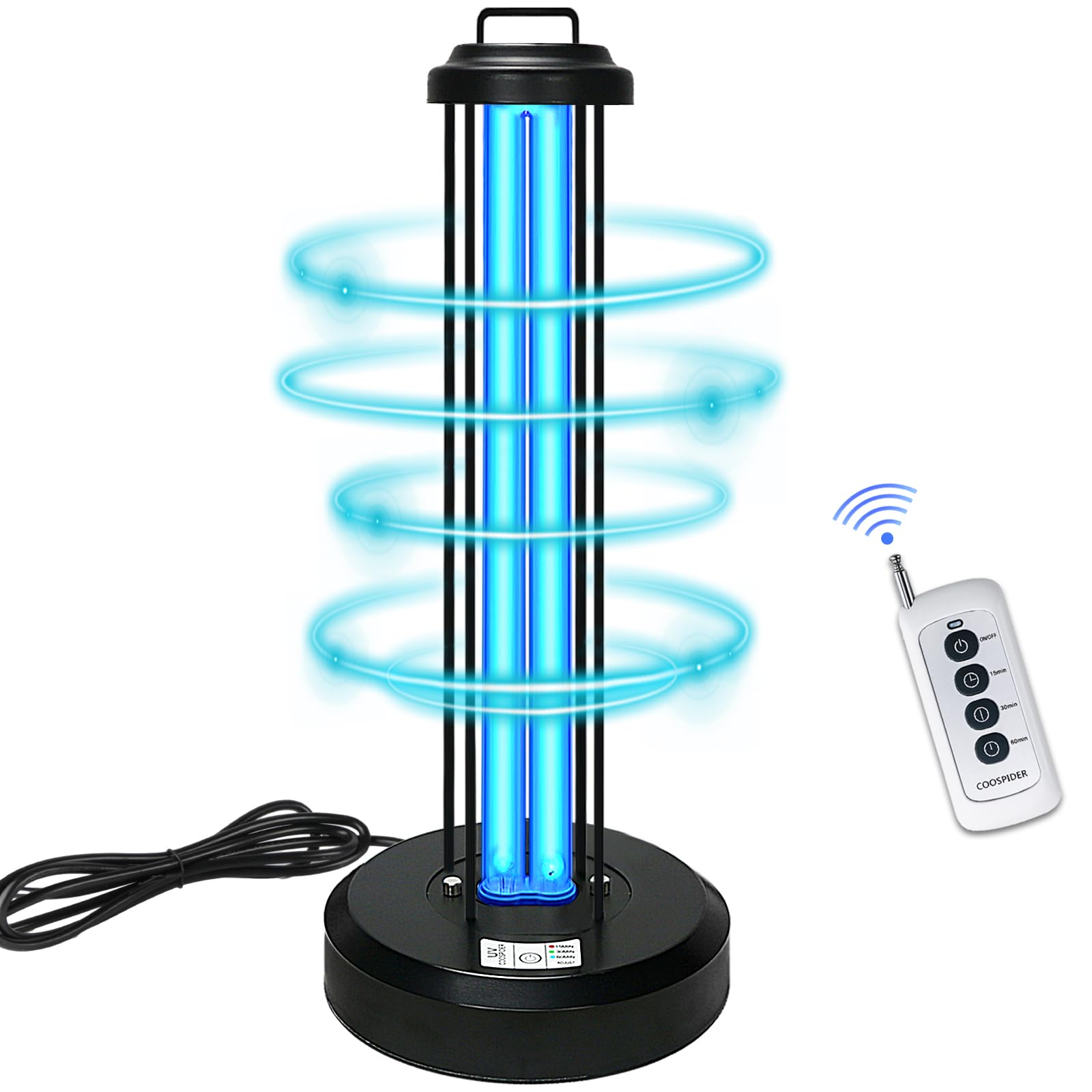
Use timers or remote-controlled devices
-
Ensure doors are fully closed
7.2 Follow Recommended Exposure Times
More is not always better. Excessive UV exposure can:
-
Degrade fabrics
-
Fade colors over time
Short, regular sessions are more effective than long ones.
7.3 Combine With Basic Moisture Control
UV light works best when paired with:
-
Adequate drying before storage
-
Occasional ventilation
-
Humidity monitoring
8. Choosing the Right UV Light for Closet Use
Not all UV devices are suitable for closets.
8.1 Portable vs. Fixed UV Devices
Portable UV lamps
-
Flexible and versatile
-
Ideal for spot treatments
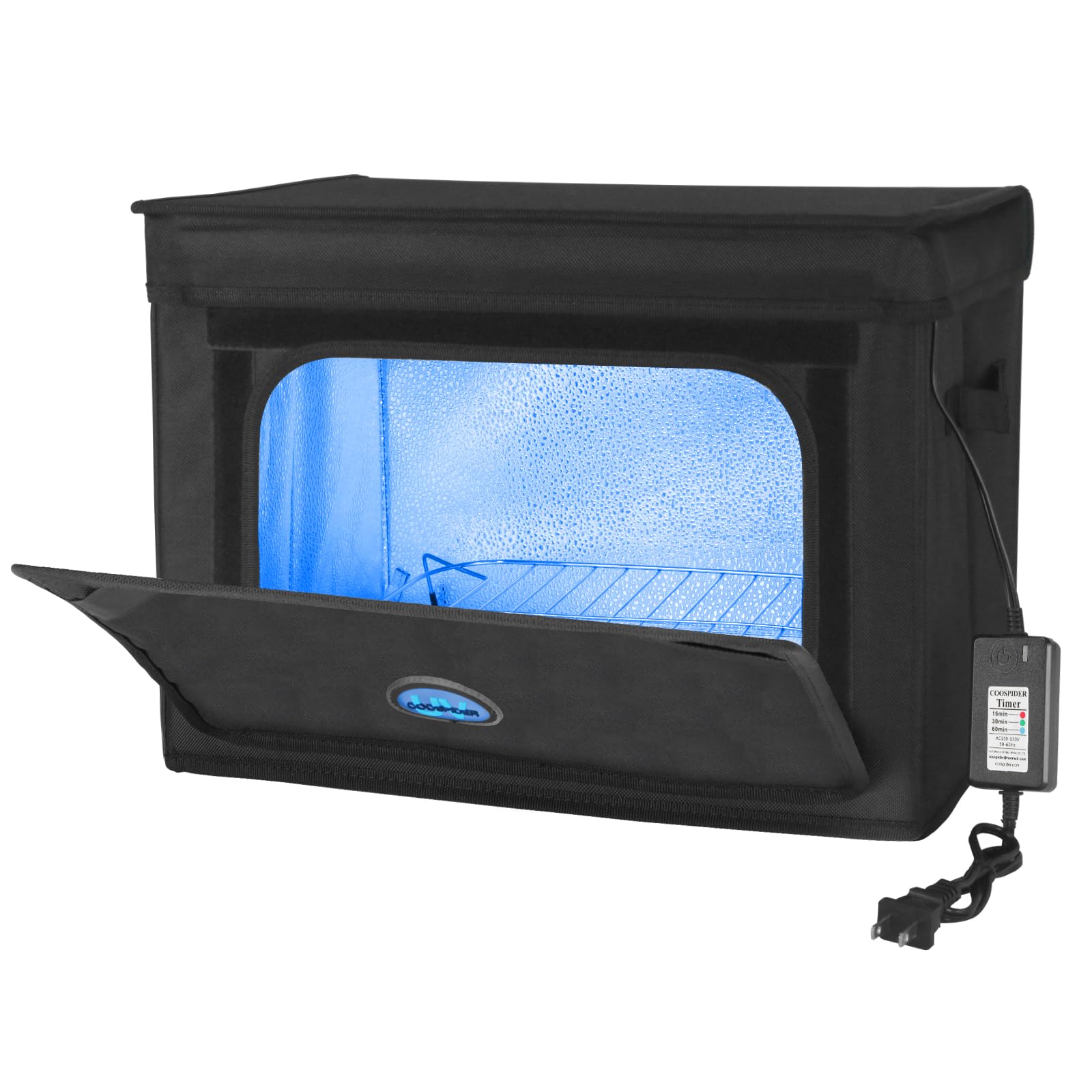
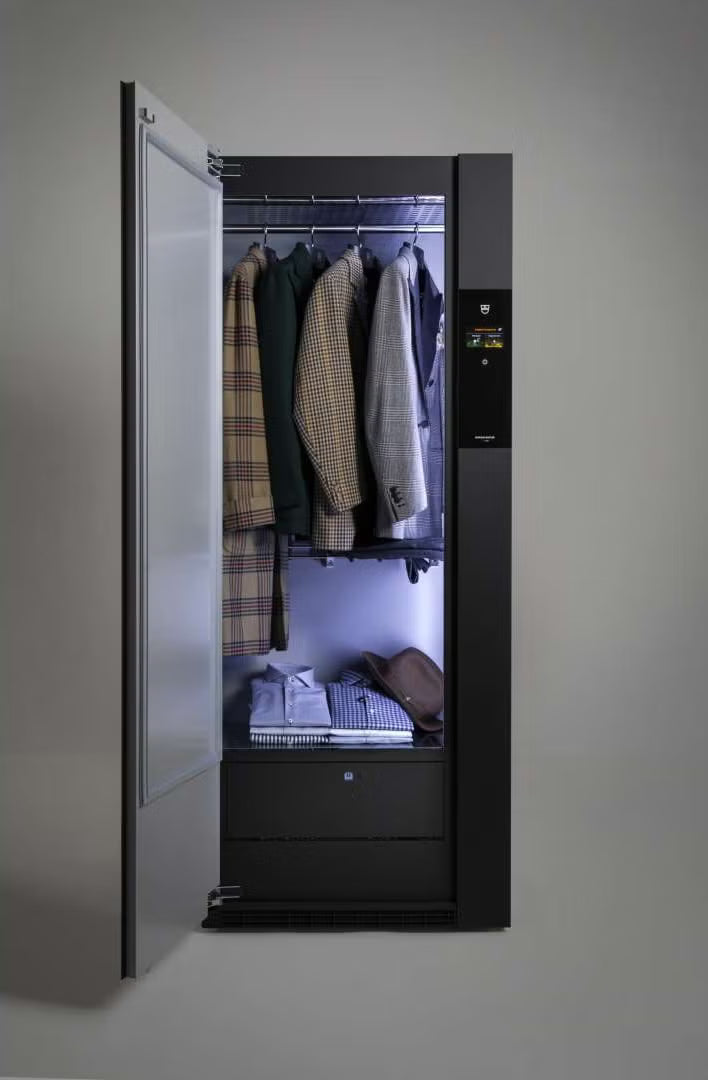
Fixed UV closet lights
-
Designed for recurring use
-
Often integrated with timers or motion sensors
8.2 Key Features to Look For
-
Shielded or enclosed UV design
-
Timer or auto shut-off
-
Appropriate wavelength for disinfection
-
Clear safety instructions
Avoid devices that make exaggerated or vague claims.
9. UV Light and Different Fabric Types
9.1 Cotton and Synthetic Fabrics
Generally resilient and respond well to controlled UV exposure.
9.2 Wool and Silk
More sensitive—shorter exposure and indirect positioning is recommended.
9.3 Leather and Suede
UV can help reduce odor but should be used sparingly to avoid drying.
10. Addressing Common Concerns and Myths
Myth 1: UV Light Instantly Destroys Clothes
Reality: Controlled exposure is safe for occasional sanitation.
Myth 2: UV Light Replaces Washing
Reality: UV complements washing; it doesn’t replace it.
Myth 3: Any UV Light Works
Reality: Effectiveness depends on wavelength, intensity, and exposure time.
11. Building a Closet Hygiene Routine
An effective routine may include:
-
UV treatment once every 1–2 weeks
-
Dehumidification during humid seasons
-
Washing clothes before long-term storage
-
Occasional deep cleaning of closet surfaces
Consistency matters more than intensity.
12. Sustainability and UV Closet Care
UV sanitation:
-
Reduces water usage from over-washing
-
Lowers reliance on chemical sprays
-
Extends garment lifespan
For eco-conscious households, it’s a meaningful upgrade.
13. When UV Light Is Especially Worth It
UV closet sanitation is particularly valuable if:
-
You live in a humid climate
-
You store high-value clothing
-
You struggle with recurring mold odors
-
You want chemical-free hygiene
14. Limitations You Should Know
UV light:
-
Does not remove visible mold stains
-
Cannot penetrate thick stacks of clothing
-
Requires correct placement
Understanding these limits prevents disappointment.
15. The Future of Closet Hygiene
As smart home technology evolves, we’re seeing:
-
UV closet lights with humidity sensors
-
Automatic disinfection cycles
-
Integrated air circulation and UV systems
Closets are no longer passive storage spaces—they’re becoming active hygiene zones.
Conclusion: Fresher Closets, Healthier Living
Closet odors aren’t just a nuisance—they’re a sign of an unhealthy storage environment. By addressing the microbial root cause rather than masking symptoms, UV light offers a modern, effective solution.
When used responsibly, UV light can:
-
Eliminate musty odors
-
Suppress mold and bacteria
-
Protect your clothing investment
-
Give you confidence every time you get dressed
A fresh closet isn’t just about smell—it’s about peace of mind.