
Few things ruin an outdoor adventure faster than relentless insects.
You spend weeks planning the perfect camping trip, hiking expedition, fishing getaway, or backyard adventure, only to find yourself constantly swatting mosquitoes, checking for ticks, avoiding biting flies, or battling ants around your campsite.
For many outdoor enthusiasts, insects are more than just annoying. They can affect sleep quality, reduce comfort, damage gear, spread diseases, contaminate food, and in some cases create serious health risks.
That is why experienced adventurers rarely rely on a single bug spray or random gadget. Instead, they build a layered insect defense system designed to protect themselves, their campsite, and their gear across different outdoor environments.
This guide explores how to create a complete outdoor insect protection strategy using smart planning, proper clothing, campsite management, repellents, technology, and environmental awareness. Whether you enjoy backpacking, camping, RV travel, hiking, fishing, hunting, kayaking, or backyard relaxation, building a reliable bug defense system can dramatically improve your outdoor experience.
Why Insect Protection Matters More Than Most People Realize
Many people think bugs are simply an inconvenience.
In reality, outdoor insects can create several serious problems.
These include:
-
Sleep disruption
-
Allergic reactions
-
Skin irritation
-
Infection from scratching bites
-
Reduced concentration
-
Food contamination
-
Stress and discomfort
-
Disease transmission
Mosquitoes, ticks, fleas, and other insects can carry illnesses such as:
-
Lyme disease
-
West Nile virus
-
Malaria
-
Dengue fever
-
Rocky Mountain spotted fever
-
Zika virus
Even in regions where disease risks are low, constant insect exposure can make outdoor activities far less enjoyable.
A well-designed bug defense system helps maintain comfort, safety, and peace of mind.
The Biggest Mistake Outdoor Beginners Make
One of the most common outdoor mistakes is relying on only one form of insect protection.
For example:
-
Only using bug spray
-
Only using citronella candles
-
Only wearing long sleeves
-
Only bringing a mosquito lantern
No single solution works in every environment.
Different insects behave differently depending on:
-
Temperature
-
Humidity
-
Time of day
-
Terrain
-
Water sources
-
Wind conditions
-
Vegetation density
The best protection comes from layering multiple defense methods together.
Experienced outdoor travelers think in terms of systems, not individual products.
Understanding Your Outdoor Enemy
Before building an effective defense system, it helps to understand the most common outdoor pests.
Mosquitoes
Mosquitoes are among the most widespread outdoor insects.
They are attracted to:
-
Body heat
-
Carbon dioxide
-
Sweat
-
Dark clothing
-
Standing water
Mosquito activity is often highest during:
-
Dawn
-
Dusk
-
Humid evenings
-
Warm weather
Different mosquito species behave differently, so protection strategies may vary by region.
Ticks
Ticks are particularly dangerous because they can transmit diseases silently.
Ticks are commonly found in:
-
Tall grass
-
Dense brush
-
Forest edges
-
Leaf litter
Unlike mosquitoes, ticks do not fly.
They attach to passing hosts through direct contact.
Tick prevention requires both protective clothing and body inspections.
Biting Flies
Horseflies, deer flies, and black flies are aggressive daytime biters.
They often thrive near:
-
Lakes
-
Marshes
-
Rivers
-
Wetlands
Some biting flies can pierce thin clothing.
Ants and Crawling Insects
Campgrounds often attract:
-
Ants
-
Beetles
-
Roaches
-
Spiders
Food management becomes critical for preventing infestations.
No-See-Ums and Midges
These tiny insects are especially frustrating because:
-
They pass through standard mesh screens
-
Their bites are difficult to notice initially
-
They often appear in humid coastal or wetland areas
Fine mesh protection is often necessary.
Building a Layered Outdoor Insect Defense System
The most effective outdoor bug protection uses multiple defensive layers working together.
Think of it like outdoor survival clothing systems.
Each layer serves a different purpose.
Layer 1: Smart Clothing Selection
Your clothing is your first line of defense.
The right clothing dramatically reduces exposed skin.
Wear Long Sleeves and Long Pants
Covering skin limits insect access.
Lightweight performance fabrics help prevent overheating in warm weather.
Loose-fitting clothing works better than tight fabrics because some insects can bite through stretched material.
Choose Light-Colored Clothing
Dark colors attract many insects, especially mosquitoes and biting flies.
Light-colored clothing makes it easier to spot ticks as well.
Use Insect-Repellent Clothing
Some outdoor clothing is treated with insect repellents such as permethrin.
These treatments help repel:
-
Mosquitoes
-
Ticks
-
Chiggers
-
Flies
Treated clothing is especially useful in high-tick environments.
Protect Vulnerable Areas
Insects commonly target:
-
Ankles
-
Wrists
-
Neck
-
Ears
Use:
-
High socks
-
Neck gaiters
-
Gloves
-
Hats with mesh protection
when conditions become severe.
Layer 2: Skin-Based Repellents
Repellents provide direct personal protection.
Different ingredients work differently.
DEET Repellents
DEET remains one of the most effective mosquito repellents available.
Benefits include:
-
Long-lasting protection
-
Broad insect effectiveness
-
Proven reliability
Higher concentrations generally provide longer protection times.
Picaridin Repellents
Picaridin has become increasingly popular because it:
-
Feels less greasy
-
Has less odor
-
Does not damage plastics
-
Provides strong mosquito and tick protection
Many outdoor users now prefer it over DEET.
Natural Repellents
Plant-based repellents may include:
-
Lemon eucalyptus oil
-
Citronella
-
Cedarwood
-
Peppermint
-
Geraniol
These can help in moderate insect conditions but often require more frequent reapplication.
Proper Repellent Application Matters
Even excellent repellents fail when applied incorrectly.
Key rules include:
-
Apply evenly
-
Reapply as directed
-
Avoid overusing
-
Protect exposed skin areas
-
Combine with clothing protection
Repellents should support other defenses, not replace them.
Layer 3: Campsite Selection Strategy
Where you camp significantly affects insect exposure.
Experienced campers choose locations carefully.
Avoid Standing Water
Mosquitoes breed near:
-
Ponds
-
Marshes
-
Swamps
-
Slow-moving streams
-
Flooded areas
Even small pools of water can produce large mosquito populations.
Seek Breezy Areas
Wind reduces mosquito activity significantly.
Open ridges, coastal zones, and elevated areas often have fewer flying insects.
Avoid Dense Vegetation
Ticks and biting insects thrive in:
-
Tall grass
-
Heavy brush
-
Thick forest undergrowth
Choose clear, open campsites whenever possible.
Consider Sun Exposure
Many insects prefer shaded, humid environments.
Sunny campsites often experience lower insect activity during the day.
Layer 4: Shelter Protection Systems
Your sleeping area must become a secure insect-free zone.
Sleep disruption is one of the biggest consequences of poor bug protection.
High-Quality Tent Mesh Matters
Not all tent mesh performs equally.
Fine mesh is essential for blocking:
-
No-see-ums
-
Midges
-
Tiny flies
Inspect tents for:
-
Small tears
-
Zipper gaps
-
Mesh damage
Even tiny openings allow insects inside.
Keep Tent Doors Closed
This sounds obvious, but many insects enter during brief moments of carelessness.
Develop strict habits:
-
Enter quickly
-
Zip immediately
-
Avoid leaving lights on with doors open
Use Hammock Bug Nets
Hammock campers should use full-coverage insect net systems in buggy environments.
Integrated netting provides superior protection.
Consider Screen Rooms
For car camping or RV setups, screen shelters create comfortable insect-free living spaces.
These are especially valuable for:
-
Family camping
-
Long stays
-
Cooking areas
-
Group gatherings
Layer 5: Campsite Insect Control
Protecting yourself is only part of the equation.
You also need to reduce insect activity around camp.
Eliminate Food Sources
Food attracts:
-
Ants
-
Flies
-
Wasps
-
Roaches
Store food properly and clean immediately after meals.
Manage Trash Carefully
Use sealed trash containers whenever possible.
Dispose of waste frequently.
Reduce Standing Water Around Camp
Empty:
-
Buckets
-
Coolers
-
Tarps
-
Containers
that collect rainwater.
Use Outdoor Fans
Mosquitoes are weak fliers.
Portable fans help create airflow barriers around seating and eating areas.
This is one of the most underrated outdoor insect defense methods.
Layer 6: Portable Insect Control Technology
Modern outdoor technology offers additional protection options.
Mosquito Repellent Devices
Portable heat-based repellents create protective zones around campsites.
These devices are popular because they:
-
Require minimal skin application
-
Work quietly
-
Provide area-wide coverage
They work best in low-wind conditions.
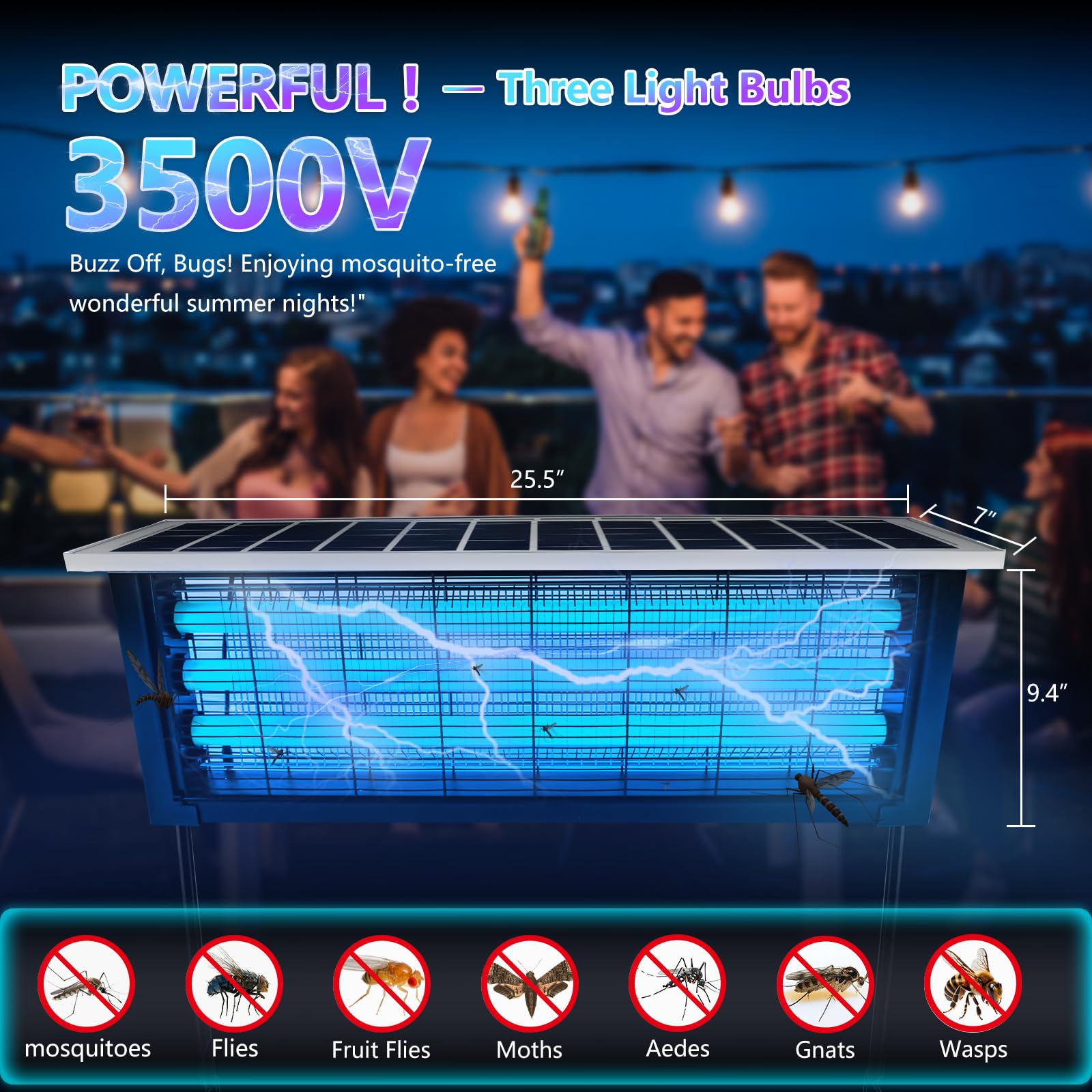
Bug Zappers
Electronic bug zappers can reduce certain flying insects around campsites.
However, they are not always highly effective against mosquitoes specifically.
They work better for:
-
Moths
-
Gnats
-
Some flies
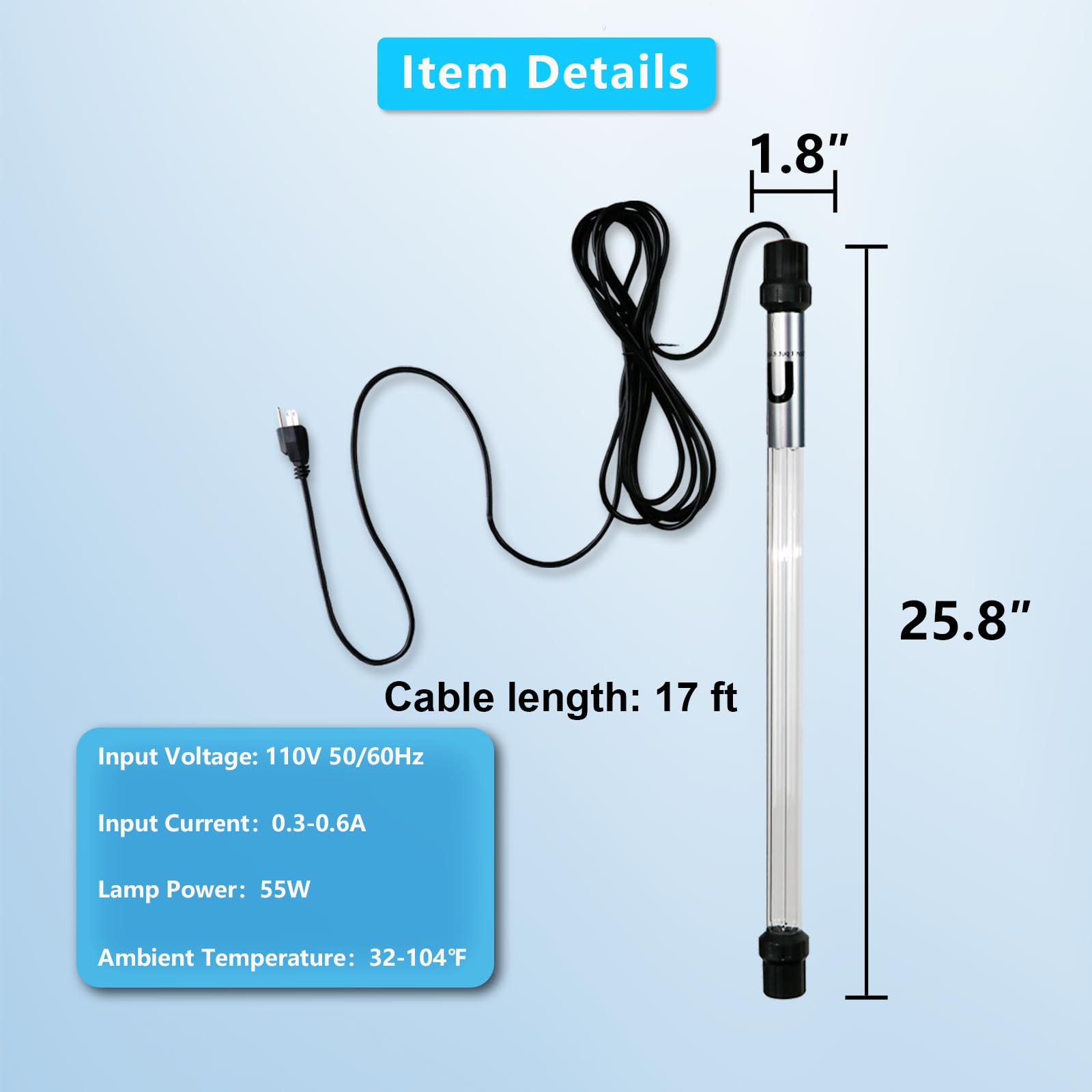
UV and Light Traps
Certain insect traps use:
-
UV light
-
Carbon dioxide
-
Heat simulation
to attract and capture insects.
These systems vary significantly in effectiveness.
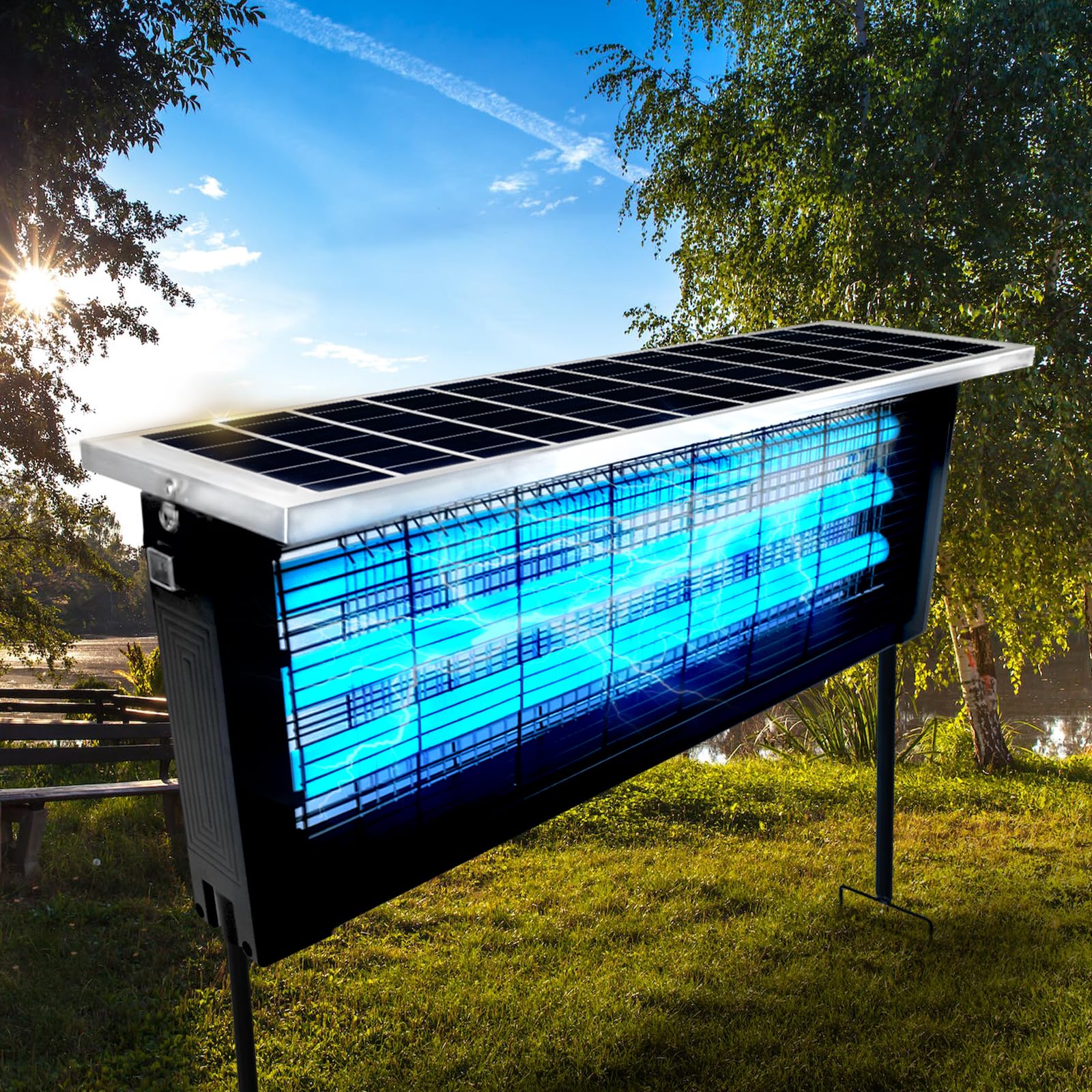
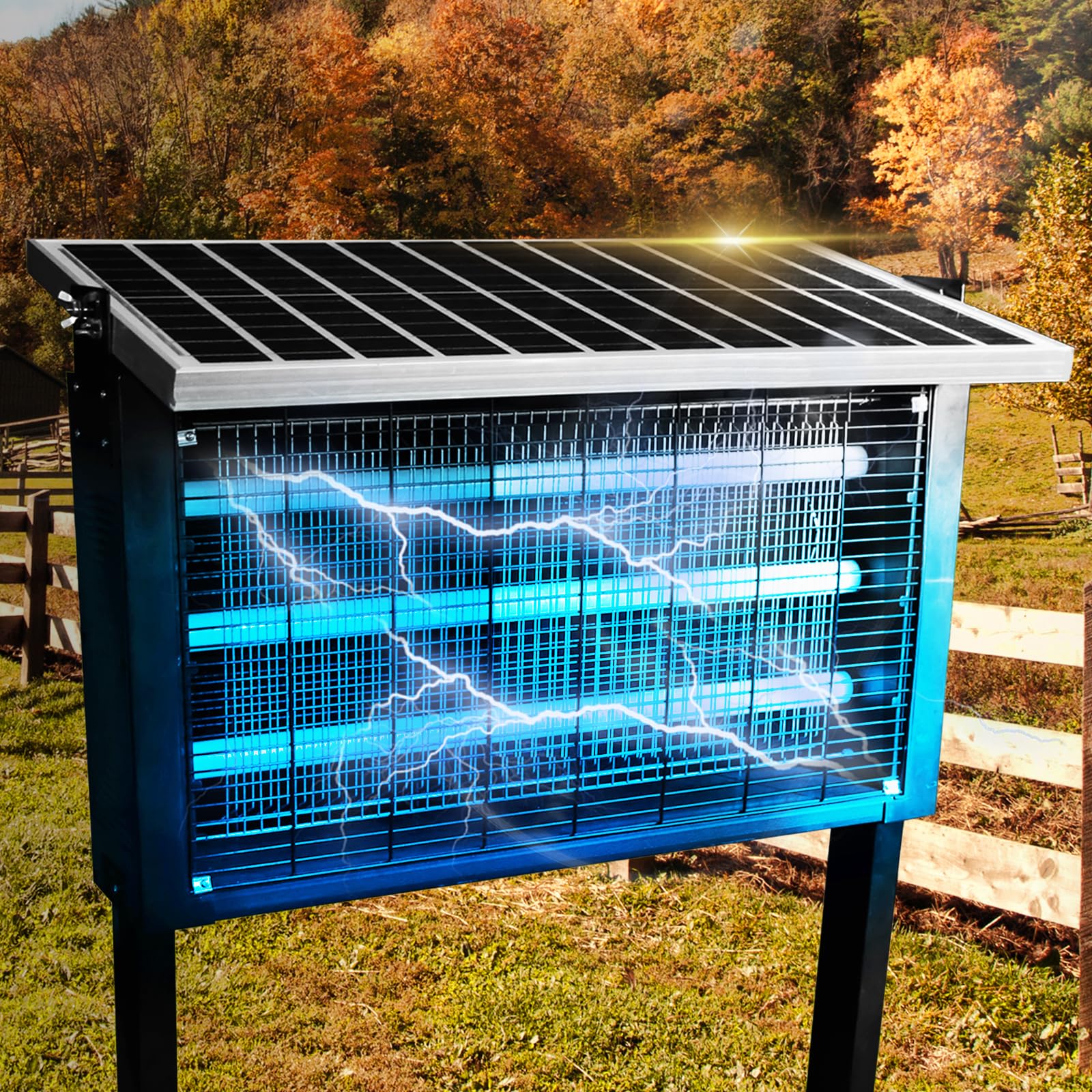
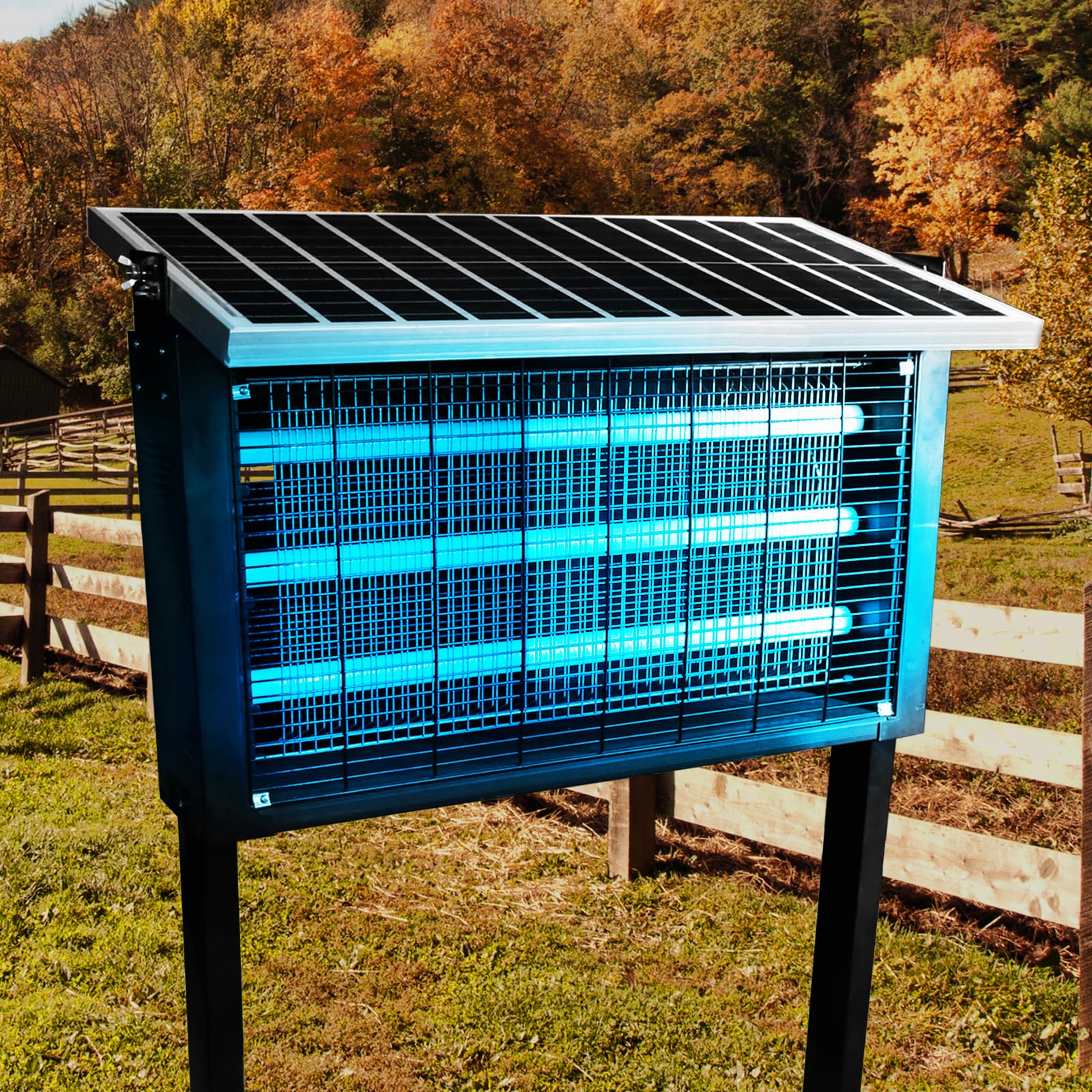
Solar Outdoor Insect Systems
Some campers now use solar-powered outdoor devices for long-term campsite insect management.
These are especially useful for RV parks and semi-permanent outdoor setups.
Layer 7: Tick Prevention Protocols
Ticks require specialized prevention strategies.
Stay on Trails
Avoid brushing against tall vegetation whenever possible.
Perform Regular Tick Checks
Check:
-
Legs
-
Waistline
-
Underarms
-
Hairline
-
Neck
-
Behind knees
Ticks are easier to remove before attachment.
Treat Gear and Clothing
Permethrin-treated gear significantly reduces tick risks.
This includes:
-
Boots
-
Socks
-
Pants
-
Backpacks
-
Tent entrances
Shower Quickly After Outdoor Exposure
Washing soon after exposure helps remove unattached ticks.
Seasonal Insect Awareness
Insect activity changes throughout the year.
Spring
Common issues:
-
Emerging ticks
-
Early mosquitoes
-
Wet conditions
Summer
Peak season for:
-
Mosquitoes
-
Flies
-
Ants
-
Wasps
Fall
Ticks often remain highly active even when temperatures cool.
Winter
Many insect populations decline, though some regions still experience activity year-round.
Regional Differences Matter
Outdoor insect strategies should match your environment.
Forest Environments
Focus on:
-
Tick prevention
-
Mosquito protection
-
Clothing barriers
Desert Environments
Main concerns may include:
-
Ants
-
Scorpions
-
Spiders
Mosquito pressure is often lower.
Wetlands and Lakes
Heavy mosquito and fly protection becomes essential.
Coastal Regions
No-see-ums and biting midges are common problems.
Fine mesh systems matter greatly.
Common Outdoor Bug Protection Myths
Many outdoor insect myths continue circulating online.
“Natural Remedies Always Work”
Some natural repellents help temporarily, but severe insect conditions often require stronger protection.
“Mosquitoes Only Bite at Night”
Many species bite aggressively during daytime as well.
“Bug Zappers Solve Everything”
Most bug zappers have limited effectiveness against mosquitoes.
“Ticks Fall From Trees”
Ticks usually climb from low vegetation rather than dropping from above.
“One Repellent Works Everywhere”
Different environments require different strategies.
Outdoor Cooking Without Attracting Insects
Cooking outdoors often attracts unwanted pests.
Reduce problems by:
-
Cleaning immediately
-
Using sealed containers
-
Avoiding sugary spills
-
Cooking away from sleeping areas
-
Minimizing exposed food
Smoke from campfires may help slightly, but it is not a reliable insect defense system.
Protecting Kids and Pets Outdoors
Children and pets often require additional insect protection.
For Kids
Use:
-
Protective clothing
-
Age-appropriate repellents
-
Stroller netting
-
Frequent inspections
Avoid overapplying strong repellents to young children.
For Pets
Dogs especially attract ticks.
Use:
-
Veterinary-approved tick prevention
-
Regular fur inspections
-
Protective sleeping areas
Pets can also carry insects into tents and RVs.
The Mental Side of Insect Preparedness
One overlooked benefit of strong insect protection is psychological comfort.
When people feel protected outdoors, they:
-
Relax more
-
Sleep better
-
Enjoy activities longer
-
Experience less stress
-
Gain confidence exploring nature
Good preparation improves the overall outdoor experience significantly.
Budget vs Premium Bug Protection Gear
Expensive gear is not always necessary.
However, premium equipment may offer advantages such as:
-
Better mesh quality
-
Longer-lasting repellents
-
Improved durability
-
More comfortable fabrics
-
Better ventilation
-
Lower weight
For casual users, mid-range systems are often sufficient.
Frequent adventurers may benefit from investing in higher-quality protection systems.
Creating Your Personalized Outdoor Bug Defense Plan
The ideal setup depends on:
-
Climate
-
Activity type
-
Trip duration
-
Insect pressure
-
Group size
-
Personal sensitivity
A simple weekend hiking setup differs greatly from a long-term wilderness expedition.
Build your system gradually based on experience.
Final Thoughts
Outdoor insects are an unavoidable part of nature, but they do not have to ruin your adventures.
The key is understanding that effective bug protection is not about finding one magical solution. It is about building a complete layered defense system that combines:
-
Smart clothing
-
Personal repellents
-
Campsite strategy
-
Shelter protection
-
Environmental awareness
-
Technology
-
Consistent habits
The more thoughtfully you prepare, the more comfortable and enjoyable your outdoor experiences become.
Whether you are backpacking through forests, camping beside lakes, exploring coastal regions, hiking mountain trails, or relaxing in your backyard, a well-designed insect defense system helps you focus on what truly matters:
Enjoying the outdoors safely, comfortably, and confidently.