Nothing destroys an outdoor adventure faster than relentless bug bites.
You can have the perfect campsite, beautiful weather, breathtaking mountain views, and carefully planned gear setups — but once mosquitoes, ticks, biting flies, ants, or no-see-ums invade the experience, comfort disappears quickly.
For many outdoor enthusiasts, bug problems are not just annoying. They can affect sleep, concentration, safety, physical health, and overall enjoyment. Severe insect exposure can even force campers, hikers, anglers, and backpackers to cut trips short.
The good news is that experienced outdoor adventurers rarely suffer from constant bug problems because they approach insect control strategically. Instead of depending on random sprays or social media “hacks,” seasoned campers build layered protection systems based on real outdoor experience.
This guide explores the biggest insect-repellent mistakes outdoor beginners make, the myths that waste time and money, and the proven strategies experienced outdoor travelers use to minimize bug bites in different environments.
Whether you enjoy hiking, camping, RV travel, fishing, hunting, kayaking, backpacking, or backyard adventures, this complete outdoor insect survival guide will help you stay protected and comfortable in the wild.
Why Outdoor Bug Problems Are Worse Than Ever
Many experienced campers have noticed something over the past decade:
Insect problems seem more intense in many outdoor regions.
There are several reasons for this.
Climate Changes and Longer Warm Seasons
Warmer temperatures and extended humid seasons allow mosquitoes and ticks to remain active longer throughout the year.
Some regions now experience:
-
Earlier mosquito seasons
-
Increased tick populations
-
Longer breeding periods
-
Expanded insect habitats
Increased Outdoor Recreation
More people are exploring outdoor spaces than ever before.
As campgrounds, hiking trails, lakes, and parks become more crowded, insects also become more concentrated around human activity.
Standing Water and Urban Expansion
Construction zones, drainage problems, and changing landscapes create additional breeding grounds for mosquitoes and other pests.
The Biggest Outdoor Bug Protection Mistake
The number one mistake beginners make is relying on a single insect-control solution.
For example:
-
Only carrying bug spray
-
Only using citronella candles
-
Only wearing long sleeves
-
Only buying a bug zapper
-
Only depending on campsite smoke
Outdoor insects are highly adaptable.
What works in one environment may fail completely in another.
Experienced outdoor adventurers use multiple layers of defense simultaneously.
This approach dramatically improves protection.
Understanding Different Outdoor Insects
Different insects require different strategies.
One of the biggest reasons people struggle with bug control is treating all insects the same.
Mosquitoes
Mosquitoes are attracted to:
-
Carbon dioxide
-
Body heat
-
Sweat
-
Dark clothing
-
Scented products
They thrive in:
-
Humid environments
-
Wetlands
-
Forests
-
Areas with standing water
Mosquito activity often peaks during dawn and dusk.
Ticks
Ticks are among the most dangerous outdoor pests because they can transmit diseases silently.
Ticks prefer:
-
Tall grass
-
Brushy trails
-
Forest edges
-
Leaf litter
Unlike mosquitoes, ticks do not fly.
They wait on vegetation and attach to passing hosts.
Biting Flies
Horseflies, deer flies, and black flies are aggressive daytime attackers.
They are commonly found near:
-
Lakes
-
Rivers
-
Marshes
-
Wet areas
Some biting flies can bite through thin clothing.
No-See-Ums
These tiny insects are notorious in coastal and humid environments.
They easily pass through standard screens and mesh.
Many beginners underestimate them until it is too late.
Ants and Campground Pests
Food-related pests can become major campsite problems.
Common culprits include:
-
Ants
-
Wasps
-
Yellow jackets
-
Flies
-
Roaches
Poor campsite cleanliness attracts them quickly.
Outdoor Bug Myths That Waste Time and Money
Outdoor communities are full of insect-control myths.
Some are harmless.
Others lead to miserable trips.
Myth #1: Expensive Gear Automatically Solves Bug Problems
High-priced outdoor equipment helps in some situations, but expensive gear alone does not guarantee protection.
Skill and preparation matter more.
A camper with affordable but well-planned protection often stays more comfortable than someone relying entirely on premium gadgets.
Myth #2: Citronella Candles Are Enough
Citronella may help slightly in calm conditions, but it rarely provides strong protection in heavy mosquito environments.
Wind quickly reduces effectiveness.
Myth #3: Mosquitoes Only Come Out at Night
Many mosquito species bite aggressively during daytime hours.
Assuming daytime safety leads to poor preparation.
Myth #4: Natural Repellents Always Work Better
Some natural repellents provide temporary protection, but severe insect conditions often require stronger solutions.
Natural oils usually need frequent reapplication.
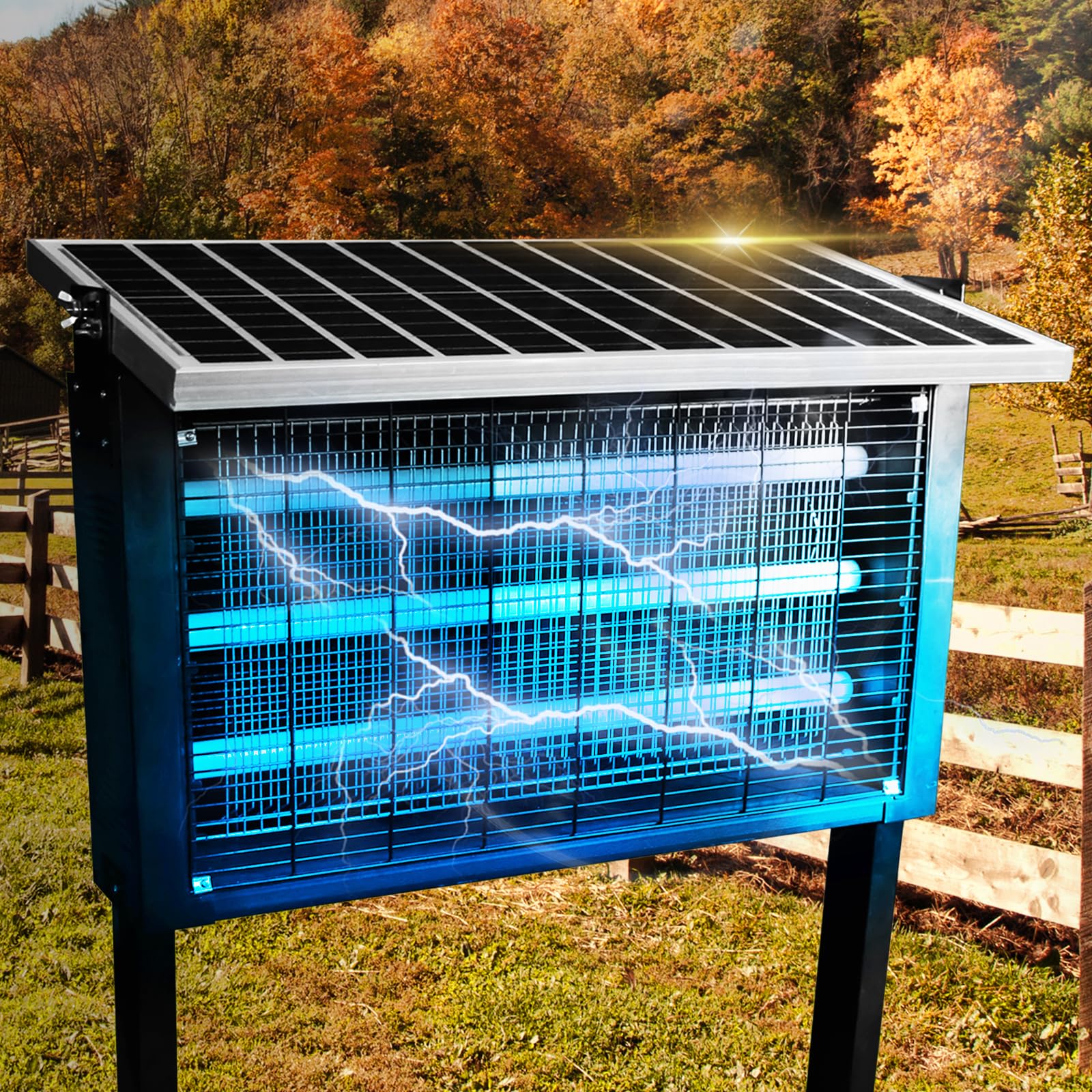
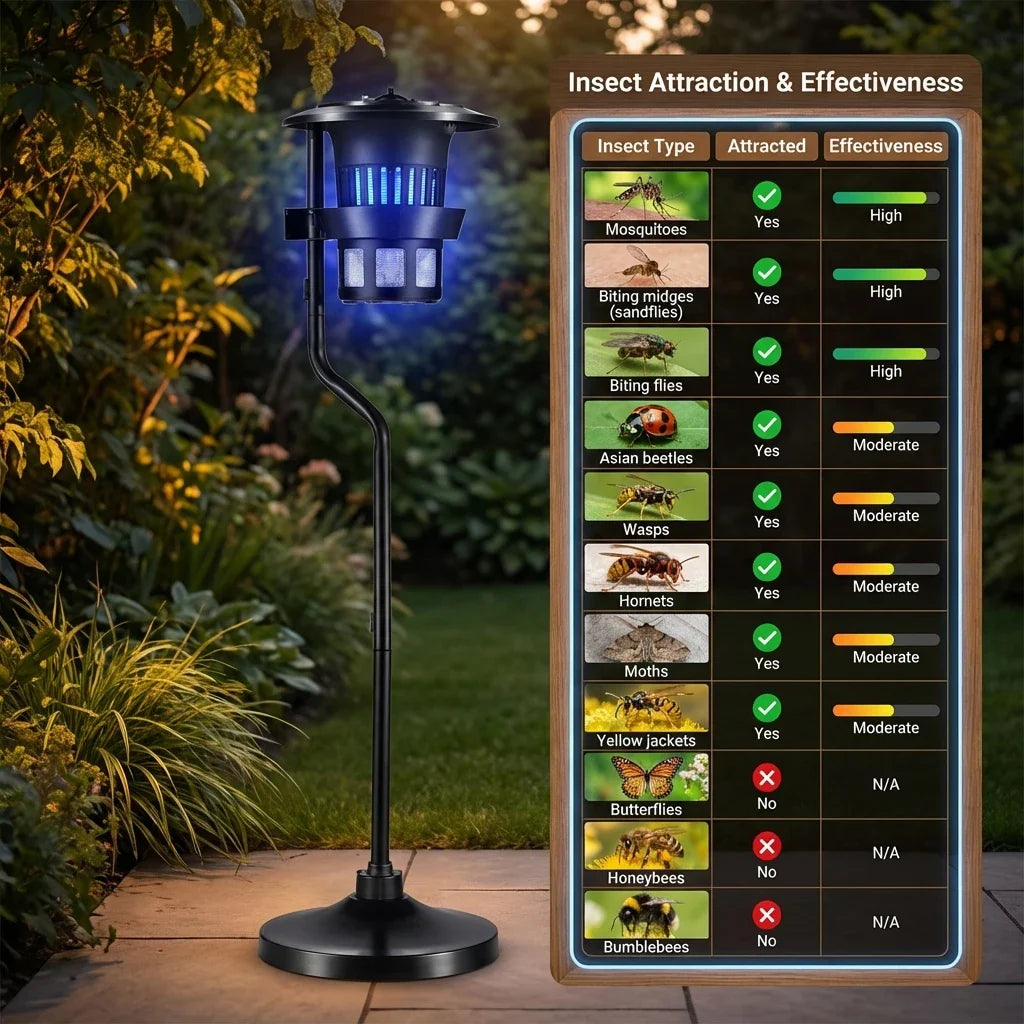
Myth #5: Bug Zappers Eliminate Mosquitoes
Most bug zappers kill relatively few mosquitoes.
They are often more effective against moths and harmless flying insects.
Why Experienced Outdoor Enthusiasts Focus on Prevention
The best outdoor bug strategy is preventing insect exposure before it starts.
Once insects swarm your campsite, comfort becomes much harder to restore.
Prevention is easier than reaction.
This is why experienced campers focus heavily on:
-
Campsite selection
-
Clothing systems
-
Environmental awareness
-
Timing
-
Shelter management
before bugs become overwhelming.
The Clothing Strategy Outdoor Experts Use
Proper clothing remains one of the most effective insect defenses.
Wear Loose-Fitting Layers
Loose clothing prevents insects from easily biting through fabric.
Tight athletic wear often allows mosquitoes to bite through stretched material.
Choose Lightweight Long Sleeves
Modern outdoor fabrics make it possible to stay covered without overheating.
Lightweight synthetic or merino layers work well in warm environments.
Avoid Dark Colors
Dark colors attract many biting insects.
Light-colored clothing helps reduce attraction and makes ticks easier to spot.
Protect High-Risk Areas
Experienced hikers focus on protecting:
-
Ankles
-
Neck
-
Wrists
-
Waistline
-
Ears
These areas are frequent insect targets.
Treat Clothing for Tick Protection
Many experienced backpackers use permethrin-treated clothing systems.
This helps repel:
-
Ticks
-
Mosquitoes
-
Chiggers
-
Certain flies
Clothing treatment is especially valuable in heavily wooded regions.
The Truth About Bug Sprays
Not all repellents perform equally.
Understanding the differences matters.
DEET Repellents
DEET remains one of the most proven insect repellents available.
Advantages include:
-
Long-lasting performance
-
Broad protection
-
Strong mosquito defense
-
Effective tick prevention
However, some people dislike its smell or texture.
Picaridin Repellents
Picaridin has become increasingly popular among experienced outdoor travelers.
Benefits include:
-
Less greasy feel
-
Mild odor
-
Safe on plastics and gear
-
Excellent mosquito protection
Many hikers and campers now prefer it for comfort reasons.
Oil-Based Natural Repellents
Natural options may include:
-
Lemon eucalyptus
-
Cedarwood
-
Citronella
-
Peppermint
-
Geraniol
These can help in mild conditions but often struggle in extreme mosquito environments.
The Most Common Repellent Mistakes
Many people misuse repellents.
Common mistakes include:
-
Applying too little
-
Forgetting ankles and wrists
-
Skipping reapplication
-
Sweating heavily without reapplying
-
Using expired products
-
Applying only once all day
Even the best repellents fail when used incorrectly.
Campsite Selection: The Hidden Secret to Fewer Bugs
Experienced outdoor travelers know campsite selection can make or break a trip.
Avoid Standing Water
Mosquitoes breed in:
-
Ponds
-
Marshes
-
Flooded areas
-
Slow streams
-
Wet grasslands
Even small puddles can support mosquito populations.
Seek Wind Exposure
Mosquitoes are weak fliers.
Breezy ridges, open fields, and elevated areas often experience dramatically fewer bugs.
Avoid Dense Brush
Ticks and flies thrive in overgrown vegetation.
Open campsites reduce insect exposure.
Sunlight Helps
Many insects prefer cool, shaded, humid conditions.
Sunny areas often reduce daytime bug activity.
Why Tent Management Matters
Many campers accidentally invite insects directly into their shelters.
Keep Tent Doors Closed
One of the most basic but important habits.
Do not leave tent doors open unnecessarily.
Inspect Mesh Carefully
Tiny holes can allow:
-
Mosquitoes
-
Midges
-
No-see-ums
inside your sleeping area.
Avoid Bright Lights Near Open Tents
Lights attract insects quickly.
Use low lighting when possible.
Shake Out Gear
Insects often hide in:
-
Shoes
-
Sleeping bags
-
Clothing
-
Towels
Experienced campers check gear regularly.
How Outdoor Veterans Handle Mosquito Peak Hours
Many beginners unknowingly expose themselves during peak mosquito activity.
Mosquitoes are often most aggressive during:
-
Dawn
-
Dusk
-
Humid evenings
-
Calm weather
Experienced campers adjust routines accordingly.
For example:
-
Setting camp earlier
-
Cooking before sunset
-
Wearing layers during dusk
-
Staying near airflow sources
Timing matters more than many people realize.
Portable Outdoor Bug-Control Systems
Modern outdoor gear now includes various insect-control technologies.
Portable Repellent Devices
Heat-based repellent systems create protective zones around campsites.
Advantages include:
-
Minimal skin application
-
Quiet operation
-
Convenient setup
These work best in calm weather conditions.
Outdoor Fans
Fans are one of the most underrated bug-control tools.
Mosquitoes struggle in moving air.
Portable fans help protect:
-
Picnic tables
-
RV setups
-
Campsite seating areas
Screen Rooms and Shelters
For car camping or RV trips, screened shelters provide major comfort improvements.
They create protected areas for:
-
Eating
-
Relaxing
-
Cooking
-
Socializing
Tick Prevention: The Most Overlooked Outdoor Safety Issue
Ticks often receive less attention than mosquitoes, but they may pose greater health risks.
Stay Centered on Trails
Avoid brushing against vegetation whenever possible.
Perform Tick Checks Daily
Experienced hikers inspect:
-
Hairline
-
Knees
-
Waistline
-
Underarms
-
Socks
-
Behind ears
Regular inspections reduce risks significantly.
Treat Boots and Socks
Ticks commonly attach near the ground first.
Footwear protection matters greatly.
Shower Quickly After Exposure
This helps remove unattached ticks before they bite.
Outdoor Cooking Without Attracting Pests
Food management plays a major role in campsite comfort.
Store Food Properly
Use sealed containers whenever possible.
Clean Immediately After Cooking
Do not leave food scraps or dirty cookware exposed.
Avoid Sugary Spills
Sweet drinks attract insects rapidly.
Keep Cooking Areas Separate
Experienced campers avoid preparing food directly beside sleeping areas.
The Psychology of Bug Stress Outdoors
Many people underestimate how much insects affect mental comfort.
Constant buzzing and biting can lead to:
-
Poor sleep
-
Frustration
-
Anxiety
-
Fatigue
-
Reduced enjoyment
Strong insect protection improves not just physical comfort, but the overall emotional experience outdoors.
Seasonal Outdoor Insect Strategies
Different seasons create different challenges.
Spring
Focus on:
-
Tick prevention
-
Early mosquito populations
-
Wet environments
Summer
Peak bug season requires full protection systems.
Fall
Ticks often remain active even in cooler weather.
Many campers let their guard down too early.
Winter
Insect activity drops significantly in colder climates, though warmer regions may still experience mosquitoes year-round.
Regional Outdoor Bug Differences
Outdoor conditions vary dramatically by location.
Forest Regions
Expect:
-
Mosquitoes
-
Ticks
-
Flies
Layered clothing systems are important.
Coastal Areas
No-see-ums become major problems.
Fine mesh protection matters greatly.
Desert Environments
Mosquitoes may be less common, but ants, spiders, and scorpions become concerns.
Wetlands and Lakes
Heavy mosquito and fly activity often requires maximum protection.
Budget vs Premium Insect Gear
Outdoor bug protection products range from cheap sprays to expensive integrated systems.
Higher-priced gear may offer:
-
Better durability
-
Improved mesh quality
-
Longer-lasting treatments
-
More comfortable fabrics
-
Better airflow
However, skill and preparation still matter far more than price alone.
The Smartest Outdoor Bug Strategy
The best outdoor insect defense systems combine:
-
Smart clothing
-
Proper repellents
-
Campsite awareness
-
Shelter protection
-
Tick prevention
-
Environmental understanding
-
Consistent habits
Experienced adventurers rarely rely on a single product.
They build complete protection systems.
Final Thoughts
Outdoor insects are unavoidable, but suffering from constant bug bites is not.
The difference between miserable outdoor trips and comfortable adventures often comes down to preparation, habits, and realistic expectations.
Experienced outdoor enthusiasts understand several key truths:
-
No single product solves every bug problem
-
Prevention matters more than reaction
-
Campsite selection changes everything
-
Clothing systems work better than many gadgets
-
Consistency is critical
-
Environmental awareness improves protection dramatically
Most importantly, successful outdoor bug control is not about eliminating every insect from nature.
It is about reducing exposure enough that you can comfortably enjoy your environment without constant irritation.
Whether you are hiking deep wilderness trails, relaxing beside a lake, camping with family, fishing remote rivers, or exploring national parks, building a smart insect defense strategy helps you spend less time swatting bugs and more time enjoying the outdoors.