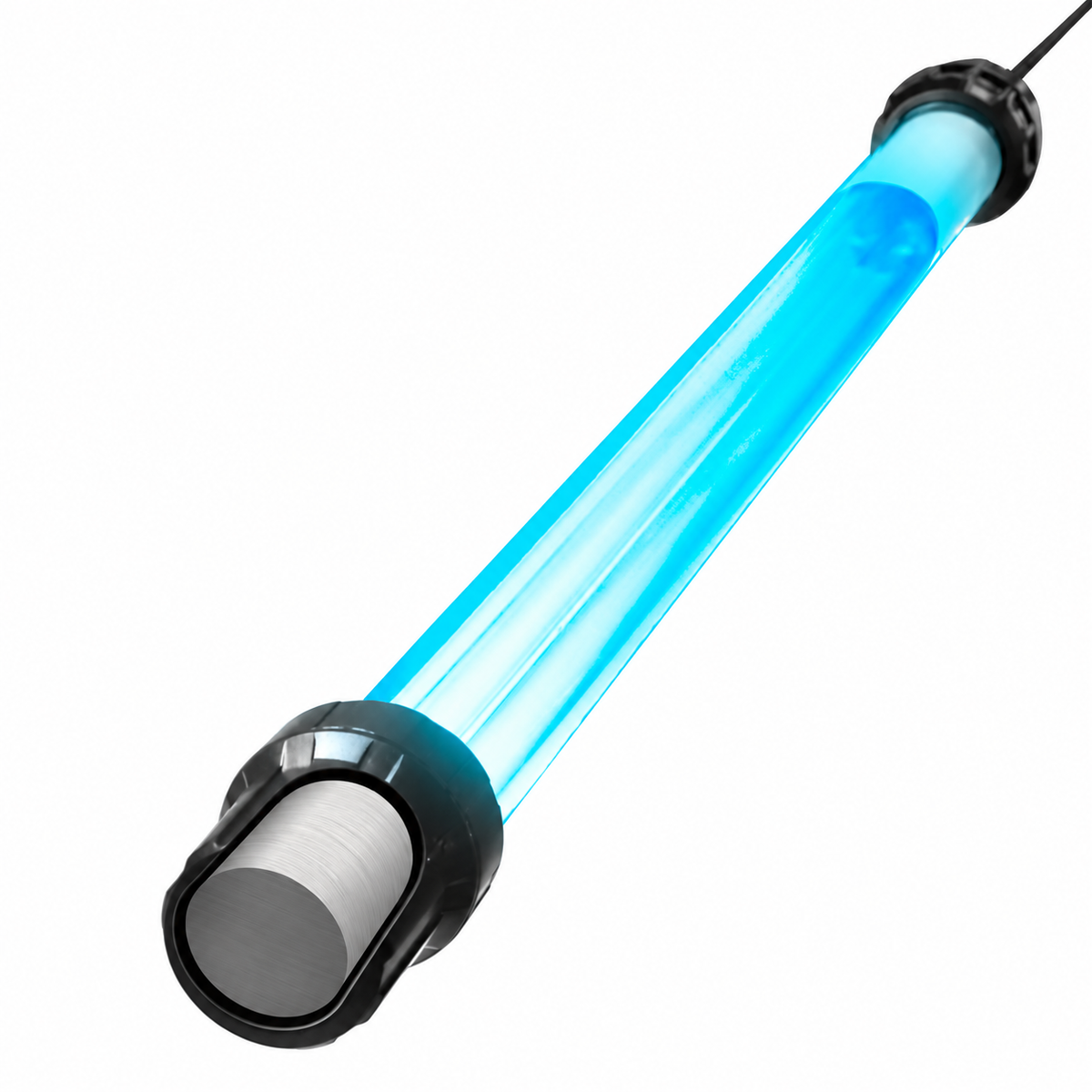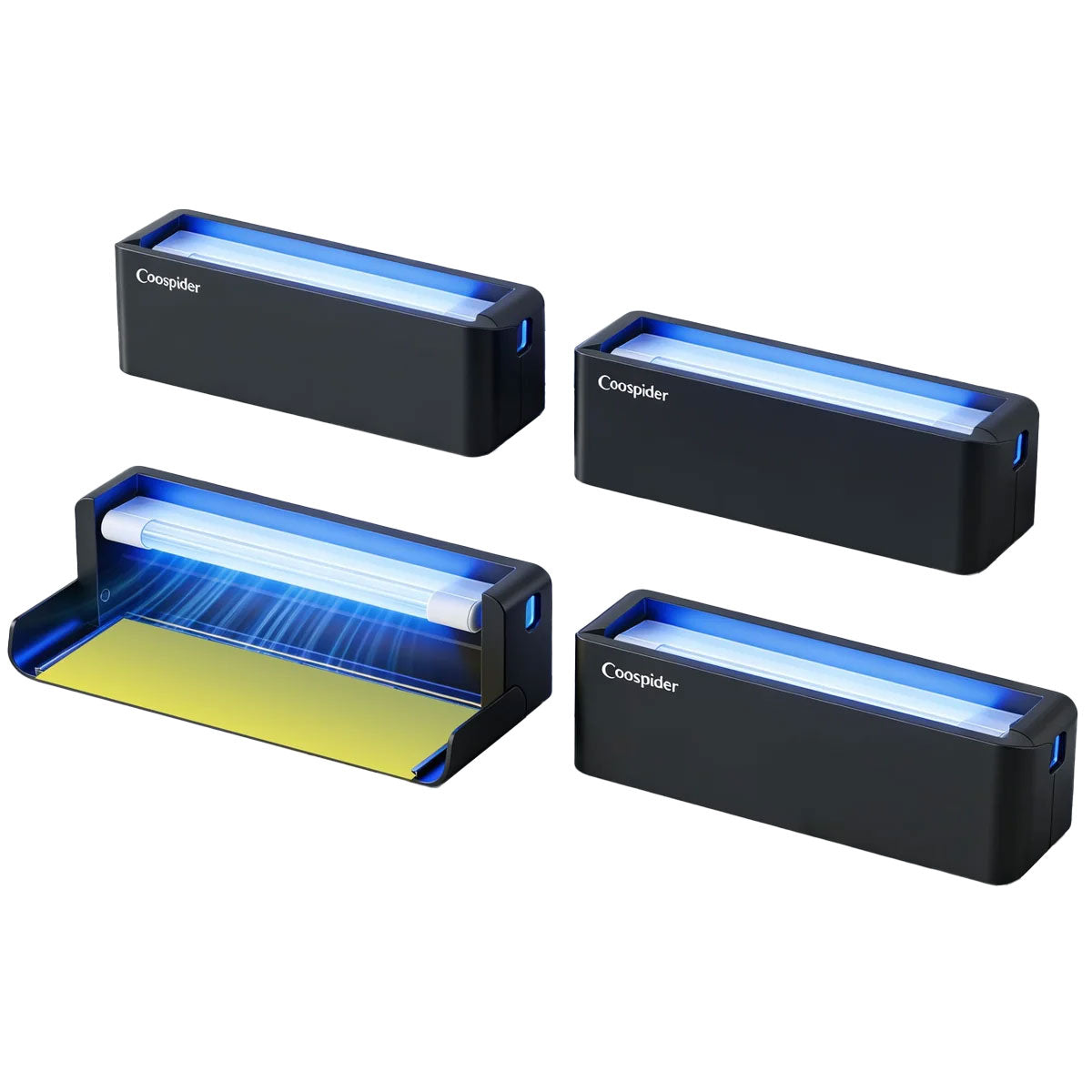
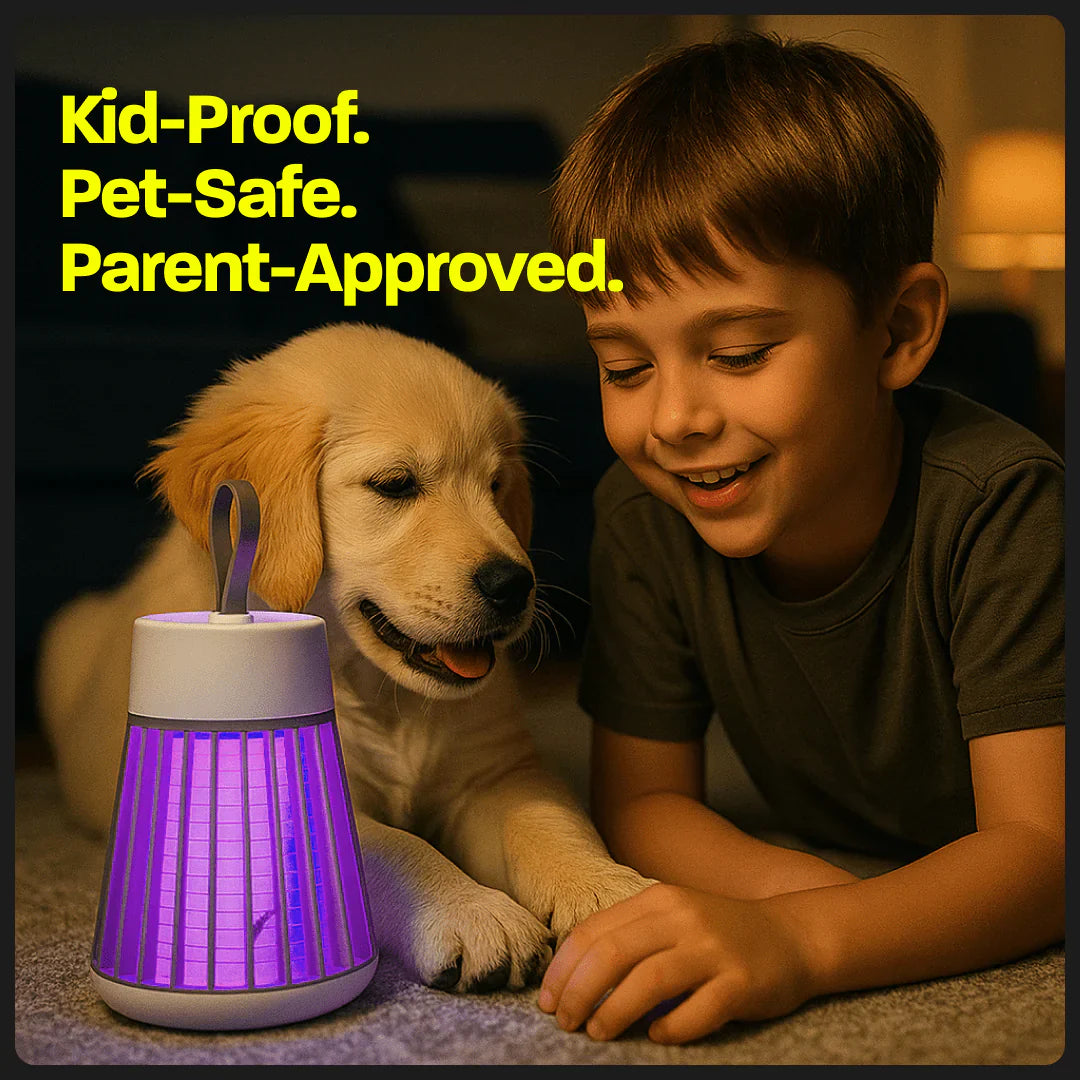
Summer evenings are meant for backyard fun — grilling with friends, tossing a ball across the lawn, watching your dog race through the grass with unfiltered joy. But along with warm weather comes an inevitable nuisance: mosquitoes.
To fight back, many homeowners install mosquito killer lamps, bug zappers, or suction-based insect traps around patios and yards. They promise fewer bites, quieter nights, and less dependence on chemical sprays.
But if you share your home with a curious, energetic dog — especially a playful Golden Retriever — a new question arises:
Is your mosquito lamp truly safe for pets?
Golden Retrievers are known for their friendly personalities, high intelligence, and endless curiosity. They sniff everything. They paw at unfamiliar objects. They investigate buzzing sounds and glowing lights. What might seem like harmless backyard equipment to you could look like an exciting mystery to them.
This comprehensive guide breaks down how mosquito killer lamps work, the potential risks they pose to dogs, and how to create a mosquito control strategy that protects both your family and your pet.
Why Golden Retrievers and Mosquito Lamps Can Be a Risky Mix
Golden Retrievers are among the most popular dog breeds in the United States. Recognized by the American Kennel Club as one of the top family breeds, they are:
-
Highly social
-
Energetic
-
Food-driven
-
Curious
-
Easily stimulated by movement and sound
That curiosity is wonderful in most settings — but it can create safety concerns around electronic outdoor devices.
Mosquito lamps often include:
-
Bright UV lights
-
High-voltage grids
-
Internal fans
-
Chemical attractants
-
Warm surfaces
-
Hanging cords or power cables
Each of these elements can attract attention from a playful dog.
Understanding the risks begins with understanding how these devices function.
How Mosquito Killer Lamps Work
There are several types of mosquito lamps commonly used in homes.
1. Electric Bug Zappers
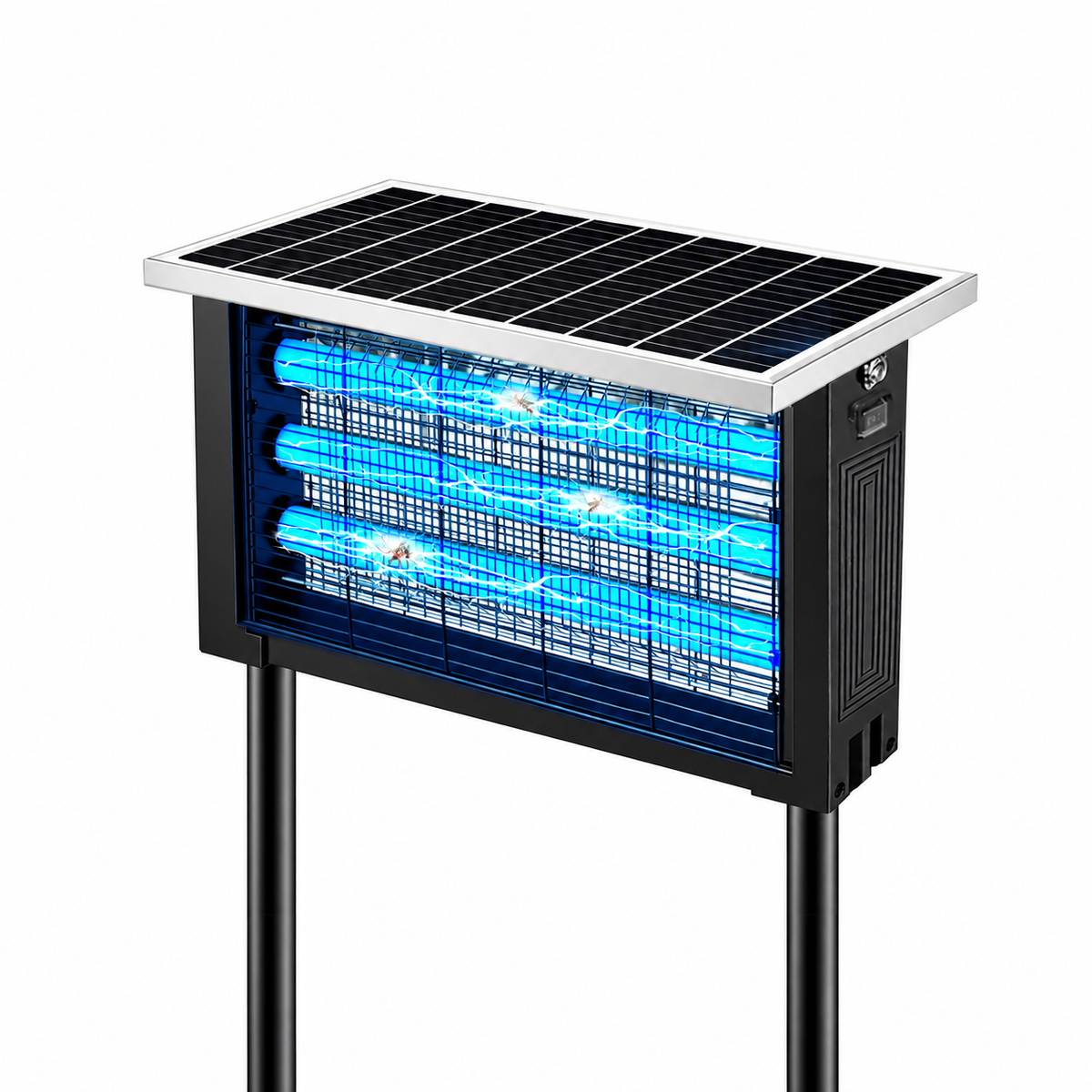
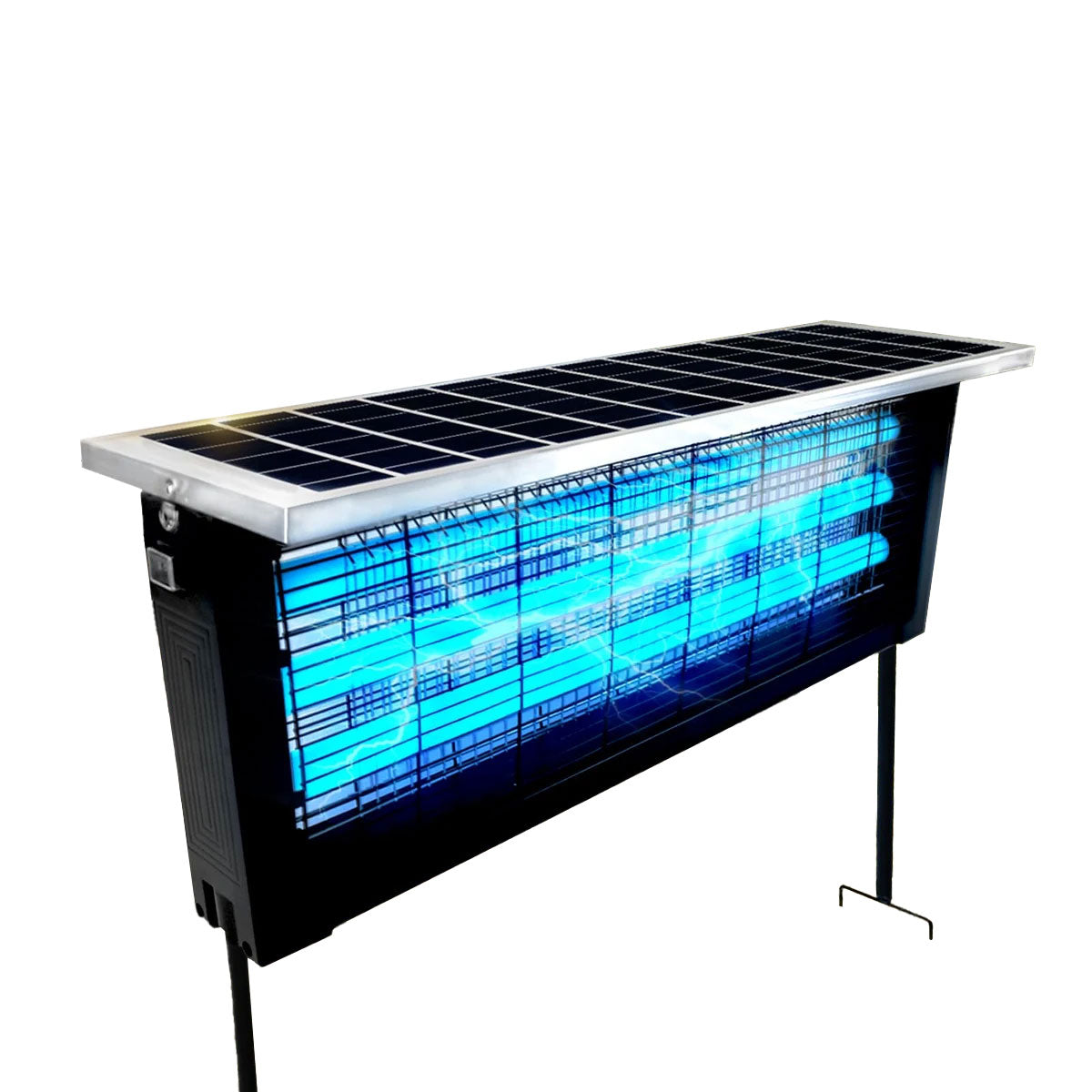
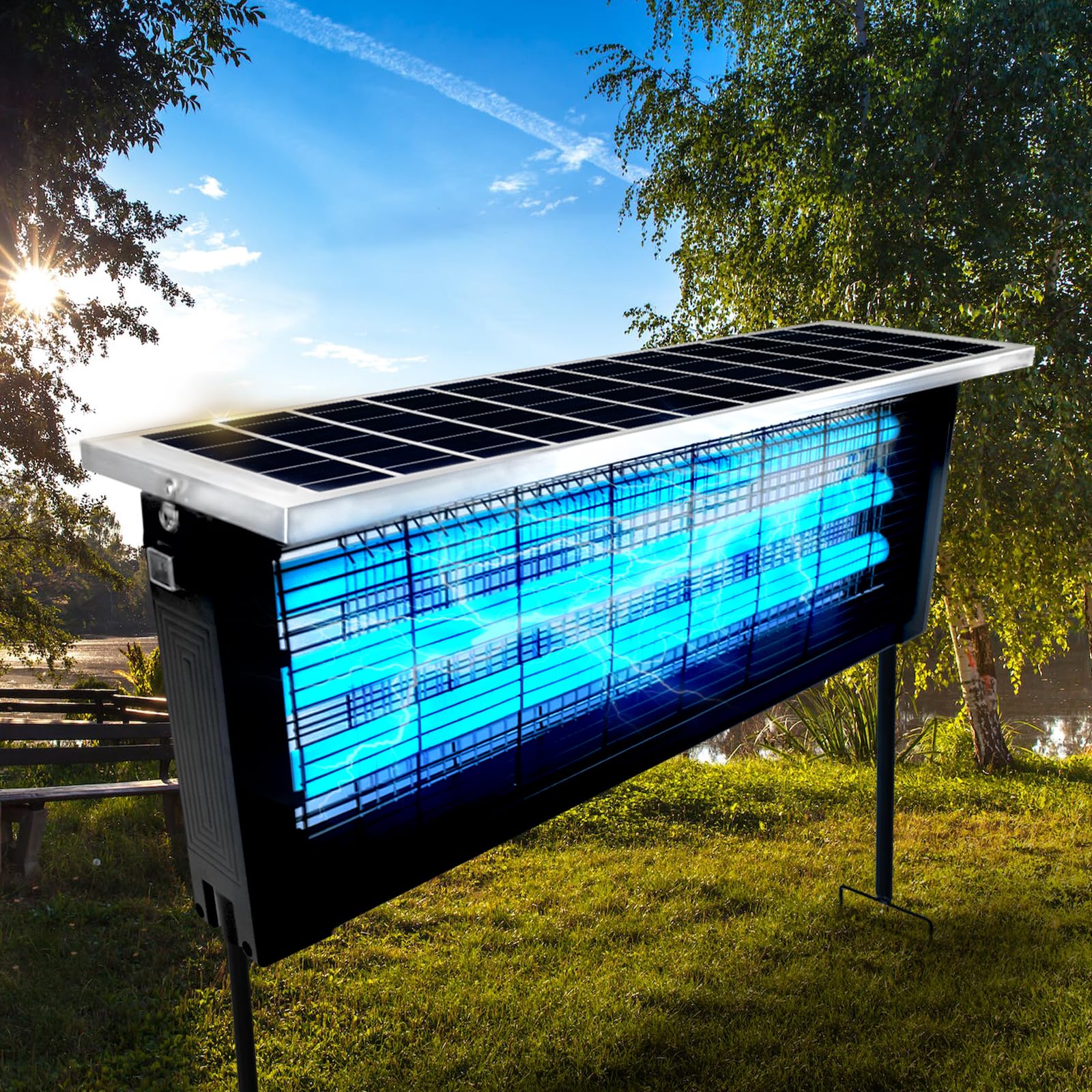
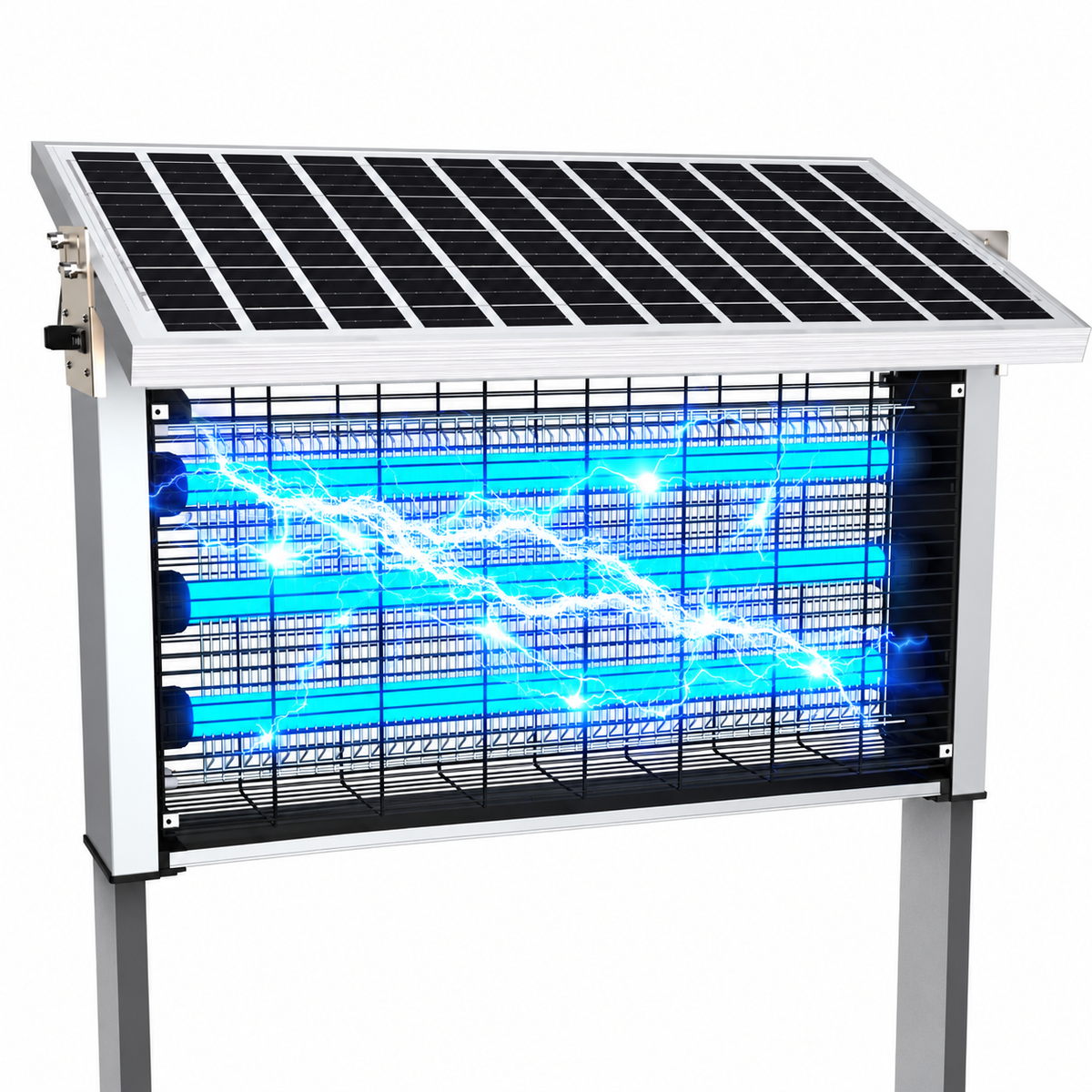
These devices use ultraviolet light to attract flying insects. Once insects approach, they touch a high-voltage grid and are instantly electrocuted.
One example in this category is the Flowtron BK-80D.
Key features include:
-
Bright UV light
-
Exposed electrified grid
-
Audible “zap” sound
-
Collection tray
While designed for insects, the electrical grid can pose a hazard if touched by a pet’s nose or tongue.
2. CO₂-Mimicking Mosquito Traps
Some advanced systems release carbon dioxide to attract mosquitoes more specifically.
A well-known example is the Mosquito Magnet Patriot Plus.
These typically include:
-
Propane combustion chamber
-
CO₂ emission
-
Suction fan
-
Containment net
These devices don’t use exposed electrical grids, but they involve heat and fuel sources.
3. Fan-Based Suction Traps
Electric suction traps combine UV light with a fan that pulls insects into an internal chamber.
An example is the DynaTrap DT2000XL.
These usually lack high-voltage grids but still involve:
-
Electrical wiring
-
Moving fan blades (protected by casing)
-
Light sources
-
Power cords
Each type presents different levels of risk to pets.
Potential Hazards for Golden Retrievers
1. Electrical Shock Risk
Electric bug zappers contain high-voltage grids. While the amperage is low and typically designed not to cause serious injury to humans, a dog’s wet nose or tongue could experience:
-
Mild shock
-
Startle reaction
-
Oral discomfort
-
Fear-based behavior
Repeated exposure could lead to anxiety around outdoor spaces.
While severe injury is rare, it’s not impossible — especially if the device is damaged or poorly maintained.
2. Burns From Heated Surfaces
Propane-based mosquito traps generate heat during combustion. Though they are designed with protective housing, external surfaces can become warm.
A curious Golden Retriever that nudges, leans against, or investigates the unit could experience minor burns — particularly on the nose.
Dogs explore the world with their mouths. Heat sources should never be accessible at snout level.
3. Chewing on Power Cords
Golden Retrievers, especially younger ones, are notorious chewers.
Exposed outdoor extension cords connected to mosquito lamps create:
-
Electrocution risk
-
Fire hazard
-
Equipment damage
Outdoor-rated cords reduce risk but don’t eliminate it.
If a dog chews through insulation and contacts live wiring, serious injury can occur.
4. Tipping Hazards
Larger mosquito traps may be freestanding.
An excited dog running through the yard could knock over:
-
Tall electric zappers
-
Propane trap stands
-
Hanging units
Falling equipment can:
-
Cause injury
-
Damage propane connections
-
Expose electrical components
Stability and placement matter greatly.
5. Ingestion of Dead Insects
Some mosquito lamps collect dead insects in trays or nets.
Golden Retrievers are known for eating almost anything.
Ingesting large amounts of dead insects may lead to:
-
Mild stomach upset
-
Vomiting
-
Diarrhea
While rarely dangerous, it’s unsanitary and avoidable.
6. Chemical Attractants
Certain mosquito traps use attractant cartridges that mimic human scent.
While typically sealed, accidental damage could expose:
-
Octenol compounds
-
Lure strips
-
Residual chemicals
Though generally low-risk, ingestion should be avoided.
Are Mosquito Lamps Safe for Dogs?
The short answer: They can be safe — if used correctly.
Most reputable mosquito lamp manufacturers design products with basic safety features, including:
-
Protective cages around grids
-
Enclosed fans
-
Auto shut-off mechanisms
-
Stable bases
-
Outdoor-rated insulation
However, no outdoor device is completely pet-proof without proper placement and supervision.
Golden Retrievers are strong, intelligent, and persistent. A device safe for a small dog might not withstand a large, energetic retriever.
Best Practices for Pet-Safe Mosquito Control
1. Elevate Electric Zappers
Mount bug zappers:
-
At least 6–7 feet above ground
-
Away from fences or climbing surfaces
-
Out of direct nose reach
Elevation significantly reduces accidental contact.
2. Secure Power Cords
-
Use cord covers or conduit tubing
-
Bury outdoor-rated cables where possible
-
Avoid loose extension cords
-
Anchor cords against walls
Never allow cords to run freely across lawn areas.
3. Create a Pet-Free Zone Around Equipment
Designate a small fenced or blocked-off area where mosquito devices operate.
Even a simple decorative barrier can deter investigation.
4. Choose Enclosed Suction Traps Over Exposed Grids
Fan-based traps without high-voltage grids are often safer for homes with pets.
Fully enclosed systems reduce shock risk.
5. Regular Maintenance
Inspect devices weekly for:
-
Damaged wiring
-
Loose housing
-
Cracks in protective casing
-
Propane stability
Pets may bump equipment without you noticing.
6. Avoid Chemical Sprays Near Dogs
In addition to lamps, many homeowners use sprays.
Be cautious with:
-
Pyrethroids
-
Concentrated repellents
-
Foggers
Always follow pet safety guidelines before application.
Special Considerations for Golden Retrievers
Golden Retrievers are:
-
Medium-to-large breed
-
Strong jumpers
-
Water-loving
-
Curious by nature
If your dog enjoys retrieving objects, bright glowing devices may seem like toys.
Training can help reduce interaction:
-
Use positive reinforcement to discourage investigation
-
Redirect attention to safe toys
-
Supervise outdoor time when introducing new equipment
Behavioral conditioning adds another layer of protection.
Alternative Mosquito Control Options for Pet Owners
If mosquito lamps still feel risky, consider:
Outdoor Fans
Mosquitoes struggle to fly in strong airflow. Strategically placed fans can reduce mosquito landings without chemical or electrical risks.
Landscaping Adjustments
-
Trim dense shrubs
-
Eliminate standing water
-
Clean gutters
-
Improve drainage
Reducing breeding areas benefits both humans and pets.
Mosquito-Repelling Plants
While not a standalone solution, plants like lavender and rosemary can mildly deter insects and are generally dog-safe.
What to Do If Your Dog Contacts a Mosquito Lamp
If your Golden Retriever experiences:
-
Sudden yelp near device
-
Pawing at mouth
-
Excessive drooling
-
Burn marks on nose
-
Chewed electrical cord
Immediately:
-
Turn off and unplug device.
-
Check for visible injury.
-
Contact your veterinarian if symptoms persist.
Prompt attention prevents complications.
Balancing Comfort and Safety
Mosquito control is important. Mosquitoes can transmit diseases, cause allergic reactions, and disrupt outdoor enjoyment.
But safety for pets must remain the top priority.
When evaluating mosquito lamps, ask:
-
Is the grid fully enclosed?
-
Is the surface heat minimal?
-
Are cords protected?
-
Is placement secure and elevated?
Smart installation makes most devices pet-compatible.
Final Thoughts
A mosquito-free backyard and a happy Golden Retriever don’t have to be mutually exclusive.
Modern mosquito killer lamps can be used safely in pet-friendly homes — but only with thoughtful setup and maintenance.
Golden Retrievers are affectionate, loyal, and endlessly curious. It’s our responsibility to anticipate risks before they discover them.
By elevating devices, securing wiring, choosing enclosed systems, and supervising outdoor time, you can protect your dog while still reducing mosquito pressure.
Because the goal isn’t just fewer mosquito bites.
It’s peaceful summer evenings where your best friend can run freely — safely — under the glow of a protected, well-placed mosquito lamp.