On a humid summer evening, when the air hangs thick and still, you step outside expecting a quiet moment on the patio. Within minutes, the familiar high-pitched buzz begins. One lands on your ankle. Another circles your ear. You swat, miss, and retreat indoors.
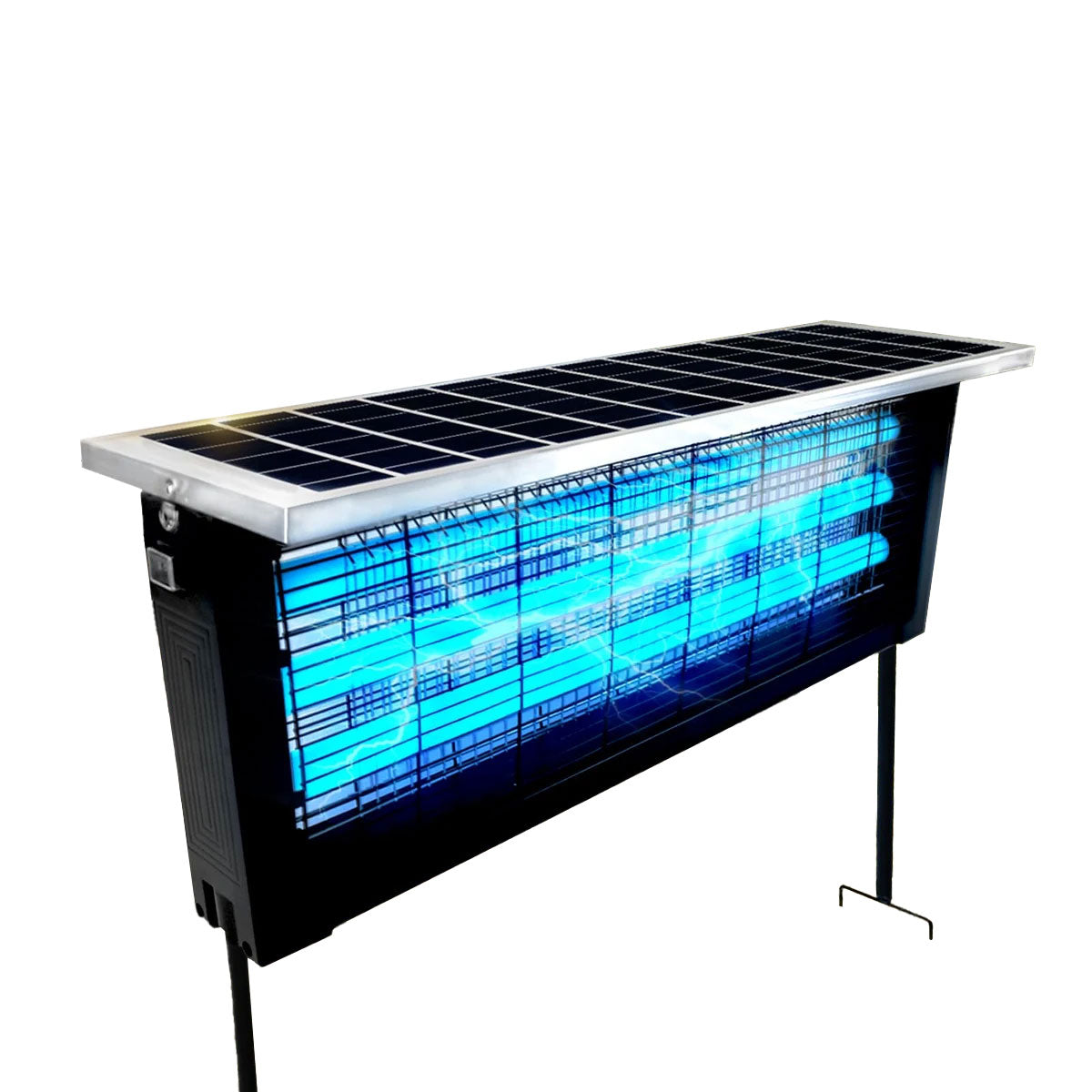
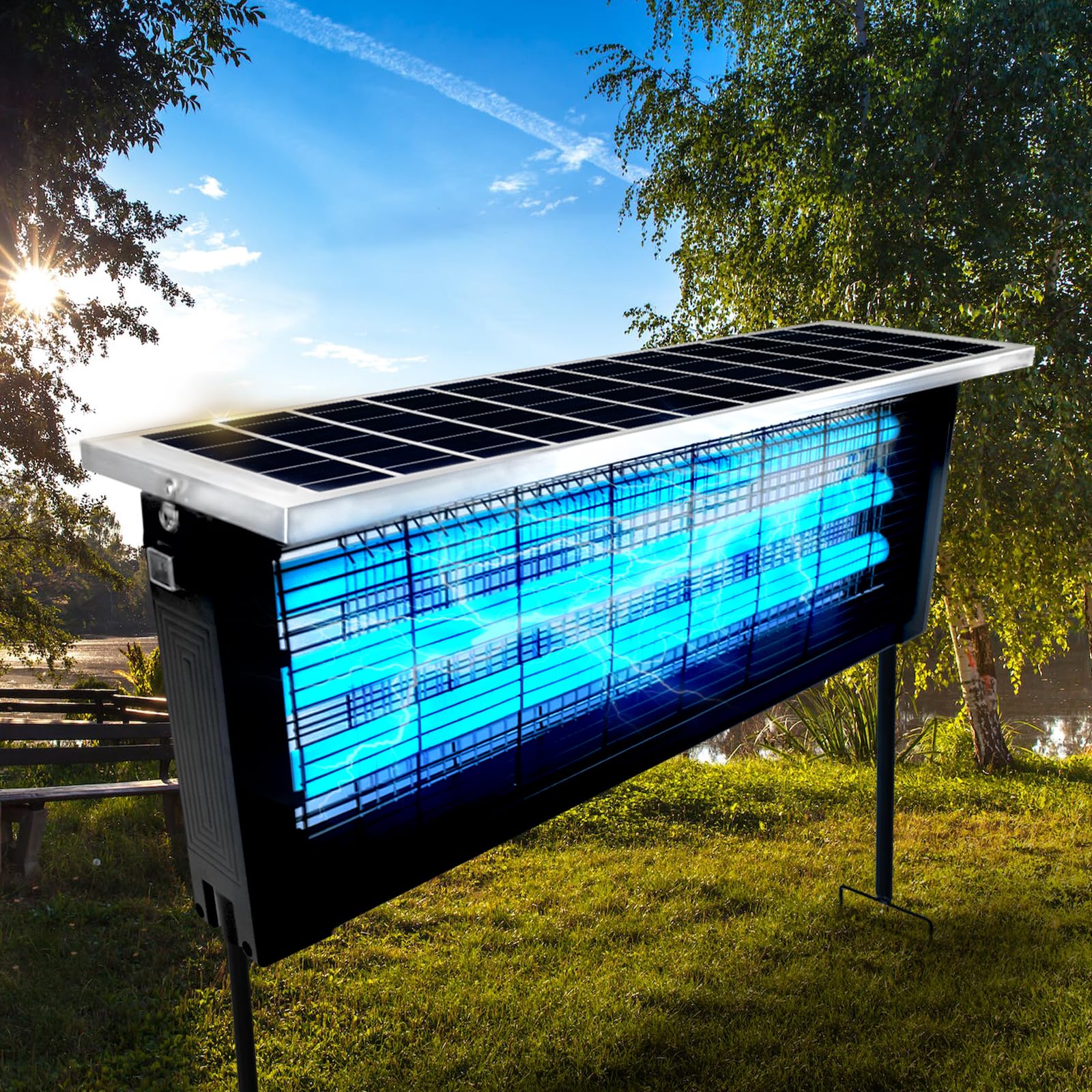
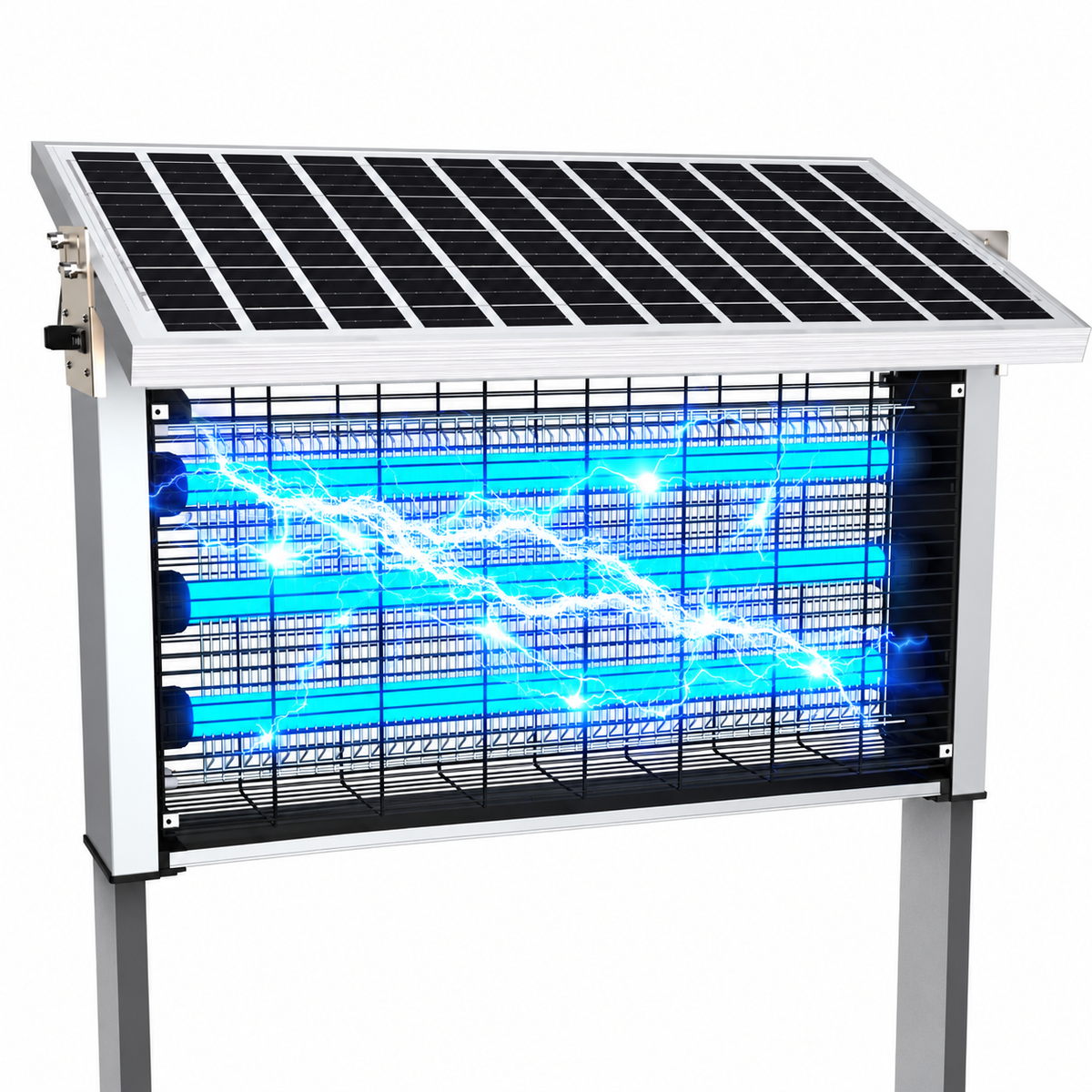
For decades, mosquito control meant citronella candles, chemical sprays, smoky coils, or blue-light bug zappers that crackled dramatically but didn’t seem to reduce bites. Today, a new wave of so-called “black tech” mosquito control devices claims to flip the script.
Instead of relying on light alone, these advanced mosquito killers mimic carbon dioxide (CO₂) — the primary signal mosquitoes use to find us.
The result? A new generation of mosquito traps designed not just to kill insects randomly, but to outsmart the biology of modern mosquitoes.
This guide explores how CO₂-mimicking mosquito lamps work, why they’re different from traditional zappers, and whether they truly deliver smarter, science-driven mosquito control for suburban homes.
Why Modern Mosquitoes Are Harder to Beat
Mosquitoes are not simple pests.
They’ve evolved for over 100 million years. Today’s suburban mosquito isn’t just flying randomly toward porch lights. Female mosquitoes — the ones that bite — use a highly refined sensory system to locate hosts.
They detect:
-
Carbon dioxide from breath
-
Body heat
-
Skin odors and lactic acid
-
Moisture and humidity
-
Movement
Studies show that carbon dioxide is often the first long-range trigger. A mosquito can detect CO₂ from dozens of feet away, sometimes farther under ideal conditions.
Light, by contrast, is a weaker attractant for many mosquito species.
This is why traditional UV bug zappers often kill moths, beetles, and flies — but not large numbers of mosquitoes.
To beat mosquitoes, you have to think like one.
And that’s exactly what CO₂-mimicking mosquito lamps are designed to do.
The Science Behind CO₂ Attraction
When humans breathe, we release about 4% carbon dioxide in every exhale. That plume forms an invisible trail in the air.
Mosquitoes have specialized sensory receptors on their antennae and maxillary palps that detect CO₂ concentration changes. Once they sense a rising CO₂ level, they switch into host-seeking mode.
From there, they use:
-
Heat detection
-
Skin odor cues
-
Visual contrast
But the initial cue is often CO₂.
If a mosquito control device can convincingly simulate that signal, it can intercept mosquitoes before they reach you.
That’s the core concept behind the “black tech” mosquito revolution.
What Is a CO₂-Mimicking Mosquito Lamp?
A CO₂-mimicking mosquito lamp is a device engineered to simulate the respiratory signature of a human or animal.
There are several approaches to generating or simulating carbon dioxide:
1. Propane Combustion
Some systems burn propane in a catalytic converter, producing real CO₂.
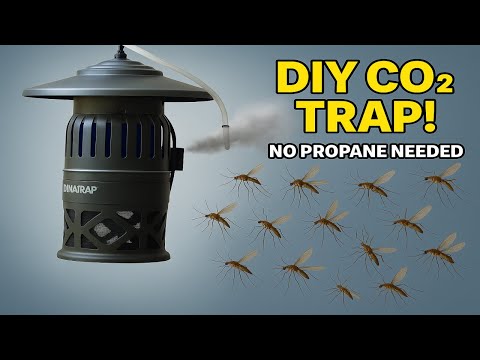
A well-known example is the Mosquito Magnet Patriot Plus, which emits carbon dioxide continuously and uses a fan to capture attracted mosquitoes.
2. Pressurized CO₂ Tanks
Some commercial systems use refillable carbon dioxide tanks, similar to beverage-grade cylinders, to release controlled CO₂ plumes.
3. Photocatalytic Technology
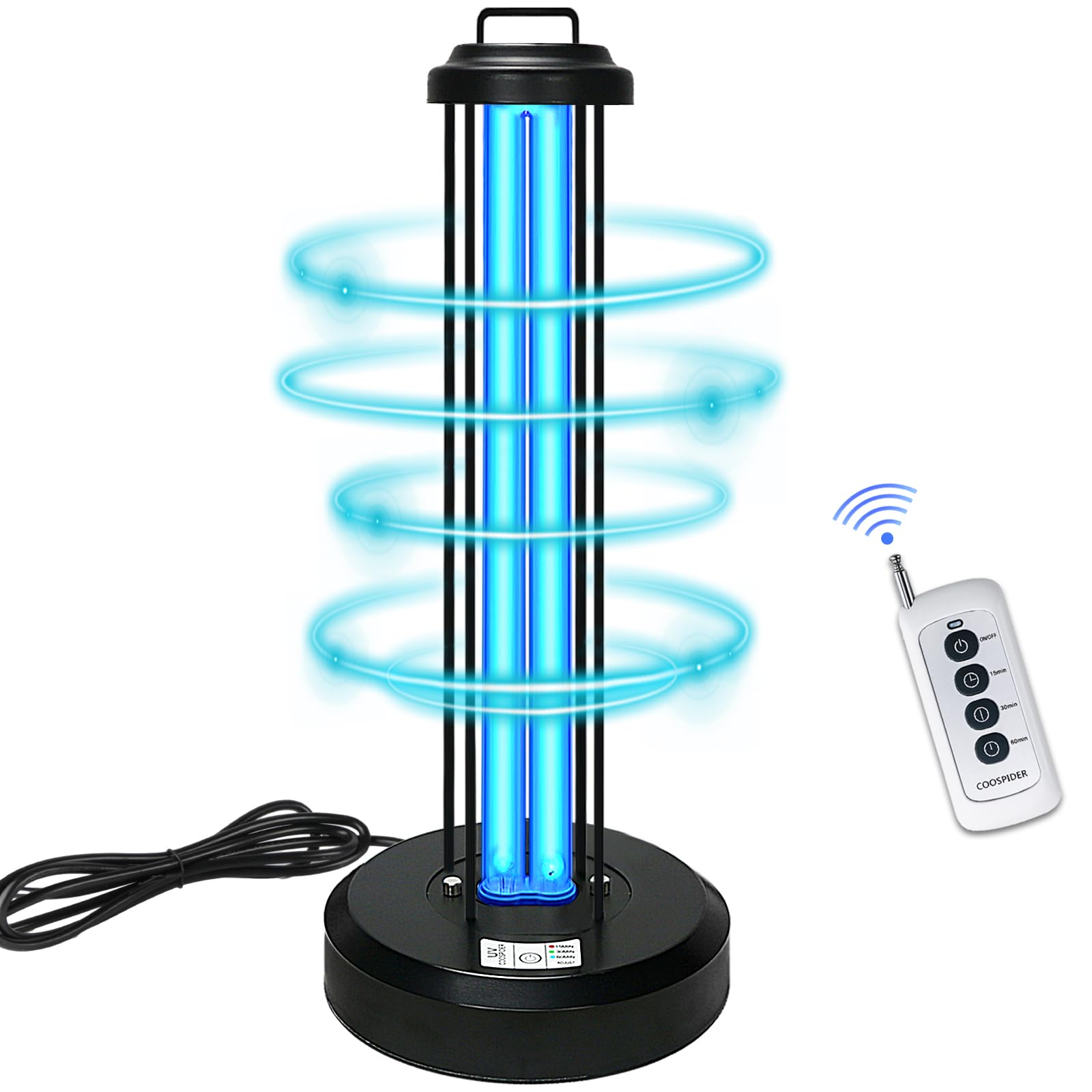
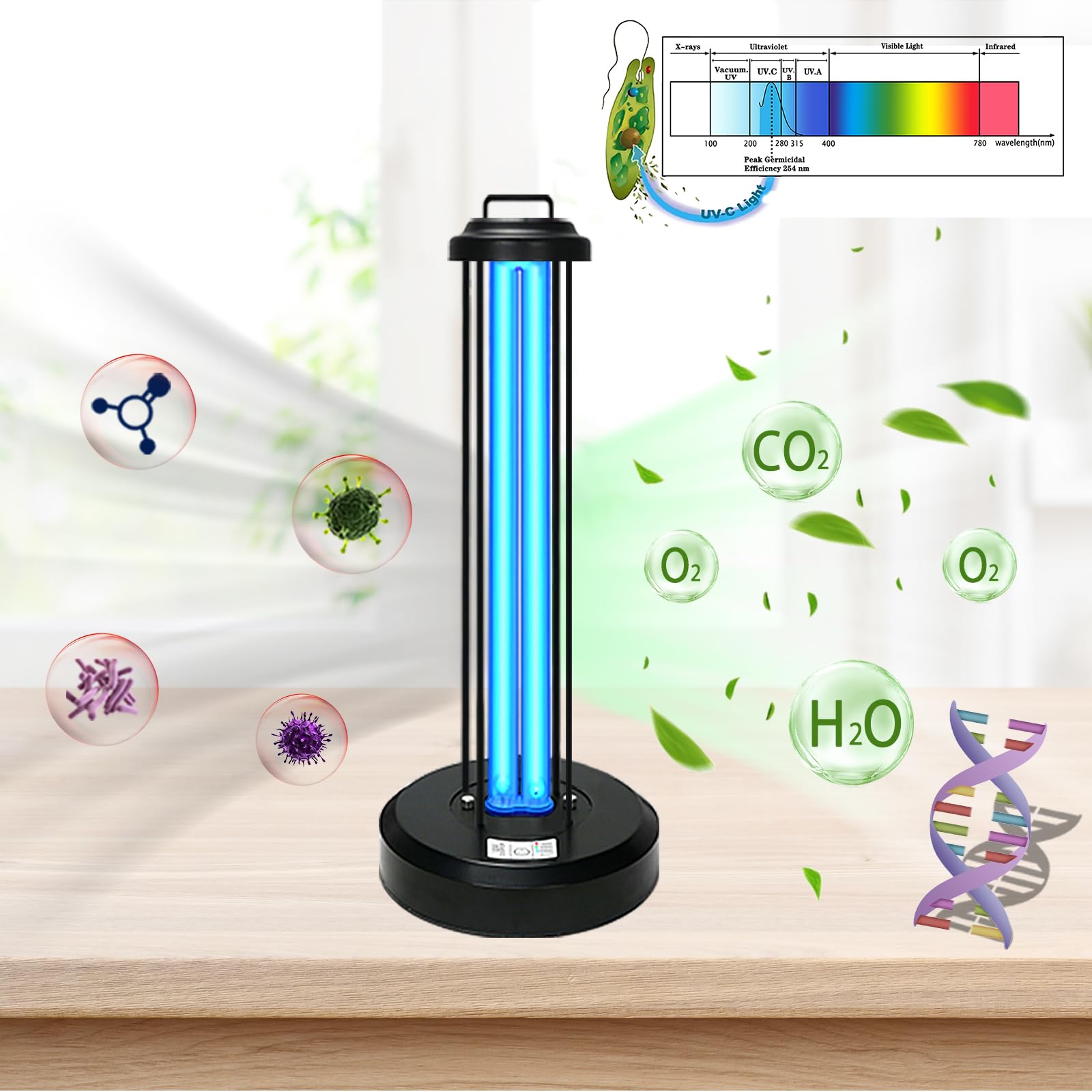
Certain electric traps use titanium dioxide coatings activated by UV light to produce small amounts of CO₂ via photocatalytic reactions.
One example of an electric suction-based insect trap is the DynaTrap DT2000XL, which combines UV attraction with airflow capture.
Each approach differs in output intensity and operating cost, but the biological strategy is the same: trigger the mosquito’s host-seeking instinct.
How These Devices Outsmart Mosquitoes
To understand the advantage, compare the logic:
Traditional Bug Zapper:
“Hey insects, here’s a bright light.”
CO₂-Mimicking Trap:
“Hey mosquito, here’s a breathing mammal.”
That distinction changes everything.
Step-by-Step Behavioral Interception
-
The device releases CO₂ into the air.
-
A female mosquito detects the plume.
-
She follows the increasing concentration gradient.
-
As she approaches, additional attractants (heat, UV glow, airflow) reinforce the illusion.
-
A powerful internal fan pulls her into a containment chamber.
-
She dehydrates and dies.
Because the trap targets host-seeking females, it interrupts the reproductive cycle.
Over weeks of continuous operation, this can reduce local mosquito pressure significantly.
Why UV Light Alone Often Falls Short
Many homeowners assume mosquitoes are attracted primarily to light.
That’s only partially true.
Mosquitoes:
-
Use light as a secondary cue.
-
Rely far more heavily on CO₂ and scent.
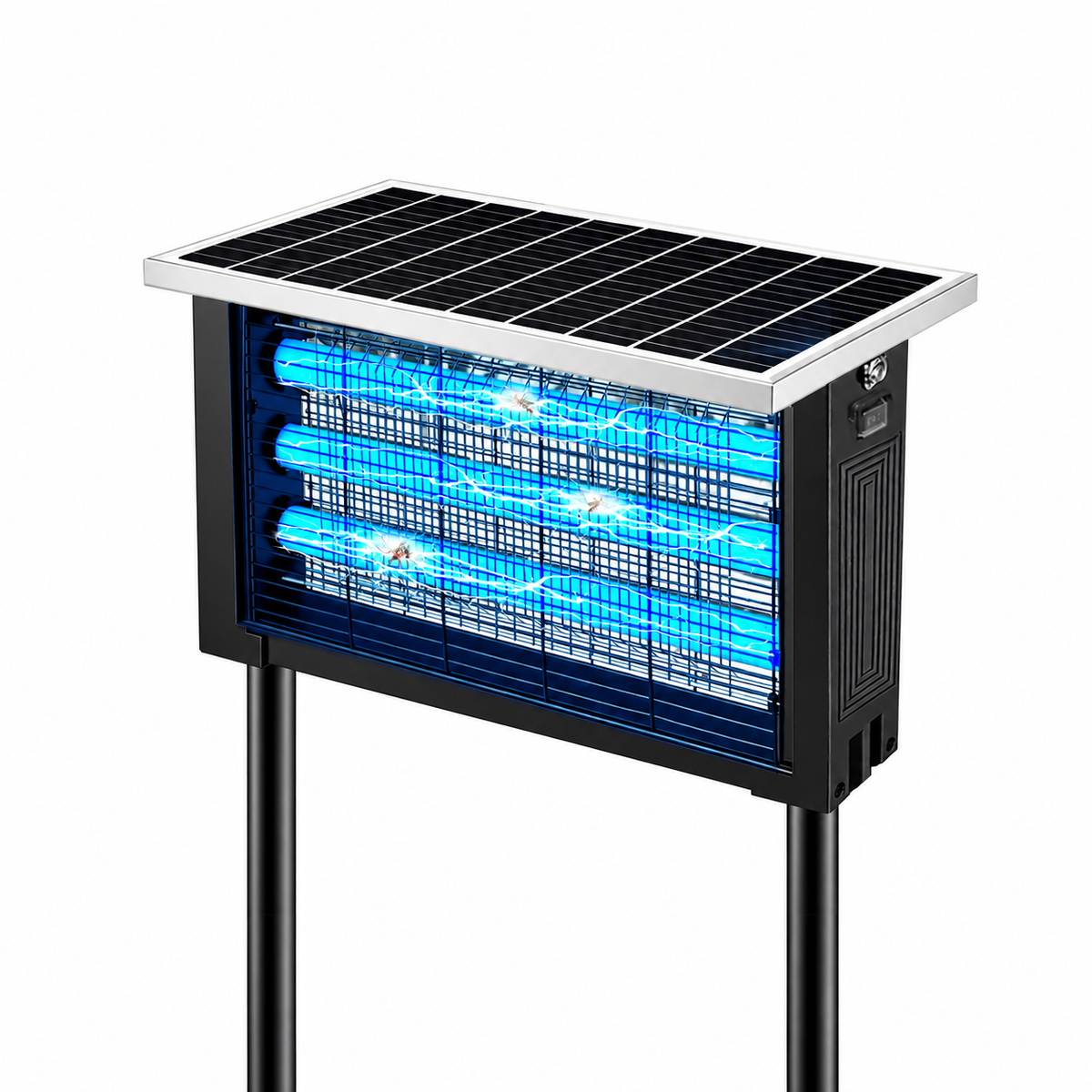
Classic electric zappers such as the Flowtron BK-80D can kill large numbers of flying insects — but studies suggest mosquitoes often represent a small percentage of the total catch.
This is why CO₂-based systems are considered more mosquito-specific.
The Rise of Smart Integration
The newest generation of mosquito traps adds intelligent features:
-
Timers for dusk-to-dawn operation
-
Smart sensors that detect mosquito activity
-
Adjustable airflow settings
-
Smartphone monitoring in premium models
-
Weather-resistant housings
While not every unit includes advanced electronics, the industry trend is moving toward automation and precision.
This shift is part of what drives the “black tech” label — combining biology, chemistry, airflow engineering, and smart controls into a unified defense system.
Placement Strategy: The Hidden Key to Success
Even the most advanced trap can fail if placed incorrectly.
CO₂-based traps work best when:
-
Positioned 20–40 feet away from patios
-
Placed between breeding areas and human activity zones
-
Located in shaded areas
-
Positioned downwind from seating spaces
Why?
You want mosquitoes to encounter the trap before they encounter you.
Placing the device directly beside your chair can sometimes draw mosquitoes closer before they’re captured.
Strategic placement turns the device into a perimeter defender rather than a patio magnet.
Long-Term Population Suppression
One of the biggest advantages of CO₂-mimicking traps is cumulative impact.
Unlike sprays that work temporarily, these traps operate continuously.
Over several weeks:
-
Female mosquitoes seeking blood meals are captured.
-
Fewer eggs are laid.
-
Fewer larvae hatch.
-
Local population density declines.
This isn’t instant gratification — it’s biological disruption.
Most manufacturers recommend running traps continuously for 3–6 weeks to see meaningful reductions.
Are Modern Mosquitoes Adapting?
A common question arises:
“Can mosquitoes adapt to these traps?”
While mosquitoes evolve resistance to chemical insecticides, CO₂ detection is a fundamental survival mechanism.
They cannot simply “decide” to ignore carbon dioxide.
Without it, they would struggle to find hosts.
That biological dependency makes CO₂ mimicry a resilient strategy.
Comparing Operating Costs
CO₂-mimicking systems vary in expense.
Propane-Based Systems
Costs include:
-
Propane refills
-
Attractant cartridges (if required)
-
Electricity for internal fan
Estimated seasonal cost: $120–$200
Electric Photocatalytic Systems
Costs include:
-
Electricity usage
-
Occasional UV bulb replacement
Estimated seasonal cost: $25–$65
Higher CO₂ output typically means higher operating cost — but potentially greater effectiveness in large yards.
Environmental Considerations
Propane systems produce CO₂ as part of combustion. However, they may:
-
Kill fewer non-target insects
-
Focus more specifically on host-seeking mosquitoes
UV-only zappers often kill beneficial insects in larger numbers.
Homeowners concerned about pollinators should consider selectivity when choosing a system.
Ideal Scenarios for CO₂-Mimicking Mosquito Lamps
These systems excel in:
-
Suburban yards with irrigation
-
Properties near ponds or creeks
-
Wooded property lines
-
Humid climates
-
Long mosquito seasons
They are less necessary in:
-
Small apartment balconies
-
Dry, low-mosquito regions
-
Short seasonal climates
Common Misconceptions
Myth 1: More Light Equals More Mosquitoes Caught
Brightness doesn’t equal biological relevance.
Myth 2: These Devices Attract Mosquitoes From Miles Away
They primarily intercept mosquitoes already within your property’s active range.
Myth 3: One Week Is Enough
Population suppression takes consistent operation.
Myth 4: All CO₂ Traps Are Equal
CO₂ output levels vary significantly by technology type.
Integrating CO₂ Traps Into a Broader Strategy
For best results, combine:
-
CO₂-mimicking trap
-
Standing water elimination
-
Gutter cleaning
-
Larvicide treatments
-
Outdoor airflow (fans disrupt flight)
-
Smart landscaping
Mosquito control is most effective when layered.
The Future of Mosquito Control
Emerging innovations include:
-
AI-driven mosquito detection
-
Species-specific attractant blends
-
Solar-powered CO₂ generation
-
Low-energy catalytic converters
-
Networked trap systems for larger properties
As suburban mosquito pressure increases due to climate changes and urban expansion, demand for smarter, biologically informed solutions will continue to grow.
CO₂ mimicry isn’t just a trend — it’s a fundamental alignment with mosquito biology.
So, Do CO₂-Mimicking Mosquito Lamps Really Outsmart Mosquitoes?
Yes — because they exploit the mosquito’s most critical sensory trigger.
Instead of relying on generic light attraction, they:
-
Simulate breath
-
Trigger host-seeking mode
-
Capture females before they bite
-
Disrupt breeding cycles over time
They don’t just react to mosquito presence — they anticipate mosquito behavior.
That’s what makes them part of a true “black tech” revolution.
Final Thoughts
Mosquitoes are highly specialized hunters. Beating them requires more than bright lights and loud zaps.
CO₂-mimicking mosquito lamps represent a shift from brute-force insect killing to biologically targeted interception.
While no system eliminates mosquitoes completely, devices that replicate human breath tap directly into the evolutionary wiring that guides mosquito behavior.
In the suburban mosquito war, intelligence often beats intensity.
And sometimes, the smartest way to win isn’t shining brighter — it’s breathing better.