
Mosquitoes are more than just annoying backyard pests. For dogs and cats, these tiny insects can become carriers of one of the most dangerous parasitic diseases affecting pets today: heartworm disease.
Many pet owners associate mosquitoes with itchy bites, summer evenings, and outdoor discomfort, but few realize how serious mosquito exposure can become for animals. A single infected mosquito bite has the potential to transmit microscopic parasites that grow inside a pet’s body, eventually damaging the heart, lungs, and blood vessels.
Heartworm disease is not only dangerous—it can also be expensive, emotionally stressful, and difficult to treat.
Fortunately, prevention is far easier than treatment.
By understanding how mosquitoes spread heartworms and learning how to create safer outdoor environments, pet owners can dramatically reduce the risk of infection while helping their furry companions enjoy outdoor life more comfortably.
This guide explores everything pet owners need to know about mosquito prevention, outdoor protection strategies, heartworm awareness, pet-safe mosquito control methods, seasonal risk management, and practical ways to keep pets healthier year-round.
What Is Heartworm Disease?
Heartworm disease is a serious parasitic infection caused by worms known as Dirofilaria immitis.
These parasites are transmitted through mosquito bites.
When an infected mosquito bites a dog, cat, or other susceptible animal, microscopic larvae enter the bloodstream. Over time, the larvae mature into adult worms that live primarily in the heart, lungs, and associated blood vessels.
In dogs, heartworms can grow up to 12 inches long and survive for several years.
Severe infections may involve dozens—or even hundreds—of worms.
The consequences can become life-threatening.
How Mosquitoes Spread Heartworms
Understanding the heartworm life cycle helps explain why mosquito prevention is so important.
The transmission process works like this:
-
A mosquito bites an infected animal.
-
The mosquito ingests microscopic heartworm larvae.
-
The larvae develop inside the mosquito.
-
The infected mosquito bites another animal.
-
Larvae enter the new host through the bite wound.
-
The parasites mature over several months.
-
Adult worms begin reproducing inside the host.
Mosquitoes serve as essential carriers in this cycle.
Without mosquitoes, heartworm transmission would not occur.
That is why reducing mosquito exposure is one of the most effective ways to protect pets.
Why Heartworm Disease Is So Dangerous
Heartworm disease affects multiple organs and body systems.
As worms mature and multiply, they interfere with normal blood circulation and place increasing strain on the cardiovascular system.
In Dogs
Dogs are considered the natural host for heartworms.
Adult worms reproduce efficiently inside dogs, making infections particularly severe.
Symptoms may include:
-
Persistent coughing
-
Fatigue after exercise
-
Weight loss
-
Decreased appetite
-
Difficulty breathing
-
Swollen abdomen
-
Reduced stamina
-
Heart failure in advanced cases
Severe heartworm disease can become fatal without treatment.
In Cats
Cats are less common hosts, but heartworm infections can still be dangerous.
Even a small number of worms may trigger serious respiratory or inflammatory reactions.
Symptoms in cats may include:
-
Coughing
-
Vomiting
-
Breathing difficulties
-
Lethargy
-
Sudden collapse
-
Sudden death in extreme cases
Unfortunately, there is no approved heartworm treatment for cats, making prevention especially important.
Why Outdoor Pets Face Greater Risk
Pets that spend time outdoors encounter mosquitoes far more frequently.
Common risk factors include:
-
Backyard playtime
-
Evening walks
-
Camping trips
-
Dog parks
-
Hiking trails
-
Outdoor kennels
-
Patios and decks
-
Ponds and water features
-
Humid climates
Mosquitoes are especially active during dawn and dusk, which often overlaps with popular dog walking times.
Warm weather, standing water, and shaded landscaping create ideal breeding environments.
Even indoor pets are not completely safe because mosquitoes can easily enter homes.
The Growing Geographic Spread of Heartworm Disease
Heartworm disease was once associated primarily with warm southern regions.
However, changing climate conditions, increased pet travel, and expanding mosquito populations have widened the risk across many areas.
Today, heartworm cases are reported throughout much of the United States.
Longer mosquito seasons mean pets may remain vulnerable for more months each year.
Some regions now experience nearly year-round transmission risks.
This growing threat makes mosquito prevention more important than ever.
Signs Your Backyard May Have a Mosquito Problem
Many pet owners underestimate mosquito activity around their homes.
Common indicators include:
-
Mosquitoes visible at sunset
-
Frequent bites on humans
-
Standing water after rain
-
Overwatered lawns
-
Birdbaths
-
Clogged gutters
-
Dense vegetation
-
Ponds without circulation
-
Shaded damp areas
If mosquitoes bother people outdoors, pets are almost certainly being exposed as well.
The Best Outdoor Mosquito Prevention Strategies for Pets
Effective mosquito prevention requires a layered approach.
No single method completely eliminates risk.
Combining environmental management, pet-safe repellents, and veterinary prevention creates the strongest protection.
Eliminate Standing Water Around the Yard
Mosquitoes require standing water to reproduce.
Even small amounts of water can support breeding.
Common mosquito breeding sites include:
-
Flower pots
-
Buckets
-
Pet bowls left outside
-
Kiddie pools
-
Birdbaths
-
Rain barrels
-
Old tires
-
Tarps
-
Gutters
-
Drainage areas
Empty and refresh water sources regularly.
Improving drainage and removing stagnant water dramatically reduces mosquito populations.
Keep Grass and Landscaping Maintained
Mosquitoes hide in cool, shaded vegetation during the day.
Overgrown landscaping creates ideal resting areas.
Helpful yard maintenance practices include:
-
Mowing grass regularly
-
Trimming shrubs
-
Pruning dense bushes
-
Removing yard debris
-
Increasing airflow
-
Reducing excessive moisture
Cleaner landscaping not only reduces mosquitoes but also improves overall outdoor comfort.
Use Outdoor Fans on Patios and Pet Areas
Mosquitoes are weak flyers.
Outdoor fans help disrupt their flight patterns.
Air circulation can significantly reduce mosquito activity around:
-
Pet patios
-
Outdoor kennels
-
Decks
-
Covered seating areas
-
Dog play zones
This simple strategy provides chemical-free protection.
Install Mosquito Screens and Protective Barriers
Physical barriers reduce mosquito access to pets.
Useful options include:
-
Window screens
-
Screened porches
-
Mesh enclosures
-
Outdoor canopy screens
-
Netting around kennels
Check screens regularly for tears or gaps.
Avoid Peak Mosquito Activity Times
Mosquitoes are most active during:
-
Early morning
-
Dusk
-
Warm humid evenings
Whenever possible, schedule dog walks and outdoor activities outside peak mosquito hours.
Midday walks may reduce exposure in high-risk areas.
Choose Pet-Safe Outdoor Mosquito Repellents
Not all mosquito repellents are safe for animals.
Some products designed for humans can be toxic to pets.
Avoid applying products containing:
-
DEET directly to pets
-
High concentrations of essential oils
-
Permethrin on cats
-
Unknown homemade mixtures
Always consult a veterinarian before using topical repellents.
Pet-safe mosquito prevention products may include:
-
Veterinary-approved topical treatments
-
Mosquito-repellent collars
-
Protective sprays formulated for pets
-
Yard-safe mosquito control products
Read labels carefully and follow dosage instructions.
Why Veterinary Heartworm Prevention Matters
Outdoor mosquito control alone is not enough.
Veterinary heartworm prevention remains essential.
Monthly preventive medications kill immature heartworm larvae before they mature into adults.
Common forms include:
-
Chewable tablets
-
Topical treatments
-
Injectable preventives
Most veterinarians recommend year-round prevention in many regions.
Skipping doses increases infection risk.
The Importance of Annual Heartworm Testing
Even pets receiving preventive medication should undergo regular testing.
No prevention method is perfect.
Annual screening helps detect infections early before severe complications develop.
Heartworm tests are simple and often performed during routine wellness visits.
Early detection improves treatment outcomes.
Outdoor Mosquito Prevention for Dogs
Dogs often spend significant time outdoors, increasing exposure risk.
Protect Outdoor Sleeping Areas
If dogs rest outside, ensure sleeping areas are:
-
Elevated off damp ground
-
Well-ventilated
-
Screened when possible
-
Free from standing water nearby
Limit Exposure Near Water Sources
Mosquitoes thrive around:
-
Ponds
-
Marshes
-
Lakes
-
Slow-moving streams
-
Irrigation areas
Exercise caution during outdoor adventures.
Keep Water Bowls Clean
Replace outdoor drinking water frequently.
Do not allow stagnant water to accumulate.
Use Pet-Safe Mosquito Yard Treatments Carefully
Some lawn treatments help reduce mosquito populations.
However, always verify pet safety before application.
Allow treated areas to dry completely before letting pets return.
Outdoor Mosquito Prevention for Cats
Many cat owners mistakenly assume cats are low-risk.
However, mosquitoes readily bite cats.
Outdoor and indoor-outdoor cats face increased exposure.
Limit Evening Outdoor Access
Keeping cats indoors during peak mosquito hours reduces risk.
Protect Window Areas
Mosquitoes may gather near windows and screens.
Repair damaged screens promptly.
Avoid Unsafe Essential Oils
Certain essential oils marketed for mosquito control can be toxic to cats.
Cats metabolize chemicals differently than dogs.
Never use oils like:
-
Tea tree oil
-
Pennyroyal
-
Eucalyptus
-
Peppermint
-
Cinnamon oil
without veterinary approval.
Are Natural Mosquito Repellents Effective?
Natural mosquito prevention methods vary in effectiveness.
Some strategies may help reduce mosquito presence modestly.
Examples include:
-
Citronella plants
-
Lavender
-
Marigolds
-
Basil
-
Rosemary
However, plants alone rarely provide sufficient protection in high-risk areas.
Natural methods work best as supplemental measures rather than primary protection.
Common Mistakes Pet Owners Make
Many mosquito prevention efforts fail because of avoidable mistakes.
Inconsistent Preventive Medication
Missing even one monthly dose can create vulnerability.
Assuming Indoor Pets Are Safe
Mosquitoes easily enter homes.
Indoor pets can still become infected.
Relying Only on Yard Sprays
Mosquito control products help reduce populations but do not eliminate all risk.
Ignoring Standing Water
Small water sources are often overlooked.
Using Unsafe Human Repellents
Human products may contain ingredients harmful to pets.
How Climate and Weather Affect Mosquito Activity
Environmental conditions strongly influence mosquito populations.
Warm Temperatures
Mosquitoes reproduce faster in warm weather.
Humidity
Humid environments support mosquito survival.
Rainfall
Rain creates breeding sites.
Mild Winters
Warmer winters may extend mosquito seasons.
Pet owners should remain especially vigilant after rainy or humid periods.
Traveling With Pets During Mosquito Season
Travel increases exposure to unfamiliar mosquito populations.
Before traveling:
-
Confirm preventive medications are current
-
Pack pet-safe repellents
-
Research regional mosquito risks
-
Avoid heavily infested outdoor areas
-
Keep pets indoors during peak mosquito times
Camping and lakeside vacations may increase mosquito exposure significantly.
Can Mosquitoes Bite Through Fur?
Yes.
Mosquitoes often target areas with thinner fur or exposed skin, including:
-
Nose
-
Ears
-
Belly
-
Around the eyes
-
Inner legs
Short-haired breeds may be especially vulnerable.
Why Mosquito Prevention Improves Overall Pet Comfort
Even when mosquitoes do not transmit heartworms, bites still cause irritation.
Mosquito bites may lead to:
-
Itching
-
Skin inflammation
-
Allergic reactions
-
Scratching
-
Restlessness
-
Secondary skin infections
Reducing mosquito exposure improves outdoor comfort and quality of life.
Mosquito Prevention Around Ponds and Water Features
Decorative ponds can attract mosquitoes if poorly maintained.
Helpful strategies include:
-
Installing water circulation pumps
-
Adding fountains
-
Keeping water moving
-
Cleaning debris regularly
-
Avoiding stagnant edges
Properly maintained ponds are less attractive to breeding mosquitoes.
Pet-Friendly Mosquito Control Products for the Yard
Many homeowners use outdoor mosquito control systems.
Pet-safe options may include:
-
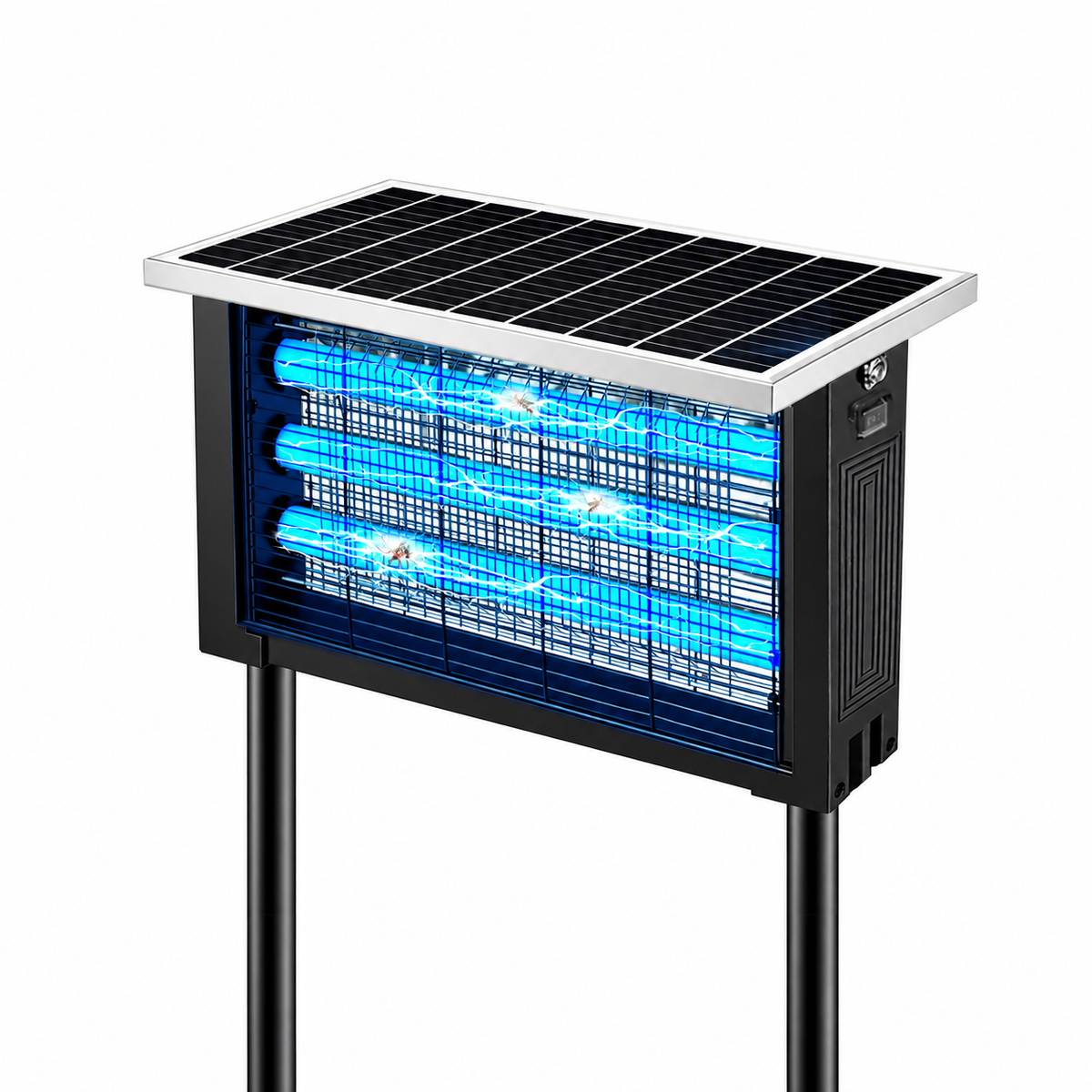
Mosquito traps
-
Outdoor fans
-
Biological larvicides
-
Cedar-based yard products
-
Professional pet-safe treatments
Always review safety guidelines carefully.
If using professional pest control services, inform technicians about pets.
Understanding Heartworm Treatment Costs
Preventing heartworm disease is far less expensive than treatment.
Heartworm treatment for dogs may involve:
-
Blood testing
-
X-rays
-
Medications
-
Injections
-
Veterinary monitoring
-
Restricted activity for months
Treatment can become costly and physically stressful for pets.
In severe cases, complications may become life-threatening.
For cats, treatment options are even more limited.
This is why prevention remains the safest and most practical strategy.
Building a Safer Backyard for Pets
Creating a mosquito-resistant outdoor environment benefits both pets and humans.
A safer backyard often includes:
-
Clean landscaping
-
Good drainage
-
Reduced standing water
-
Proper lighting
-
Outdoor fans
-
Screened relaxation areas
-
Routine mosquito management
-
Safe pet preventive care
These improvements make outdoor spaces more enjoyable year-round.
How to Create a Daily Mosquito Prevention Routine
Consistency matters.
Simple habits can greatly reduce risk.
Daily Habits
-
Refresh outdoor water bowls
-
Check for standing water
-
Bring pets inside during peak mosquito hours
-
Inspect screens and doors
Weekly Habits
-
Mow grass
-
Clean gutters
-
Empty containers holding rainwater
-
Inspect yard drainage
Monthly Habits
-
Administer heartworm preventive medication
-
Check mosquito control devices
-
Evaluate outdoor pet areas
Special Considerations for Puppies and Senior Pets
Young and elderly animals may be more vulnerable.
Puppies
Puppies should begin veterinary-approved preventive care according to veterinary guidance.
Senior Pets
Older pets may experience greater complications if infected.
Regular veterinary monitoring becomes especially important.
What to Do If You Suspect Heartworm Disease
If a pet shows symptoms such as coughing, fatigue, or breathing difficulty, consult a veterinarian promptly.
Do not attempt home treatment.
Early diagnosis improves outcomes significantly.
Veterinarians may recommend:
-
Blood testing
-
Imaging
-
Heartworm screening
-
Treatment planning
Quick action can help prevent severe complications.
The Emotional Impact of Heartworm Disease
Heartworm disease affects more than physical health.
Treatment often requires:
-
Exercise restriction
-
Multiple veterinary visits
-
Long recovery periods
-
Emotional stress for owners
Many pet owners describe feelings of guilt after preventable infections.
Taking preventive steps helps avoid these difficult experiences.
Why Prevention Is the Best Long-Term Strategy
Mosquitoes are impossible to eliminate completely.
However, combining environmental control with veterinary prevention dramatically lowers risk.
Successful prevention relies on:
-
Awareness
-
Consistency
-
Safe outdoor management
-
Veterinary guidance
-
Mosquito reduction strategies
A proactive approach protects both pets and families.
Final Thoughts
Mosquitoes may seem like minor outdoor nuisances, but for pets, they can carry life-threatening consequences.
Heartworm disease remains one of the most serious mosquito-borne illnesses affecting dogs and cats, and the risks continue growing as mosquito populations expand across more regions.
Fortunately, pet owners have many effective tools available.
By eliminating standing water, maintaining cleaner outdoor spaces, reducing mosquito habitats, using pet-safe mosquito prevention methods, and following consistent veterinary heartworm prevention schedules, families can create safer environments for their furry companions.
Outdoor adventures, backyard playtime, evening walks, and summer vacations should be enjoyable—not dangerous.
With the right prevention strategies, pets can spend more time exploring the outdoors while remaining better protected from mosquitoes and the serious diseases they may carry.
A healthier outdoor lifestyle begins with awareness, preparation, and consistent care.
After all, our pets depend on us to protect them from threats they cannot see—including the tiny buzzing insects hiding in the backyard.