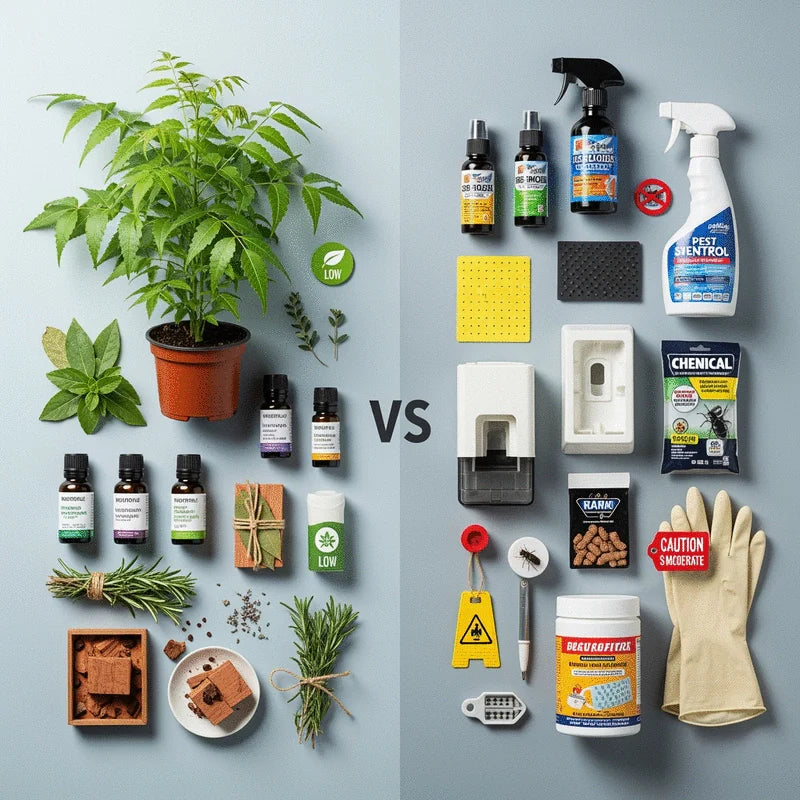
Spending time outdoors, whether camping, hiking, or enjoying a backyard fire pit, comes with a familiar nuisance: insects. From mosquitoes buzzing in your ear to ticks lurking in tall grass, these tiny creatures can turn an enjoyable day into a frustrating ordeal. Over the years, outdoor enthusiasts have debated the best approach to managing insects: should you rely on physical barriers and mechanical strategies, or turn to chemical solutions like sprays and repellents?
Both methods have passionate supporters. Physical techniques—like tents with mesh screens, insect nets, and fans—offer a chemical-free way to reduce exposure. Chemical approaches—ranging from DEET-based repellents to permethrin-treated clothing—promise effectiveness and convenience. But each comes with its own set of advantages and limitations. Understanding these trade-offs is essential for campers, hikers, and outdoor lovers who want to stay safe and comfortable without overexposing themselves or the environment to chemicals.
This article dives deep into the world of physical and chemical insect control, examining how each works, when they are most effective, and what potential drawbacks they bring. By the end, you’ll have a clear framework for designing a comprehensive, personalized insect prevention strategy.
Understanding Outdoor Insects
Before evaluating control methods, it’s crucial to understand the types of insects you’re likely to encounter and the risks they pose.
Mosquitoes
Mosquitoes are the most notorious outdoor pest. They thrive in humid environments and can carry diseases like West Nile virus, Zika, and malaria in certain regions. Active mainly during dawn and dusk, mosquitoes are more than just an annoyance—they’re a health concern.
Ticks
Ticks are small but potentially dangerous. They transmit diseases such as Lyme disease and Rocky Mountain spotted fever. Ticks are commonly found in wooded areas, tall grass, and along trails.
Flies and Midges
Flies, midges, and gnats can be relentless around food and water. While not always dangerous, they can spread bacteria and make outdoor meals unpleasant.
Ants and Spiders
While less immediately threatening, ants can invade food supplies, and spiders may cause panic among campers. Some spider species, though rare, carry venom that can be harmful.
Physical Insect Control: Methods and Advantages
Physical insect control relies on mechanical barriers, environmental modifications, or equipment to keep insects away without using chemicals.
1. Mesh Screens and Netting
Description: Mesh screens on tents, windows, and sleeping areas create a barrier between you and insects. Fine mesh prevents even tiny mosquitoes from entering.
Advantages:
- Chemical-free: No exposure to potentially toxic substances.
- Long-lasting: Mesh is reusable and effective for years if cared for properly.
- Targeted: Prevents insects from entering specific areas without affecting the environment.
Limitations:
- Limited mobility: Mesh works only where it is installed.
- Maintenance: Holes, tears, or loose seams can render the barrier ineffective.
- Cannot repel insects outdoors: Mesh only protects the immediate enclosed space.
2. Physical Repellents: Fans and Smoke
Description: Moving air and smoke disrupt insect flight and reduce activity in localized areas.
Advantages:
- Non-toxic: No chemical exposure for humans or pets.
- Immediate relief: Fans and smoke can quickly reduce mosquito presence.
- Natural and sustainable: Especially effective in small, controlled outdoor zones.
Limitations:
- Limited range: Effectiveness decreases in windy conditions or open spaces.
- Environmental impact: Smoke can irritate eyes or respiratory systems.
- Not comprehensive: Won’t stop insects from biting unprotected skin outside the barrier.
3. Habitat Modification
Description: Adjusting the campsite or surroundings to reduce insect attraction, such as removing standing water, clearing brush, and managing food waste.
Advantages:
- Prevents breeding: Reduces mosquito populations at the source.
- Eco-friendly: Enhances natural outdoor safety without chemicals.
- Long-term benefit: Good environmental management prevents recurring infestations.
Limitations:
- Labor-intensive: Requires time and effort before and during the trip.
- Partial effectiveness: Cannot remove all insects, especially those coming from nearby areas.
Chemical Insect Control: Methods and Advantages
Chemical control uses compounds that repel, disable, or kill insects. Popular solutions include DEET, picaridin, permethrin, and essential oil-based products.
1. Topical Repellents
Description: Applied directly to skin or clothing, these repellents prevent insects from landing and biting.
Advantages:
- Highly effective: Provides immediate personal protection against mosquitoes and ticks.
- Portable: Easy to carry in small bottles or wipes.
- Versatile: Can be applied wherever you encounter insects.
Limitations:
- Potential skin irritation: High concentrations can cause reactions in sensitive individuals.
- Reapplication required: Effectiveness diminishes with sweat, water, and time.
- Chemical exposure: Some compounds have health concerns if overused.
2. Permethrin-Treated Gear
Description: Clothing, tents, and gear treated with permethrin repel and even kill insects on contact.
Advantages:
- Long-lasting protection: Clothing can remain effective through multiple washes.
- Reduces bites dramatically: Particularly useful in tick-heavy areas.
- Hands-off protection: Once treated, gear continuously deters insects.
Limitations:
- Not for direct skin use: Only safe on fabrics and gear.
- Environmental concerns: Overuse can harm aquatic life if washing runoff enters waterways.
- Special care required: Treated gear must be stored and handled according to safety instructions.
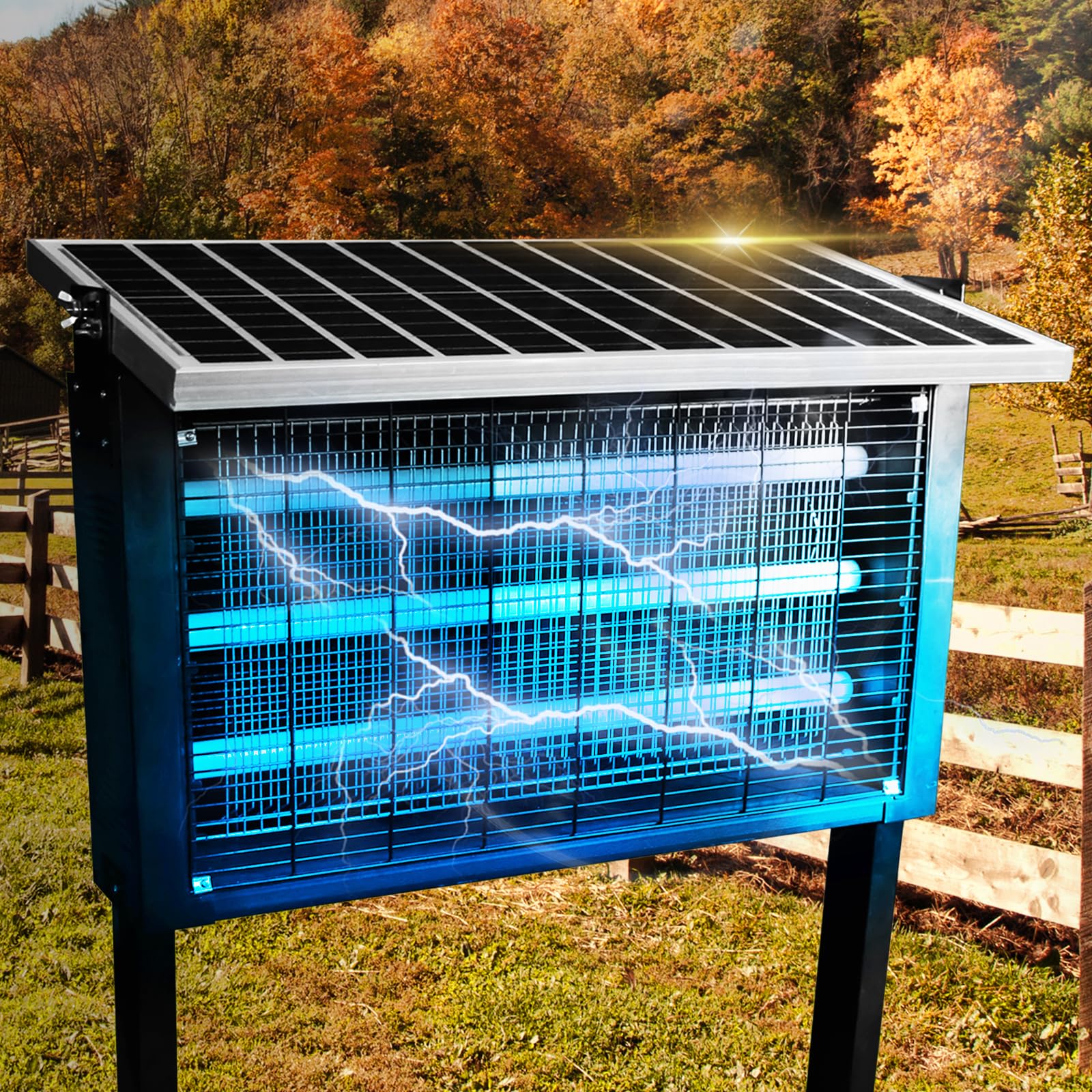
3. Chemical Traps and Sprays
Description: Devices and sprays that attract, trap, or kill insects in specific areas.
Advantages:
- Effective in localized areas: Can reduce mosquito populations around campsites.
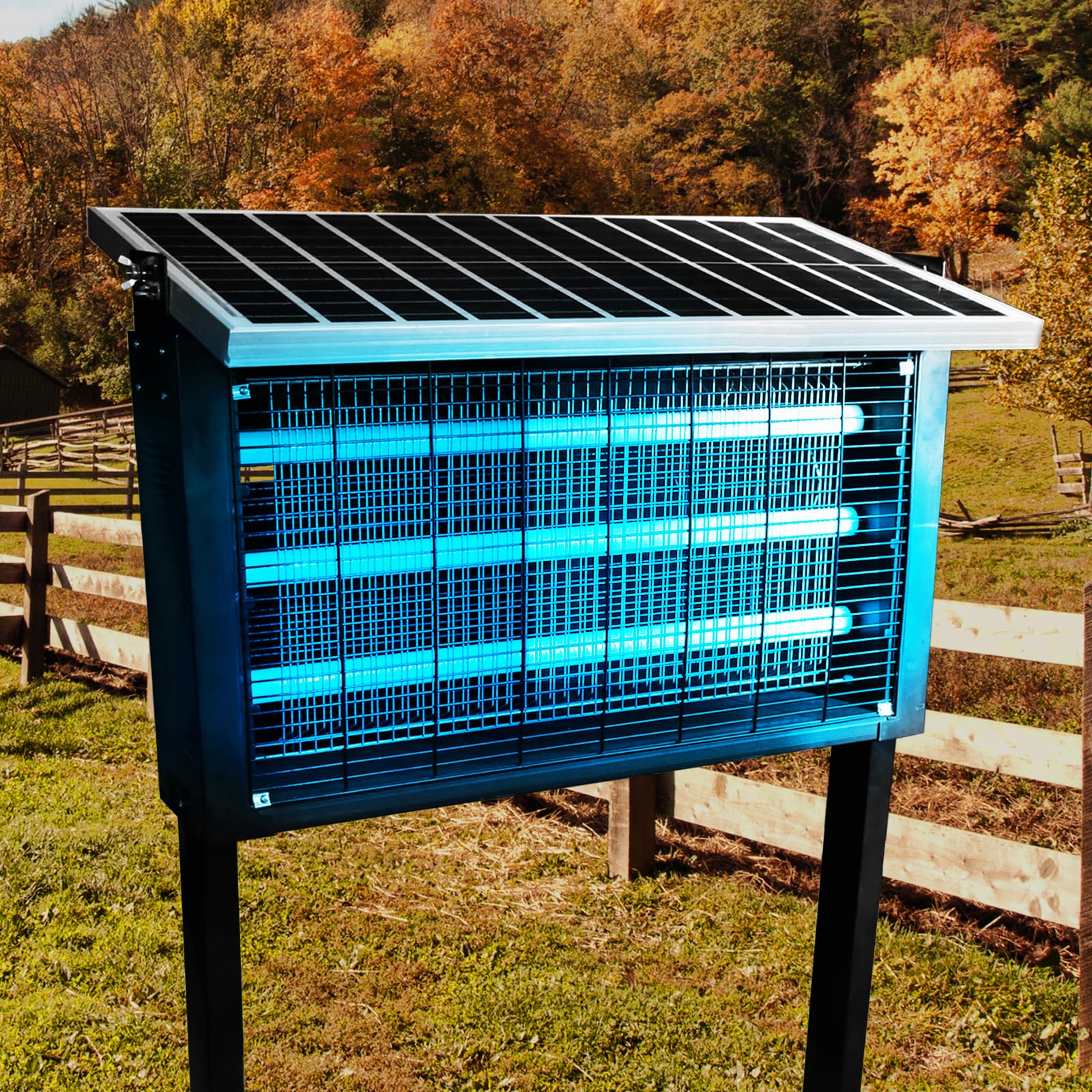
- Automated options: Electric traps run continuously without human intervention.
Limitations:
- Not portable for remote trips: Requires batteries or power sources.
- Environmental impact: Non-target insects may be harmed.
- Limited coverage: Works best when combined with other methods.
Comparing Physical and Chemical Methods
To make informed choices, it’s helpful to weigh the pros and cons side by side.
| Feature | Physical Methods | Chemical Methods |
|---|---|---|
| Health safety | High | Moderate (depends on compound) |
| Environmental impact | Low | Moderate to high |
| Coverage | Limited to protected area | Can cover exposed skin and gear |
| Durability | Long-lasting | Requires reapplication or retreatment |
| Ease of use | Moderate | High |
| Immediate effectiveness | Variable | High |
Observations:
- Physical methods excel in safety and sustainability but require planning, installation, and sometimes limited mobility.
- Chemical methods provide immediate and personal protection, particularly in high-risk areas, but come with potential health and environmental trade-offs.
- Optimal insect management often requires a combination of both approaches.
Integrating Both Approaches for Maximum Protection
Many experienced campers rely on a hybrid strategy:
- Start with physical barriers: Set up a mesh tent, clear brush, and position fans.
- Apply chemical protection selectively: Use topical repellents on exposed skin and permethrin-treated clothing for extended trips.
- Monitor insect activity: Adjust your approach based on environmental conditions, time of day, and local insect behavior.
- Maintain hygiene and habitat control: Clean food spills, manage trash, and eliminate standing water to reinforce all preventive efforts.
This layered approach provides the highest protection level while minimizing chemical exposure and environmental impact.
Special Considerations for Sensitive Individuals
Some people are more sensitive to chemicals, while others are more vulnerable to bites and insect-borne diseases.
- Children and infants: Prioritize physical barriers and consult pediatric guidelines for safe repellent use.
- Pregnant individuals: Consider chemical exposure carefully, favor physical methods and natural repellents approved by healthcare providers.
- People with allergies: Check product labels and opt for fragrance-free or hypoallergenic repellents.
Practical Tips for Everyday Campers
- Always inspect and repair mesh tents before each trip.
- Treat clothing and gear before multi-day outings.
- Maintain a clean campsite and store food securely.
- Use chemical repellents only when needed and follow label instructions.
- Combine multiple strategies for greater effectiveness.
Environmental Responsibility
Outdoor enthusiasts must also consider environmental consequences:
- Avoid excessive chemical spraying near water bodies.
- Dispose of leftover repellents and treated clothing responsibly.
- Support sustainable camping practices that prevent insect population disruption while preserving natural habitats.
Conclusion: Finding Your Balance
When it comes to outdoor insect control, there’s no one-size-fits-all solution. Physical and chemical methods both have significant advantages and limitations. Physical barriers are safe, sustainable, and effective for enclosed areas, while chemical repellents and treated gear provide immediate protection and convenience.
The key is integration: using physical strategies as the first line of defense and chemical solutions strategically for personal protection. By understanding the behavior of insects, assessing environmental conditions, and combining multiple approaches, you can maximize comfort, safety, and enjoyment during your outdoor adventures.
Ultimately, the choice between physical and chemical insect control isn’t about picking one over the other—it’s about building a comprehensive system that fits your needs, keeps you safe from bites, and allows you to fully embrace the joy of the great outdoors.