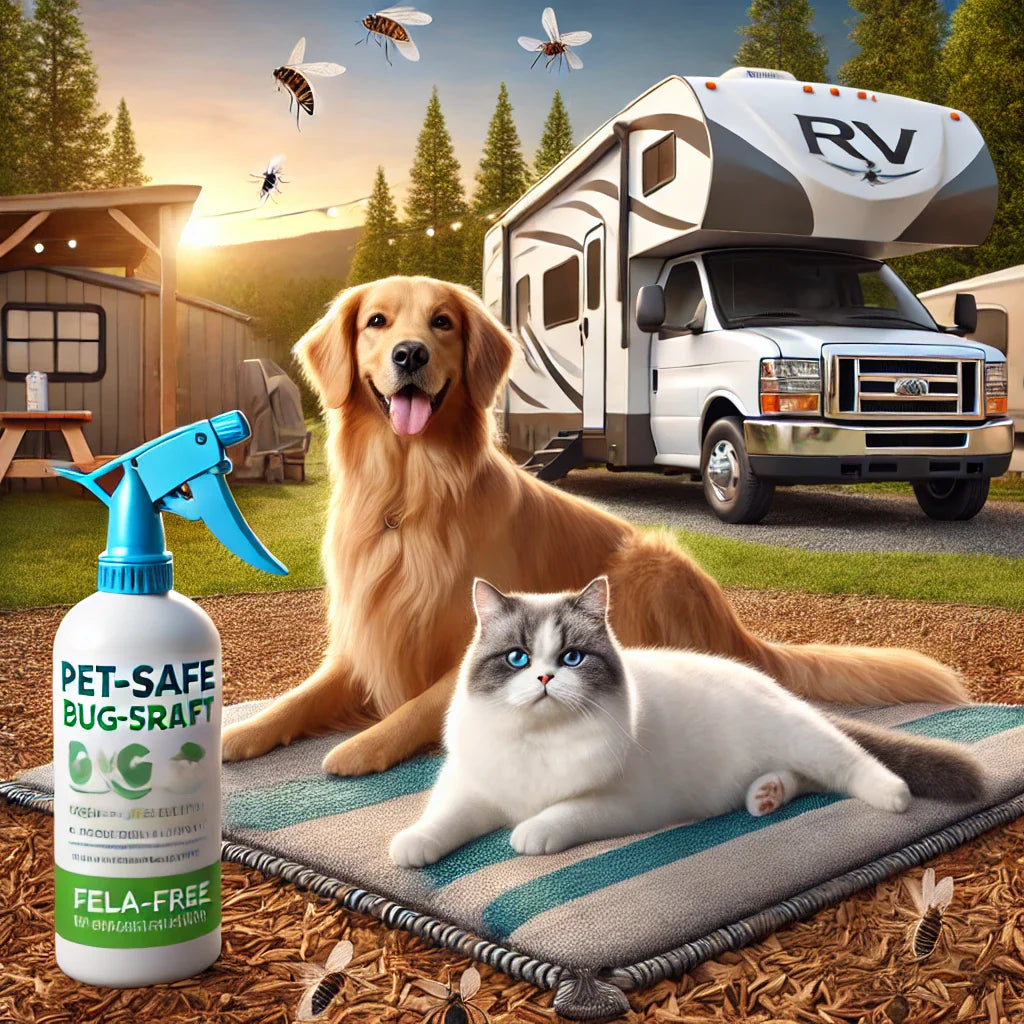
Camping is a beloved outdoor activity that allows people to reconnect with nature, escape the daily grind, and experience adventure firsthand. For many pet owners, the joy of camping is amplified by bringing along their furry companions. Dogs, in particular, thrive in the fresh air, open spaces, and stimulating environment that camping provides. Cats, rabbits, and other small pets can also enjoy outdoor excursions when carefully prepared.
However, camping with pets comes with its own unique challenges—especially when it comes to insects. Outdoor pests, from mosquitoes to ticks, are not just a nuisance—they can pose serious health risks to both humans and animals. Pets may be more vulnerable than humans in some situations, as they cannot always avoid insect-prone areas, scratch bites effectively, or communicate discomfort.
This article provides a comprehensive guide to protecting your pets from outdoor insects while camping. We’ll cover preventive measures, safe products, habitat management, and practical tips that ensure your adventure is enjoyable, safe, and healthy for your four-legged friends.
Understanding the Risks: Common Outdoor Pests for Pets
Before diving into protection strategies, it’s important to understand the types of insects and pests your pets may encounter during camping trips.
1. Mosquitoes
Mosquitoes are not only irritating—they can transmit diseases to pets, including:
- Heartworm in dogs (caused by Dirofilaria immitis)
- West Nile Virus in certain small mammals
- Allergic reactions in sensitive animals
Mosquitoes are most active during dawn and dusk, but warm and humid environments can increase their presence throughout the day.
2. Ticks
Ticks are notorious for transmitting diseases such as:
- Lyme disease
- Anaplasmosis
- Ehrlichiosis
- Rocky Mountain spotted fever
Ticks are commonly found in wooded areas, tall grasses, and along hiking trails. Pets often pick them up while exploring, and ticks can attach firmly, making early detection and removal critical.
3. Fleas
Fleas thrive in outdoor environments with grass, sand, or dirt. While they are smaller and less noticeable than ticks, flea infestations can:
- Cause intense itching
- Lead to anemia in small or young pets
- Transmit tapeworms if ingested
4. Spiders and Other Stinging Insects
While rare, spiders, bees, and wasps can deliver venomous bites or stings. Pets may react severely, and allergic reactions can be life-threatening.
5. Other Insects
- Midges and gnats can irritate pets’ eyes and skin.
- Sandflies in certain regions may transmit disease.
- Ants can bite sensitive areas like paw pads.
Pre-Camping Preparations: Protecting Your Pet Before Departure
1. Veterinary Checkup
Ensure your pet is healthy and up-to-date on preventive medications, including:
- Flea and tick preventatives
- Heartworm medication
- Vaccinations
A vet consultation can also identify species-specific risks in your camping area.
2. Appropriate Gear and Accessories
Equip your pet with protective items, such as:
- A harness and leash for controlled exploration
- Portable pet bedding that elevates them off the ground
- Travel-friendly water bowls
- Tick combs for regular inspection
- Pet-safe sunscreen for exposed skin in dogs with thin fur
Choosing Safe Insect Repellents for Pets
Not all human insect repellents are safe for animals. Many contain DEET or essential oils that can be toxic if ingested or absorbed through skin.
1. Veterinarian-Approved Topical Products
Look for products specifically designed for pets, such as:
- Tick collars with permethrin or flumethrin
- Spot-on treatments containing fipronil, selamectin, or imidacloprid
- Oral medications prescribed by a vet
2. Natural Options
For sensitive pets, natural alternatives may include:
- Essential oil sprays approved for pets (e.g., cedarwood, lavender)
- Herbal-based repellents
Always test a small area first and avoid ingestion.
3. Avoid Human Repellents
Human DEET-based sprays can cause:
- Skin irritation
- Tremors or seizures
- Salivation and vomiting if licked off fur
Setting Up a Pet-Safe Campsite
Creating a pet-friendly and insect-safe camping environment is key.
1. Choose Elevated or Dry Areas
- Avoid low-lying, damp areas where mosquitoes and ticks thrive.
- Choose elevated sleeping areas for tents and bedding.
2. Create Barriers
- Use tents with fine mesh or screens.
- Set up pet enclosures or pop-up pens to restrict movement in high-risk zones.
- Use portable fans near sleeping areas to deter flying insects.
3. Remove Standing Water
- Empty bowls and containers when not in use.
- Avoid setting up near ponds or stagnant puddles where mosquitoes breed.
Daily Routine for Pet Insect Protection
1. Pre-Walk Inspection
- Check for ticks, burrs, or insect eggs on fur.
- Apply a quick swipe of pet-safe repellent if needed.
2. Limit Dusk and Dawn Activity
Mosquito activity is highest during these times. Adjust your pet’s play schedule accordingly.
3. Regular Grooming
- Brush fur daily to remove dirt, sand, or debris.
- Inspect paws, ears, and underbelly for hidden ticks or fleas.
4. Bathing
Use pet-safe shampoo to reduce insect attractants, particularly after hikes or swimming in natural water bodies.
Handling Tick Encounters
Ticks require careful removal to prevent disease transmission.
1. Proper Tick Removal Tools
- Fine-tipped tweezers or specialized tick removers
- Gloves to protect your hands
2. Step-by-Step Removal
- Grip the tick as close to the skin as possible.
- Pull upward steadily without twisting.
- Clean the area with antiseptic.
- Dispose of the tick safely.
3. Monitoring
- Observe the pet for swelling, redness, or lethargy over the next two weeks.
- Contact a vet if symptoms appear.
Managing Mosquito Exposure
1. Protective Clothing
- Lightweight pet vests or coverings
- Avoid overly tight or restrictive options
2. Mosquito-Repellent Bedding
- Consider treating travel blankets with pet-safe repellents
- Use raised beds or hammocks when possible
3. Fans and Screens
- Mosquitoes are weak fliers; a small fan can significantly reduce bites.
- Keep tent screens closed at all times during active mosquito periods.
Flea Prevention and Control
1. Preventative Medications
- Monthly spot-on treatments or collars can prevent infestations.
- Consult your vet for region-specific recommendations.
2. Environmental Hygiene
- Shake out bedding and blankets daily.
- Avoid camping in areas known for heavy flea presence.
Emergency Situations: Recognizing Allergic Reactions
Pets can experience severe reactions to insect bites.
Signs to Watch For:
- Swelling around the face or eyes
- Difficulty breathing or wheezing
- Excessive drooling or vomiting
- Severe itching or scratching
Immediate Actions:
- Remove the pet from the area
- Wash affected areas gently
- Contact a veterinarian immediately if symptoms are severe
Post-Camping Maintenance
After returning from the outdoors:
1. Full Inspection
- Check for ticks, burrs, and debris.
- Bathe pets with a safe shampoo to remove lingering insects or eggs.
2. Laundry
- Wash bedding, blankets, and any pet clothing.
- Dry on high heat if material allows, to kill fleas and eggs.
3. Gear Cleaning
- Clean harnesses, leashes, and portable feeding equipment.
- Inspect collars for ticks or residue.
Training Pets for Safe Outdoor Behavior
Pets that follow basic outdoor safety rules are less exposed to insect risks.
1. Recall Training
- Ensure your pet responds promptly to commands to avoid unsafe areas.
2. Avoiding Insect Hotspots
- Train pets to stay on paths and avoid tall grass or dense brush.
- Discourage digging or rolling in leaf litter where ticks may hide.
Additional Tips for Multi-Pet Camping
When camping with multiple pets:
- Inspect each pet individually for pests.
- Avoid sharing bedding if one pet carries fleas.
- Monitor interactions to prevent spread of ticks and other pests.
Summary: A Balanced Approach to Outdoor Pet Safety
Camping with pets can be immensely rewarding, but it requires proactive planning to ensure safety and comfort. By understanding the risks posed by mosquitoes, ticks, fleas, and other insects, and by implementing preventive measures such as:
- Vet-approved repellents
- Proper gear and clothing
- Habitat management
- Regular inspections and grooming
…you can enjoy a worry-free outdoor adventure.
Pets benefit from the stimulation, exercise, and bonding time that camping provides, while responsible owners can reduce the risk of insect-borne diseases and discomfort. With careful preparation, knowledge, and vigilance, you can make every pet-friendly camping trip safe, enjoyable, and unforgettable.