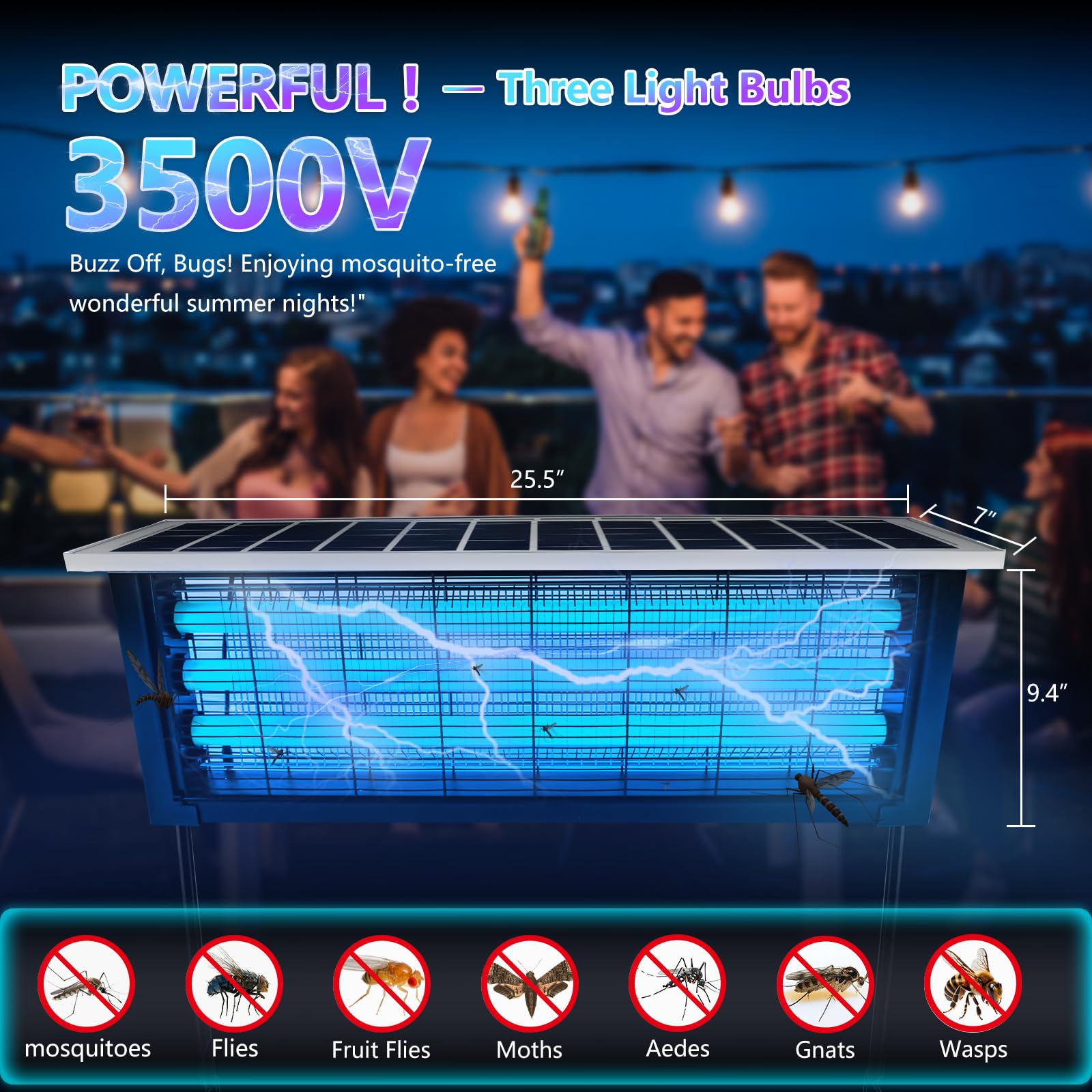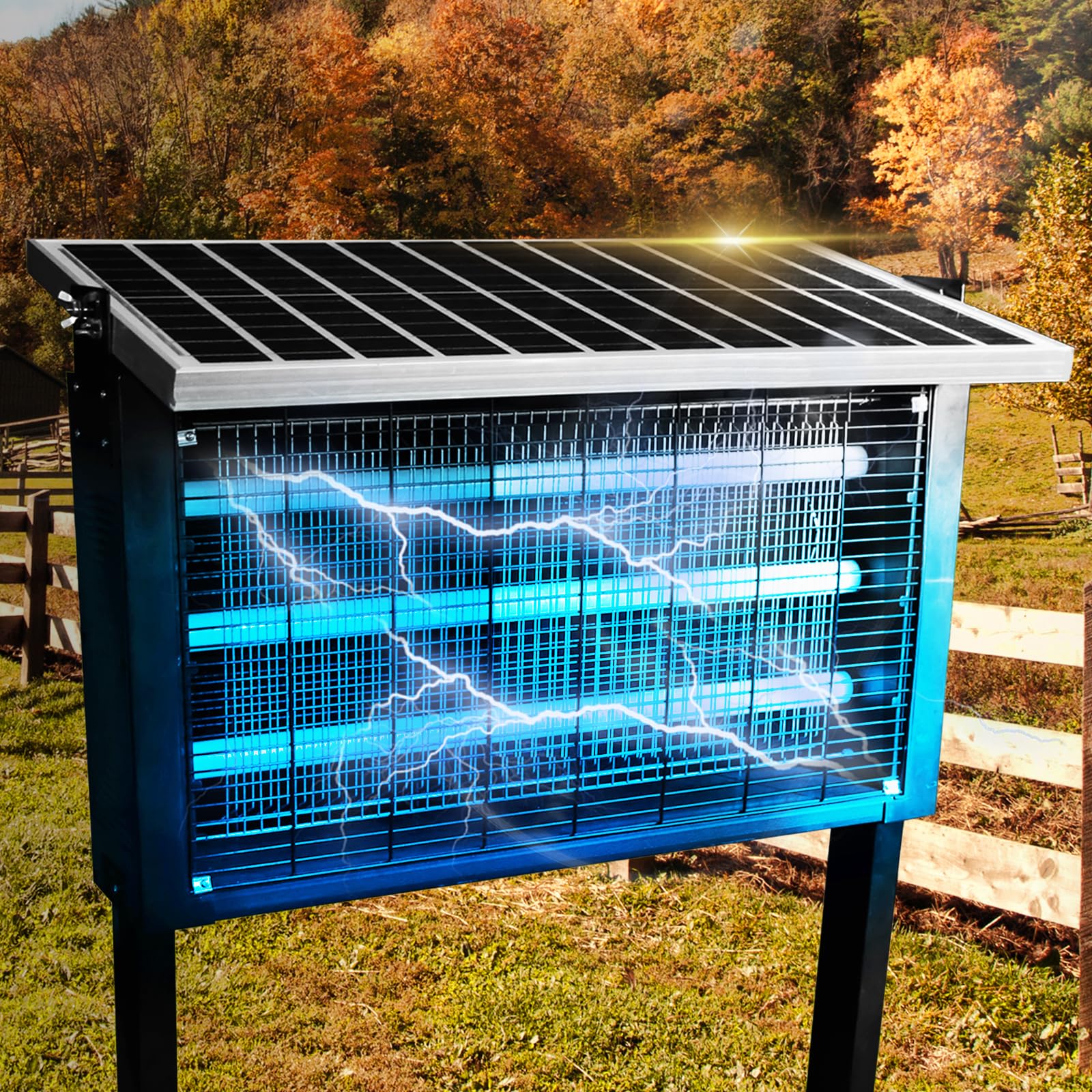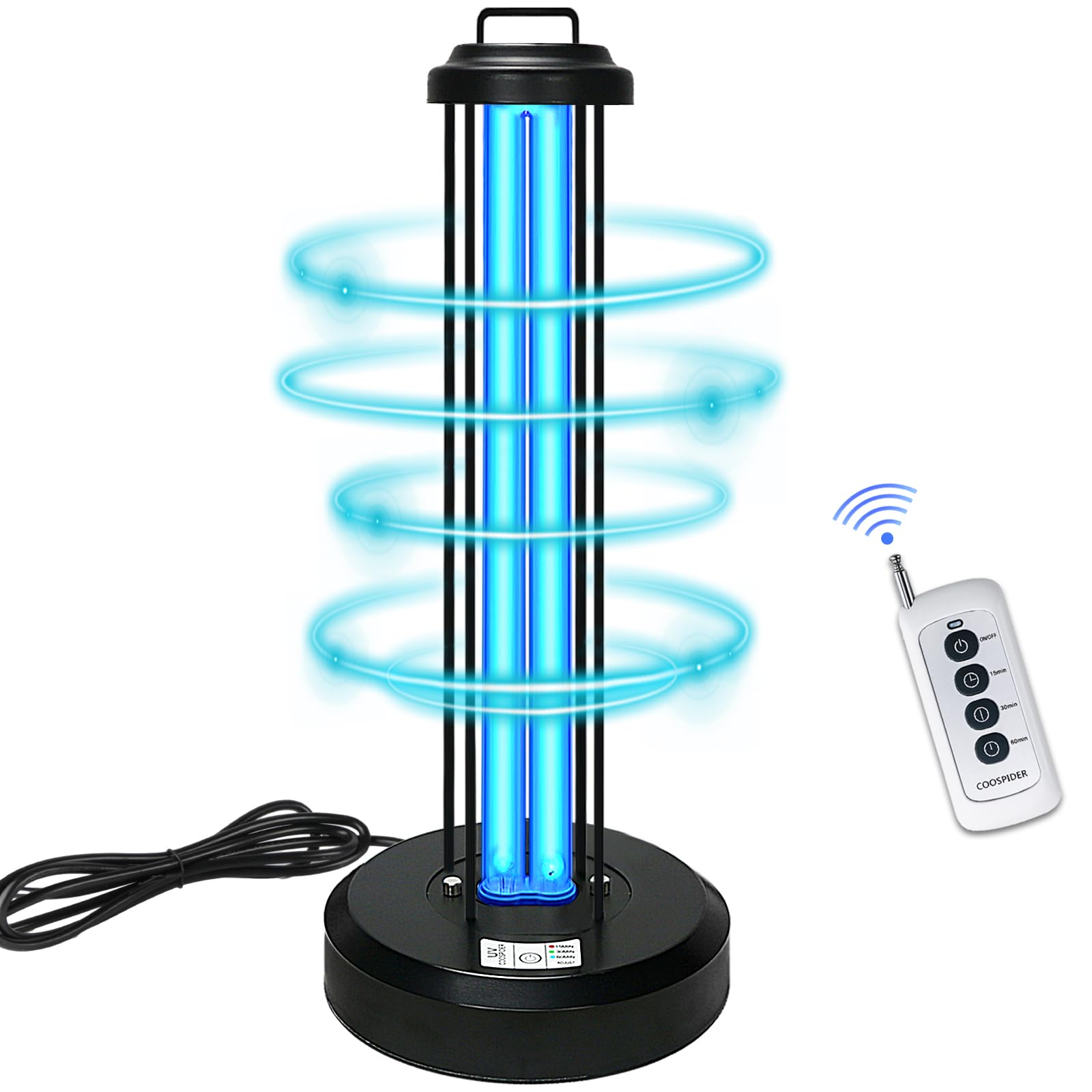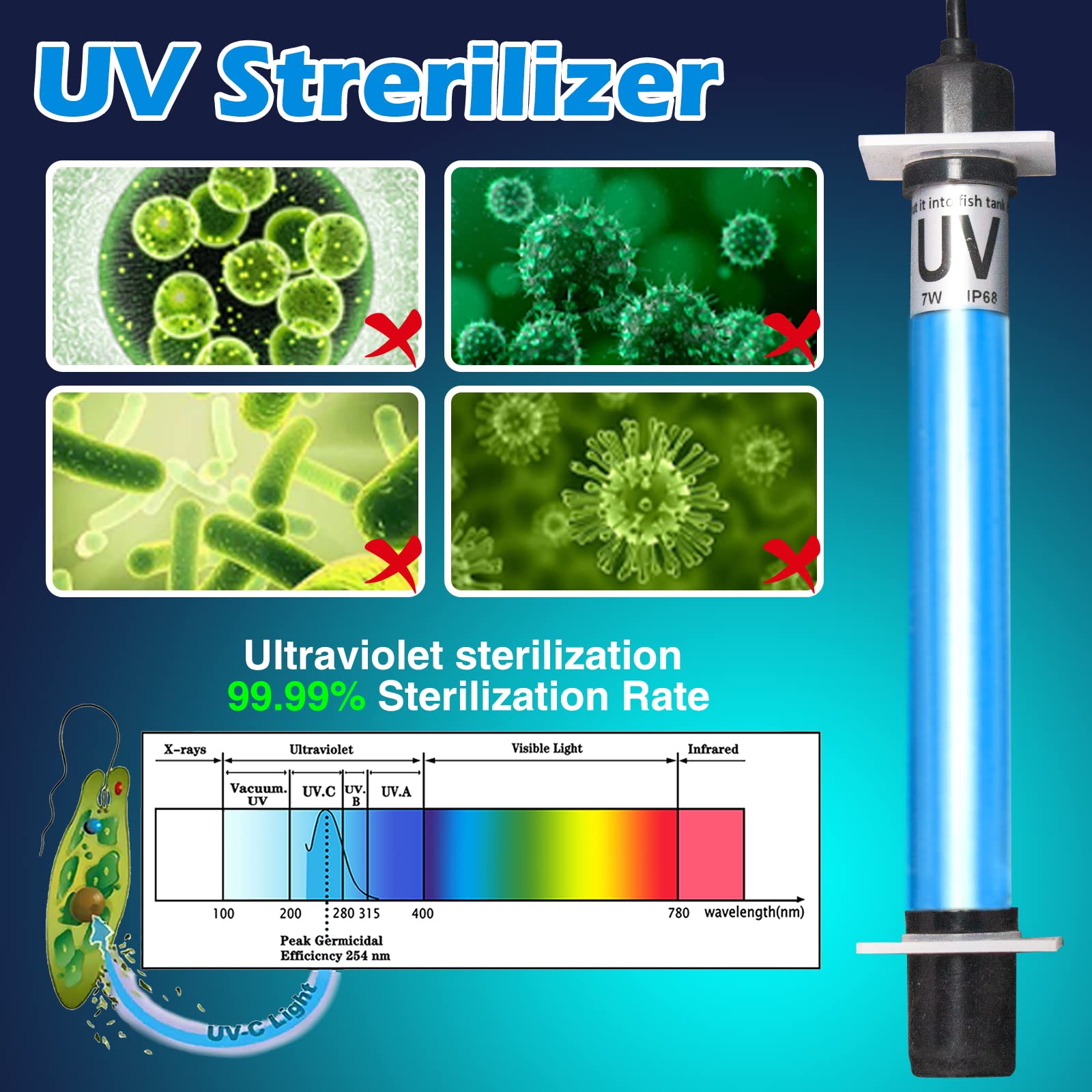

In the world of premium mosquito control, high-end mosquito killer devices are designed to deliver powerful, consistent performance with minimal chemical use. Whether installed in luxury homes, outdoor patios, resorts, or commercial spaces, these devices are engineered for efficiency, durability, and quiet operation.
But even the most advanced mosquito control systems share one critical requirement: proper cleaning.
Over time, dust, insect debris, pollen, and environmental contaminants accumulate inside the device. If not addressed correctly, this buildup can reduce efficiency, shorten lifespan, and even cause permanent damage. When it comes to cleaning, many users find themselves asking a key question:
Should you use pressure washing for speed and convenience, or stick with manual brushing for precision and safety?
This in-depth guide breaks down both methods, highlighting the pros, cons, risks, and best practices—so you can maintain your high-end mosquito device the right way.
Why Cleaning Matters More for High-End Devices
Premium mosquito control units are more than simple bug traps. They often include:
- Precision-engineered airflow systems
- UV or multi-spectrum light sources
- High-efficiency fans or suction mechanisms
- Electronic control systems
- Protective housings and coatings
These components work together in a carefully balanced system. Even minor contamination can disrupt performance.
Without proper cleaning, you may experience:
- Reduced insect capture rates
- Blocked airflow
- Overheating components
- Increased energy consumption
- Premature wear or failure
Cleaning isn’t just maintenance—it’s essential performance optimization.
The Two Main Cleaning Approaches
There are two commonly used cleaning methods:
1. Pressure Washing (High-Pressure Cleaning)
Using a stream of pressurized water to remove dirt and debris quickly.
2. Manual Brushing (Hand Cleaning)
Using brushes, cloths, and controlled cleaning solutions for targeted cleaning.
Each method has its place—but not all are suitable for high-end mosquito devices.
Pressure Washing: The “Fast but Risky” Approach
At first glance, pressure washing seems ideal. It’s fast, powerful, and capable of removing stubborn grime in seconds.
Advantages of Pressure Washing
Speed and Efficiency
Large amounts of debris can be removed quickly, making it appealing for heavily soiled outdoor units.
Deep Penetration
High-pressure water can reach into vents and crevices that are otherwise difficult to access.
Minimal Manual Effort
Less physical scrubbing is required, which can save time and labor.
The Hidden Risks of Pressure Washing
Despite its advantages, pressure washing can be dangerous for high-end mosquito devices.
Water Intrusion into Electrical Components
High-pressure water can force moisture into:
- Circuit boards
- Wiring systems
- Fan motors
Even small amounts of trapped moisture can lead to corrosion, short circuits, or complete failure.
Damage to Sensitive Parts
Internal components are not designed to withstand high-pressure impact.
Potential damage includes:
- Bent fan blades
- Cracked plastic housings
- Dislodged wiring
- Broken seals
Loss of Protective Coatings
Many premium devices feature protective coatings for:
- UV resistance
- Corrosion prevention
- Surface durability
Pressure washing can strip or weaken these coatings over time.
Residual Moisture Problems
Even if the device appears dry on the outside, moisture may remain trapped inside, leading to:
- Mold growth
- Odor development
- Long-term internal damage
When (and If) Pressure Washing Is Acceptable
In rare cases, pressure washing may be used—but only with strict limitations:
- Low-pressure settings only
- External surfaces only
- Safe distance maintained
- Device fully powered off and sealed
Even then, it should never be the primary cleaning method for internal components.
Manual Brushing: The “Slow but Safe” Method
Manual cleaning may take more time, but it offers unmatched control and safety.
Advantages of Manual Brushing
Precision Cleaning
You can target specific areas without affecting sensitive components.
Reduced Risk
No high-pressure force means less chance of damaging internal parts.
Better Inspection
Cleaning by hand allows you to spot wear, damage, or buildup early.
Compatibility with Delicate Systems
Ideal for devices with electronics, sensors, and fine mechanical parts.
Limitations of Manual Cleaning
Time-Consuming
Requires more effort compared to pressure washing.
Requires Disassembly
Accessing internal parts often involves removing components.
Skill-Dependent
Improper technique can still cause damage if done carelessly.
The Red List: Cleaning Practices to Avoid
When maintaining high-end mosquito devices, certain practices should be strictly avoided.
High-Pressure Direct Spraying
Never aim a high-pressure stream directly into vents or openings.
Soaking the Entire Device
Submerging or drenching the unit can lead to irreversible electrical damage.
Using Harsh Chemicals
Strong cleaners can:
- Degrade plastic
- Damage coatings
- Leave harmful residues
Skipping Drying Time
Reassembling while moisture is present creates long-term risks.
Ignoring Manufacturer Guidelines
Each device has specific cleaning recommendations—ignoring them can void warranties.
The Black List: Common Mistakes That Reduce Lifespan
Beyond major risks, there are subtle mistakes that gradually degrade performance.
- Cleaning too aggressively
- Using abrasive brushes
- Neglecting internal buildup
- Overlooking airflow pathways
- Cleaning only when performance drops significantly
These habits may not cause immediate failure, but they shorten the device’s lifespan over time.
The Green List: Best Practices for Optimal Cleaning
To keep your mosquito control device in peak condition, follow these recommended practices.
Regular Maintenance Schedule
- Light cleaning weekly
- Deep cleaning every 2–4 weeks
Use the Right Tools
- Soft brushes
- Microfiber cloths
- Mild cleaning solutions
Focus on Airflow Components
Keep these areas clean:
- Intake vents
- Fan blades
- Air channels
Clean the Light Source
Dust on UV lights reduces attraction efficiency.
Ensure Complete Drying
Always allow sufficient drying time before reassembly.
Step-by-Step Recommended Cleaning Method
Here’s a safe and effective hybrid approach:
Step 1: Power Off and Unplug
Always disconnect the device before cleaning.
Step 2: Disassemble Carefully
Remove accessible components according to instructions.
Step 3: Remove Loose Debris
Use a brush or compressed air.
Step 4: Clean with Damp Cloth
Wipe surfaces gently with minimal moisture.
Step 5: Spot Clean Stubborn Areas
Use mild solution sparingly.
Step 6: Dry Thoroughly
Air dry completely before reassembly.
Comparing the Two Methods Side by Side
| Feature | Pressure Washing | Manual Brushing |
|---|---|---|
| Speed | Fast | Slow |
| Safety | Low | High |
| Precision | Low | High |
| Risk of Damage | High | Low |
| Suitability for Electronics | Poor | Excellent |
The conclusion is clear: for high-end mosquito devices, manual brushing is the superior method.
Long-Term Impact of Proper Cleaning
Choosing the right cleaning method affects more than just immediate performance.
With Proper Manual Cleaning
- Consistent efficiency
- Longer device lifespan
- Lower maintenance costs
- Better hygiene
With Improper Pressure Cleaning
- Frequent breakdowns
- Reduced effectiveness
- Higher repair costs
- Shortened lifespan
When to Call a Professional
For large-scale or commercial systems, professional cleaning may be the best option.
Consider expert help if:
- The device is heavily contaminated
- Internal components are difficult to access
- You’re unsure about proper disassembly
Professionals use specialized tools and techniques to clean safely and effectively.
Final Verdict: Which Method Wins?
While pressure washing offers speed and convenience, it introduces significant risks that outweigh its benefits for high-end mosquito control devices.
Manual brushing, though slower, provides the precision, safety, and effectiveness required to maintain advanced systems.
In the “red vs. black list” of cleaning practices:
- Pressure washing belongs on the caution list
- Manual brushing earns a place on the recommended list
Final Thoughts
High-end mosquito control devices are an investment in comfort, health, and quality of life. Protecting that investment requires more than occasional cleaning—it demands the right approach.
A quick blast of water might seem like an easy solution, but the hidden risks can lead to costly consequences. On the other hand, careful, methodical manual cleaning ensures your device continues to perform at its best.
In the end, it’s not about cleaning faster—it’s about cleaning smarter.
Take the time to do it right, and your mosquito control system will reward you with reliable, long-lasting performance—and a truly bug-free environment.