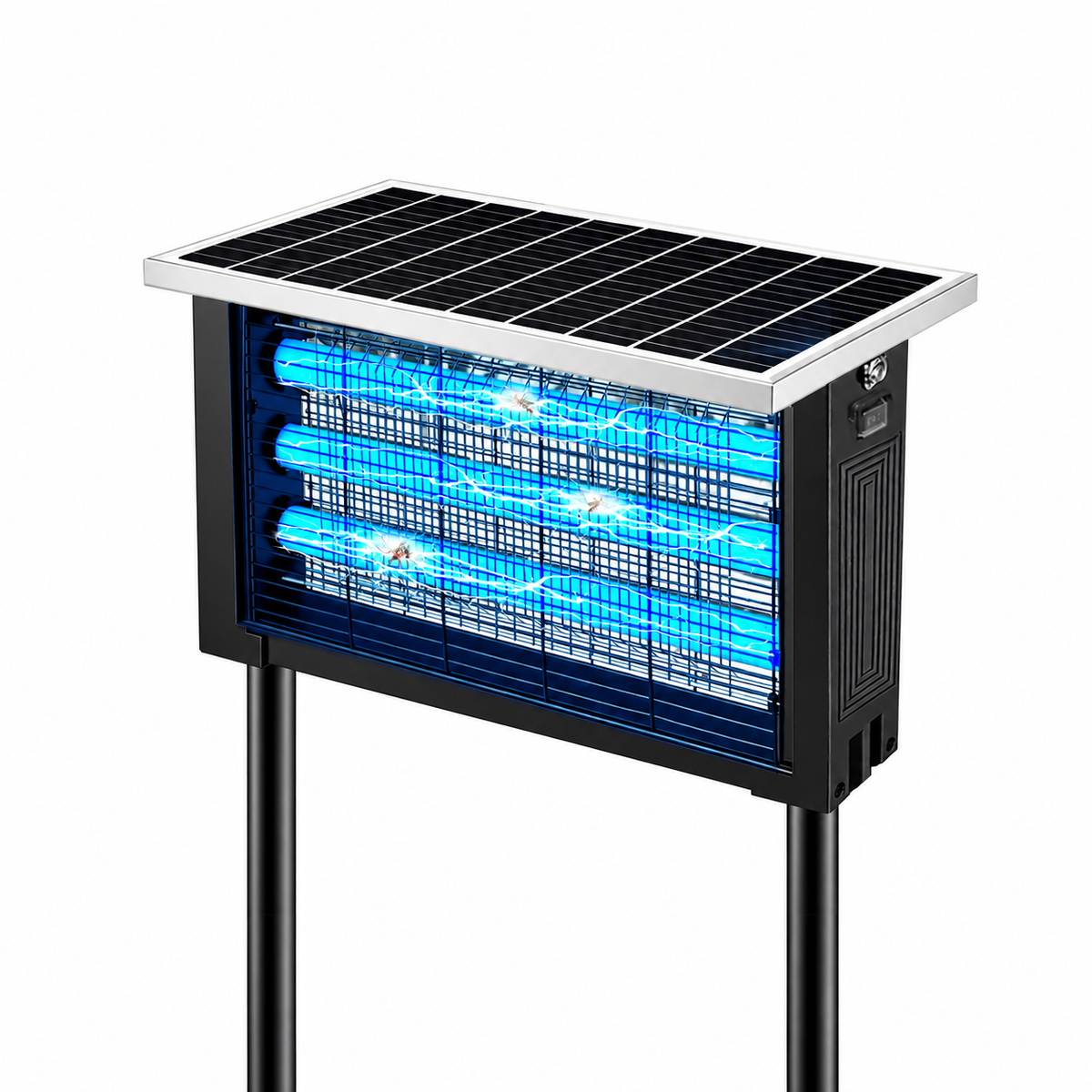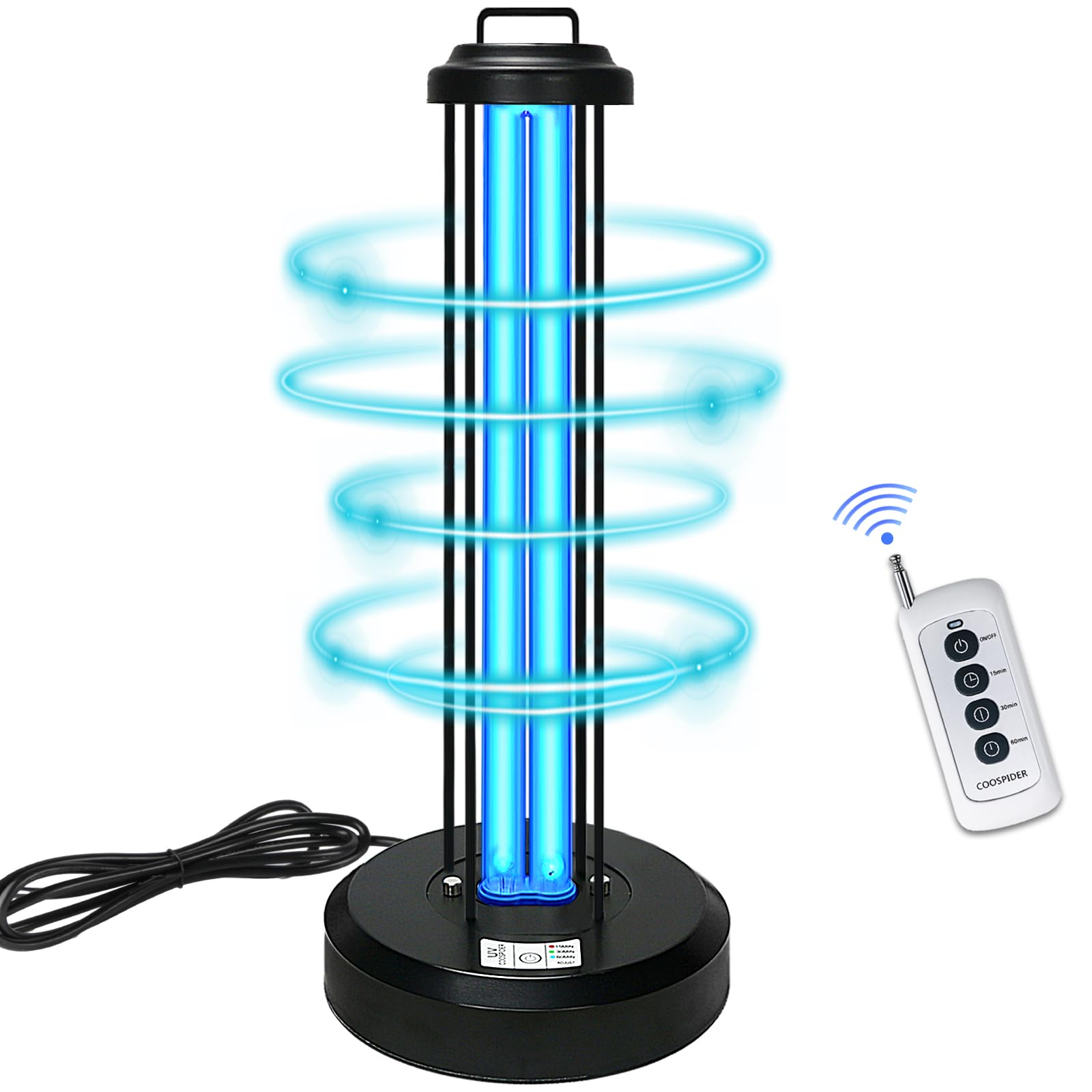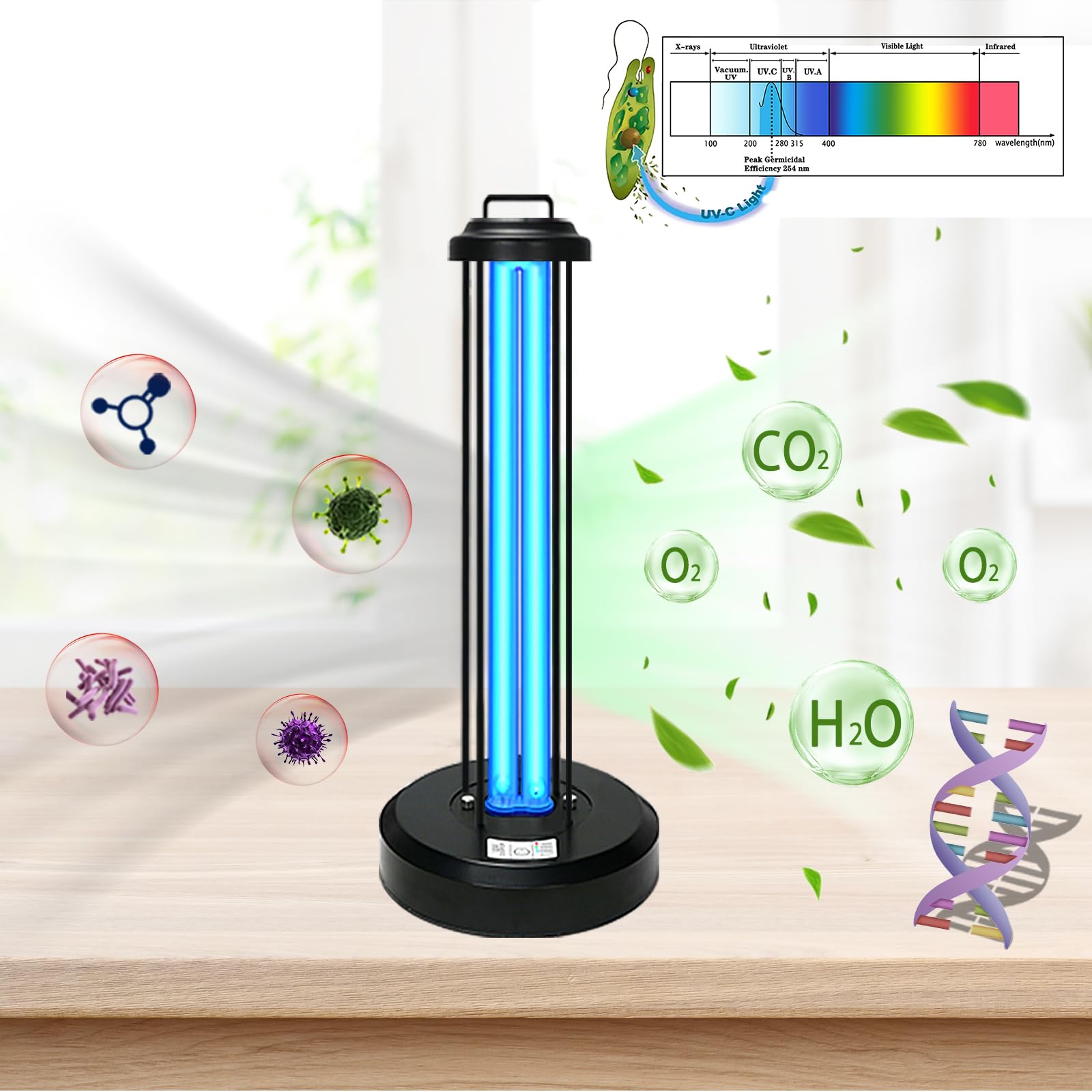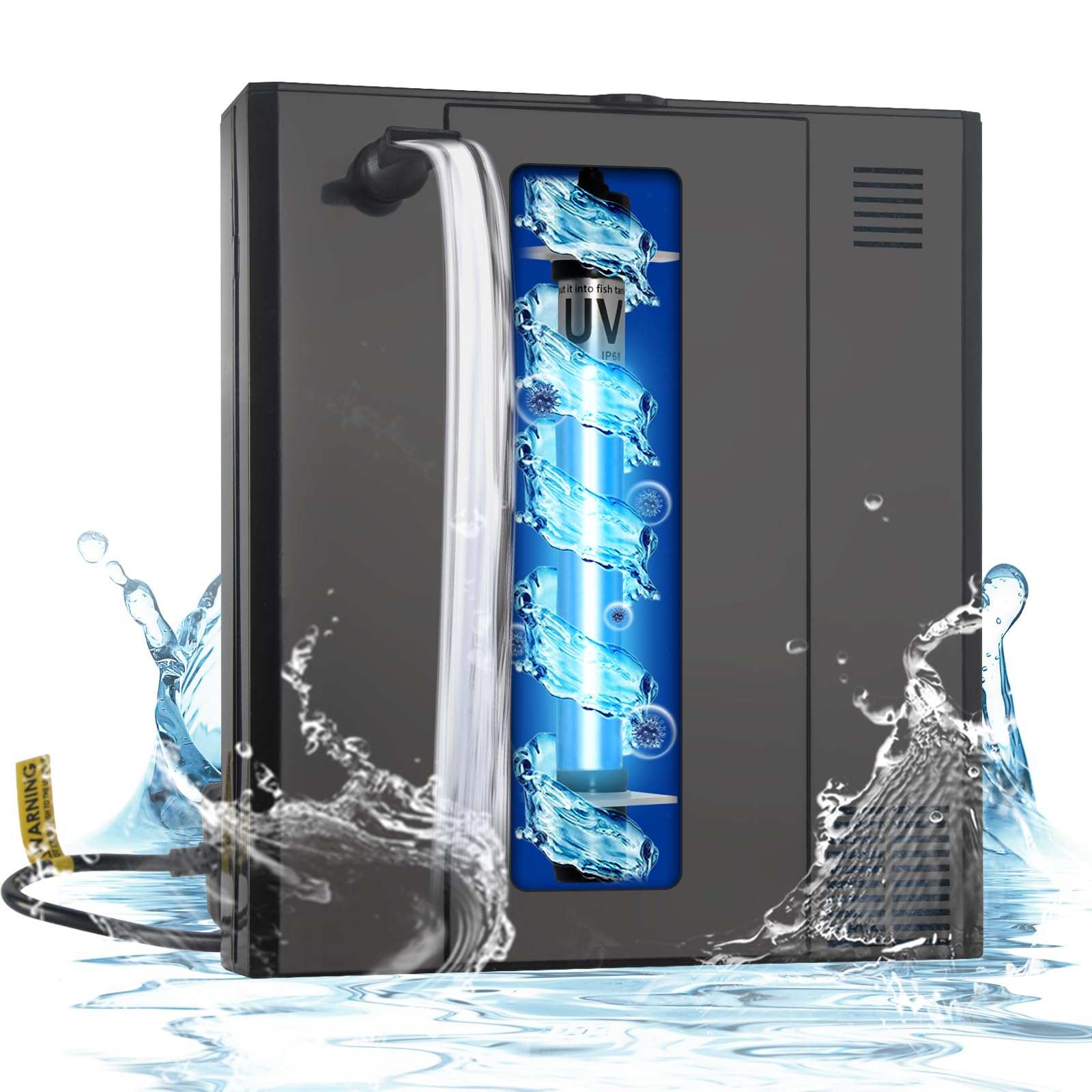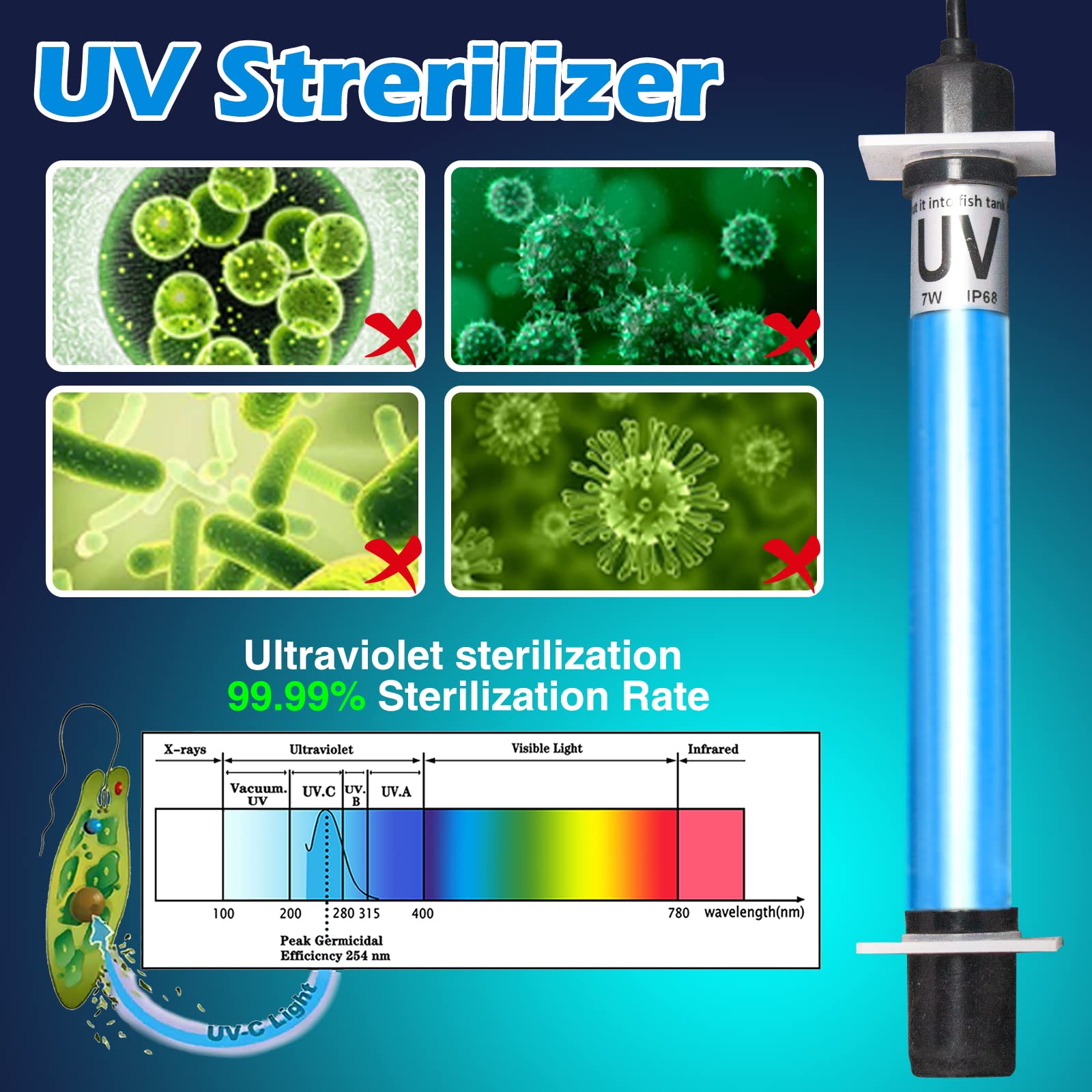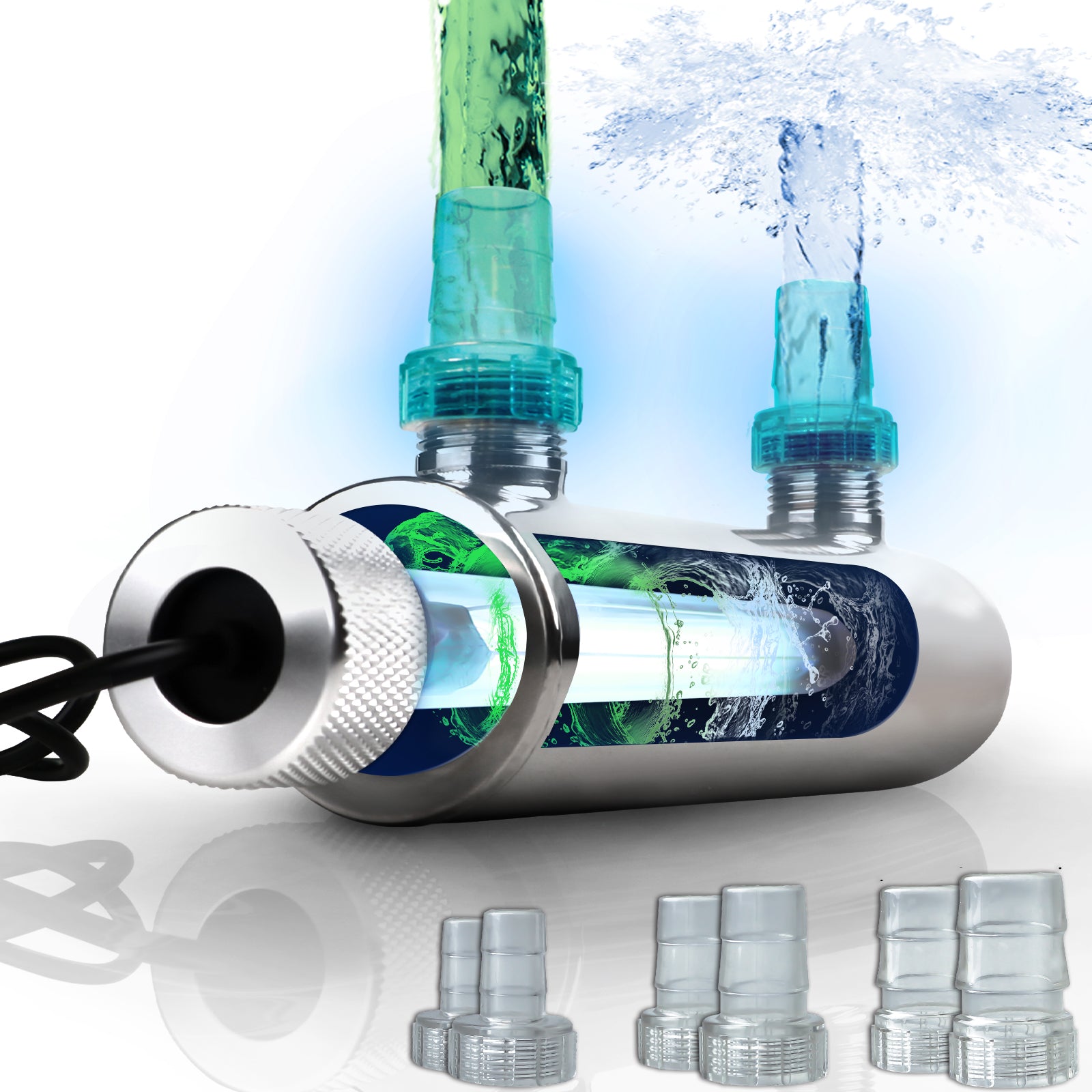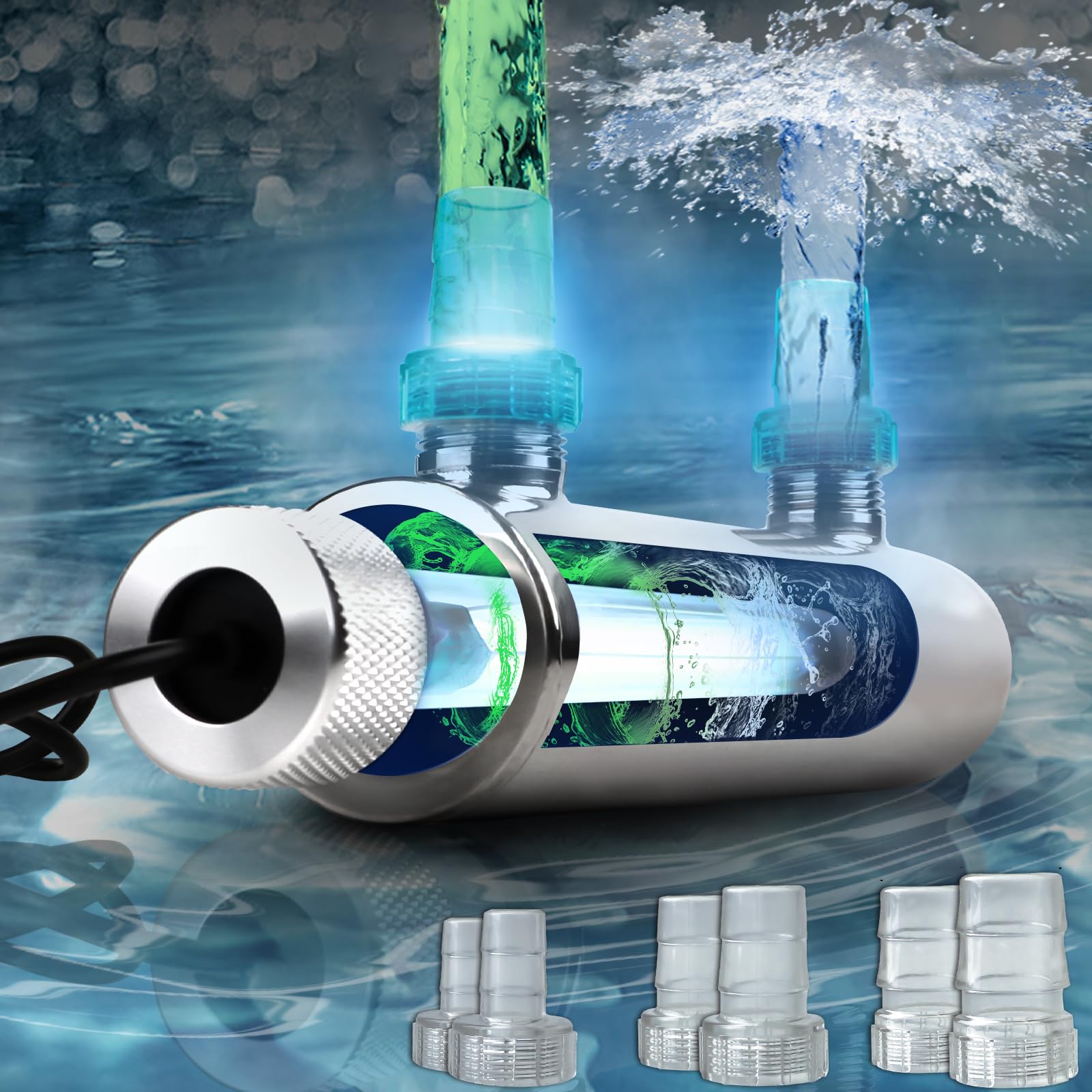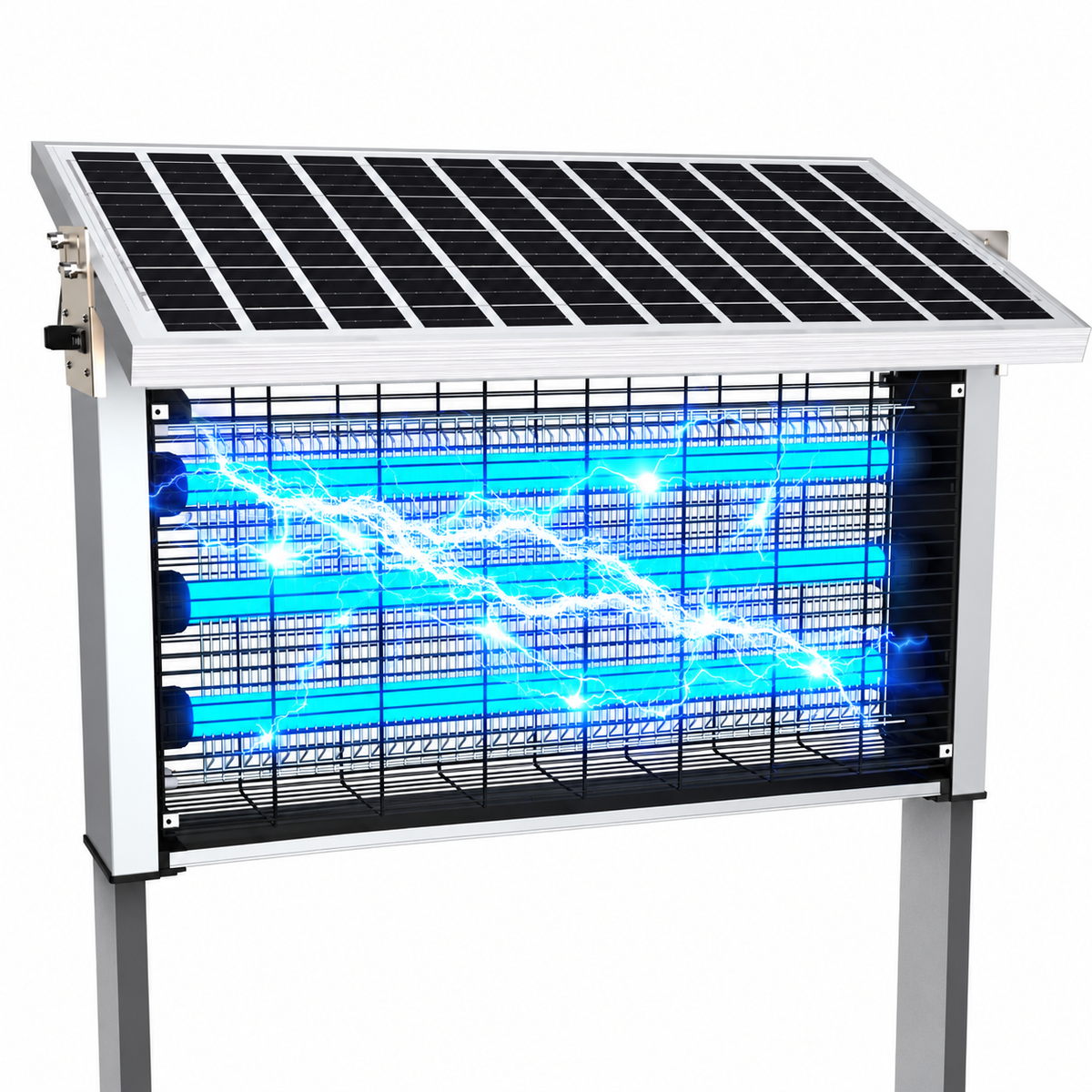
Maintaining ultraviolet (UV) lamp systems requires far more than basic mechanical skills. Whether used in water treatment, HVAC air purification, laboratory sterilization, or industrial disinfection systems, UV lamps operate within tightly controlled electrical, optical, and environmental parameters. A small deviation in voltage, irradiance, temperature, or alignment can significantly reduce performance—or even create safety hazards.
That is why professional technicians rely on a carefully selected set of measuring instruments and auxiliary tools. These tools are not optional accessories; they are the foundation of accurate diagnostics, safe maintenance, and long-term system reliability.
This guide provides a complete breakdown of the essential tools used in UV lamp maintenance, how they are used in real-world scenarios, and why each one plays a critical role in ensuring system performance.
Why Specialized Tools Matter in UV Lamp Maintenance
UV systems are not like standard lighting systems. They involve:
-
High-voltage electrical components
-
Invisible UV-C radiation
-
Sensitive quartz optical components
-
Precise airflow and thermal control systems
-
Sterilization-grade performance requirements
Because of this complexity, visual inspection alone is not enough.
Without proper instruments, technicians risk:
-
Misdiagnosing lamp failure
-
Overlooking UV intensity degradation
-
Missing electrical instability issues
-
Causing accidental UV exposure
-
Reducing system lifespan through improper servicing
A professional tool kit ensures that every decision is based on measurable data, not assumptions.
Category Overview: The UV Maintenance Tool Ecosystem
A complete UV maintenance toolkit typically falls into five categories:
-
Electrical measurement tools
-
UV optical measurement instruments
-
Mechanical inspection tools
-
Cleaning and handling tools
-
Diagnostic and auxiliary equipment
Each category plays a different but interconnected role in system maintenance.
1. Electrical Measurement Instruments
Electrical stability is the backbone of UV lamp performance. Even small fluctuations in current or voltage can drastically affect UV output.
Digital Multimeter (DMM)
A digital multimeter is one of the most fundamental tools in UV maintenance.
Key functions:
-
Voltage measurement (AC/DC)
-
Current measurement
-
Resistance testing
-
Continuity testing
Why it matters in UV systems:
UV lamps rely on stable electrical input. A multimeter helps detect:
-
Power supply irregularities
-
Faulty wiring connections
-
Degraded ballasts
-
Open or short circuits
Practical use case:
If a UV lamp flickers or fails to start, a technician uses a multimeter to verify whether:
-
Input voltage is stable
-
Ballast output is functioning correctly
-
Circuit continuity is intact
Without this tool, troubleshooting becomes guesswork.
Clamp Meter
A clamp meter allows current measurement without disconnecting circuits.
Key benefits:
-
Non-invasive testing
-
Safe measurement of live systems
-
Fast diagnostics
Applications in UV maintenance:
-
Monitoring lamp operating current
-
Checking ballast efficiency
-
Identifying overload conditions
Why it is essential:
UV systems often operate continuously. Clamp meters allow real-time diagnostics without interrupting system operation.
Insulation Resistance Tester (Megohmmeter)
This tool measures insulation quality in electrical systems.
What it detects:
-
Insulation breakdown
-
Leakage current paths
-
Moisture intrusion in wiring systems
Why it matters:
UV systems often operate in humid or chemically aggressive environments. Insulation failure can lead to:
-
Electrical leakage
-
Safety hazards
-
System shutdowns
A megohmmeter helps prevent catastrophic failures before they occur.
Power Quality Analyzer
Advanced UV systems require stable electrical environments.
Measures:
-
Voltage harmonics
-
Frequency stability
-
Power factor
-
Transient spikes
Why it is important:
Poor power quality can shorten lamp lifespan and reduce UV output consistency.
2. UV Optical Measurement Instruments
UV performance is ultimately defined by radiation output, not just electrical operation.
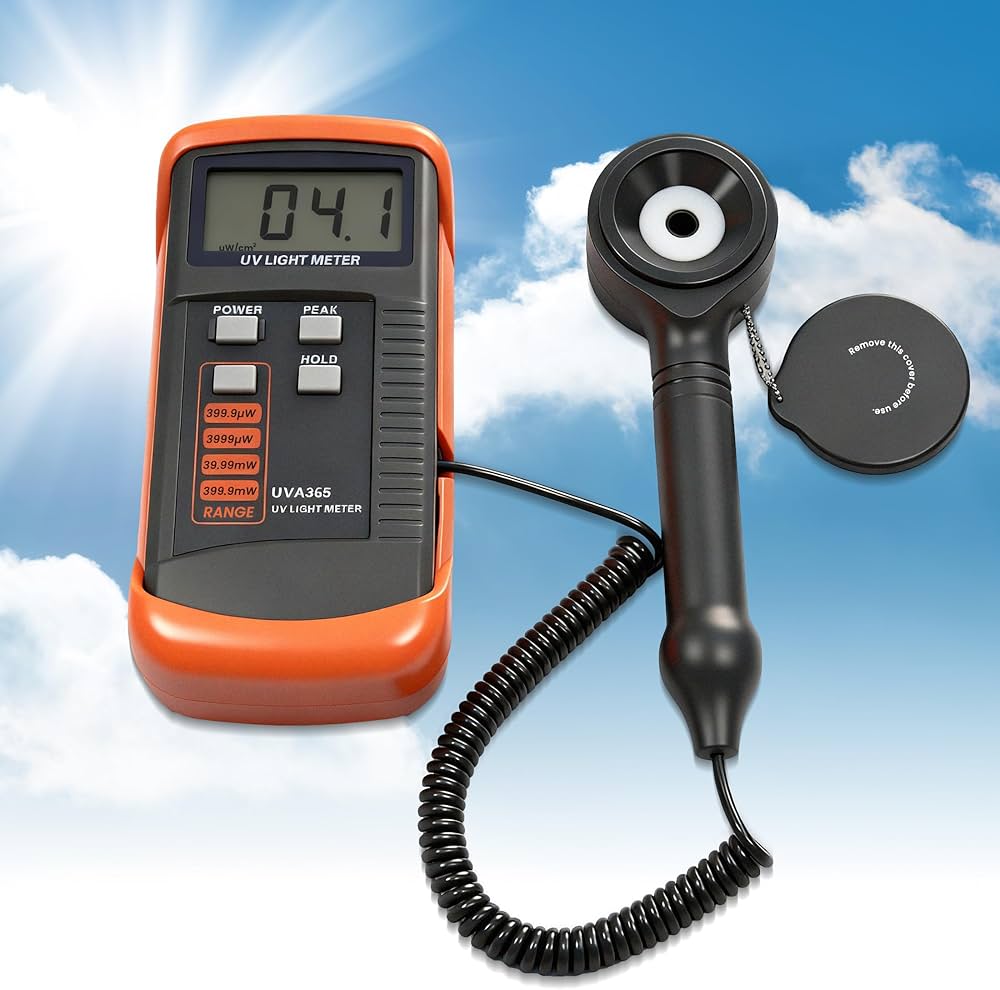
UV Radiometer (UV Intensity Meter)
This is the most critical instrument for UV system validation.
Function:
Measures UV irradiance in mW/cm² or W/m².
Applications:
-
Verifying lamp performance
-
Monitoring degradation over time
-
Validating sterilization efficiency
Why it is essential:
A UV lamp may still “look on” while producing insufficient germicidal output. A radiometer reveals the true performance level.
Spectroradiometer
A more advanced instrument that measures UV output across different wavelengths.
Key capabilities:
-
Wavelength distribution analysis
-
UV-C peak verification
-
Lamp spectral aging detection
Use cases:
-
Research facilities
-
Pharmaceutical sterilization systems
-
High-precision industrial applications
UV Dosimeter Cards (Portable Verification Tool)
These are simple but useful visual tools.
How they work:
-
Change color based on UV exposure
-
Provide quick field verification
Limitations:
-
Not highly precise
-
Best used as supplementary indicators
3. Mechanical Inspection Tools
UV systems rely heavily on physical integrity. Mechanical tools help ensure components remain properly aligned and undamaged.
Torque Wrench
Used to tighten fittings to exact specifications.
Applications:
-
Lamp housing assembly
-
Quartz sleeve mounting
-
Electrical terminal tightening
Why it matters:
Over-tightening can crack quartz components. Under-tightening can cause leaks or misalignment.
Calipers (Digital or Vernier)
Used for precise measurement of components.
Applications:
-
Quartz sleeve diameter checks
-
Seal fitting verification
-
Mechanical tolerance inspection
Alignment Tools
UV lamps must be correctly positioned for optimal exposure.
Functions:
-
Ensuring lamp centering
-
Checking reflector positioning
-
Verifying uniform spacing
Even minor misalignment can reduce UV efficiency significantly.
Inspection Mirrors and Endoscopes
Used to view hard-to-access internal components.
Applications:
-
Reflector inspection
-
Internal chamber evaluation
-
Hidden corrosion detection
4. Cleaning and Handling Tools
Proper maintenance depends heavily on contamination control.
Lint-Free Microfiber Cloths
Essential for cleaning optical components.
Why they matter:
-
Prevent scratches on quartz surfaces
-
Avoid fiber contamination
-
Ensure streak-free cleaning
Isopropyl Alcohol (IPA)
A standard cleaning agent.
Applications:
-
Removing organic residue
-
Cleaning quartz sleeves
-
Degreasing lamp surfaces
Specialized Quartz Cleaning Solutions
Used for mineral or scaling deposits.
Important:
-
Must be non-abrasive
-
Should be manufacturer-approved when possible
Nitrile Gloves
Critical for safe handling.
Purpose:
-
Prevent oil contamination on lamps
-
Protect technicians from chemical exposure
-
Reduce risk of surface damage
Anti-Static Brushes
Used for delicate cleaning in electronic areas.
5. Diagnostic and Support Equipment
These tools provide system-wide visibility and advanced troubleshooting capabilities.
Thermal Imaging Camera
One of the most powerful diagnostic tools in UV maintenance.
What it detects:
-
Overheating ballasts
-
Hot spots in electrical systems
-
Cooling system inefficiencies
Why it matters:
Thermal anomalies often indicate early-stage failure.
Data Loggers
Used to record system performance over time.
Measures:
-
Temperature trends
-
UV intensity variation
-
Electrical load changes
Benefit:
Helps identify long-term degradation patterns.
Oscilloscope
Used for analyzing electrical waveforms.
Applications:
-
Ballast output waveform analysis
-
Detecting electrical noise
-
Identifying unstable power supply conditions
Portable Airflow Meter (for HVAC UV systems)
Measures airflow rate in duct-mounted UV systems.
Why it matters:
UV effectiveness in air systems depends heavily on exposure time, which is directly influenced by airflow speed.
Building a Professional UV Maintenance Tool Kit
A complete technician-level kit should include:
Essential tools:
-
Digital multimeter
-
Clamp meter
-
UV radiometer
-
Insulation resistance tester
-
Torque wrench
-
Lint-free cloths
-
Nitrile gloves
Advanced tools:
-
Spectroradiometer
-
Thermal imaging camera
-
Power quality analyzer
-
Data logger
-
Oscilloscope
Common Mistakes Technicians Make Without Proper Tools
1. Relying only on visual inspection
UV systems can appear functional while underperforming significantly.
2. Ignoring electrical diagnostics
Many failures originate in power supply instability.
3. Skipping UV intensity measurement
This leads to false assumptions about sterilization effectiveness.
4. Using incorrect cleaning materials
Abrasive cloths can permanently damage quartz components.
5. Over-tightening mechanical components
This often causes micro-cracks in sensitive parts.
How Tools Improve Safety and Efficiency
A well-equipped technician can:
-
Detect faults earlier
-
Prevent system downtime
-
Improve UV performance consistency
-
Reduce maintenance costs
-
Avoid accidental exposure risks
Tool-driven maintenance is fundamentally safer and more predictable.
The Future of UV Maintenance Tools
The next generation of tools is moving toward:
-
Wireless sensor integration
-
AI-based diagnostic systems
-
Cloud-connected performance tracking
-
Automated UV intensity monitoring
-
Smart predictive maintenance platforms
This shift will reduce manual inspection workload while improving accuracy.
Final Thoughts
UV lamp maintenance is a precision discipline. It requires more than experience—it requires measurement, verification, and control. The right set of tools transforms maintenance from reactive troubleshooting into proactive system management.
From electrical diagnostics to optical verification and mechanical inspection, each instrument plays a critical role in ensuring that UV systems operate safely, efficiently, and consistently.
Professionals who invest in the right tool kit are not just maintaining equipment—they are protecting system performance, extending equipment lifespan, and ensuring reliable disinfection outcomes in critical environments.
In UV maintenance, tools are not optional. They are the foundation of expertise.