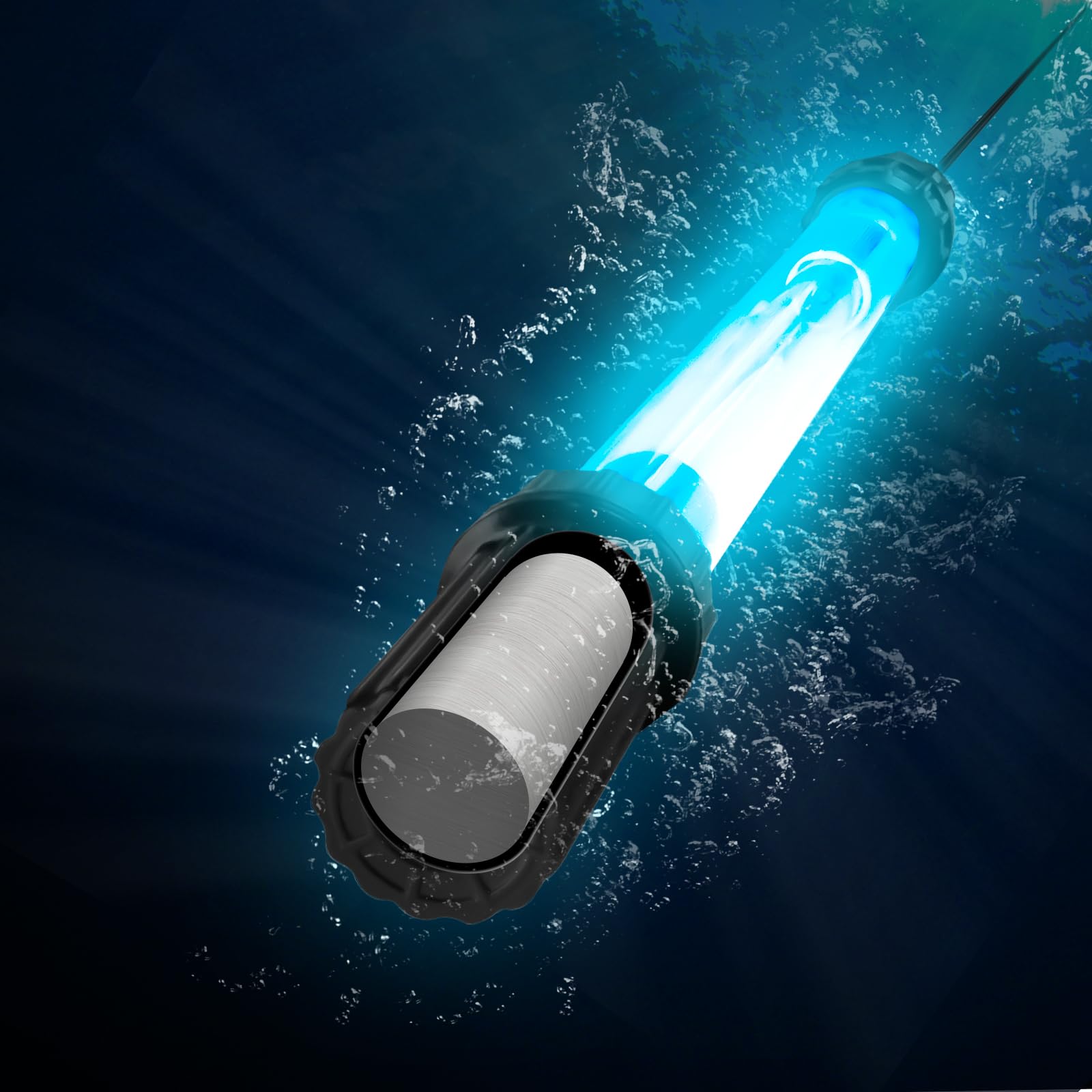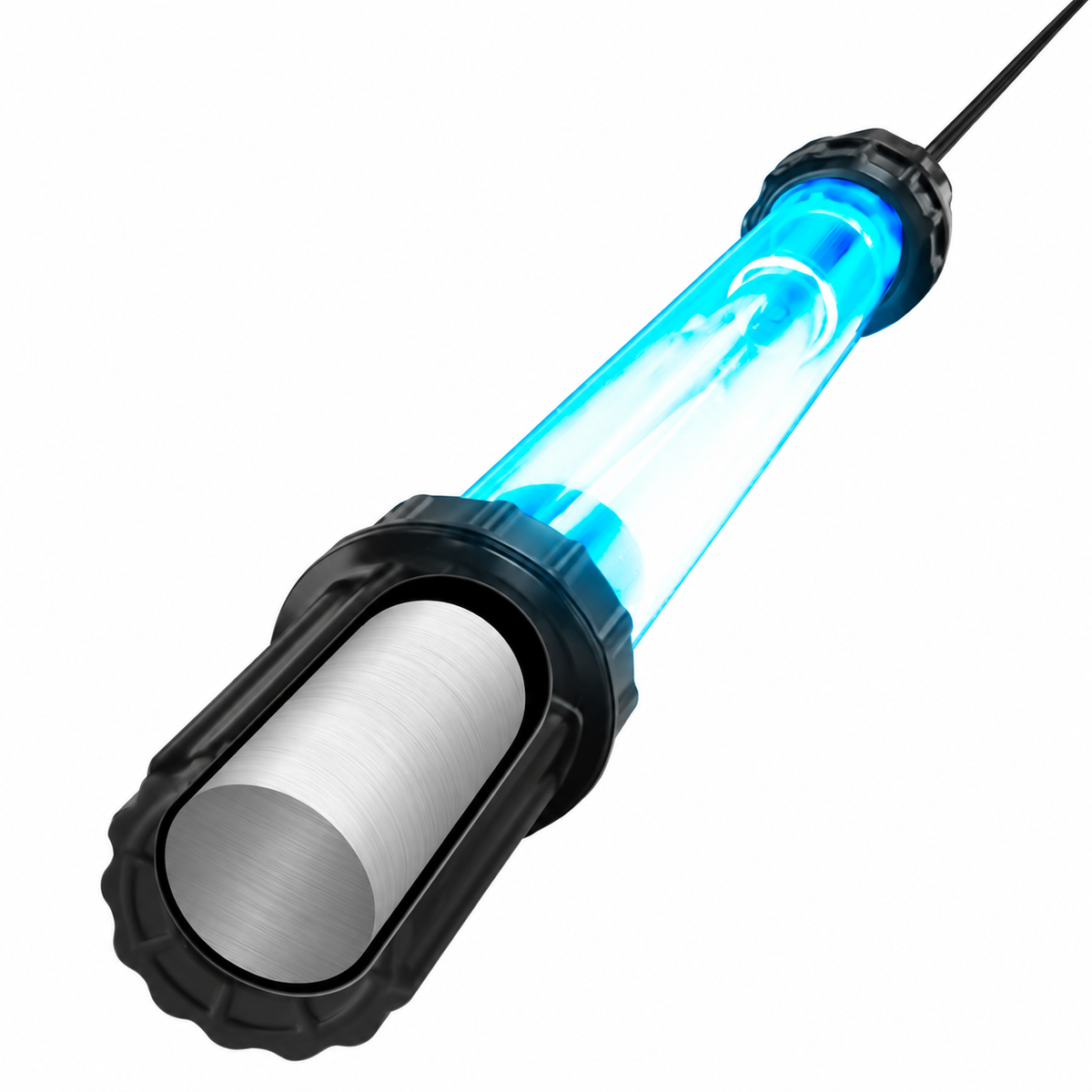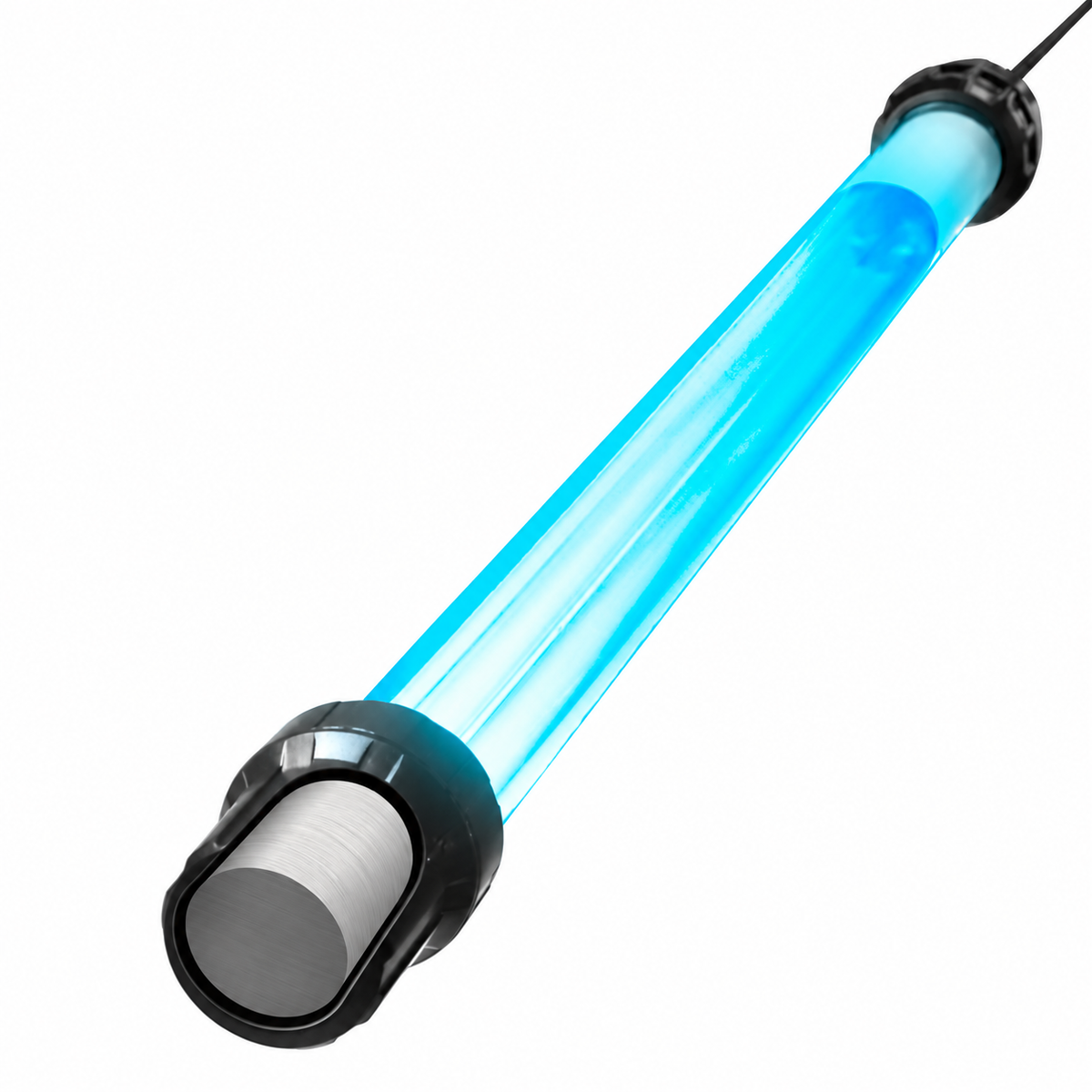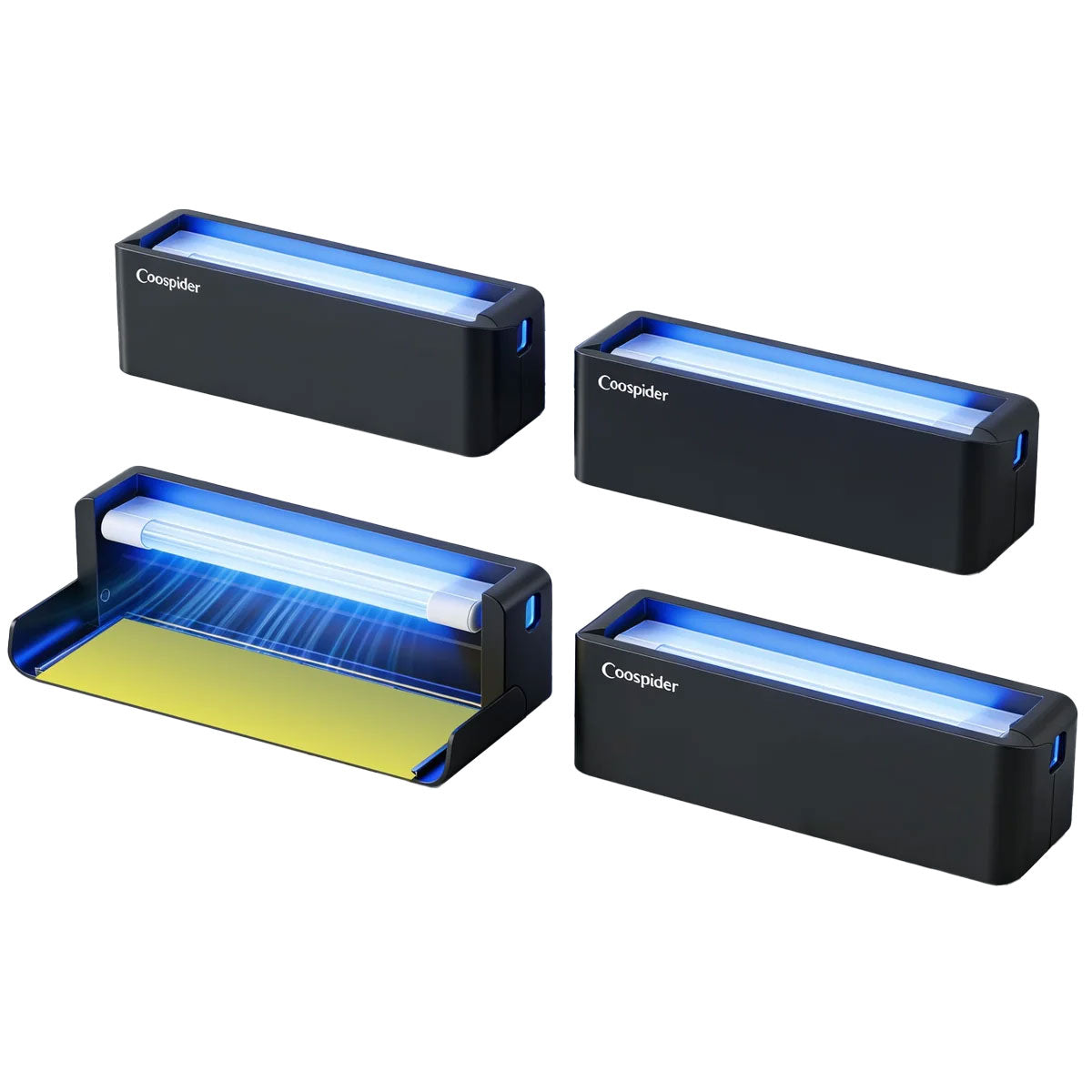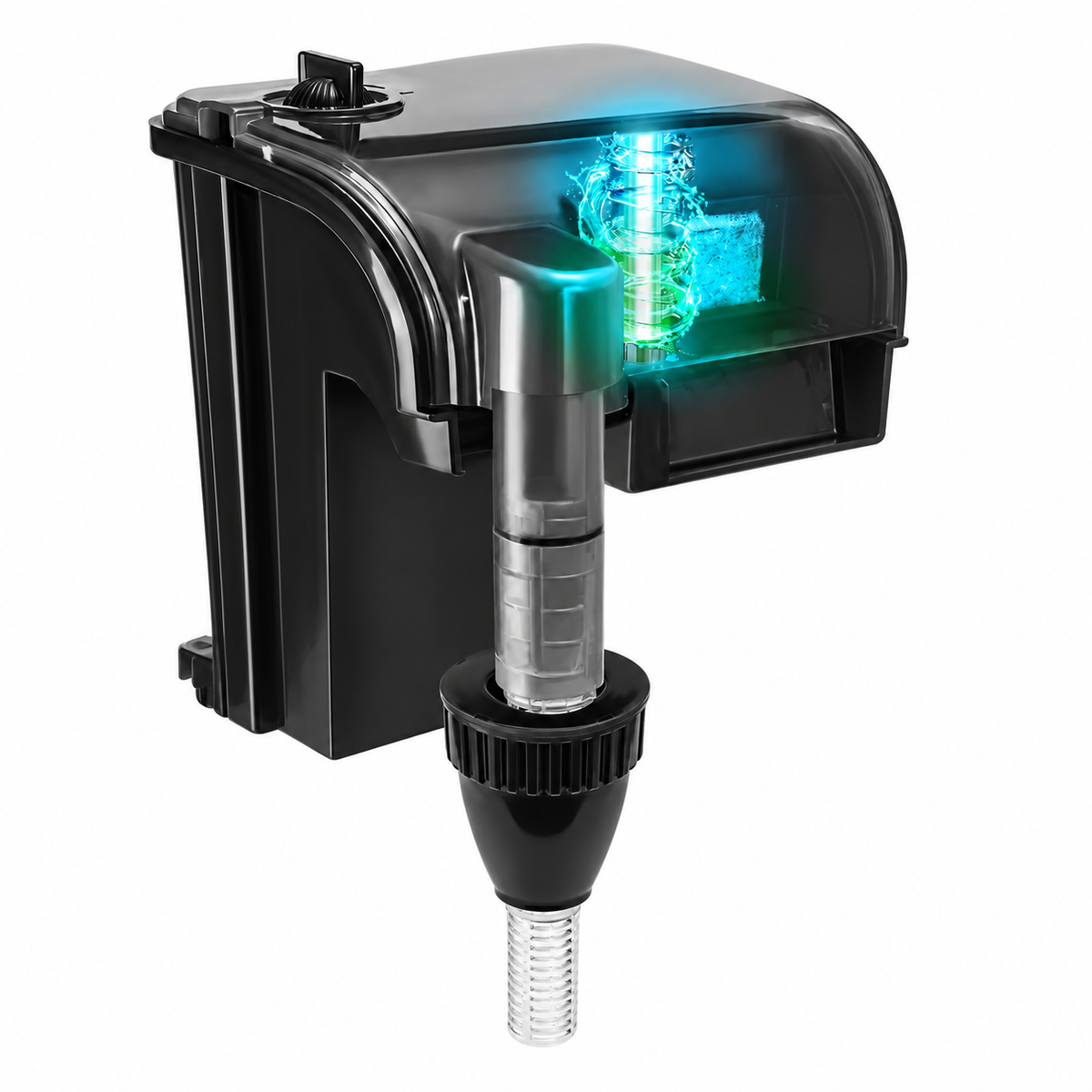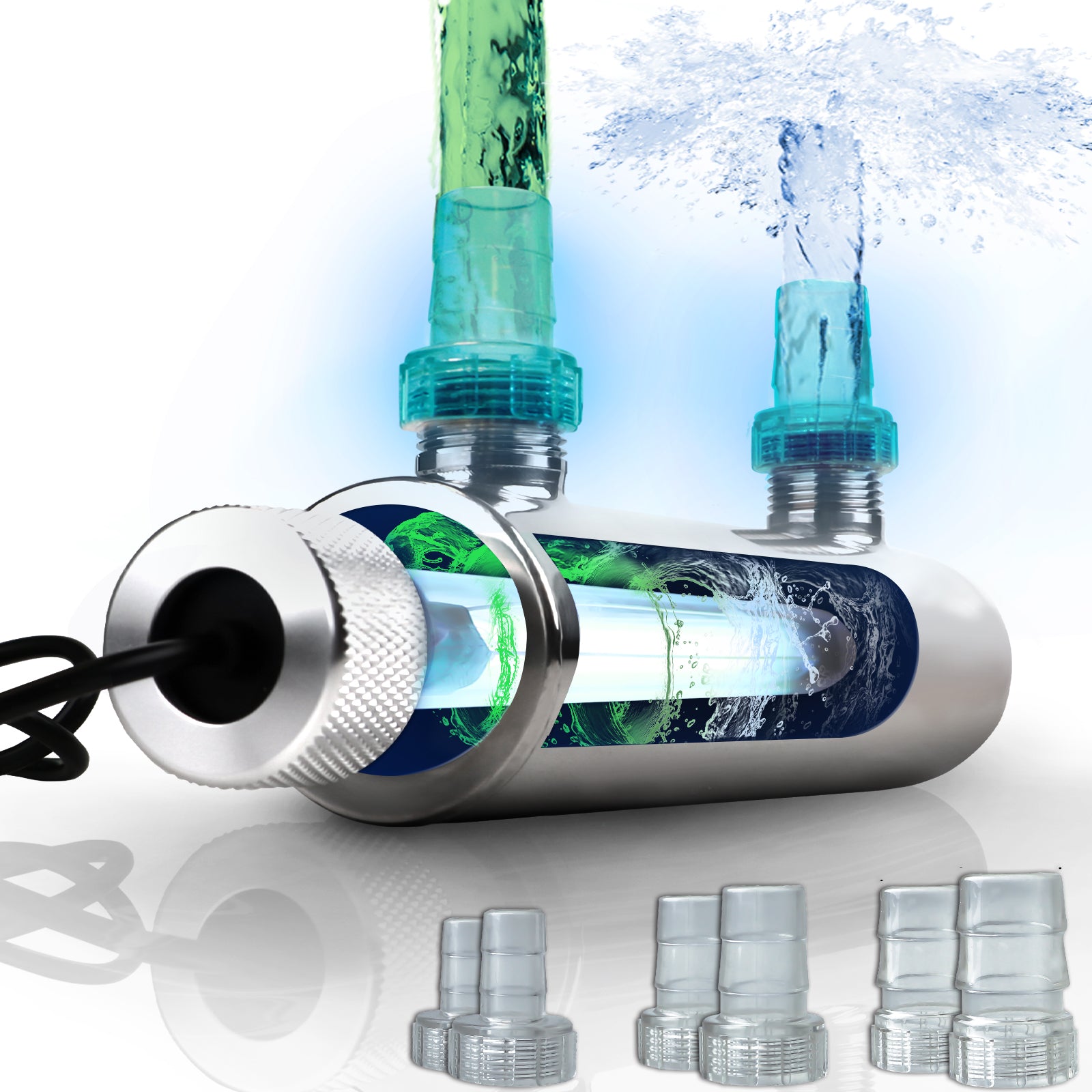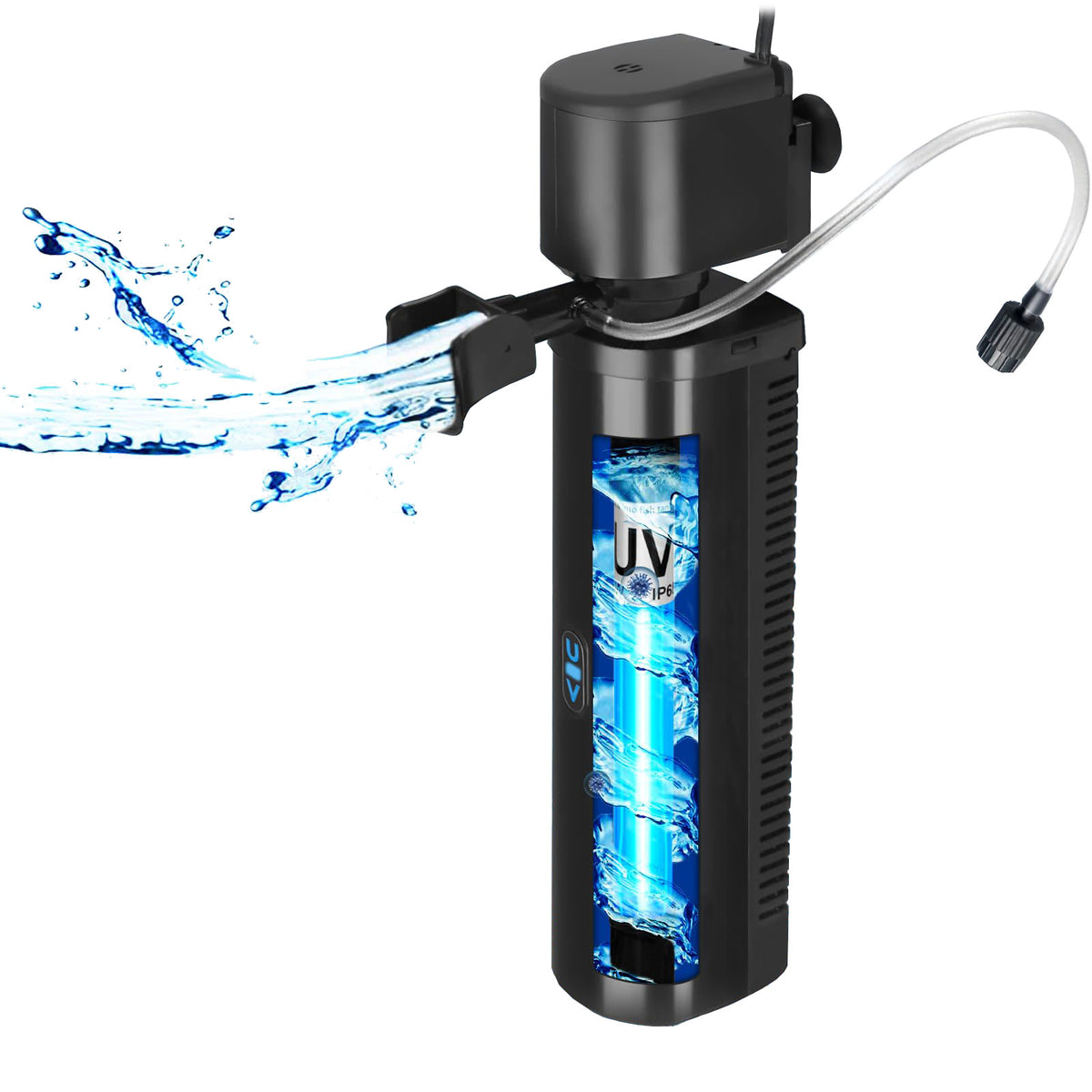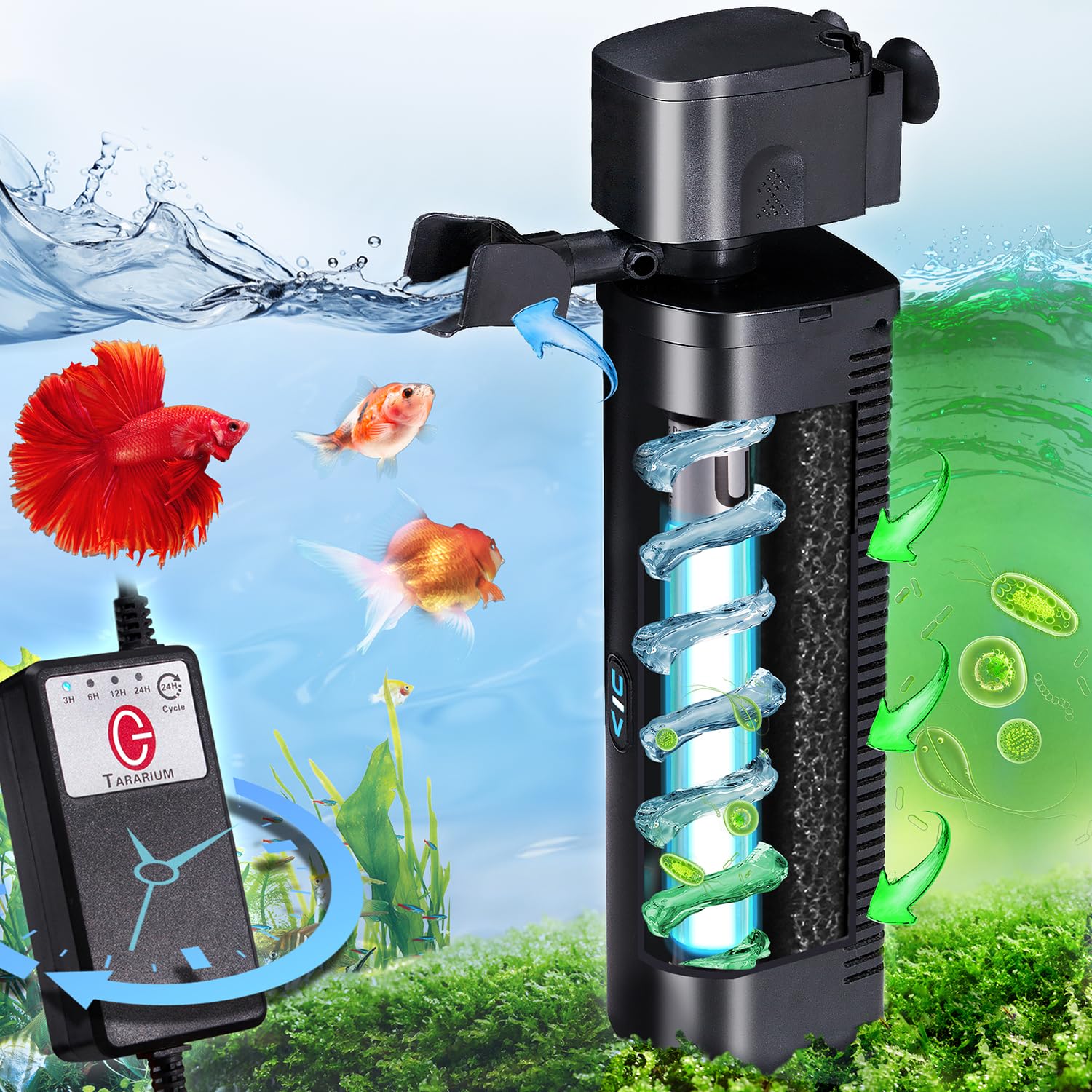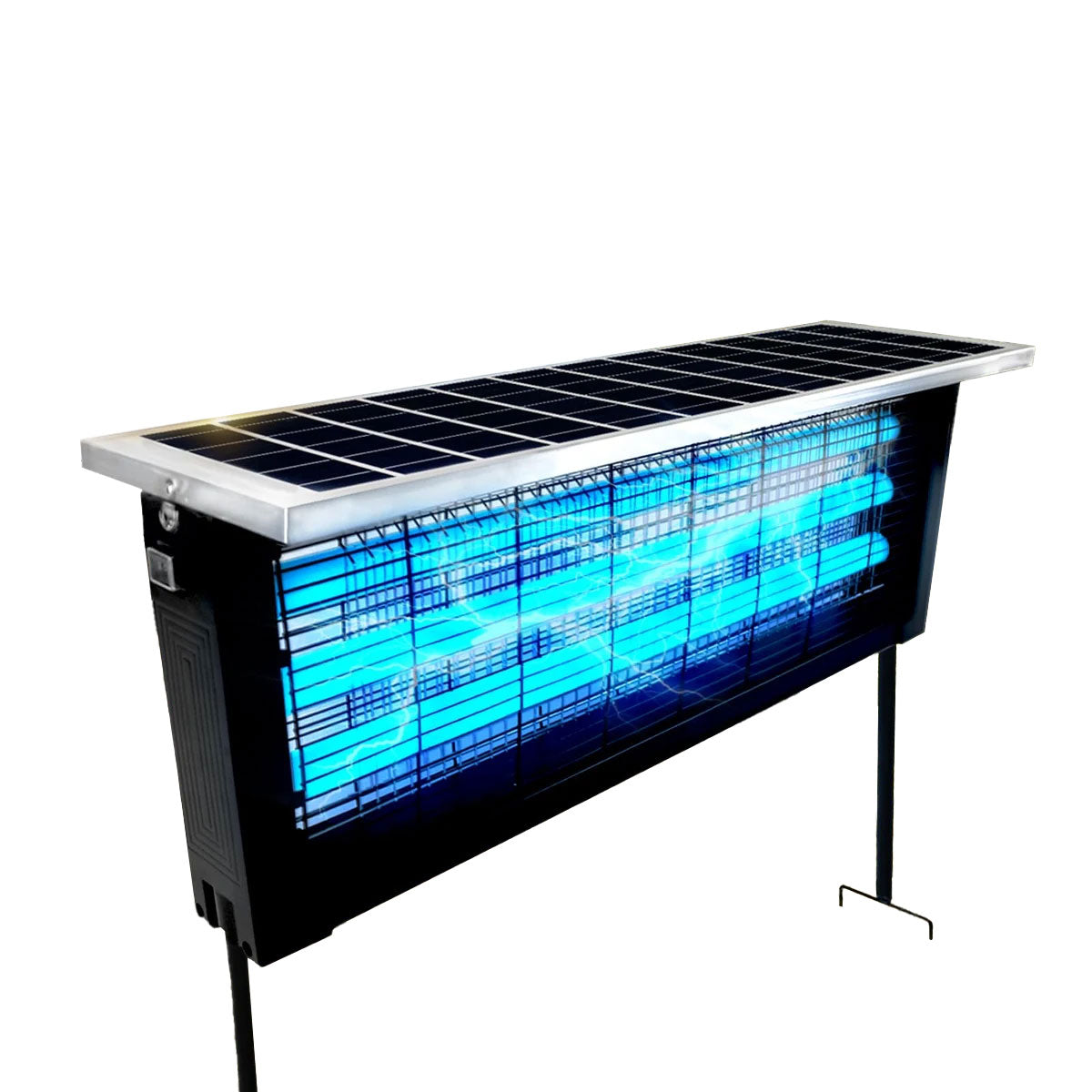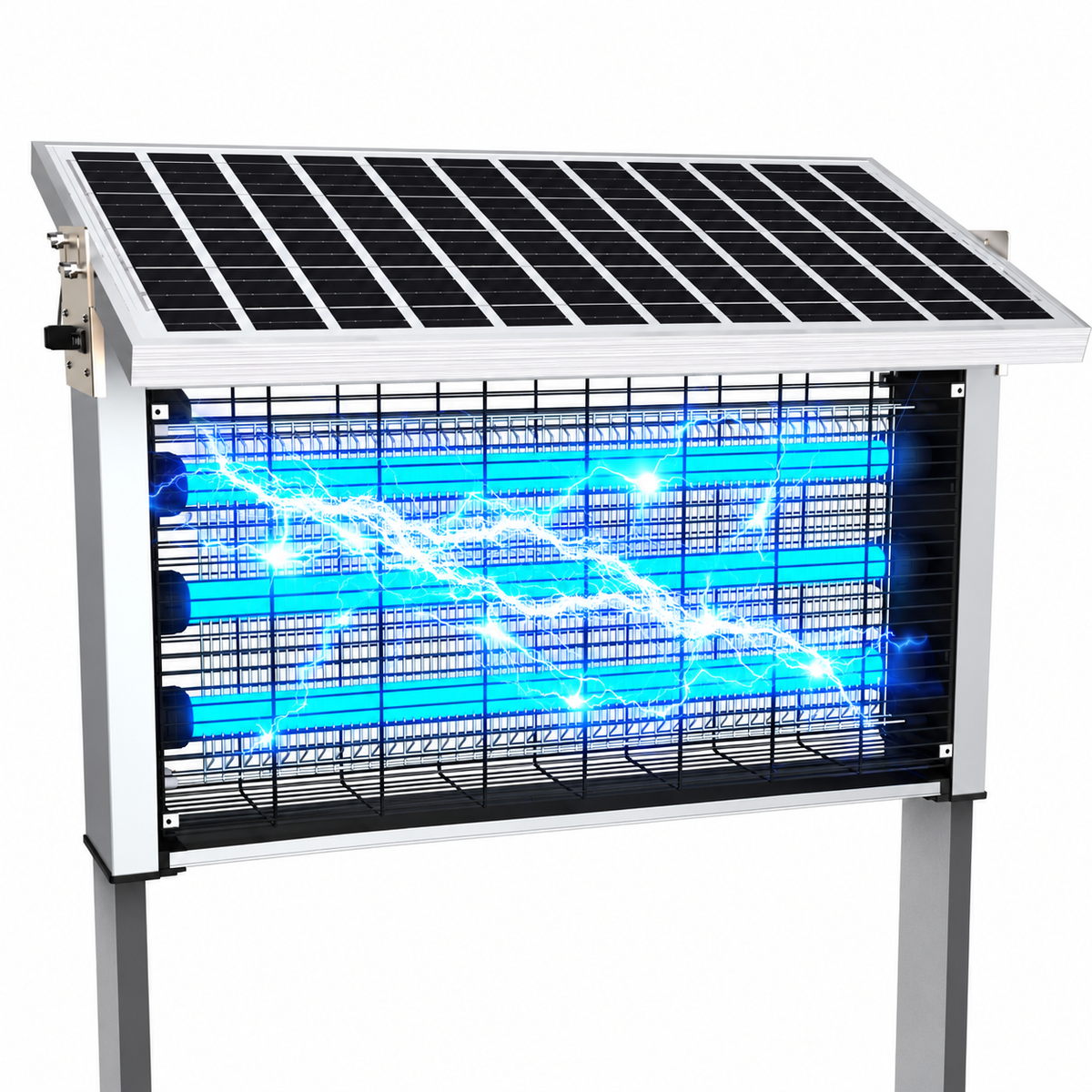
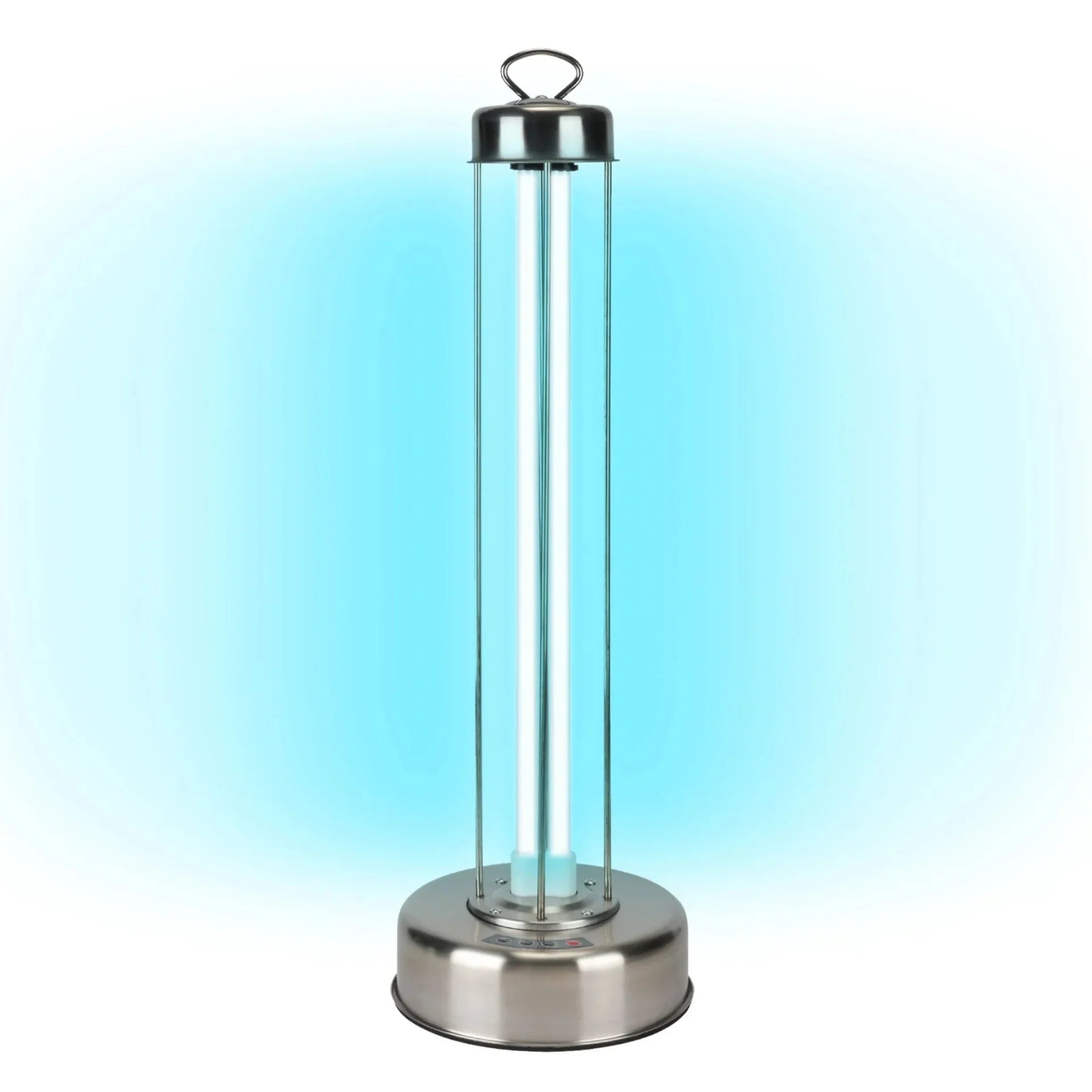
Ultraviolet (UV) lamps play a critical role in modern industrial, medical, and commercial environments. From water purification systems and HVAC air sterilization units to laboratory equipment and manufacturing processes, UV technology has become an essential tool for maintaining hygiene, safety, and operational efficiency.
However, UV lamps are not “install and forget” devices. Their performance naturally degrades over time, and without proper daily maintenance, their efficiency can drop significantly long before they physically burn out. This leads to reduced disinfection performance, higher operational costs, unexpected downtime, and premature equipment replacement.
The principle of “prevention is better than cure” is especially true for UV systems. A disciplined maintenance routine not only extends lamp lifespan but also ensures consistent output and system reliability.
This guide provides a comprehensive, practical, and field-tested approach to daily UV lamp care and long-term preservation strategies designed to maximize performance and reduce failure rates.
Understanding How UV Lamps Degrade Over Time
To properly maintain UV lamps, it is essential to understand why they degrade.
Unlike traditional lighting systems, UV lamps are designed for radiation output stability, not just visible brightness. Over time, their ability to emit effective UV-C energy decreases even if the lamp still appears to be working.
Main Causes of UV Lamp Degradation
1. Phosphor and electrode wear
Inside the lamp, electrodes gradually deteriorate due to repeated ignition cycles. This leads to unstable arc formation and reduced UV output.
2. Quartz sleeve contamination
Many UV systems use quartz sleeves to protect the lamp. Over time, these sleeves accumulate:
-
Mineral deposits
-
Organic residue
-
Dust and airborne particles
Even a thin layer of buildup can significantly reduce UV transmission.
3. Thermal stress
Frequent heating and cooling cycles cause expansion and contraction, weakening internal components.
4. Electrical instability
Voltage fluctuations or poor-quality ballasts can shorten lamp lifespan dramatically.
5. Operating environment conditions
Humidity, dust, chemical vapors, and poor ventilation all contribute to accelerated degradation.
Why Daily Maintenance Matters More Than Occasional Servicing
Many facilities rely on periodic maintenance schedules such as monthly or quarterly inspections. While necessary, these are not sufficient to prevent gradual performance loss.
Daily maintenance serves as an early detection system.
It helps to:
-
Identify performance drift before it becomes failure
-
Prevent contamination buildup
-
Detect abnormal system behavior early
-
Ensure consistent UV output
-
Reduce emergency repairs
Think of UV lamps like precision instruments rather than simple bulbs. Small changes accumulate quickly.
Core Principle: Stability Comes from Consistency
The most important concept in UV lamp maintenance is consistency.
Small, repeated actions—done daily—are far more effective than large corrective actions performed occasionally.
A stable UV system depends on:
-
Clean optical surfaces
-
Stable electrical input
-
Controlled operating temperature
-
Proper airflow and cooling
-
Regular visual and functional checks
Daily UV Lamp Inspection Checklist
A structured daily inspection routine is the foundation of long-term performance.
1. Visual Inspection of Lamp Operation
Check whether:
-
Lamps ignite normally
-
No flickering or delayed start occurs
-
Brightness appears consistent across units
Any flickering or uneven illumination may indicate:
-
Aging lamp
-
Faulty ballast
-
Electrical instability
2. Quartz Sleeve Cleanliness Check
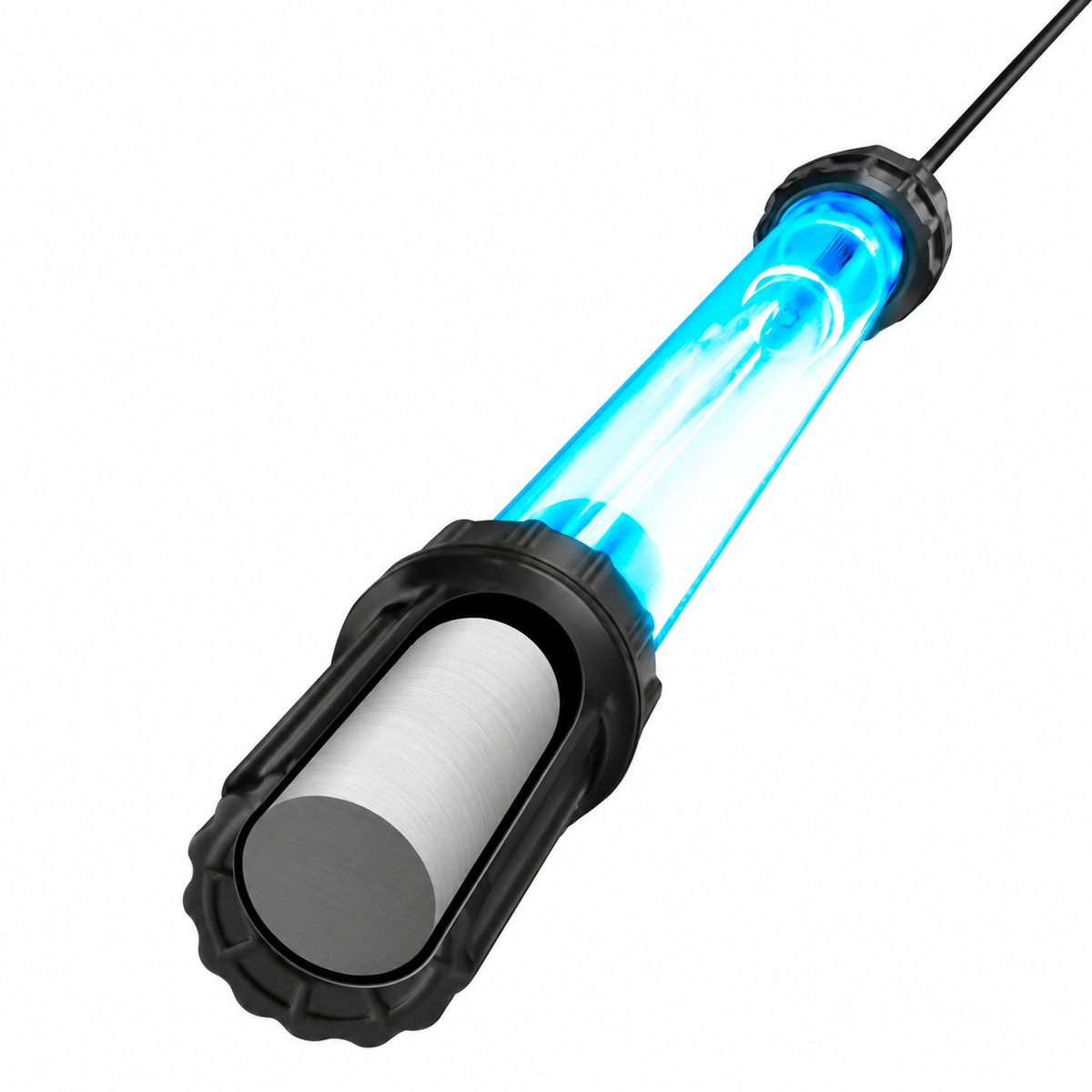
Quartz sleeves are one of the most critical components in UV systems.
Look for:
-
Cloudiness or hazy coating
-
Water spots or mineral scaling
-
Dust accumulation
Even minor contamination can reduce UV transmittance efficiency significantly.
3. Housing and Reflector Condition
Inspect internal reflective surfaces:
-
Stainless steel reflectors should remain shiny
-
No rust, corrosion, or discoloration
-
No dust buildup
Reflectors are essential for maximizing UV exposure efficiency by redirecting scattered light.
4. Cooling and Ventilation Status
Proper temperature control extends lamp life.
Check:
-
Air vents are not blocked
-
Fans are operating normally
-
No abnormal heat buildup
-
Airflow remains consistent
Overheating is one of the fastest ways to shorten UV lamp lifespan.
5. Electrical System Stability
Monitor:
-
Stable power supply
-
No abnormal noise from ballasts
-
No frequent on/off cycling
-
No warning signals on control panels
Electrical instability can reduce lamp efficiency and increase electrode wear.
Cleaning Procedures: The Most Important Maintenance Task
Cleaning is the single most effective maintenance activity for UV systems.
However, improper cleaning can damage equipment, so correct procedures matter.
Cleaning Quartz Sleeves Safely and Effectively
Recommended cleaning frequency:
-
Daily visual check
-
Weekly cleaning in high-contamination environments
-
Bi-weekly or monthly in clean environments
Step-by-step cleaning process:
Step 1: System shutdown and cooling
Ensure lamps are fully turned off and cooled before touching any components.
Step 2: Remove quartz sleeve carefully
Avoid twisting or applying pressure that may crack the sleeve.
Step 3: Use appropriate cleaning solution
Common options include:
-
Isopropyl alcohol (IPA)
-
Mild citric acid solution for mineral deposits
-
Manufacturer-approved cleaning agents
Avoid abrasive materials.
Step 4: Wipe with lint-free cloth
Use soft microfiber or lint-free wipes only.
Step 5: Inspect for damage
Check for:
-
Micro-cracks
-
Etching
-
Permanent clouding
Replace if necessary.
Lamp Handling Best Practices
UV lamps are fragile and sensitive components.
Improper handling can reduce lifespan even before installation.
Key handling rules:
-
Always wear clean gloves
-
Avoid touching glass with bare hands
-
Hold lamps by the ends, not the center
-
Avoid impact or vibration during installation
-
Do not rotate forcefully into sockets
Finger oils left on glass can create hot spots, leading to premature failure.
Electrical Maintenance Habits That Extend Lamp Life
Electrical quality has a direct impact on UV lamp longevity.
1. Stable voltage supply
Fluctuating voltage shortens lamp life significantly. Use:
-
Voltage regulators
-
Surge protectors
2. High-quality ballasts
Electronic ballasts provide:
-
Stable current output
-
Reduced flicker
-
Improved efficiency
3. Avoid frequent on/off cycling
UV lamps have limited ignition cycles. Excessive switching accelerates wear.
Environmental Control: Often Overlooked but Critical
UV systems are highly sensitive to environmental conditions.
Dust control
Dust buildup reduces:
-
Cooling efficiency
-
Optical clarity
-
Reflector performance
Humidity control
High humidity can lead to:
-
Corrosion of components
-
Electrical instability
-
Reduced reflector performance
Chemical exposure
Certain vapors (like chlorine or industrial solvents) can degrade materials over time.
Monitoring UV Intensity Output
Modern systems may include UV sensors or intensity meters.
Regular monitoring helps detect:
-
Gradual performance decline
-
Sudden system failures
-
Uneven UV distribution
If intensity drops below recommended thresholds:
-
Clean system components
-
Check lamp aging status
-
Inspect electrical supply
Common Daily Maintenance Mistakes
1. Ignoring small performance changes
Slight flickering or dimming is often the first warning sign.
2. Over-cleaning or using harsh chemicals
Aggressive cleaning damages quartz surfaces.
3. Touching lamps without gloves
This introduces oils that create hot spots.
4. Neglecting airflow systems
Blocked vents are a major cause of overheating.
5. Assuming new lamps do not require inspection
Even new installations can have alignment or contamination issues.
Weekly and Monthly Maintenance Extensions
While daily maintenance focuses on inspection, longer cycles include deeper checks.
Weekly tasks:
-
Thorough cleaning of quartz sleeves
-
Reflector polishing
-
Air filter replacement or cleaning
Monthly tasks:
-
Electrical load testing
-
UV intensity calibration
-
Full system performance review
Quarterly tasks:
-
Lamp aging evaluation
-
Full system inspection
-
Replacement planning
Signs Your UV Lamp Is Near End of Life
Even with good maintenance, all UV lamps eventually degrade.
Watch for:
-
Noticeable reduction in UV intensity
-
Longer startup times
-
Flickering or unstable arc
-
Discoloration at lamp ends
-
Increased energy consumption for same output
Early replacement planning prevents sudden system failure.
Extending UV Lamp Lifespan: Best Practices Summary
To maximize lifespan and performance:
-
Keep quartz sleeves clean
-
Maintain stable electrical supply
-
Avoid unnecessary power cycling
-
Control temperature and airflow
-
Handle lamps properly during installation
-
Monitor UV intensity regularly
-
Follow consistent daily inspection routines
Building a Long-Term Maintenance Mindset
Effective UV system care is not about reacting to failures—it is about preventing them.
Organizations that succeed in extending UV lamp lifespan typically share one trait: they treat maintenance as a continuous discipline rather than an occasional task.
Small daily habits create large long-term savings:
-
Fewer replacements
-
Lower energy costs
-
More stable system performance
-
Reduced downtime
-
Higher safety and disinfection reliability
Final Thoughts
UV lamps are high-performance components designed for precision applications. Their effectiveness depends not only on their initial quality but on how consistently they are maintained throughout their operational life.
A strong daily maintenance routine is the most cost-effective strategy for extending UV lamp lifespan. It protects equipment investment, ensures stable system performance, and reduces unexpected failures.
In UV systems, prevention is not just better than cure—it is the foundation of reliability itself.