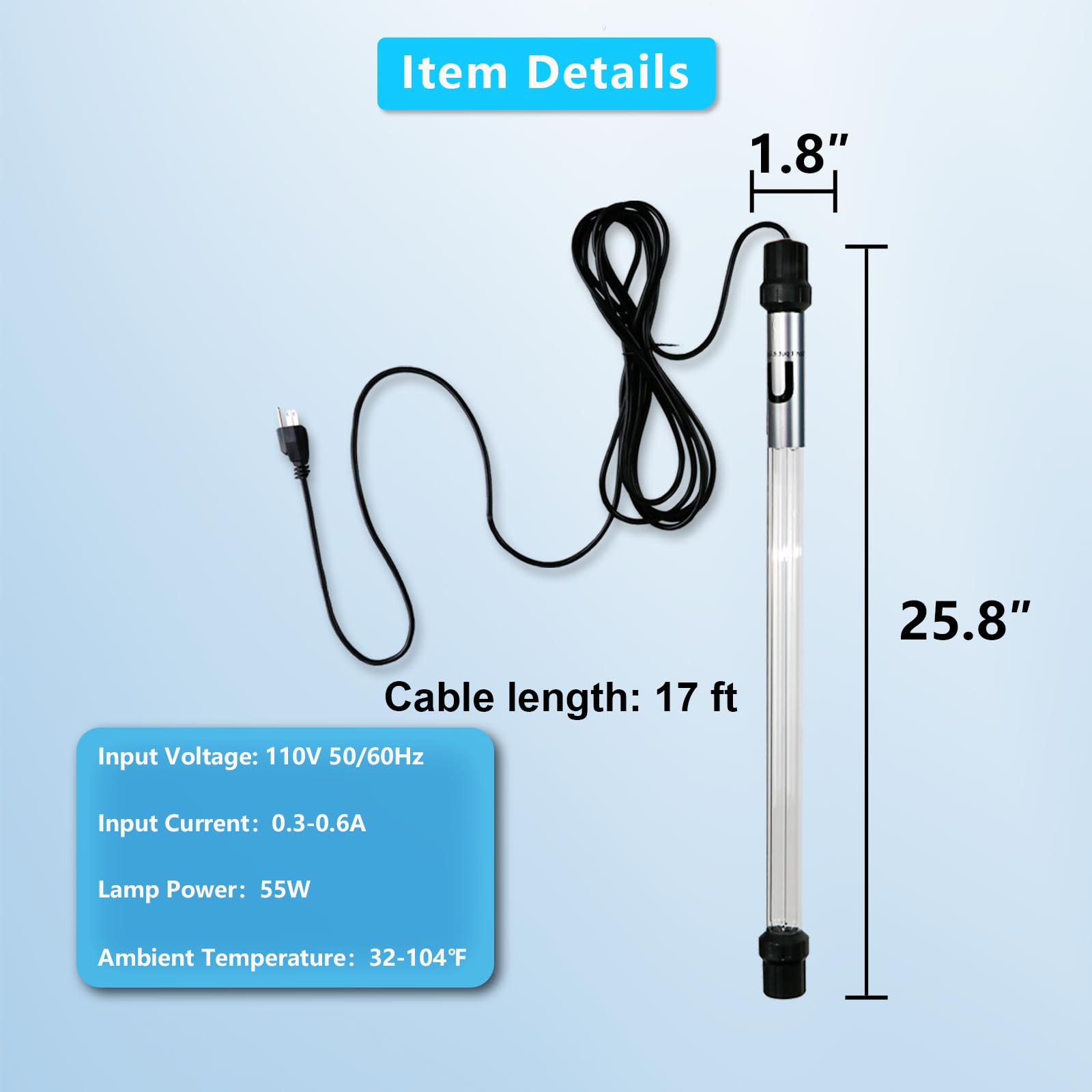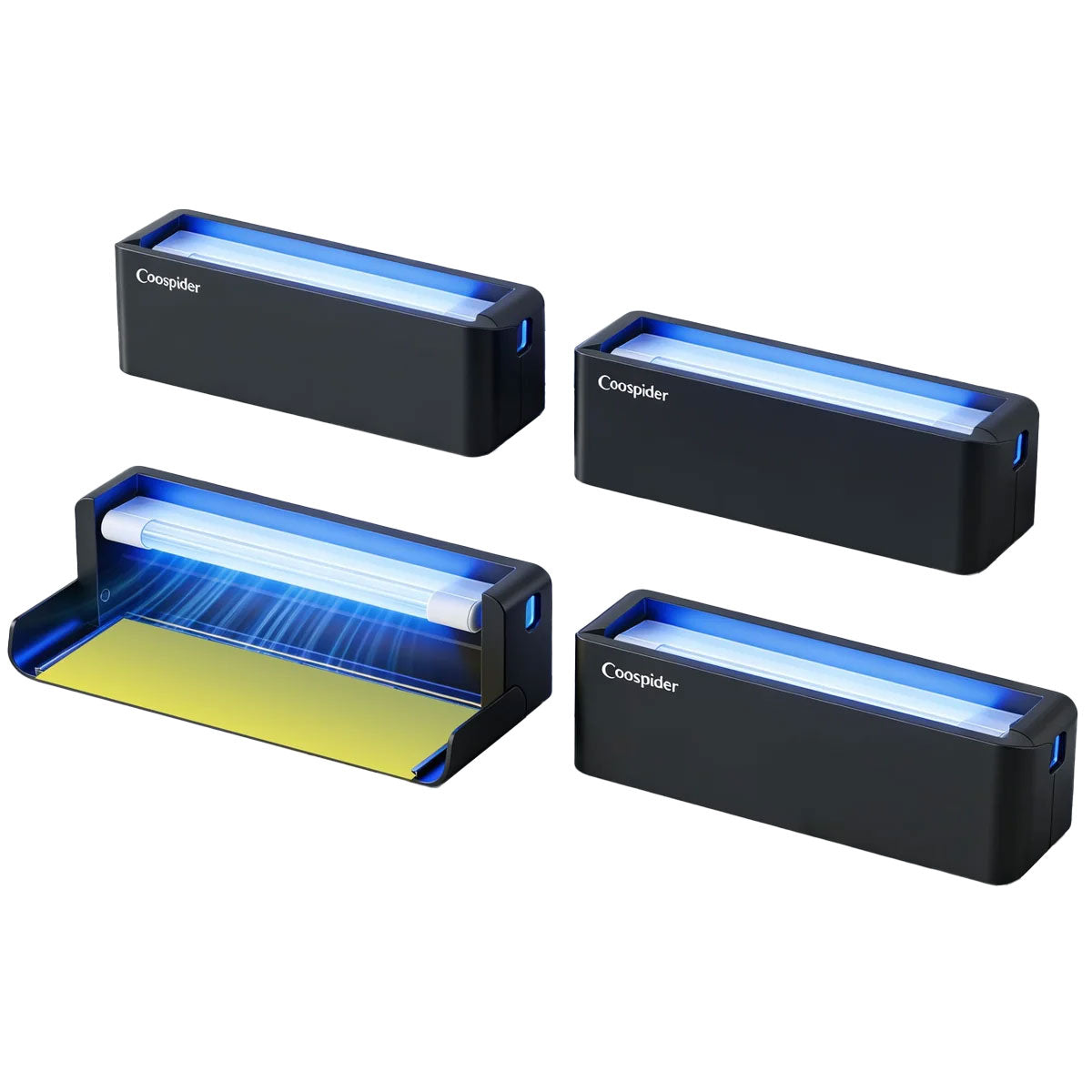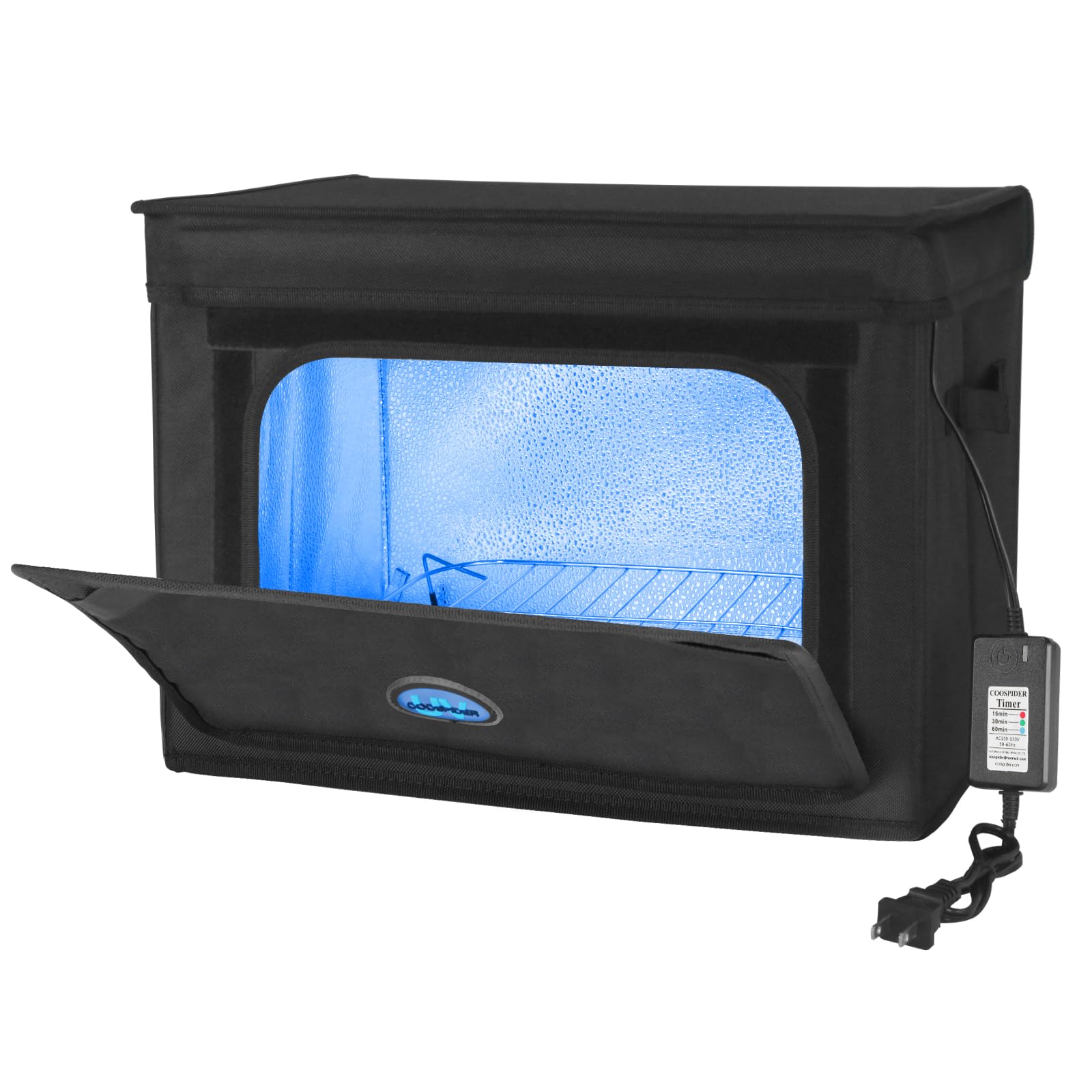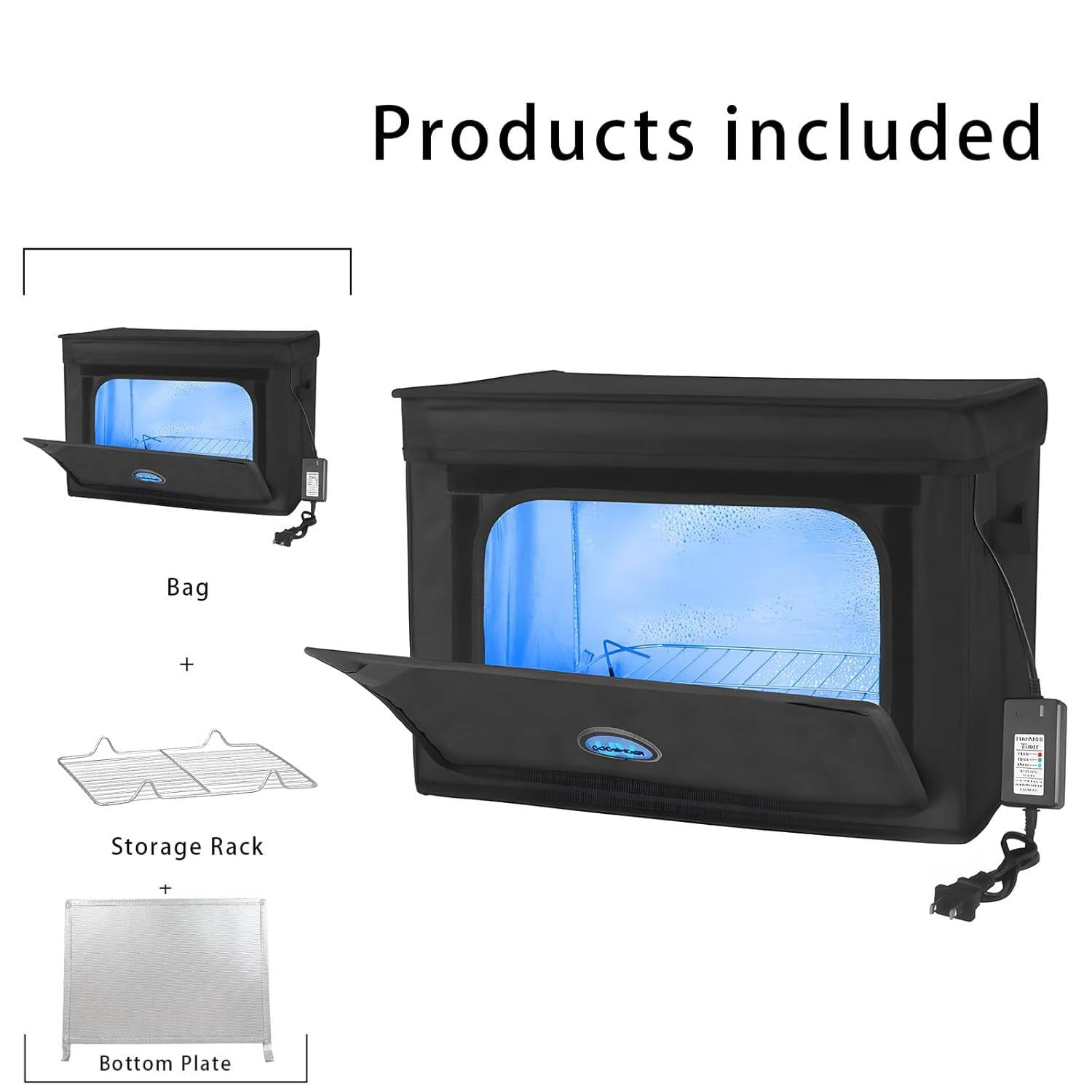
Ultraviolet (UV) technology has become increasingly popular in modern households. As people pay more attention to cleanliness, hygiene, and healthier living environments, UV lamps have entered more homes for various applications. However, with the growing popularity of UV products comes an important question:
Are all UV lamps designed safely enough for home use?
Many consumers are attracted by products advertised as “industrial-grade,” “high-power,” or “professional strength.” While these descriptions may sound impressive, stronger performance does not always mean better suitability for household environments.
A UV lamp designed for industrial or professional applications may require controlled conditions, trained operators, and specialized protective equipment. Using a device with excessive output or insufficient safety features in a home environment can create unnecessary risks.
A truly reliable household UV lamp should not simply focus on power. It should prioritize balanced performance, user protection, intelligent design, and compliance with appropriate safety standards.
This guide explains the important safety considerations behind home UV lamps, how household products differ from industrial equipment, and what features responsible buyers should look for before making a purchase.
Why “Industrial-Grade” Does Not Always Mean Better for Home Use
When shopping for technology products, consumers often assume that stronger specifications equal higher quality.
However, UV lamps are different from ordinary household products.
A device designed for factories, laboratories, or professional facilities may be optimized for:
-
Large spaces
-
Controlled environments
-
Trained operators
-
Specialized safety procedures
A home environment is completely different.
Households typically include:
-
Children
-
Older adults
-
Pets
-
Multiple users
-
Shared living spaces
Because of this, a household UV lamp must prioritize safety and convenience.
The best home UV product is not necessarily the strongest one. It is the one that provides appropriate performance while minimizing unnecessary exposure risks.
Understanding UV Radiation Before Choosing a Home Lamp
To understand UV lamp safety, it is important to know the basics of ultraviolet radiation.
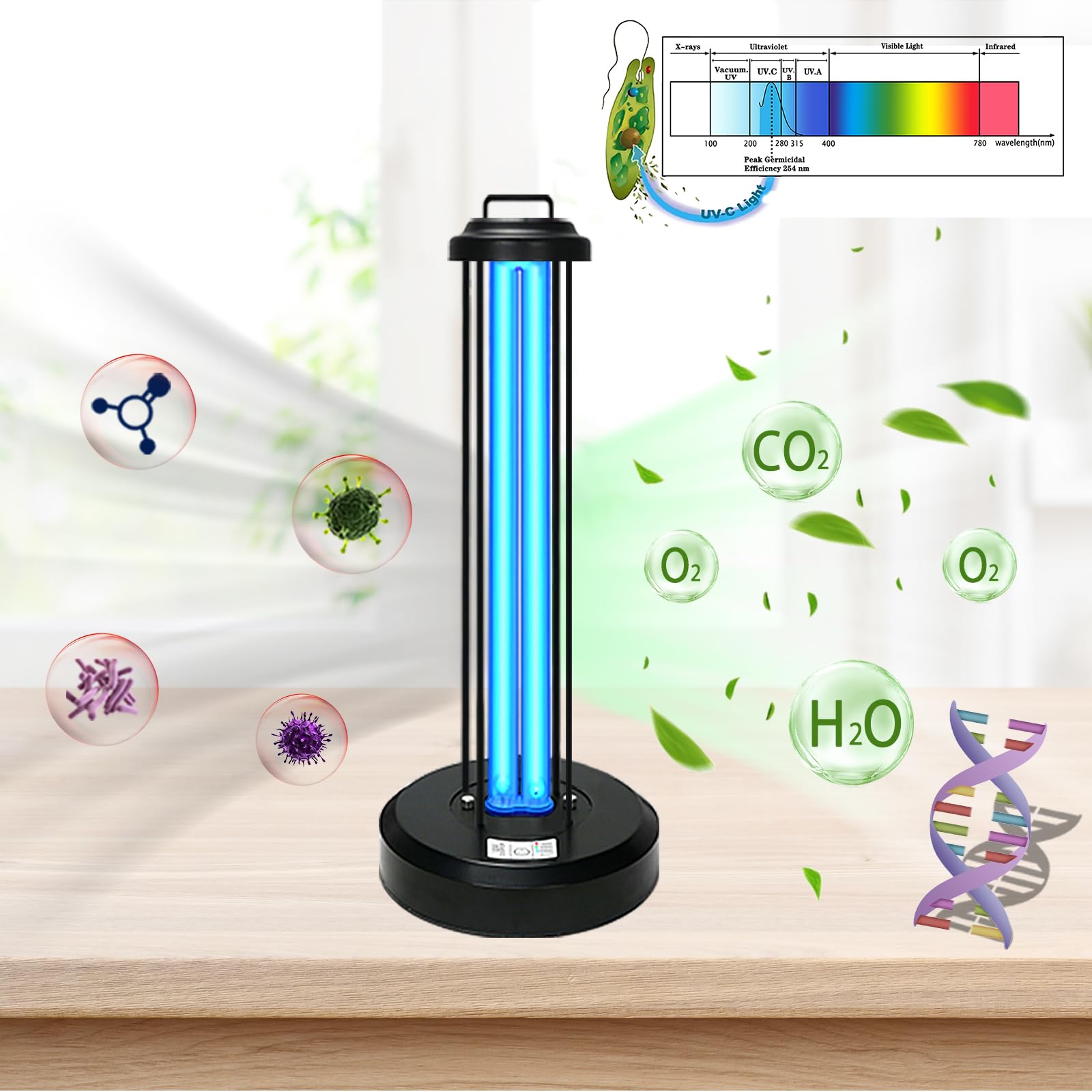
UV light is invisible electromagnetic radiation beyond the visible light spectrum.
UV radiation is generally divided into three categories:
UVA Radiation
UVA has a longer wavelength and is commonly associated with various specialized applications.
Characteristics include:
-
Deeper penetration compared with UVB
-
Use in certain industrial and specialty products
-
Potential effects on skin and eyes with excessive exposure
UVB Radiation
UVB has stronger biological effects.
It is associated with:
-
Skin reactions
-
Certain professional applications
-
Controlled exposure environments
Because of its biological impact, UVB requires careful management.
UVC Radiation
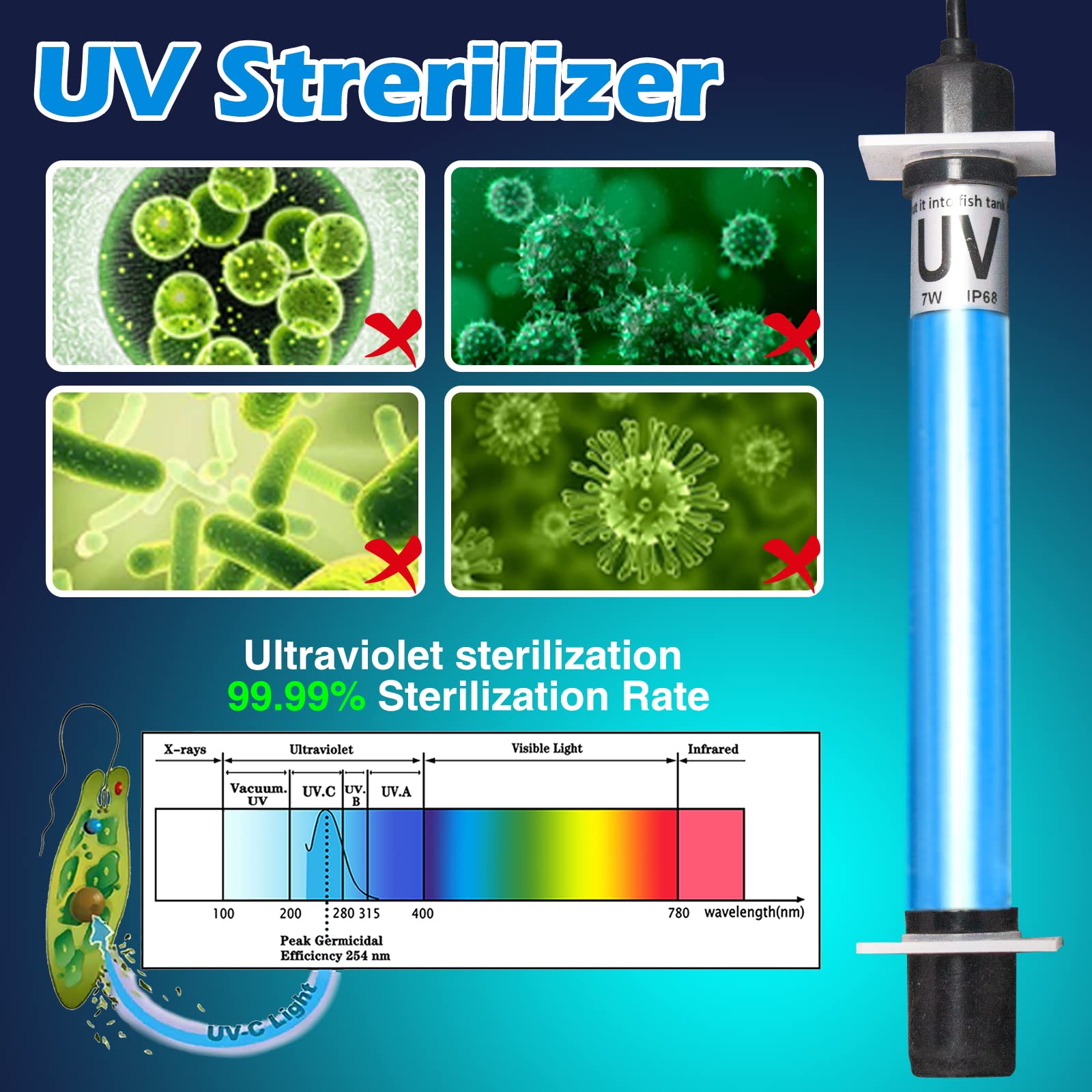
UVC is often discussed in connection with disinfection technology.
Many professional UV disinfection systems use UVC because of its interaction with microorganisms.
However, direct exposure to UVC can affect human eyes and skin.
This is why household UVC products must include appropriate safety measures.
The Difference Between Industrial UV Equipment and Household UV Lamps
Understanding the difference between professional equipment and consumer products is essential.
Industrial UV systems often rely on:
-
Controlled access areas
-
Professional installation
-
Protective equipment
-
Strict operating procedures
Household products need additional safety considerations because they are used in everyday environments.
A home UV lamp should be designed around:
-
Simple operation
-
Clear instructions
-
Protection against accidental use
-
User-friendly controls
The question is not:
“How powerful is this lamp?”
The better question is:
“Is this lamp designed safely for the environment where I will use it?”
Safety Standard One: Controlled UV Output
One of the most important aspects of a safe household UV lamp is appropriate output control.
A reliable product should provide information about:
-
UV wavelength
-
Intended application
-
Recommended operating conditions
-
Usage limitations
A product that only emphasizes “maximum power” without explaining safe operation should be approached carefully.
High output without proper control may increase unnecessary risks.
Good engineering focuses on balance:
-
Effective performance
-
Appropriate intensity
-
Controlled operation
Safety Standard Two: Protection Against Accidental Exposure
A well-designed home UV lamp should consider real-life situations.
Accidental exposure may happen when:
-
Someone enters a room unexpectedly
-
A child presses a button
-
A user forgets the device is operating
-
A pet approaches the equipment
Safety features can help reduce these situations.
Important protective functions include:
Automatic Shut-Off Timers
A timer allows users to control operating duration.
Benefits include:
-
Preventing excessive operation
-
Reducing user mistakes
-
Improving convenience
Automatic shut-off is especially valuable in busy households.
Motion Detection Systems
Some UV devices include sensors that detect movement or human presence.
These systems may help prevent operation when people are nearby.
They are particularly useful in:
-
Shared rooms
-
Offices
-
Public areas
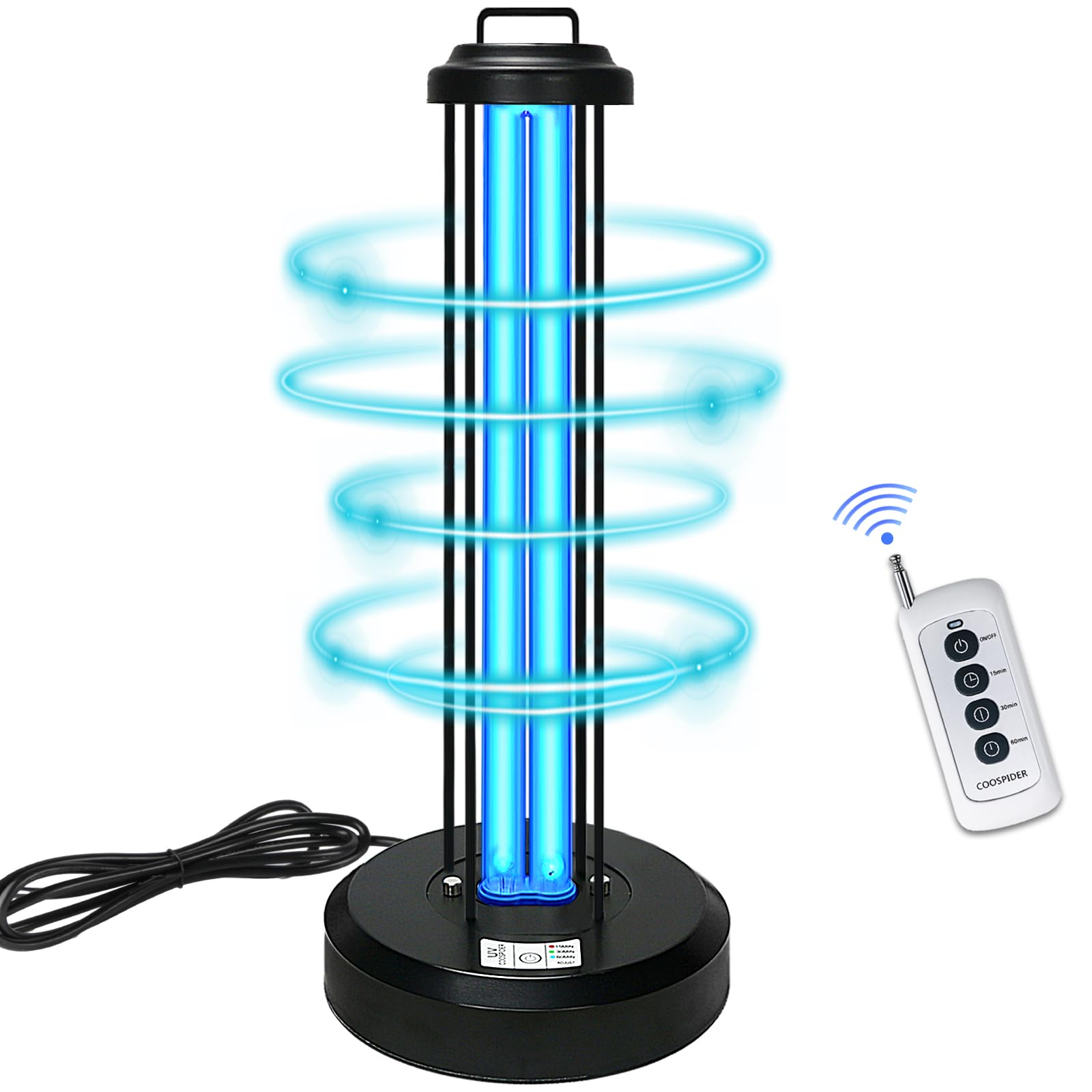
Remote Operation Features
Remote controls or delayed start functions allow users to activate the device without standing close to it.
This can improve safety by allowing users to leave the area before operation begins.
Protective Enclosures
A quality UV lamp should have thoughtful physical design.
Protective features may include:
-
Secure housing
-
Shielded components
-
Stable placement
-
Controlled radiation direction
The design should reduce opportunities for accidental contact or exposure.
Safety Standard Three: Clear User Instructions
A safe product should also be easy to understand.
Poor instructions can lead to misuse even when the product itself is well-designed.
A responsible manufacturer should provide:
-
Installation guidance
-
Operating steps
-
Safety warnings
-
Maintenance recommendations
Users should clearly understand:
-
Where the device can be used
-
When people should leave the area
-
How long operation should last
-
How to maintain the product
Clear communication is part of product safety.
Safety Standard Four: Quality Materials and Reliable Construction
Safety depends heavily on product quality.
A household UV lamp should be made with reliable materials that support stable operation.
Important construction factors include:
Durable Housing
The exterior should protect internal components and withstand normal household use.
Reliable Electrical Components
Stable electrical design helps reduce malfunction risks.
Heat Management
A well-designed product should manage heat appropriately during operation.
Secure Assembly
Loose or poorly fitted components may affect long-term reliability.
A professional appearance is not enough. The product should demonstrate careful engineering.
Safety Standard Five: Proper Certification and Testing Information
Consumers should pay attention to whether a product provides reliable testing information.
Important indicators include:
-
Manufacturer transparency
-
Product documentation
-
Safety testing details
-
Compliance information
A trustworthy company usually provides clear answers about:
-
How the product works
-
How it should be used
-
What precautions are necessary
Be cautious with products that provide:
-
No technical information
-
No safety guidance
-
Unclear manufacturer details
Why Children and Pets Require Extra Consideration
A home environment is not the same as a controlled workplace.
Children and pets may not understand UV safety.
They may:
-
Touch unfamiliar devices
-
Enter operating areas
-
Look toward unusual lights
-
Interrupt operating cycles
For families, important safety features include:
-
Child locks
-
Clear warning labels
-
Secure placement
-
Simple controls
Responsible product design should consider every member of the household.
Common Mistakes When Using Home UV Lamps
Even a safe product can become risky when used incorrectly.
Here are common mistakes to avoid.
Mistake One: Treating UV Lamps Like Normal Lighting
UV lamps are not ordinary lights.
They should not be used casually in occupied spaces unless specifically designed for that purpose.
Mistake Two: Choosing Maximum Power Instead of Suitable Performance
More powerful does not always mean more suitable.
The right product depends on:
-
Intended use
-
Environment size
-
Safety requirements
Mistake Three: Ignoring Manufacturer Instructions
Skipping instructions can lead to:
-
Incorrect operation
-
Improper placement
-
Excessive use
Always follow the recommended guidelines.
Mistake Four: Buying From Unverified Sources
Unknown products may lack:
-
Quality control
-
Safety documentation
-
Customer support
A reliable purchasing source provides greater confidence.
Mistake Five: Assuming “Professional” Means Safer
Industrial-grade equipment may be excellent for professional environments but unsuitable for casual home use.
Safety depends on matching the product to the correct environment.
How to Choose a Safe UV Lamp for Your Home
Before purchasing, consider these questions:
Is the product designed for residential use?
A home environment requires different safety considerations than a factory.
Are technical specifications clearly provided?
Reliable products explain their technology.
Does it include safety controls?
Look for features that reduce accidental exposure.
Are instructions easy to understand?
Simple operation improves safety.
Does the manufacturer provide support?
Good customer service indicates responsibility.
Building a Safe Routine Around UV Lamp Use
Safe operation depends on good habits.
Before use:
-
Read instructions
-
Check the device condition
-
Confirm the area is appropriate
During use:
-
Follow recommended procedures
-
Keep unauthorized users away
-
Avoid direct exposure
After use:
-
Confirm operation is complete
-
Store the device properly
-
Inspect for damage
A simple routine reduces mistakes.
The Future of Safer Home UV Technology
As UV technology continues to develop, household products are becoming smarter and safer.
Future improvements may include:
-
More intelligent sensors
-
Better automatic controls
-
Improved monitoring systems
-
More user-friendly designs
The direction of innovation is not simply increasing power.
It is creating technology that works effectively while protecting users.
Final Thoughts
When choosing a household UV lamp, consumers should look beyond attractive marketing phrases such as “industrial-grade” or “maximum power.” The safest product is not necessarily the strongest one—it is the one designed specifically for responsible home use.
A reliable home UV lamp should include controlled output, protective features, clear instructions, quality construction, and thoughtful safety design.
The goal of UV technology is to provide useful support for cleaner environments, not to introduce unnecessary risks.
By understanding safety standards and choosing products carefully, families can enjoy the benefits of UV technology with greater confidence and peace of mind.