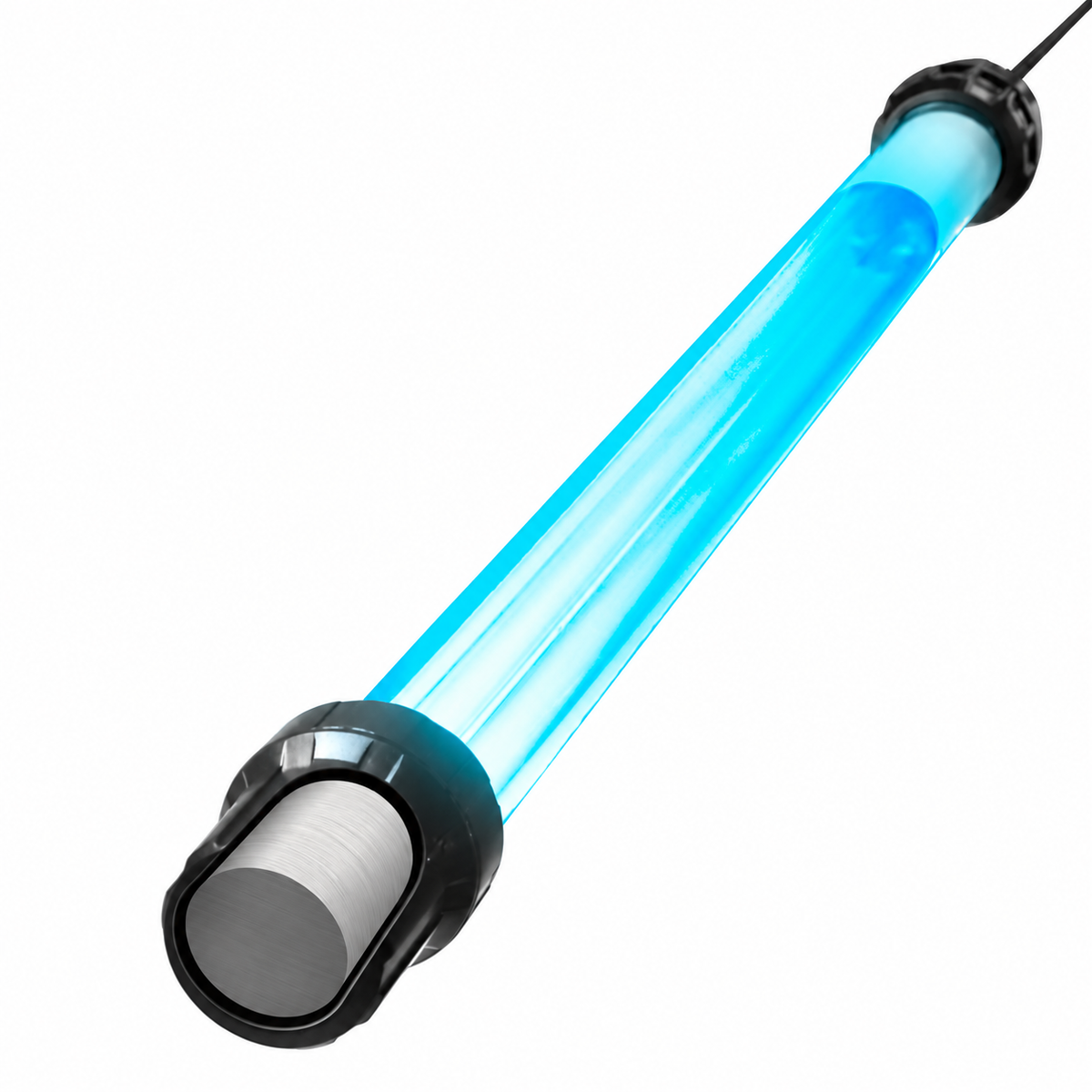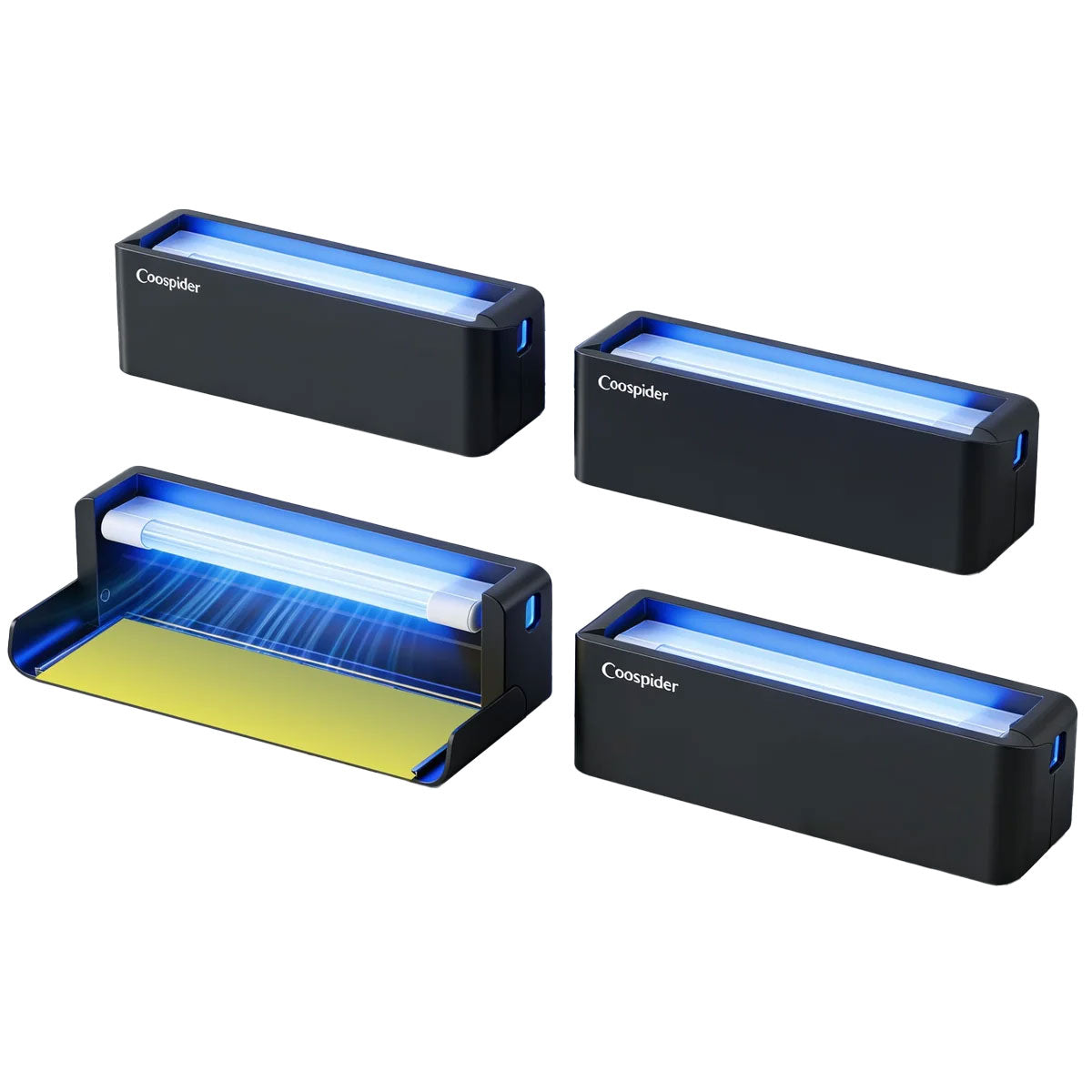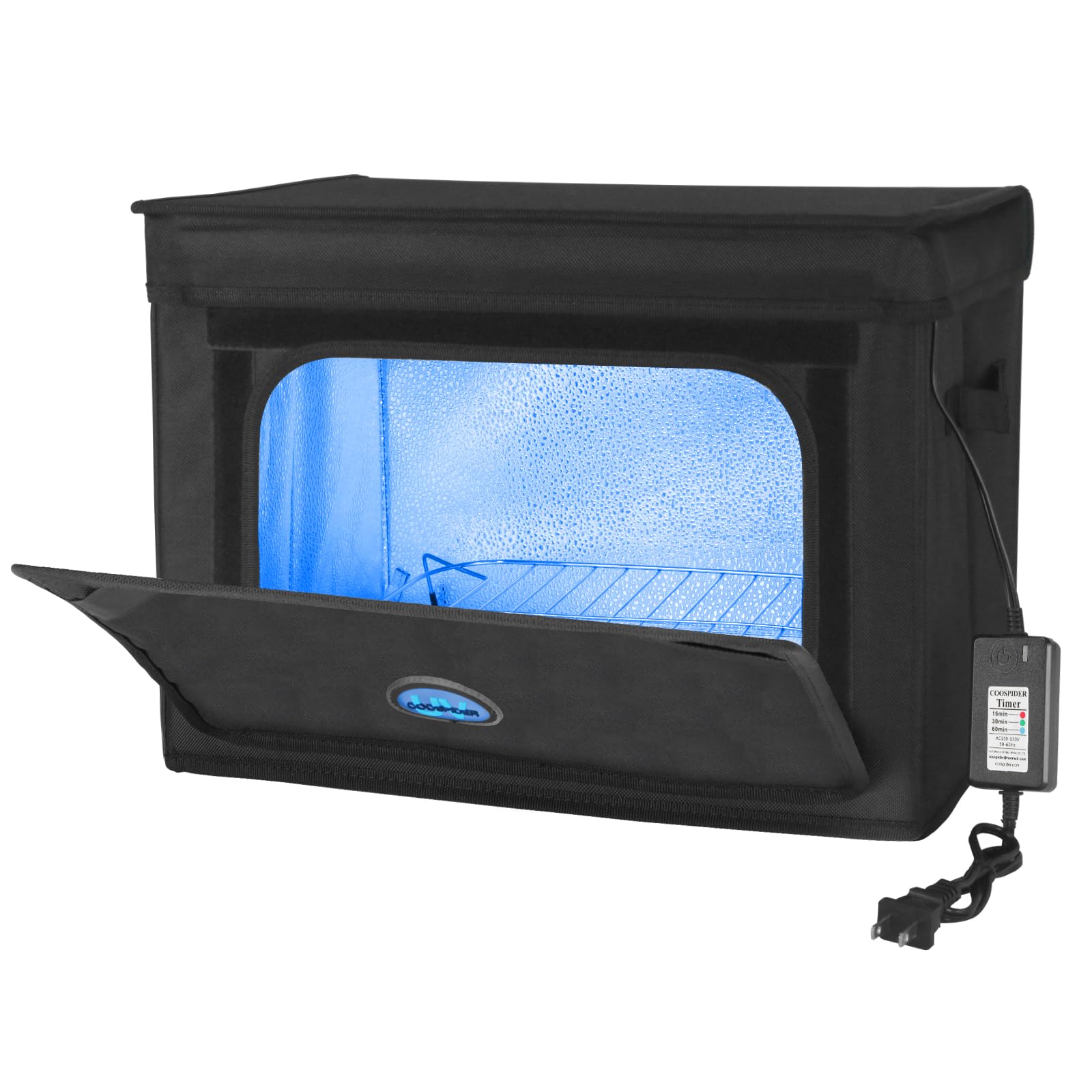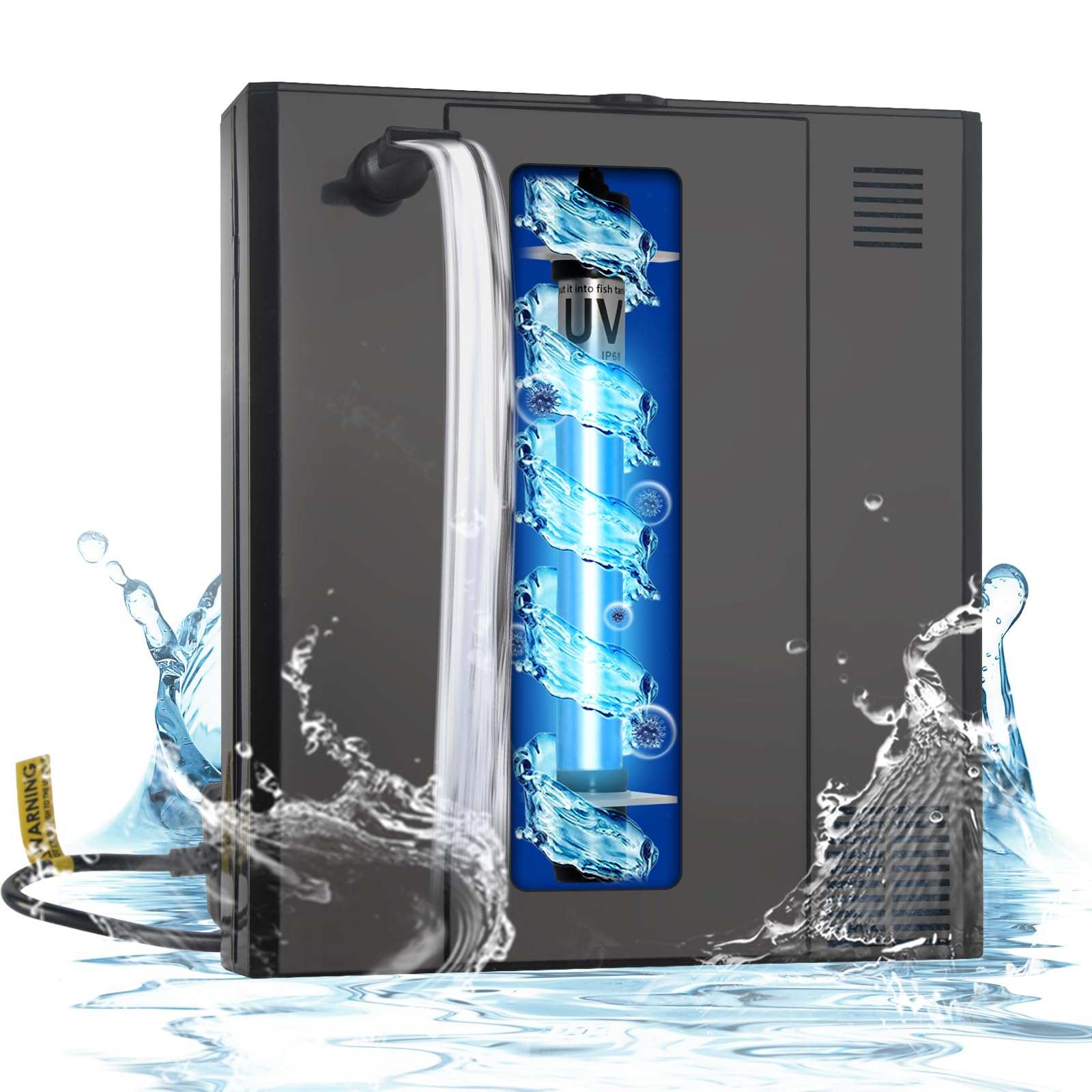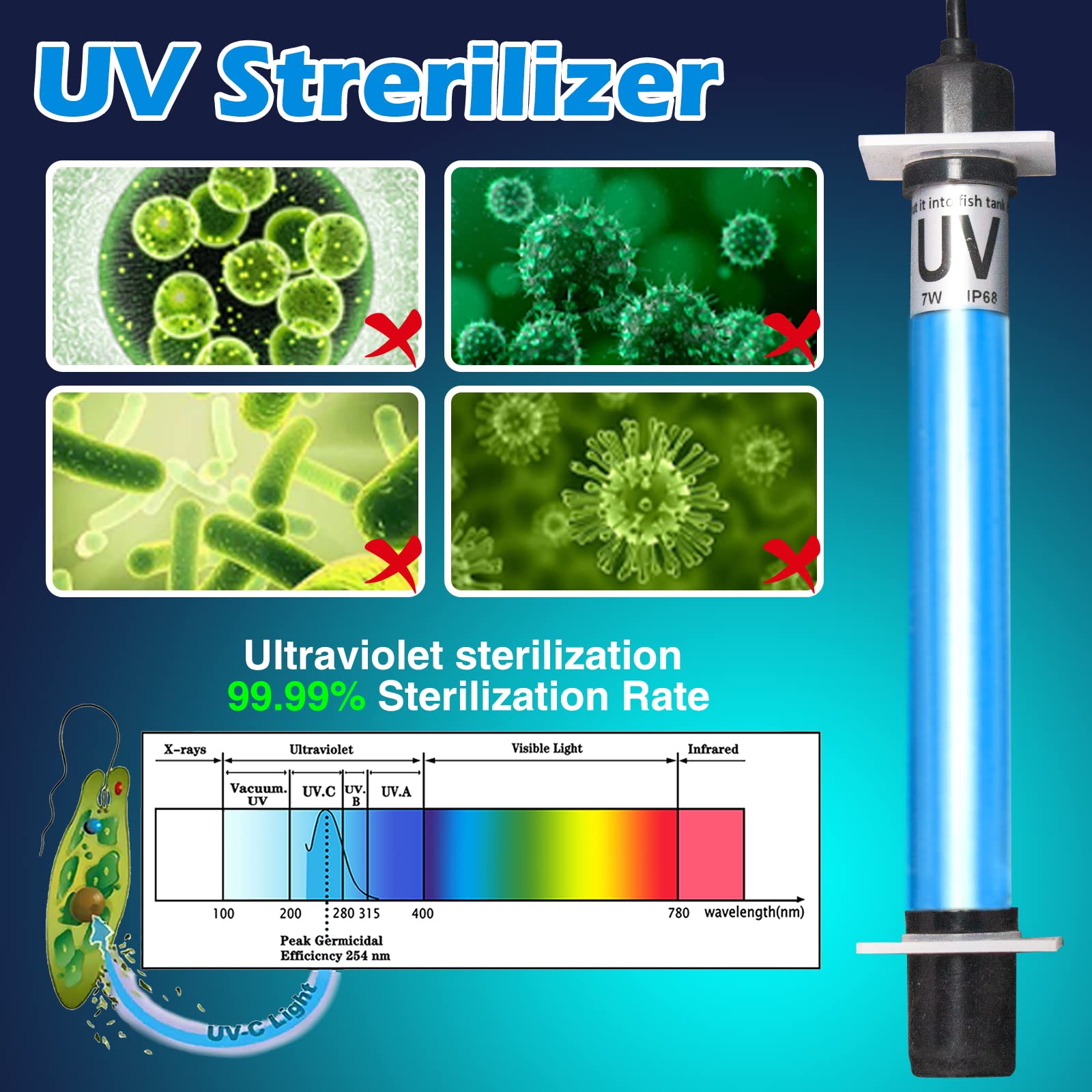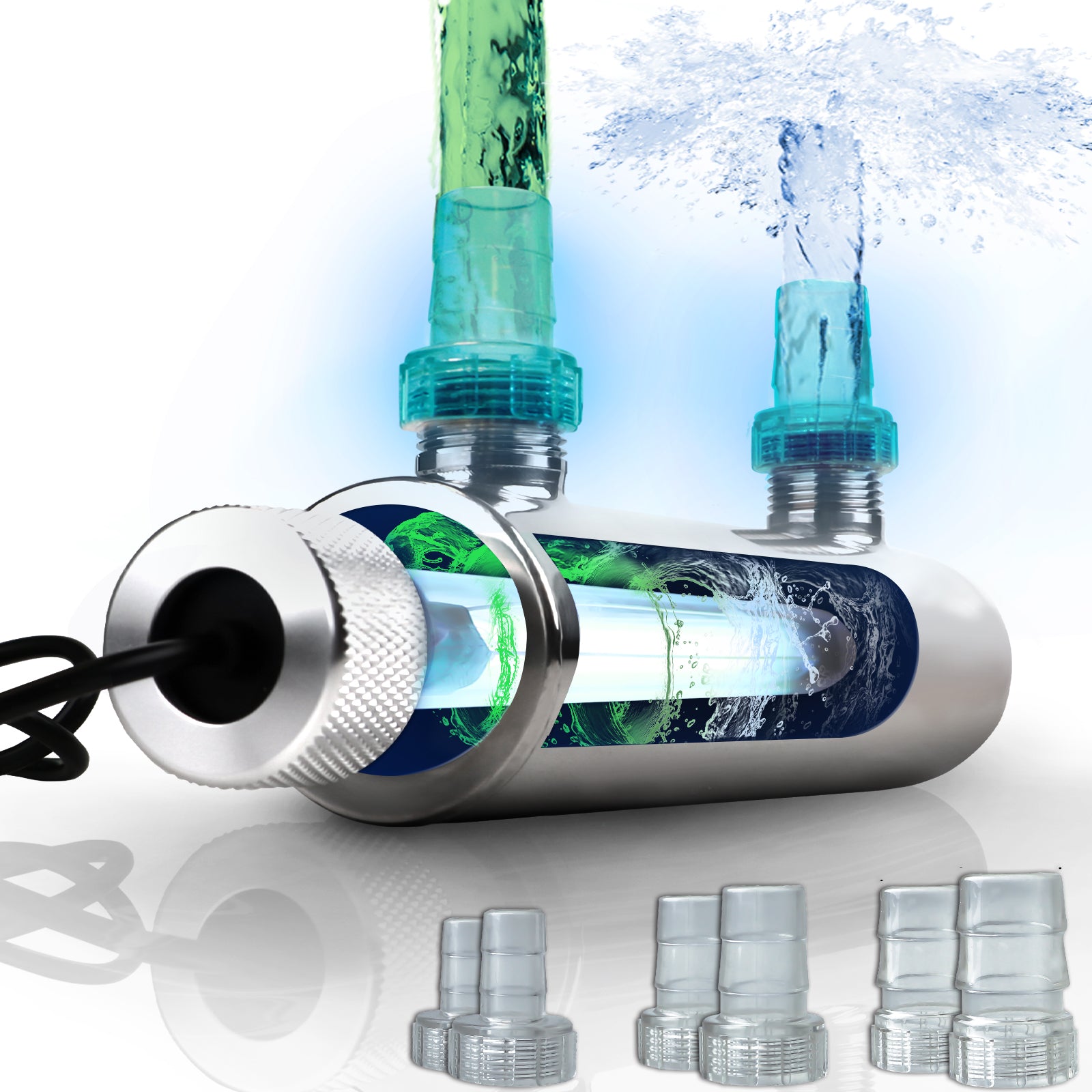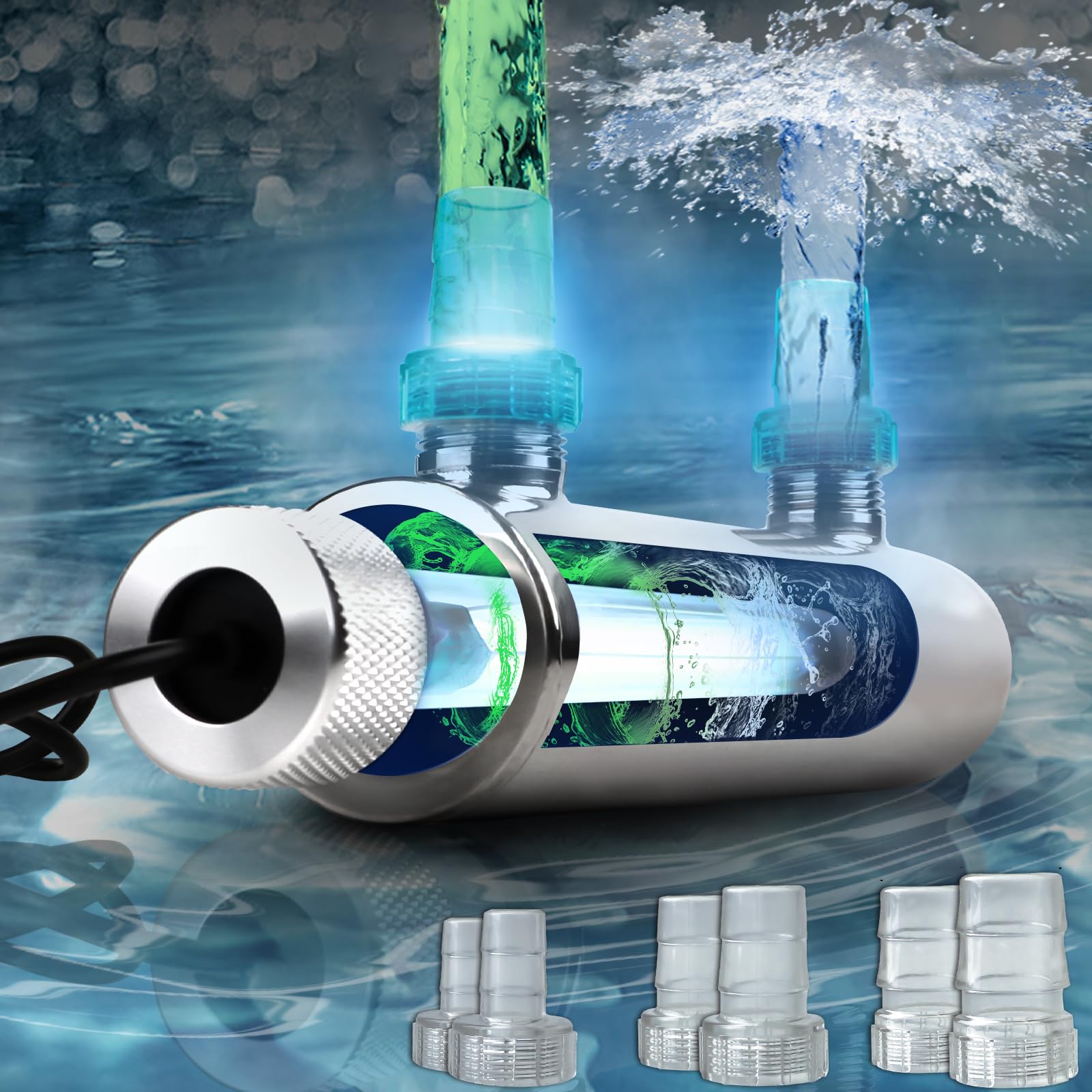
With the growing demand for cleaner living spaces and better hygiene solutions, ultraviolet (UV) disinfection lamps have attracted increasing attention among households, businesses, and professional users. Many people are interested in UV technology because it offers a convenient way to support sanitation in specific environments.
However, the market is filled with many different types of UV products, and not all of them provide the same level of safety, reliability, or performance. Some inexpensive products may appear attractive because of their low price, simple design, or impressive advertising claims. Yet when it comes to ultraviolet technology, choosing a product based only on cost can lead to unexpected problems.
A safe and reliable UV disinfection lamp is not defined by the lowest price or the strongest marketing message. Instead, it should be judged by its design quality, safety features, technical transparency, manufacturing standards, and user protection measures.
This guide explains what a trustworthy UV disinfection lamp looks like, which features deserve attention before purchasing, and how to avoid common mistakes when selecting a UV product for your home or workplace.
Why the Cheapest UV Lamps Are Not Always the Best Choice
When shopping for household products, many consumers naturally compare prices first. A lower price can seem attractive, especially when several products appear similar.
However, UV disinfection lamps are specialized devices. Their quality depends on factors that may not be obvious from appearance alone.
A low-cost UV lamp may have problems such as:
-
Poor-quality components
-
Inaccurate technical information
-
Weak safety protection
-
Unstable performance
-
Limited durability
-
Lack of user guidance
A product may look modern and affordable but still fail to provide the reliability expected from a safety-related device.
The true value of a UV disinfection lamp comes from the balance between:
-
Effective design
-
Safe operation
-
Reliable performance
-
Long-term durability
-
User protection
Choosing wisely helps ensure that the product works as intended while reducing unnecessary risks.
Understanding What Makes UV Disinfection Lamps Different
Unlike ordinary lighting products, UV lamps produce ultraviolet radiation.
Humans cannot see most ultraviolet wavelengths, but UV energy can still interact with biological materials.
This is why UV products require more careful design and operation.
A responsible UV disinfection lamp should consider:
-
Where the UV energy is directed
-
How users are protected
-
How operation is controlled
-
How accidental exposure is prevented
The goal of a high-quality product is not simply producing UV light. It is delivering useful performance while maintaining appropriate safety measures.
The First Sign of Quality: Clear and Accurate Product Information
A reliable UV lamp manufacturer should provide detailed information about the product.
Transparency is one of the strongest indicators of quality.
Before purchasing, look for information about:
-
UV wavelength
-
Intended application
-
Operating instructions
-
Safety precautions
-
Product specifications
-
Maintenance requirements
Be cautious with products that make vague claims such as:
-
“Maximum power”
-
“Professional-level results”
-
“Works instantly everywhere”
without explaining technical details.
A trustworthy product should help customers understand what it is designed to do and how to use it properly.
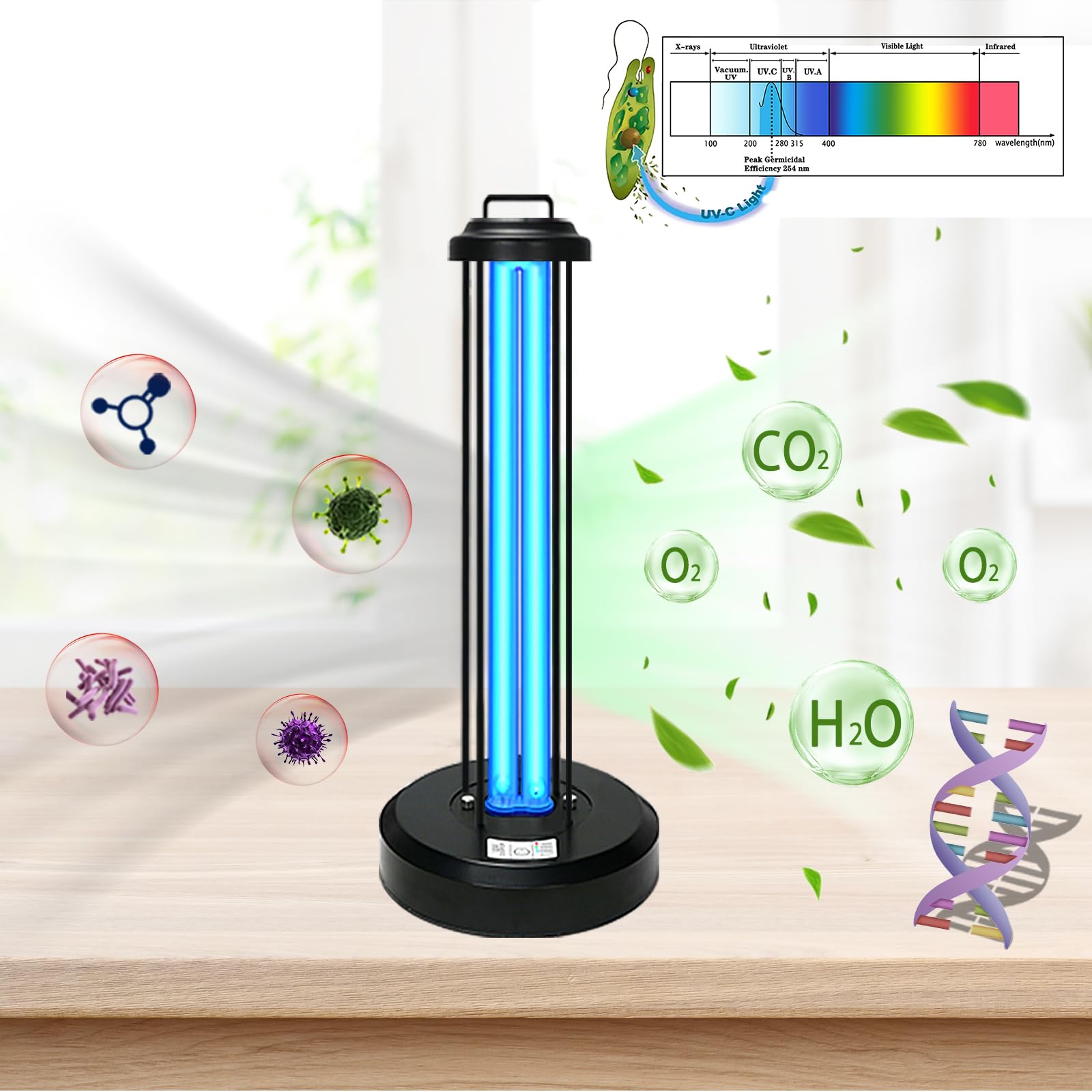
The Importance of Correct UV Wavelength Information
UV technology is not one-size-fits-all.
Different wavelengths have different characteristics and applications.
A quality UV lamp should clearly identify its wavelength range rather than simply using the general term “UV.”
Important details may include:
-
UV type
-
Wavelength information
-
Recommended usage environment
-
Operating limitations
Products without clear technical specifications make it difficult for buyers to evaluate whether they are suitable for their intended purpose.
A reliable manufacturer understands that informed customers make safer decisions.
The Second Sign of Quality: Built-In Safety Protection Features
A safe UV disinfection lamp should include features designed to reduce accidental exposure.
Safety features demonstrate that the manufacturer has considered real-world usage situations.
Important protective functions may include:
Automatic Shut-Off Function
A timer or automatic shut-off system is one of the most useful safety features.
It helps prevent:
-
Forgetting to turn off the device
-
Unnecessary operating time
-
Accidental extended exposure
A good UV lamp should allow users to control operation time according to the recommended instructions.
Automatic controls make the product easier and safer to manage.
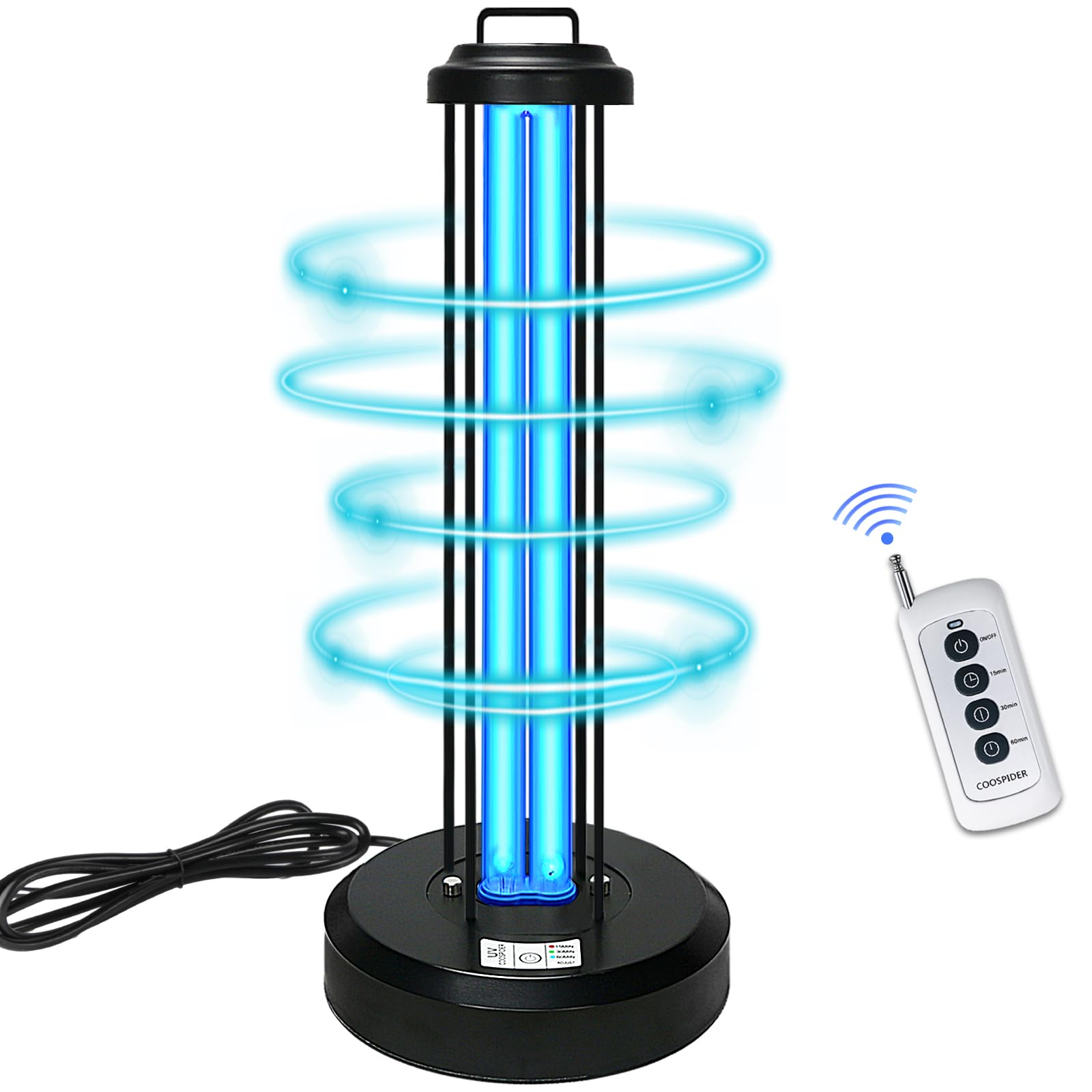
Remote Operation and Delayed Start
Some advanced UV products allow users to activate the device without standing directly beside it.
Useful functions may include:
-
Remote controls
-
Scheduled operation
-
Countdown settings
-
Delayed start
These features provide extra convenience while helping users leave the operating area before activation.
Motion Sensors and Human Detection
Certain UV products include sensors designed to detect movement or human presence.
These systems can help reduce the chance of accidental exposure.
For shared environments such as:
-
Offices
-
Commercial spaces
-
Public facilities
additional safety controls can provide valuable protection.
However, users should always follow operating instructions because technology should support safe habits rather than replace them.
Protective Housing and Shielded Design
The physical construction of a UV lamp is another important quality indicator.
A reliable product should have thoughtful structural design, such as:
-
Protective covers
-
Stable housing
-
Secure components
-
Controlled radiation direction
Poorly designed products may expose internal components unnecessarily or provide insufficient protection.
A professional UV device should look carefully engineered rather than simply assembled.
The Third Sign of Quality: Reliable Manufacturing and Materials
A safe UV lamp depends on more than electronic functions.
The quality of materials and manufacturing directly affects performance.
Important factors include:
-
Durable housing materials
-
Reliable internal components
-
Stable electrical design
-
Heat management
-
Long-term product reliability
A well-built product should remain consistent after repeated use.
Cheap materials may lead to:
-
Shorter product life
-
Performance instability
-
Increased maintenance needs
Quality construction is an investment in both safety and reliability.
The Fourth Sign of Quality: User-Friendly Operation
A reliable UV lamp should not be difficult to understand.
Complex operation increases the chance of mistakes.
A good product should provide:
-
Clear buttons
-
Easy-to-read indicators
-
Simple instructions
-
Visible operating status
Users should quickly understand:
-
When the device is active
-
When operation is complete
-
How to use safety features
Good design reduces confusion.
Warning Labels and Safety Instructions Matter
Professional manufacturers provide clear safety information.
Important warnings may include:
-
Avoid direct exposure
-
Keep children away
-
Follow recommended usage time
-
Do not misuse the device
These instructions are not unnecessary warnings. They are part of responsible product design.
A company that invests in safety education usually demonstrates greater attention to customer protection.
The Fifth Sign of Quality: Appropriate Certifications and Testing
Safety-related products should be supported by quality testing and compliance information.
Before purchasing, consider whether the manufacturer provides:
-
Product testing details
-
Safety documentation
-
Compliance information
-
Reliable customer support
Certifications and testing help demonstrate that a product has been evaluated according to recognized standards.
Consumers should be cautious about products that:
-
Have no manufacturer information
-
Lack safety documentation
-
Provide unclear specifications
Avoiding Common Mistakes When Buying UV Lamps
Many purchasing mistakes happen because buyers focus on appearance or price.
Understanding these mistakes can help you choose better.
Mistake One: Choosing Only Based on Price
A cheaper product is not always a better deal.
A low initial cost may lead to:
-
Shorter lifespan
-
Poor user experience
-
Lack of safety features
Consider overall value instead of only the purchase price.
Mistake Two: Believing Every UV Lamp Works the Same Way
Different UV products have different designs and applications.
A product suitable for one environment may not be appropriate for another.
Always consider:
-
Intended use
-
Space requirements
-
Safety needs
Mistake Three: Ignoring Safety Controls
Some buyers focus only on technical output and overlook protective features.
A quality UV lamp should balance performance with safety.
Mistake Four: Buying Products With Unrealistic Claims
Be careful with advertisements that promise:
-
Instant results
-
Universal effectiveness
-
No safety concerns
Responsible manufacturers provide realistic information and clear usage guidelines.
Mistake Five: Forgetting About After-Sales Support
Reliable companies usually provide:
-
Customer service
-
Product guidance
-
Warranty information
-
Replacement support
Support matters because users may need assistance after purchase.
Choosing a UV Disinfection Lamp for Different Environments
The best product depends on where it will be used.
For Home Use
Families should prioritize:
-
Simple operation
-
Strong safety controls
-
Clear instructions
-
Child protection features
A household product should be easy for responsible adults to manage.
For Offices and Commercial Spaces
Workplaces may benefit from:
-
Automated controls
-
Scheduling options
-
Access management
-
Durable construction
Shared environments require additional attention because multiple people interact with the space.
For Professional Applications
Professional users may require:
-
Advanced specifications
-
Higher-level controls
-
Specialized safety procedures
Professional equipment should always be operated according to appropriate guidelines.
How to Inspect a UV Lamp Before Purchase
Before buying, review the following checklist.
Product Information
Check:
-
Is the wavelength clearly listed?
-
Is the intended use explained?
-
Are safety instructions available?
Safety Features
Check:
-
Does it have automatic shut-off?
-
Are there protective controls?
-
Is operation clearly indicated?
Build Quality
Check:
-
Does the housing feel durable?
-
Are components well protected?
-
Does the product appear professionally manufactured?
Customer Support
Check:
-
Is technical support available?
-
Is warranty information provided?
-
Can questions be answered clearly?
Proper Maintenance for Long-Term Safety
Even a high-quality UV lamp requires proper care.
Good maintenance practices include:
-
Cleaning according to instructions
-
Checking components regularly
-
Keeping protective parts intact
-
Storing the device properly
-
Replacing parts when necessary
Maintenance helps preserve performance and safety over time.
The Real Difference Between Cheap and Reliable UV Products
The difference between a cheap UV lamp and a reliable UV lamp is not always visible at first glance.
The real differences often appear in:
-
Engineering quality
-
Safety design
-
Material selection
-
Product testing
-
User experience
A trustworthy UV lamp is designed with the entire usage process in mind.
It considers not only how the device works, but also how people interact with it.
Final Thoughts
When choosing a UV disinfection lamp, price should never be the only deciding factor. A truly reliable product is built around safety, transparency, quality materials, and thoughtful design.
The best UV lamps include clear technical information, effective safety controls, durable construction, and user-friendly operation. They help users achieve their intended purpose while reducing unnecessary risks.
A cheap product may save money at the beginning, but a well-designed UV lamp provides greater confidence, better performance, and stronger long-term value.
Before making a purchase, look beyond appearance and advertising. Examine the details that define real quality—the safety features, manufacturing standards, operating controls, and support behind the product.
Choosing a reliable UV disinfection lamp is not only about buying a device. It is about creating a safer and more responsible environment.