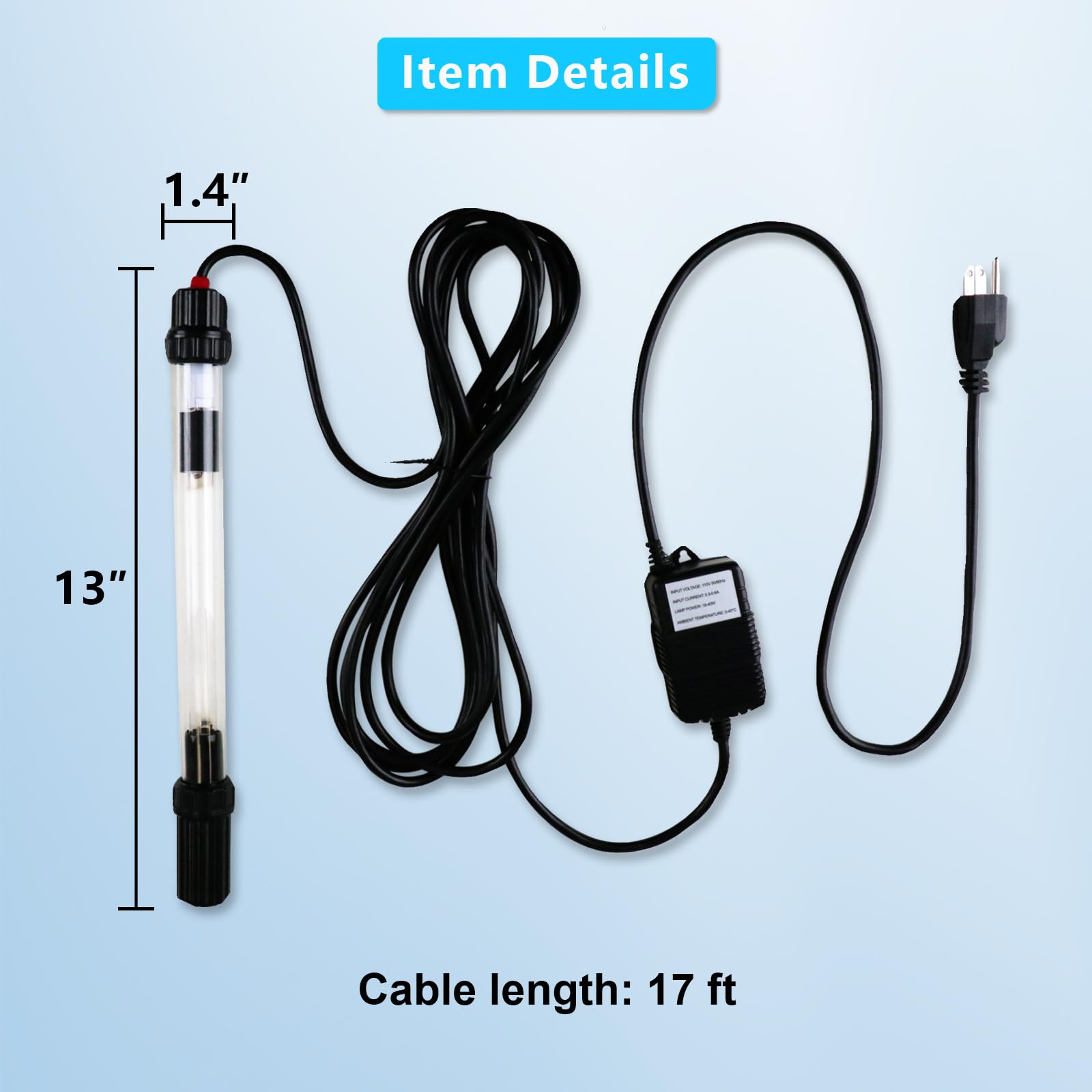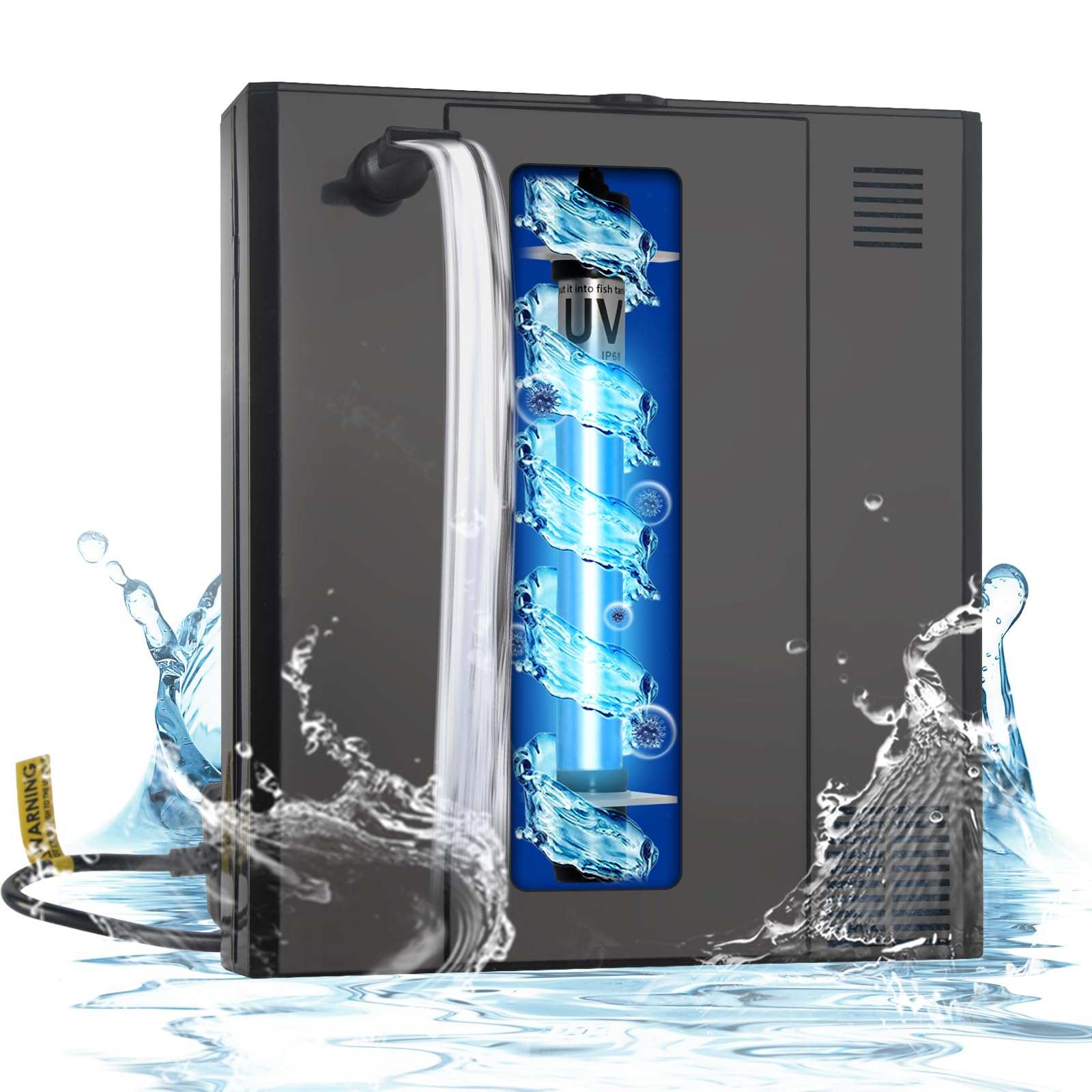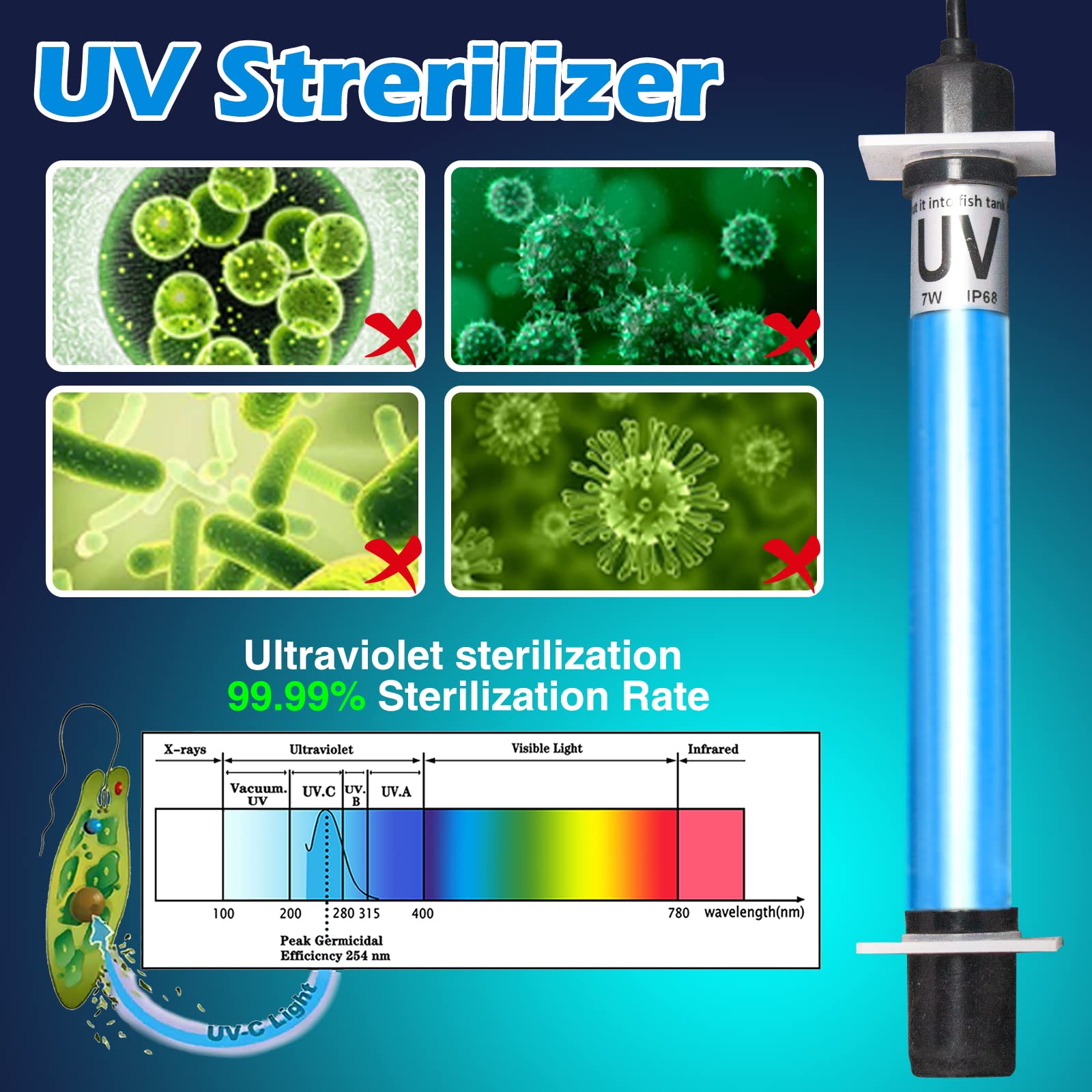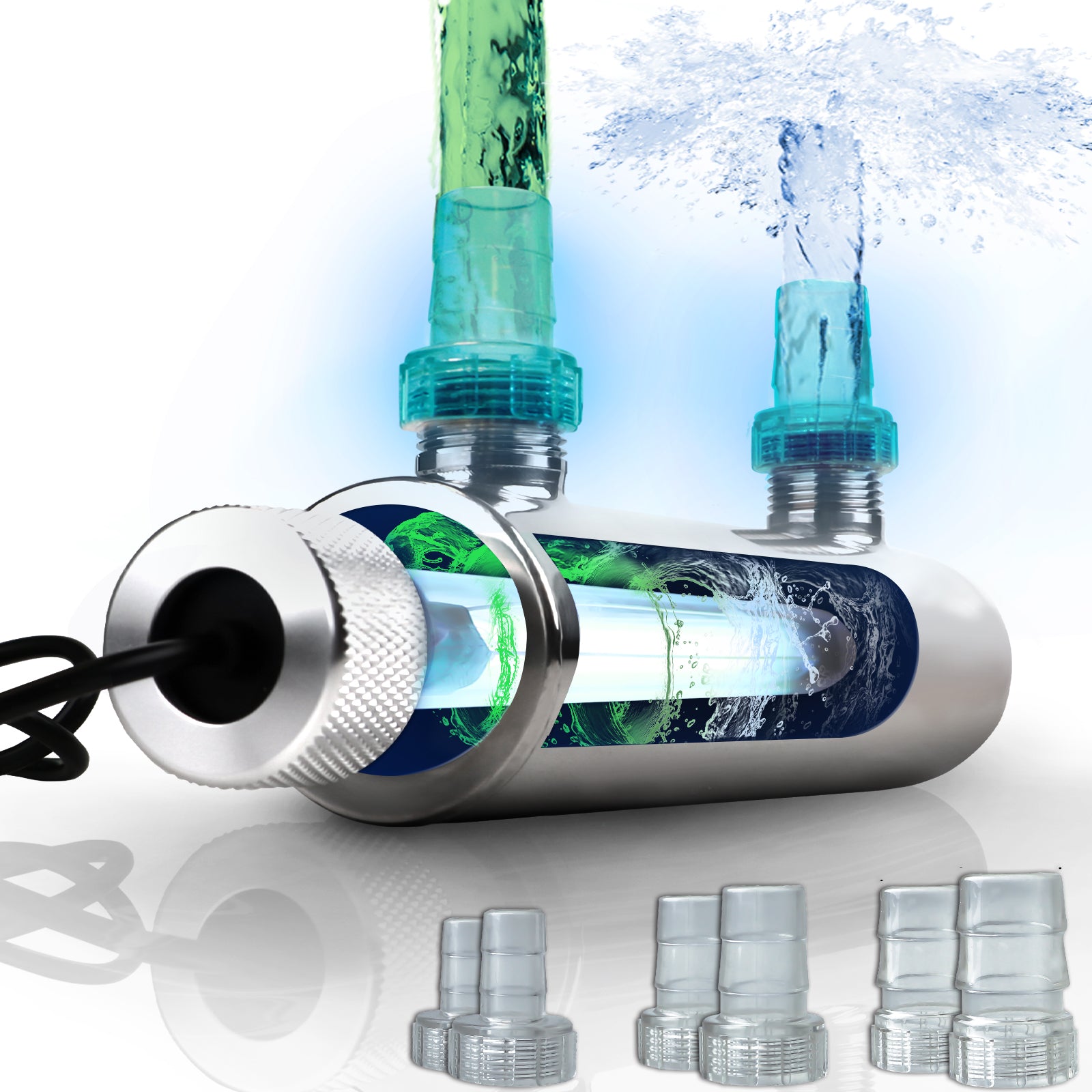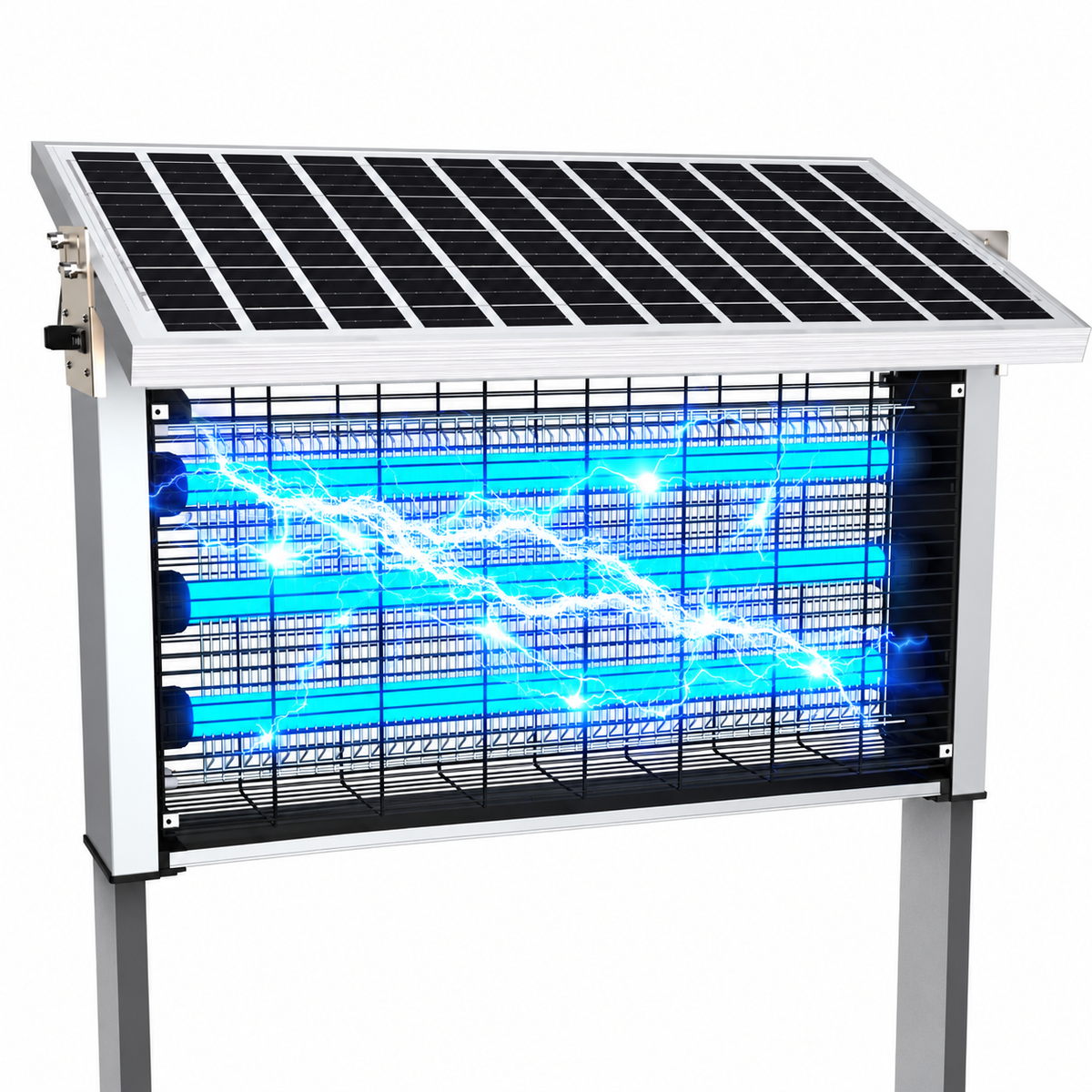
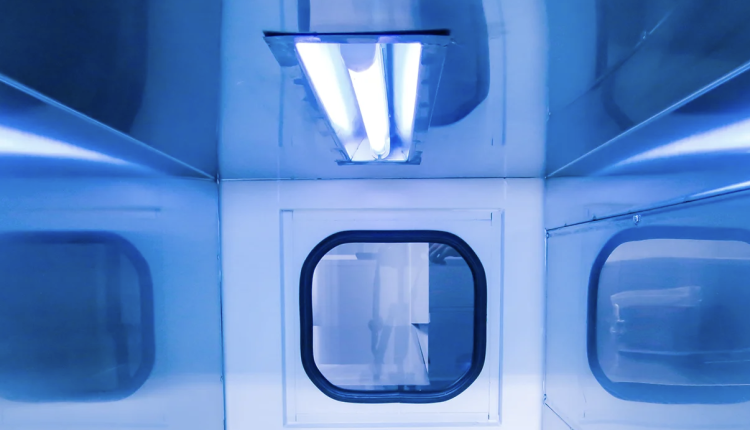
High-power UV lamps are essential components in modern industrial processes such as UV curing, printing, coating, disinfection, semiconductor manufacturing, and precision electronics. When these systems fail or degrade, operators face a difficult decision:
Should the UV lamp be repaired—or replaced entirely?
This is not a simple maintenance question. It is a financial, technical, and operational decision that directly affects production uptime, product quality, and long-term equipment costs.
In this guide, we’ll break down a structured approach to evaluating repair versus replacement for high-power UV lamps, helping you make informed, cost-effective decisions without unnecessary downtime or overspending.
1. Why High-Power UV Lamps Are a Critical Asset
High-power UV systems are not generic light sources. They are precision-engineered industrial tools designed to deliver controlled ultraviolet energy at specific wavelengths and intensities.
They are commonly used in:
-
UV curing systems (inks, coatings, adhesives)
-
Printing and packaging lines
-
Medical sterilization systems
-
Electronics manufacturing
-
Optical bonding processes
Because of their role in process integrity, any instability in UV output can immediately affect product quality.
1.1 The Cost of UV System Failure
When a UV lamp underperforms or fails, the consequences may include:
-
Production line stoppage
-
Increased defect rates
-
Rework or scrap costs
-
Delivery delays
-
Customer complaints or returns
In high-volume environments, even a few hours of downtime can result in significant financial losses.
2. Understanding UV Lamp Degradation vs. Failure
Before deciding whether to repair or replace, it’s essential to distinguish between degradation and failure.
2.1 Gradual Degradation
Most UV systems degrade over time due to:
-
LED aging or electrode wear
-
Optical contamination
-
Heat stress
-
Power instability
-
Cooling inefficiency
Symptoms include:
-
Reduced UV intensity
-
Uneven curing performance
-
Longer exposure time required
-
Increased energy consumption
2.2 Sudden Failure
Sudden failures are less common but more severe:
-
Driver board burnout
-
Power supply failure
-
Cooling system collapse
-
Optical module damage
-
Control system malfunction
These usually result in immediate shutdown or unusable output.
3. The Core Decision Framework: Repair vs. Replace
To evaluate cost-effectiveness, you need a structured decision model rather than instinct-based judgment.
A practical framework includes four dimensions:
-
Technical condition
-
Repair cost vs. replacement cost
-
Remaining service life
-
Operational risk
4. Technical Evaluation: What Condition Is the UV Lamp In?
The first step is a detailed technical diagnosis.
4.1 Optical Output Assessment
Measure:
-
UV intensity distribution
-
Uniformity across output area
-
Wavelength stability
If output variation exceeds acceptable tolerance, deeper system issues may exist.
4.2 Thermal Performance Analysis
Check:
-
Heat dissipation efficiency
-
Temperature distribution
-
Cooling system stability
Overheating often indicates systemic degradation, not isolated failure.
4.3 Electrical System Inspection
Evaluate:
-
Power supply stability
-
Driver board condition
-
Current and voltage fluctuations
Electrical instability often signals aging components.
4.4 Mechanical and Structural Condition
Inspect:
-
Housing integrity
-
Reflector condition
-
Optical lens contamination
-
Fan and airflow channels
5. Repair Cost Analysis: What Are You Really Paying For?
Repair costs are not just parts—they include hidden operational expenses.
5.1 Direct Costs
-
Replacement parts (LED modules, drivers, fans)
-
Labor costs
-
Calibration services
-
Diagnostic tools
5.2 Indirect Costs
-
Production downtime
-
Reduced output efficiency
-
Temporary workaround solutions
-
Quality fluctuations during repair period
5.3 Risk Costs
-
Possibility of repeat failure
-
Partial repair effectiveness
-
Shortened post-repair lifespan
6. Replacement Cost Analysis: More Than Just Buying New Equipment
Replacement also involves multiple cost layers.
6.1 Equipment Cost
-
New UV lamp system purchase
-
Optional upgrades (higher efficiency models)
6.2 Integration Cost
-
Installation
-
System calibration
-
Software integration with existing production lines
6.3 Transition Downtime
-
Production line interruption
-
Operator training
-
System testing phase
7. The Key Metric: Total Cost of Ownership (TCO)
The most important concept in this decision is Total Cost of Ownership.
TCO includes:
-
Purchase or repair cost
-
Energy consumption
-
Maintenance frequency
-
Downtime impact
-
Expected lifespan
A cheaper repair may have a higher long-term TCO if it leads to repeated failures.
8. When Repair Makes More Sense
Repair is often the better choice in these scenarios:
8.1 Minor Component Failure
Examples:
-
Fan replacement
-
Driver board repair
-
Sensor recalibration
If core UV modules are intact, repair is usually cost-effective.
8.2 Early-Life Equipment
If the UV lamp is:
-
Less than 30–40% through its expected lifespan
-
Previously well-maintained
Repair is generally more economical.
8.3 Isolated Fault Conditions
If the issue is clearly localized:
-
One module failure
-
Single cooling zone issue
-
Minor optical contamination
Repair is highly recommended.
8.4 Budget-Constrained Operations
When capital expenditure is limited, repair allows:
-
Continued operation
-
Deferred replacement planning
9. When Replacement Is the Better Choice
Replacement becomes more cost-effective under certain conditions.
9.1 End-of-Life Systems
If the UV system:
-
Exceeds its expected service life
-
Has recurring failures
replacement is often inevitable.
9.2 Widespread System Degradation
If multiple components are failing simultaneously:
-
LED modules
-
Cooling system
-
Control electronics
Repair becomes inefficient and temporary.
9.3 Obsolete Technology
Older systems may:
-
Lack spare parts availability
-
Consume more energy
-
Deliver lower UV efficiency
In such cases, upgrading improves long-term performance.
9.4 High Downtime Costs
If production losses exceed repair savings:
-
Replacement minimizes long-term disruption
-
Faster stabilization of operations
10. Performance vs. Cost Trade-Off Analysis
A structured comparison helps clarify the decision:
10.1 Repair Scenario
-
Lower immediate cost
-
Faster turnaround (in some cases)
-
Risk of recurring issues
-
Limited performance improvement
10.2 Replacement Scenario
-
Higher upfront cost
-
Longer installation time
-
Improved efficiency
-
Longer service life
-
Lower maintenance frequency
11. Hidden Factors Often Overlooked
11.1 Energy Efficiency
New UV systems often consume significantly less power, reducing long-term operating costs.
11.2 Production Quality Stability
New equipment provides:
-
More consistent UV output
-
Better process control
-
Reduced defect rates
11.3 Maintenance Accessibility
Modern systems are often:
-
Easier to service
-
Equipped with diagnostics
-
Designed for modular replacement
11.4 Spare Parts Availability
Older systems may suffer from:
-
Long lead times
-
Discontinued components
-
Increased sourcing difficulty
12. A Practical Decision Matrix
You can simplify the decision using this logic:
Choose Repair if:
-
Failure is isolated
-
Equipment is mid-life
-
Repair cost < 30–40% of replacement
-
Downtime impact is manageable
Choose Replacement if:
-
Multiple systems are failing
-
Equipment is near end-of-life
-
Energy inefficiency is significant
-
Repair costs exceed long-term value
-
Downtime risk is critical
13. Case Example: Industrial UV Curing Line Decision
In a real production scenario:
-
UV lamp showed uneven curing
-
Cooling system partially degraded
-
Driver modules intermittently failing
Option A: Repair
-
Cost: moderate
-
Expected lifespan extension: 6–12 months
-
Risk of repeated failure: high
Option B: Replace
-
Cost: high upfront
-
Expected lifespan: 5+ years
-
Efficiency improvement: 20–30%
-
Downtime reduction: significant
Final decision favored replacement due to long-term stability needs.
14. Maintenance Strategy to Delay Replacement
Even when replacement is inevitable, proper maintenance can extend service life.
14.1 Thermal Management
-
Clean cooling channels regularly
-
Monitor fan performance
-
Avoid overheating cycles
14.2 Optical Maintenance
-
Clean lenses and reflectors
-
Prevent dust accumulation
-
Maintain uniform UV output
14.3 Electrical Monitoring
-
Track voltage stability
-
Monitor driver performance
-
Detect early warning signals
14.4 Scheduled Calibration
-
Regular UV intensity mapping
-
System alignment checks
-
Output consistency testing
15. Final Thoughts: Making the Smart Economic Decision
Deciding between repairing and replacing a high-power UV lamp is not just a technical judgment—it is a strategic business decision.
Repair is valuable when issues are localized, costs are low, and the system still has significant remaining life. Replacement becomes the smarter choice when failures become systemic, efficiency declines, or downtime risk grows too high.
The most effective approach is not reactive but analytical:
-
Evaluate total cost of ownership
-
Consider long-term operational impact
-
Balance short-term savings against long-term stability
In industrial environments, the cheapest option today is not always the most cost-effective choice tomorrow. The right decision is the one that ensures stable production, consistent quality, and predictable performance over time.