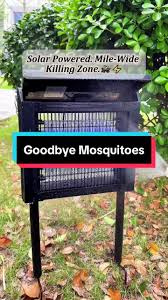
Mosquitoes can turn even the most beautiful backyard into an unbearable space. Whether you're hosting a summer barbecue, enjoying a quiet evening, or letting your kids play outside, these tiny pests can quickly ruin the experience. Beyond being annoying, mosquitoes also pose health risks by transmitting diseases, making effective control not just a comfort issue but a safety priority.
If you’ve tried sprays, candles, or quick fixes and found they only work temporarily, you’re not alone. The truth is that lasting mosquito control requires a system—not a single product. In this guide, you’ll learn how to build a comprehensive, long-term mosquito management plan using five strategic steps that address the root causes of infestations.
Why Mosquito Control Requires a System
Before diving into the steps, it’s important to understand why mosquitoes are so persistent.
Mosquitoes breed rapidly. A single female can lay hundreds of eggs in small amounts of standing water, and those eggs can hatch in as little as 24–48 hours under ideal conditions. This means that unless you interrupt their lifecycle at multiple points, new generations will continue to emerge.
A long-lasting solution focuses on three core principles:
-
Eliminating breeding sites
-
Reducing adult mosquito populations
-
Creating barriers to prevent new mosquitoes from entering your space
With that in mind, let’s build your 5-step system.
Step 1: Eliminate Standing Water (Stop the Problem at Its Source)
The most effective way to reduce mosquito populations is to eliminate their breeding grounds.
Where Mosquitoes Breed
Mosquitoes don’t need large ponds or lakes. They can reproduce in surprisingly small amounts of water, including:
-
Flower pot saucers
-
Birdbaths
-
Clogged gutters
-
Old tires
-
Buckets and containers
-
Tarps and outdoor covers
-
Kiddie pools
-
Low spots in your yard
Even a bottle cap filled with water can support mosquito larvae.
What You Should Do
Start with a weekly inspection routine:
-
Dump out any standing water
-
Scrub containers to remove eggs stuck to surfaces
-
Keep gutters clean and flowing
-
Fill low areas in your yard with soil or gravel
-
Store items upside down or under cover
Pro Tip
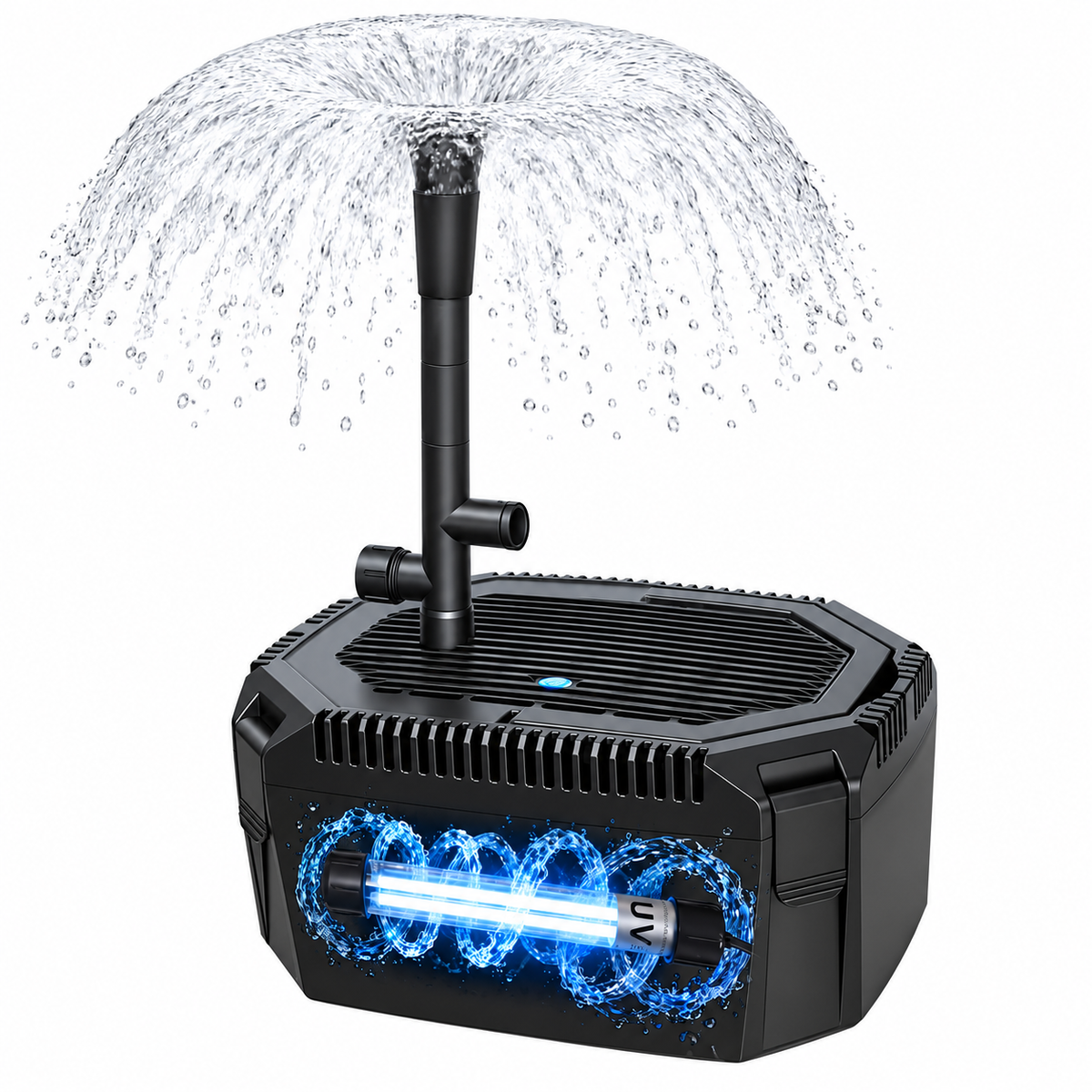
If you have water features like ponds or fountains, keep the water moving. Mosquitoes prefer still water, so circulation can significantly reduce breeding.
Step 2: Treat Water You Can’t Remove
Some water sources are unavoidable—like decorative ponds, rain barrels, or drainage areas. In these cases, treatment is essential.
Use Larvicides
Larvicides target mosquito larvae before they become flying adults. They are one of the most efficient tools in a long-term strategy.
Common options include:
-
Mosquito dunks (containing bacteria that kill larvae)
-
Liquid larvicides
-
Slow-release pellets
These products are designed to be safe for humans, pets, and wildlife when used correctly.
How to Apply
-
Place dunks in standing water that cannot be drained
-
Reapply according to the product’s schedule (usually every 30 days)
-
Use in rain barrels, ponds, and drainage areas
Why This Works
By stopping mosquitoes in their larval stage, you prevent future populations from ever taking flight.
Step 3: Reduce Adult Mosquito Populations
Once you’ve addressed breeding sites, it’s time to target adult mosquitoes.
Use Outdoor Traps
Mosquito traps can significantly reduce the number of biting insects in your yard. Many traps work by mimicking human breath (carbon dioxide) and body heat to lure mosquitoes.
Place traps strategically:
-
In shaded areas
-
Near vegetation where mosquitoes rest
-
Away from seating areas (to draw them away from people)
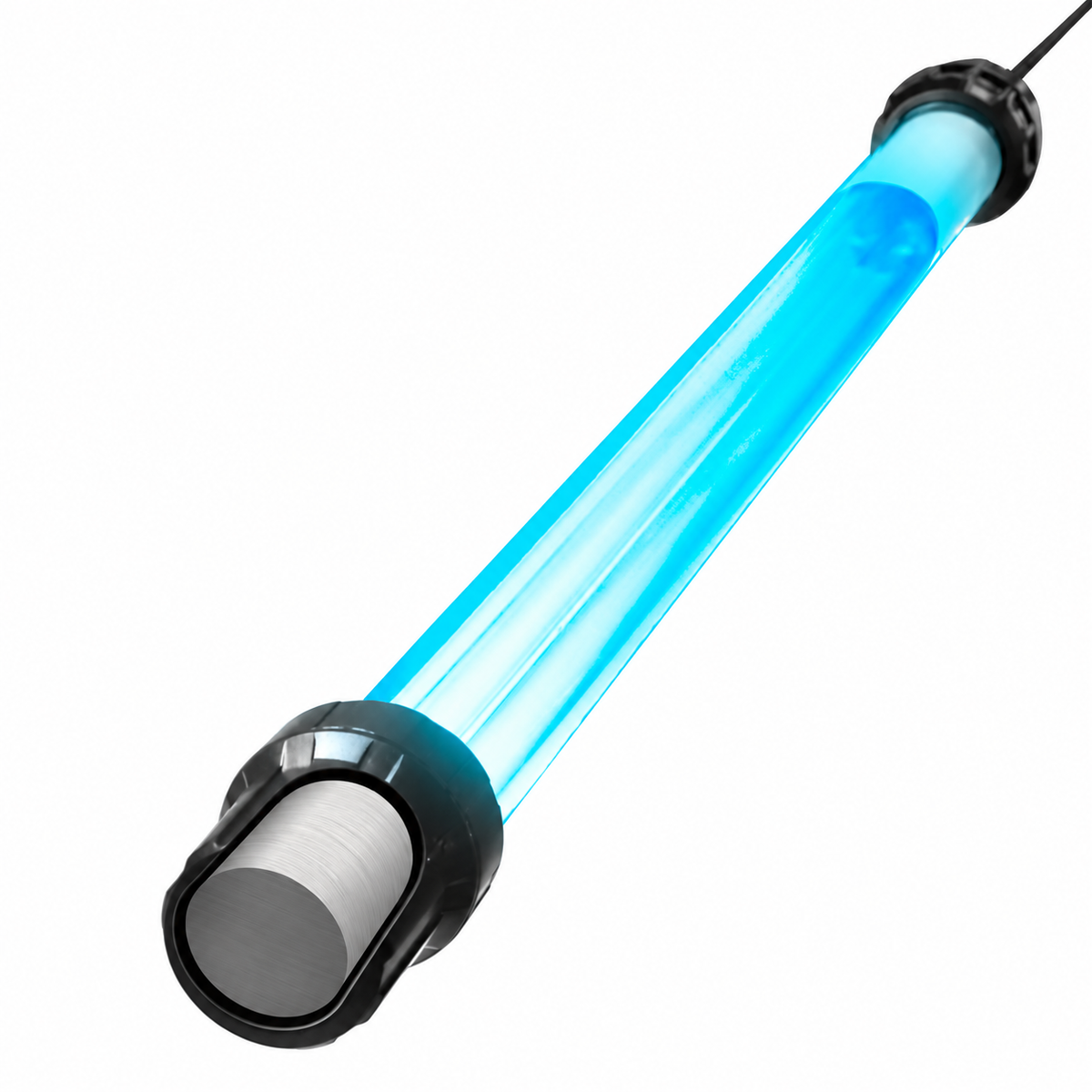
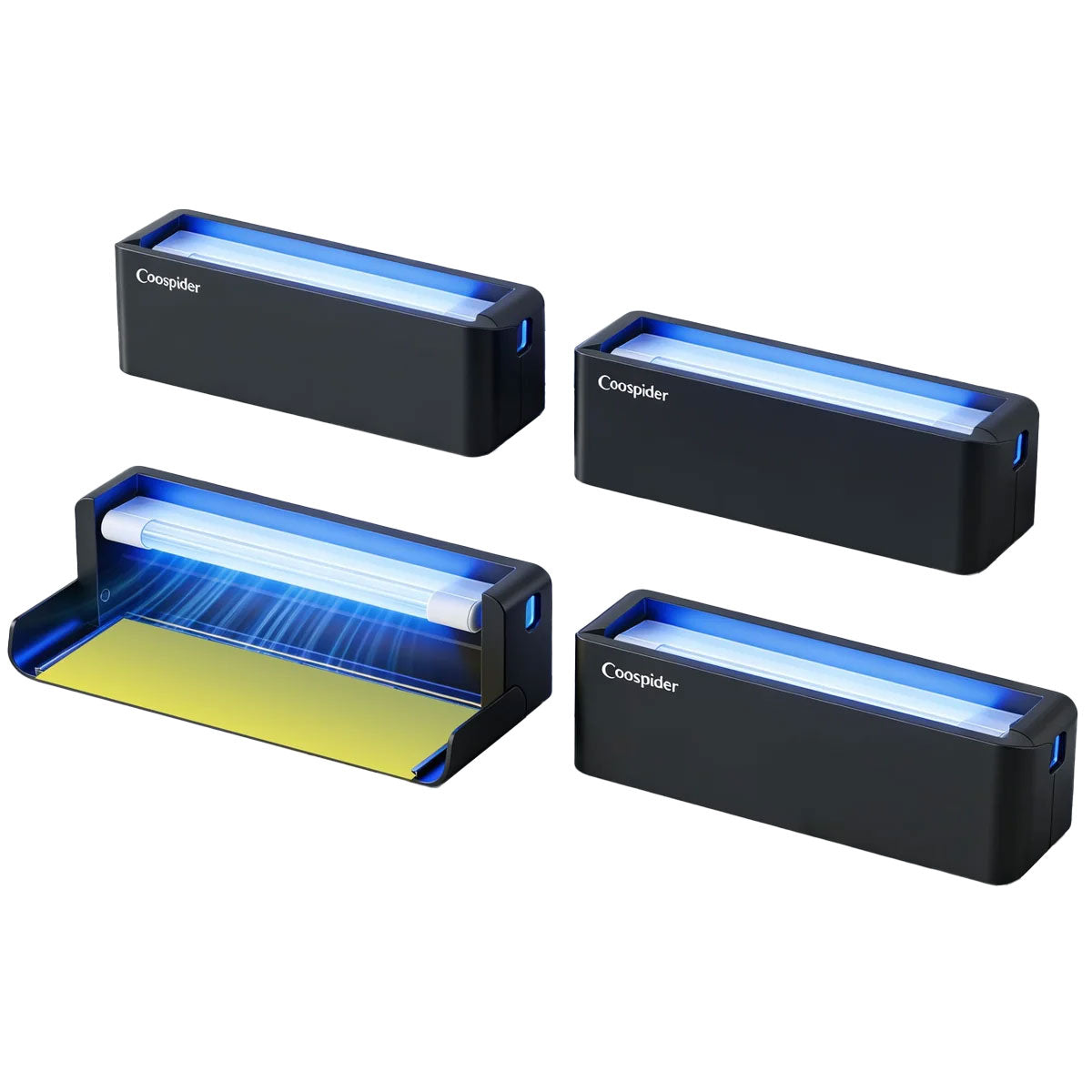
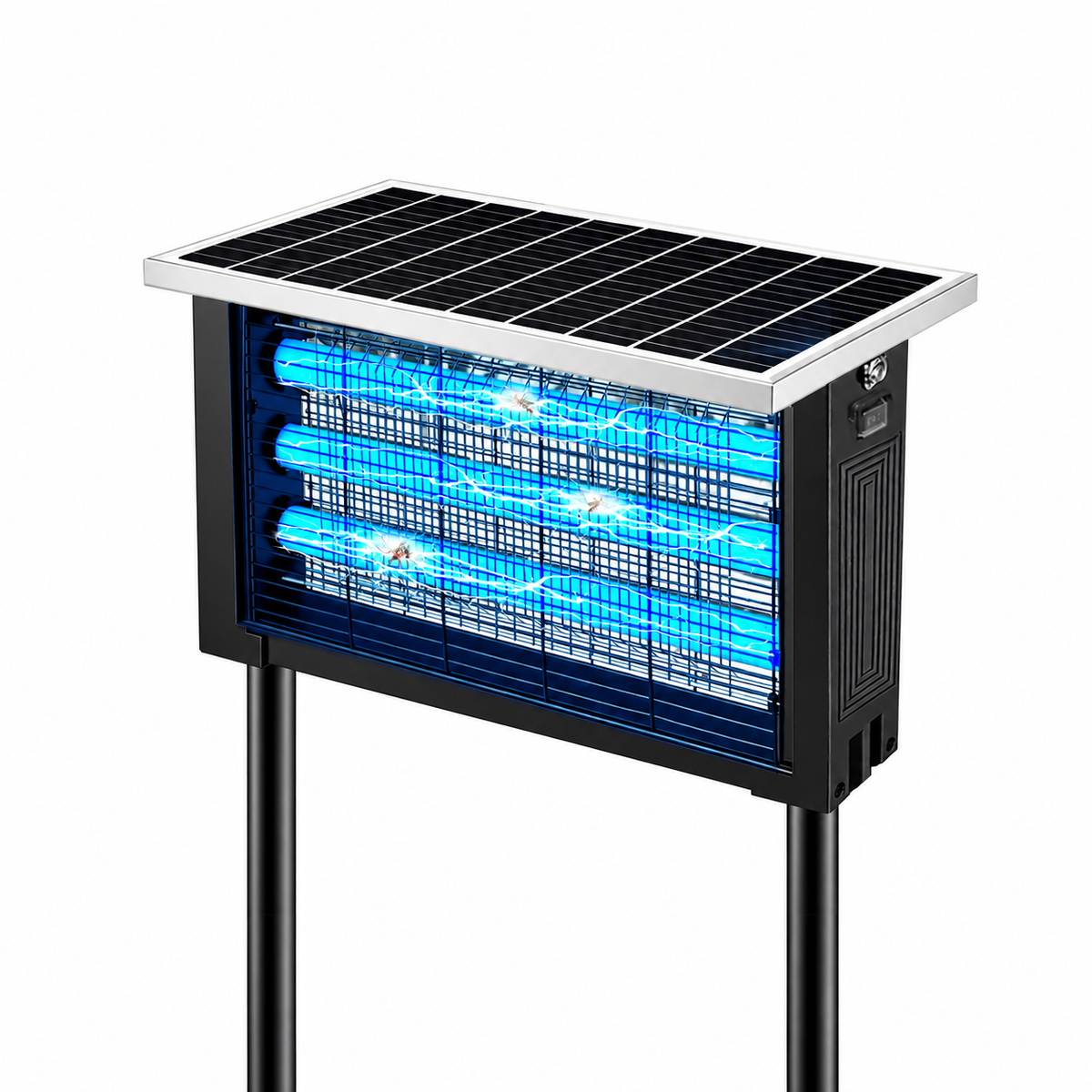
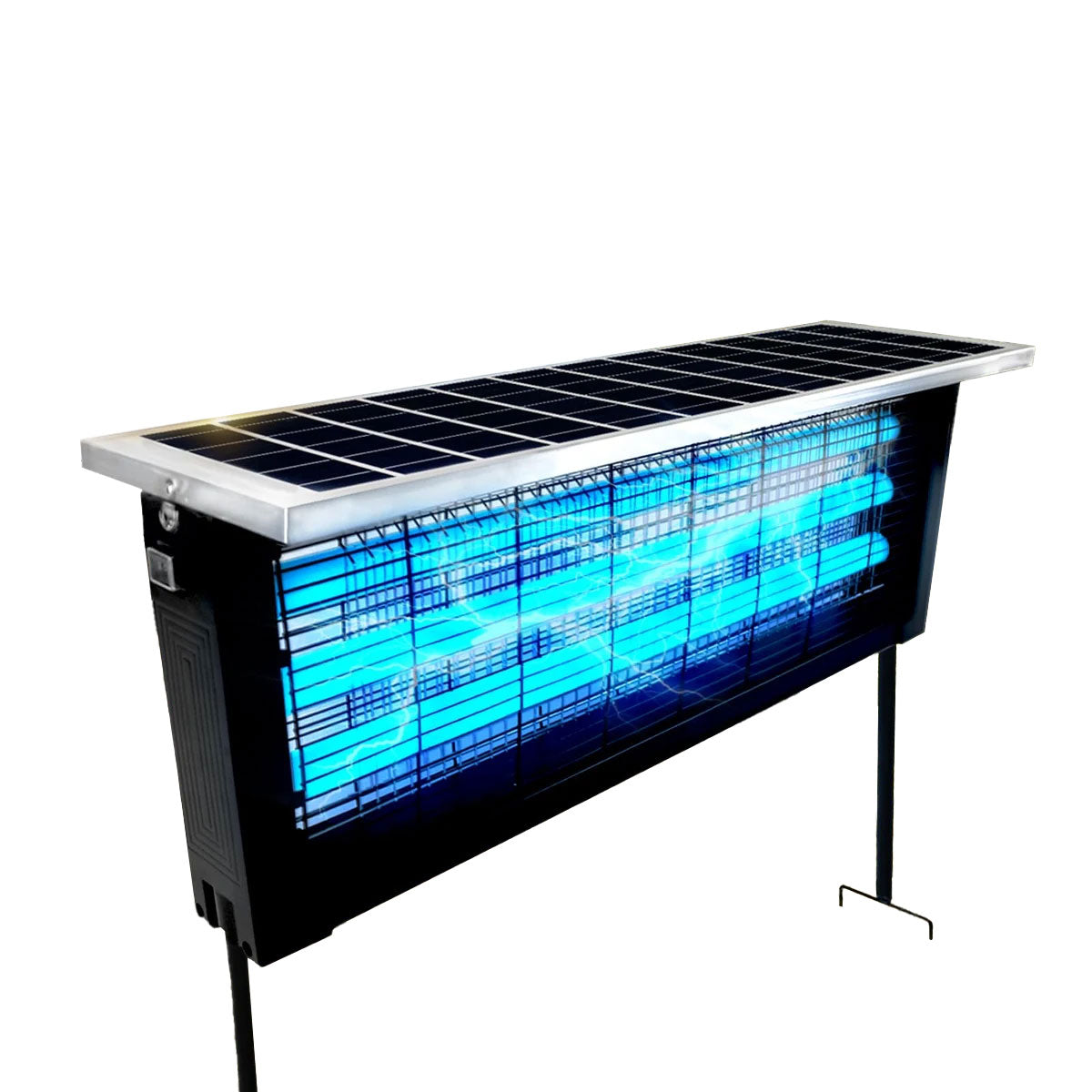
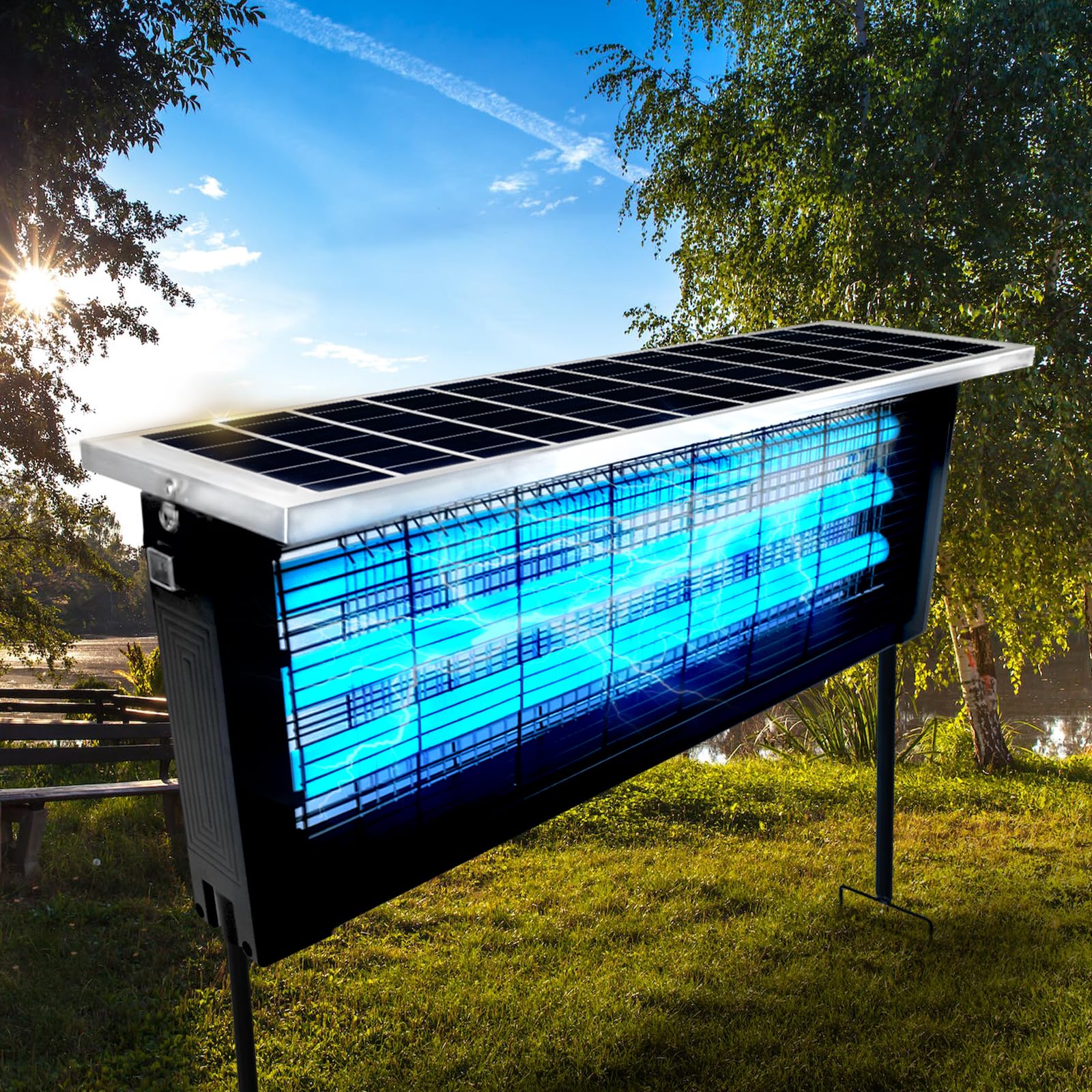
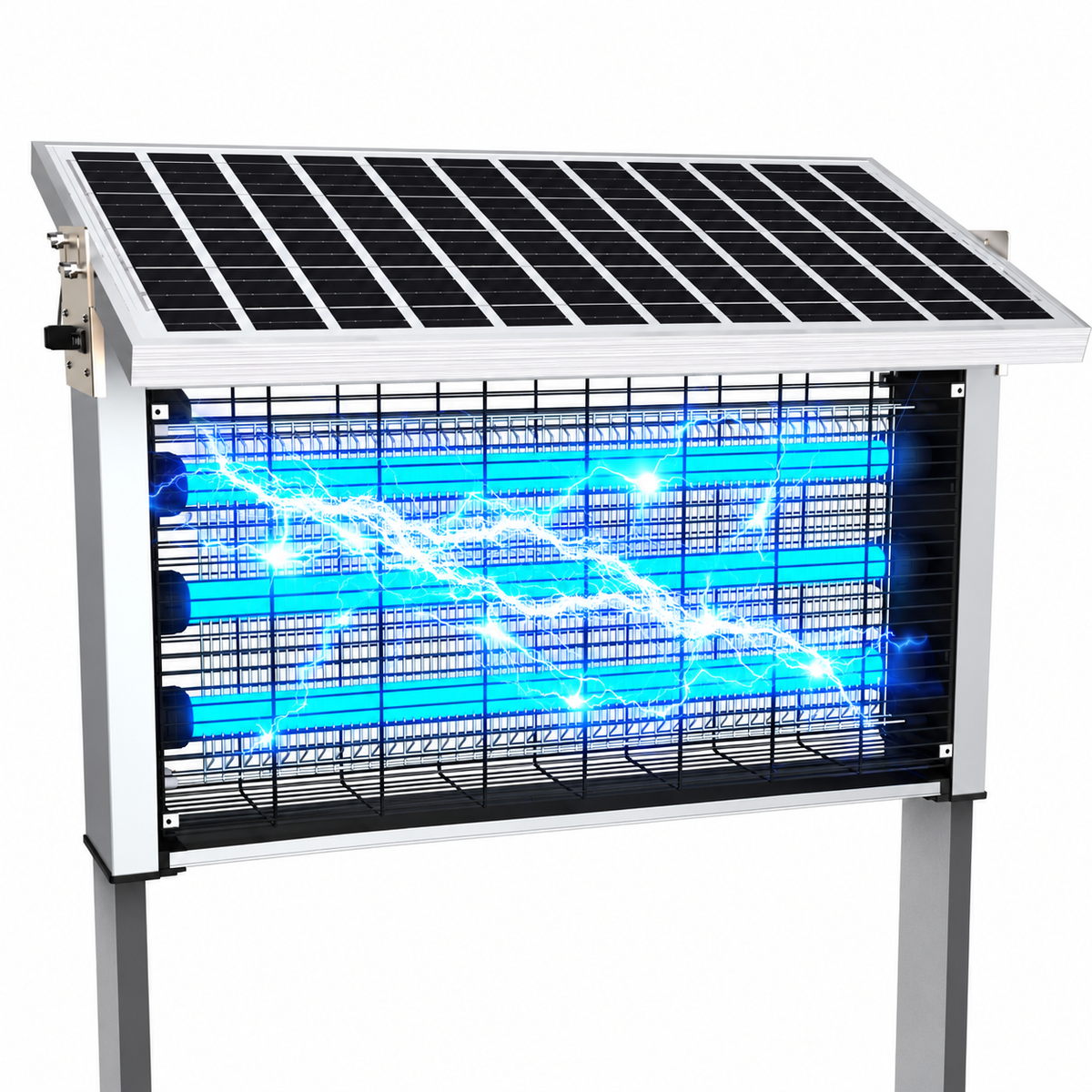
Install UV Mosquito Lamps
UV mosquito lamps attract insects using light wavelengths and eliminate them through electric grids or suction systems.
Benefits include:
-
Continuous operation
-
Low maintenance
-
Chemical-free control
Position these lamps:
-
Around patios and decks
-
Near entry points
-
In darker areas of your yard
Use Targeted Sprays (When Necessary)
While not a long-term standalone solution, occasional use of outdoor insecticides can help control spikes in mosquito populations.
Focus on:
-
Bushes and dense vegetation
-
Undersides of leaves
-
Shaded, humid areas
Avoid overuse to maintain environmental balance.
Step 4: Create a Protective Barrier Around Your Yard
Even if you eliminate mosquitoes on your property, new ones can fly in from nearby areas. That’s why creating a barrier is critical.
Use Natural Repellent Plants
Certain plants can help repel mosquitoes:
-
Citronella
-
Lavender
-
Basil
-
Marigolds
-
Mint
While these alone won’t eliminate mosquitoes, they can contribute to a layered defense.
Install Physical Barriers
-
Use outdoor fans to disrupt mosquito flight
-
Install screens on patios or porches
-
Seal gaps around doors and windows
Mosquitoes are weak flyers, so even a gentle breeze can make it difficult for them to land.
Apply Perimeter Treatments
Consider applying a perimeter spray around:
-
Fences
-
Yard edges
-
Dense landscaping
This creates a defensive zone that reduces incoming mosquitoes.
Step 5: Maintain Your System Consistently
The biggest mistake homeowners make is treating mosquito control as a one-time task.
Consistency is what transforms short-term relief into long-term success.
Weekly Tasks
-
Check for standing water
-
Empty and clean containers
-
Inspect gutters and drains
Monthly Tasks
-
Reapply larvicides
-
Clean and maintain traps
-
Inspect UV lamps
Seasonal Adjustments
-
Increase control efforts during warmer months
-
Prepare your yard before mosquito season begins
-
Reduce standing water sources before rainy periods
Bonus Tips for Maximum Effectiveness
Time Your Activities
Mosquitoes are most active during dawn and dusk. Plan outdoor activities outside these peak times when possible.
Dress Strategically
When spending time outdoors:
-
Wear light-colored clothing
-
Choose long sleeves and pants
-
Use personal repellents when needed
Encourage Natural Predators
Birds, bats, and certain insects feed on mosquitoes. Creating a wildlife-friendly yard can help keep populations in check.
Common Mistakes to Avoid
Even with the best intentions, some common missteps can undermine your efforts.
Relying on One Solution
No single product can eliminate mosquitoes completely. A layered system is essential.
Ignoring Small Water Sources
Tiny water collections can produce hundreds of mosquitoes. Attention to detail matters.
Inconsistent Maintenance
Skipping inspections or treatments allows populations to rebound quickly.
What to Expect from a Long-Term System
With consistent effort, you should begin to notice:
-
Fewer mosquito bites
-
Reduced buzzing activity
-
More enjoyable outdoor spaces
However, complete elimination is unrealistic. The goal is control—keeping mosquito populations low enough that they no longer interfere with your lifestyle.
Building Your Ideal Backyard Environment
Imagine stepping into your backyard without swatting at bugs or worrying about bites. By following this 5-step plan, you’re not just reacting to mosquitoes—you’re proactively managing your environment.
This system approach transforms your yard into a space where mosquitoes struggle to survive, reproduce, or even enter.
Final Thoughts
Mosquito control doesn’t have to be a constant battle. With a structured, long-term plan, you can dramatically reduce their presence and reclaim your outdoor space.
The key is consistency and strategy:
-
Eliminate breeding sites
-
Treat unavoidable water
-
Reduce adult populations
-
Create a protective barrier
-
Maintain your system regularly
By addressing every stage of the mosquito lifecycle, you’re building a solution that works not just for today—but for the entire season and beyond.
Start implementing these steps now, and you’ll be well on your way to a mosquito-free backyard that you can truly enjoy.