
You’re outside with friends on a warm evening. Everyone seems fine—until you realize you’re the only one swatting, scratching, and counting fresh bites. Sound familiar? Many people believe they have a “mosquito magnet” body type, as if mosquitoes are somehow personally targeting them.
The reality is less mystical but far more fascinating. Mosquitoes don’t choose victims at random. Their behavior is guided by a complex set of biological cues—chemical signals, heat patterns, visual contrasts, and even microbial ecosystems on your skin.
In this deep dive, we’ll unpack the science behind why mosquitoes seem to prefer certain people, what factors increase your attractiveness to them, and what you can actually do to reduce your chances of getting bitten.
The Myth of “Bad Luck”
Let’s get one thing straight: if mosquitoes bite you more than others, it’s not just bad luck.
Research suggests that roughly 20% of people are significantly more attractive to mosquitoes than the rest. This preference is consistent, meaning if you’re frequently targeted, there are likely biological reasons behind it.
Mosquitoes are highly evolved insects with specialized sensory systems designed to locate hosts efficiently. To them, you’re not just a person—you’re a combination of signals that either says “approach” or “ignore.”
How Mosquitoes Find You
Before understanding why mosquitoes prefer you, it helps to understand how they locate any human in the first place.
Mosquitoes rely on a multi-step detection process:
-
Long-range detection: Carbon dioxide (CO₂) from your breath
-
Mid-range cues: Body odors and chemical compounds
-
Close-range signals: Heat and moisture
-
Final confirmation: Skin chemicals and surface texture
Each stage filters potential targets, narrowing down who gets bitten.
Carbon Dioxide: Your Invisible Beacon
Every time you exhale, you release carbon dioxide—a primary attractant for mosquitoes.
Why CO₂ Matters
Mosquitoes can detect CO₂ from over 100 feet away. It acts as a signal that a potential host is nearby.
Who Produces More CO₂?
Some people naturally emit more carbon dioxide than others, including:
-
Larger individuals (more body mass = more respiration)
-
Pregnant women
-
People who are physically active
-
Individuals with higher metabolic rates
If you fall into one of these categories, you may be easier for mosquitoes to locate.
Body Odor: Your Unique Chemical Signature
Once mosquitoes get closer, they rely heavily on scent.
Your skin emits hundreds of chemical compounds, including:
-
Lactic acid
-
Ammonia
-
Uric acid
-
Fatty acids
These compounds combine to form your unique body odor profile.
The Role of Skin Microbiota
Here’s where things get really interesting.
Your skin is home to billions of bacteria. These microbes break down sweat and produce odor compounds that mosquitoes can detect.
Studies have shown that:
-
People with higher microbial diversity tend to attract more mosquitoes
-
Certain bacterial species produce compounds that are especially appealing
In other words, it’s not just your body—it’s the microscopic ecosystem living on it.
Blood Type: Does It Really Matter?
There’s evidence suggesting that mosquitoes may prefer certain blood types.
What Research Shows
-
People with Type O blood tend to attract more mosquitoes
-
Type A individuals are generally less attractive
-
Type B falls somewhere in between
Mosquitoes don’t directly “sense” blood type before biting. Instead, they detect chemical markers secreted through the skin that correlate with blood type.
About 85% of people secrete these markers, making them more identifiable to mosquitoes.
Body Heat: A Thermal Target
Mosquitoes are also equipped with heat sensors.
Why Heat Attracts Mosquitoes
Warm bodies indicate active blood flow, which makes it easier for mosquitoes to locate feeding sites.
Who Runs Hotter?
-
People who have just exercised
-
Individuals with higher baseline body temperatures
-
Those wearing insulating clothing
Even small differences in temperature can influence mosquito behavior.
Sweat: More Than Just Moisture
Sweat itself isn’t particularly attractive—but what it contains is.
Key Components
-
Lactic acid
-
Salt
-
Other organic compounds
After physical activity, your body produces more lactic acid, which is a known mosquito attractant.
That’s why you’re more likely to get bitten after working out or spending time outdoors in the heat.
Skin Color and Visual Cues
Mosquitoes don’t rely solely on smell—they also use vision.
What They See
Mosquitoes are attracted to:
-
Dark colors (black, navy, red)
-
High contrast against the environment
-
Movement
Wearing darker clothing can make you more visible to mosquitoes, especially during daylight hours.
Alcohol Consumption: A Surprising Factor
Ever noticed more bites after having a drink outdoors?
What Happens
Studies suggest that alcohol consumption can increase mosquito attraction.
Possible reasons include:
-
Slight increases in body temperature
-
Changes in skin odor
-
Increased CO₂ output
Even a single drink may make a measurable difference.
Genetics: The Hidden Influence
Your genetic makeup plays a significant role in how attractive you are to mosquitoes.
Genetic Factors Affect
-
Skin chemistry
-
Immune response
-
Body odor composition
-
Sweat production
This explains why some people consistently get bitten more than others—even in the same environment.
Why Some People Hardly Get Bitten
If mosquitoes always seem to ignore someone else, it’s not because they’re “immune.”
They simply produce fewer or less attractive signals.
Possible reasons include:
-
Lower CO₂ output
-
Different skin bacteria composition
-
Less appealing chemical profile
-
Cooler body temperature
The Science of the Bite Itself
Only female mosquitoes bite humans. They need protein from blood to develop their eggs.
How the Bite Works
-
The mosquito lands on your skin
-
It uses a specialized mouthpart to pierce the surface
-
It injects saliva containing anticoagulants
-
It draws blood
Why It Itches
The itching comes from your immune system reacting to the mosquito’s saliva.
Histamine release causes:
-
Redness
-
Swelling
-
Itching
Some people react more strongly than others, which is why bites can look worse on certain individuals.
Can You Change Your “Mosquito Attractiveness”?
While you can’t change your genetics or blood type, you can reduce the signals that attract mosquitoes.
Practical Strategies
1. Reduce Sweat and Odor
-
Shower after outdoor activity
-
Use unscented hygiene products
-
Wear clean clothing
2. Wear Light-Colored Clothing
-
Choose white, beige, or pastel shades
-
Avoid dark, high-contrast outfits
3. Use Fans
Airflow disrupts mosquitoes’ ability to track CO₂ and scent.
4. Apply Repellents
Look for proven ingredients like:
-
DEET
-
Picaridin
-
Oil of lemon eucalyptus
5. Avoid Peak Activity Times
Mosquitoes are most active during:
-
Dawn
-
Dusk
Environmental Control Still Matters Most
Even if you’re highly attractive to mosquitoes, your environment plays a huge role.
Reduce Breeding Areas
-
Eliminate standing water
-
Clean gutters
-
Maintain outdoor spaces
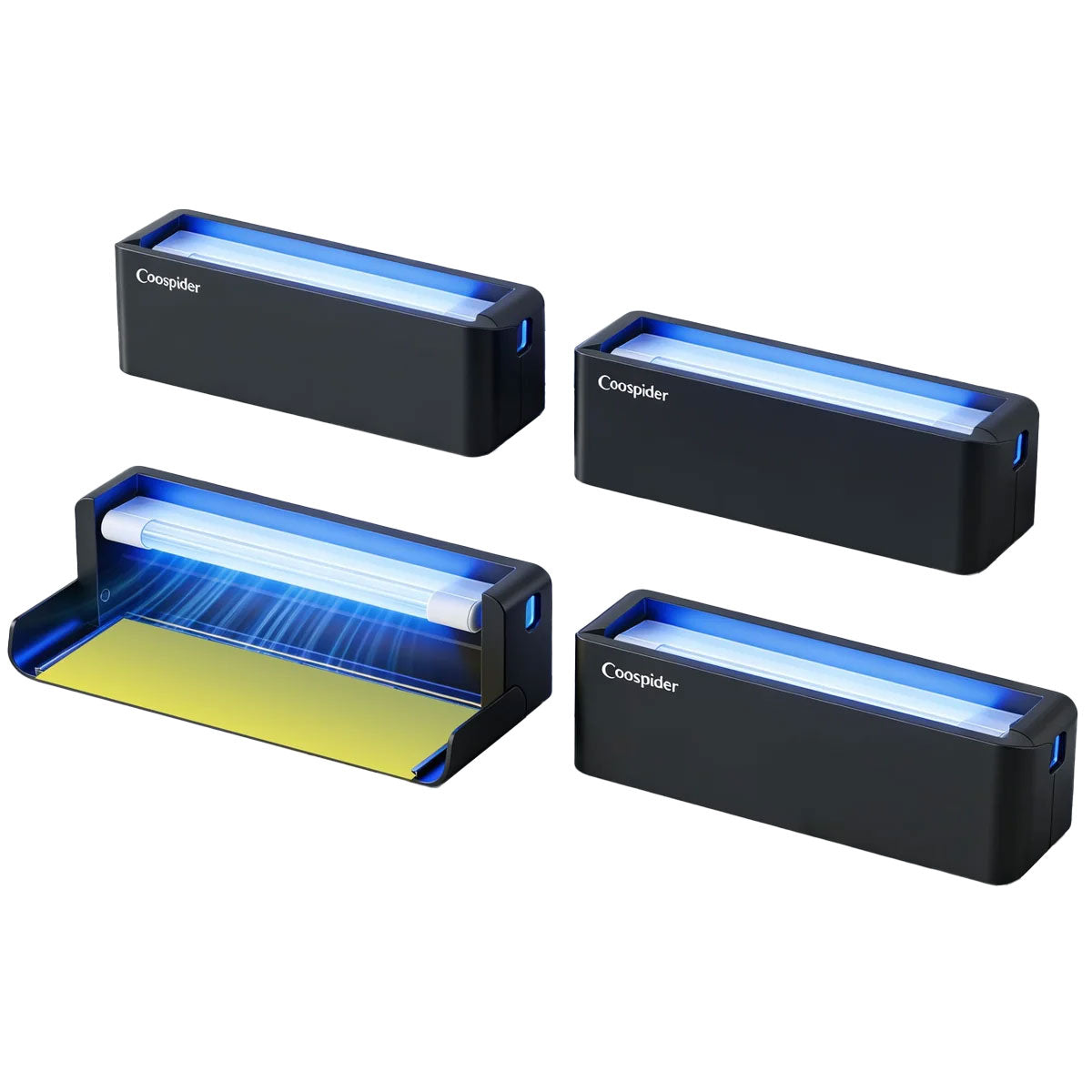
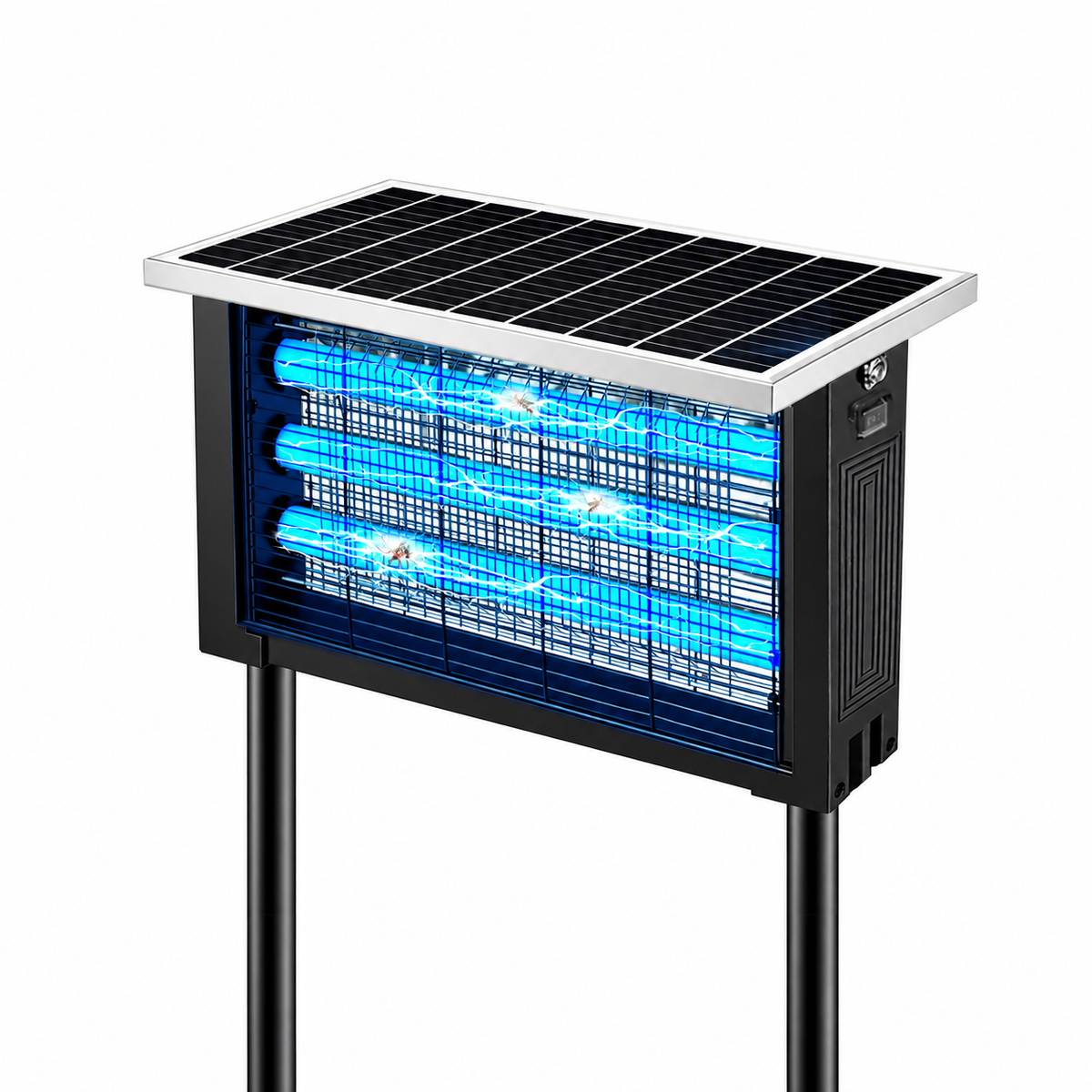
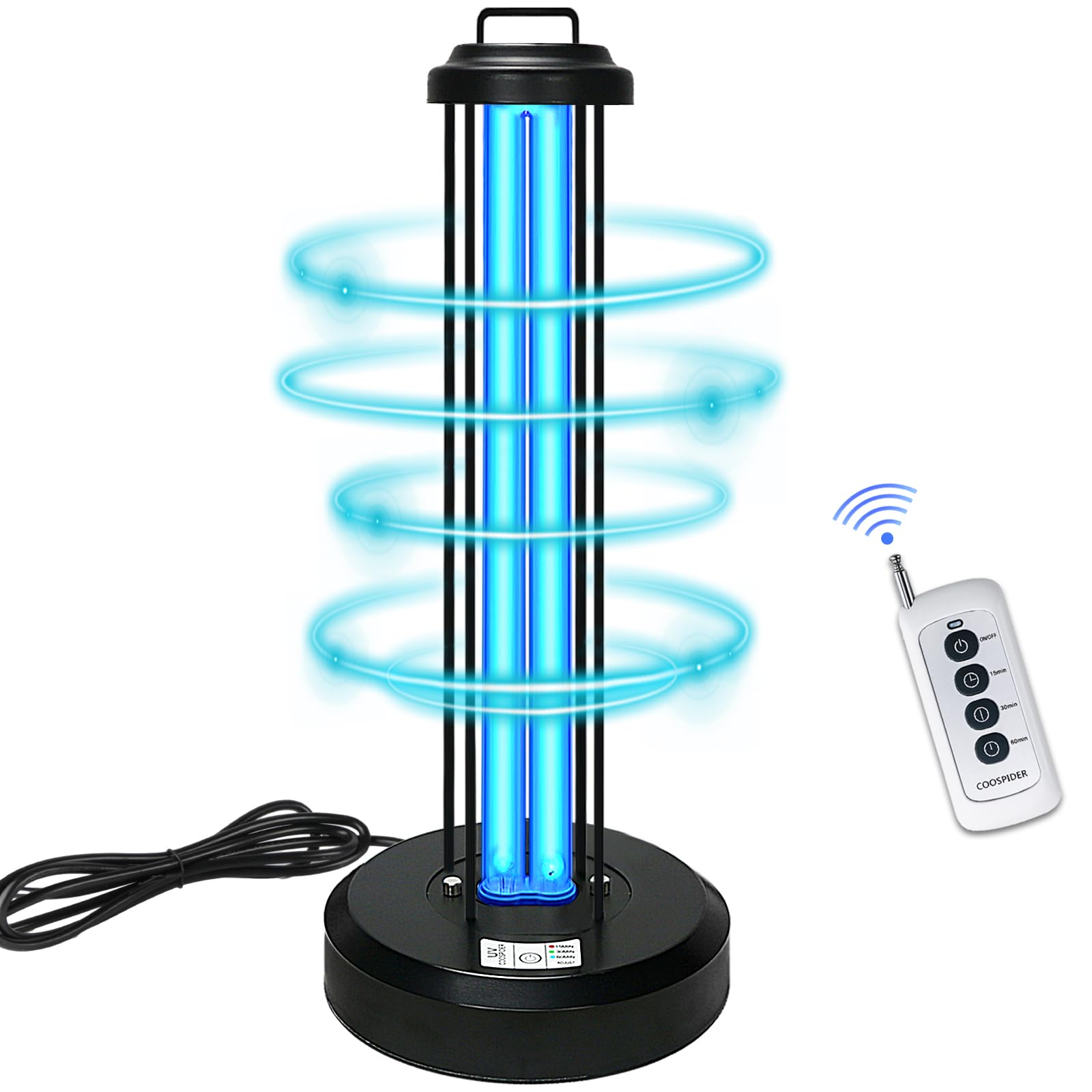
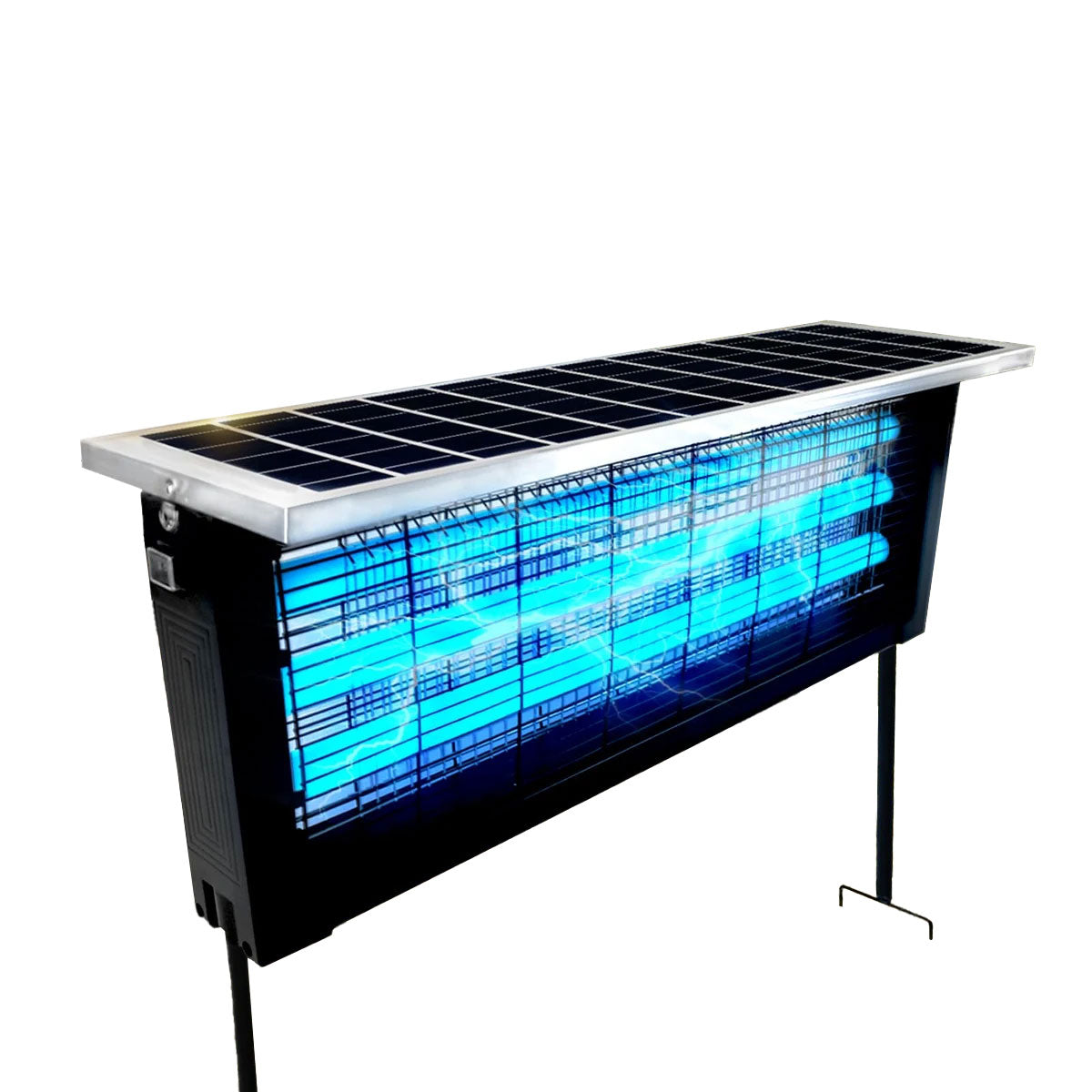
Use Control Devices
-
Mosquito traps
-
UV lamps
-
Outdoor fans
Create Barriers
-
Screens
-
Netting
-
Strategic landscaping
Common Myths About Mosquito Attraction
Myth 1: “Sweet Blood” Attracts Mosquitoes
There’s no scientific evidence that sugar levels in your blood influence mosquito preference.
Myth 2: Garlic Keeps Mosquitoes Away
Eating garlic may slightly alter body odor, but it’s not a reliable deterrent.
Myth 3: Mosquitoes Prefer Dirty People
Cleanliness alone doesn’t determine attractiveness. Skin chemistry is far more important.
The Bigger Picture: Evolution at Work
Mosquitoes have evolved over millions of years to become highly efficient at finding hosts.
Their ability to detect:
-
Carbon dioxide
-
Chemical signals
-
Heat
-
Visual cues
…makes them incredibly effective.
From an evolutionary standpoint, preferring certain individuals may increase their chances of successful feeding and reproduction.
What This Means for You
If you’re someone who always seems to get bitten, it’s not your imagination—and it’s not your fault.
You’re simply emitting a combination of signals that mosquitoes find irresistible.
The key takeaway is this:
You can’t eliminate your attractiveness entirely, but you can reduce your exposure and make it harder for mosquitoes to find and bite you.
Final Thoughts
The idea of a “mosquito magnet” isn’t a myth—it’s grounded in real biology. From carbon dioxide output to skin bacteria and genetics, multiple factors combine to determine who gets bitten the most.
Understanding these factors gives you an advantage. Instead of relying on guesswork or myths, you can take targeted steps to protect yourself and enjoy the outdoors with fewer interruptions.
So the next time mosquitoes seem to single you out, remember: it’s not personal—it’s science.