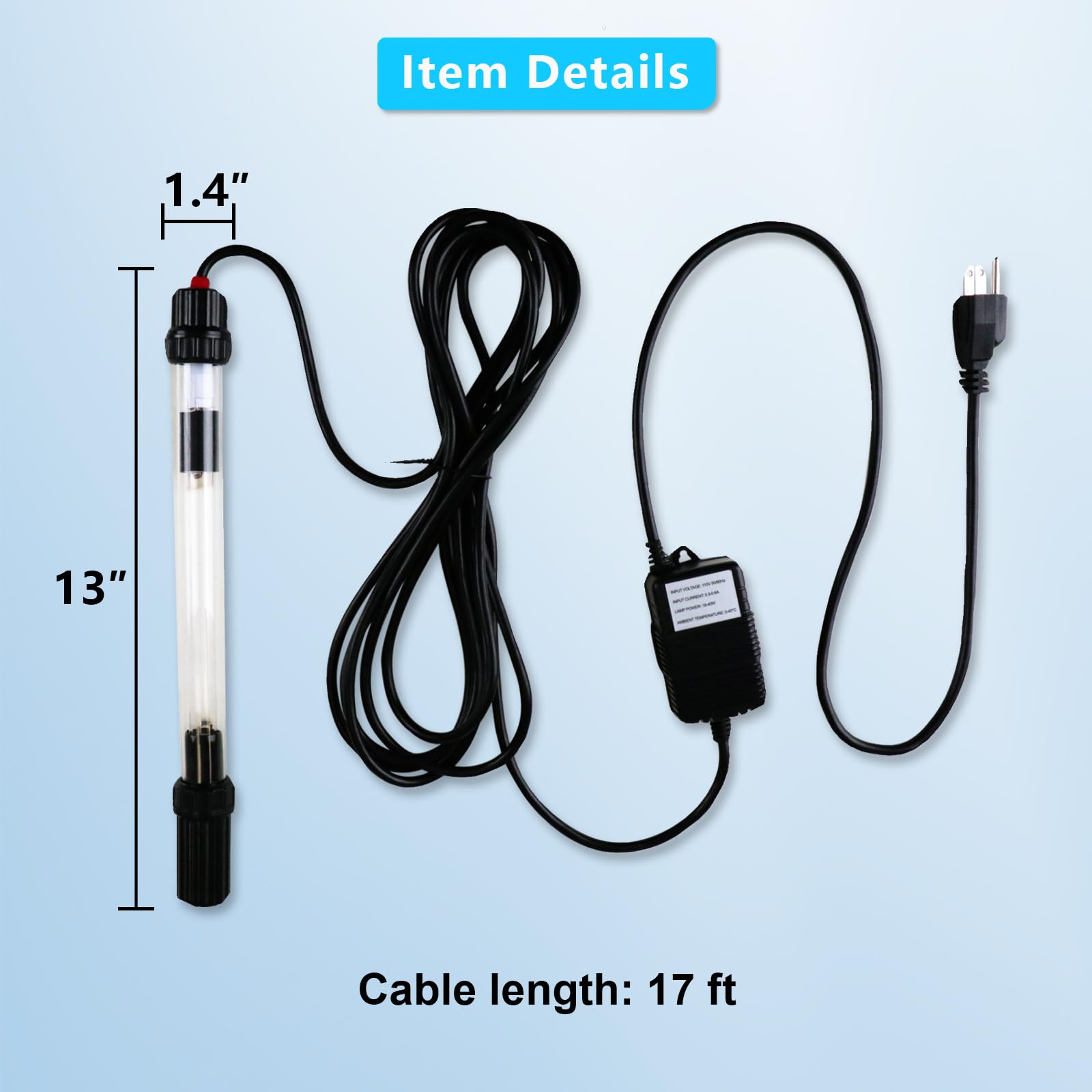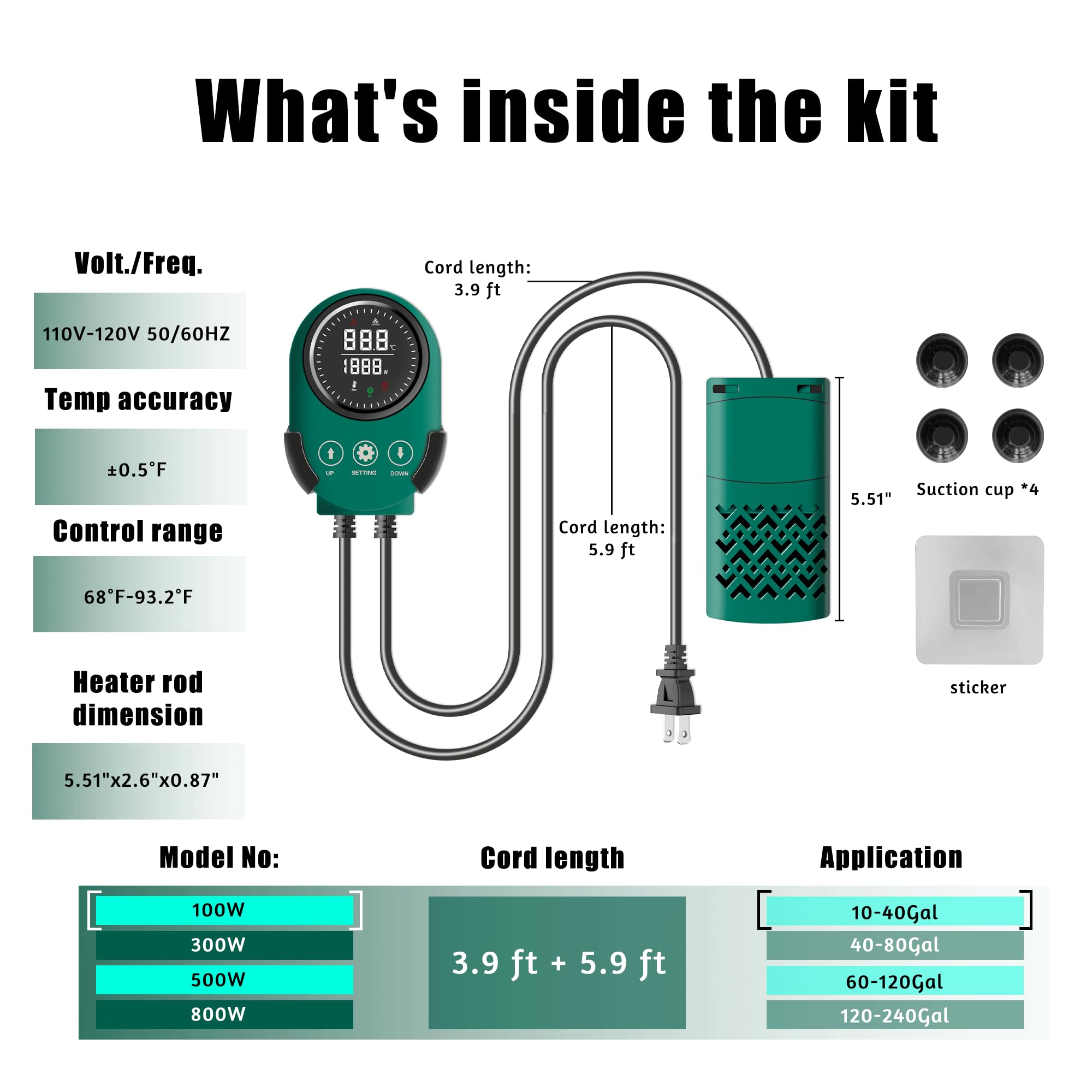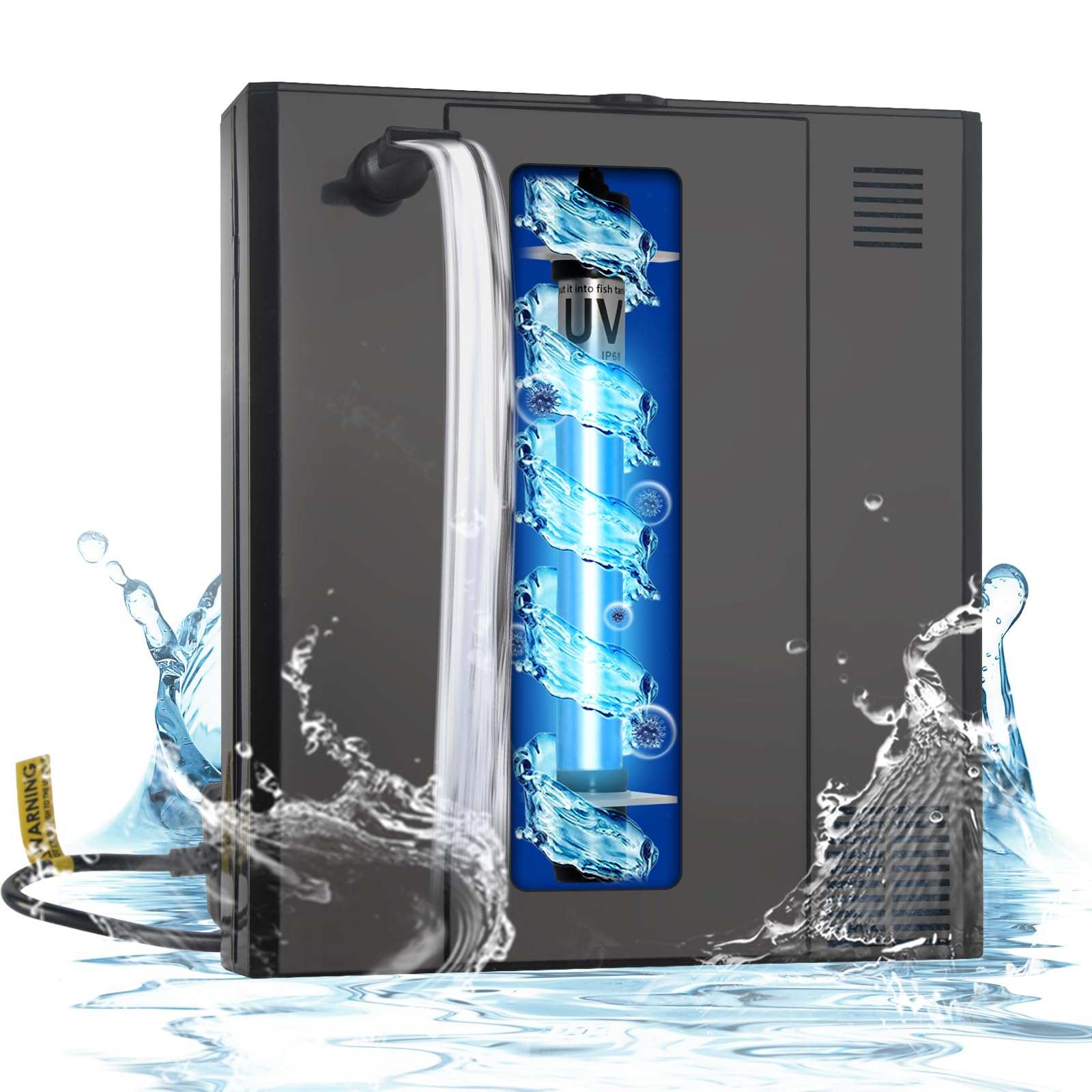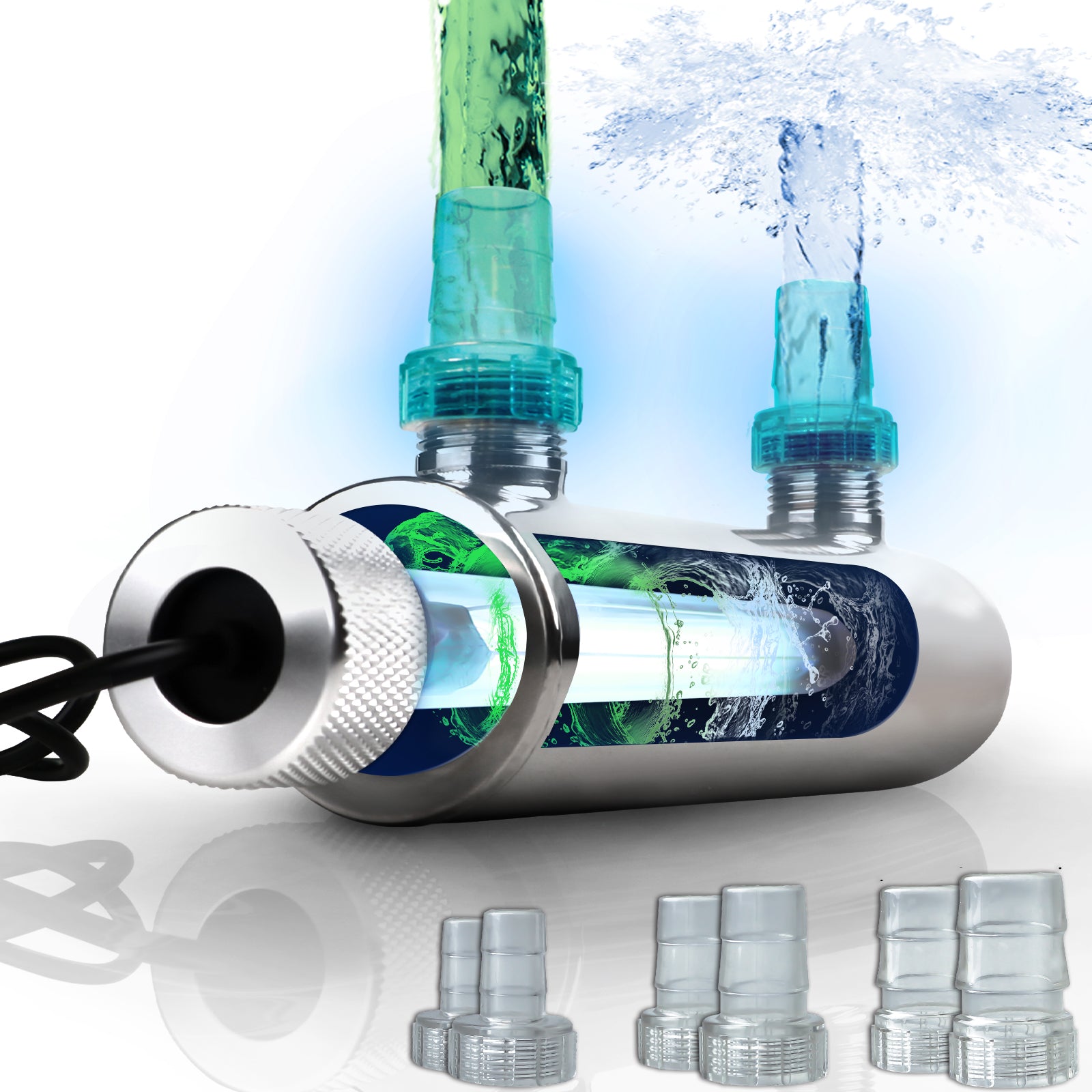
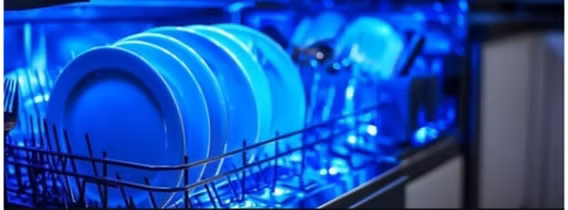
In the modern food service industry, hygiene is no longer just a regulatory requirement—it is a core part of brand reputation, customer trust, and operational excellence. Restaurants, hotels, cafeterias, and catering services are under increasing pressure to maintain impeccable cleanliness while also improving efficiency and reducing chemical exposure.
One technology is quietly reshaping the way commercial kitchens think about sanitation: ultraviolet (UV) disinfection systems, particularly UV-C light applications for dishware hygiene.
Unlike traditional chemical sanitizers that rely on detergents or chlorine-based solutions, UV systems offer a radically different approach—one that leaves no chemical residue, reduces water consumption, and enhances microbial safety at scale.
This article explores how UV lamps are transforming dishwashing standards in the food service industry, why chemical residue is becoming a growing concern, and whether UV-based sanitation could become the new global standard for professional kitchens.
The Hidden Problem in Traditional Dishwashing Systems
Most restaurants rely on a combination of:
-
High-temperature washing
-
Chemical detergents
-
Sanitizing rinses
-
Manual inspection
While effective, this system has inherent limitations that are often overlooked.
1. Chemical Residue on Dishware
Even after rinsing, trace amounts of chemicals may remain on:
-
Plates
-
Glassware
-
Utensils
-
Food preparation tools
These residues are usually minimal and within regulatory limits, but they can still affect:
-
Taste perception
-
Sensitive customers
-
Long-term exposure concerns for staff
In high-volume operations, even small inconsistencies in rinsing can lead to variability in cleanliness.
2. Water Usage and Environmental Impact
Traditional dishwashing systems consume large amounts of water:
-
Pre-rinse cycles
-
Wash cycles
-
Rinse cycles
-
Sanitizing cycles
In regions facing water scarcity, this becomes a significant sustainability challenge.
3. Heat and Energy Consumption
High-temperature sanitation requires:
-
Continuous heating systems
-
Energy-intensive dishwashers
-
Long cycle times
This increases operational costs and carbon footprint.
4. Human Error in Manual Cleaning
Even with automated dishwashers:
-
Improper loading reduces effectiveness
-
Missed residues may remain
-
Staff fatigue impacts consistency
These issues create variability in hygiene standards.
The Rise of UV-C Technology in Food Service Hygiene
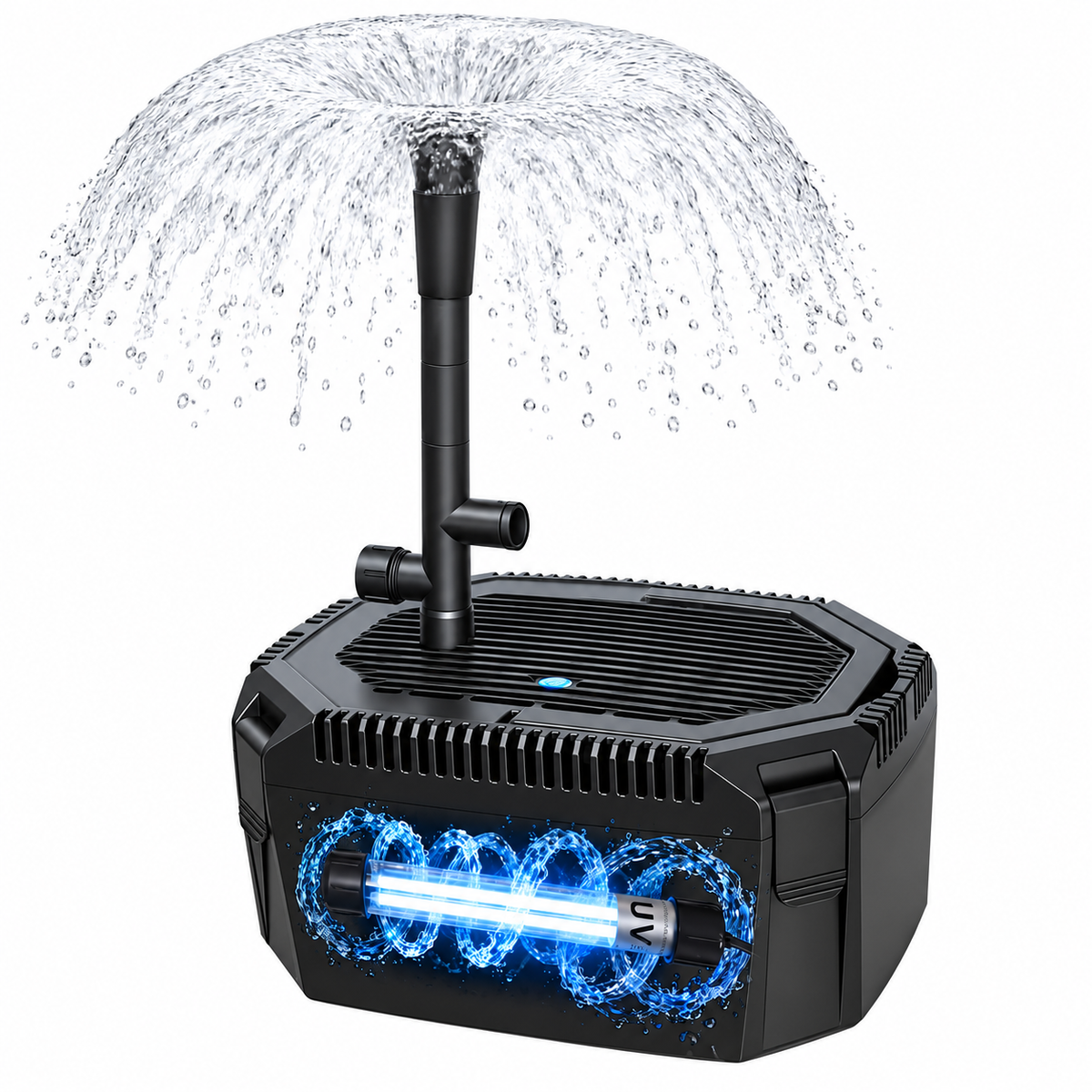
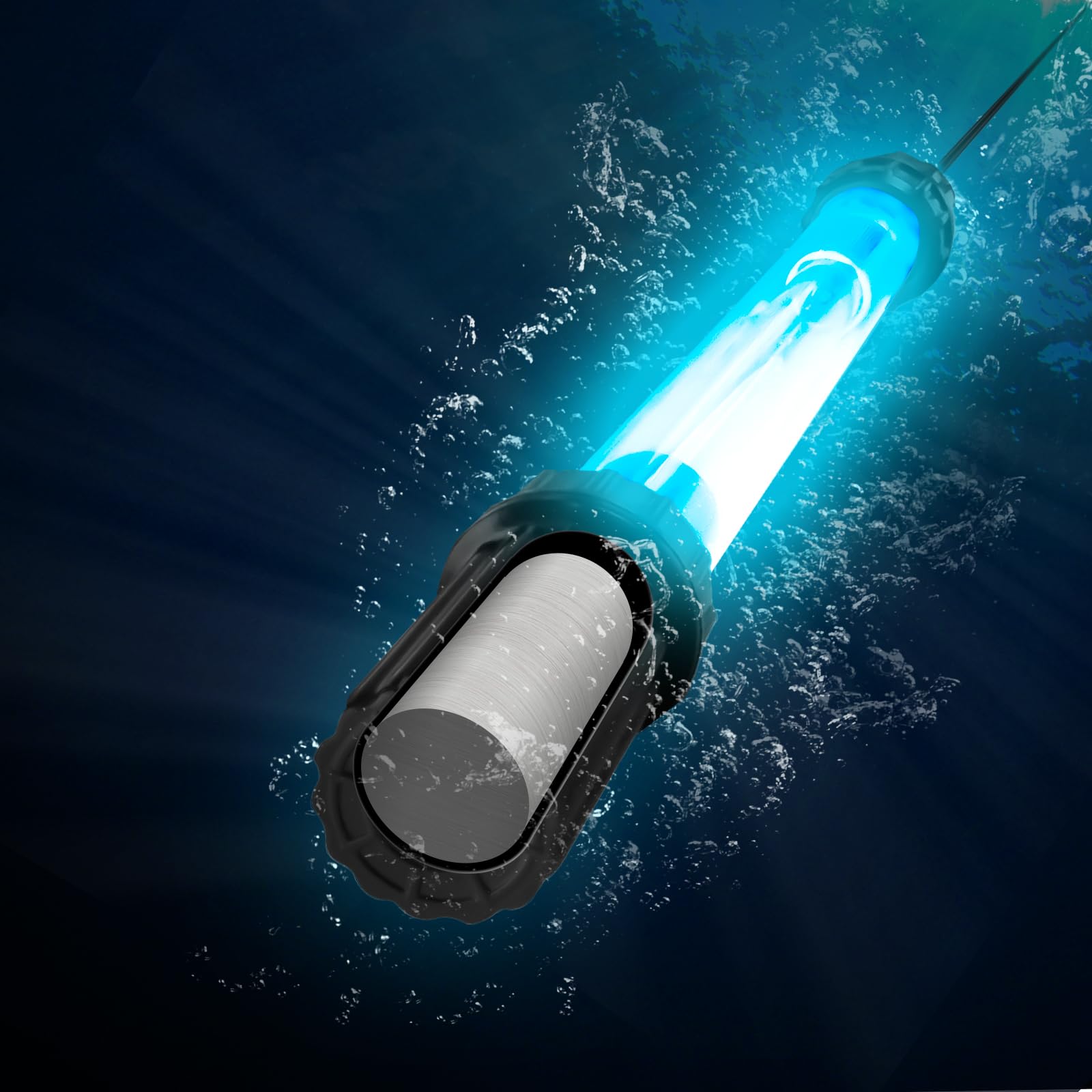
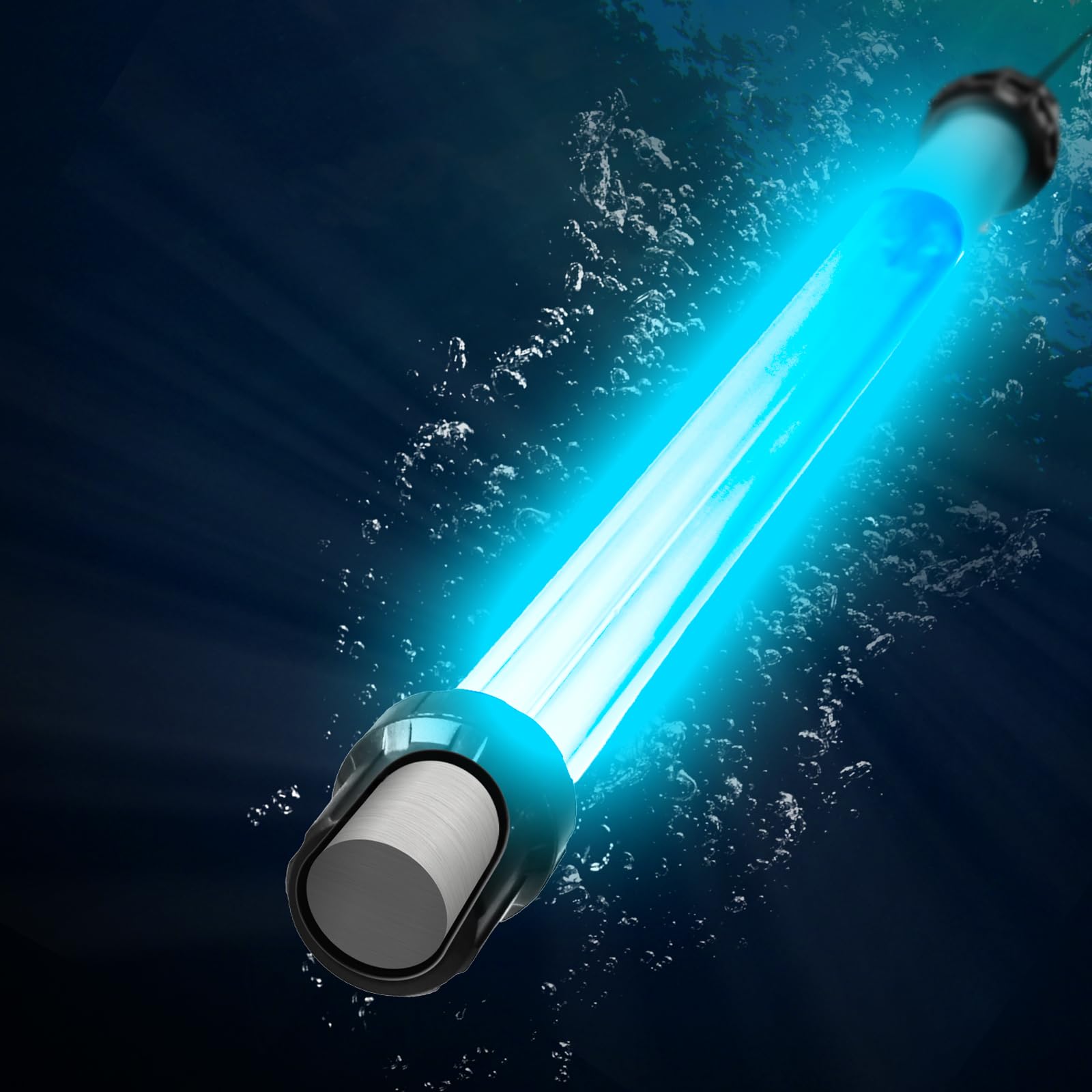
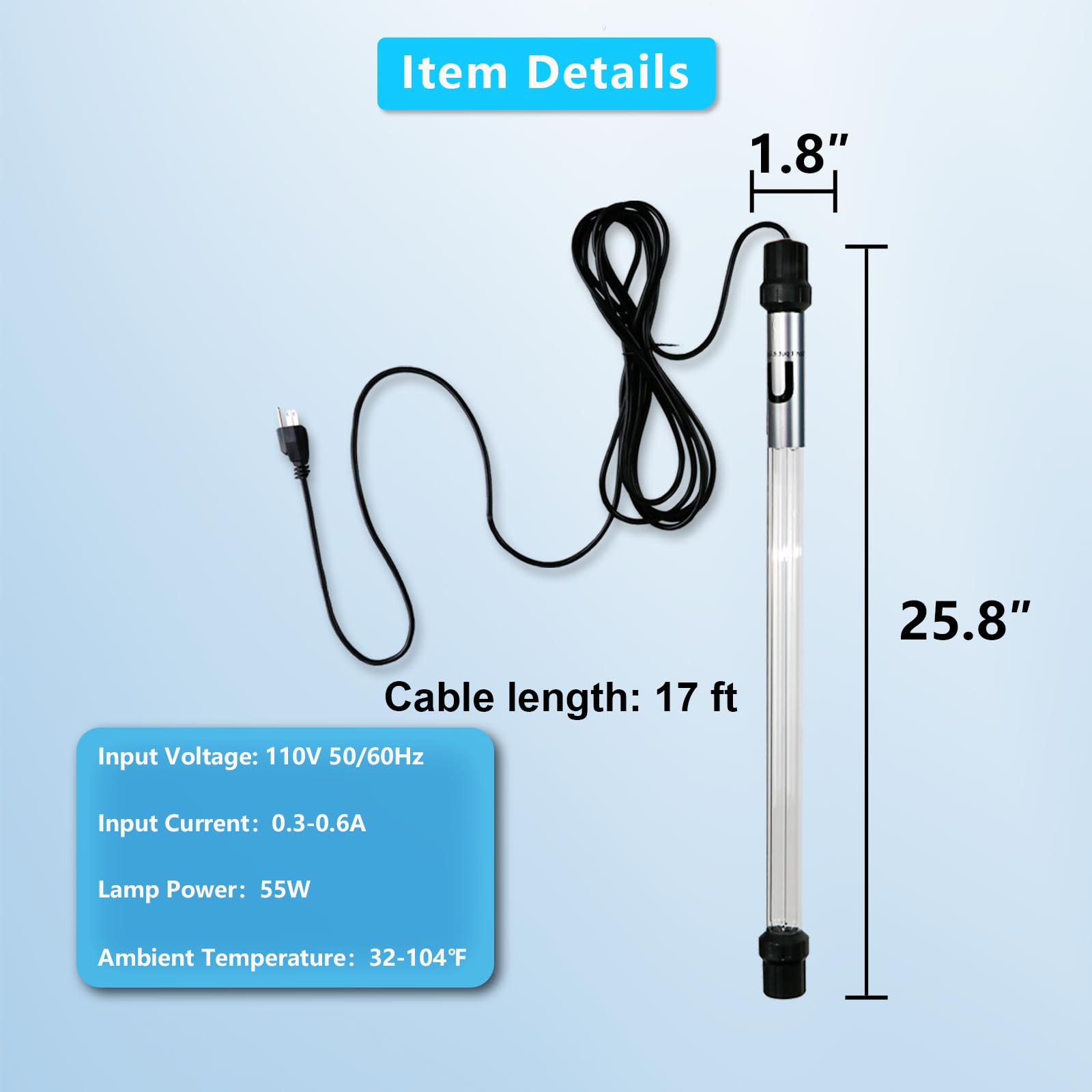
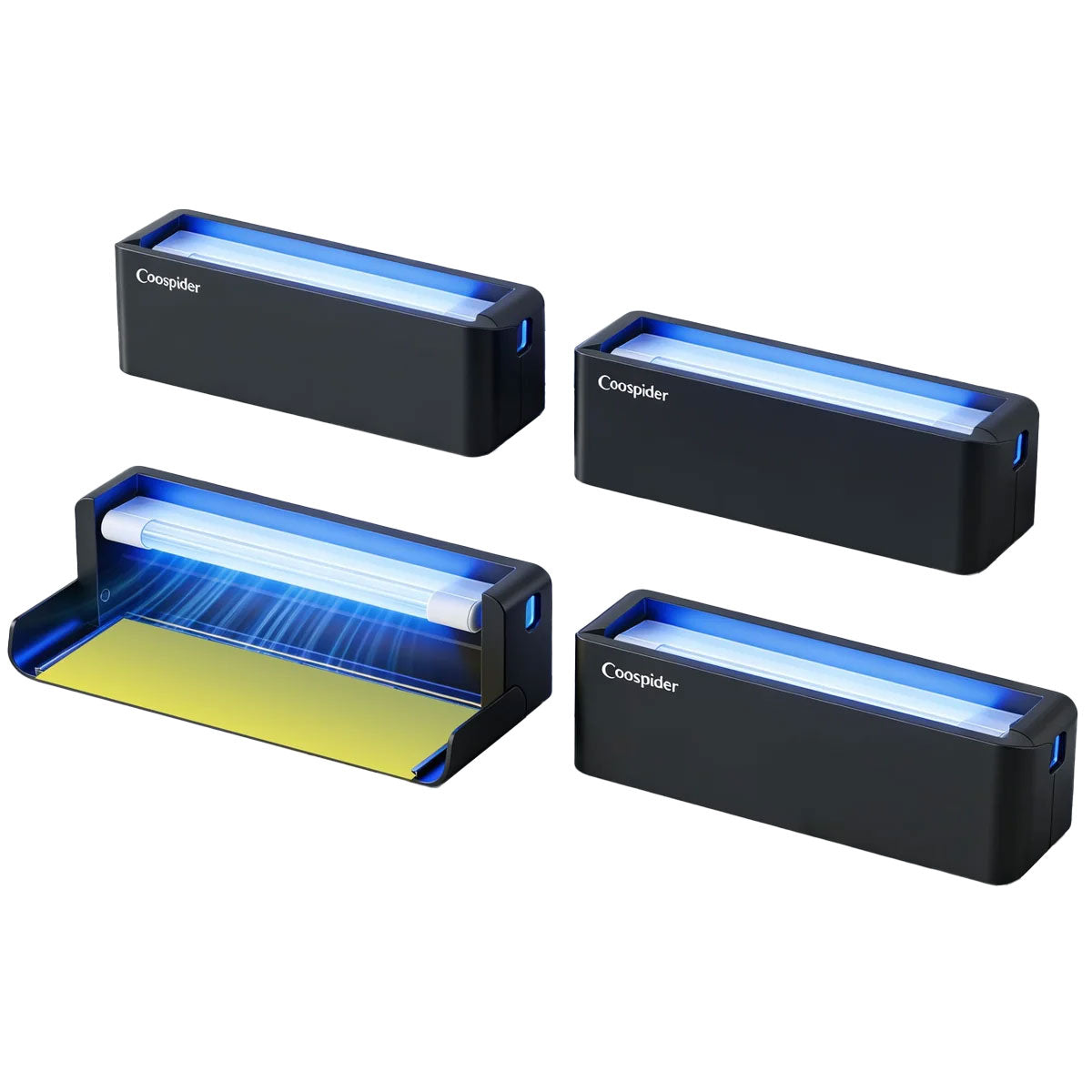
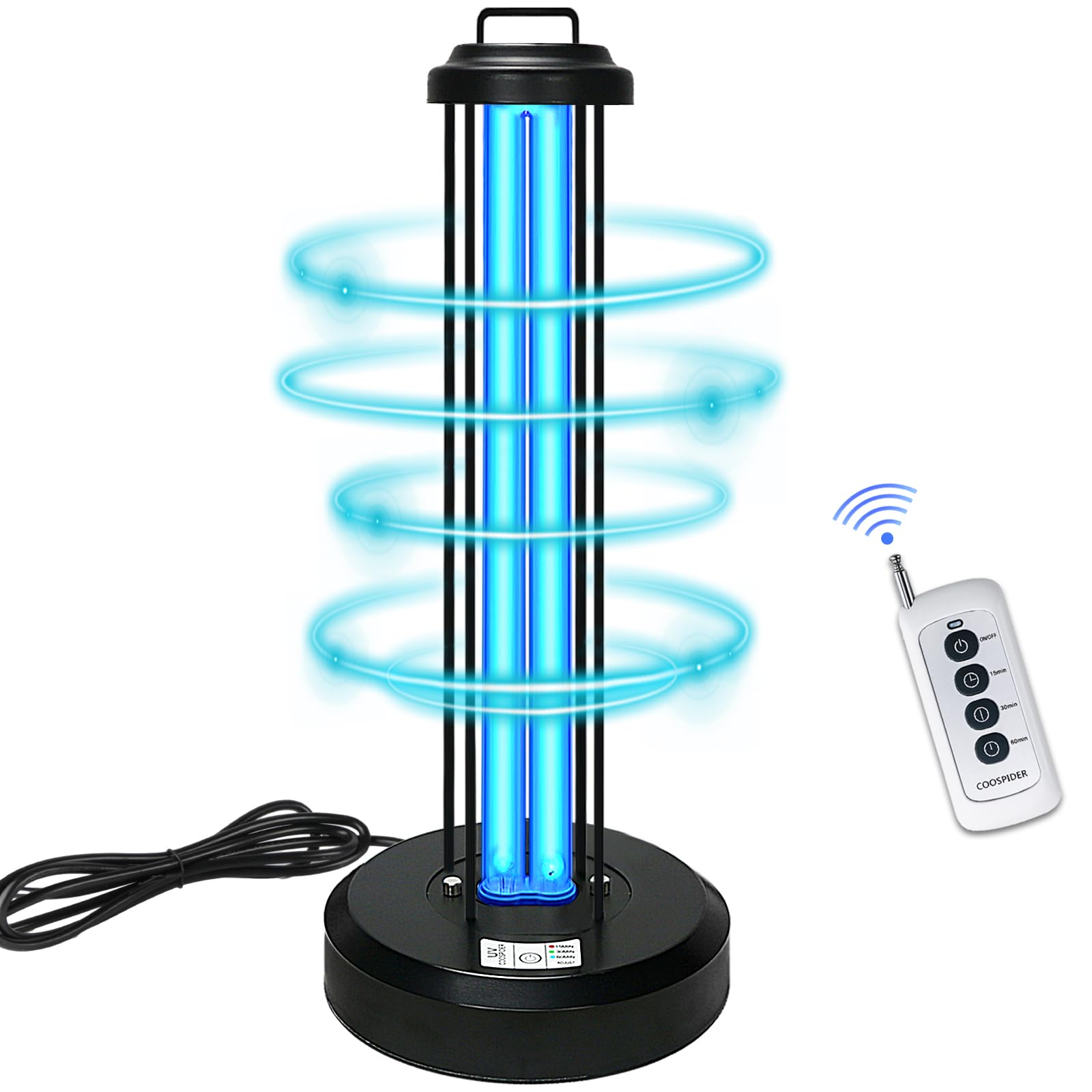
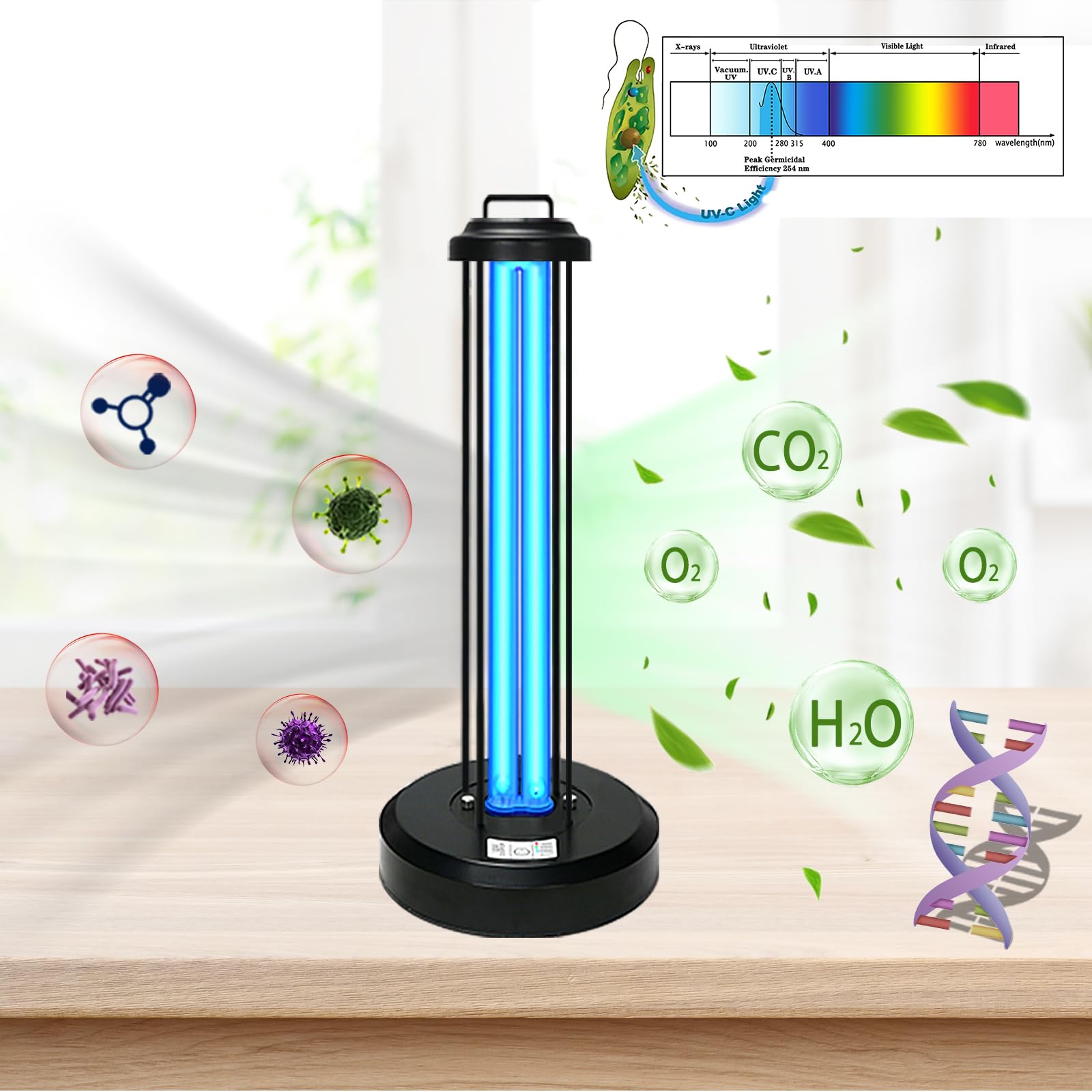
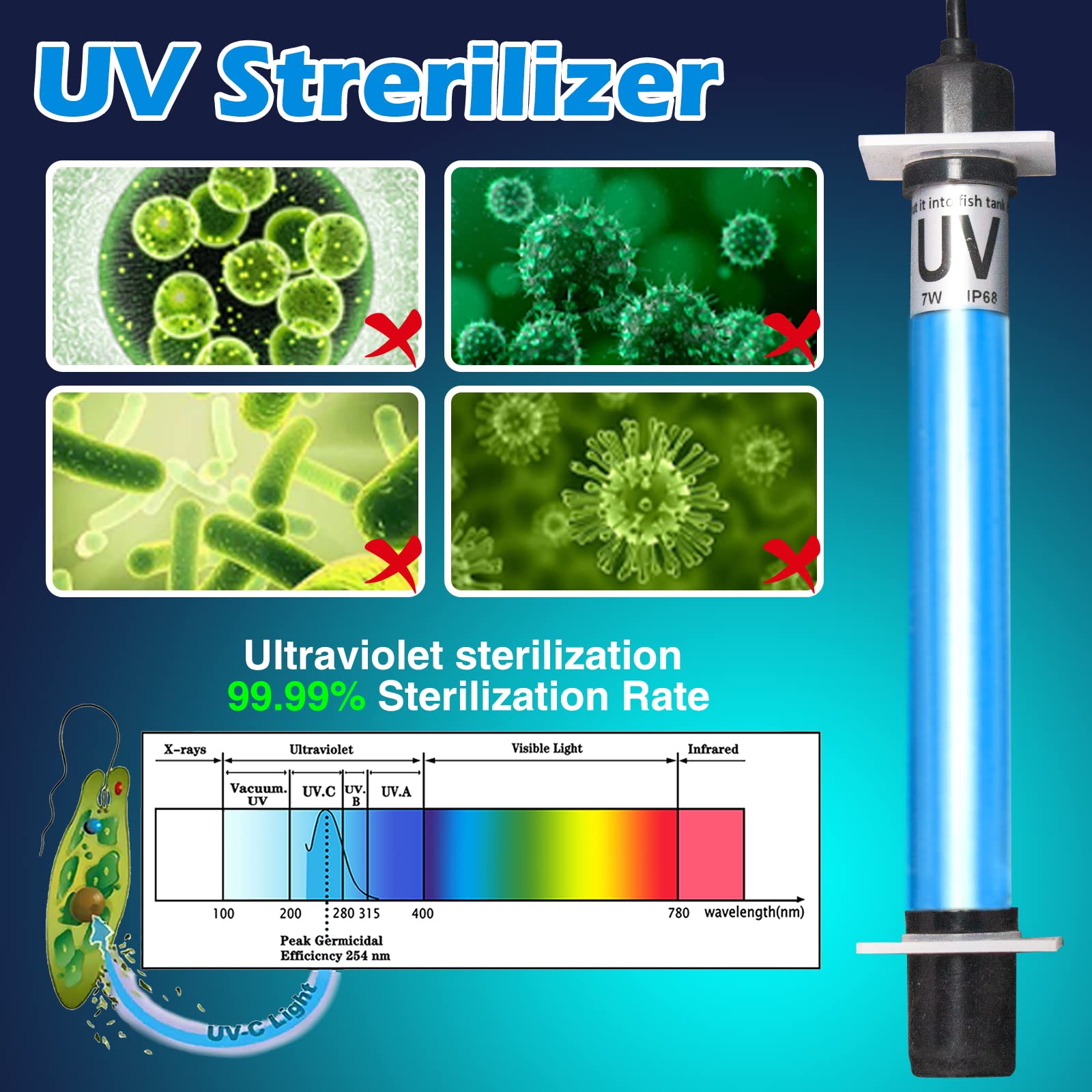
UV-C technology uses ultraviolet light in the 200–280 nanometer range to inactivate microorganisms by damaging their DNA and RNA.
Instead of washing or chemically disinfecting surfaces, UV-C systems rely on physical light energy to neutralize bacteria, viruses, and mold spores.
How UV-C Dishware Disinfection Works
In commercial kitchen environments, UV-C systems are typically integrated into dishwashing workflows in one of several ways.
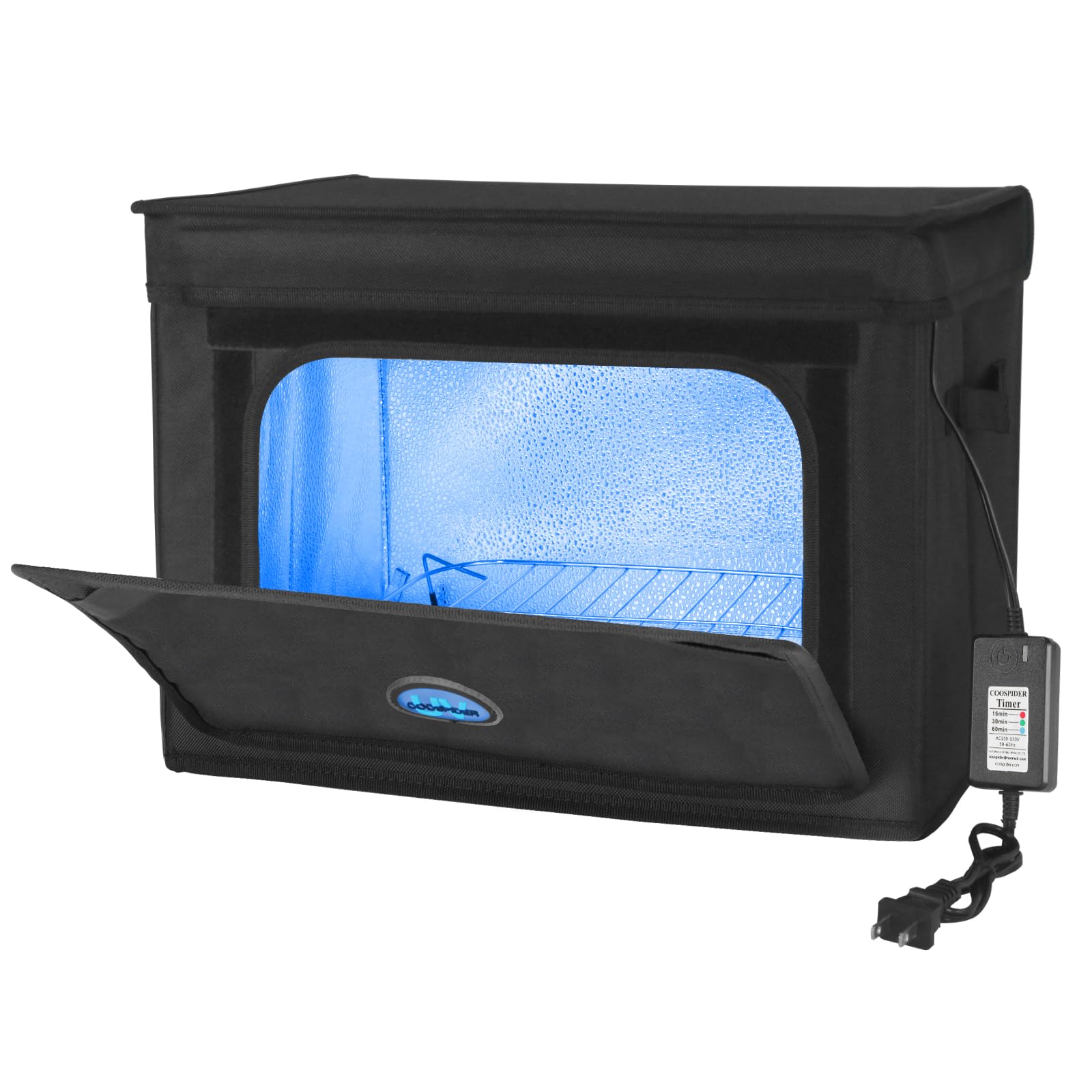
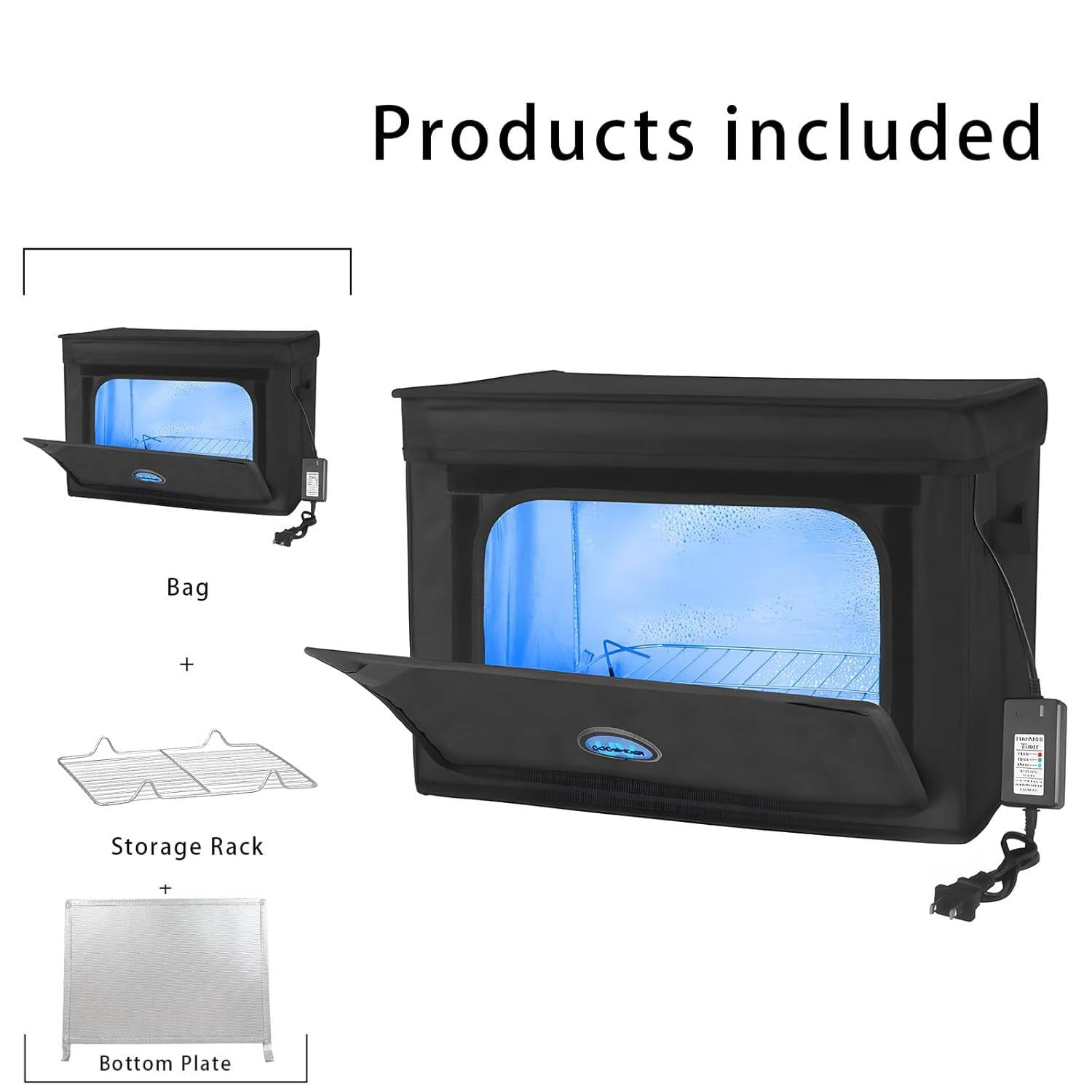
1. Post-Wash UV-C Sanitizing Chambers
After dishes are washed and dried:
-
Items are placed in UV-C enclosed cabinets
-
UV lamps irradiate all exposed surfaces
-
Microorganisms are inactivated within minutes
This ensures a final layer of sanitation before service.
2. Conveyor-Based UV-C Tunnel Systems
In high-volume kitchens such as hotels or cafeterias:
-
Dishware moves through a conveyor system
-
UV-C lamps are positioned along the tunnel
-
Continuous exposure ensures uniform disinfection
These systems are ideal for:
-
Institutional kitchens
-
Airline catering facilities
-
Large buffet operations
3. UV-C Storage Cabinets
Clean dishware is stored in UV-C–equipped cabinets:
-
Prevents recontamination
-
Maintains hygiene during storage
-
Reduces need for chemical sanitizers
4. Integrated Dishwasher + UV-C Hybrid Systems
Advanced commercial dishwashers now integrate:
-
High-temperature washing
-
UV-C final sterilization
-
Sensor-based cycle control
This hybrid model combines mechanical, thermal, and optical disinfection.
Why UV-C Is Changing Hygiene Standards in Restaurants
The adoption of UV-C technology is not just a technical upgrade—it represents a shift in how hygiene is defined in the food service industry.
1. Eliminating Chemical Residues Completely
One of the most important advantages is the elimination of chemical sanitizers in the final stage of cleaning.
UV-C systems:
-
Do not require chlorine or quaternary ammonium compounds
-
Leave no chemical film on dishware
-
Ensure pure, residue-free surfaces
This is particularly important for:
-
Fine dining restaurants
-
Organic food establishments
-
Health-conscious consumers
2. Enhancing Food Taste Integrity
Even trace chemical residues can subtly affect taste perception.
By eliminating chemical sanitizers:
-
Water glasses taste cleaner
-
Tableware does not alter food flavor
-
Coffee and tea taste more natural
This improves overall dining experience quality.
3. Reducing Water Consumption
UV-C systems reduce or eliminate the need for:
-
Multiple rinse cycles
-
Chemical neutralization steps
This leads to:
-
Lower water usage
-
Reduced wastewater output
-
Improved sustainability performance
4. Faster Turnaround Times
In high-demand environments such as:
-
Buffets
-
Hotel restaurants
-
Event catering
UV-C systems shorten sanitation cycles by:
-
Reducing drying time requirements
-
Eliminating chemical contact time
-
Streamlining workflow
5. Consistent and Automated Hygiene
Unlike manual processes, UV-C systems provide:
-
Uniform exposure
-
Repeatable results
-
Reduced human error
This consistency is critical for large-scale operations.
Effectiveness of UV-C Against Common Kitchen Pathogens
UV-C technology is highly effective against a wide range of microorganisms commonly found in food service environments.
Key Targets Include:
-
Escherichia coli (E. coli)
-
Salmonella species
-
Listeria monocytogenes
-
Norovirus
-
Rotavirus
-
Mold and yeast organisms
UV-C disrupts microbial DNA, preventing replication and infection.
However, effectiveness depends on:
-
Exposure time
-
Surface coverage
-
Distance from UV source
-
Cleanliness of surfaces prior to exposure
UV-C vs Traditional Chemical Sanitization
To understand UV-C’s impact, it helps to compare it with conventional methods.
Chemical Sanitization
Advantages:
-
Widely established
-
Low equipment cost
-
Effective on complex surfaces
Disadvantages:
-
Potential chemical residue
-
Requires rinsing steps
-
Environmental impact
-
Storage and handling requirements
UV-C Sanitization
Advantages:
-
No chemical residues
-
Fast disinfection cycles
-
Environmentally friendly operation
-
Low ongoing consumable costs
Disadvantages:
-
Line-of-sight dependency
-
Requires electricity
-
Initial equipment investment
The result is clear:
UV-C is not a replacement for washing—it is a powerful finishing step that elevates hygiene standards.
Safety Considerations in Restaurant UV-C Systems
UV-C light can be harmful to skin and eyes, so commercial systems are designed with strict safety controls.
Safety Features Include:
-
Fully enclosed chambers
-
Automatic shut-off when doors open
-
Shielded UV emitters
-
Motion detection sensors
-
Interlocked safety systems
These ensure that UV exposure only occurs in controlled environments.
Where UV-C Is Being Adopted in the Food Industry
UV-C systems are already being implemented across multiple sectors:
1. Fine Dining Restaurants
Used to ensure:
-
Premium hygiene standards
-
Chemical-free tableware
-
Enhanced customer experience
2. Hotel Kitchens and Buffets
Used for:
-
High-volume dish sanitization
-
Rapid turnover between services
3. Airline Catering Facilities
Used for:
-
Mass production of meal trays
-
Strict hygiene compliance
4. Institutional Food Service
Including:
-
Schools
-
Hospitals
-
Corporate cafeterias
5. Centralized Cloud Kitchens
Used to standardize hygiene across multiple delivery brands.
Operational Challenges of UV-C Adoption
Despite its benefits, UV-C integration comes with challenges.
1. Initial Investment Costs
UV-C systems require:
-
Specialized equipment
-
Installation planning
-
Training for staff
2. Workflow Adjustments
Kitchens must adapt:
-
Dish flow processes
-
Loading and unloading procedures
-
Storage protocols
3. Surface Shadowing Issues
UV-C cannot penetrate:
-
Covered areas
-
Stacked dishware
-
Dense material clusters
Proper loading techniques are essential.
4. Maintenance Requirements
Systems require:
-
Lamp replacement over time
-
Reflector cleaning
-
Performance monitoring
The Future of UV-C in Food Service Hygiene
UV-C technology is rapidly evolving, and its role in commercial kitchens is expected to expand.
1. UV-C LED Integration
Future systems will feature:
-
Mercury-free lighting
-
Instant on/off capability
-
Lower energy consumption
2. Smart Kitchen Automation
UV-C systems will integrate with:
-
Dishwasher automation
-
Inventory systems
-
AI-based workflow optimization
3. Fully Chemical-Free Dishwashing Systems
Emerging designs aim to eliminate chemical sanitizers entirely through:
-
High-pressure cleaning
-
UV-C sterilization
-
Heat-assisted drying
4. Sustainability-Driven Adoption
Restaurants will increasingly adopt UV-C to:
-
Reduce environmental impact
-
Meet regulatory sustainability goals
-
Improve green branding
When UV-C Makes the Most Sense
UV-C systems are particularly valuable when:
-
High hygiene standards are required
-
Chemical-free operation is a priority
-
Water and energy savings matter
-
Large-scale dishwashing operations exist
When It May Not Be Necessary
UV-C may be less critical in:
-
Small restaurants with low dish volume
-
Operations already optimized for chemical sanitation
-
Budget-constrained environments
Final Conclusion: A New Era of Chemical-Free Dish Hygiene
UV-C technology is redefining how the food service industry approaches cleanliness. By eliminating chemical residues, reducing water usage, and improving consistency, UV-C systems offer a compelling alternative to traditional sanitization methods.
However, their greatest strength is not replacement—it is enhancement. UV-C works best when integrated into a broader hygiene system that includes washing, drying, and proper handling procedures.
As restaurants continue to prioritize sustainability, safety, and customer experience, UV-C disinfection is moving from a niche innovation to a mainstream standard.
In the future, the idea of “chemical-free dish sanitation” may no longer be a premium feature—it may become the expected norm across the global food service industry.