Hospital-acquired infections (HAIs) remain one of the most persistent challenges in modern healthcare. Despite advances in antibiotics, sterilization protocols, and infection control training, pathogens continue to spread within clinical environments through surfaces, air, equipment, and human contact.
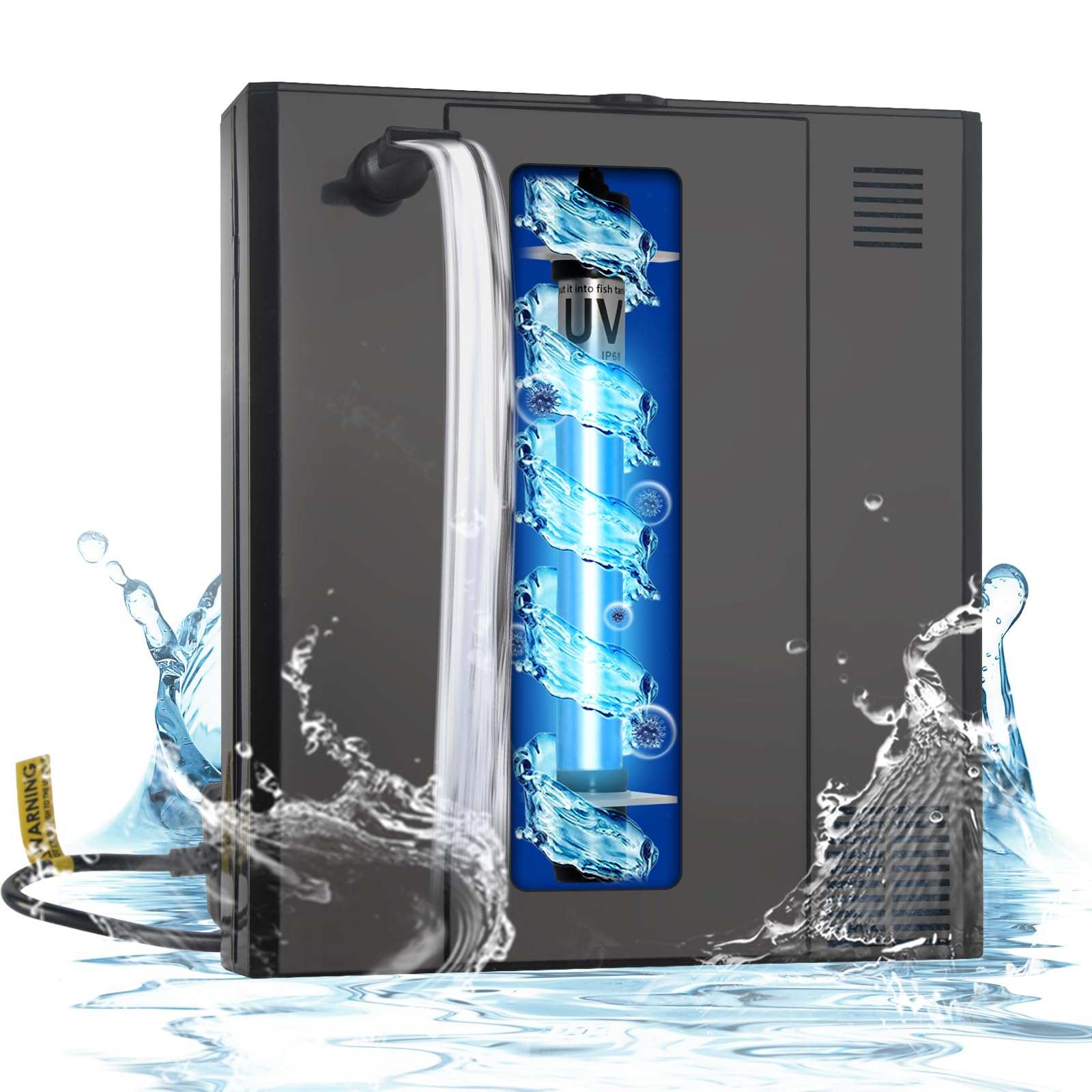
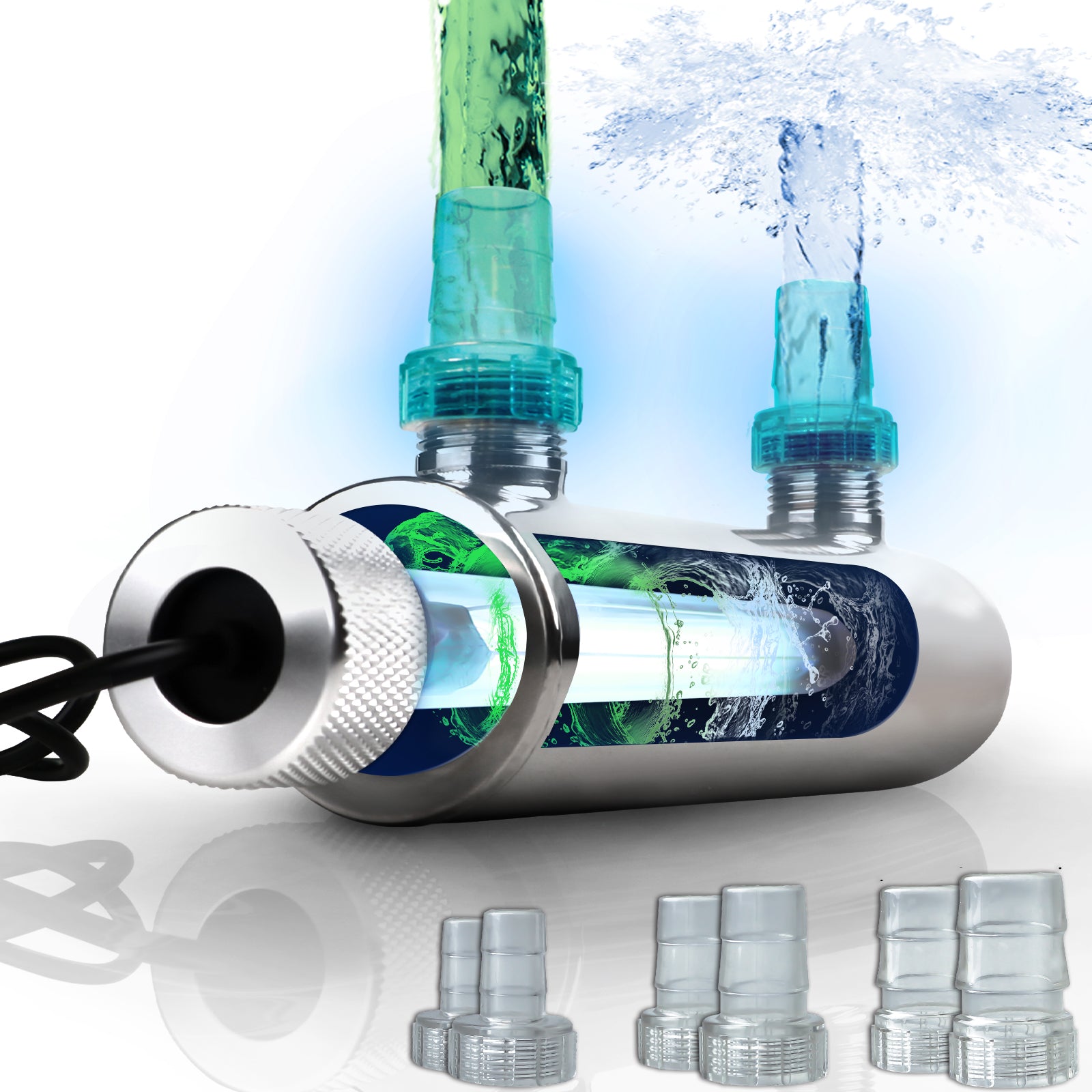
In response, healthcare systems worldwide are increasingly adopting UV-C ultraviolet disinfection systems as an additional layer of protection. These systems are not meant to replace traditional cleaning methods but to enhance them with a technology that can inactivate microorganisms at the DNA level.
But how reliable are UV-C systems in real hospital environments? Are they truly effective under operational conditions, or are they simply an auxiliary tool with limited impact?
This article provides a comprehensive, evidence-based exploration of UV-C disinfection in hospitals, focusing on its mechanisms, reliability factors, limitations, safety considerations, and real-world applications.
Understanding Hospital-Acquired Infections (HAIs)
Hospital-acquired infections are infections that patients acquire while receiving treatment for other conditions. They can occur in intensive care units, surgical rooms, general wards, or even outpatient facilities.
Common HAIs include:
-
Methicillin-resistant Staphylococcus aureus (MRSA)
-
Clostridioides difficile (C. diff)
-
Vancomycin-resistant Enterococci (VRE)
-
Influenza and respiratory viruses
-
Surgical site infections
-
Bloodstream infections
According to global health authorities such as the World Health Organization, HAIs affect hundreds of millions of patients annually and represent a significant burden on healthcare systems.
The challenge is not only clinical but operational:
-
High patient turnover
-
Complex hospital environments
-
Persistent microbial contamination on surfaces
-
Asymptomatic transmission by healthcare workers
These conditions make infection control extremely difficult without multi-layered strategies.
Why Traditional Cleaning Alone Is Not Enough
Hospitals rely heavily on chemical disinfectants and manual cleaning protocols. While essential, these methods have limitations.
1. Human Variability in Cleaning
Even with strict protocols:
-
Cleaning thoroughness varies between staff
-
High-touch surfaces may be missed
-
Time pressure leads to inconsistent coverage
2. Recontamination Happens Quickly
After manual cleaning:
-
Surfaces can be recontaminated within minutes
-
Airborne pathogens settle continuously
-
Patient movement spreads microorganisms
3. Chemical Resistance and Biofilms
Some pathogens:
-
Develop resistance to disinfectants
-
Form biofilms on surfaces and equipment
-
Survive in hard-to-reach areas
4. Environmental Constraints
Certain hospital zones cannot be easily disinfected:
-
Ventilation ducts
-
Complex medical equipment
-
Narrow or shadowed surfaces
These gaps create an opportunity for complementary technologies like UV-C systems.
What Is UV-C Disinfection Technology?
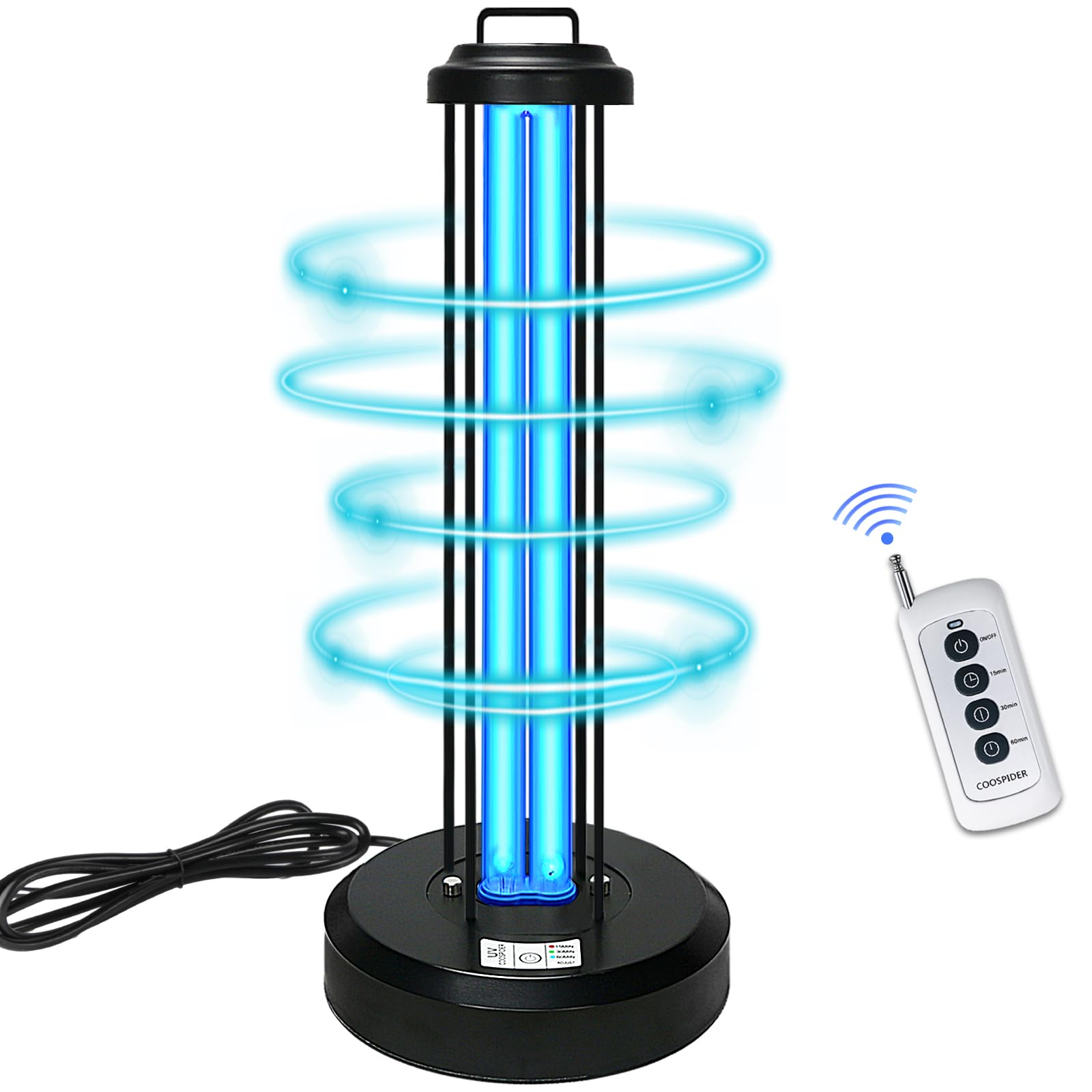
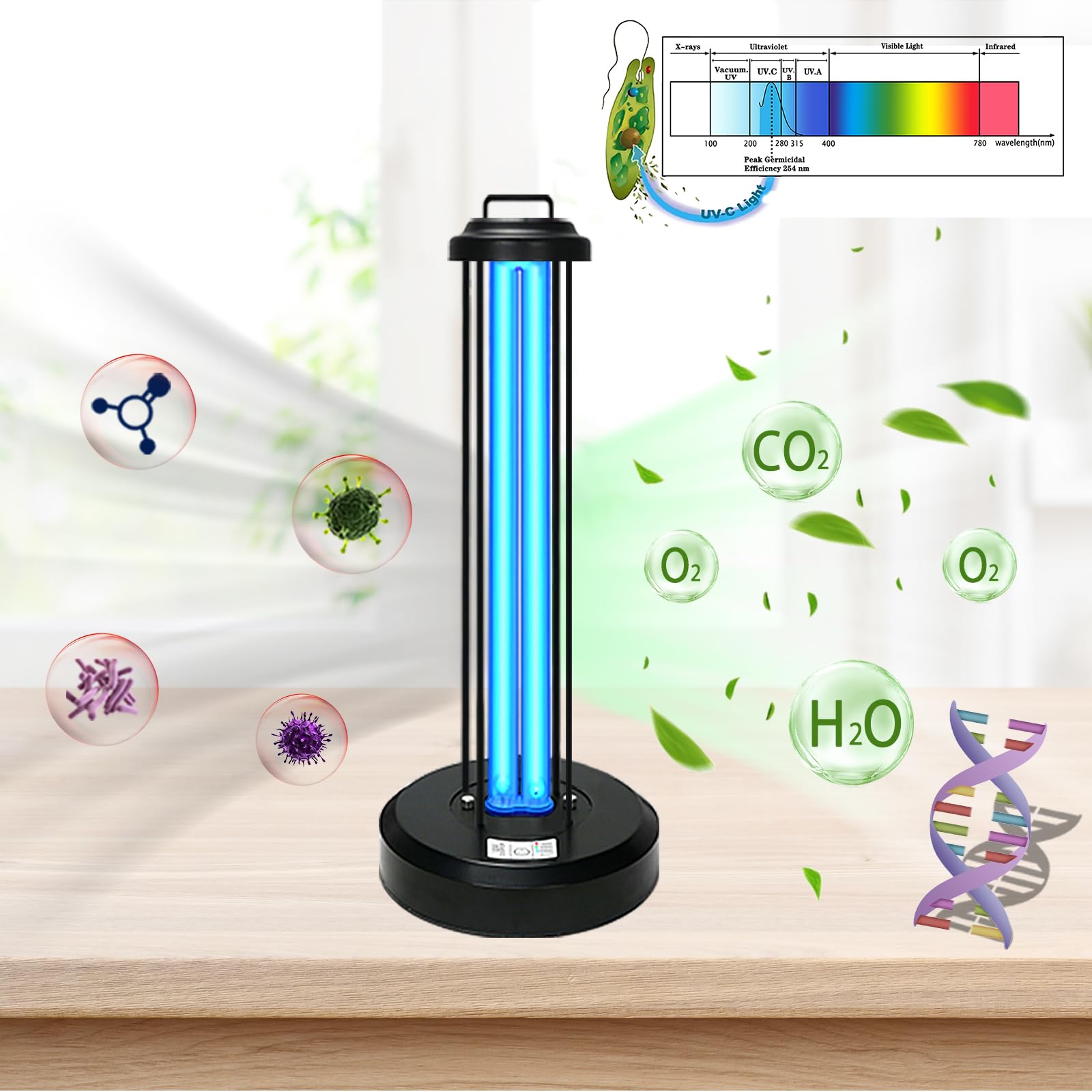
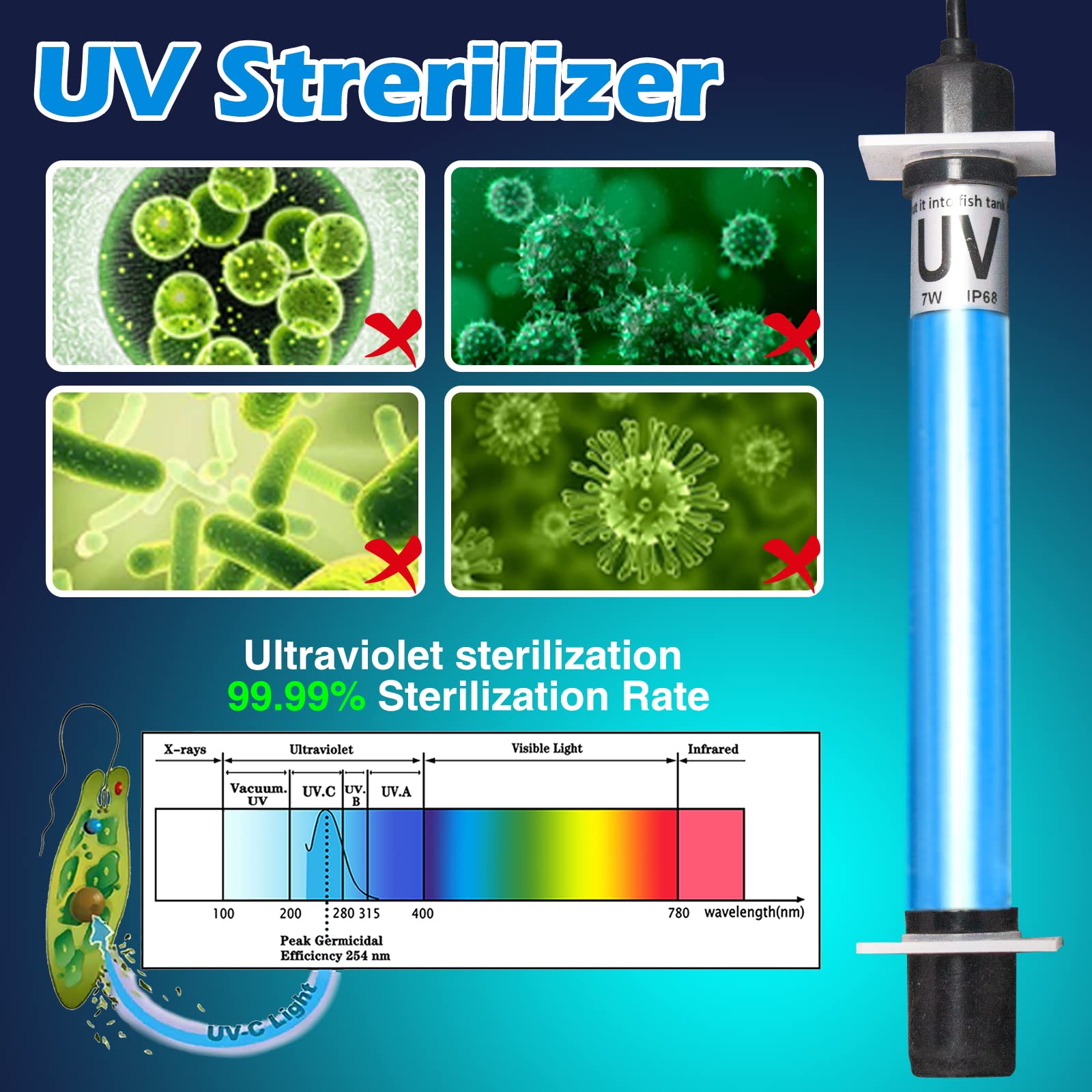
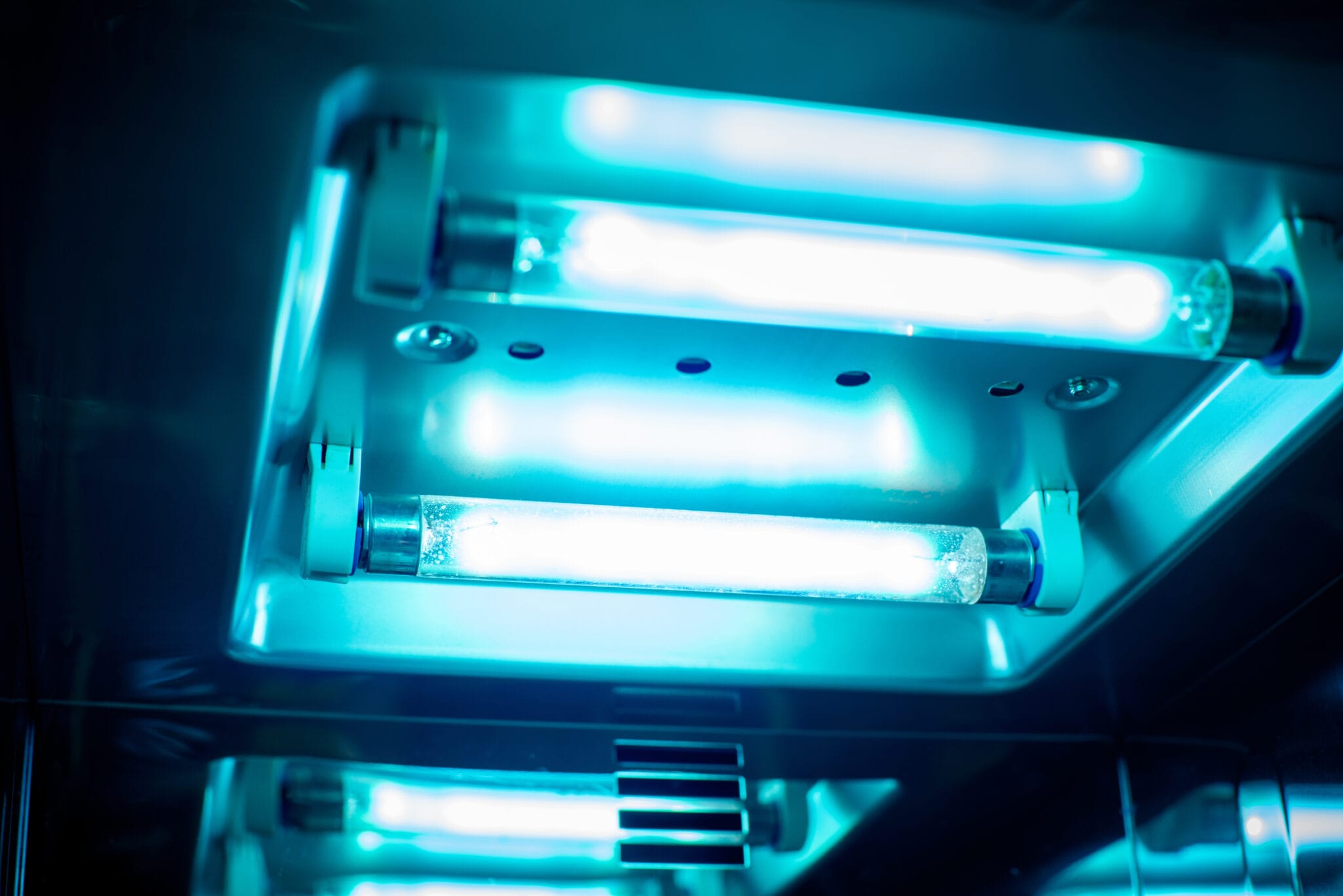
UV-C disinfection uses ultraviolet light in the wavelength range of approximately 200–280 nanometers. This shortwave ultraviolet radiation has enough energy to damage microbial genetic material.
Mechanism of Action
When UV-C photons strike microorganisms:
-
DNA and RNA absorb UV energy
-
Molecular bonds break or form abnormal links
-
Replication becomes impossible
-
The microorganism is effectively inactivated
Unlike chemical disinfectants, UV-C does not rely on toxicity or chemical reactions. Instead, it uses physical energy to disrupt biological function.
Types of UV-C Systems Used in Hospitals
Hospitals do not rely on a single UV-C configuration. Instead, they deploy multiple system types depending on clinical needs.
1. Mobile UV-C Disinfection Robots
These autonomous systems are widely used for room disinfection.
How They Work:
-
Robot is placed in a room after patient discharge
-
Emits high-intensity UV-C light
-
Moves or operates in fixed positions
-
Targets surfaces and air within line-of-sight range
Advantages:
-
Automated operation reduces human error
-
High-intensity disinfection cycles
-
Useful for terminal room cleaning
2. Upper-Air UV-C Systems
Installed in occupied spaces such as waiting rooms or emergency departments.
Key Feature:
-
UV-C light is directed above human head level
-
Air circulation brings pathogens into the disinfection zone
-
Safe for continuous operation when properly designed
Advantages:
-
Continuous microbial reduction
-
Works while patients and staff are present
-
Reduces airborne transmission risk
3. HVAC-Integrated UV-C Systems
Installed inside ventilation systems.
Function:
-
UV-C lamps are placed near coils or ducts
-
Air passing through HVAC is continuously treated
Advantages:
-
24/7 air disinfection
-
Reduces biofilm buildup in ducts
-
Improves overall air hygiene
4. Portable UV-C Devices
Used for equipment and surface disinfection:
-
Ultrasound machines
-
Stethoscopes
-
Surgical tools (non-critical surfaces)
Reliability of UV-C Systems in Hospital Settings
Reliability is the most critical question for healthcare administrators. It depends on multiple technical and operational factors.
1. Dose Delivery Consistency
UV-C effectiveness depends on “dose,” which is a combination of:
-
Light intensity
-
Exposure time
-
Distance from the target surface
Reliable systems ensure:
-
Uniform irradiance distribution
-
Calibrated emission levels
-
Predictable exposure cycles
If dose is inconsistent, disinfection effectiveness drops significantly.
2. Line-of-Sight Dependency
UV-C light only works on surfaces it directly reaches.
This creates challenges:
-
Shadows behind equipment reduce exposure
-
Cluttered rooms create shielding zones
-
Complex geometries limit coverage
Modern hospital systems address this by:
-
Multi-angle emitters
-
Reflective room optimization
-
Robot repositioning strategies
3. Environmental Conditions
UV-C performance is influenced by:
-
Humidity
-
Dust and organic load
-
Surface materials
For example:
-
Dirty surfaces reduce effectiveness
-
High humidity may affect airborne disinfection efficiency
This is why UV-C is always paired with manual cleaning.
4. Equipment Calibration and Maintenance
Reliability depends heavily on maintenance:
Key requirements include:
-
Lamp intensity monitoring
-
Scheduled bulb replacement
-
Sensor calibration
-
Reflector cleaning
A poorly maintained UV-C system can lose effectiveness without obvious warning signs.
5. Cycle Validation and Microbial Testing
Hospitals often validate UV-C systems using:
-
Biological indicators
-
Surface swab cultures
-
ATP bioluminescence testing
This ensures the system is performing as expected in real environments.
Effectiveness Against Key Hospital Pathogens
UV-C systems are particularly effective against a broad range of microorganisms.
Highly Susceptible Pathogens:
-
MRSA
-
VRE
-
Influenza viruses
-
Norovirus
-
SARS-CoV-2 (under controlled exposure conditions)
-
C. difficile spores (with higher doses)
According to infection control guidelines from the Centers for Disease Control and Prevention, UV-C is considered a valuable adjunct technology in reducing environmental contamination when used alongside standard cleaning protocols.
UV-C vs Chemical Disinfection in Hospitals
Chemical Disinfection Strengths:
-
Broad application
-
Immediate surface cleaning
-
Residual activity (depending on agent)
Chemical Disinfection Limitations:
-
Human error dependency
-
Limited reach in complex environments
-
Chemical resistance concerns
UV-C Strengths:
-
No chemical residues
-
Effective against resistant organisms
-
Automated consistency
-
Reaches difficult surfaces (line-of-sight permitting)
UV-C Limitations:
-
No residual protection
-
Requires exposure control
-
Cannot replace manual cleaning
The most reliable infection control strategies use both methods together, not in competition.
Safety Considerations in Hospital UV-C Use
UV-C radiation can be harmful to skin and eyes, which makes safety protocols essential.
Key Safety Mechanisms:
-
Motion sensors to shut off devices
-
Room sealing before UV cycles
-
Remote operation for robotic systems
-
Shielded upper-air installations
Hospitals follow strict protocols to ensure no human exposure during high-intensity UV-C cycles.
UV-C in Airborne Infection Control
While surface disinfection is widely recognized, airborne infection control is equally important.
UV-C systems help reduce:
-
Airborne viral particles
-
Bacterial aerosols
-
Cross-room transmission risks
Upper-air systems and HVAC integration are particularly effective in:
-
Emergency departments
-
ICU units
-
Waiting areas
-
Operating theaters
These environments benefit from continuous air sanitation.
Role of UV-C in Reducing Antibiotic Resistance Spread
One of the most important benefits of UV-C systems is indirect:
By reducing environmental contamination:
-
Fewer infections occur
-
Antibiotic use decreases
-
Pressure for resistance development is reduced
This contributes to global efforts against antimicrobial resistance (AMR), a major concern highlighted by international health organizations.
Real-World Hospital Implementation Scenarios
1. ICU Rooms
High-risk patients require strict environmental control:
-
UV-C robots used after discharge
-
HVAC UV systems run continuously
2. Surgical Theaters
Used to reduce:
-
Airborne contamination
-
Surface microbial load
3. Emergency Departments
Upper-air systems help manage:
-
Continuous patient flow
-
High exposure risk environments
4. Isolation Wards
Used for infectious disease containment zones.
Limitations of UV-C in Hospital Environments
Despite its benefits, UV-C is not a standalone solution.
1. Cannot Replace Manual Cleaning
Organic matter blocks UV penetration.
2. Limited Shadow Penetration
Hidden areas may remain untreated.
3. Requires Workflow Integration
Must align with hospital operational schedules.
4. Initial Investment Costs
Advanced robotic systems can be expensive.
Future of UV-C in Healthcare Facilities
UV-C technology is evolving rapidly in several directions.
1. AI-Optimized Disinfection
Future systems will:
-
Map room geometry
-
Adjust dosage automatically
-
Optimize positioning in real time
2. Autonomous Infection Control Robots
Next-generation robots will integrate:
-
Navigation AI
-
Environmental sensing
-
Adaptive exposure control
3. UV-C LED Advancements
Replacing mercury lamps with:
-
Longer lifespan systems
-
Instant activation
-
Lower maintenance requirements
4. Integrated Smart Hospital Systems
UV-C will connect with:
-
Hospital management systems
-
Patient flow data
-
Environmental sensors
Reliability Verdict: How Trustworthy Is UV-C in Hospitals?
UV-C disinfection systems are highly reliable when:
-
Properly installed
-
Correctly calibrated
-
Regularly maintained
-
Used as part of a multi-layer infection control strategy
However, their reliability is not absolute. It depends on:
-
Environmental conditions
-
System design quality
-
Operational discipline
The most important takeaway is that UV-C is not a replacement for traditional infection control—it is a force multiplier that enhances existing protocols.
Final Conclusion: A Critical Layer in Modern Infection Prevention
Hospital infection prevention requires a multi-barrier approach, combining human expertise, chemical disinfection, and advanced technologies.
UV-C disinfection systems have proven themselves as a powerful tool in this ecosystem. Their ability to inactivate a wide range of pathogens, reduce environmental contamination, and operate autonomously makes them an essential part of modern hospital design.
However, their true value lies not in isolation but in integration. When combined with cleaning protocols, air filtration systems, and strict hygiene practices, UV-C technology significantly strengthens the overall infection control framework.
In the ongoing effort to reduce hospital-acquired infections, UV-C is no longer an experimental technology—it is a proven, evolving, and increasingly indispensable component of safe healthcare environments.