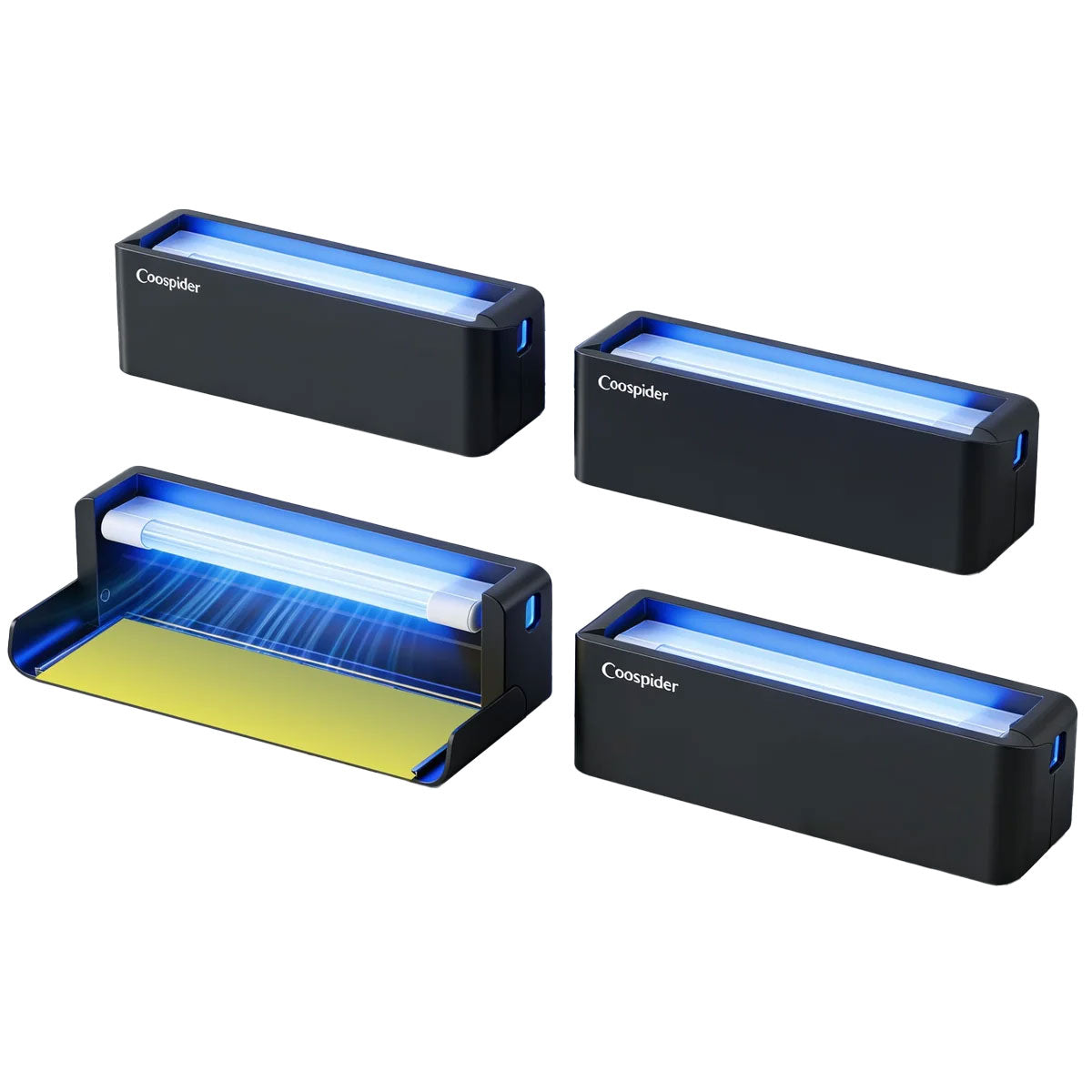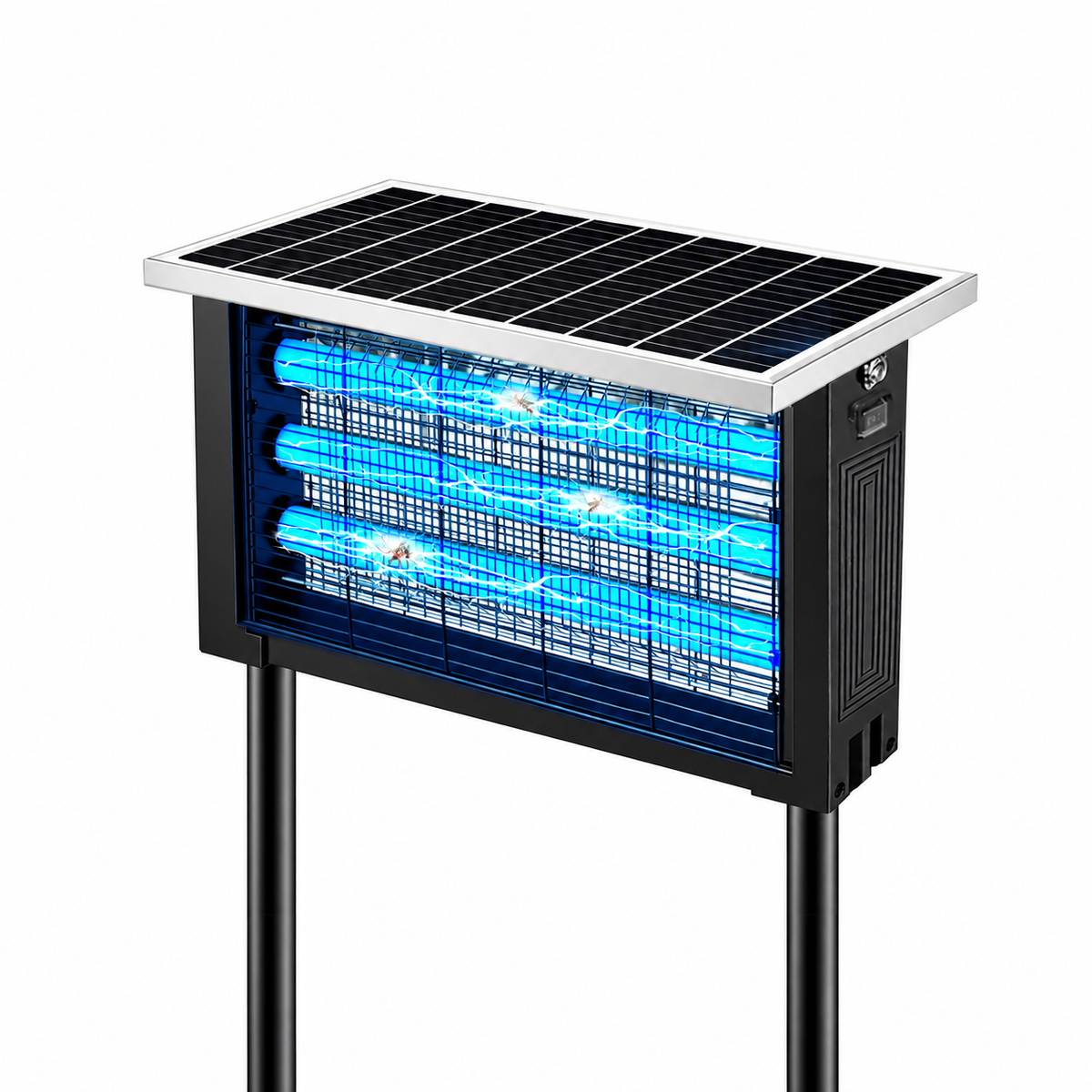
Ultraviolet (UV) disinfection lamps have become increasingly common in modern households. From handheld UV wands to enclosed sterilization boxes and HVAC-integrated systems, they promise a fast, chemical-free way to reduce germs on surfaces and in the air. But while the technology is widely available, safe home use is often misunderstood.
UV light is not inherently “dangerous” in the way many people assume, but it is biologically active radiation. That means it interacts with living tissue at the cellular level. The same property that makes it effective for disinfection also makes improper use risky.
This guide is designed to help you build a practical, science-based safety system for using UV disinfection lamps at home—covering equipment selection, room setup, operating habits, and long-term protection strategies for everyone in the household.
Understanding the Core Principle: UV Safety Is a System, Not a Device Feature
The most common mistake people make is assuming safety is “built into” the lamp itself. In reality, safe UV use depends on a system of controls working together:
-
Device design and shielding
-
Distance and exposure time
-
Room layout and access control
-
User behavior and habits
-
Protective barriers and procedural rules
Think of UV safety like cooking with a stove. The stove is not “safe” by itself; safety comes from how it is installed, monitored, and used.
Once you shift to this systems-based mindset, the goal becomes clear: prevent unintended exposure at every possible point.
Step 1: Choose the Right Type of UV Device for the Job
Not all UV devices serve the same purpose. Selecting the right category is the foundation of home safety.
1. Enclosed UV sterilization boxes (lowest exposure risk)
These devices are designed with full shielding, meaning UV light remains inside the chamber. They are commonly used for:
-
Phones
-
Eyewear
-
Small household items
Safety advantage:
-
Minimal risk of direct exposure if used correctly
-
Built-in interlocks in higher-quality models
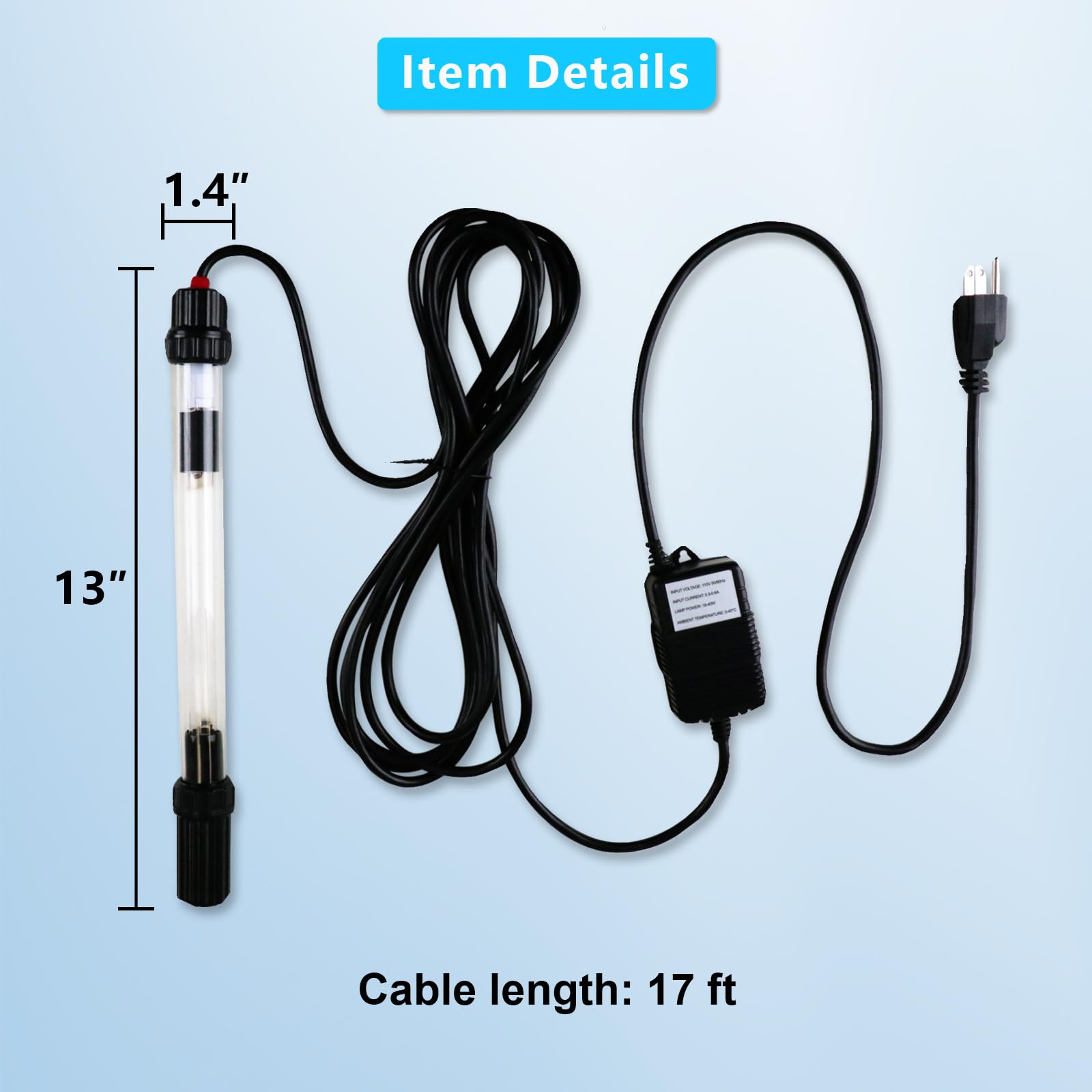
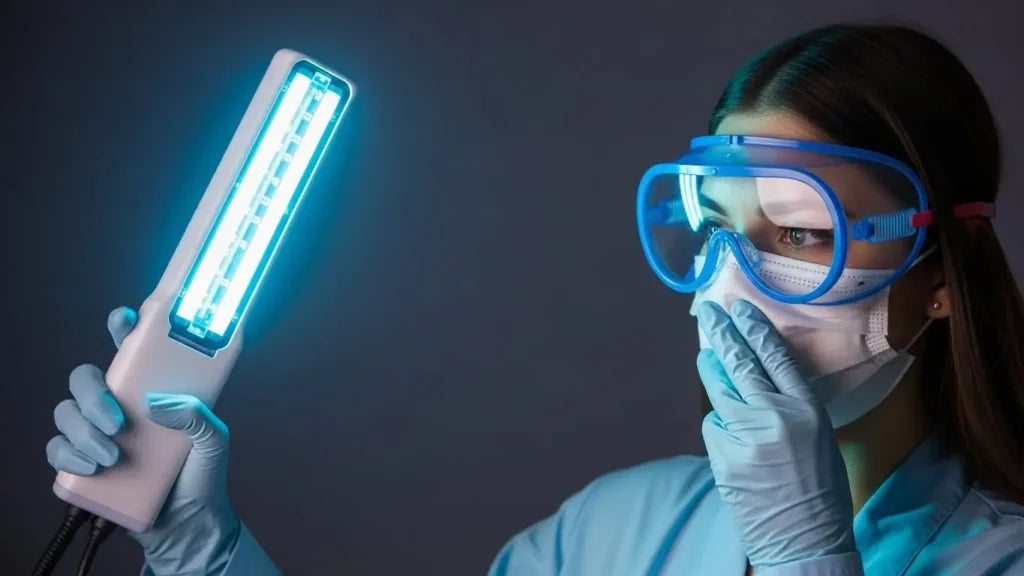
2. UV-C surface disinfection wands (higher risk category)
These handheld devices emit UV light openly. They require strict handling because:
-
They can easily be pointed at skin or eyes accidentally
-
Shielding depends entirely on user behavior
They are effective but demand discipline.
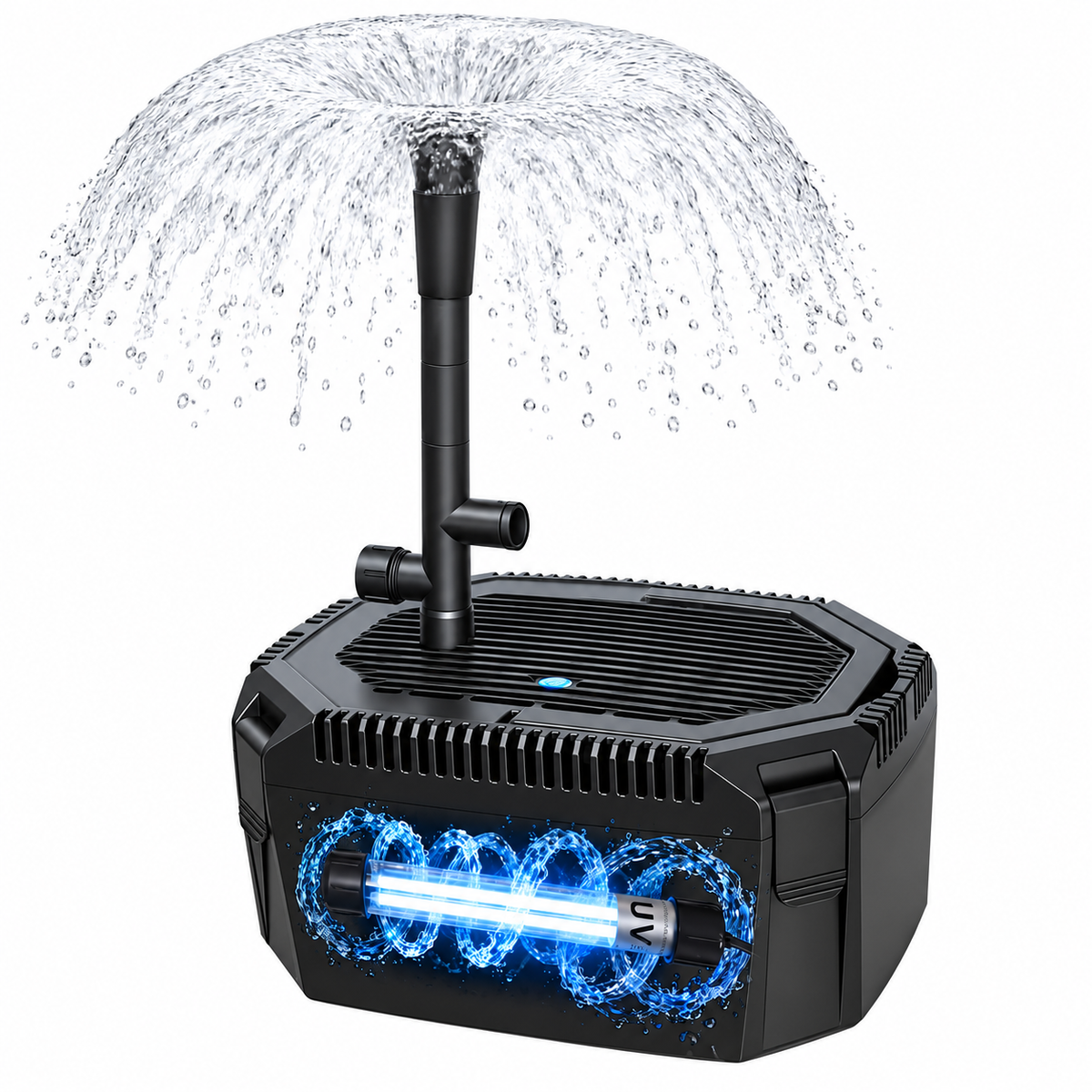
3. Fixed UV room or HVAC systems (specialized use)
These are installed systems designed to disinfect air or surfaces indirectly. Properly engineered versions often include:
-
Shielded lamps
-
Motion sensors
-
Airflow-based UV exposure (not direct room exposure)
These are generally safer when professionally installed, but still require caution and maintenance.
Key selection rule
If you are choosing a device for home use, prioritize:
-
Physical shielding
-
Automatic shutoff features
-
Clear exposure indicators
-
Certified safety testing (UL, CE, or equivalent)
If a device relies entirely on user behavior to prevent exposure, the risk level increases significantly.
Step 2: Create a Dedicated “UV Use Zone” in Your Home
One of the most effective safety strategies is environmental control. Instead of using UV devices anywhere in the house, designate a specific zone.
Ideal UV safety zone characteristics:
-
Low foot traffic
-
Easy to restrict access
-
Hard flooring (easy to clean)
-
Good visibility from outside the room
-
Door that can be closed completely
Common choices include:
-
Laundry rooms
-
Bathrooms (when unoccupied and controlled)
-
Utility rooms
-
Garages or enclosed storage spaces
Add physical boundaries
A UV safety zone should include clear access control:
-
Door signs during operation (“UV device in use”)
-
Closed-door policy while device is active
-
Optional lock or latch for households with children
-
Visual indicator light outside the room
This prevents accidental entry during operation, which is one of the most common exposure risks.
Step 3: Establish Strict Exposure Rules (Non-Negotiable)
UV safety depends heavily on behavior. The following rules should be treated as strict household standards:
Rule 1: No human or pet exposure during operation
UV disinfection devices are designed for objects and air—not living tissue.
Even brief exposure to eyes or skin should be avoided.
Rule 2: Never override safety timers or interlocks
If a device includes:
-
Auto shutoff
-
Motion detection
-
Lid sensors
Do not bypass them. These are not convenience features—they are safety mechanisms.
Rule 3: Follow distance requirements exactly
UV intensity increases dramatically with proximity.
-
Do not move devices closer than recommended
-
Do not “speed up” disinfection by reducing distance
-
Do not use handheld devices in contact with skin
Distance rules are part of the device’s tested safety profile.
Rule 4: Avoid reflective exposure environments
UV light can reflect off surfaces like:
-
Glass
-
Metal
-
Glossy tile
This can create unintended exposure paths. Always ensure directional control or shielding.
Step 4: Build a Pre-Use Safety Checklist
Before activating any UV device, run a quick mental or physical checklist:
Environment check:
-
Is the room empty of people and pets?
-
Are doors fully closed?
-
Are windows or reflective surfaces accounted for?
Device check:
-
Is the shield intact (no cracks or damage)?
-
Are timers and sensors functioning?
-
Is the device positioned correctly?
Operational check:
-
Do I understand the required exposure time?
-
Is the area clearly marked as “in use”?
-
Do I have a way to prevent accidental entry?
This checklist reduces reliance on memory, especially in busy households.
Step 5: Understand Safe Exposure Timing and Real-World Limits
Manufacturers often provide exposure times based on controlled conditions. However, real-world effectiveness depends on multiple variables:
-
Distance from surface
-
Shadowing or occlusion
-
Surface material
-
Lamp age and intensity degradation
Practical rule of thumb:
Treat UV disinfection as a controlled process, not an instant result.
Shortening exposure time may reduce effectiveness, but extending exposure without proper shielding increases risk. Balance is key.
Step 6: Protect Children and Pets with Layered Barriers
Households with children or pets require additional safeguards.
Physical barriers:
-
Door locks or child-proof latches
-
Baby gates for access control areas
-
Elevated storage for handheld UV devices
Behavioral training:
-
Teach children that UV rooms are “off-limits”
-
Establish clear rules: no touching devices
-
Never allow supervised “play use” of UV tools
Pets should never be exposed to UV light directly. Even if they appear unaffected, exposure risks remain the same as for humans.
Step 7: Proper Handling of UV Devices
Safe handling practices are essential for preventing accidental exposure.
When using handheld UV wands:
-
Always point away from your body
-
Keep wrist stable to avoid sweeping motion toward skin
-
Turn off device before setting it down
-
Avoid walking while the device is on
When using enclosed systems:
-
Confirm lid is fully closed before activation
-
Do not open mid-cycle
-
Wait for cycle completion indicator
These habits significantly reduce accidental exposure risk.
Step 8: Maintenance Matters More Than Most People Think
UV devices degrade over time, and maintenance directly affects both safety and performance.
Regular maintenance tasks:
-
Clean lamps and reflective surfaces (when off and cool)
-
Inspect for cracks or shielding damage
-
Replace bulbs according to manufacturer lifespan
-
Check timers and sensors for accuracy
A degraded UV lamp may:
-
Emit inconsistent radiation levels
-
Take longer to disinfect surfaces
-
Create unpredictable exposure zones
Maintenance is not just about performance—it is a safety requirement.
Step 9: Avoid These Common Home Mistakes
Many UV-related safety incidents come from predictable misuse patterns.
Mistake 1: Using UV light on skin or hands
UV devices are not designed for dermatological exposure in household contexts. Repeated exposure increases long-term risk without meaningful hygiene benefit.
Mistake 2: Using UV in occupied rooms
Even “quick exposure” in shared spaces can lead to unintended eye or skin exposure.
Mistake 3: Assuming all surfaces are fully disinfected
UV light does not penetrate:
-
Fabric folds
-
Under objects
-
Deep shadows
Relying on UV alone creates false security.
Mistake 4: Improper storage of handheld devices
Leaving UV wands accessible increases accidental activation risk.
Step 10: Build a Layered Home Disinfection Strategy
The safest approach is not UV-only—it is layered hygiene.
Layer 1: Physical cleaning
-
Soap and water
-
Surface wiping
-
Dust removal
Layer 2: UV disinfection (optional enhancement)
-
Used after cleaning
-
Focused on high-touch objects
Layer 3: Ventilation and airflow
-
Open windows
-
Air circulation systems
Layer 4: Behavioral hygiene
-
Handwashing
-
Clean storage habits
UV light becomes most effective when it supports—not replaces—traditional cleaning methods.
Step 11: Emergency Response for Accidental Exposure
Even with precautions, accidents can happen. Knowing how to respond matters.
If skin exposure occurs:
-
Move away from UV source immediately
-
Wash area with cool water
-
Monitor for redness or irritation
-
Avoid further exposure until skin recovers
If eye exposure occurs:
-
Stop exposure immediately
-
Do not rub eyes
-
Rest in a darkened environment
-
Seek medical attention if pain, tearing, or vision changes persist
Most minor exposures resolve quickly, but symptoms should never be ignored.
Step 12: Long-Term Household Safety Culture
The most effective protection is not a rule—it is a habit system.
Over time, households that use UV devices safely tend to develop:
-
Automatic room-clearing behavior before activation
-
Consistent storage habits
-
Shared understanding of UV risks
-
Routine maintenance schedules
-
Clear communication among family members
This transforms UV use from a potentially risky activity into a controlled, predictable process.
Final Thoughts: Safety Comes From Design + Discipline
UV disinfection lamps can be useful tools in modern home hygiene systems, but they require respect and structure. The technology itself is not inherently unsafe—the risk emerges when convenience replaces caution.
A safe home UV system is built on three pillars:
-
Good device design (shielding and controls)
-
Controlled environment (dedicated zones and access limits)
-
Consistent human behavior (rules and habits)
When these elements work together, UV technology can be used effectively without compromising health or safety.
The goal is not to avoid UV devices entirely—it is to use them in a way that keeps every exposure intentional, controlled, and fully understood.