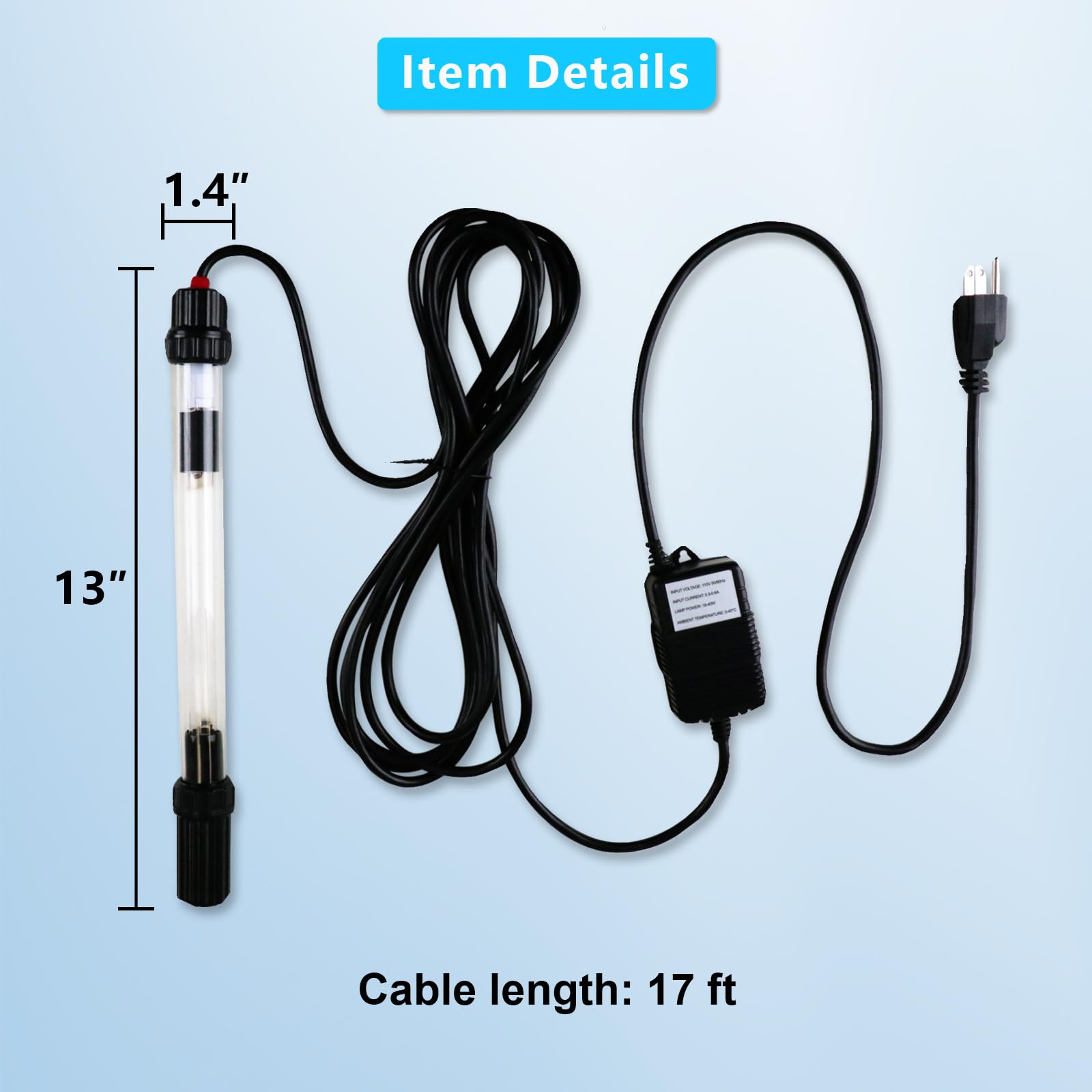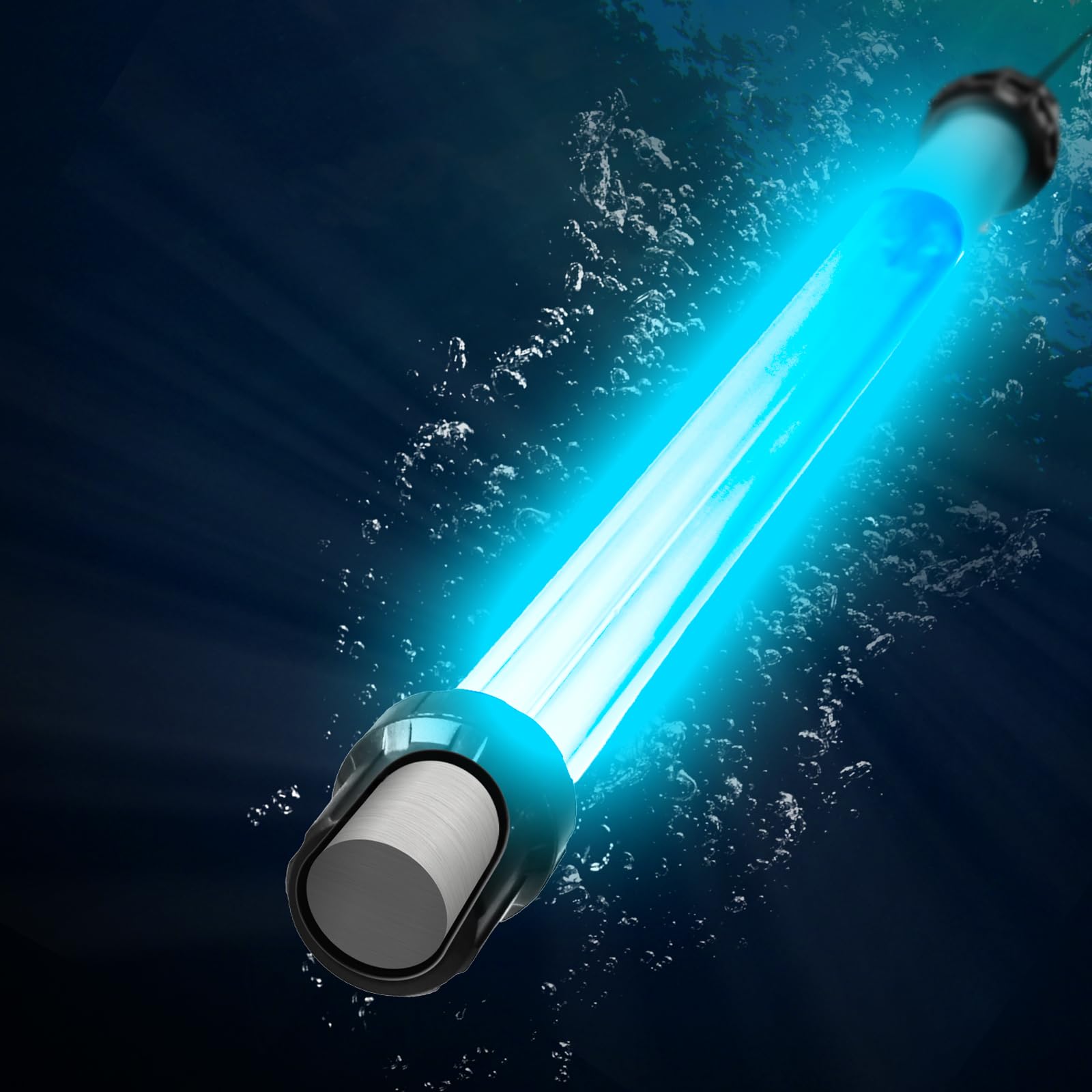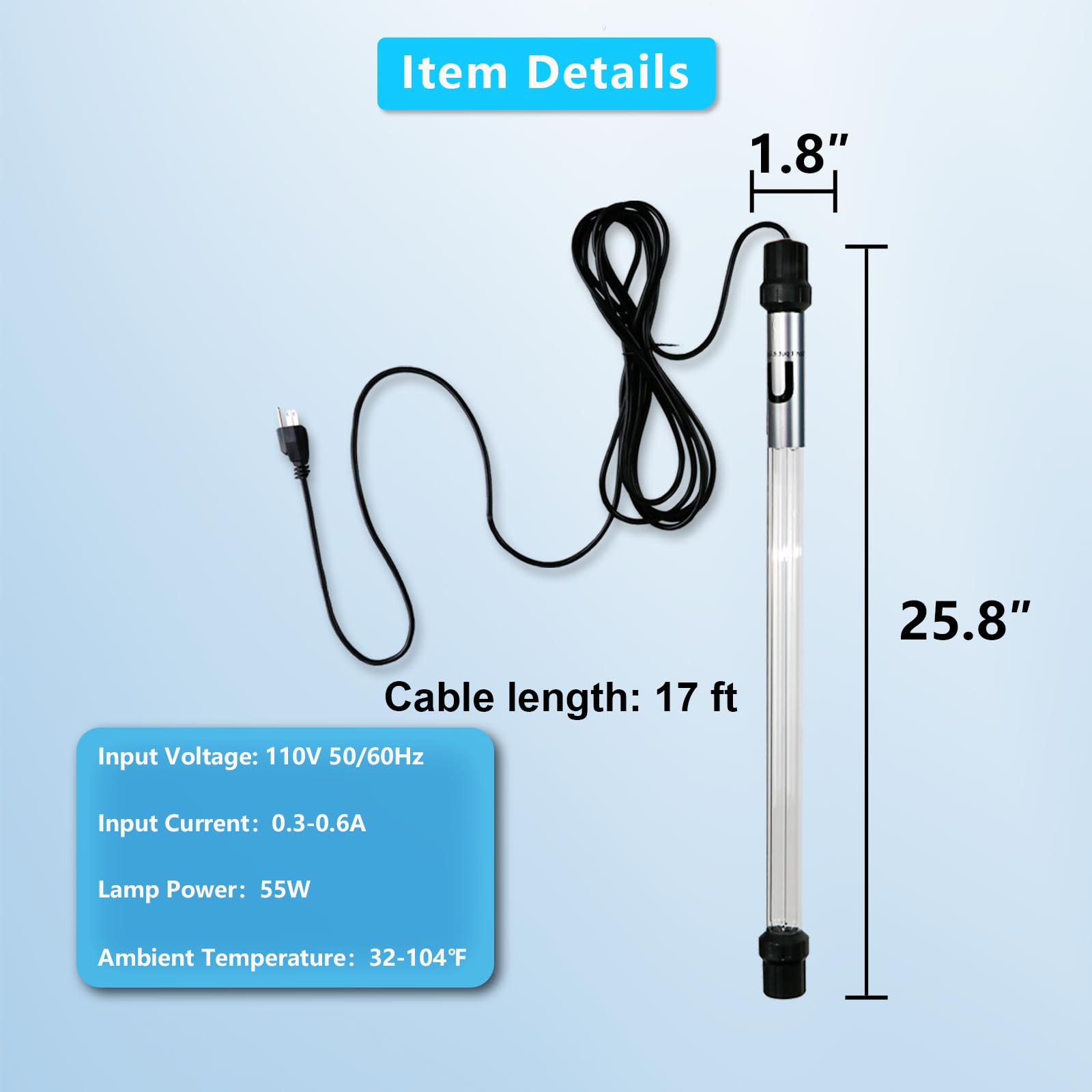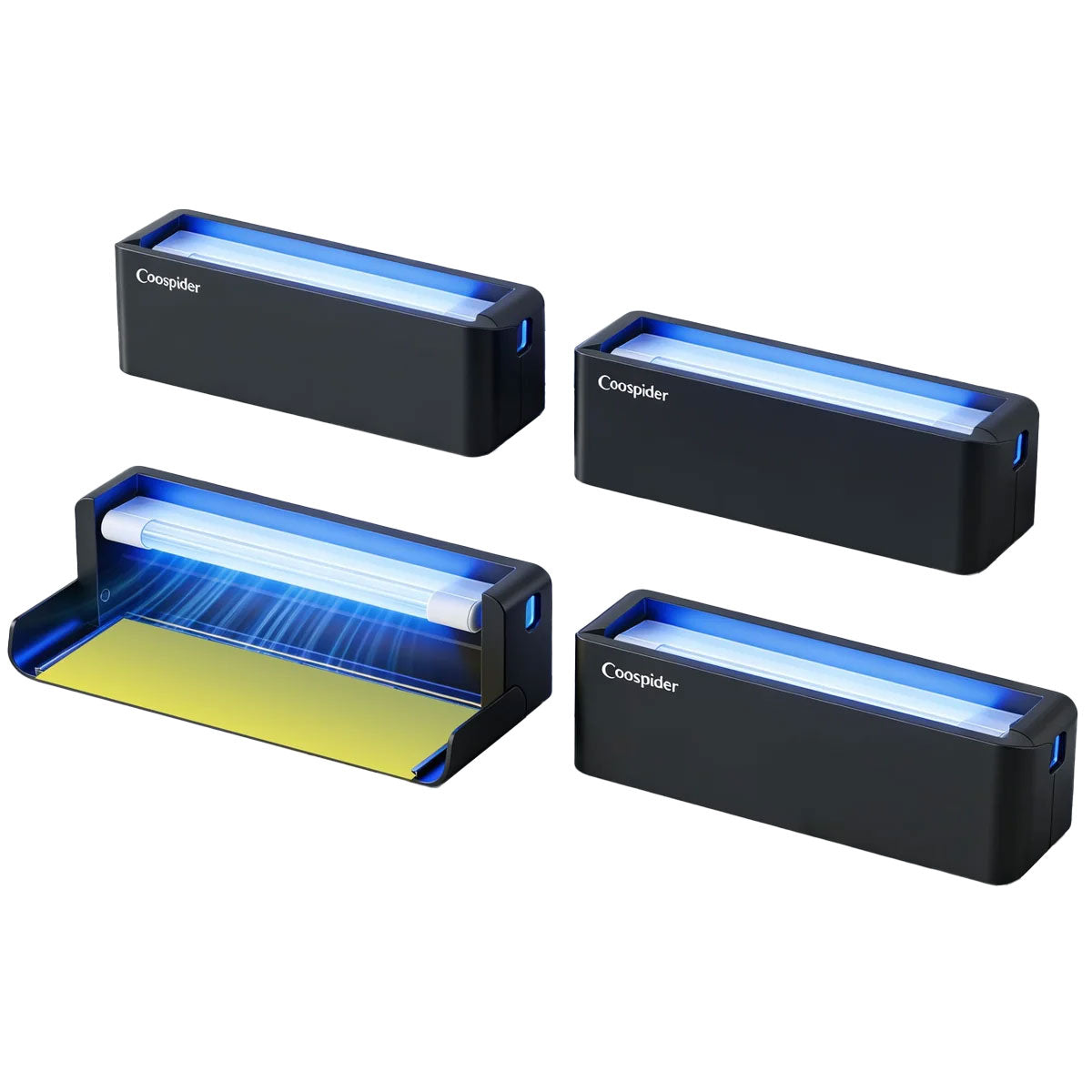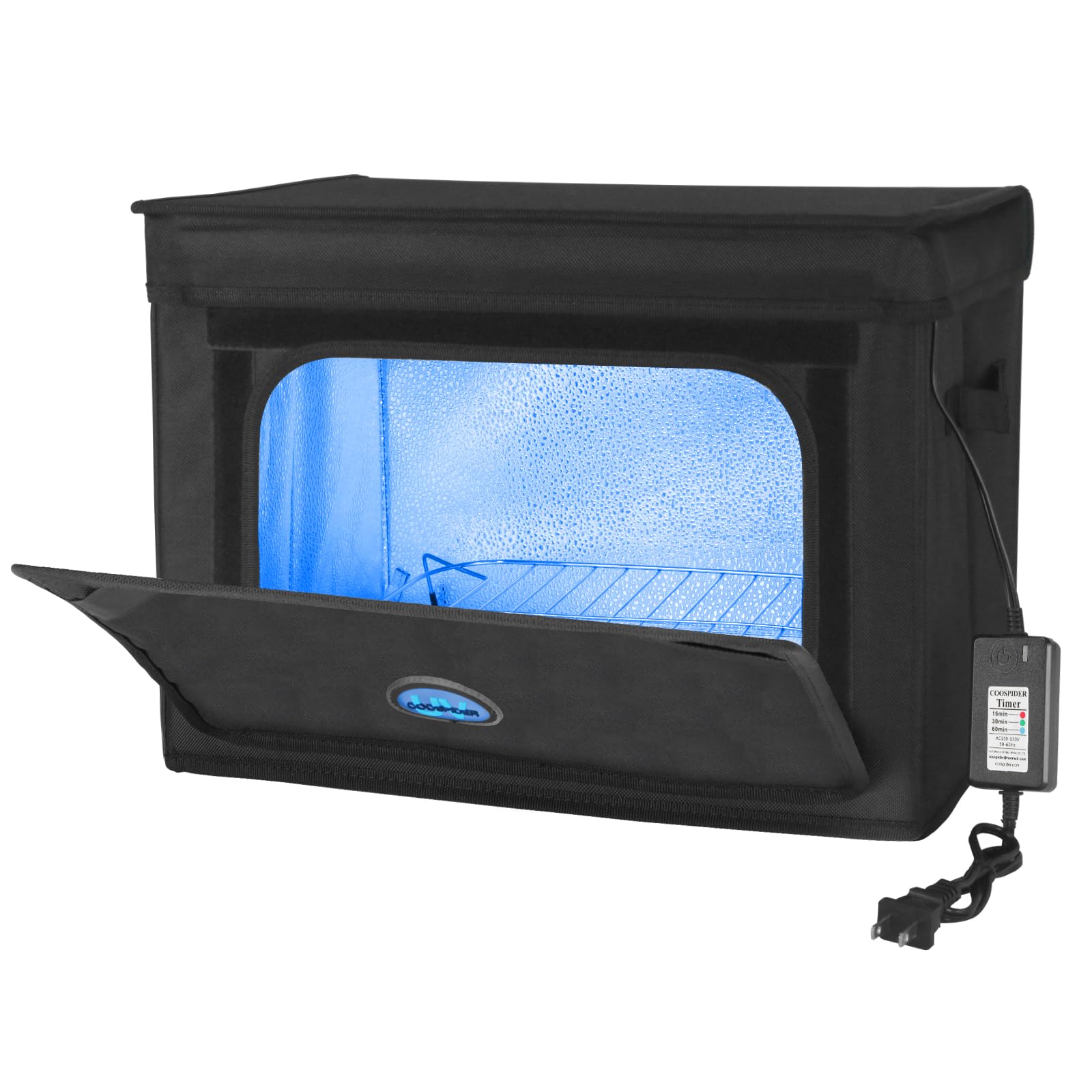
Ultraviolet (UV) lamps have moved from niche industrial tools into everyday life. They show up in home sanitizers, nail salons, air purifiers, water disinfection devices, and even handheld “germ-killing” gadgets marketed for surfaces like phones, countertops, and bedding. On the surface, they promise convenience and cleanliness. But beneath that promise is a set of safety boundaries many users don’t fully understand—and crossing those boundaries can quietly put your skin, eyes, and long-term health at risk.
This article breaks down the most common misconceptions about UV lamps, explains the real risks behind them, and defines the safety “red lines” that should never be ignored.
Understanding UV Light: More Than Just “Invisible Germ Killer”
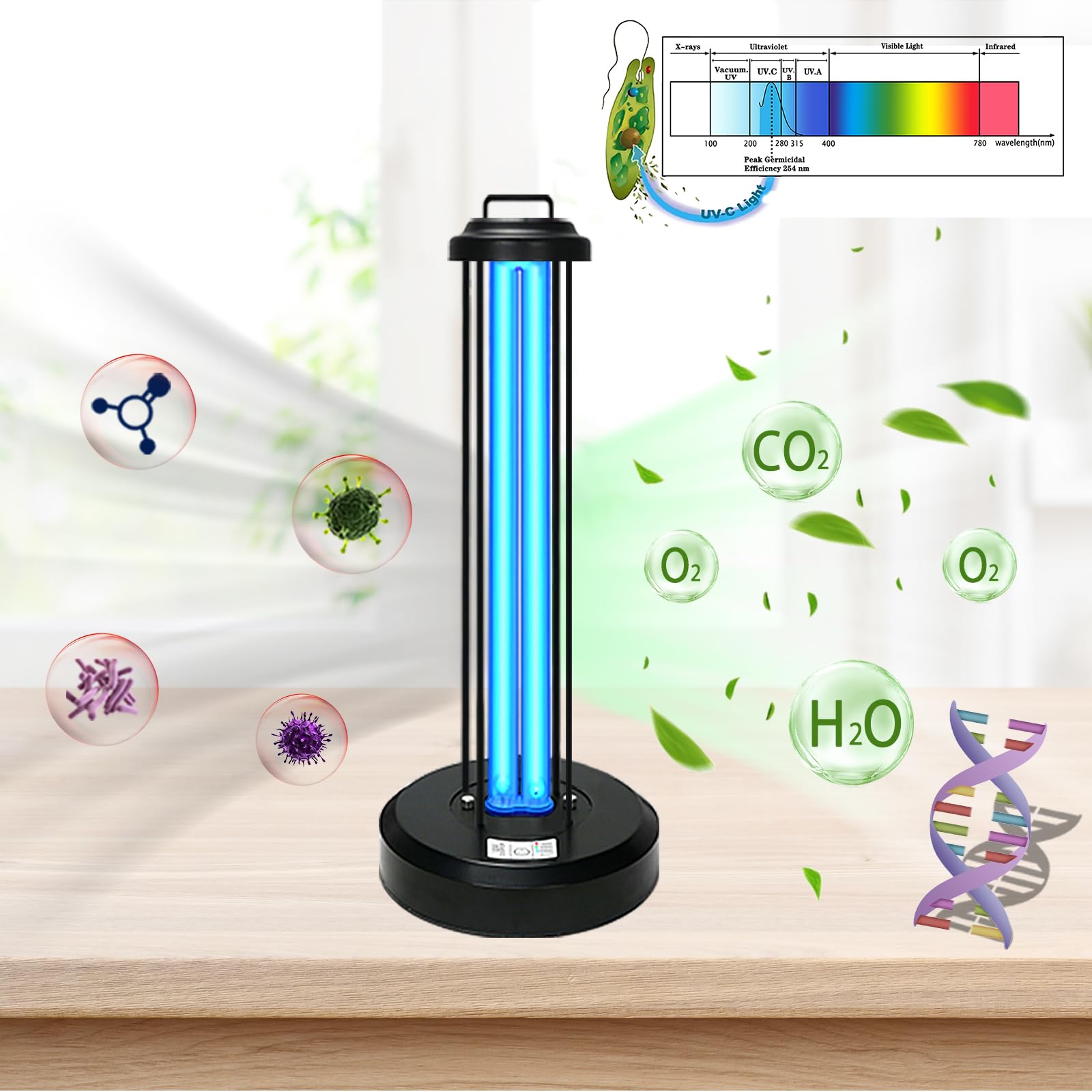
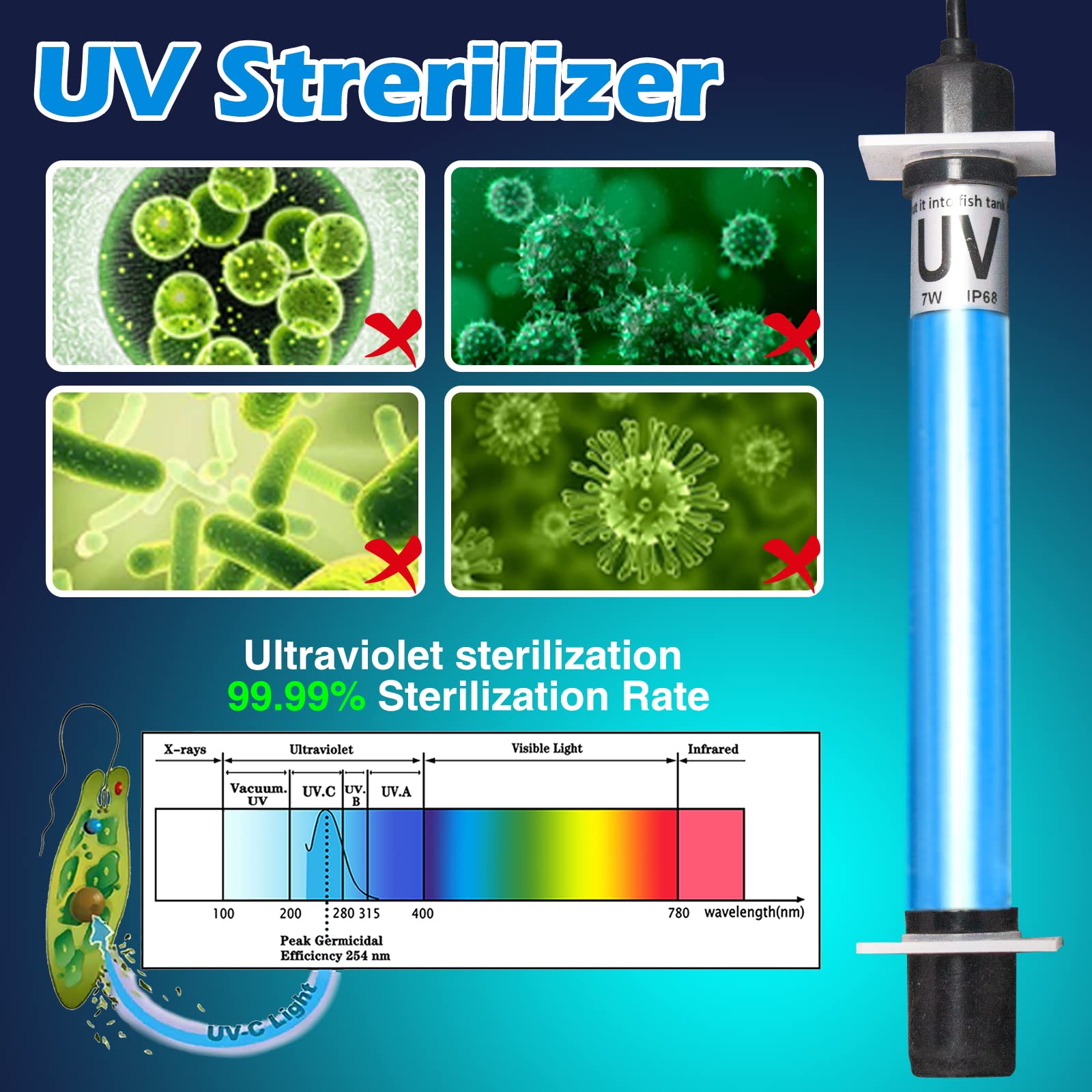
Ultraviolet light is a form of electromagnetic radiation, specifically the type just beyond visible violet light. It is commonly divided into three categories:
-
UVA: Long-wave UV, which penetrates deeper into the skin
-
UVB: Medium-wave UV, responsible for sunburn and most direct DNA damage
-
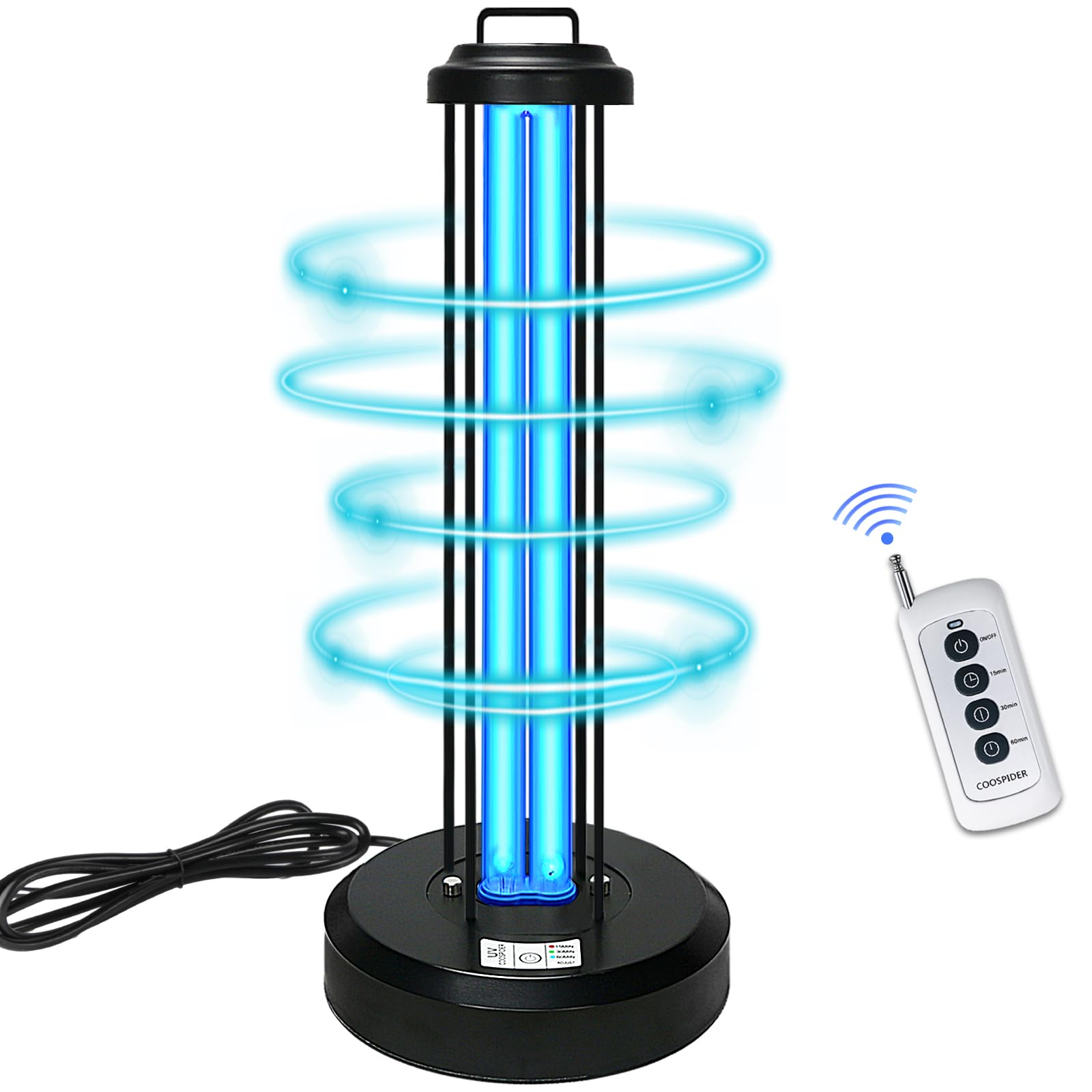
UVC: Short-wave UV, the most energetic and most effective for disinfection
UVC is the type most UV sanitizing devices use. It is also the most dangerous to humans because it can directly damage cells and genetic material.
From a scientific standpoint, UV radiation is powerful precisely because it disrupts microbial DNA. That same mechanism, however, can affect human cells as well. The difference between “useful disinfection” and “biological harm” often comes down to exposure time, distance, shielding, and device design.
Red Line #1: “If I Can’t See It, It Can’t Hurt Me”
One of the most dangerous misconceptions about UV lamps is the belief that invisible light is harmless.
UV radiation is invisible to the human eye, but invisibility has nothing to do with safety. In fact, because you cannot see it, you may not instinctively protect yourself from exposure.
Short exposure to high-intensity UV light can cause:
-
Eye irritation (photokeratitis, often described as “welder’s flash”)
-
Redness and burns on exposed skin
-
Headaches and light sensitivity
Long-term or repeated exposure increases risks linked to cellular damage, including premature skin aging and elevated risk of certain skin conditions.
The key red line is simple: never assume safety based on visibility.
Red Line #2: Direct Eye Exposure, Even for Seconds, Is Dangerous
UV light exposure to the eyes is one of the most underestimated risks.
The cornea absorbs UV radiation rapidly, and damage can occur even after brief exposure. Symptoms of UV eye injury often appear several hours later, including:
-
Severe eye pain
-
Sensation of sand or grit in the eyes
-
Tearing and redness
-
Temporary vision blurriness
In industrial settings, protective eyewear is mandatory for a reason. Yet many consumer UV devices do not include adequate shielding or user guidance.
A critical safety rule: never look directly at a UV lamp, even briefly, even if it appears “low power.”
Red Line #3: “Safe for Home Use” Does Not Mean Safe for Skin Exposure
Many consumer UV products are labeled as safe for household use. This phrasing is often misunderstood.
“Safe for home use” typically means:
-
The device meets certain regulatory emission limits
-
It can be operated under specific conditions
-
It is intended to disinfect objects, not people
It does NOT mean:
-
Safe to use on skin
-
Safe to use on pets
-
Safe for prolonged exposure in occupied rooms
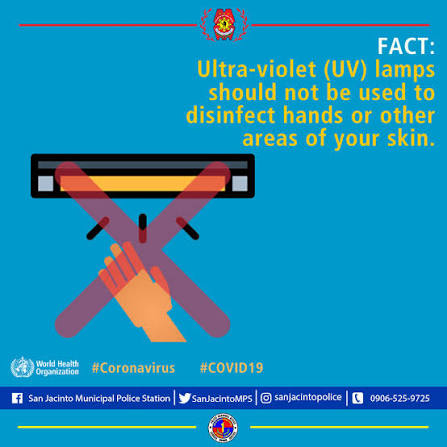
Some people mistakenly use UV wands to “sanitize” their hands or skin. This is particularly risky because repeated UV exposure can cause cumulative damage over time.
The red line: UV disinfection devices are for objects, not living tissue.
Red Line #4: Improper Distance Multiplies Risk
UV intensity decreases with distance, but not in a simple linear way. Many UV devices are designed to operate at very specific distances. Moving closer than recommended can drastically increase exposure intensity.
Common mistakes include:
-
Holding UV wands directly against skin
-
Placing UV lamps too close to the face or hands
-
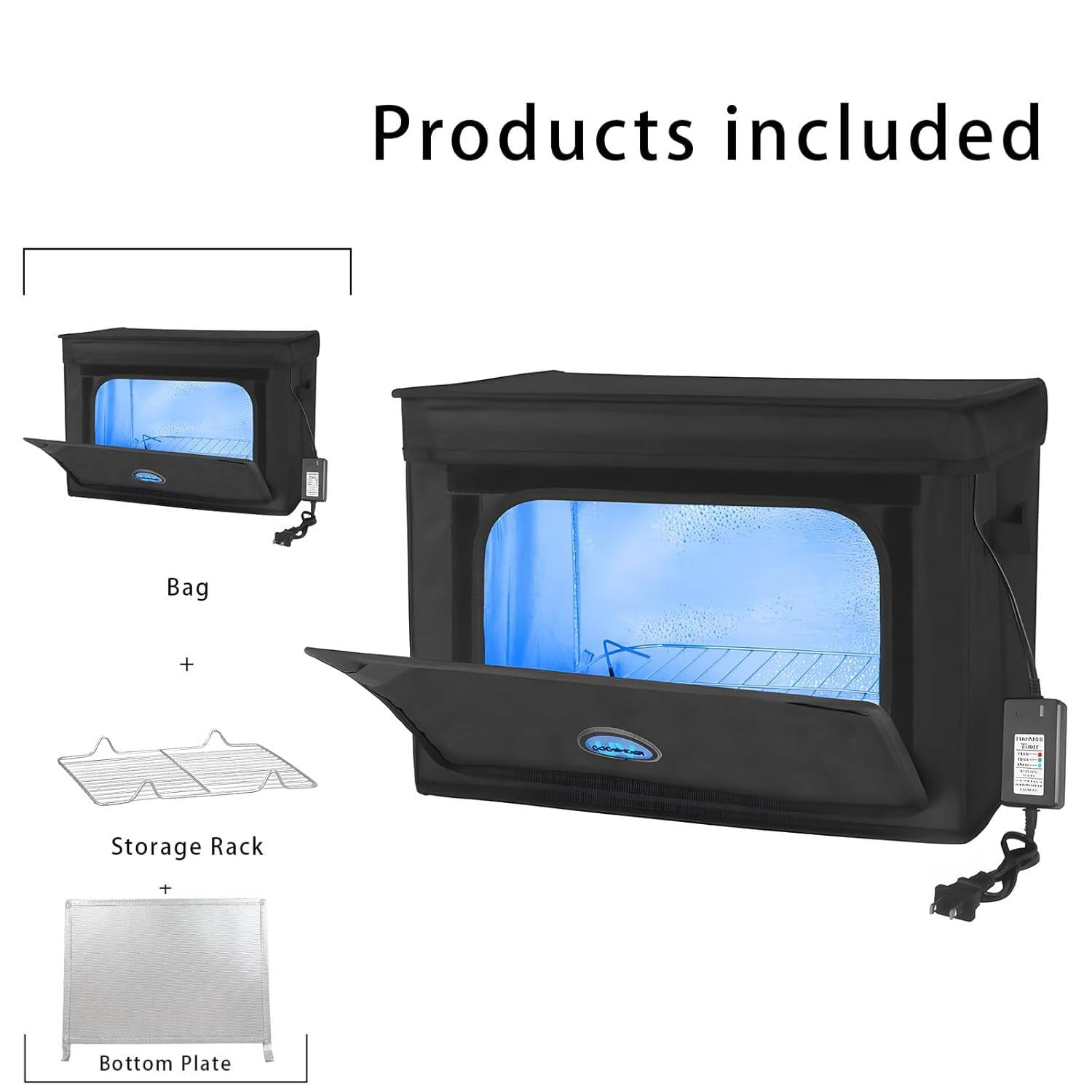
Misusing countertop UV boxes with open lids
-
Leaning over UV sterilizers while they are active
Even a few centimeters can significantly change exposure levels.
The safety principle: distance specifications are not suggestions—they are part of the safety design.
Red Line #5: Assuming All UV Devices Are the Same
Not all UV lamps are created equal. They vary widely in:
-
Wavelength output (UVA, UVB, or UVC)
-
Intensity level
-
Shielding design
-
Intended use case
-
Certification and testing standards
For example:
-
Nail salon lamps often use UVA for curing polish
-
Germicidal lamps often use UVC for disinfection
-
Some “UV sanitizers” may combine technologies but lack proper shielding
Using a device outside its intended purpose can introduce unexpected risks.
A crucial rule: never assume “UV lamp” is a single category with uniform safety behavior.
Red Line #6: Believing UV Light Replaces Cleaning
A widespread misconception is that UV light eliminates the need for traditional cleaning methods.
UV light can reduce microbial presence on surfaces, but it has limitations:
-
It only works on surfaces it directly reaches
-
Shadows or folds block effectiveness
-
Dirt and organic material can reduce disinfection efficiency
-
It does not remove physical debris
This means UV is best viewed as a supplementary tool, not a replacement for cleaning.
Overreliance on UV devices can lead to a false sense of security, where surfaces appear “sterile” but are not actually free of contaminants.
The red line: UV is an enhancement, not a substitute for cleaning.
Red Line #7: Using UV Lamps in Occupied Rooms
Some modern UV systems are marketed for air disinfection in occupied spaces, often using far-UVC technology or enclosed airflow systems. However, many consumer-grade products do not meet the same safety standards.
The danger arises when:
-
Open UV lamps are used in living spaces
-
Devices are left running while people or pets are present
-
Ventilation systems are modified or bypassed
Exposure in enclosed environments can accumulate quickly.
Safe practice depends entirely on device design. If a UV lamp is not explicitly designed for human-occupied environments, it should never be used that way.
Red Line #8: Ignoring Cumulative Exposure
UV damage is not always immediate. One of the most misunderstood aspects is cumulative exposure.
Even low-level UV exposure, repeated over time, can contribute to:
-
Skin aging
-
DNA damage in skin cells
-
Increased sensitivity to sunlight
-
Eye strain or chronic irritation
This is similar to how small doses of sun exposure accumulate over years.
People who frequently use UV devices at home, salons, or workplaces may unknowingly exceed safe cumulative exposure levels.
The key principle: small exposures still add up.
Red Line #9: No Protective Equipment = No Safety Margin
Industrial UV environments always include protective measures:
-
UV-blocking goggles
-
Face shields
-
Gloves
-
Controlled enclosures
-
Warning indicators
Consumer devices often omit these protections, leading users to underestimate risk.
Even when devices are “low power,” protective equipment is not optional in professional contexts.
At minimum, safe operation requires:
-
Avoiding direct exposure
-
Ensuring shielding is intact
-
Following manufacturer safety distances
If a device requires protective gear in professional settings, that alone is a signal of inherent risk.
Red Line #10: Misinterpreting “Quick Sanitization” Claims
Many UV devices advertise extremely fast disinfection times—sometimes as short as 30 seconds or a few minutes. While UV light can inactivate microbes quickly under controlled conditions, real-world effectiveness is often more complex.
Factors affecting performance include:
-
Surface shape
-
Angle of exposure
-
Distance from light source
-
Presence of shadows
-
Type of microorganism
Short-cycle claims may apply only under ideal lab conditions.
A safer interpretation is that UV sanitization is variable, not guaranteed instant sterilization.
How to Use UV Lamps Safely in Real Life
Understanding risks is only half the equation. Safe usage depends on consistent habits:
-
Always follow manufacturer distance guidelines
-
Never expose skin or eyes directly to UV light
-
Use UV devices only for intended purposes
-
Keep humans and pets out of exposure zones unless explicitly approved
-
Combine UV use with traditional cleaning methods
-
Treat UV exposure as a controlled process, not casual light use
The safest mindset is respect, not fear. UV technology is useful, but only when treated with appropriate caution.
The Bigger Picture: Why Misunderstanding UV Safety Is So Common
Several factors contribute to widespread misconceptions:
-
UV light is invisible, creating a false sense of harmlessness
-
Marketing often emphasizes convenience over risk
-
The term “germ-killing” sounds inherently safe
-
Devices resemble everyday household electronics
-
Safety instructions are often overlooked or minimized
This combination leads to casual usage of technology that actually operates in a biologically active radiation range.
Final Thoughts: Respect the Invisible
Ultraviolet light is one of the most effective disinfection tools available, but it is also one of the easiest to misuse. The danger does not come from dramatic accidents in most cases—it comes from small, repeated misunderstandings of how the technology works.
The core safety red lines are simple:
-
Never expose eyes or skin directly
-
Never assume invisibility equals safety
-
Never bypass distance or shielding guidelines
-
Never use UV devices beyond their intended design
Used correctly, UV technology is powerful and practical. Used carelessly, it becomes an invisible source of cumulative biological stress.
Understanding the boundary between those two outcomes is what ultimately protects long-term health.